
Categories
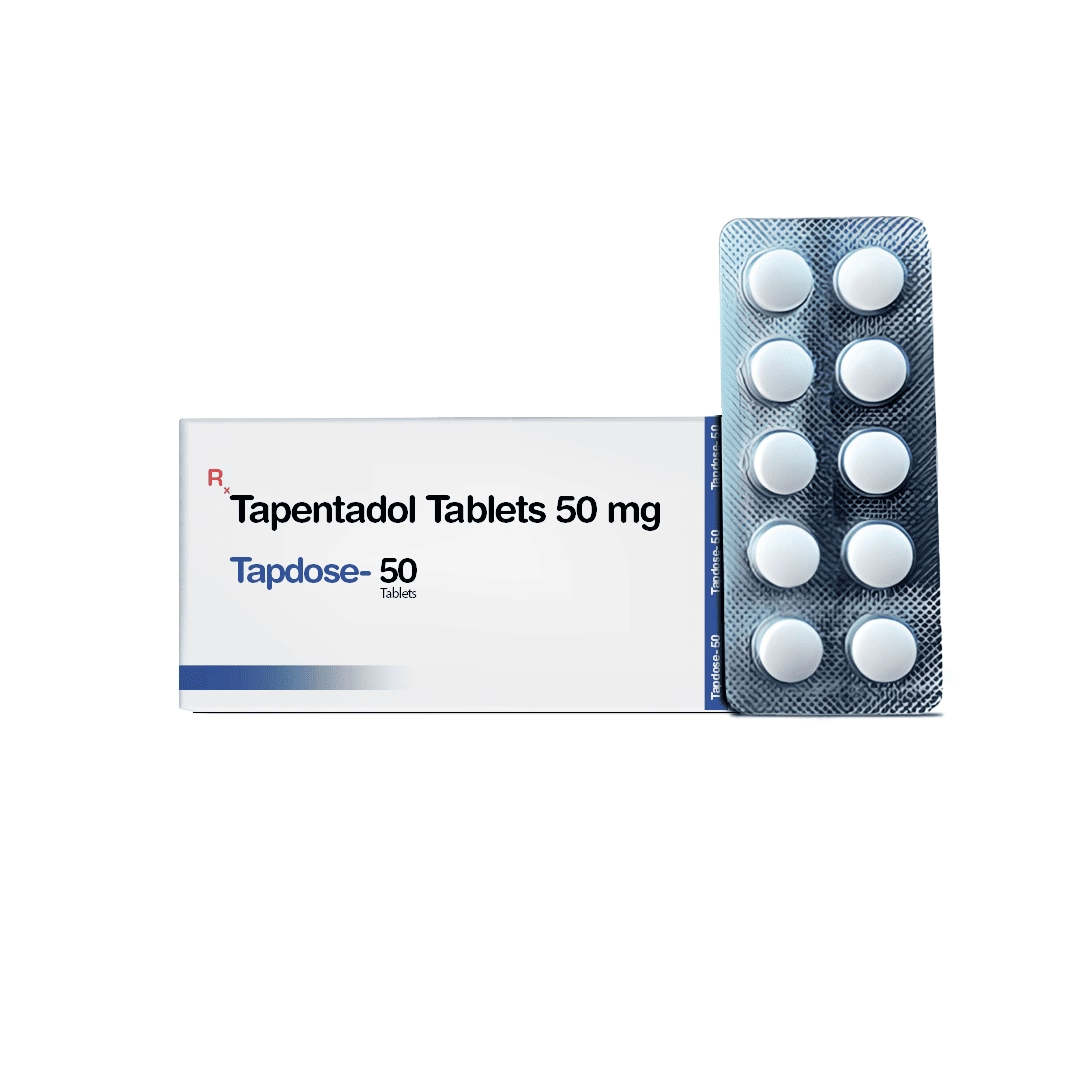 Buy Tapentadol Online
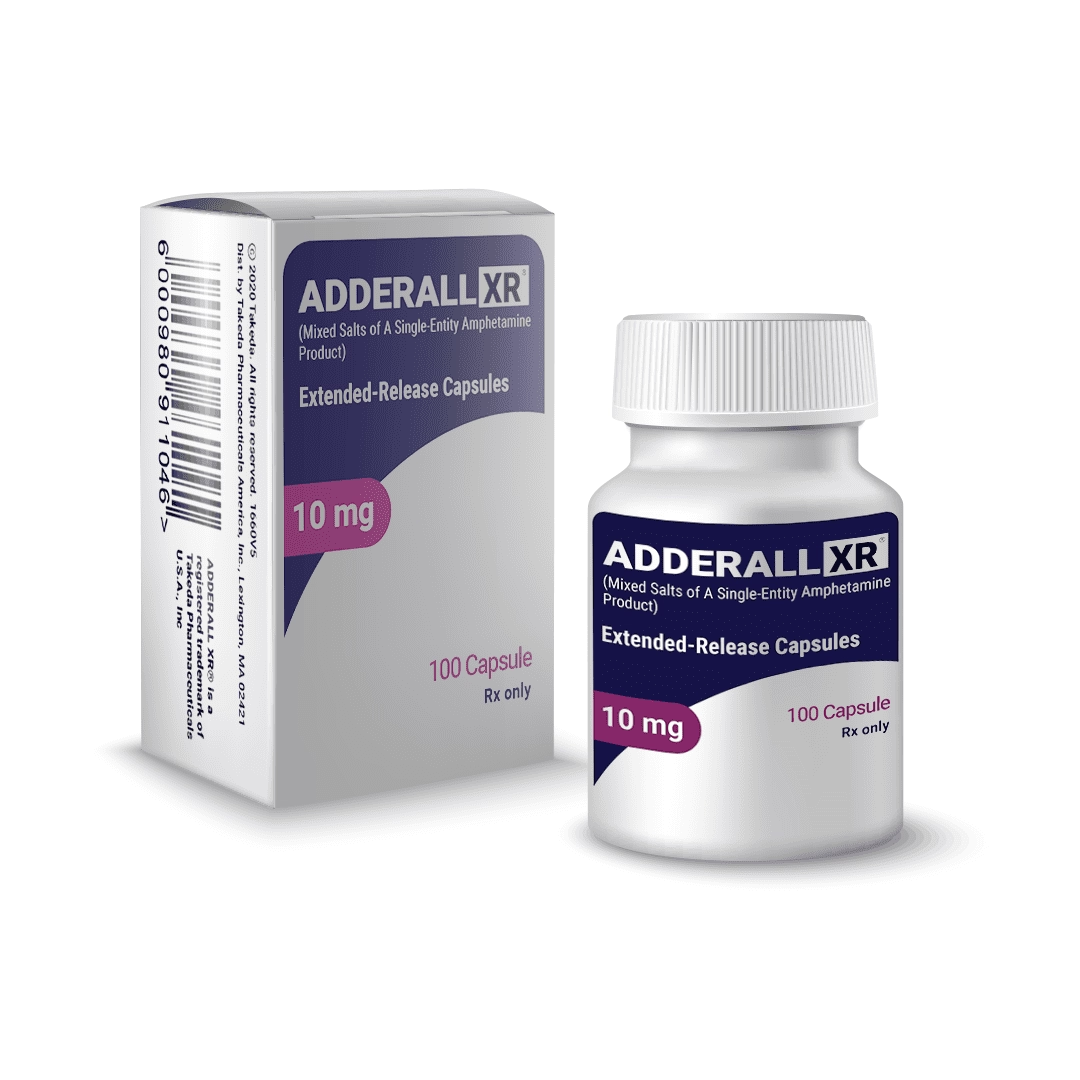 Buy Adderall Online
 Buy Adipex Online
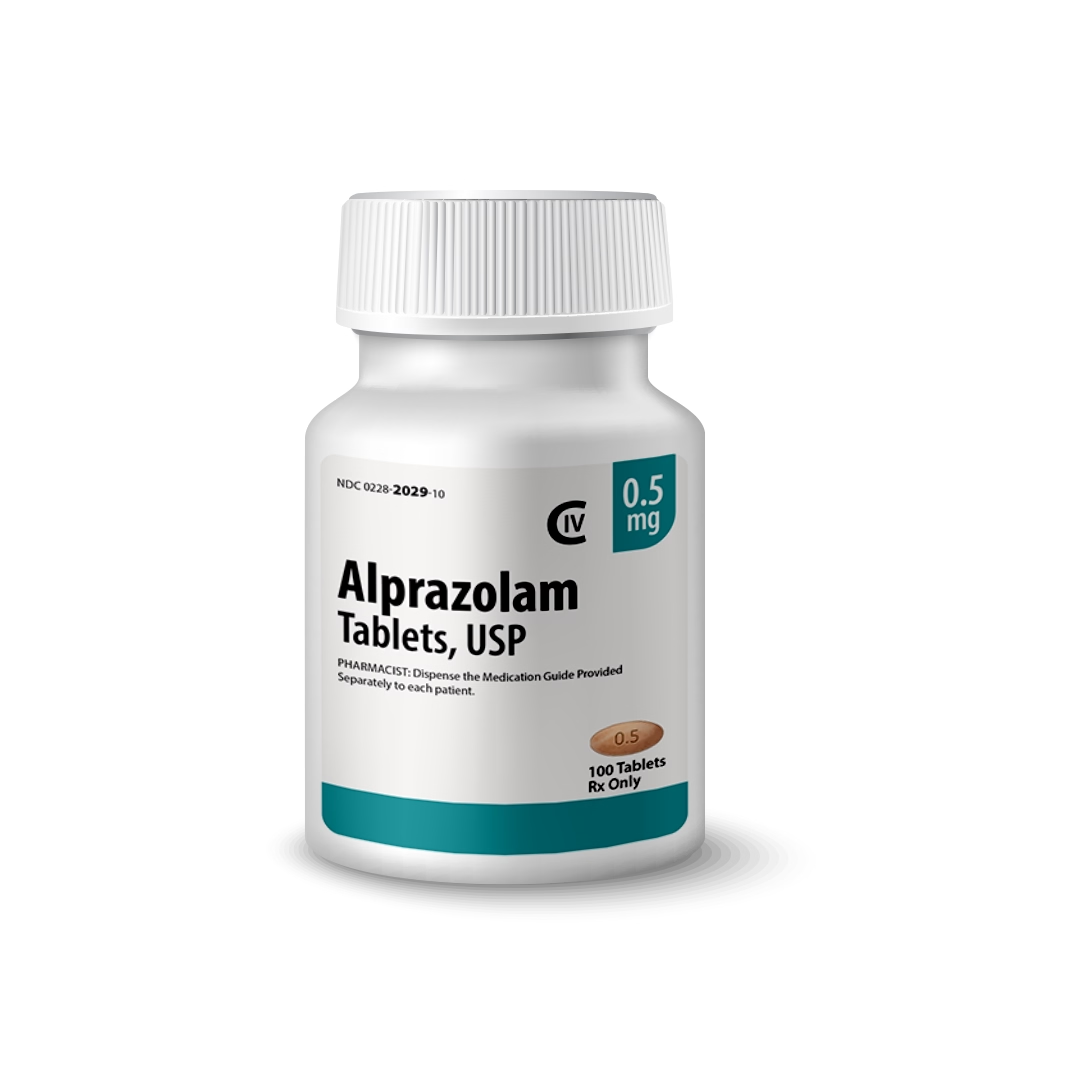 Buy Alprazolam Online
 Buy Ambien Online
 Buy Ativan Online
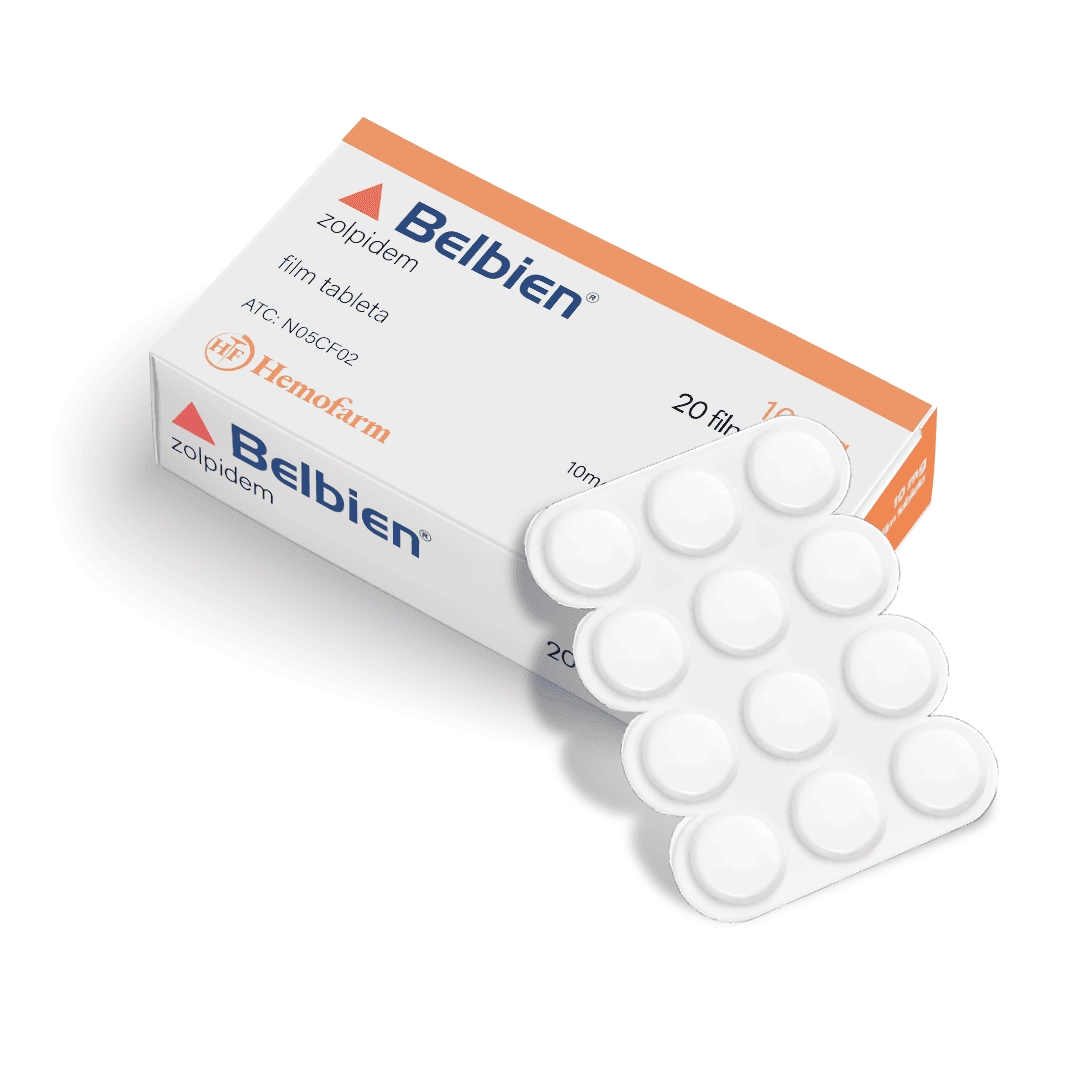 Buy Belbien Online
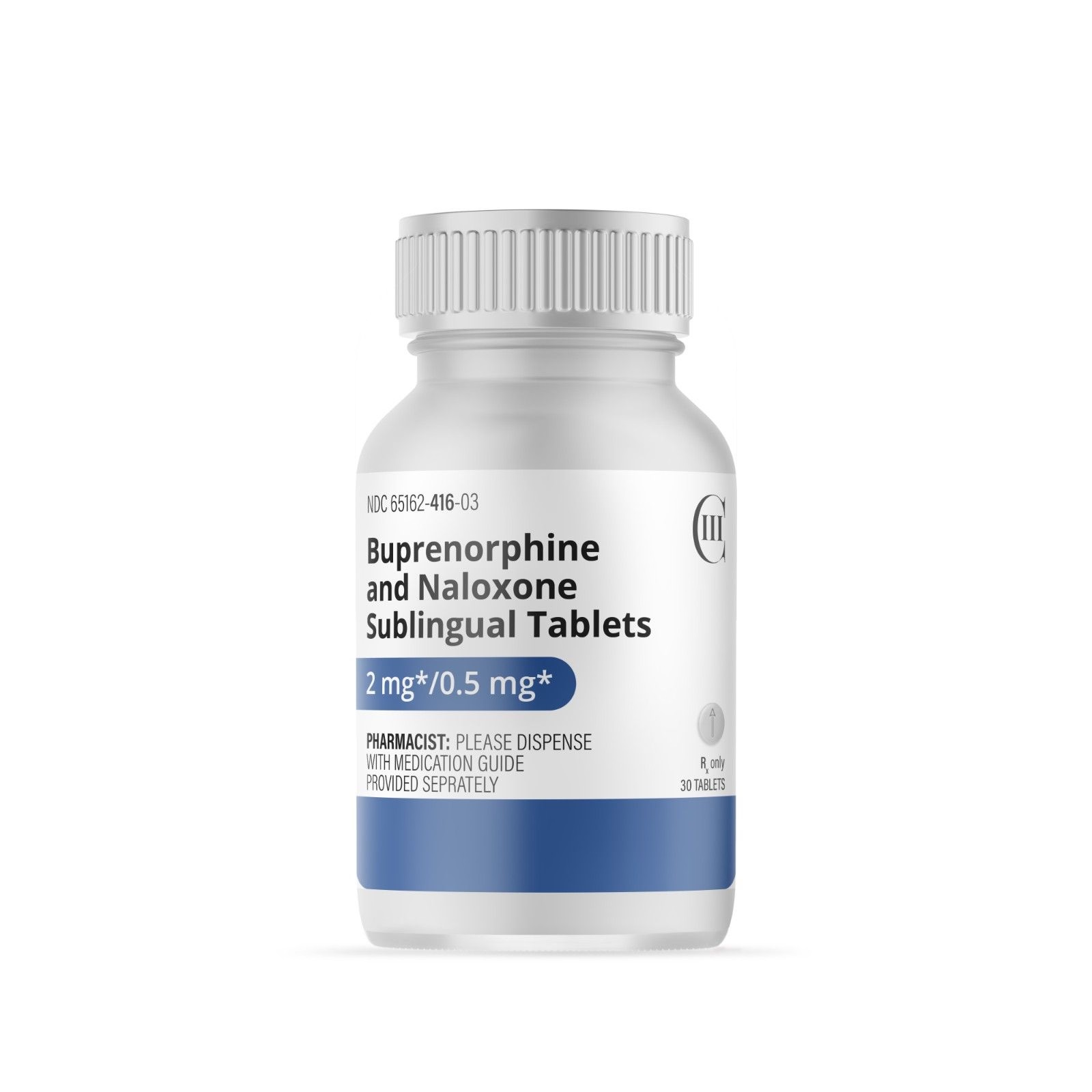 Buy Buprenorphine Online
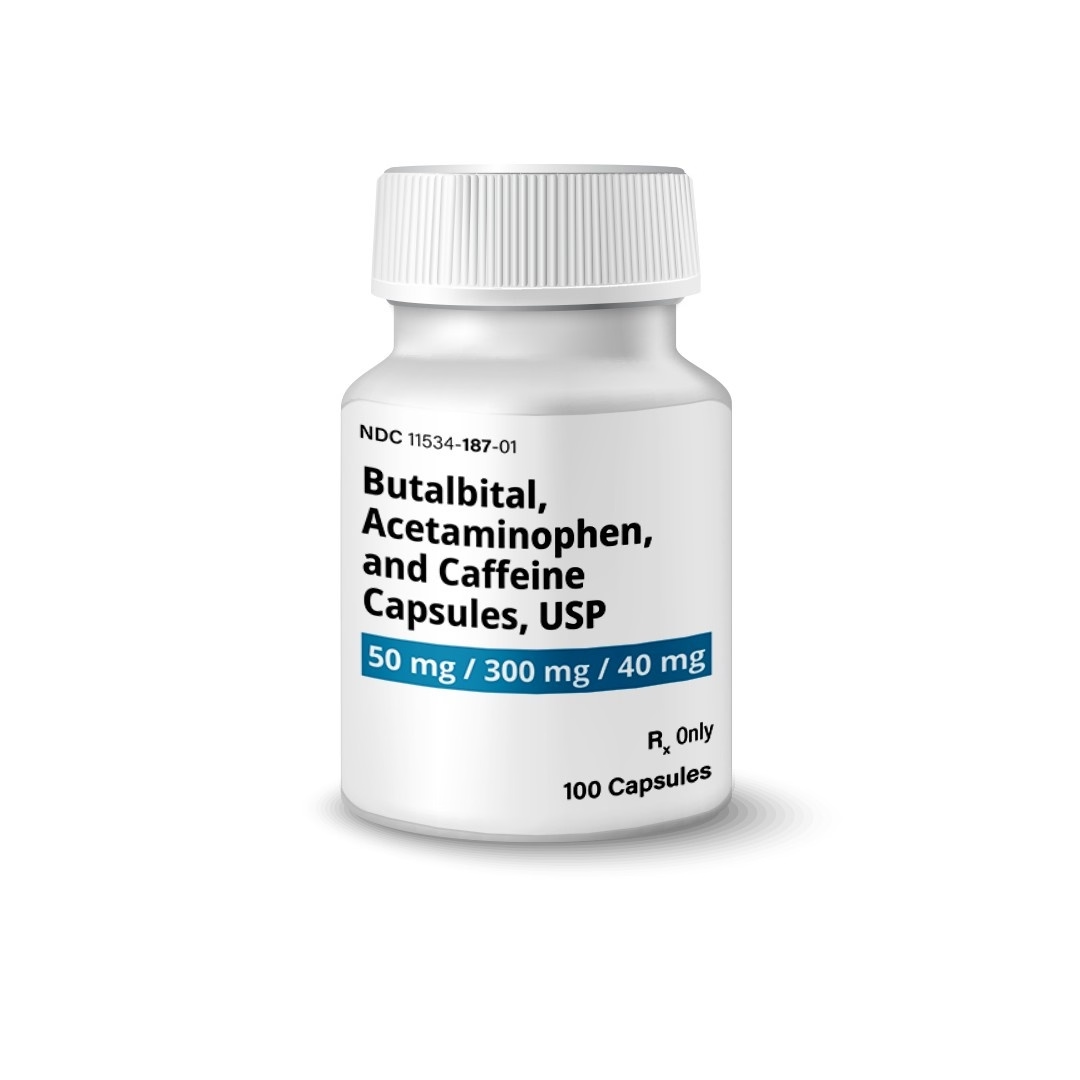 Buy Butalbital Online
 Buy Cialis Online
 Buy Claritin Online
 Buy Clonazepam Online
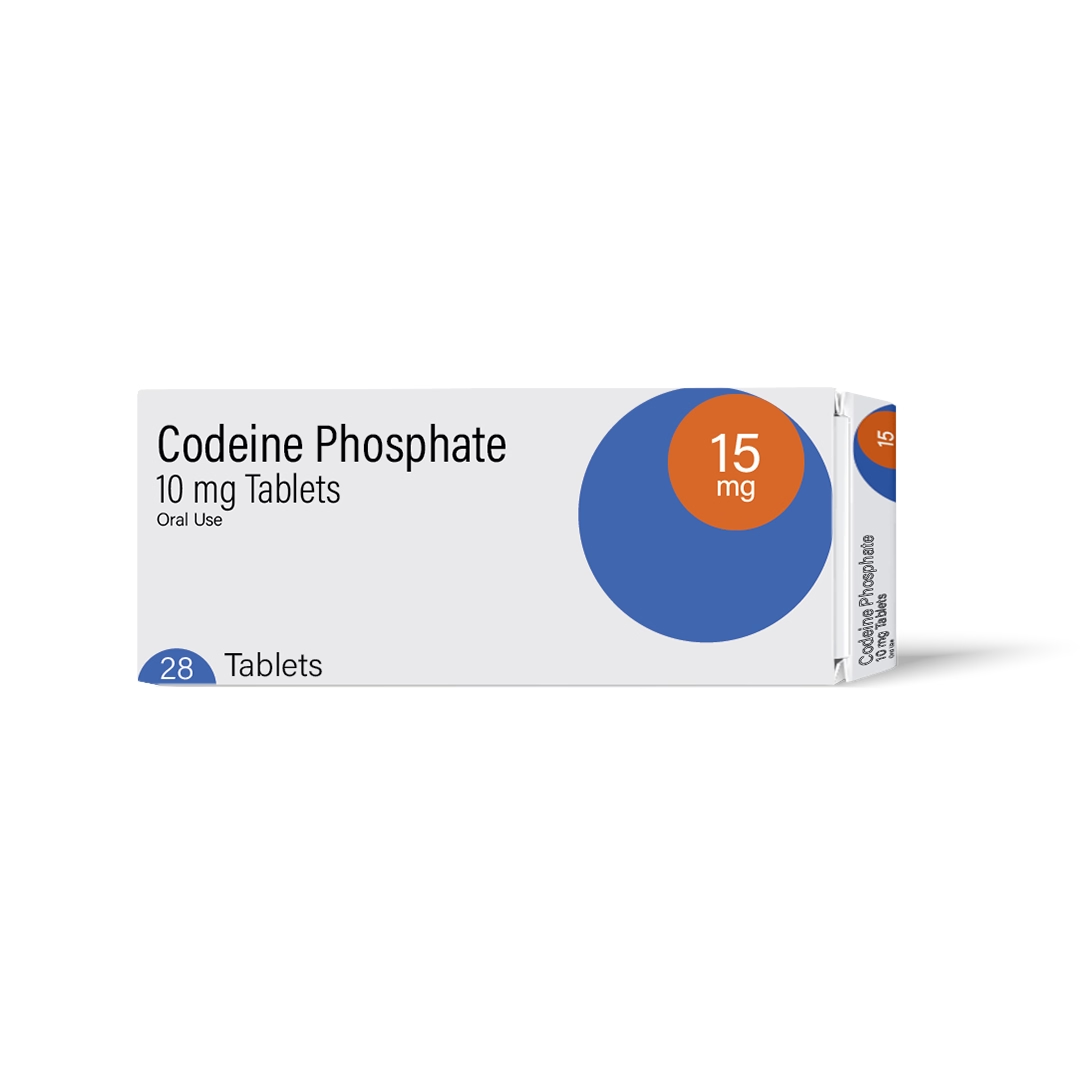 Buy Codeine Online
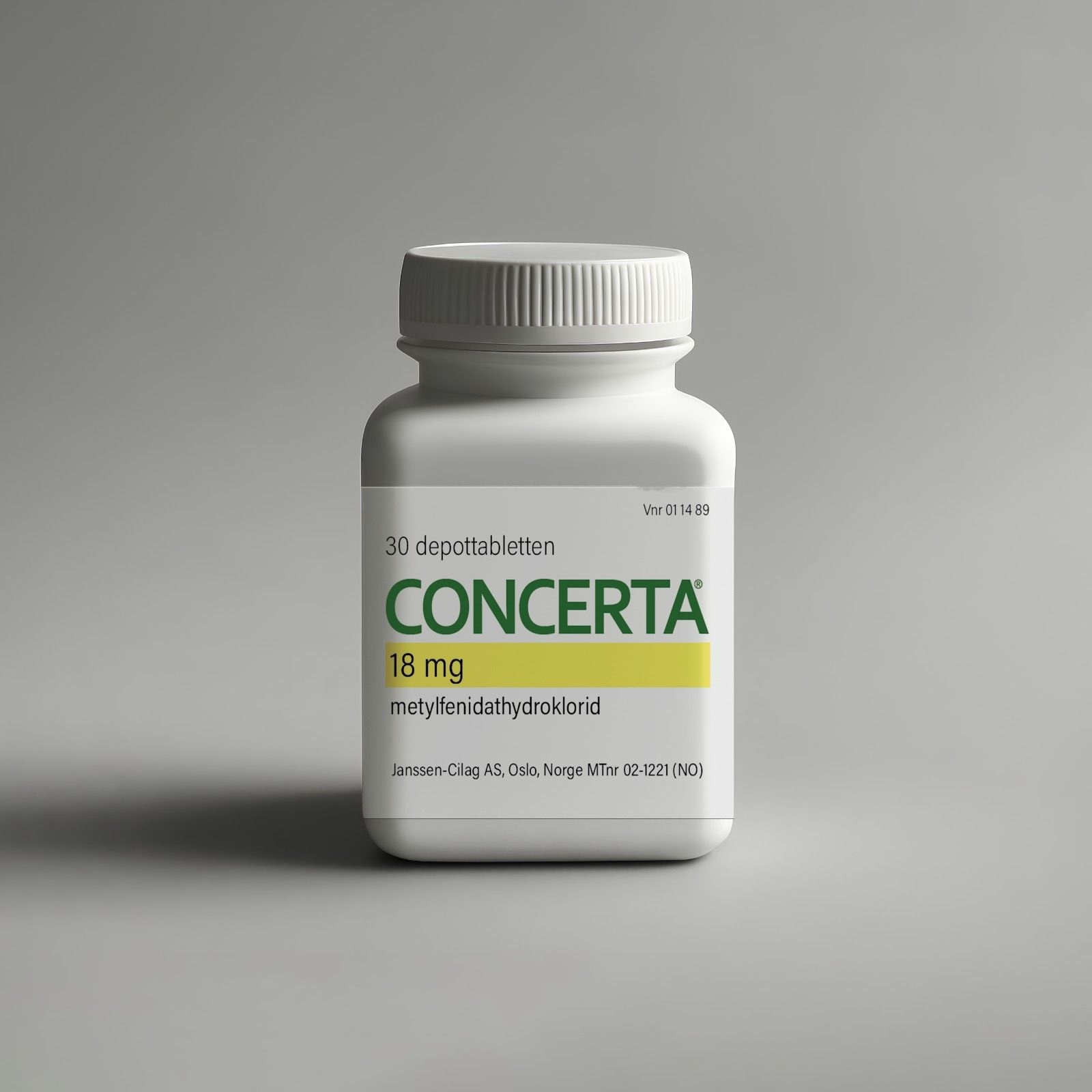 Buy Concerta Online
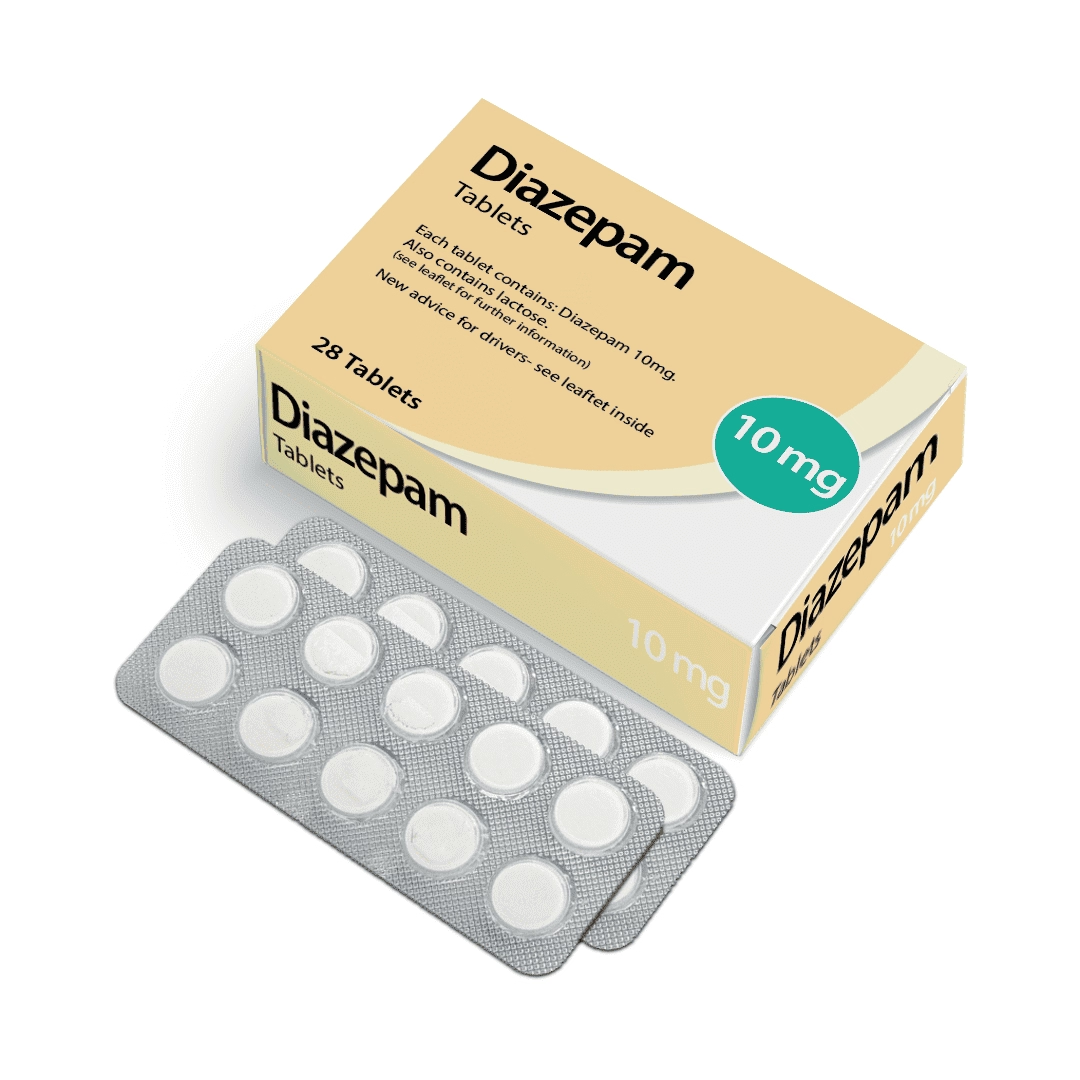 Buy Diazepam Online
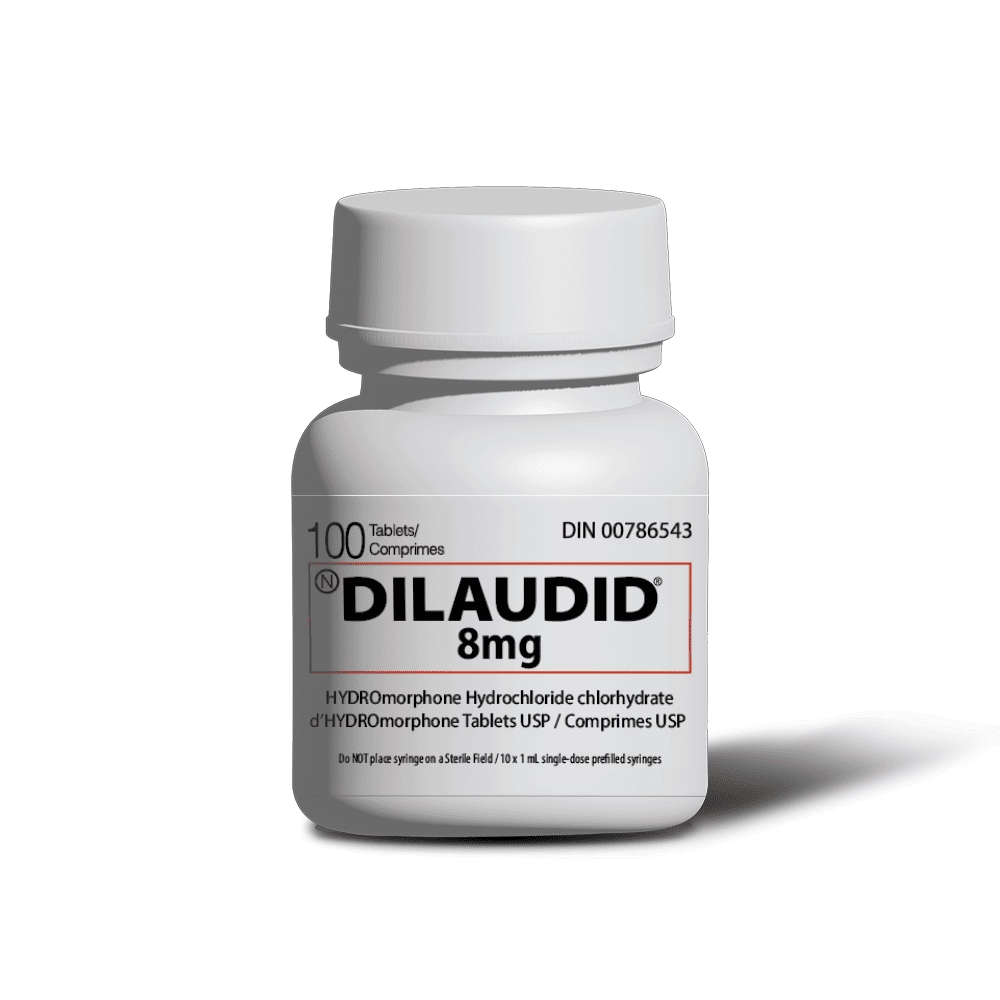 Buy Dilaudid Online
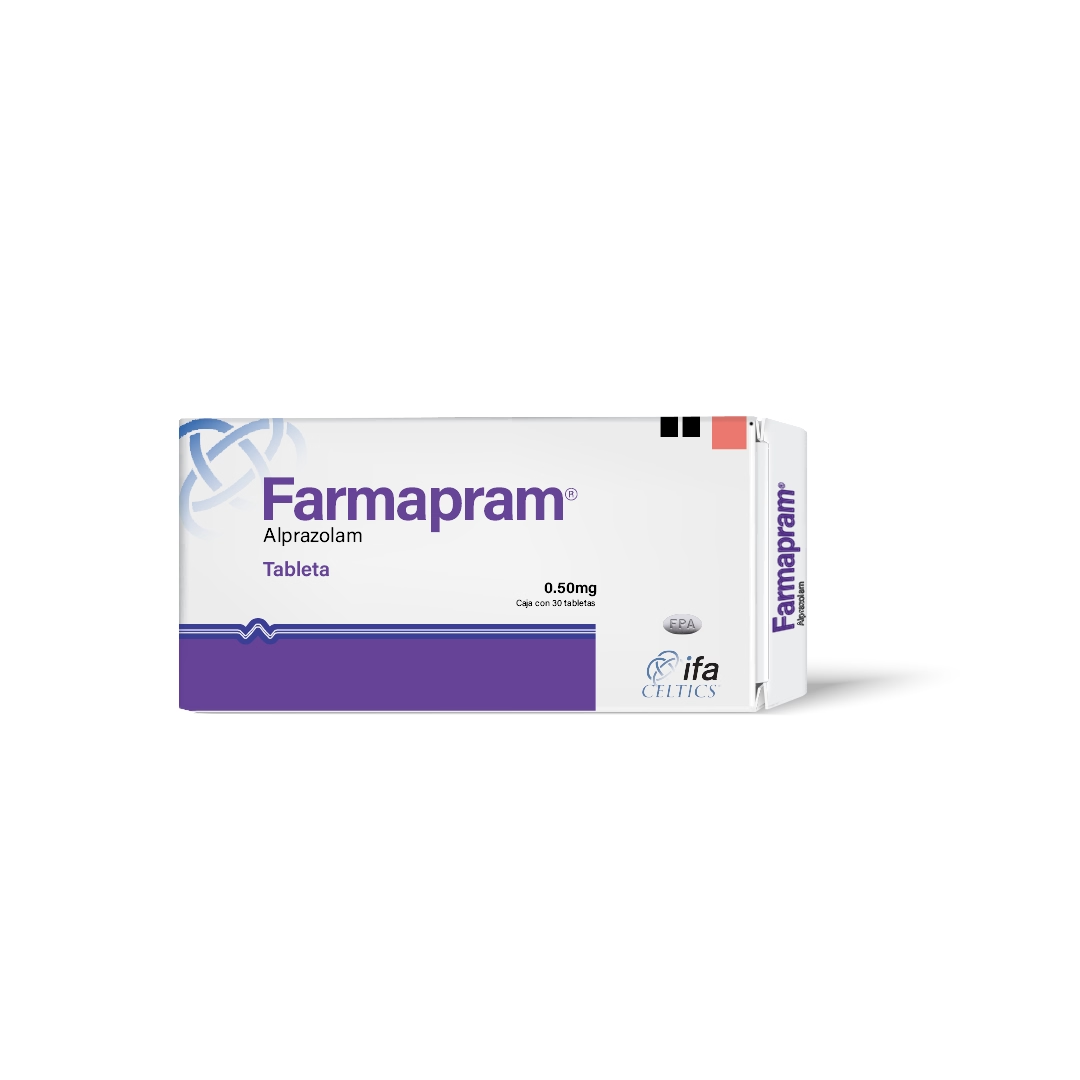 Buy Farmapram Online
 Buy Fioricet Online
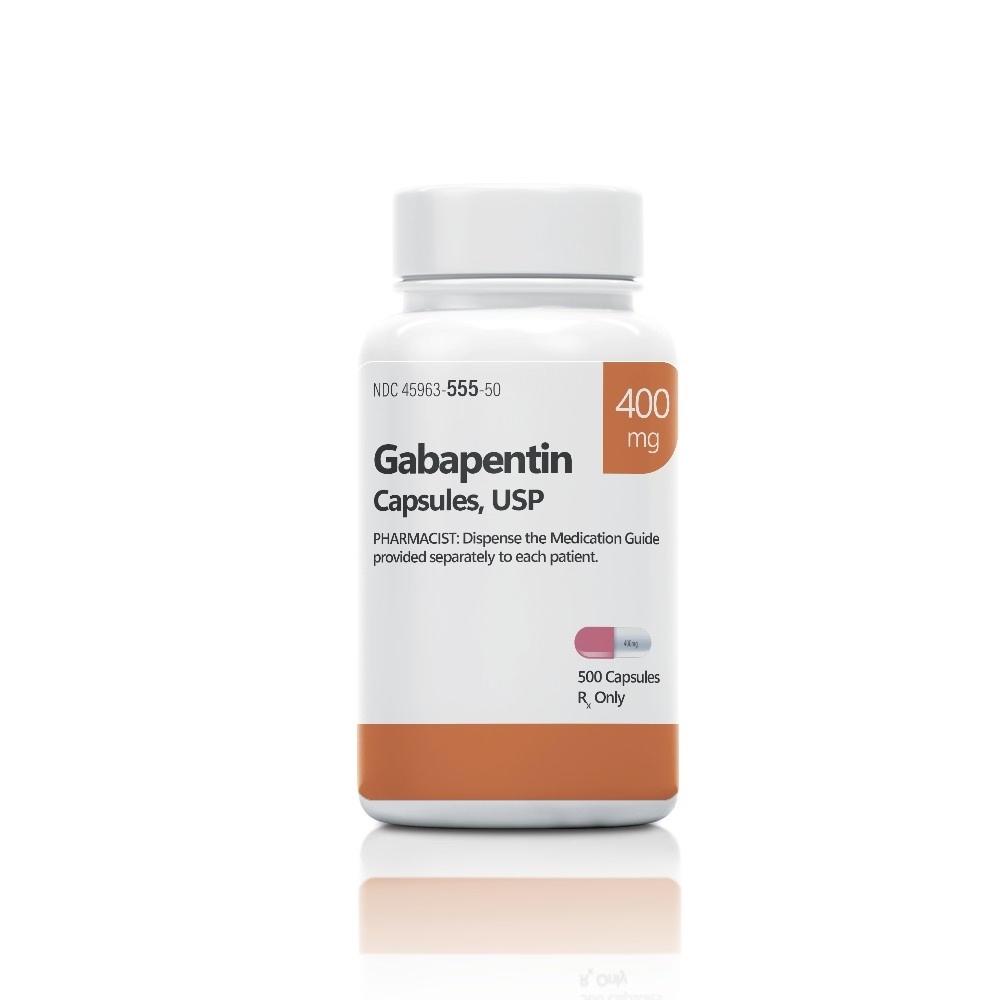 Buy Gabapentin Online
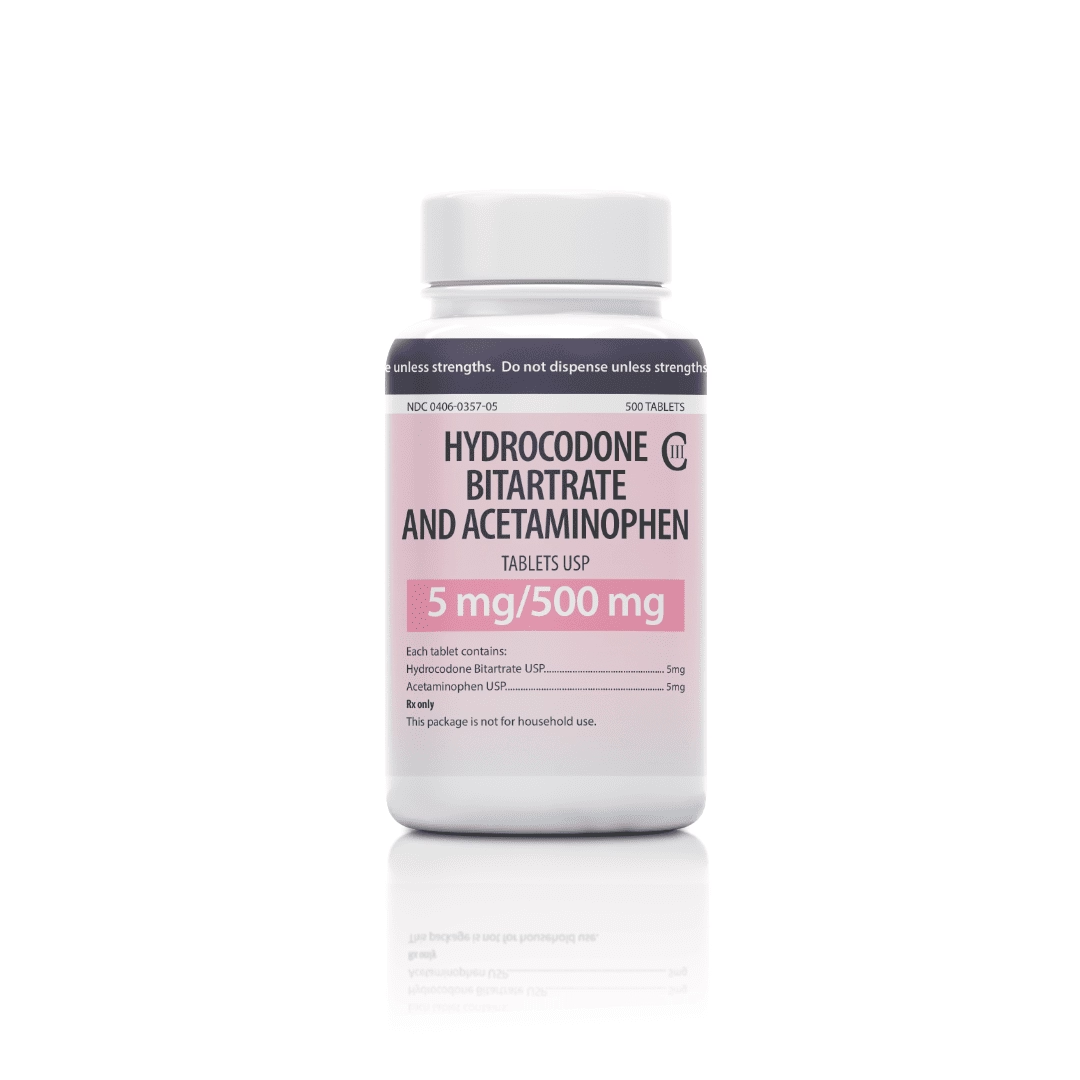 Buy Hydrocodone Online
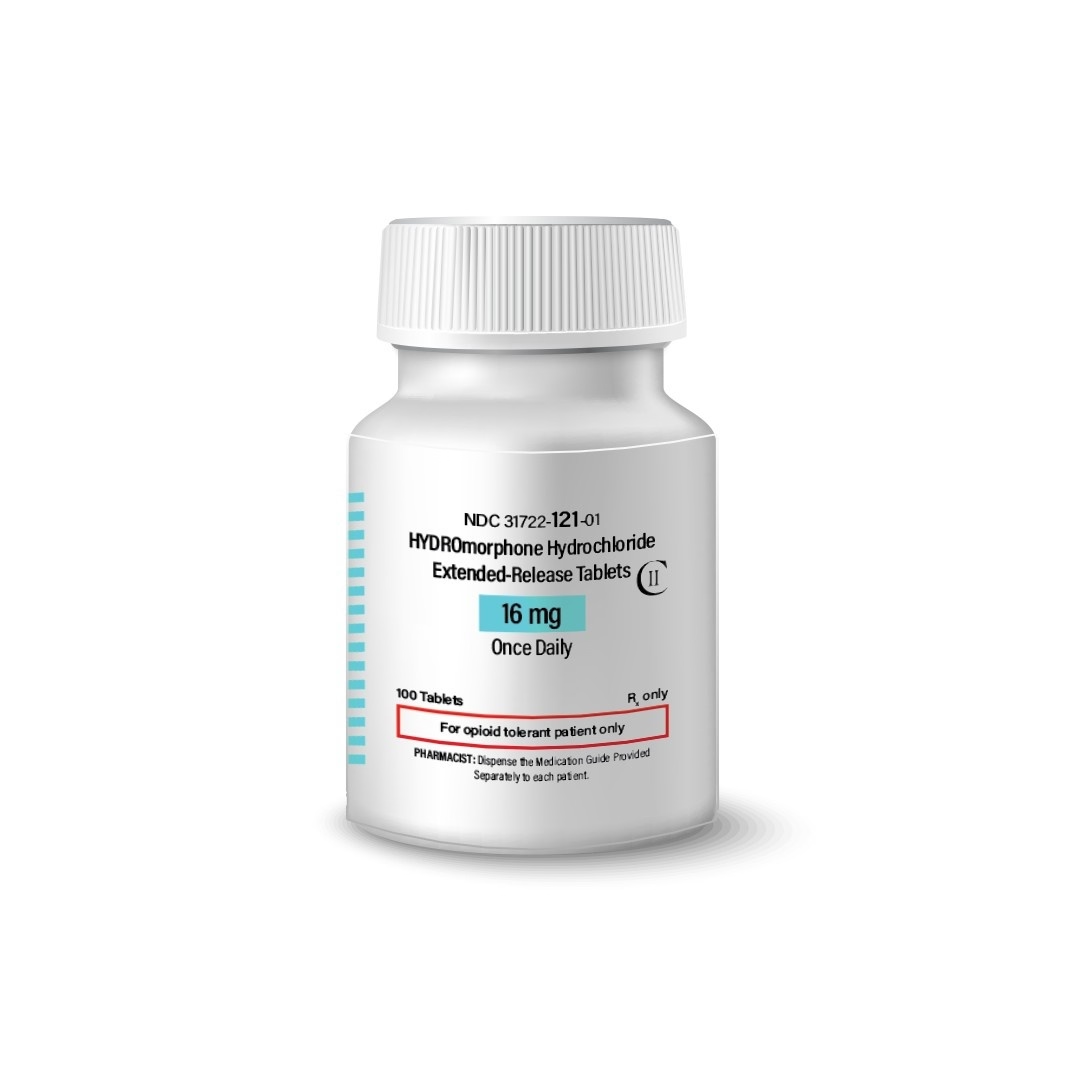 Buy Hydromorphone Online
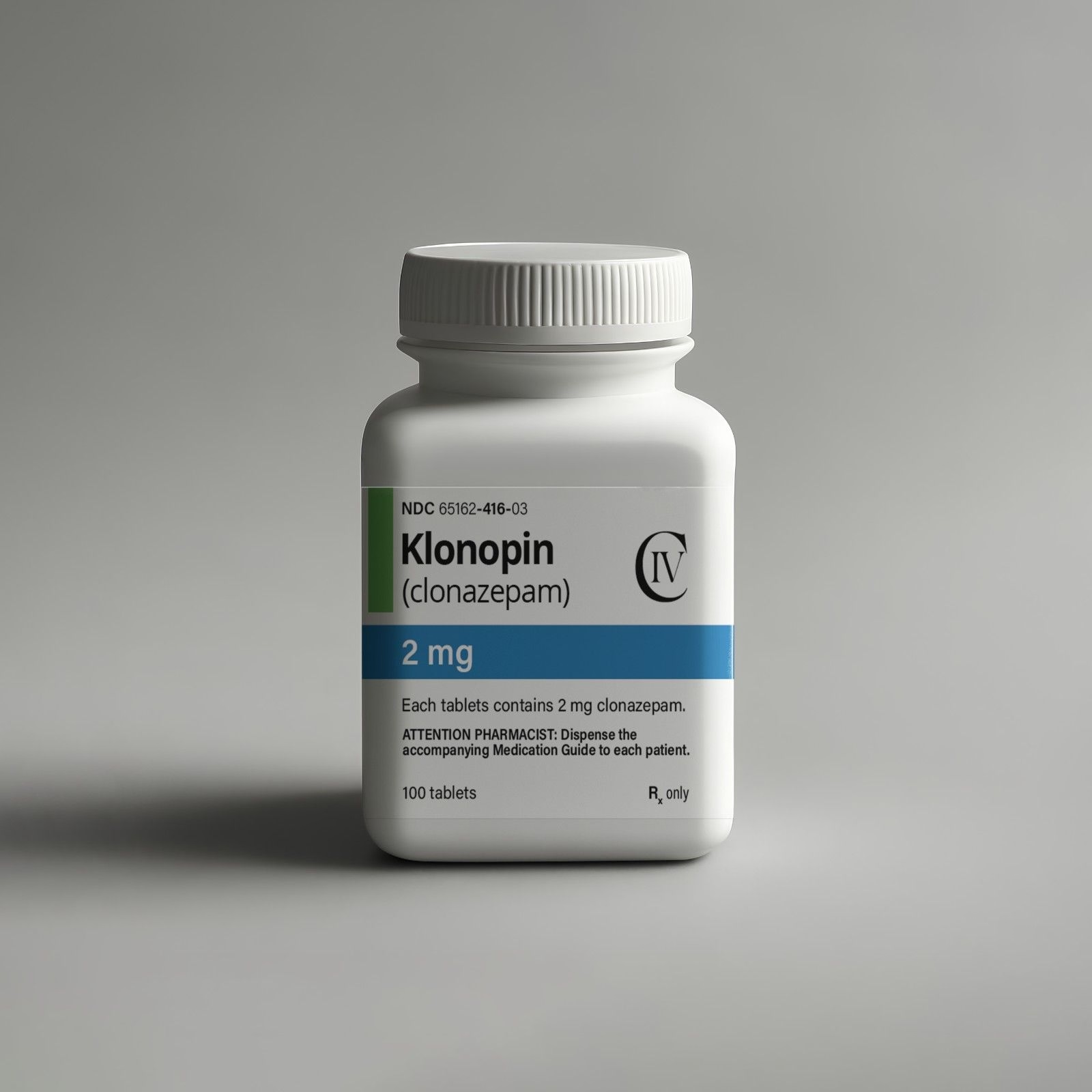 Buy Klonopin Online
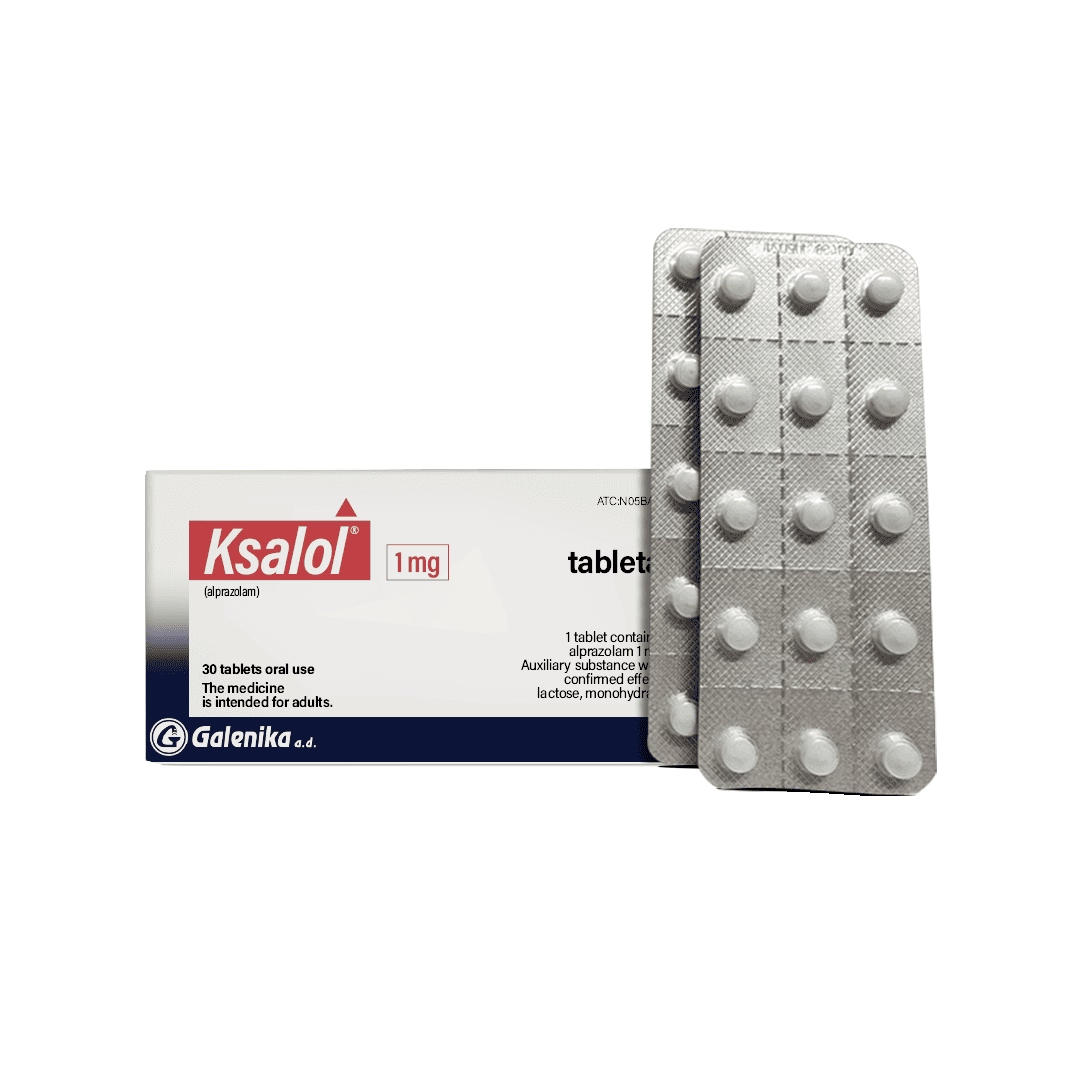 Buy Ksalol Online
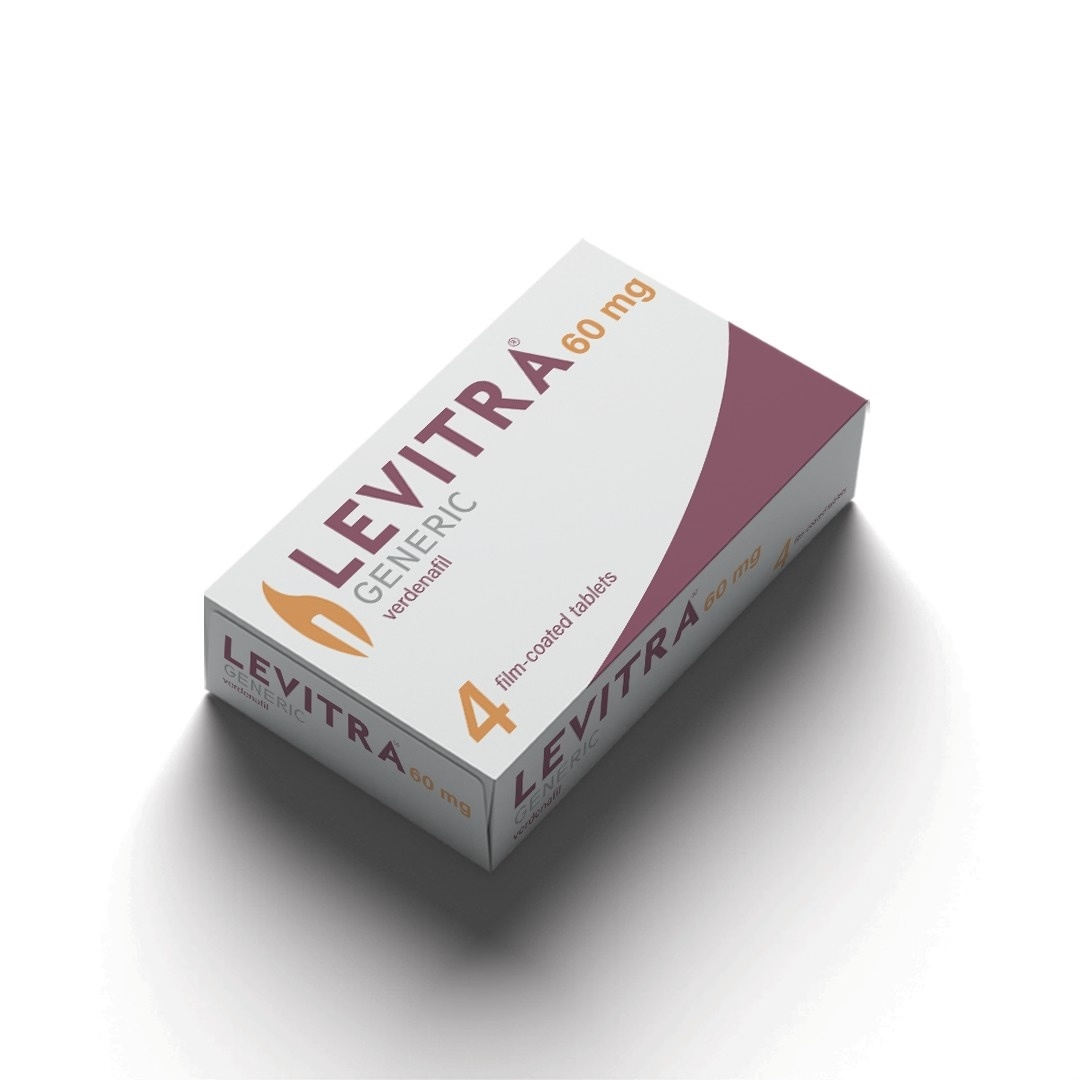 Buy Levitra Online
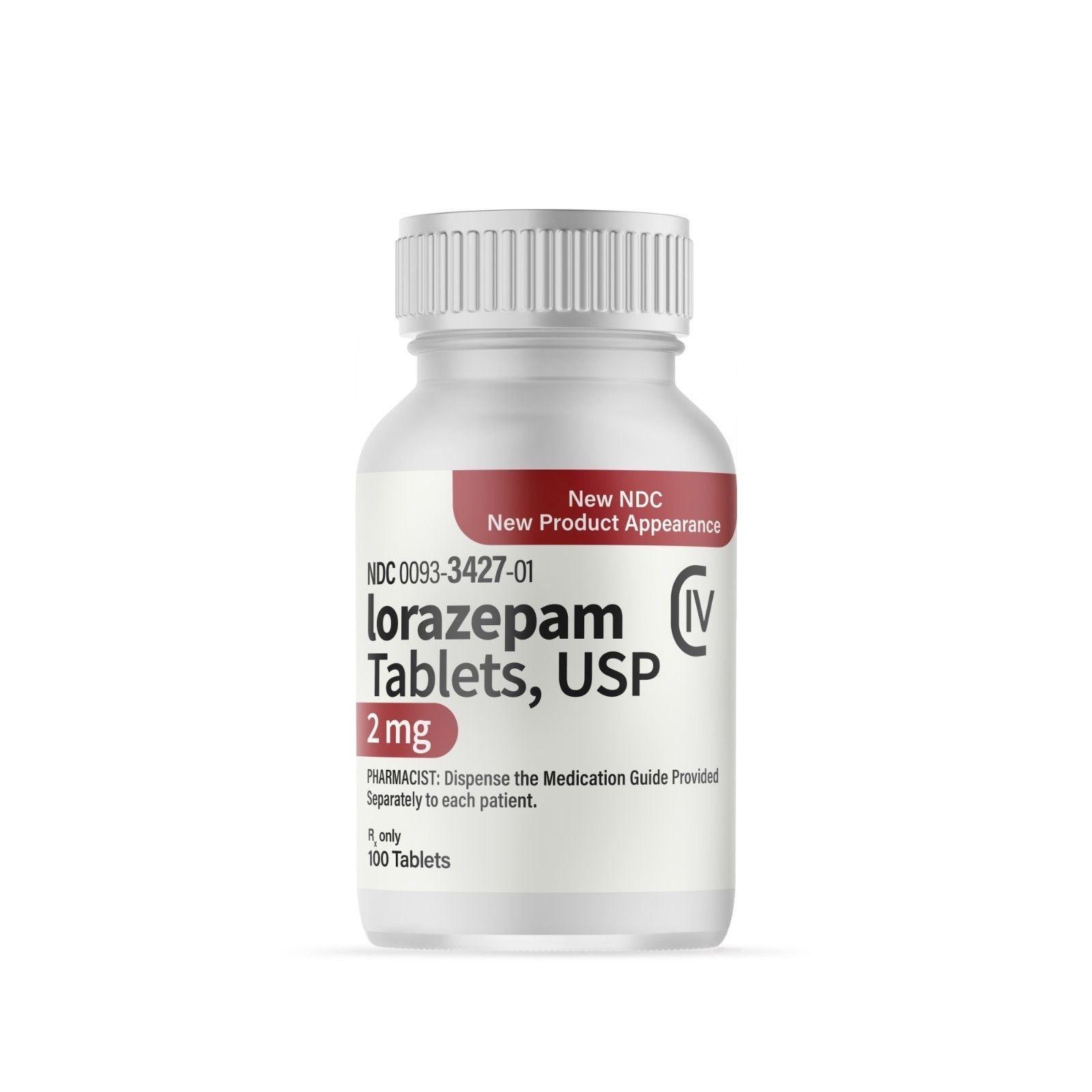 Buy Lorazepam Online
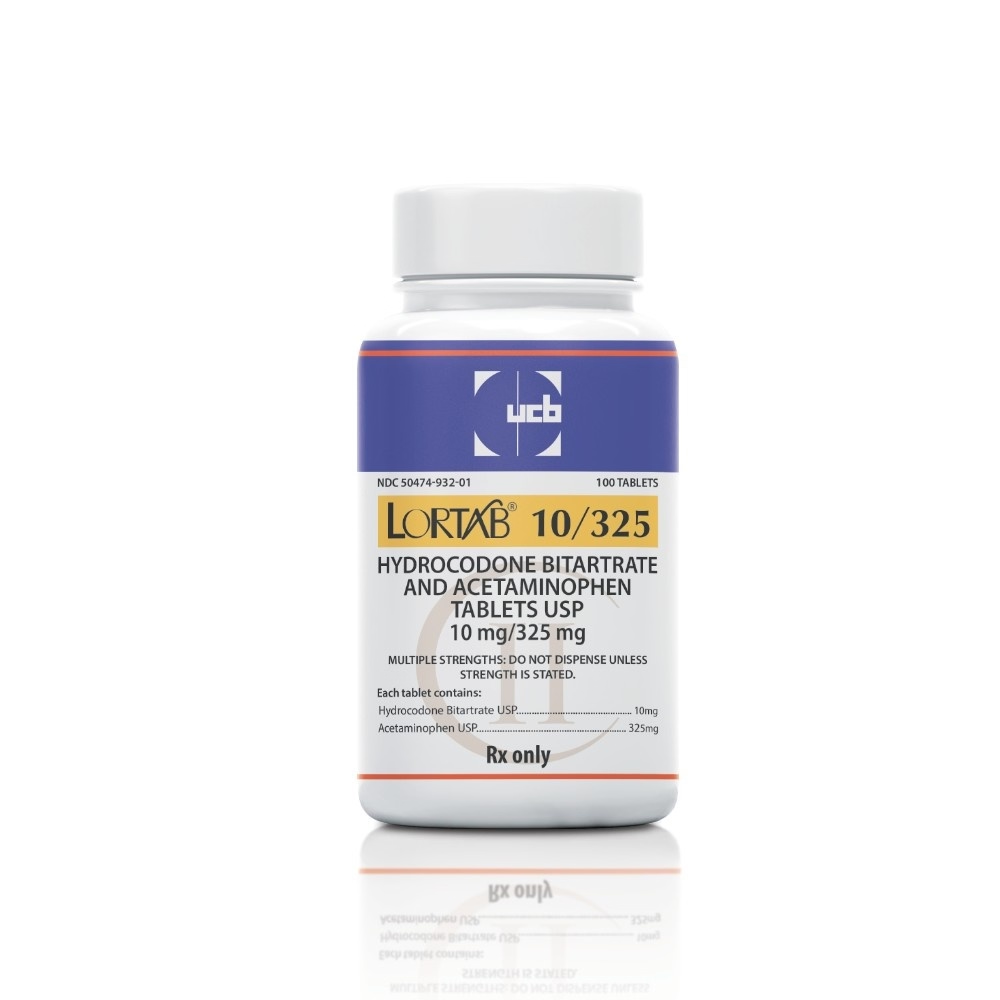 Buy Lortab Online
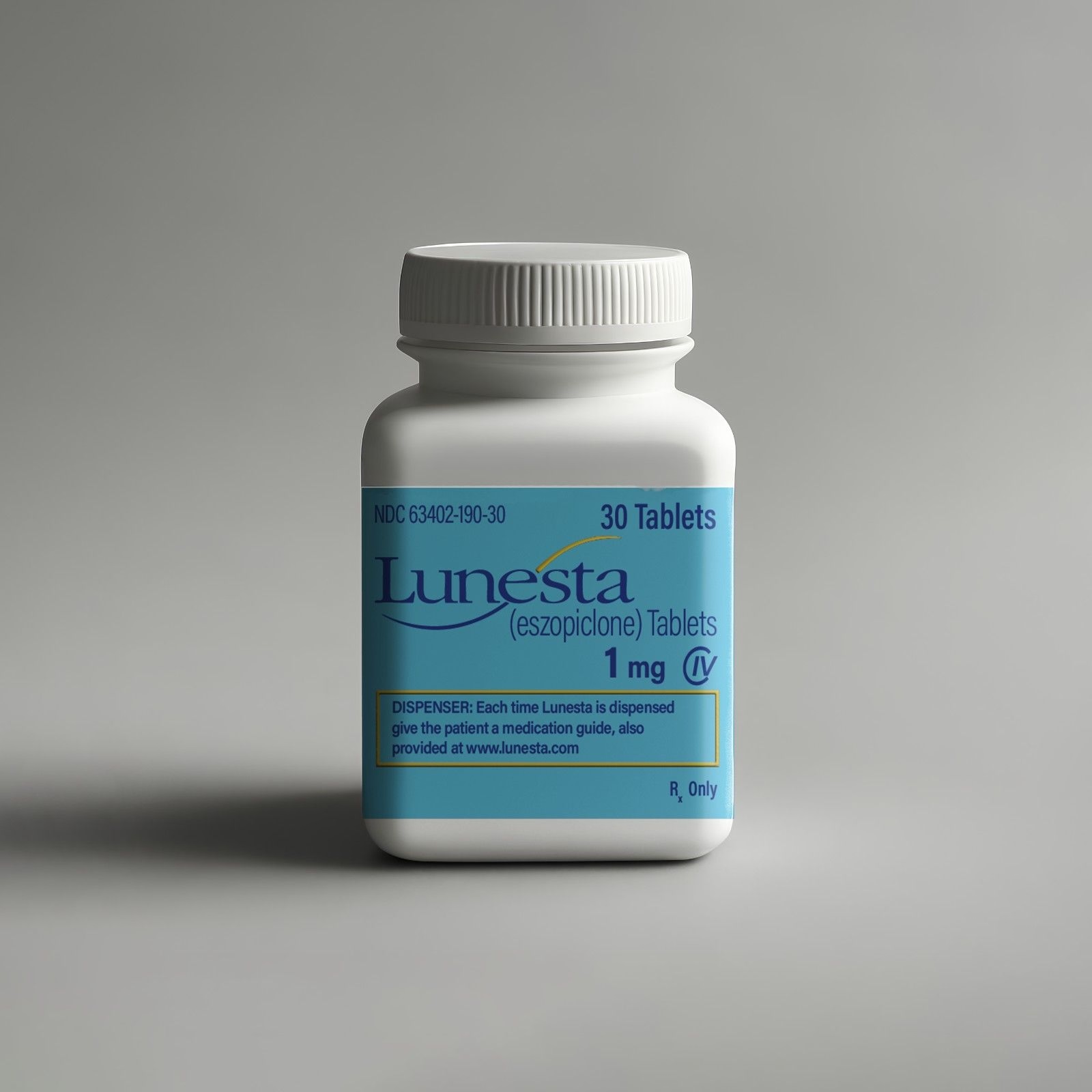 Buy Lunesta Online
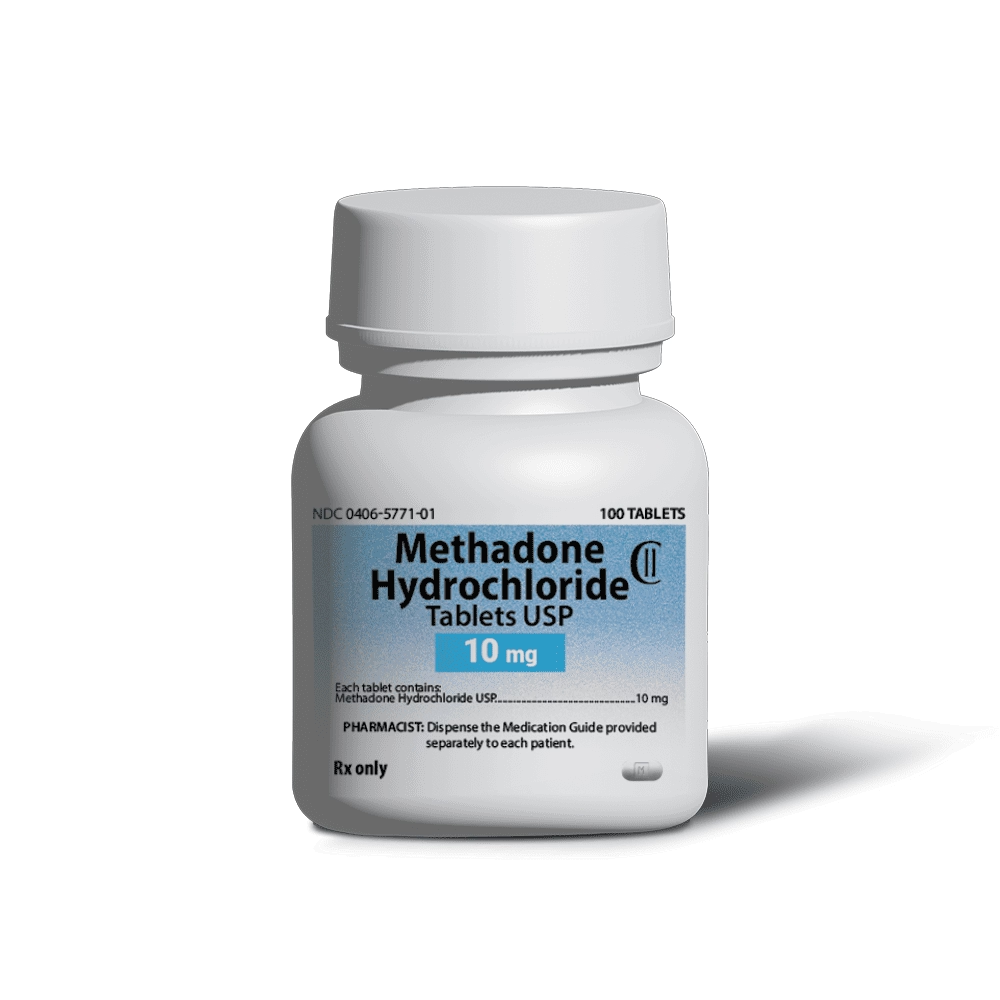 Buy Methadone Online
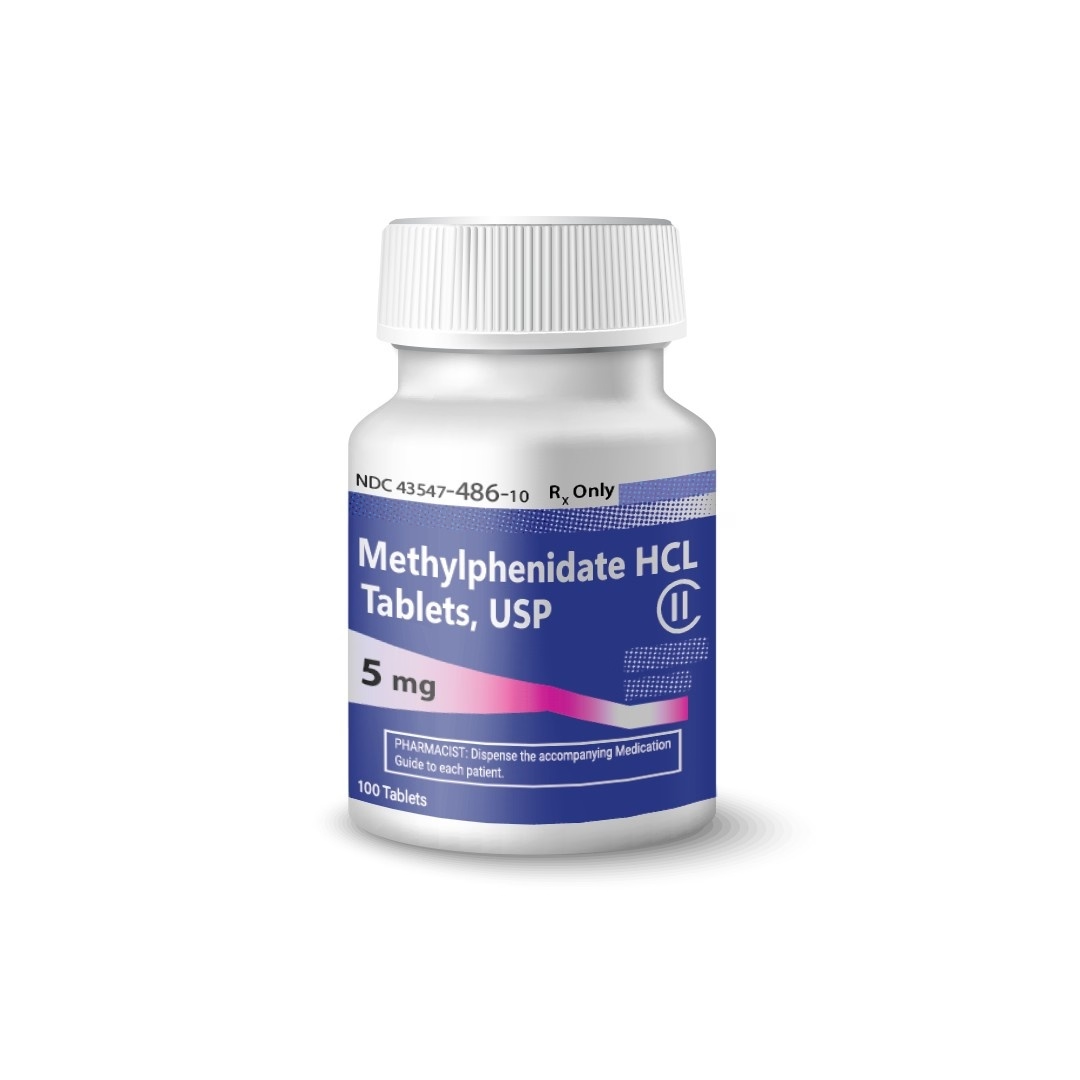 Buy Methylphenidate Online
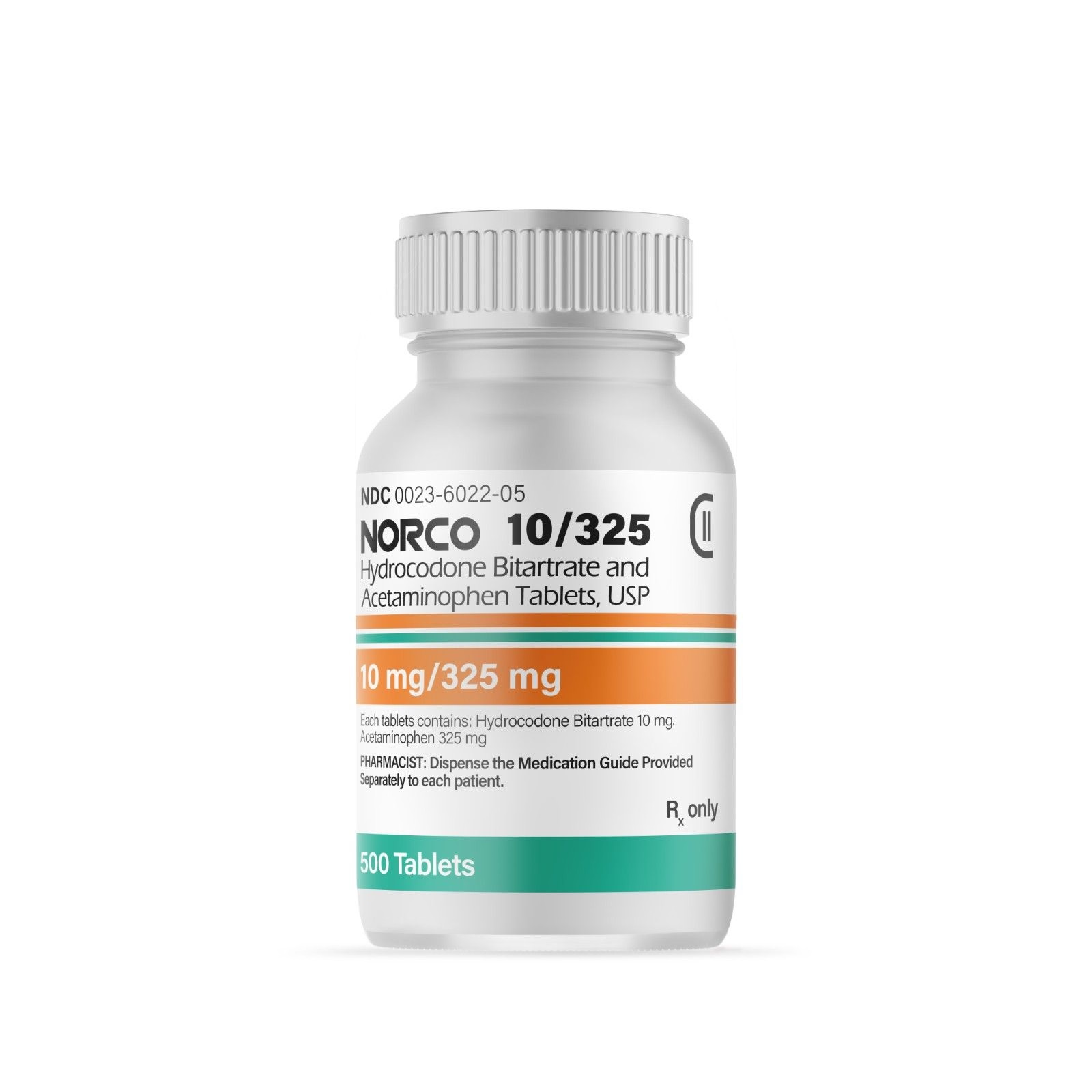 Buy Norco Online
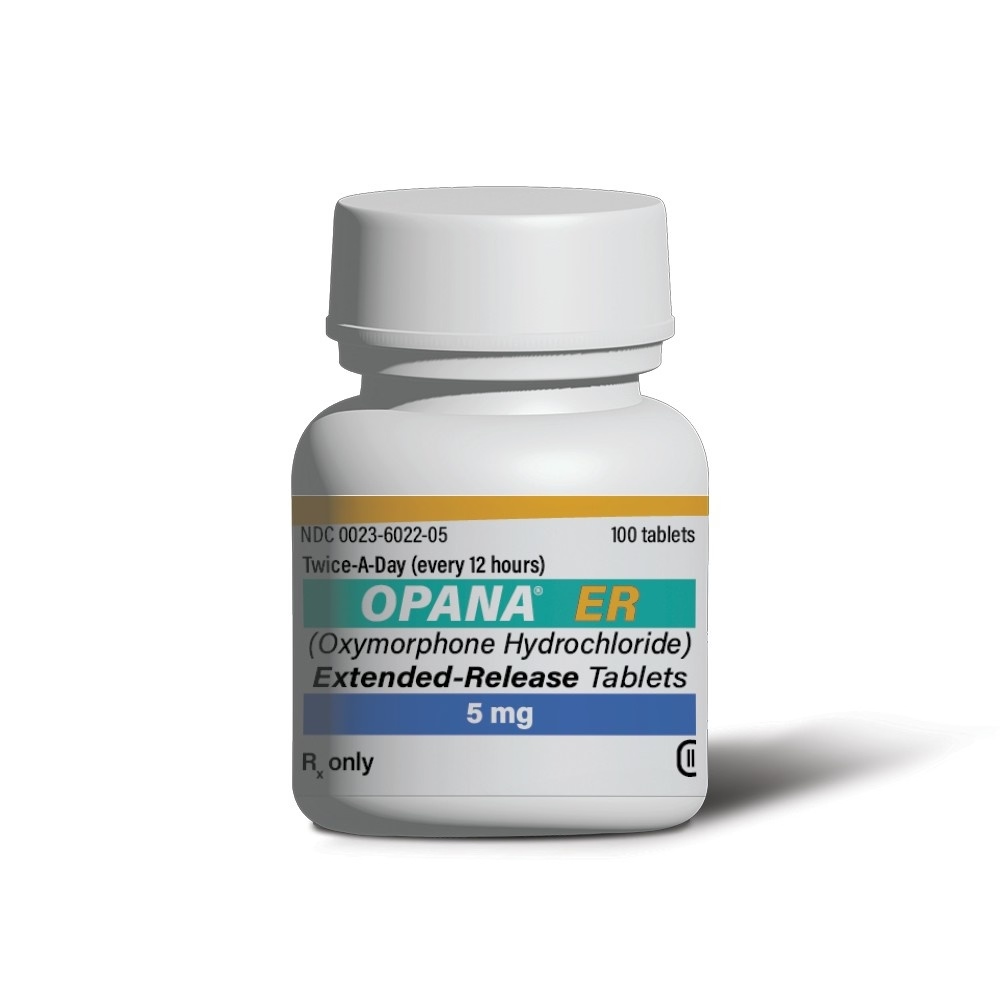 Buy Opana ER Online
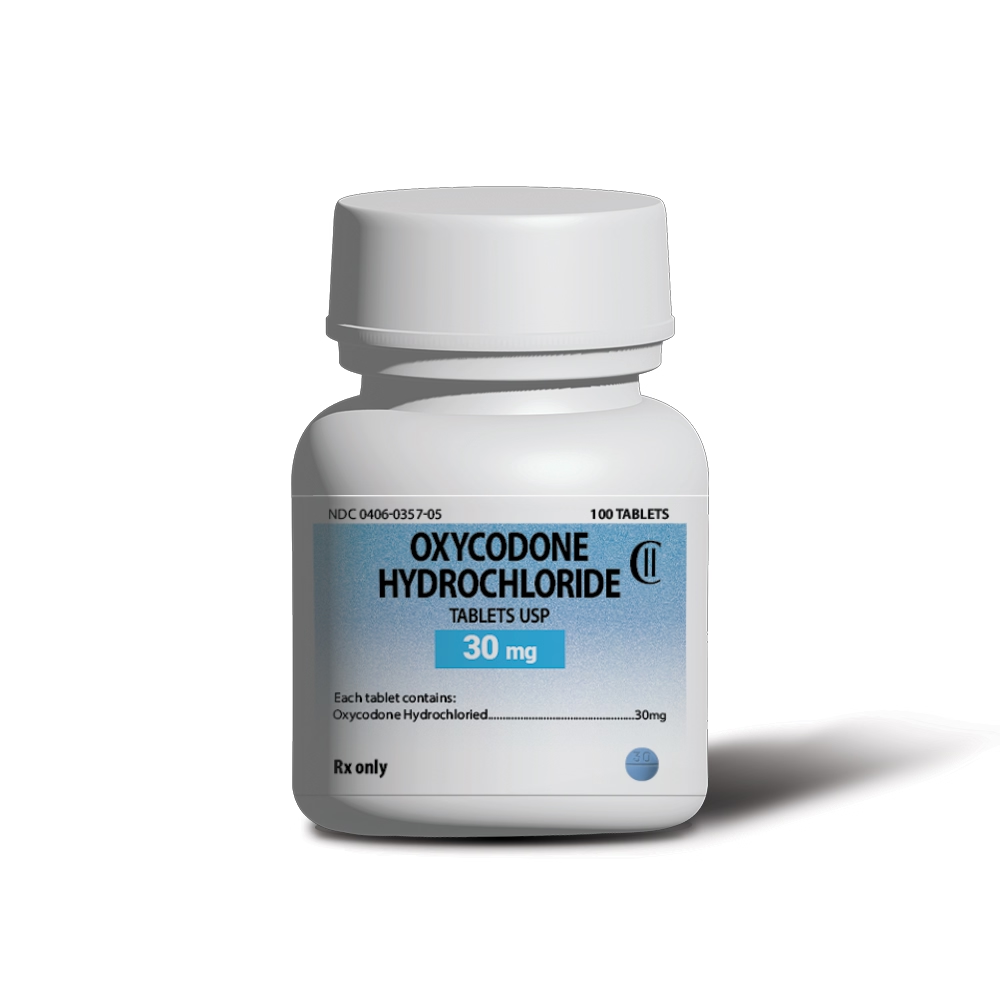 Buy Oxycodone Online
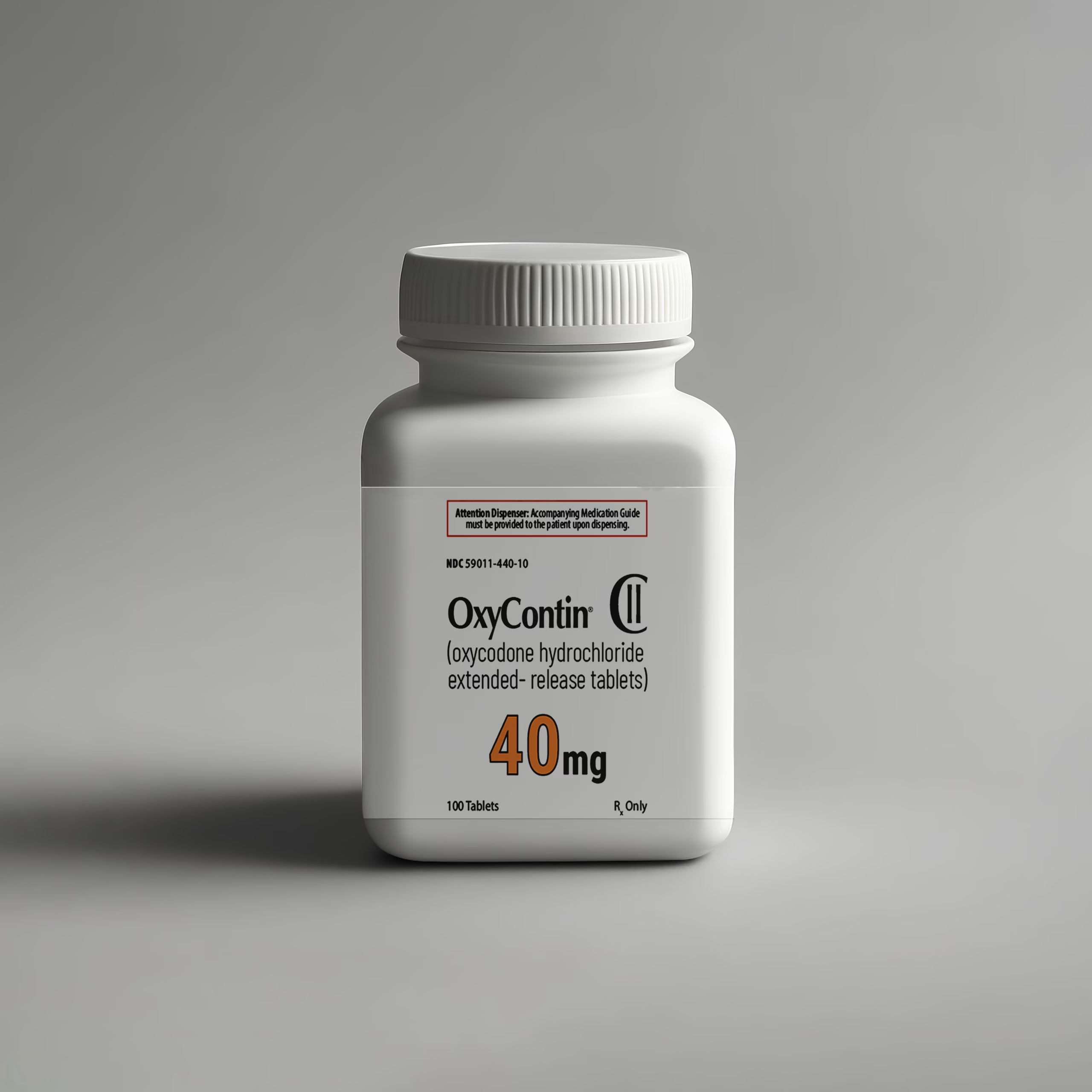 Buy Oxycontin Online
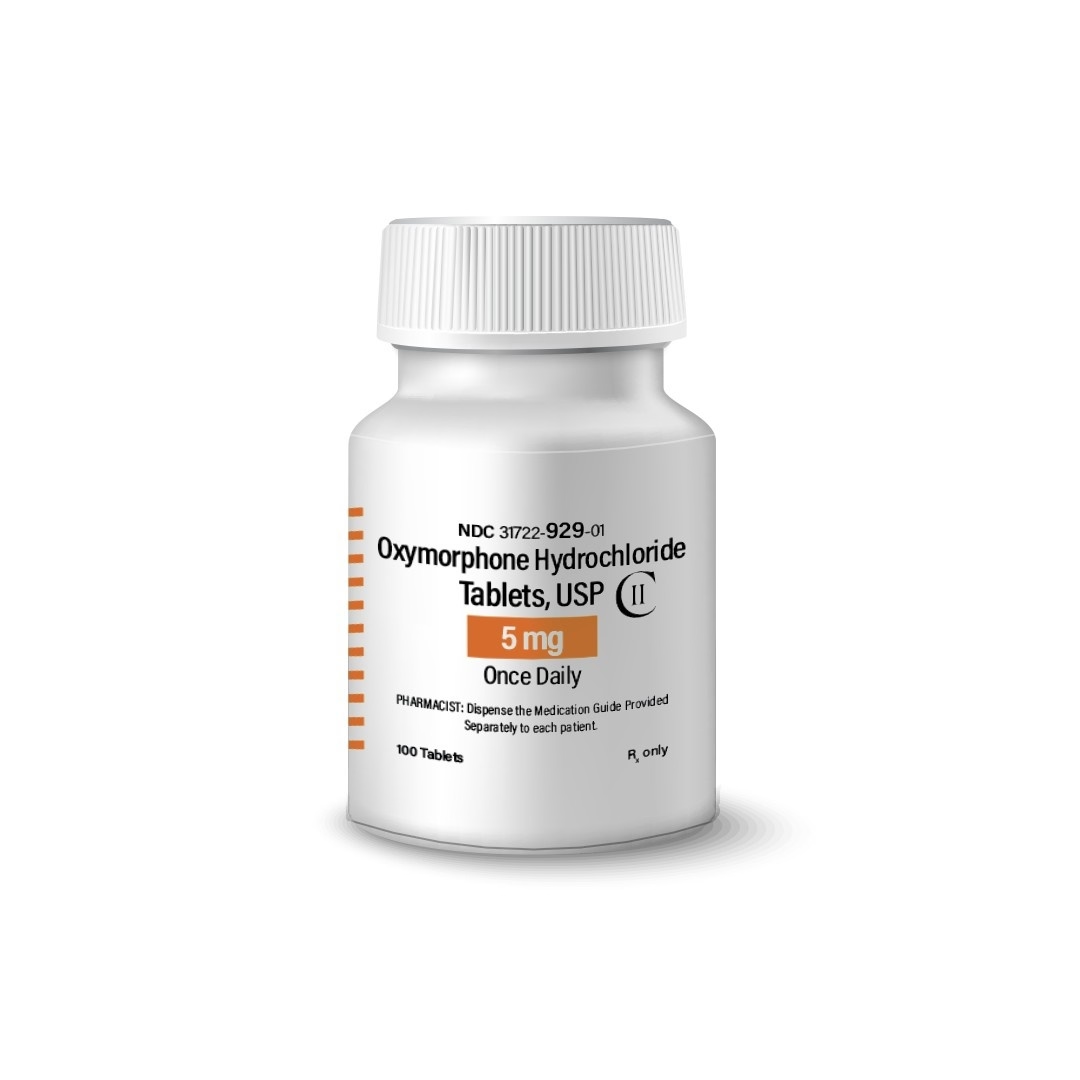 Buy Oxymorphone Online
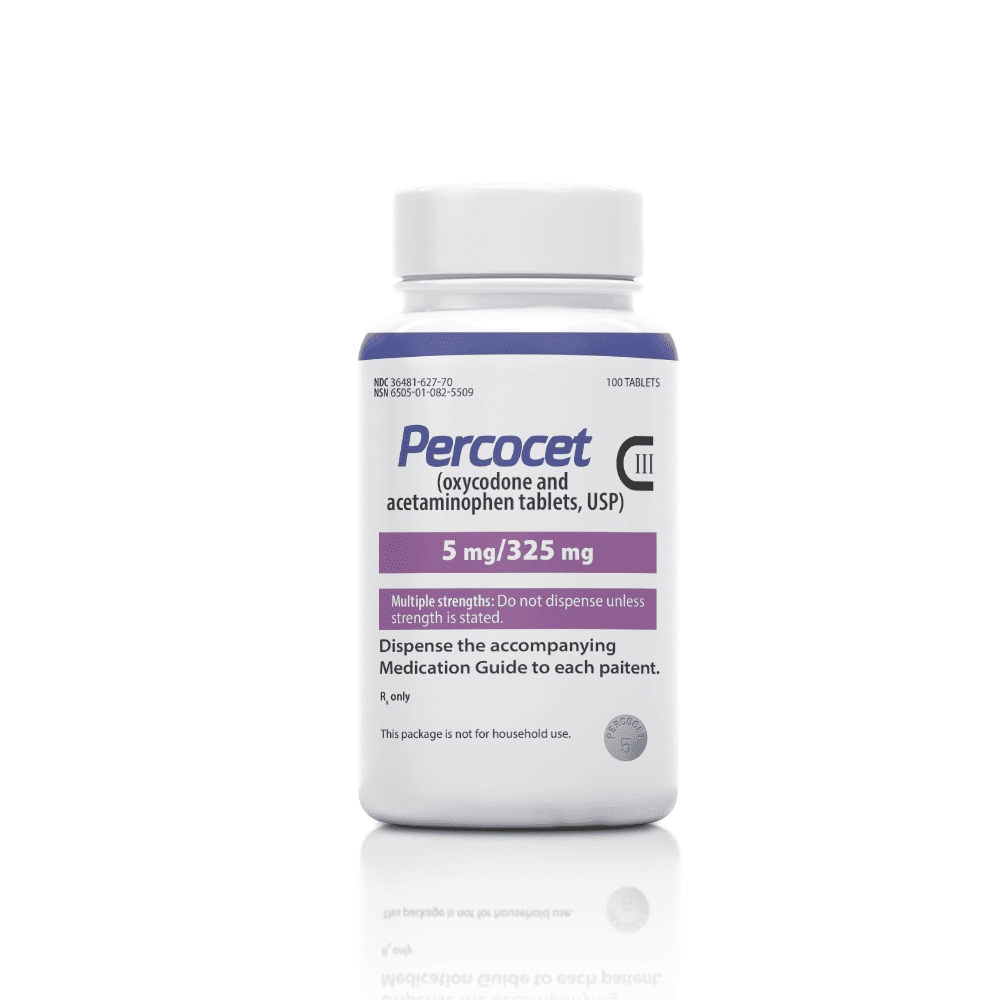 Buy Percocet Online
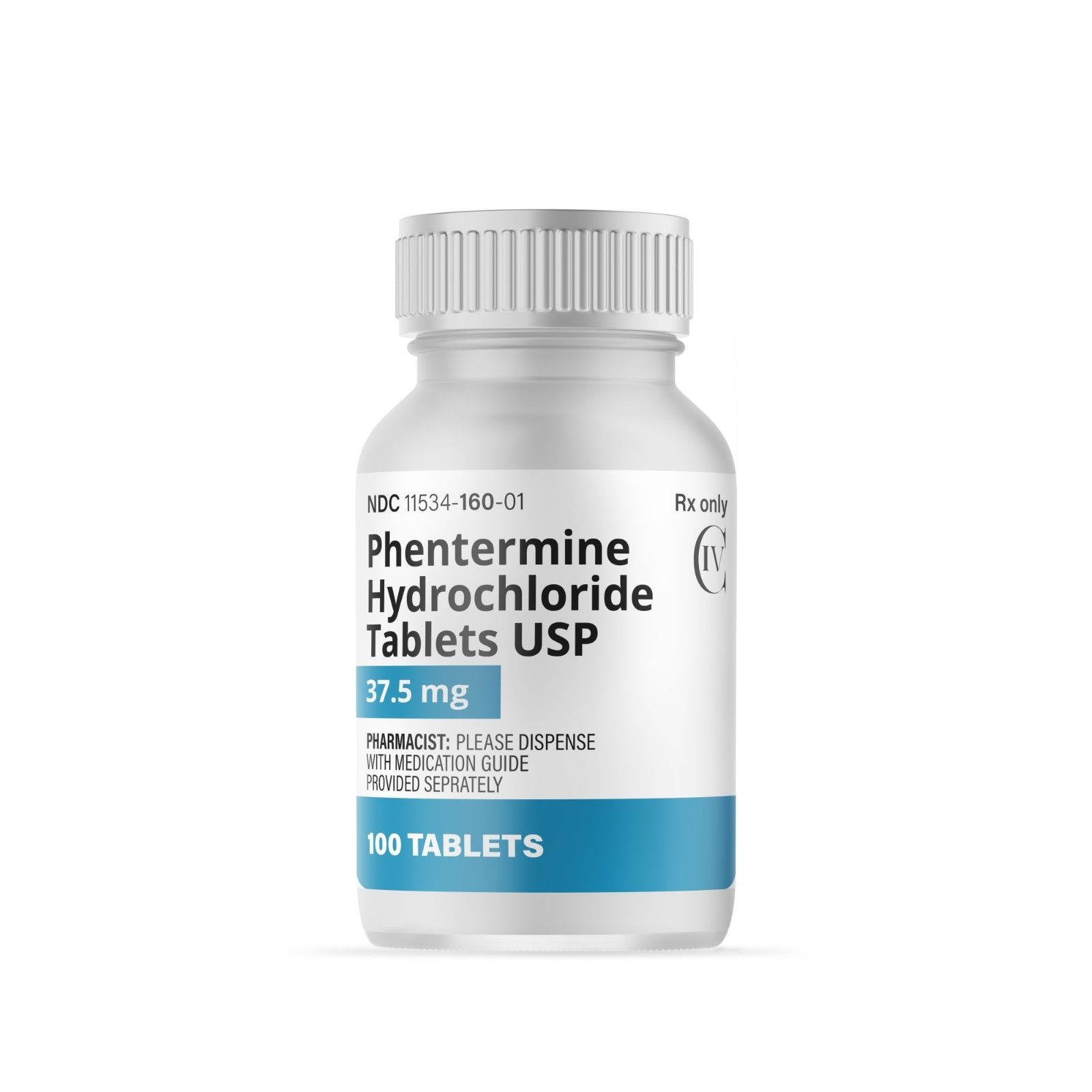 Buy Phentermine Online
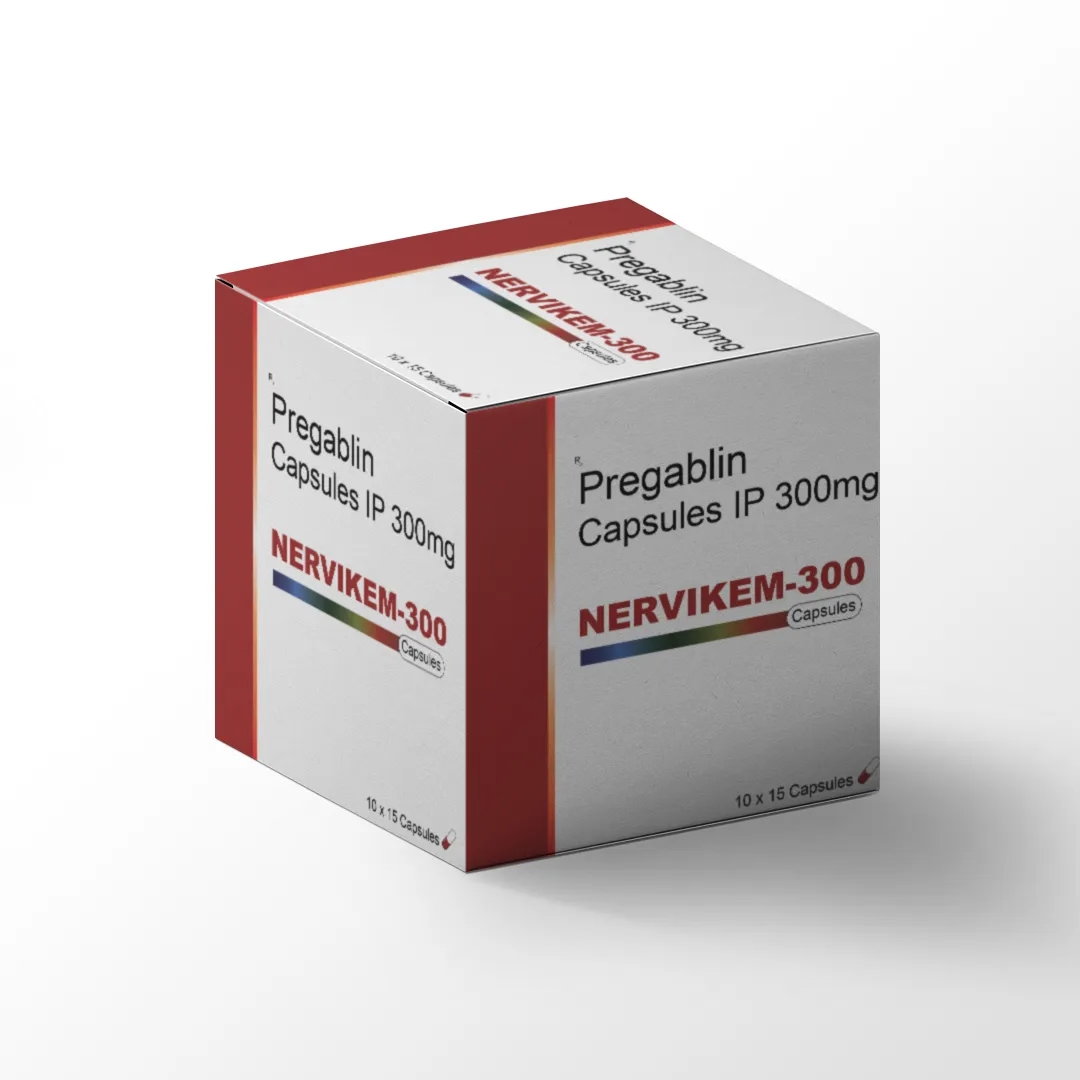 Buy Pregabalin Online
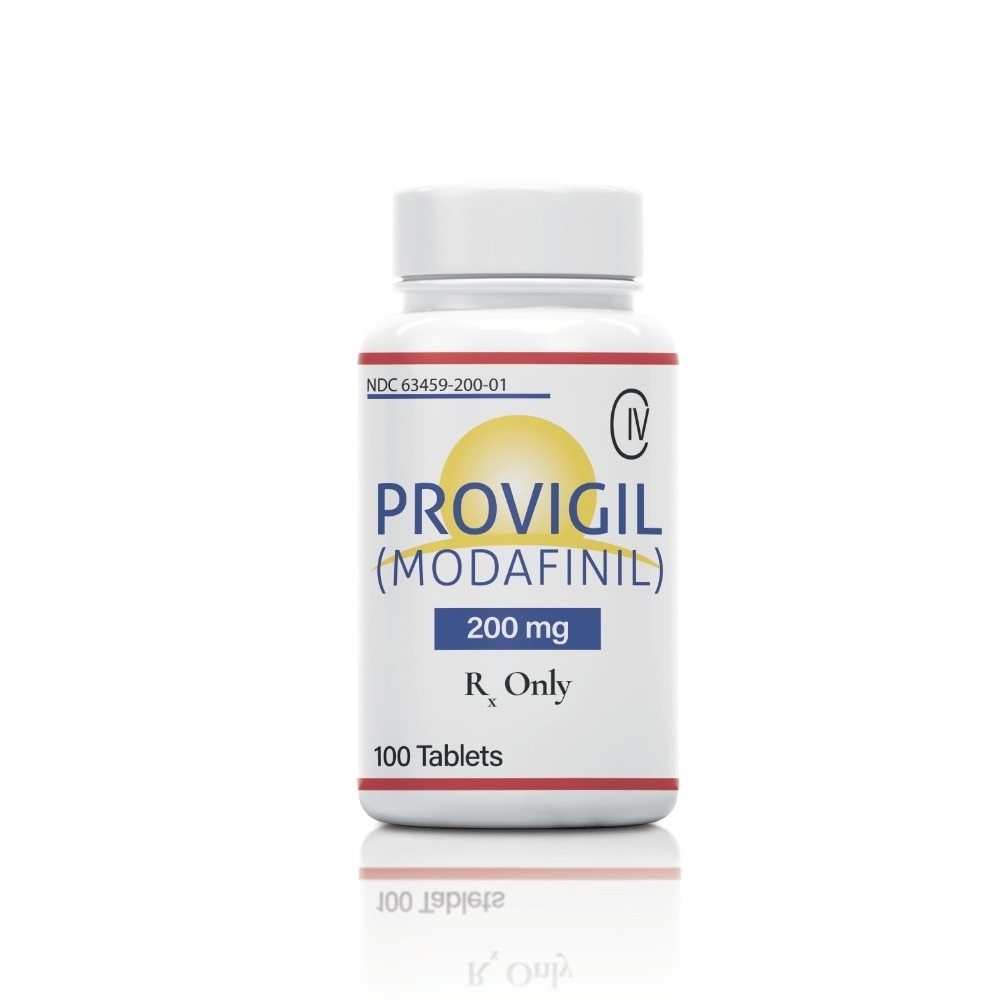 Buy Provigil Online
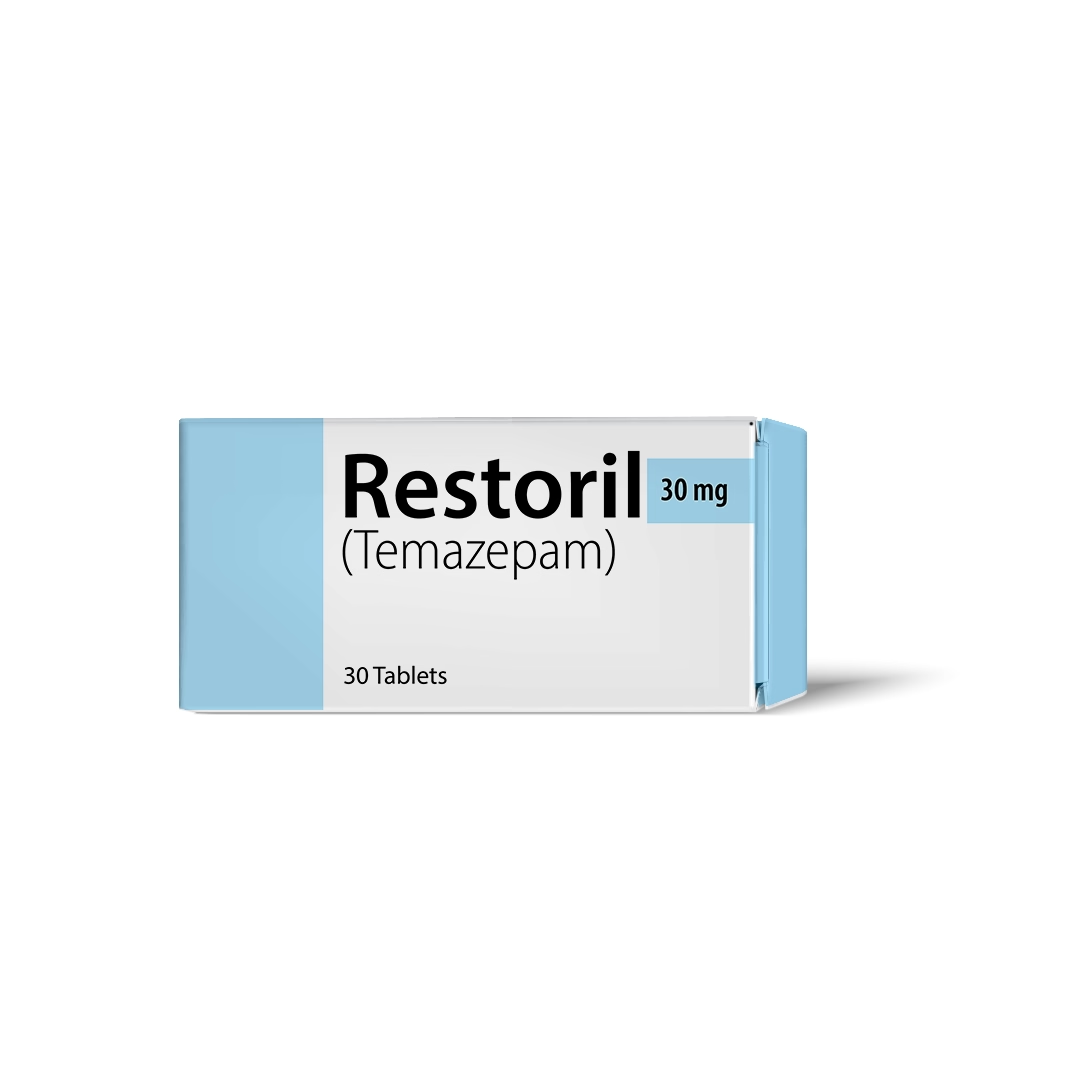 Buy Restoril Online
 Buy Ritalin Online
 Buy Soma Online
 Buy Suboxone Online
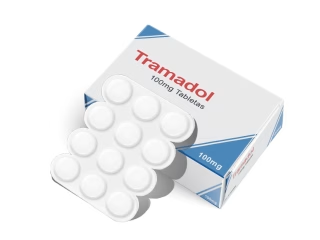
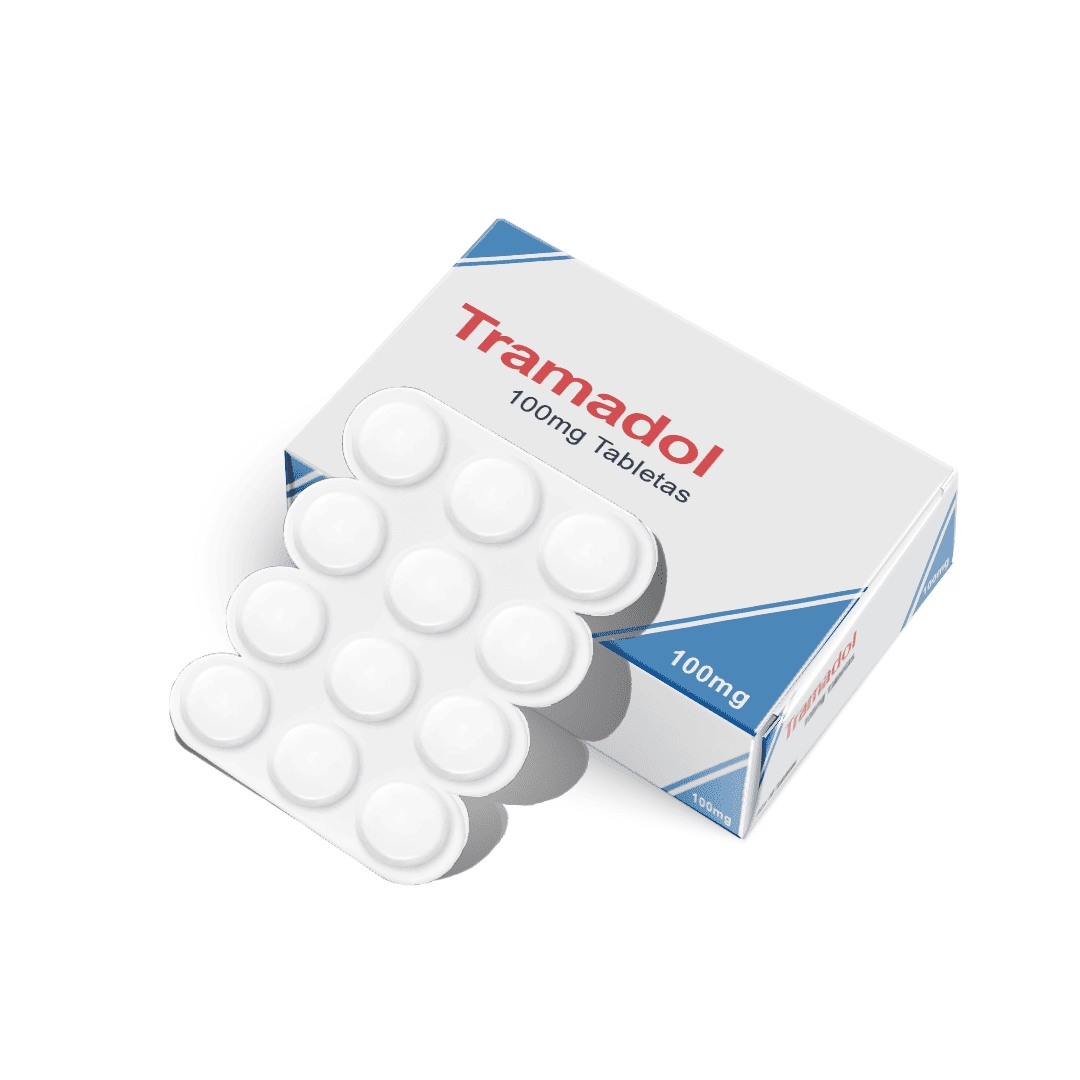 Buy Tramadol Online
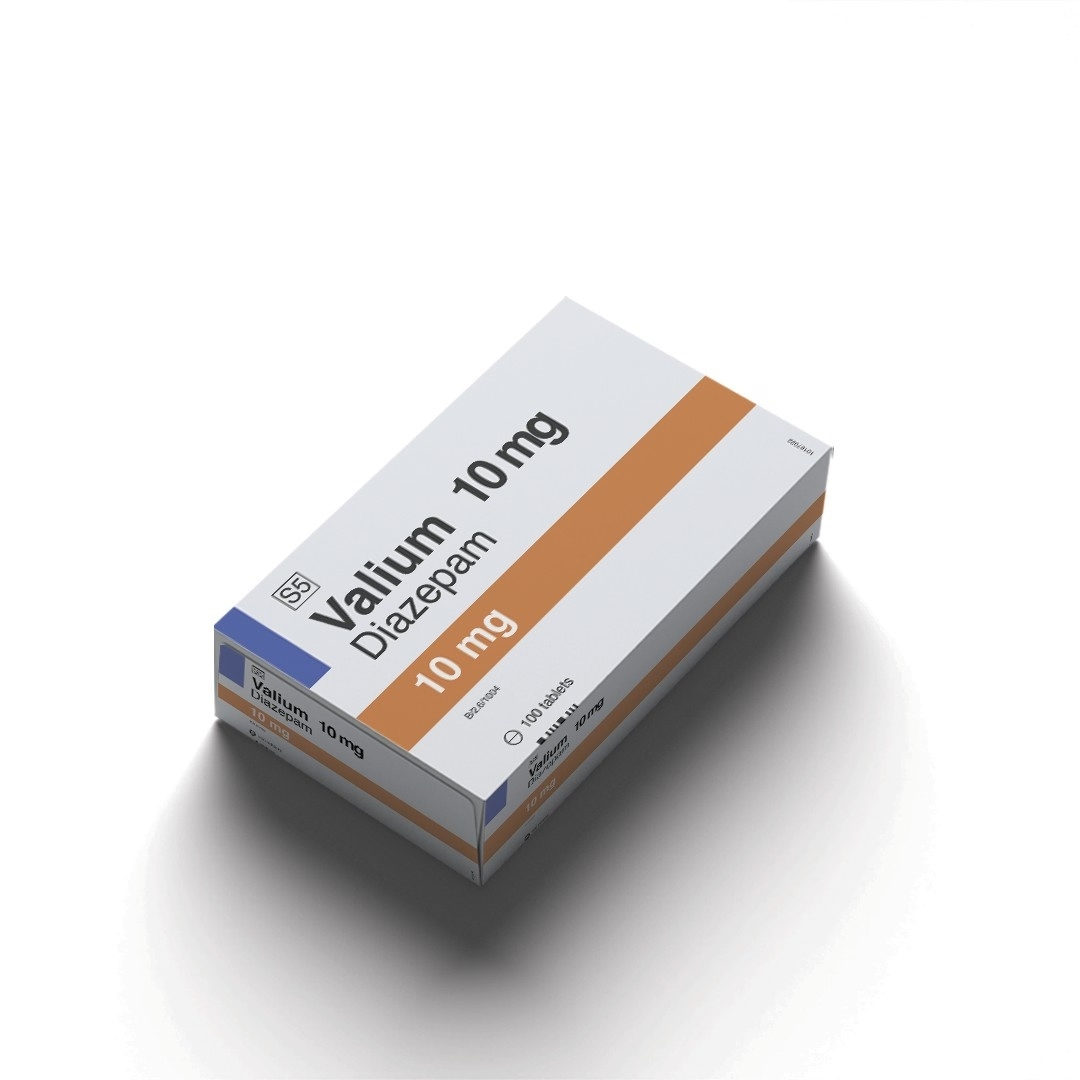 Buy Valium Online
 Buy Viagra Online
 Buy Vicodin Online
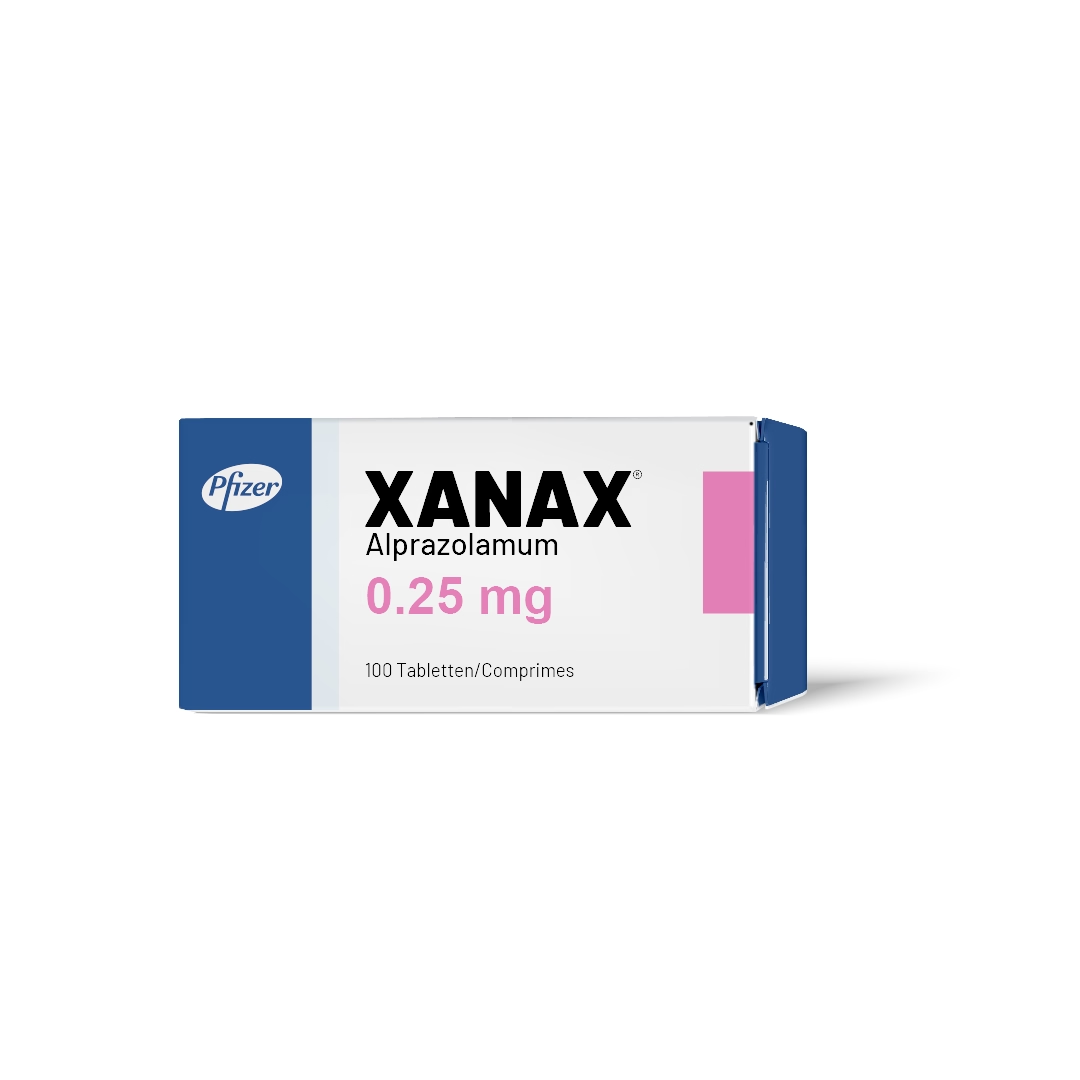 Buy Xanax Online
 Buy Zolpidem Online
Buy Tramadol Online
Showing all 4 results



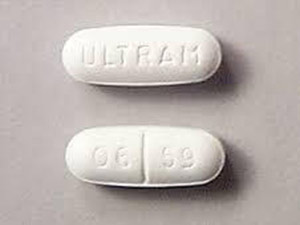
What Is Tramadol?
Tramadol is a prescription opioid analgesic used to manage certain types of moderate to moderately severe pain. It works primarily within the central nervous system by changing how the body perceives and responds to pain. Tramadol also affects serotonin and norepinephrine signaling, which contributes to its pain-relieving effects.
Because tramadol can cause dependence, misuse, respiratory depression, and other serious complications, it should be taken only under the direction of a qualified healthcare professional. Extended-release formulations are designed for specific patients who require continuous pain management and should not be substituted for immediate-release tablets without medical guidance.
How Does Tramadol Work?
Tramadol has two main mechanisms of action. It weakly activates opioid receptors involved in pain signaling and also influences the reuptake of serotonin and norepinephrine in the nervous system. These combined effects can reduce the intensity of pain experienced by a patient.
The medication is available in different formulations, and the appropriate option depends on the patient’s condition, treatment goals, other medications, and individual risk factors.
Important Precautions Before Taking Tramadol
Before starting treatment, tell your healthcare provider about your complete medical history and all prescription, over-the-counter, and herbal products you use. Particular caution may be necessary if you have:
- Breathing problems or a history of respiratory disorders
- Seizures or conditions that increase seizure risk
- Liver or kidney impairment
- A previous history of substance misuse or dependence
- Depression, mood disorders, or other mental-health concerns
- Head injury or increased intracranial pressure
- Gastrointestinal or intestinal obstruction
- Problems with alcohol or other central nervous system depressants
Tramadol can interact with medicines that affect serotonin levels, including some antidepressants, and combinations may increase the risk of serotonin syndrome. Certain medications can also increase the likelihood of seizures or excessive sedation.
Alcohol, sedatives, and other drugs that slow the central nervous system can increase the risk of dangerous breathing problems when combined with tramadol.
Tramadol During Pregnancy and Breastfeeding
Tramadol should be discussed carefully with a healthcare professional during pregnancy. Regular opioid exposure during pregnancy can cause dependence in a newborn and may result in withdrawal symptoms after birth.
Tramadol also passes into breast milk. Anyone who is pregnant, planning pregnancy, or breastfeeding should speak with a healthcare professional before using this medication so that the potential benefits and risks can be evaluated.
Dosage and Administration
There is no single tramadol dose that is appropriate for everyone. A healthcare professional determines the dosage according to factors such as the patient’s age, pain severity, medical history, kidney and liver function, other medications, and the formulation being prescribed.
Take tramadol exactly as prescribed. Do not increase the dose, take it more frequently, or continue treatment longer than instructed. Extended-release tablets must be used according to their specific directions and should not be crushed, chewed, or split unless the product labeling specifically permits it.
Never use someone else’s prescription or combine tramadol with another opioid unless specifically instructed by a healthcare professional.
Common Side Effects
Some people taking tramadol may experience:
- Nausea or vomiting
- Constipation
- Dizziness
- Drowsiness
- Headache
- Dry mouth
- Sweating
- Fatigue
These effects can vary depending on the dose, formulation, duration of treatment, and individual response.
Serious Reactions
Tramadol can cause serious or potentially life-threatening problems, including slowed or difficult breathing, severe sedation, seizures, serotonin syndrome, allergic reactions, and opioid overdose.
Seek emergency medical attention if someone taking tramadol develops very slow or difficult breathing, extreme sleepiness, loss of consciousness, a seizure, severe confusion, or signs of a serious allergic reaction.
Dependence, Misuse, and Withdrawal
Tramadol is an opioid and can lead to physical dependence and misuse, even when used for legitimate pain treatment. Stopping regular treatment suddenly may cause withdrawal symptoms.
If tramadol has been taken regularly for an extended period, a healthcare professional can determine whether the dose should be reduced gradually rather than stopped abruptly.
Safe Use of Tramadol
Safe treatment starts with an individualized prescription and regular communication with a healthcare professional. Keep tramadol in its original container, never share it with another person, and store it securely away from children and anyone who could misuse it.
If you have questions about your prescription, interactions, dosage, or how long treatment should continue, consult your prescribing clinician or pharmacist rather than changing the treatment yourself.
Conclusion
Tramadol can provide pain relief for appropriately selected patients, but it is not risk-free. Its opioid properties mean that dependence, overdose, breathing problems, drug interactions, and other complications must be considered before and during treatment. Following the prescribed instructions and discussing medical history and other medications with a healthcare professional are essential parts of using tramadol safely.
Product Category
-
 Buy Tapentadol Online
 -
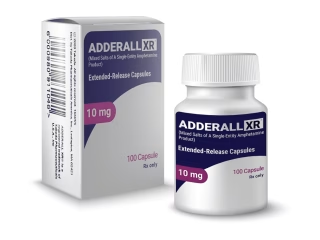 Buy Adderall Online
 -
 Buy Adipex Online
 -
 Buy Alprazolam Online
 -
 Buy Ambien Online
 -
 Buy Ativan Online
 -
 Buy Belbien Online
 -
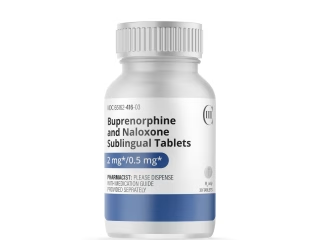 Buy Buprenorphine Online
 -
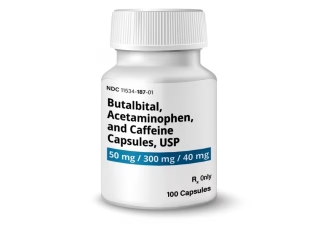 Buy Butalbital Online
 -
 Buy Cialis Online
 -
 Buy Claritin Online
 -
 Buy Clonazepam Online
 -
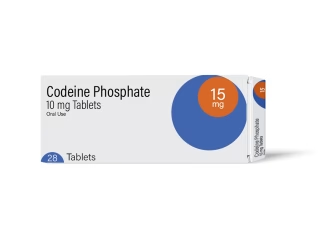 Buy Codeine Online
 -
 Buy Concerta Online
 -
 Buy Diazepam Online
 -
 Buy Dilaudid Online
 -
 Buy Farmapram Online
 -
 Buy Fioricet Online
 -
 Buy Gabapentin Online
 -
 Buy Hydrocodone Online
 -
 Buy Hydromorphone Online
 -
 Buy Klonopin Online
 -
 Buy Ksalol Online
 -
 Buy Levitra Online
 -
 Buy Lorazepam Online
 -
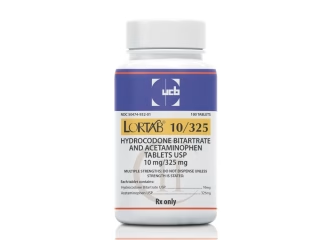 Buy Lortab Online
 -
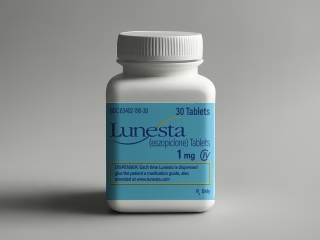 Buy Lunesta Online
 -
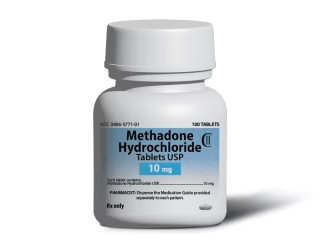 Buy Methadone Online
 -
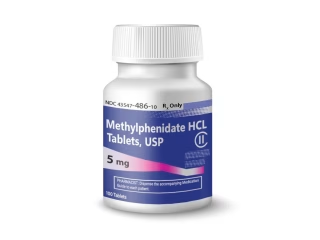 Buy Methylphenidate Online
 -
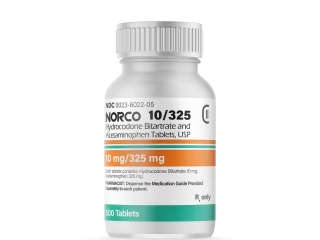 Buy Norco Online
 -
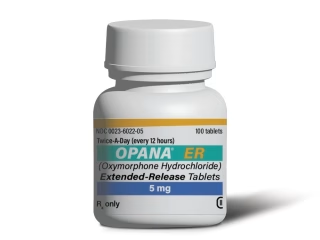 Buy Opana ER Online
 -
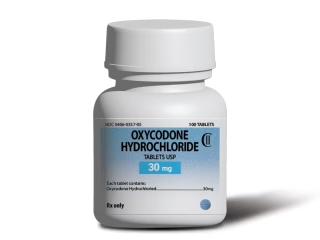 Buy Oxycodone Online
 -
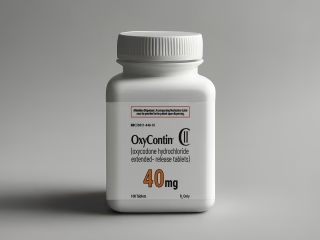 Buy Oxycontin Online
 -
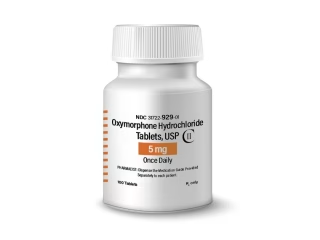 Buy Oxymorphone Online
 -
 Buy Percocet Online
 -
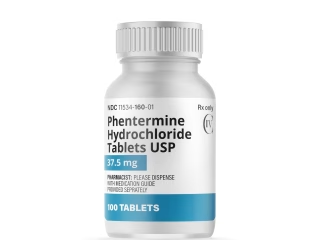 Buy Phentermine Online
 -
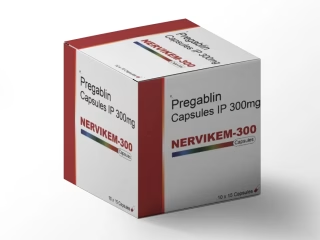 Buy Pregabalin Online
 -
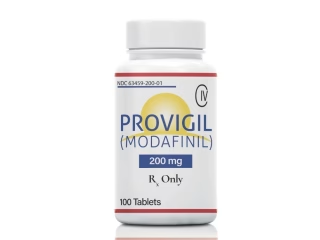 Buy Provigil Online
 -
 Buy Restoril Online
 -
 Buy Ritalin Online
 -
 Buy Soma Online
 -
 Buy Suboxone Online
 -
 Buy Tramadol Online
 -
 Buy Valium Online
 -
 Buy Viagra Online
 -
 Buy Vicodin Online
 -
 Buy Xanax Online
 -
 Buy Zolpidem Online