
Categories
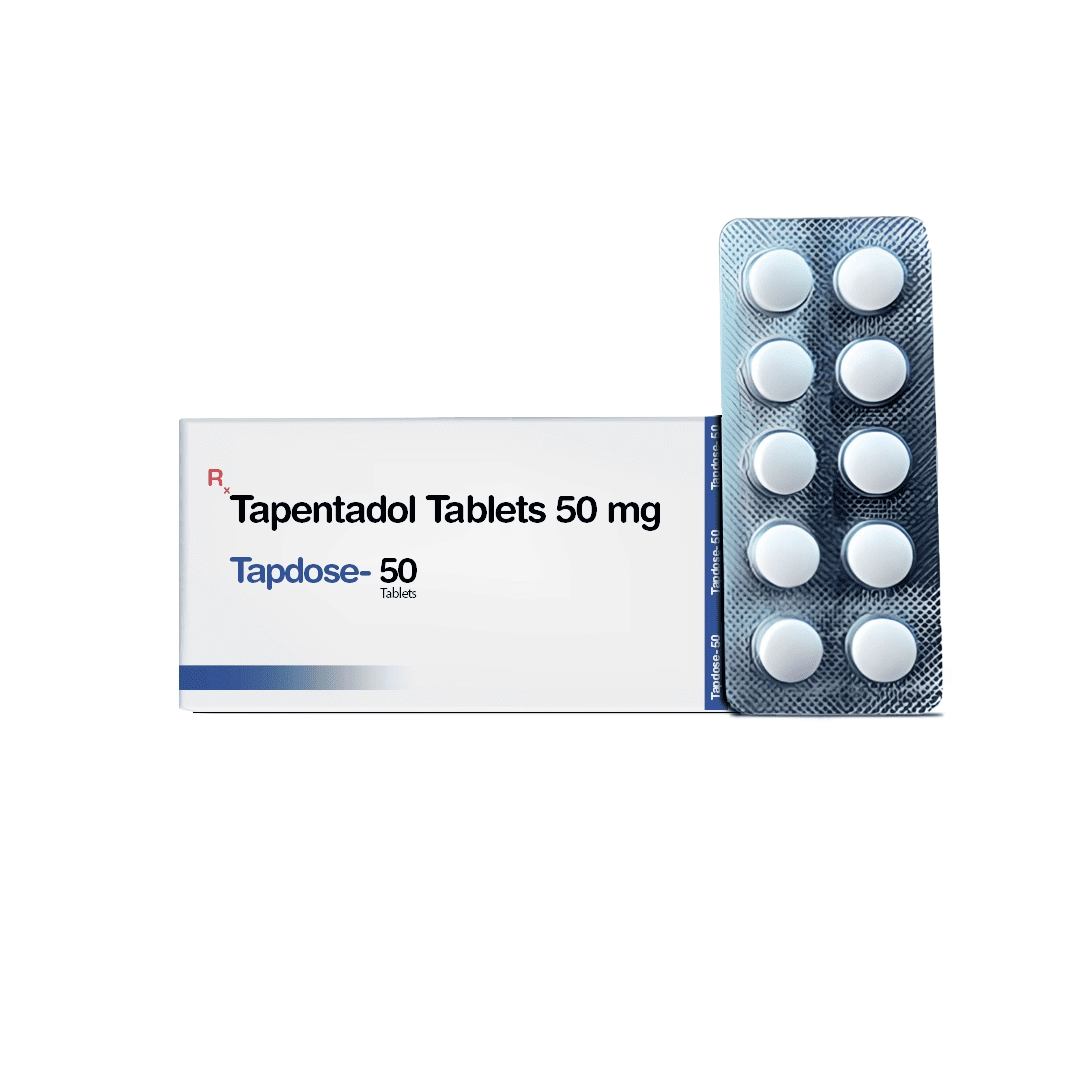 Buy Tapentadol Online
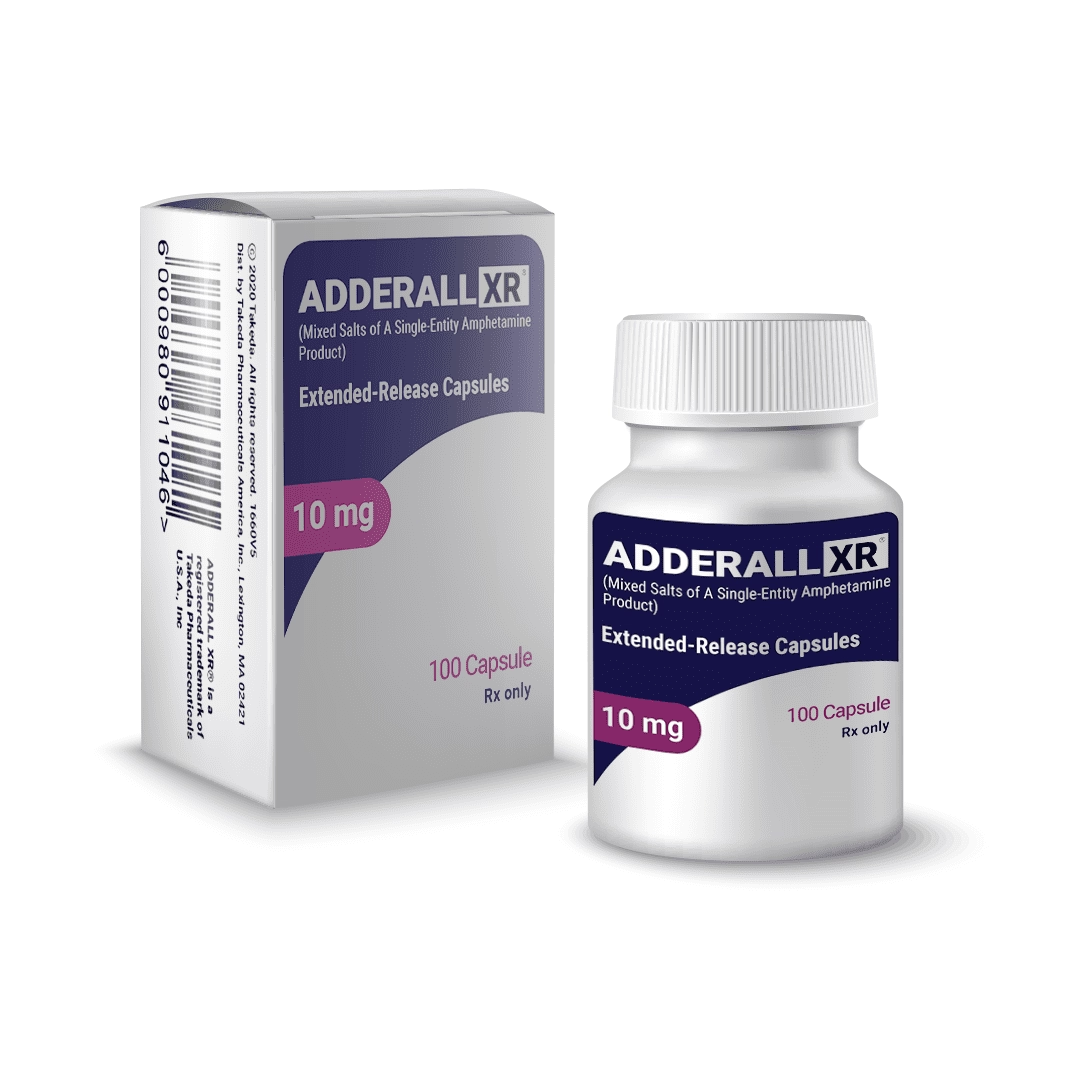 Buy Adderall Online
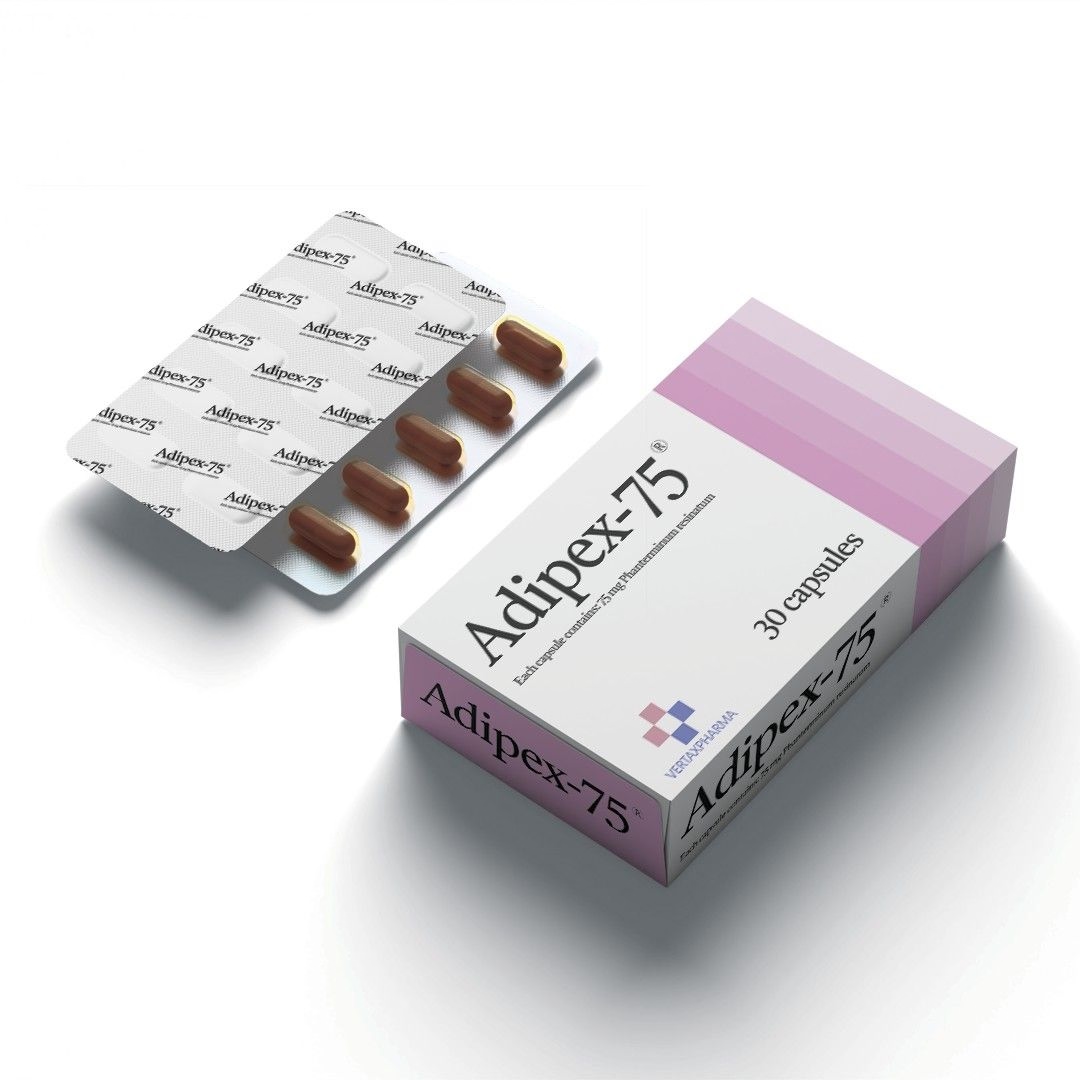 Buy Adipex Online
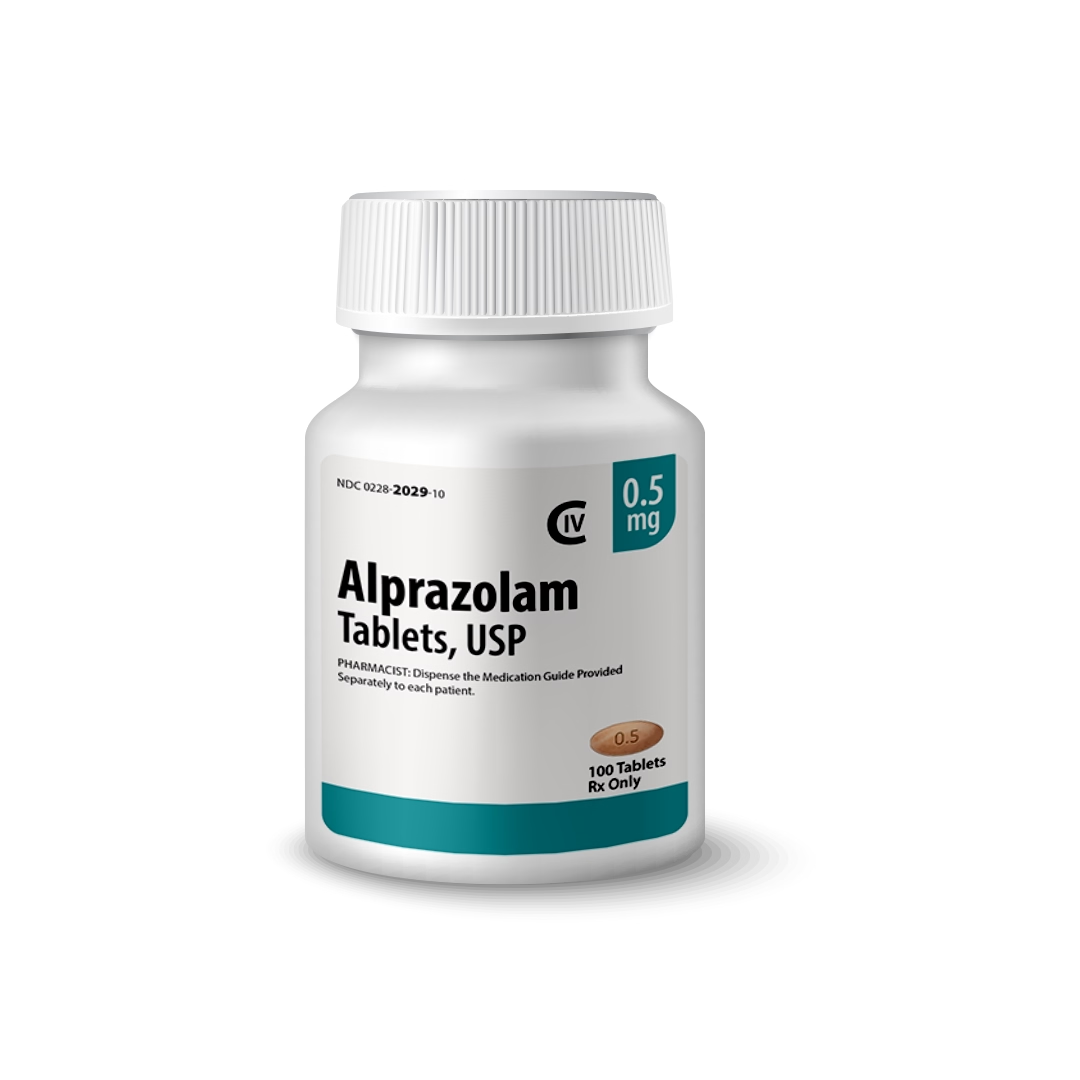 Buy Alprazolam Online
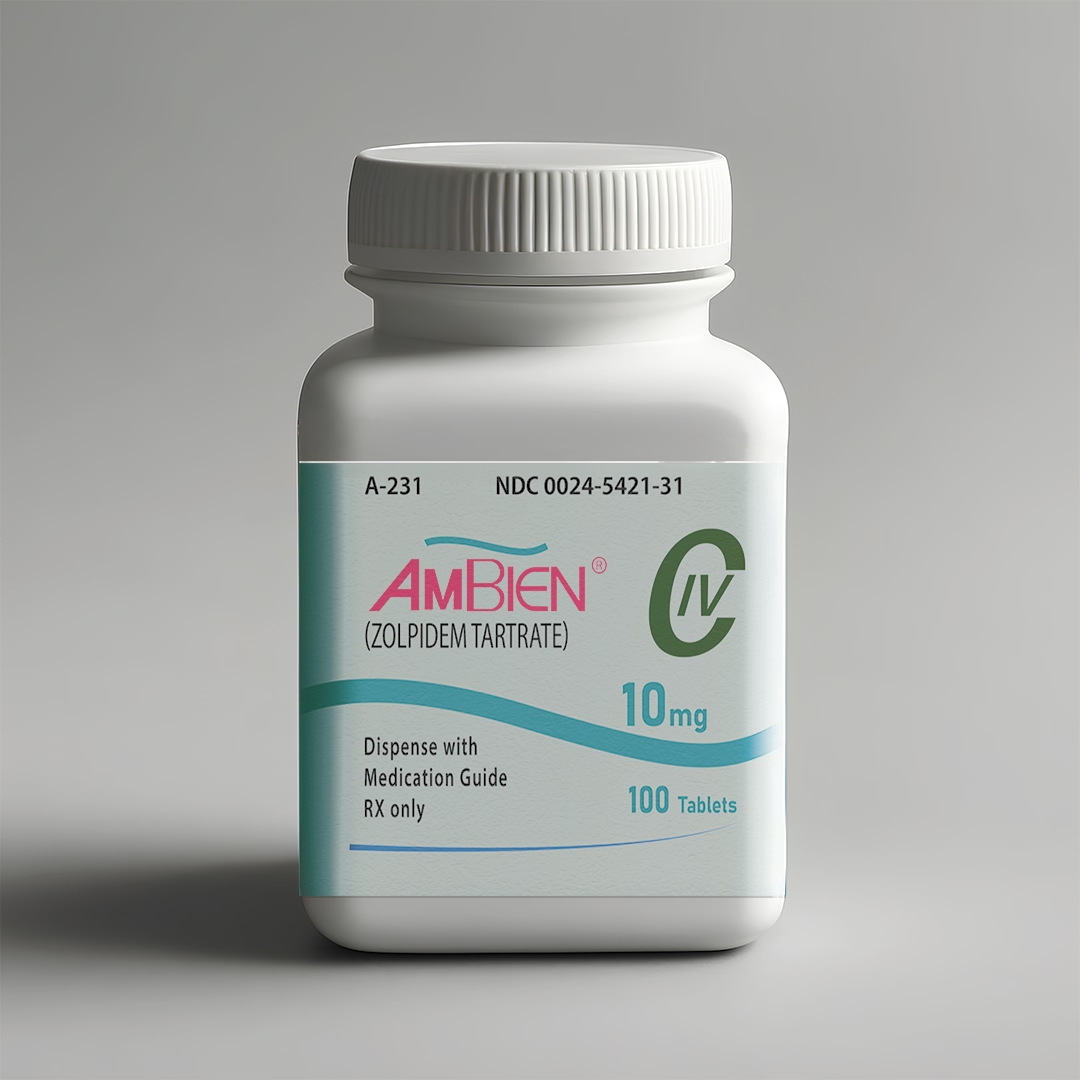 Buy Ambien Online
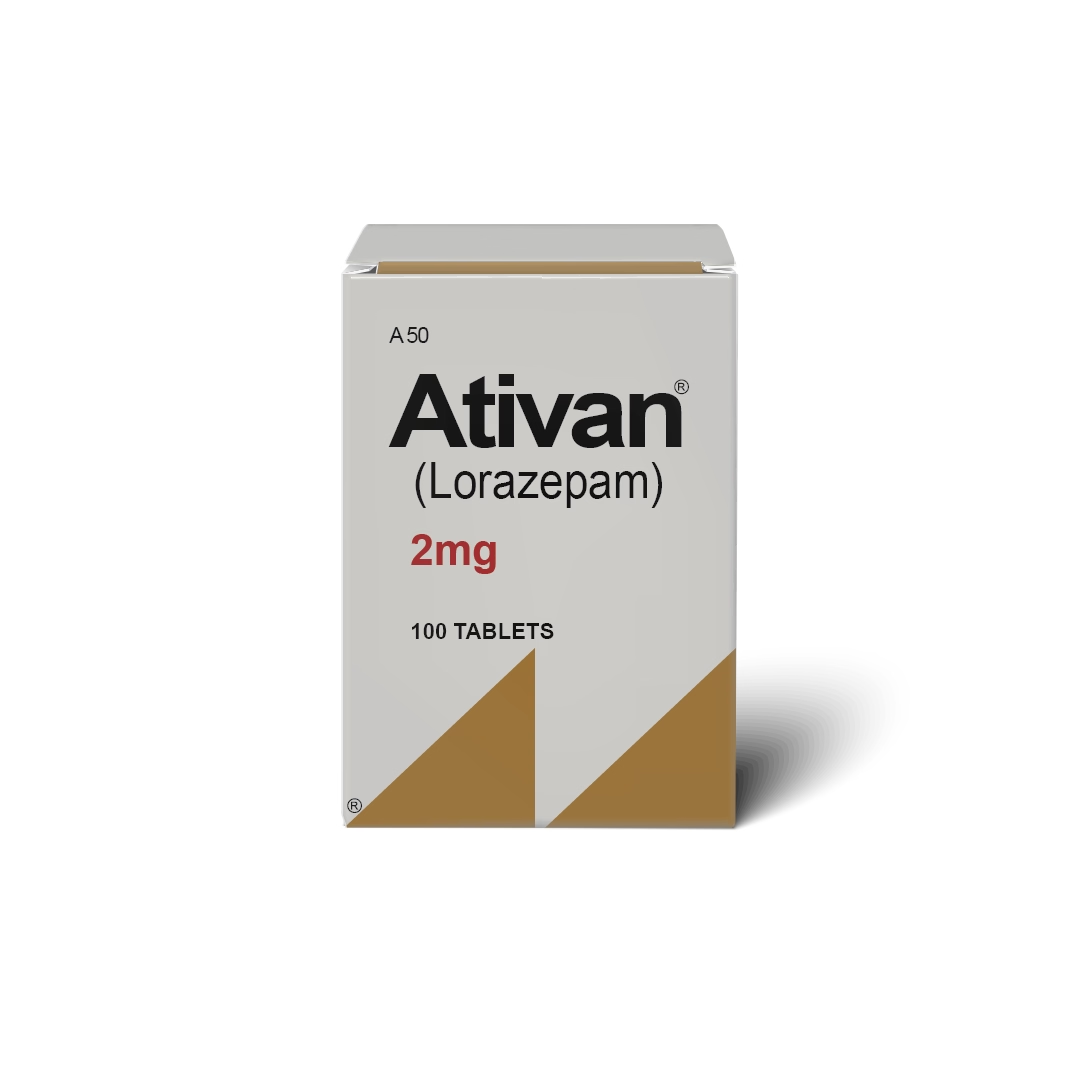 Buy Ativan Online
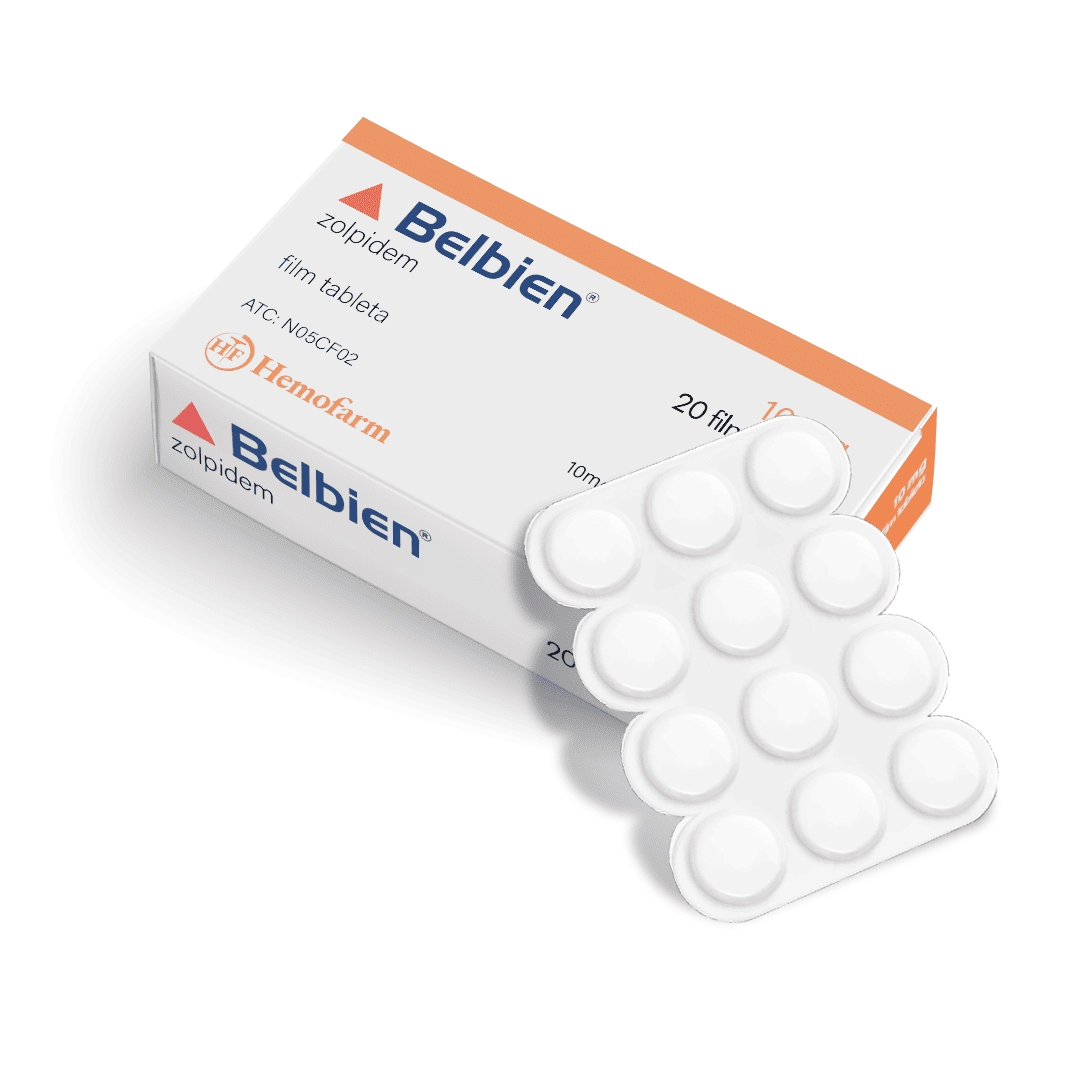 Buy Belbien Online
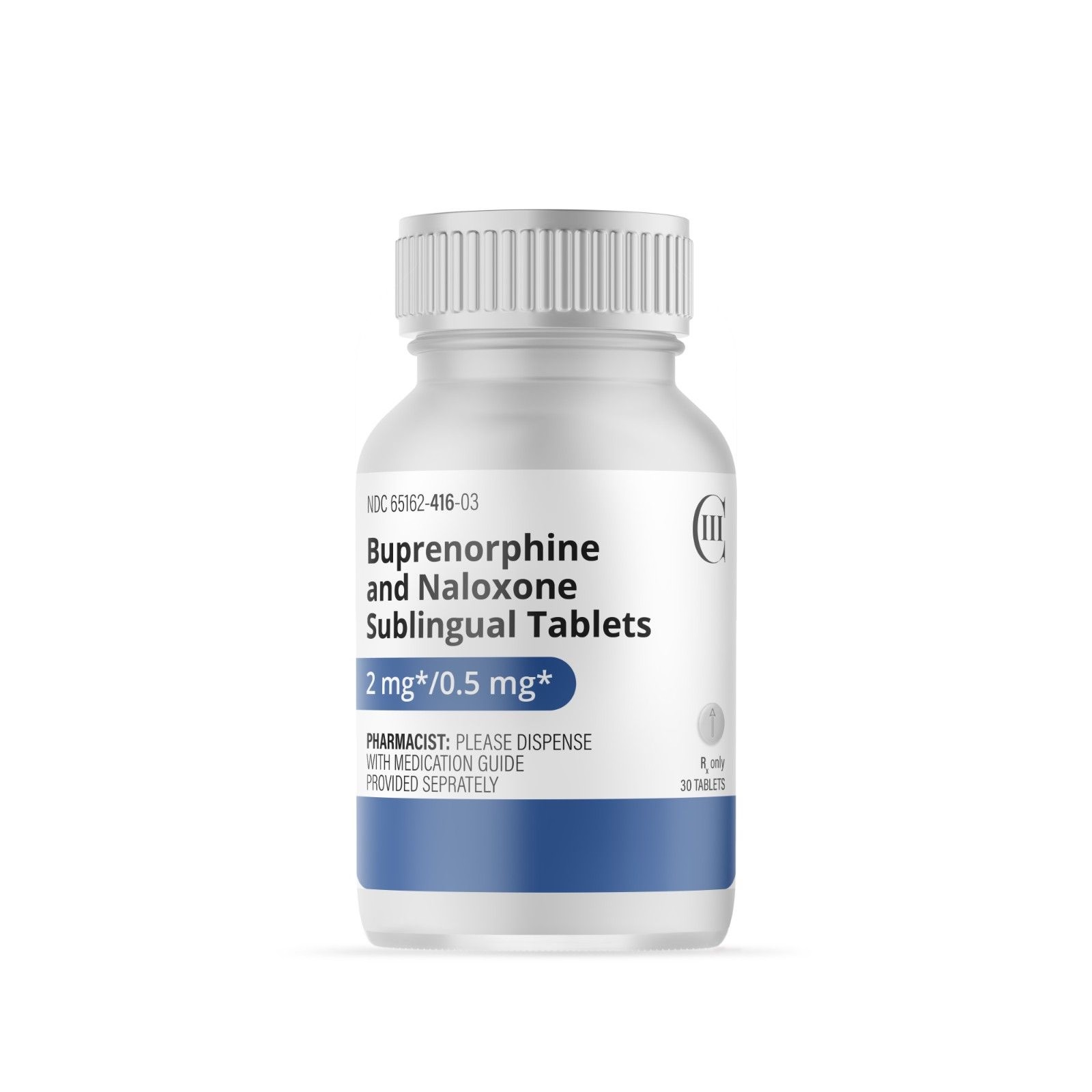 Buy Buprenorphine Online
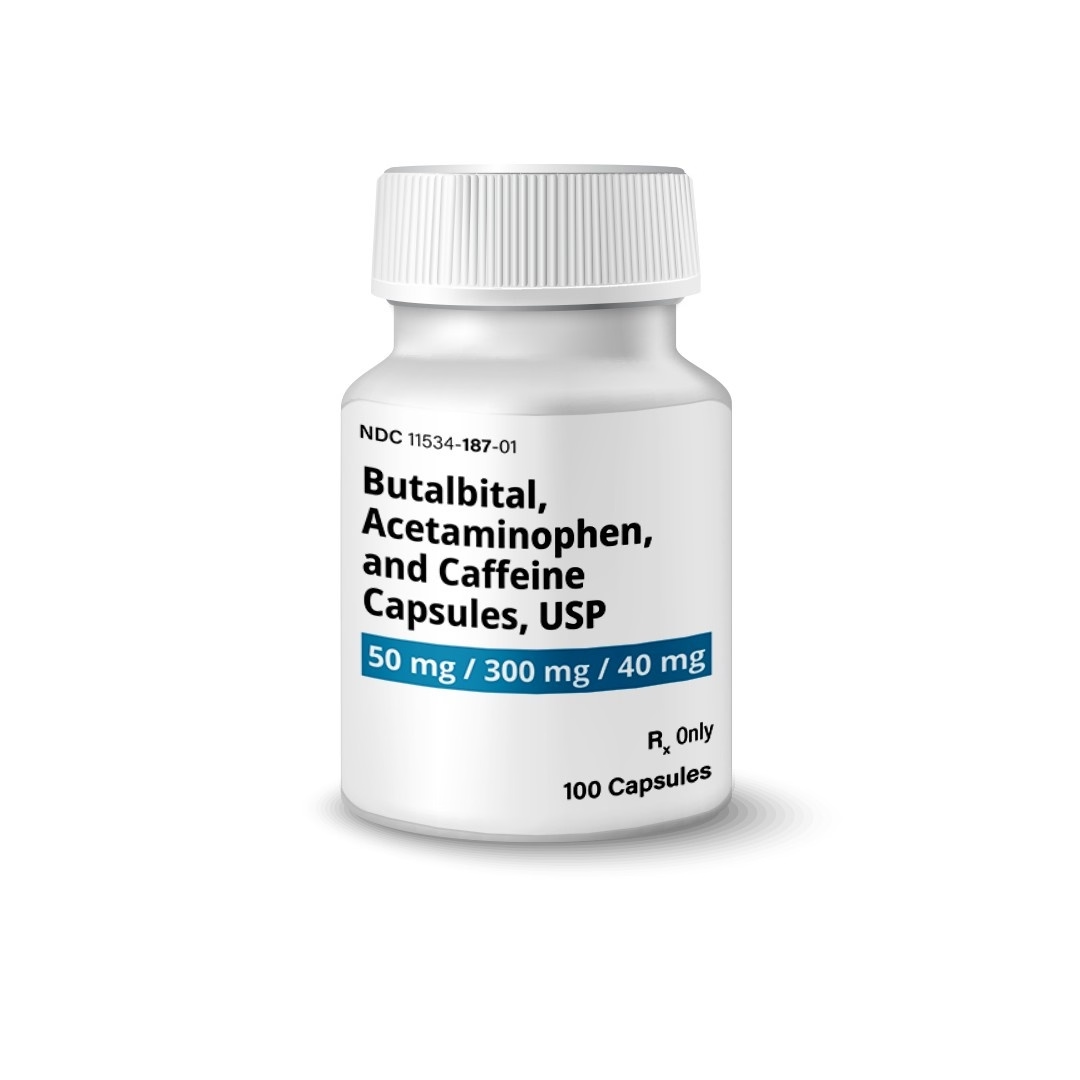 Buy Butalbital Online
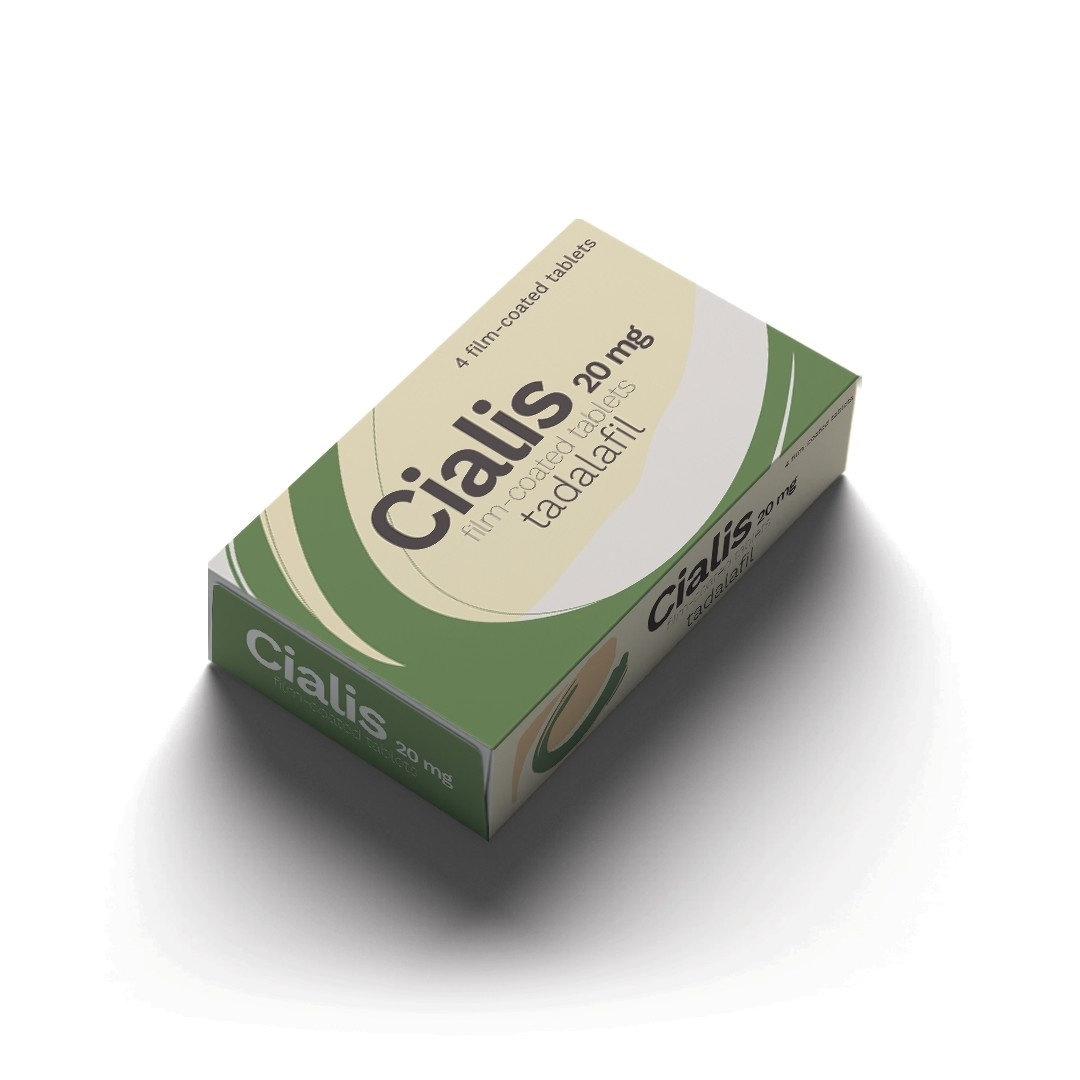 Buy Cialis Online
 Buy Claritin Online
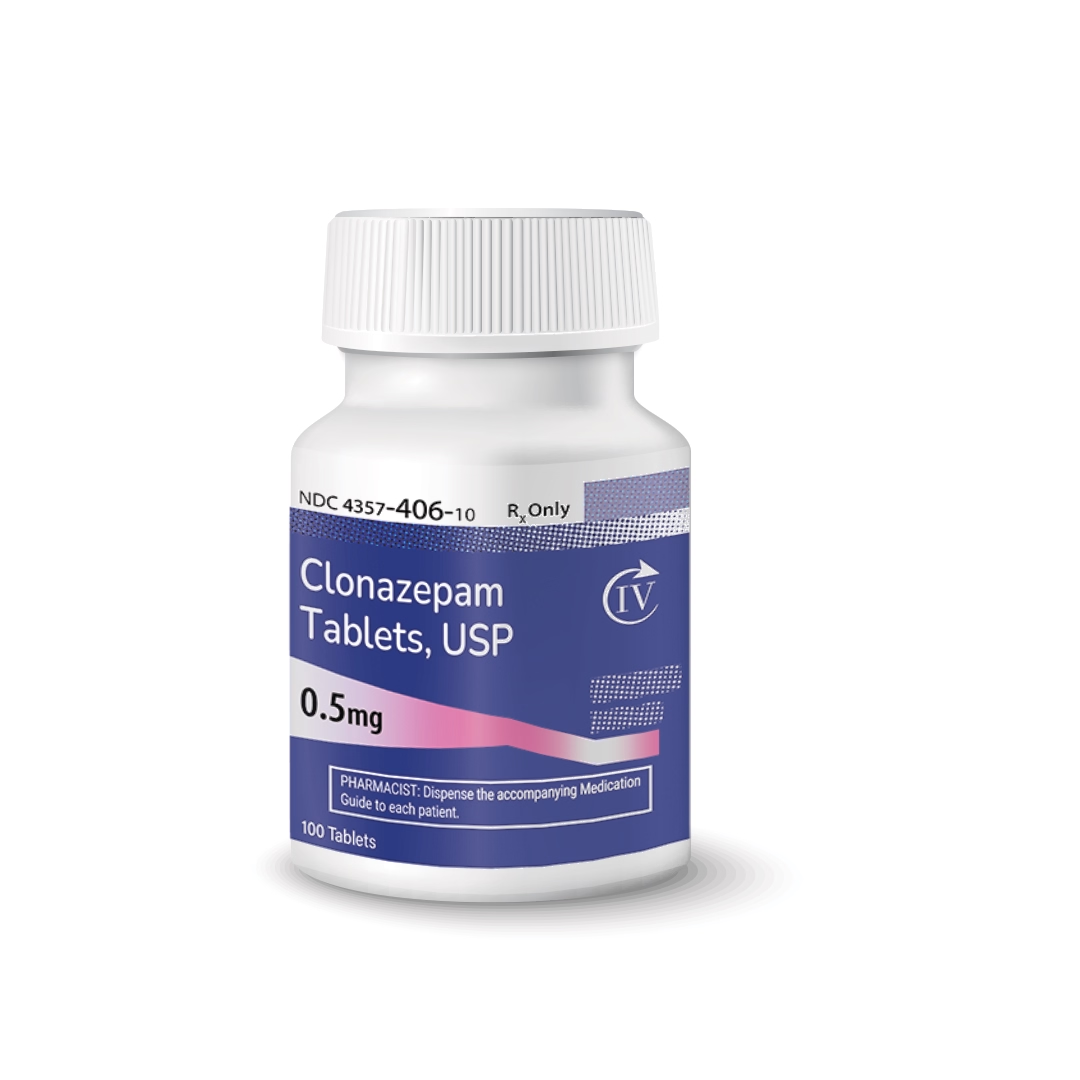 Buy Clonazepam Online
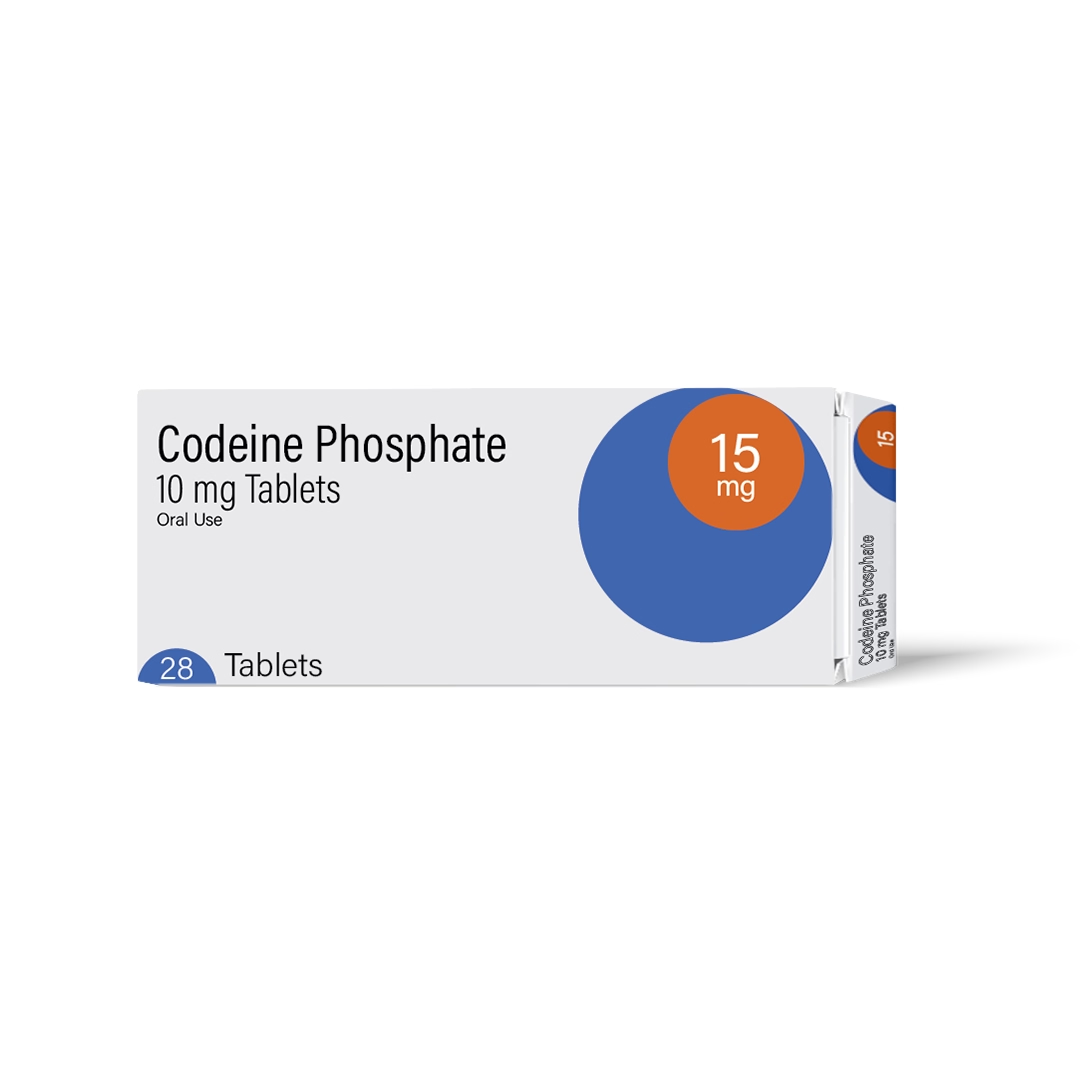 Buy Codeine Online
 Buy Concerta Online
 Buy Diazepam Online
 Buy Dilaudid Online
 Buy Farmapram Online
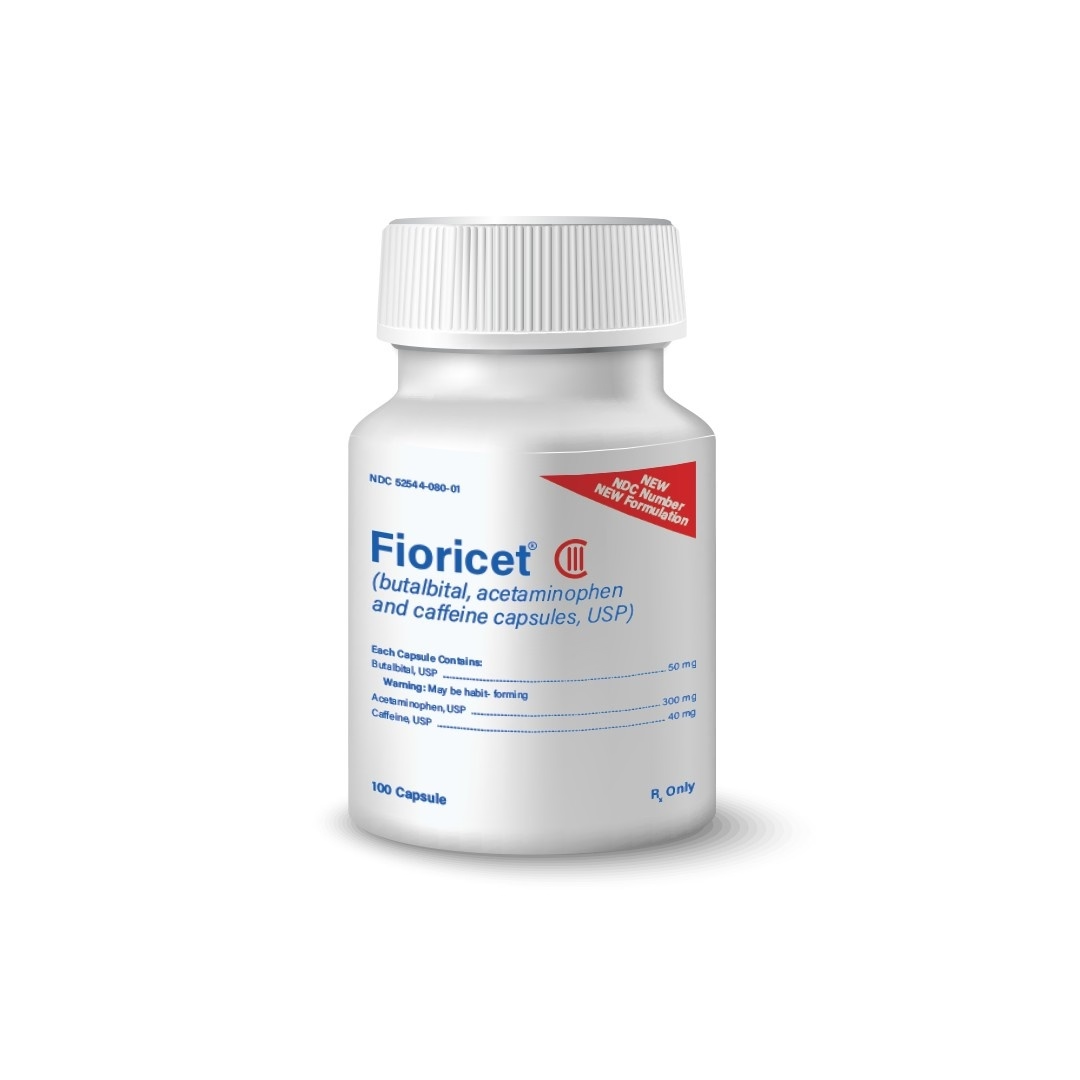 Buy Fioricet Online
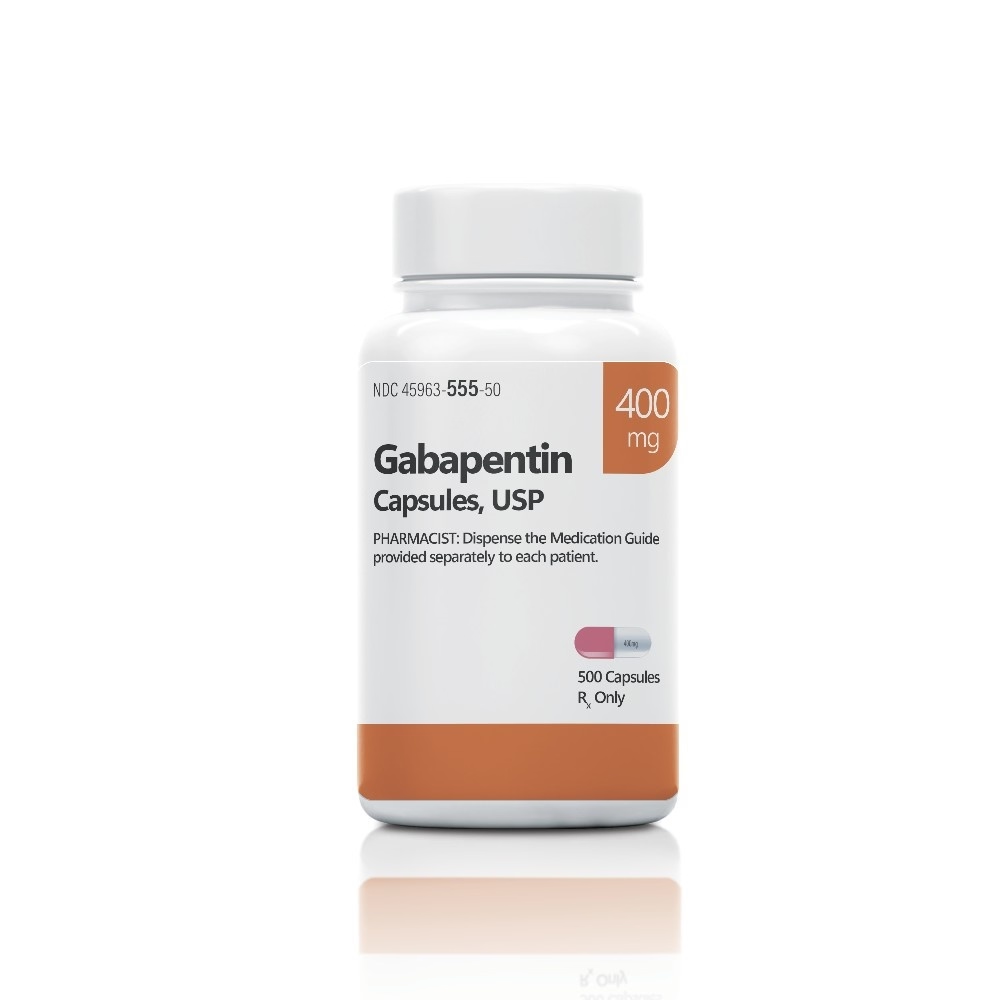 Buy Gabapentin Online
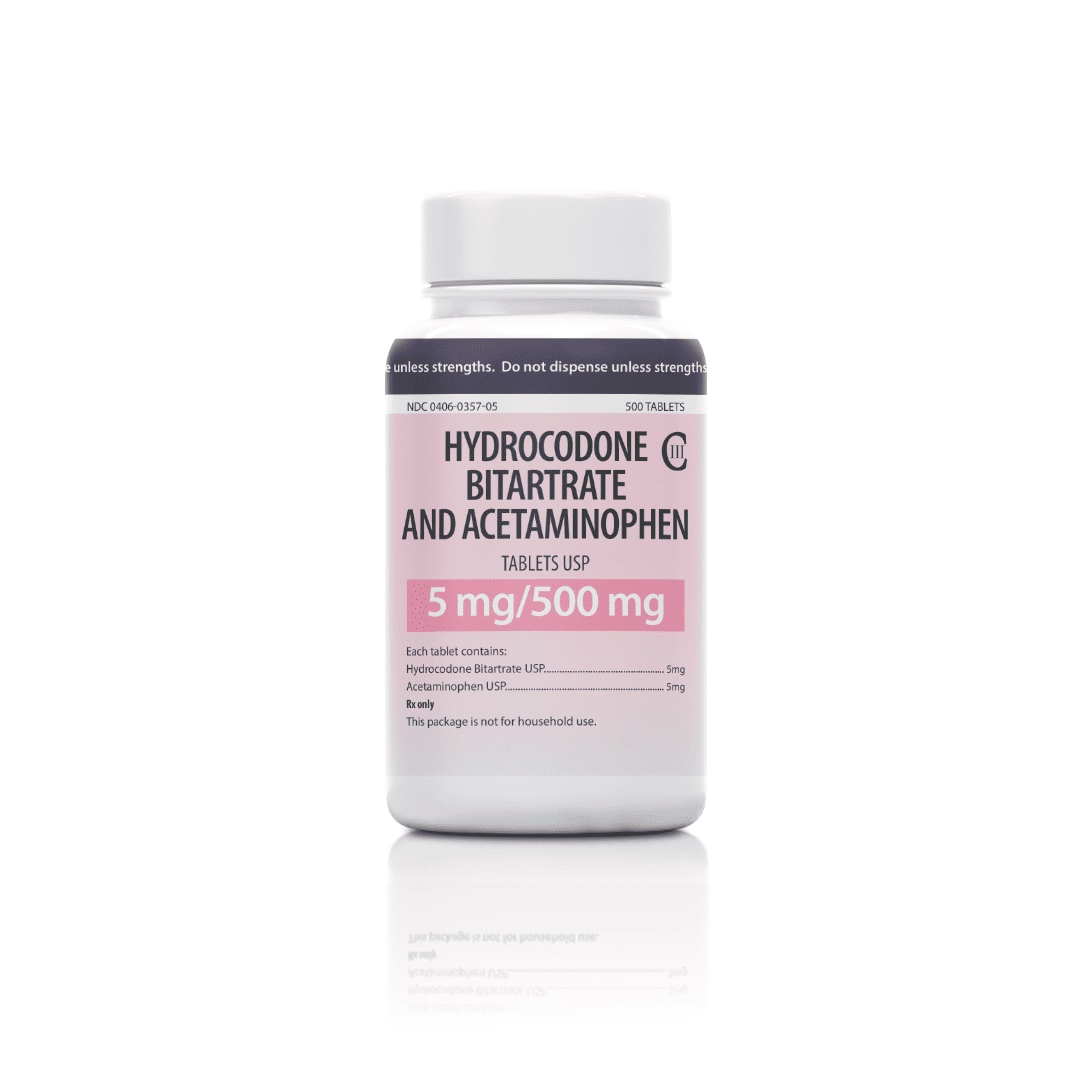 Buy Hydrocodone Online
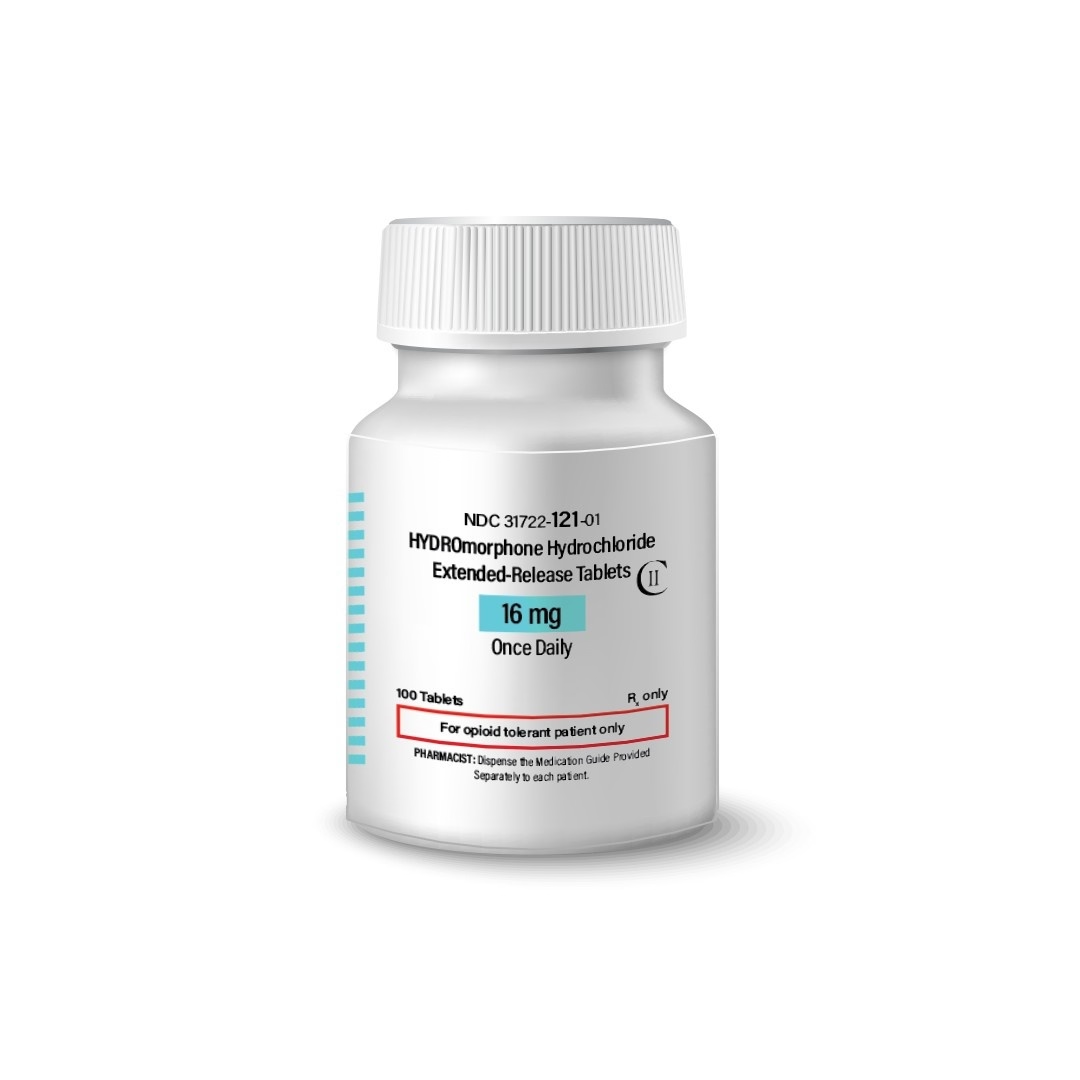 Buy Hydromorphone Online
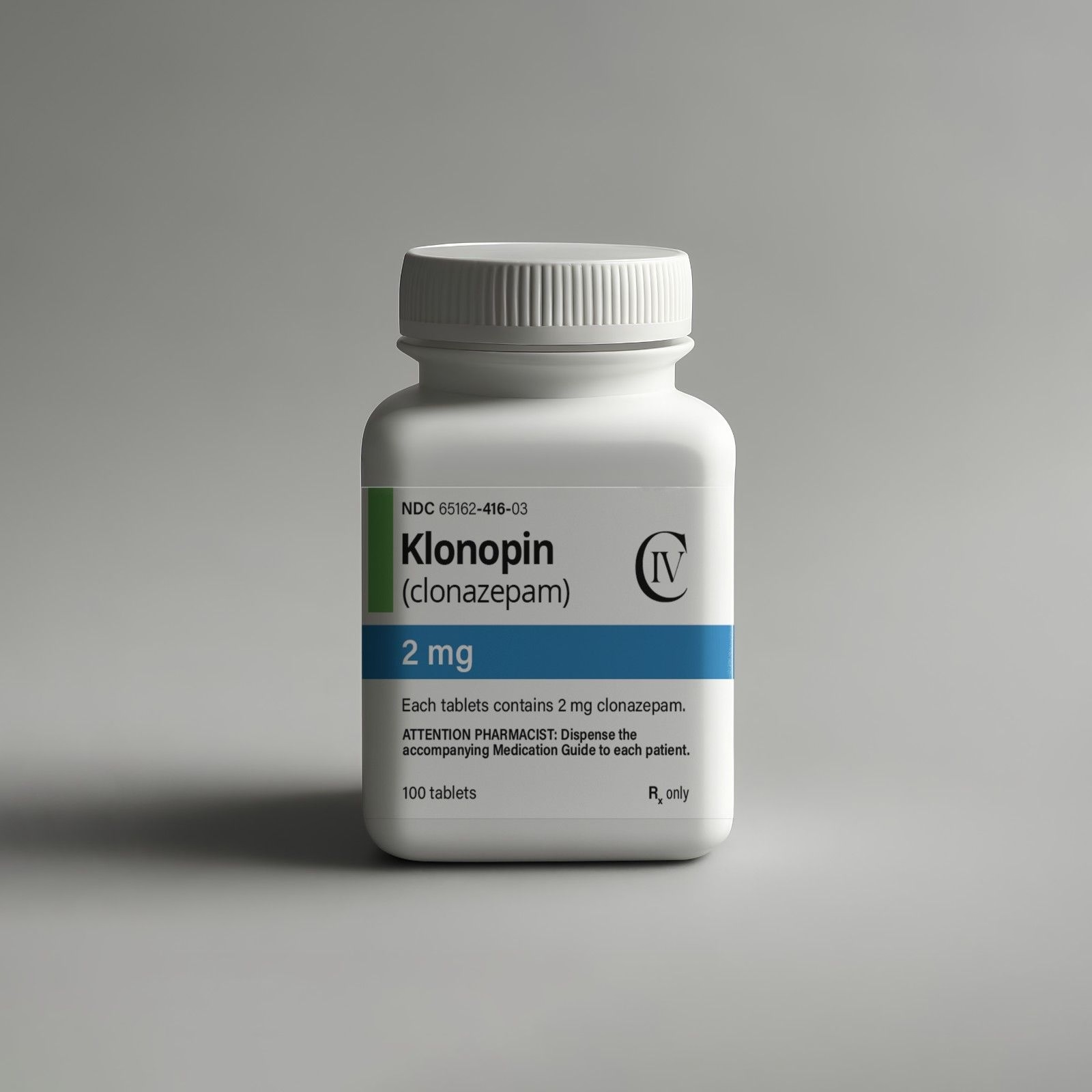 Buy Klonopin Online
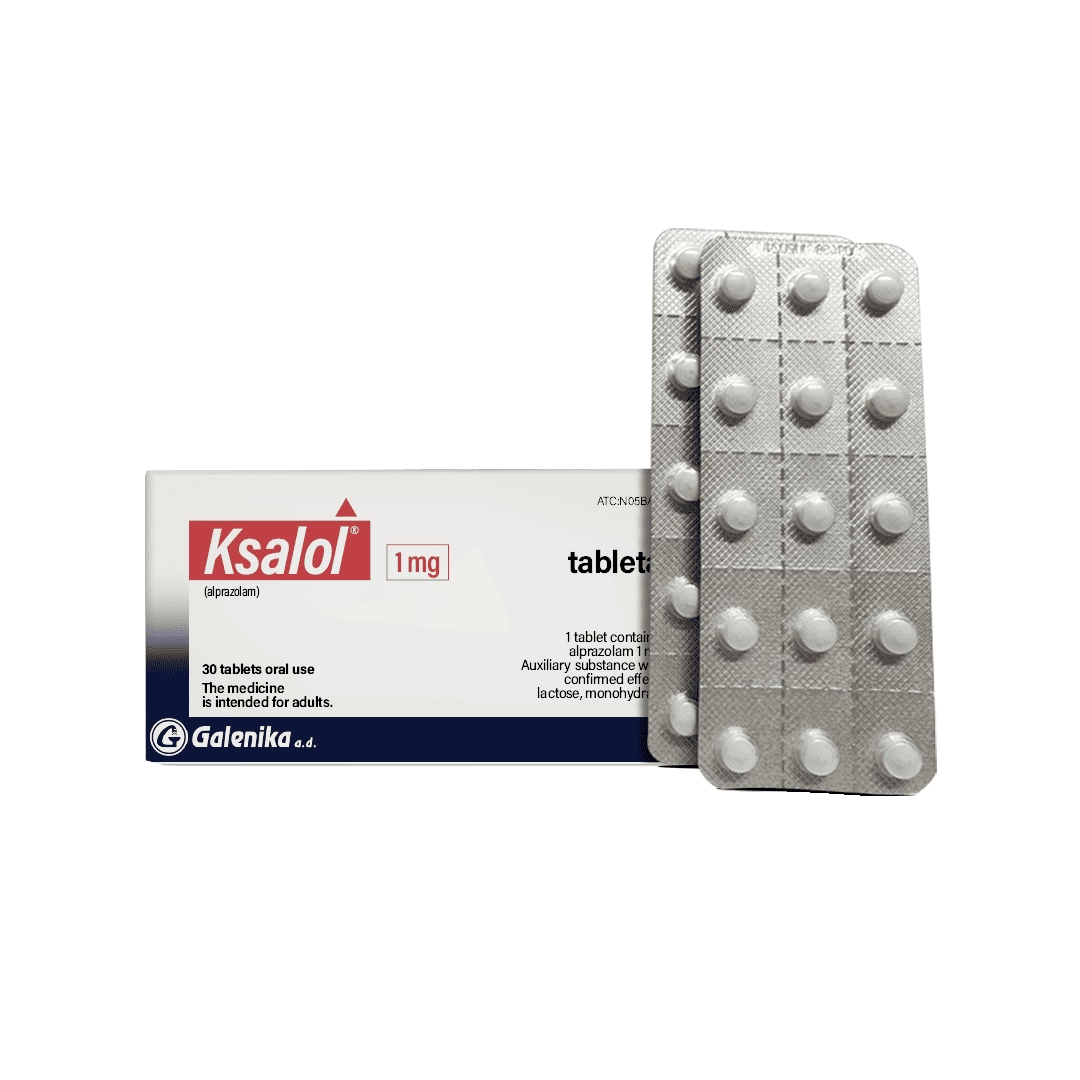 Buy Ksalol Online
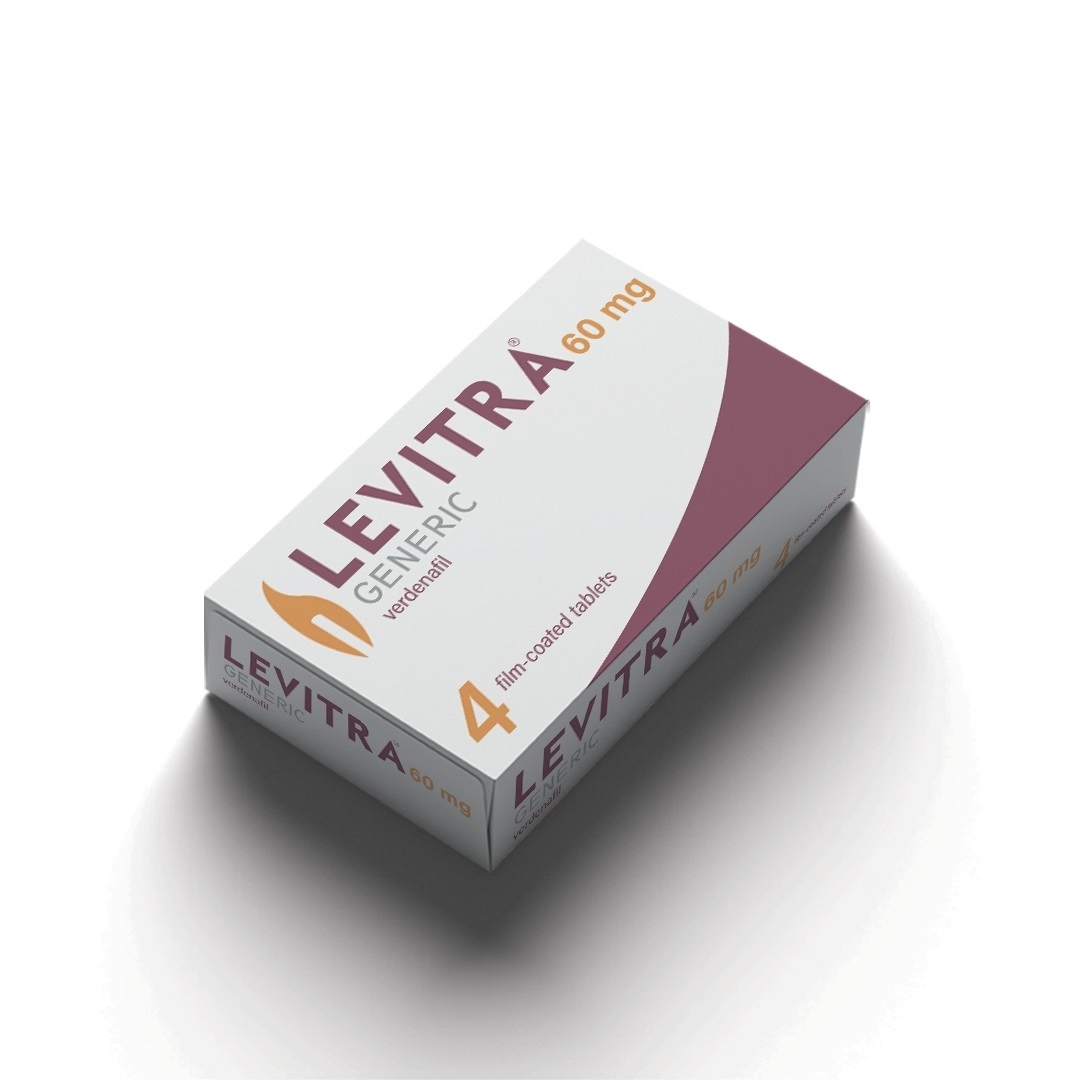 Buy Levitra Online
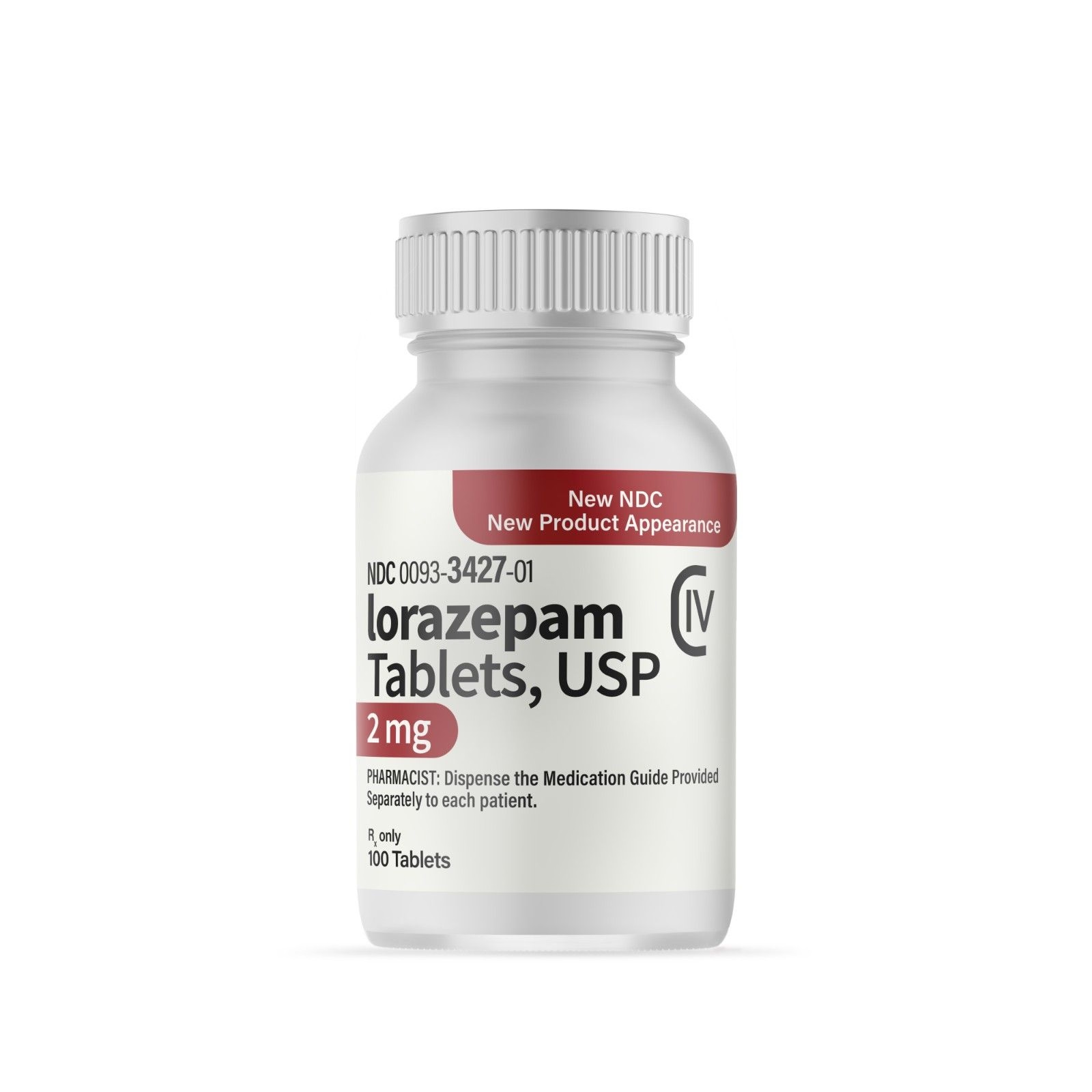 Buy Lorazepam Online
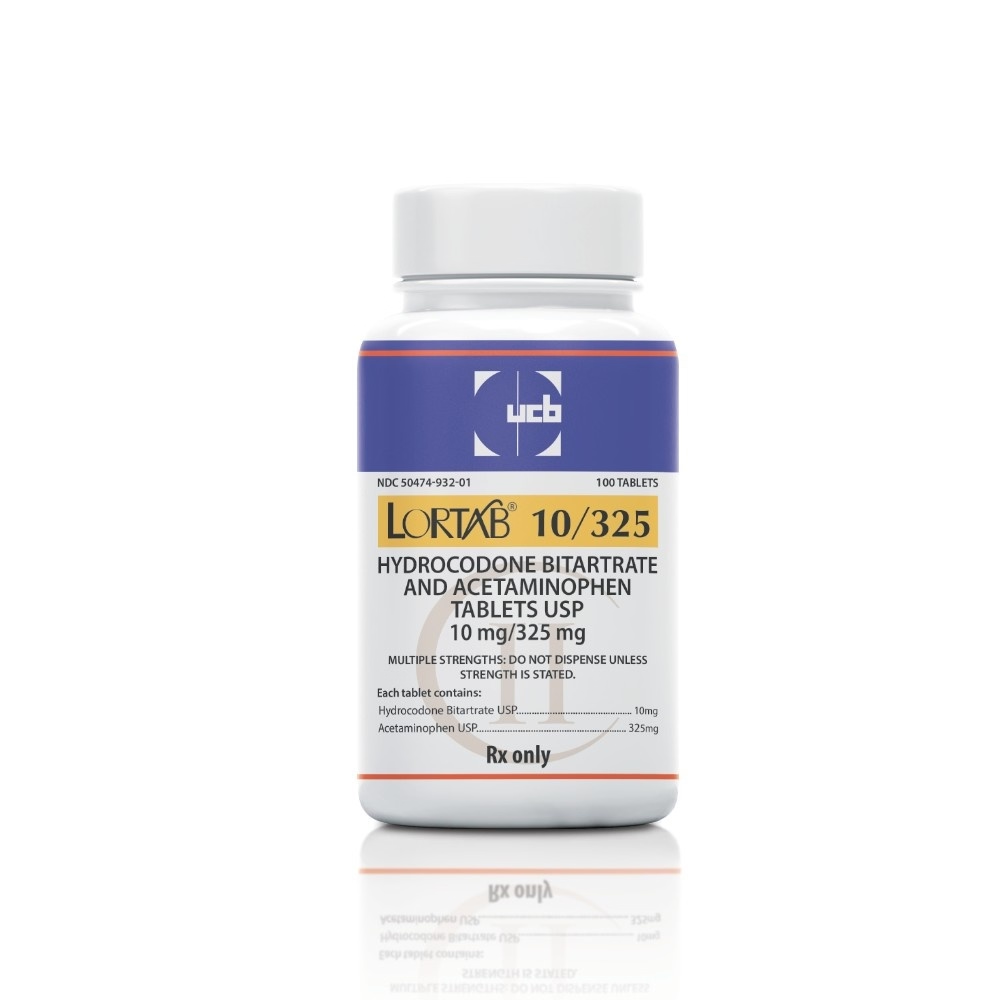 Buy Lortab Online
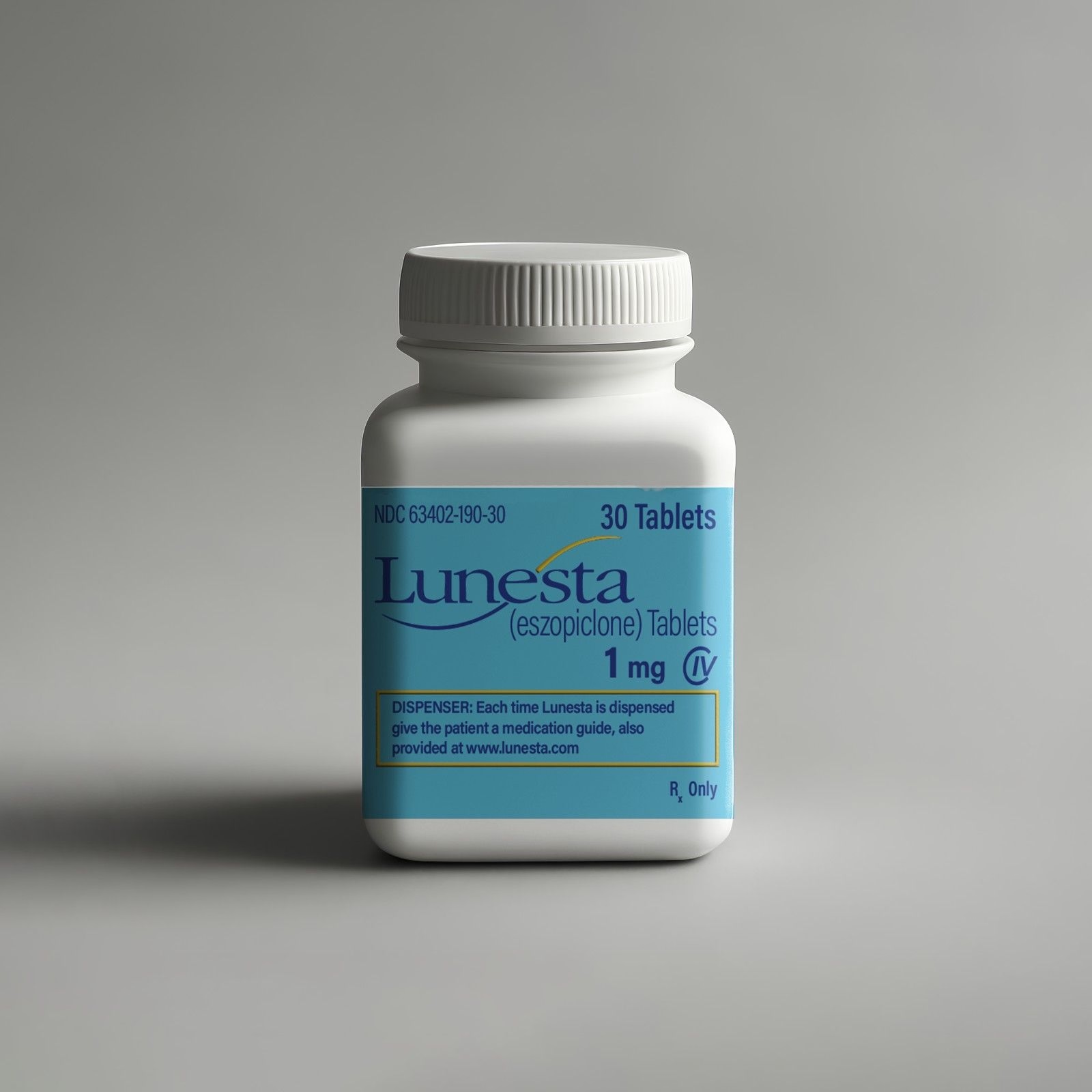 Buy Lunesta Online
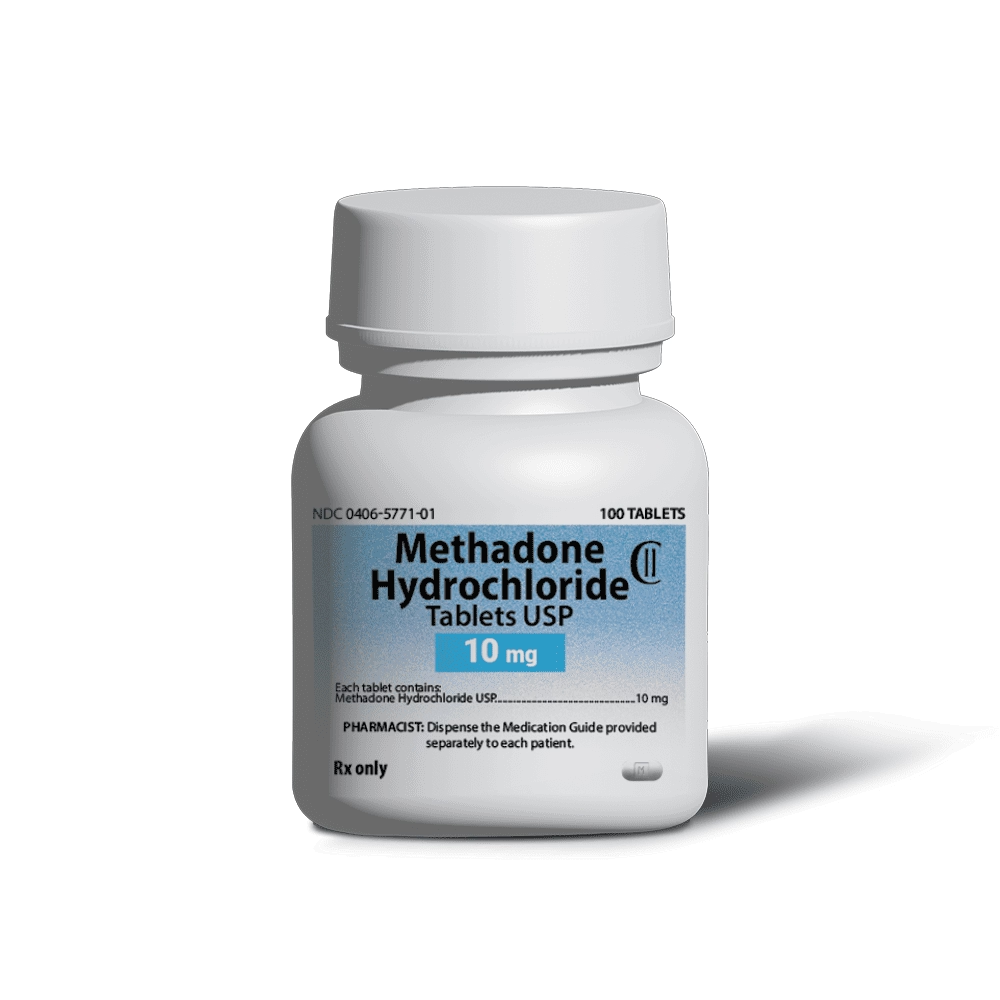 Buy Methadone Online
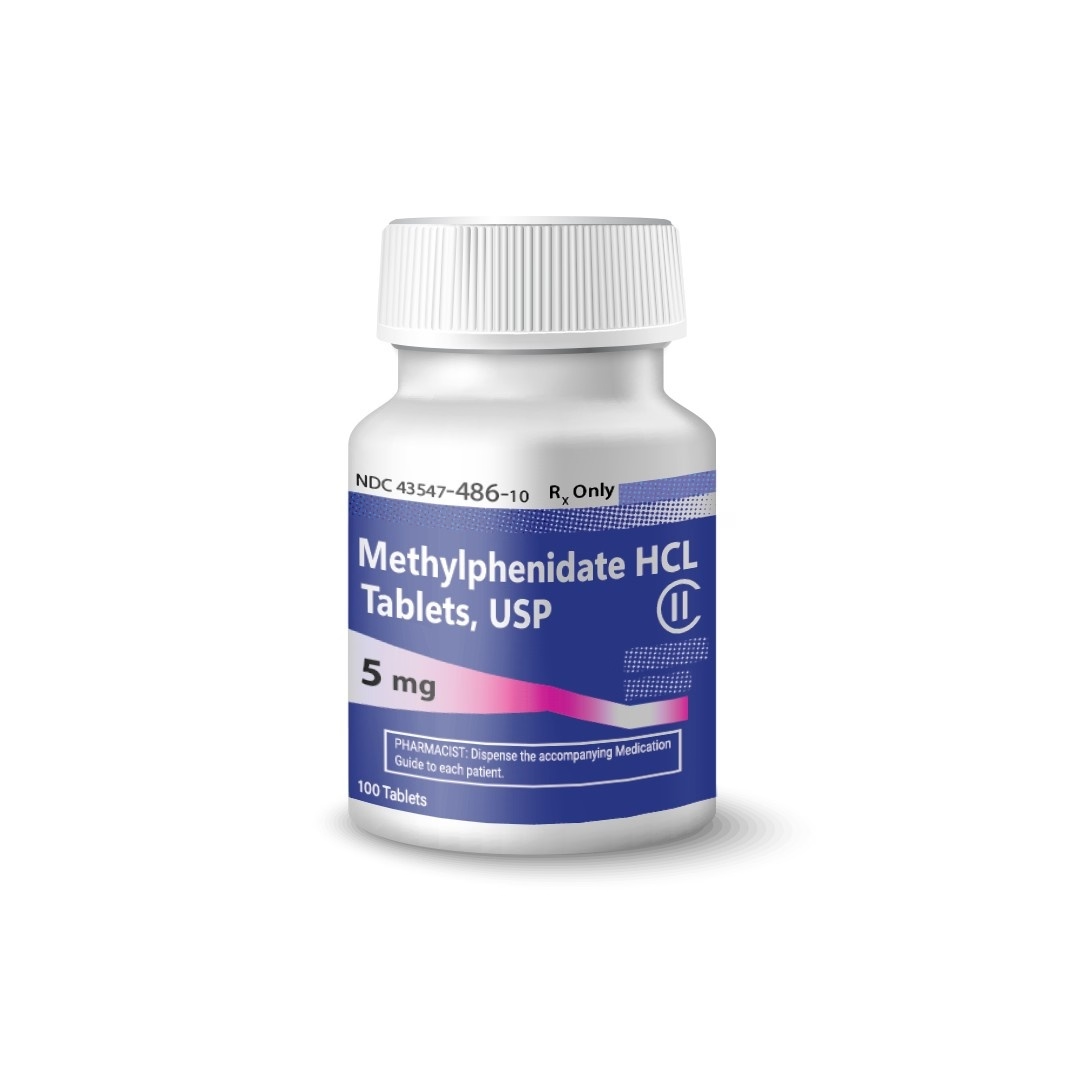 Buy Methylphenidate Online
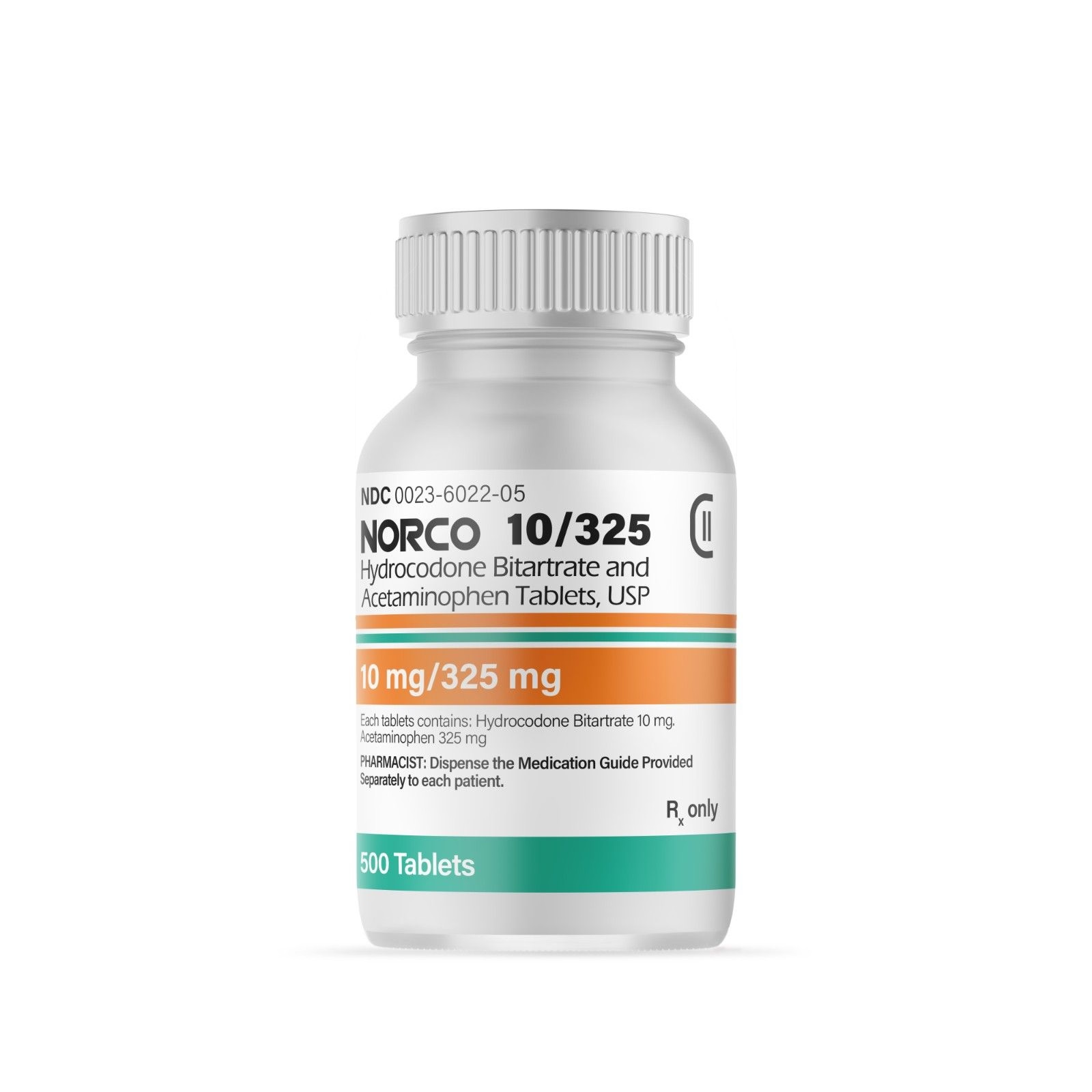 Buy Norco Online
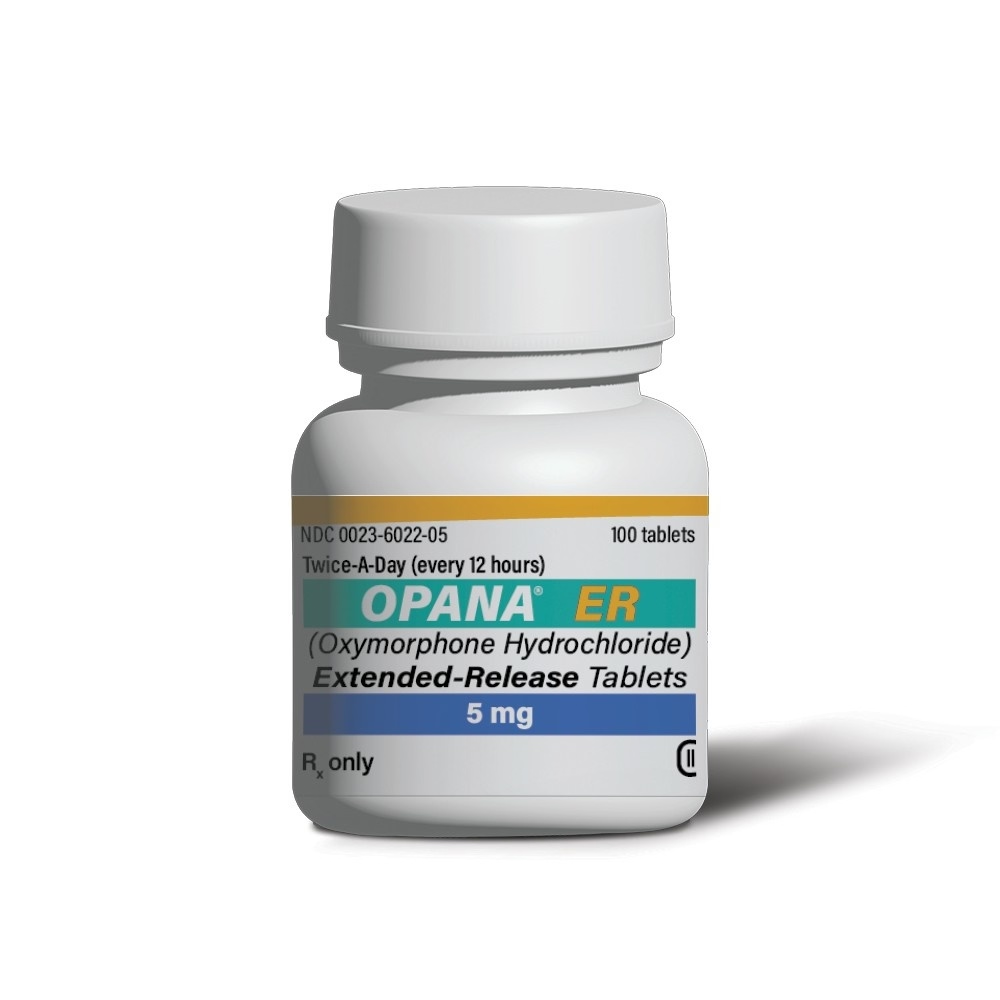 Buy Opana ER Online
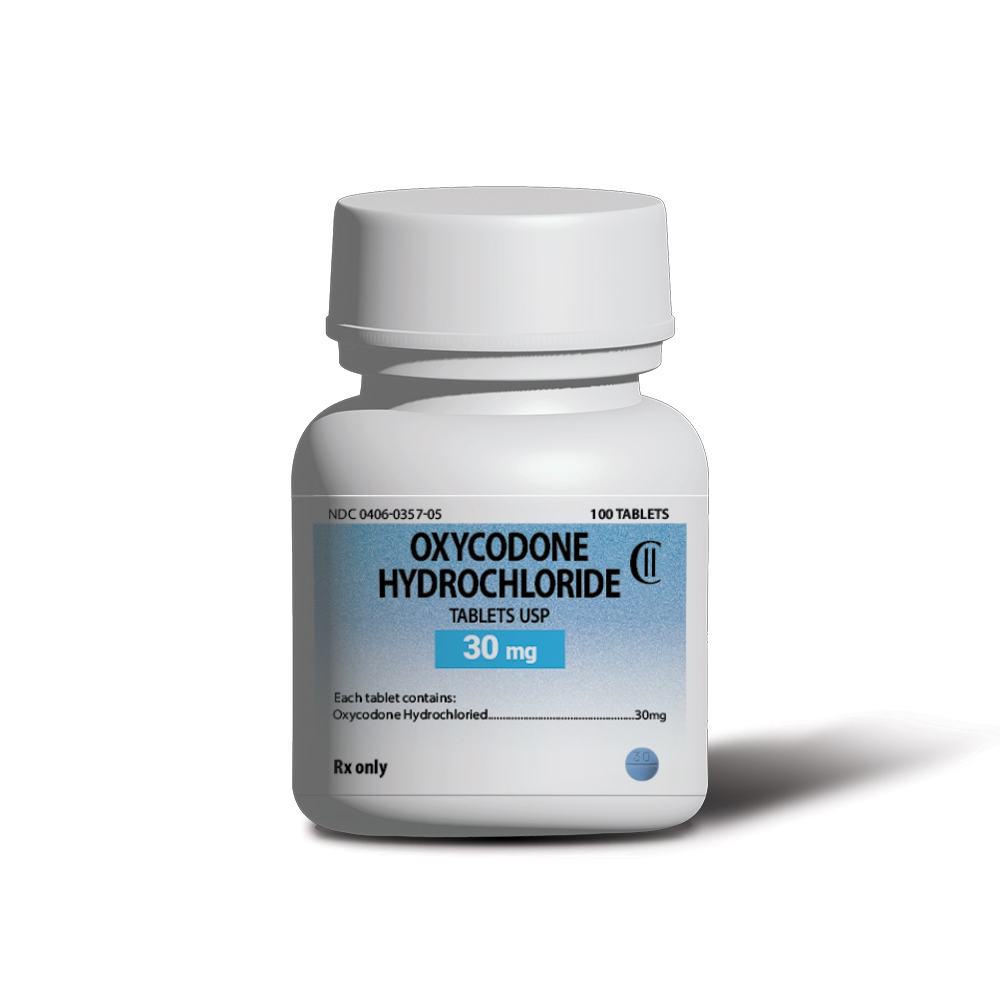 Buy Oxycodone Online
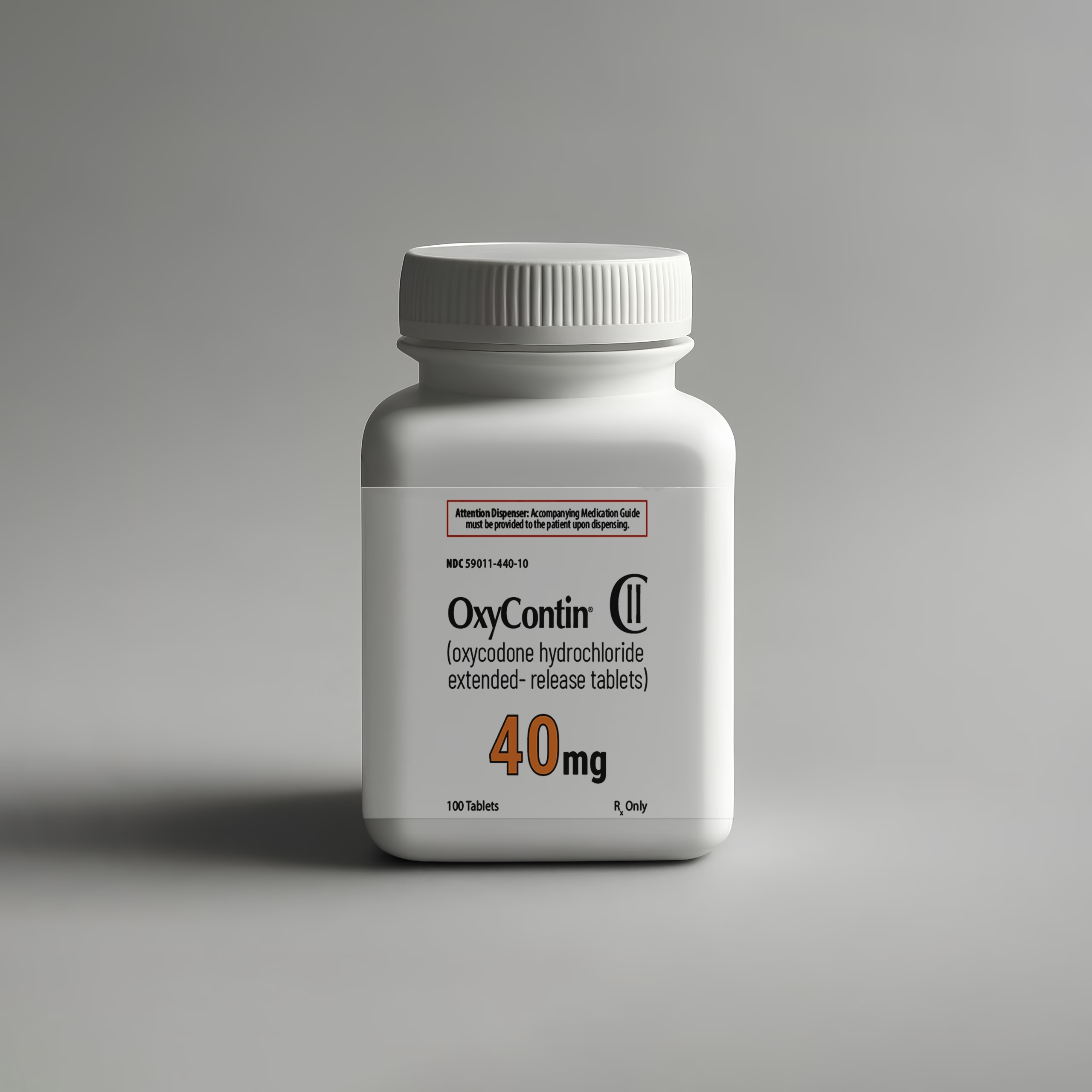 Buy Oxycontin Online
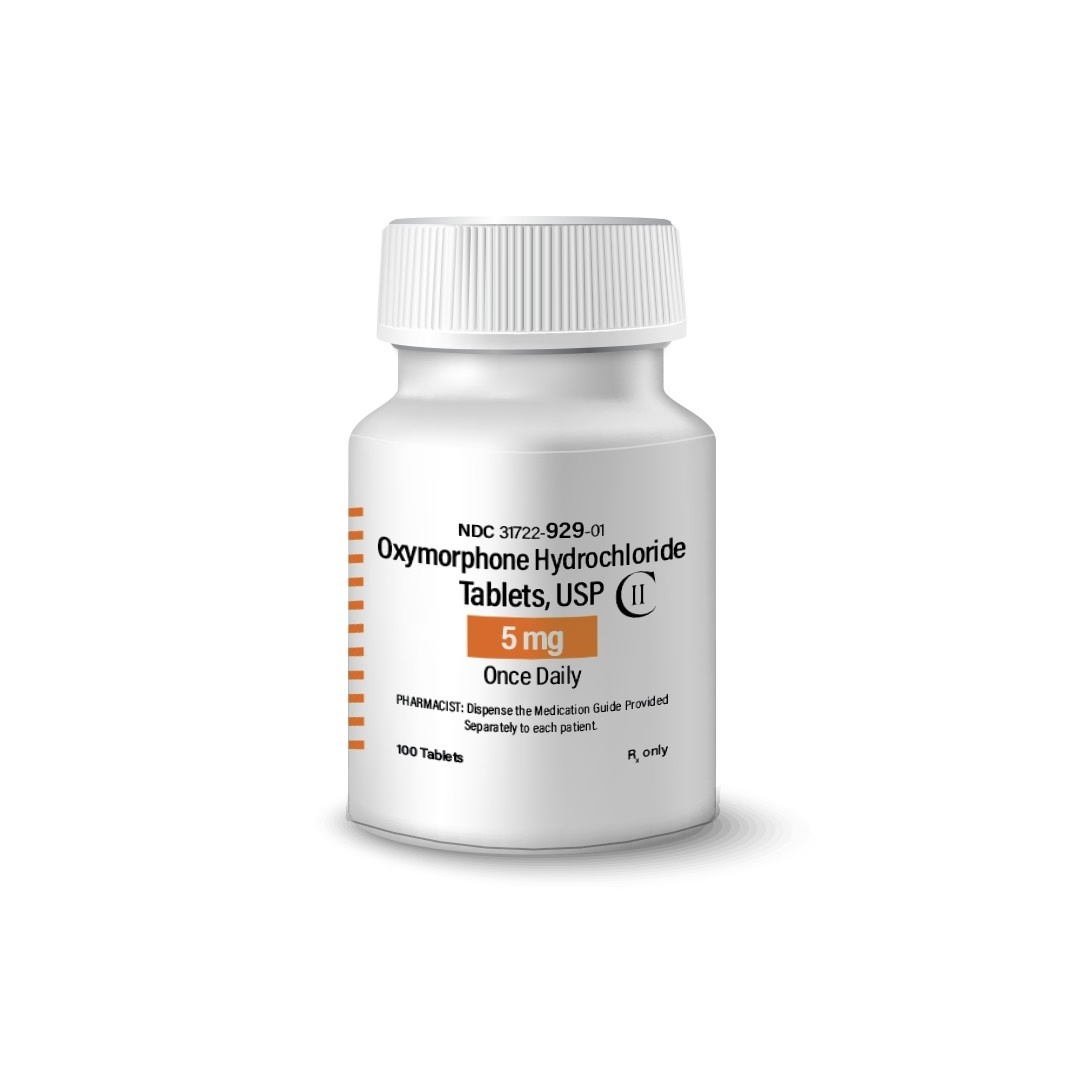 Buy Oxymorphone Online
 Buy Percocet Online
 Buy Phentermine Online
 Buy Pregabalin Online
 Buy Provigil Online
 Buy Restoril Online
 Buy Ritalin Online
 Buy Soma Online
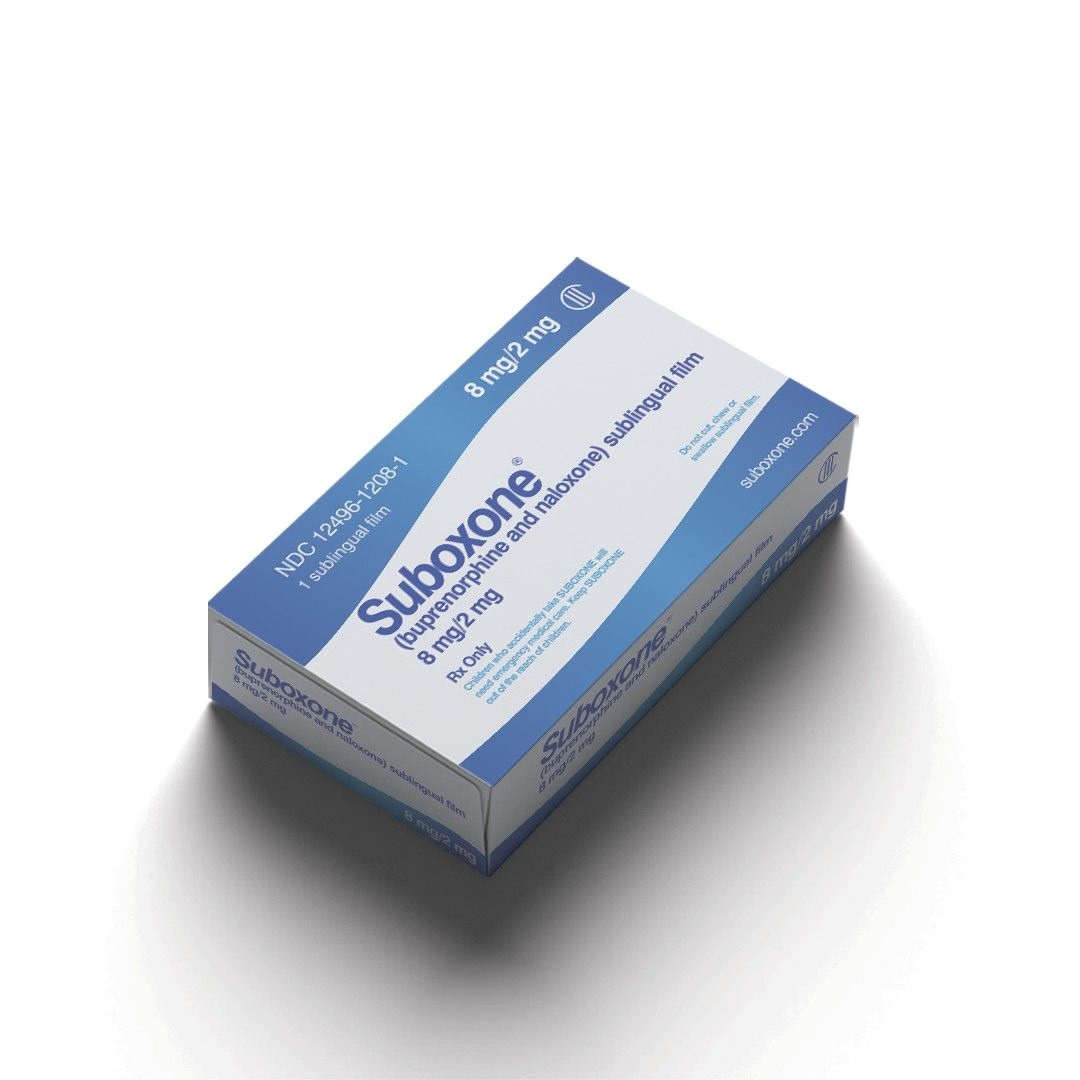 Buy Suboxone Online
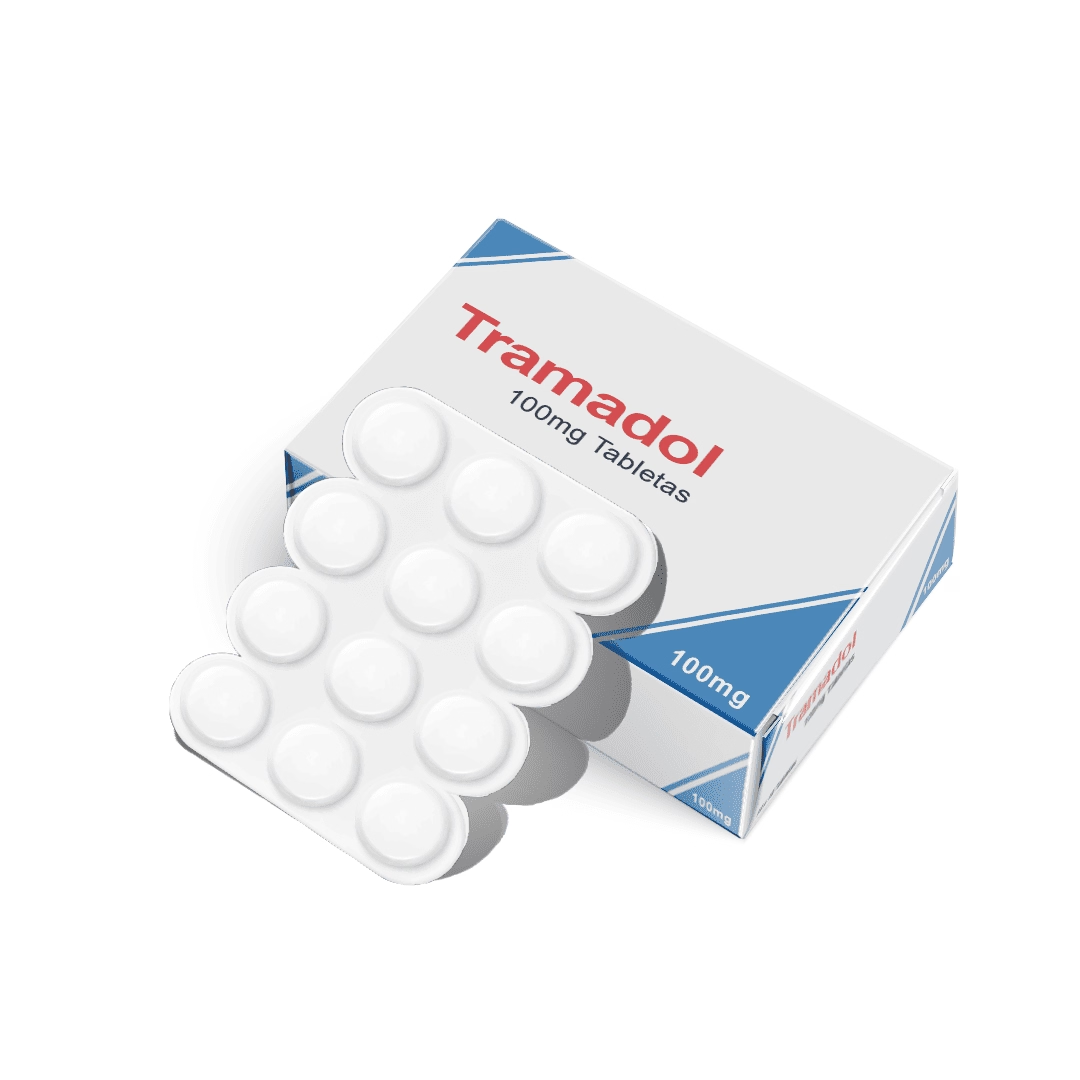 Buy Tramadol Online
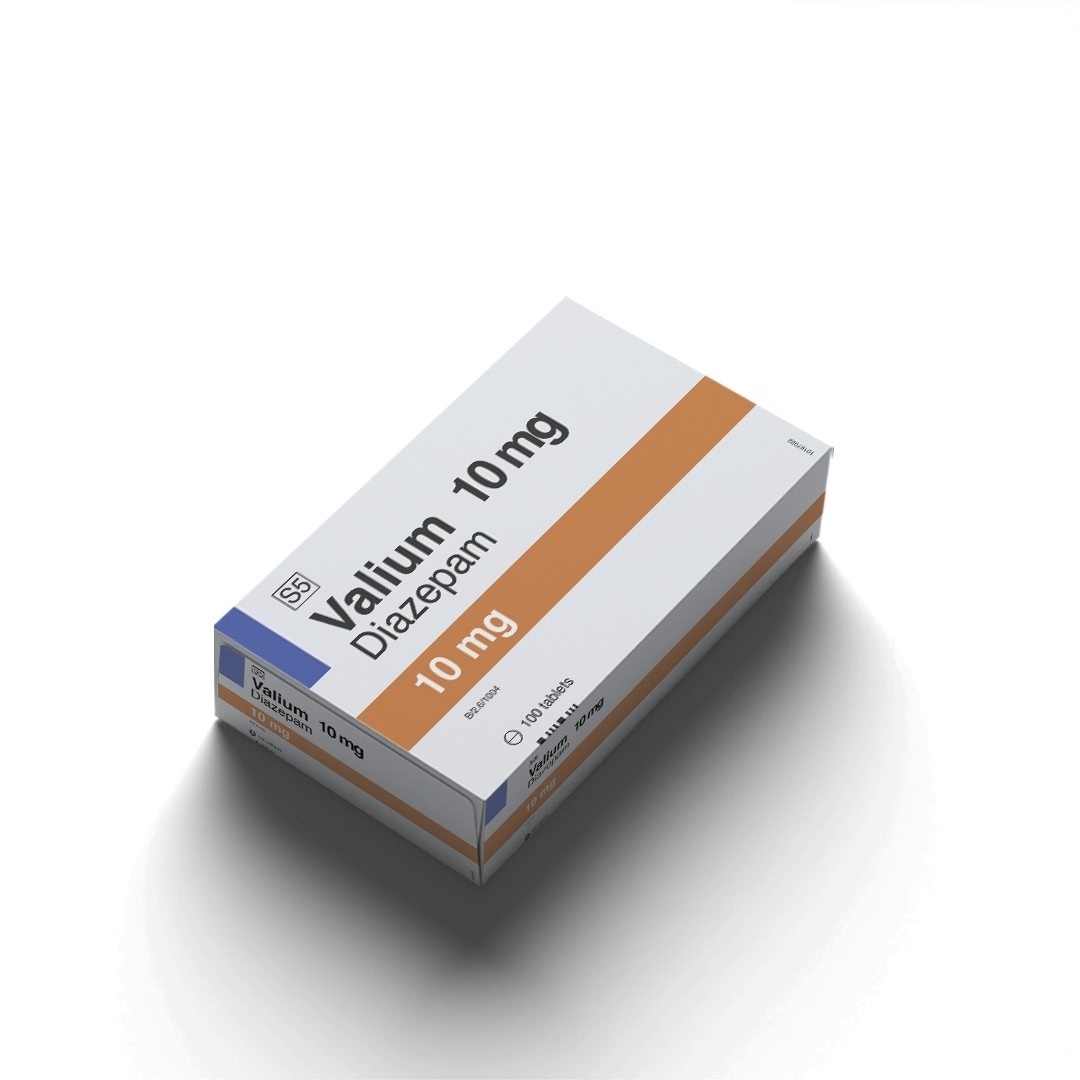 Buy Valium Online
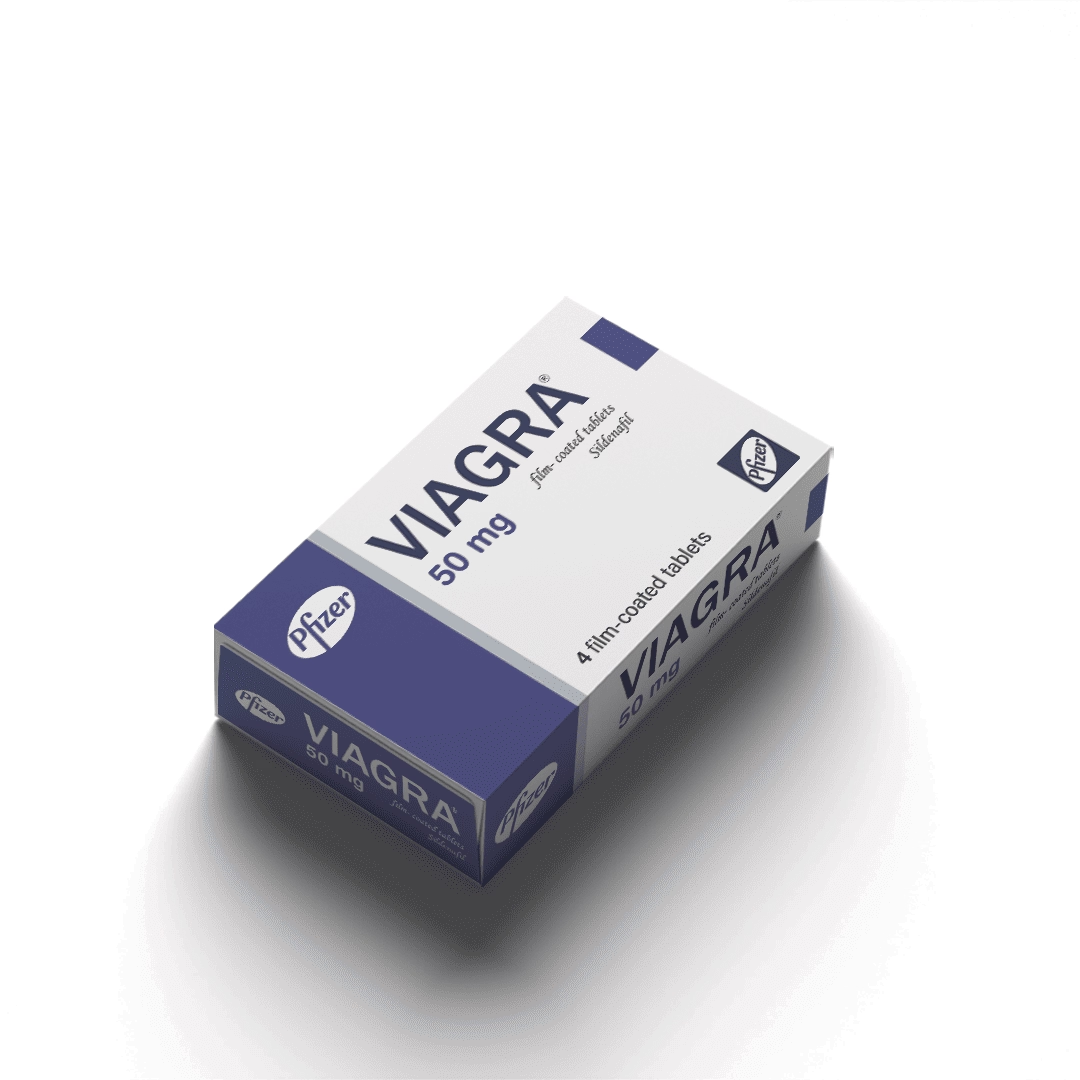 Buy Viagra Online
 Buy Vicodin Online
 Buy Xanax Online
 Buy Zolpidem Online
Buy Oxymorphone Online
Showing all 9 results
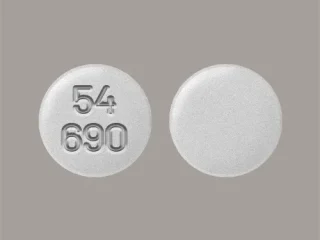
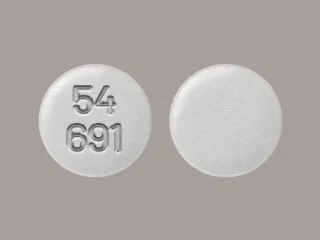
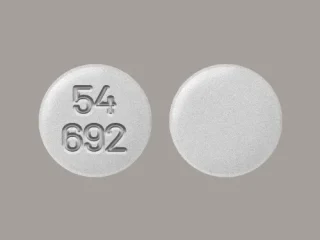
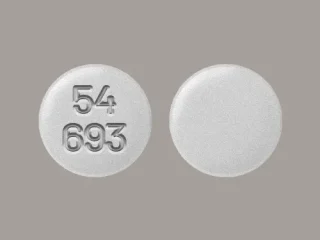
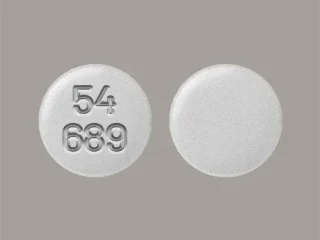
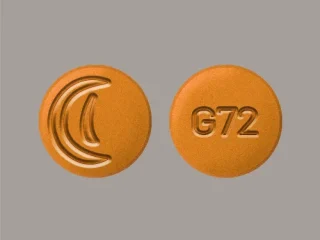
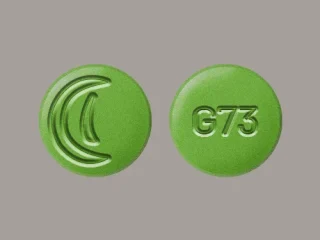

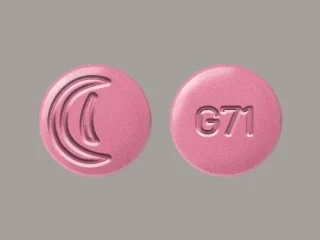
Oxymorphone: Uses, Forms, Safety, Side Effects, and Important Precautions
Oxymorphone is a prescription opioid analgesic used to manage severe pain when treatment with other pain medicines may not provide adequate relief. Because it can cause dependence, misuse, overdose, and serious breathing problems, oxymorphone should be used only under the direction of a qualified healthcare professional.
What Is Oxymorphone?
Oxymorphone belongs to the opioid class of medicines. It changes how the brain and nervous system respond to pain, producing an analgesic effect.
It is available in immediate-release and extended-release oral formulations. Immediate-release tablets may be prescribed at intervals determined by the prescriber, while extended-release tablets are designed for longer-lasting pain control and are generally taken every 12 hours.
Oxymorphone is not appropriate for casual or self-directed use. The correct formulation, dose, and treatment duration depend on the patient’s medical history, pain condition, previous opioid exposure, and response to treatment.
How Does Oxymorphone Work?
Oxymorphone produces its pain-relieving effect by acting on opioid receptors in the central nervous system.
When these receptors are activated, pain signaling and the body’s response to painful stimuli are altered. The same pharmacological activity that provides analgesia can also affect breathing, alertness, gastrointestinal function, and other body systems.
This is why oxymorphone requires careful medical supervision.
What Is Oxymorphone Used For?
Oxymorphone is prescribed for the management of severe pain. A healthcare professional determines whether an opioid is appropriate after considering factors such as:
- The cause and severity of pain
- Previous treatments
- Other medications being used
- Medical history
- Kidney and liver function
- Previous opioid exposure
- Individual risk factors for opioid misuse or respiratory complications
Prescription opioids can be effective when used according to a healthcare provider’s instructions, but they also carry risks of opioid use disorder and overdose.
Immediate-Release vs. Extended-Release Oxymorphone
Oxymorphone can be supplied in different oral formulations.
Immediate-Release Tablets
Immediate-release oxymorphone is intended to provide shorter-duration pain relief. MedlinePlus states that this formulation may be taken every 4 to 6 hours as needed when prescribed that way by a healthcare professional.
Extended-Release Tablets
Extended-release oxymorphone is formulated to provide longer-lasting medication exposure. It is generally taken every 12 hours when prescribed.
Extended-release tablets must be swallowed whole. They should not be crushed, broken, dissolved, or chewed because altering the formulation can release the medicine too quickly and increase the risk of serious harm.
Oxymorphone Dosage
There is no single dosage that is appropriate for everyone.
A prescriber determines the dose based on the individual’s condition, previous opioid use, response to treatment, formulation, and other clinical considerations. Patients should never increase the amount or frequency on their own.
If pain is not adequately controlled, the appropriate response is to contact the prescribing healthcare professional rather than taking additional tablets.
Likewise, oxymorphone should not be stopped suddenly without medical guidance. Abrupt discontinuation after regular use can produce opioid withdrawal symptoms, so a clinician may gradually reduce the dose when discontinuation is appropriate.
Important Oxymorphone Safety Warnings
Oxymorphone has several serious safety considerations.
Respiratory Depression
Oxymorphone can slow breathing and may cause life-threatening respiratory depression. The risk can be particularly important when treatment begins or when the dosage is increased. Symptoms requiring urgent medical attention include slow breathing, prolonged pauses between breaths, or difficulty breathing.
Dependence and Addiction
Oxymorphone can be habit-forming. Taking more than prescribed, taking it more frequently, using it differently from the prescribed instructions, or taking another person’s medication increases the risk of harm.
Alcohol and Other Sedatives
Combining oxymorphone with alcohol or certain other medicines can increase sedation and respiratory-depression risks. Patients should provide their doctor and pharmacist with a complete list of prescription medicines, over-the-counter products, supplements, and herbal products before starting treatment.
Accidental Exposure
Even accidental ingestion can be dangerous, particularly for children. Oxymorphone should be stored securely and kept out of sight and reach of children and other people who should not have access to it.
Pregnancy
Regular opioid use during pregnancy can expose a developing baby to opioids and may result in serious withdrawal symptoms after birth. Anyone who is pregnant or planning pregnancy should discuss oxymorphone treatment with a healthcare professional.
Common Side Effects
Possible side effects of oxymorphone include:
- Nausea
- Vomiting
- Constipation
- Dry mouth
- Stomach discomfort
- Headache
- Sweating
- Itching
- Drowsiness
- Dizziness or lightheadedness
Patients should tell their healthcare provider if side effects are severe, persistent, or concerning.
Serious Side Effects
Seek urgent medical attention for symptoms such as:
- Slow, shallow, or difficult breathing
- Extreme sleepiness or inability to wake normally
- Seizures
- Chest pain or significant heartbeat changes
- Severe confusion or hallucinations
- Serious allergic reactions
- Unusual pauses in breathing during sleep
These symptoms can indicate a serious adverse reaction or overdose.
Who Should Discuss Oxymorphone Carefully With a Doctor?
Before treatment, patients should tell their healthcare professional if they have conditions such as:
- Asthma or other breathing problems
- COPD or chronic lung disease
- Liver disease
- Kidney disease
- Gastrointestinal obstruction
- Paralytic ileus
- Seizure disorders
- Heart conditions
- Thyroid or pancreatic disorders
- Pregnancy or plans to become pregnant
A complete medication history is also important because interactions with other medicines can increase the risk of sedation or respiratory depression.
What Happens If You Miss a Dose?
The appropriate response depends on how oxymorphone was prescribed.
For regularly scheduled treatment, MedlinePlus advises taking a missed dose when remembered unless it is nearly time for the next dose. A double dose should not be taken to compensate for a missed dose.
Patients who are unsure what to do should contact their pharmacist or prescribing clinician.
Can Oxymorphone Be Stopped Suddenly?
Stopping oxymorphone abruptly after regular use can cause withdrawal symptoms. These may include restlessness, sweating, anxiety, muscle or joint pain, stomach cramps, nausea, vomiting, diarrhea, sleep difficulties, and rapid heartbeat.
A healthcare professional can determine whether gradual dose reduction is appropriate.
Oxymorphone and Overdose
An oxymorphone overdose can cause:
- Slow or shallow breathing
- Extreme sleepiness
- Inability to wake up
- Cold or clammy skin
- Changes in pupil size
- Slow heartbeat
- Unusual snoring or breathing pauses
Suspected opioid overdose is a medical emergency. Emergency medical assistance should be obtained immediately. MedlinePlus also recommends discussing access to opioid-overdose reversal medicines such as naloxone or nalmefene with a healthcare professional.
Safe Storage and Disposal
Oxymorphone should remain in its original container, tightly closed, and stored somewhere inaccessible to children and unauthorized users.
Unused or expired medication should be disposed of through an appropriate medication take-back option when available. Patients can ask their pharmacist about safe disposal procedures.
Frequently Asked Questions
Is oxymorphone a prescription medication?
Yes. Oxymorphone is a prescription opioid used for severe pain and requires medical supervision.
Is oxymorphone addictive?
Oxymorphone can be habit-forming. Following the prescribed instructions does not eliminate risk, so treatment should be monitored by a healthcare professional.
Can oxymorphone be taken with alcohol?
Alcohol can increase the adverse effects of oxymorphone and may contribute to dangerous sedation and breathing problems. Patients should avoid alcohol unless their healthcare professional specifically advises otherwise.
Can I crush an extended-release oxymorphone tablet?
No. Extended-release oxymorphone tablets should be swallowed whole. Crushing, chewing, or dissolving them can alter the release of the medication and increase overdose risk.
What should I do if I think someone has overdosed?
Treat a suspected opioid overdose as an emergency. Seek emergency medical assistance immediately and use an available opioid-overdose reversal medicine according to its instructions if one is available.
Final Takeaway
Oxymorphone can provide relief for severe pain when appropriately prescribed, but it is a potent opioid with significant risks. Safe use involves following the exact prescription, avoiding unauthorized dose changes, discussing potential drug interactions with a healthcare professional, storing the medicine securely, and recognizing signs of respiratory depression or overdose.
This information is educational and does not replace individualized advice from a doctor or pharmacist.
Product Category
-
 Buy Tapentadol Online
 -
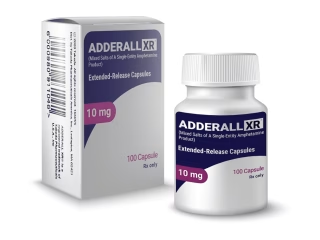 Buy Adderall Online
 -
 Buy Adipex Online
 -
 Buy Alprazolam Online
 -
 Buy Ambien Online
 -
 Buy Ativan Online
 -
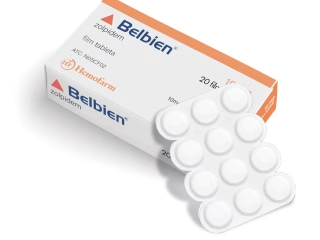 Buy Belbien Online
 -
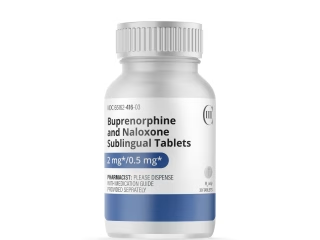 Buy Buprenorphine Online
 -
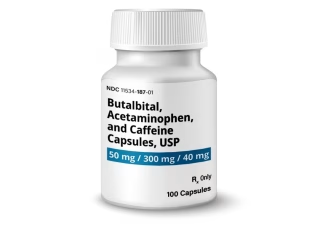 Buy Butalbital Online
 -
 Buy Cialis Online
 -
 Buy Claritin Online
 -
 Buy Clonazepam Online
 -
 Buy Codeine Online
 -
 Buy Concerta Online
 -
 Buy Diazepam Online
 -
 Buy Dilaudid Online
 -
 Buy Farmapram Online
 -
 Buy Fioricet Online
 -
 Buy Gabapentin Online
 -
 Buy Hydrocodone Online
 -
 Buy Hydromorphone Online
 -
 Buy Klonopin Online
 -
 Buy Ksalol Online
 -
 Buy Levitra Online
 -
 Buy Lorazepam Online
 -
 Buy Lortab Online
 -
 Buy Lunesta Online
 -
 Buy Methadone Online
 -
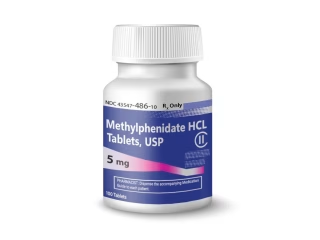 Buy Methylphenidate Online
 -
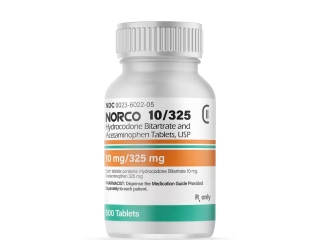 Buy Norco Online
 -
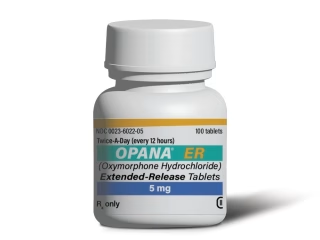 Buy Opana ER Online
 -
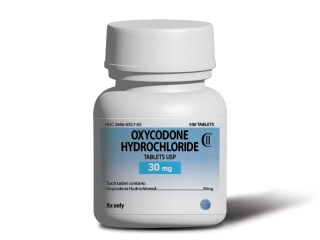 Buy Oxycodone Online
 -
 Buy Oxycontin Online
 -
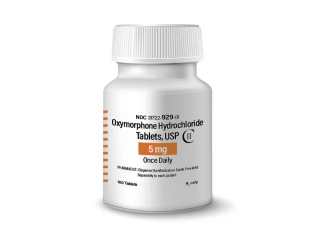 Buy Oxymorphone Online
 -
 Buy Percocet Online
 -
 Buy Phentermine Online
 -
 Buy Pregabalin Online
 -
 Buy Provigil Online
 -
 Buy Restoril Online
 -
 Buy Ritalin Online
 -
 Buy Soma Online
 -
 Buy Suboxone Online
 -
 Buy Tramadol Online
 -
 Buy Valium Online
 -
 Buy Viagra Online
 -
 Buy Vicodin Online
 -
 Buy Xanax Online
 -
 Buy Zolpidem Online