
Categories
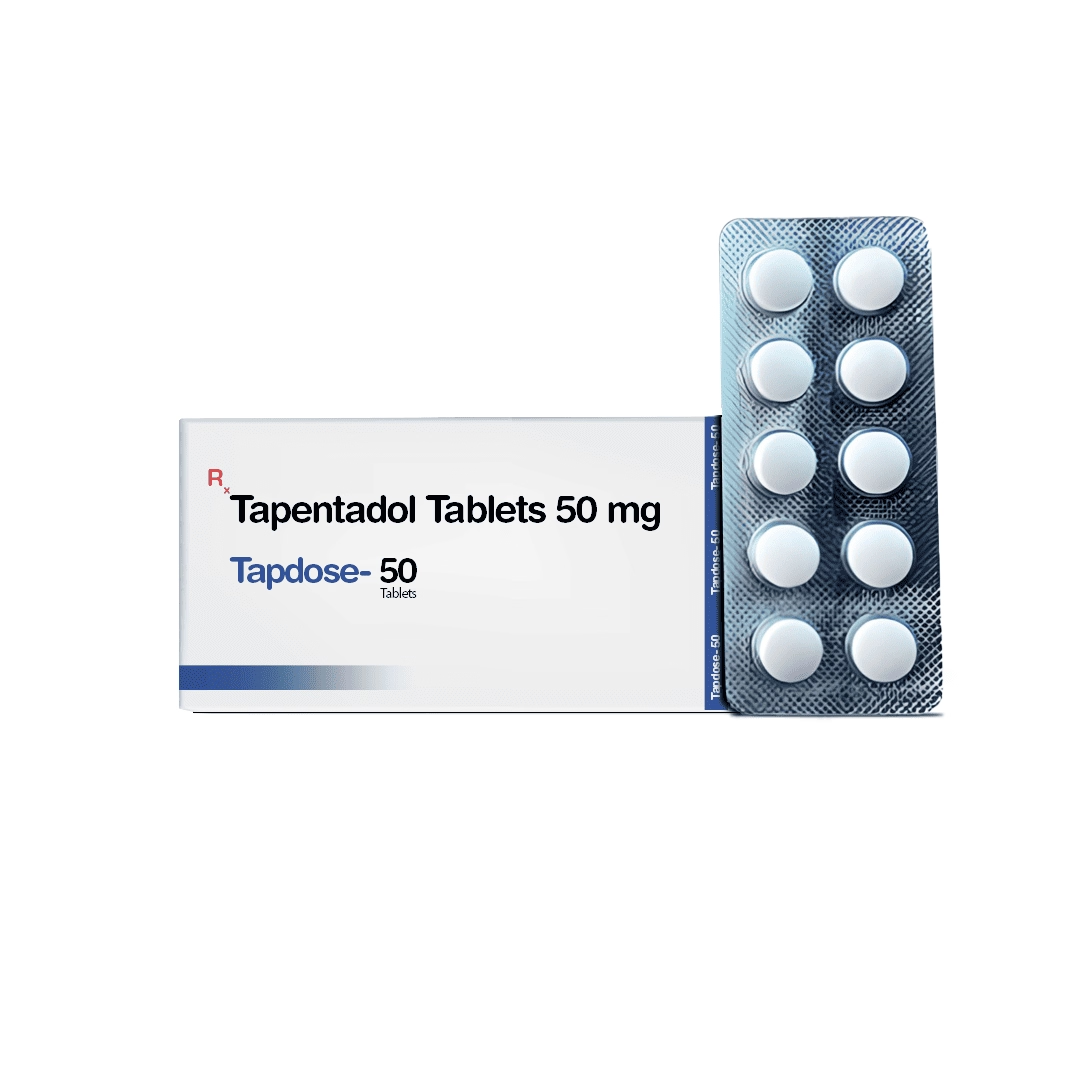 Buy Tapentadol Online
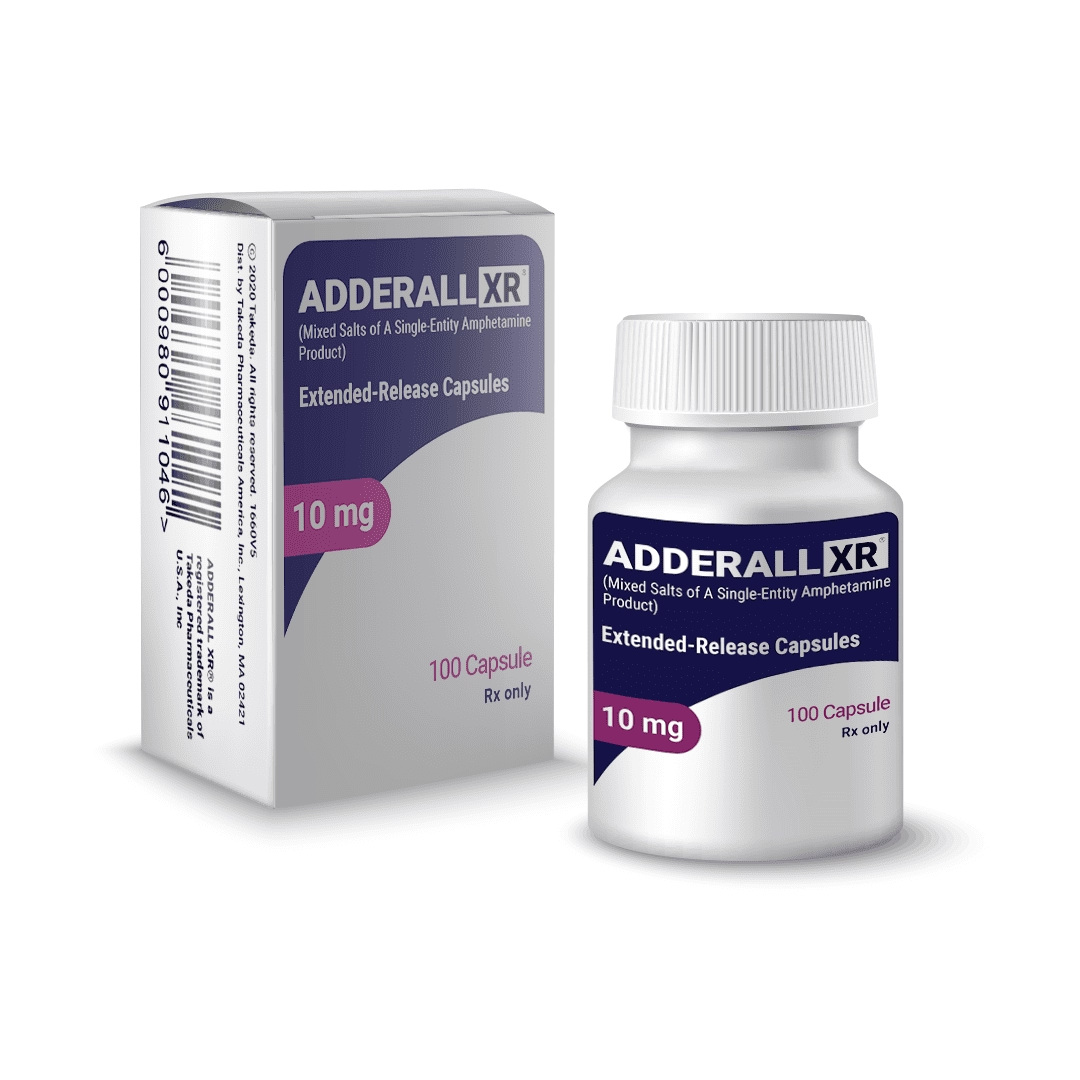 Buy Adderall Online
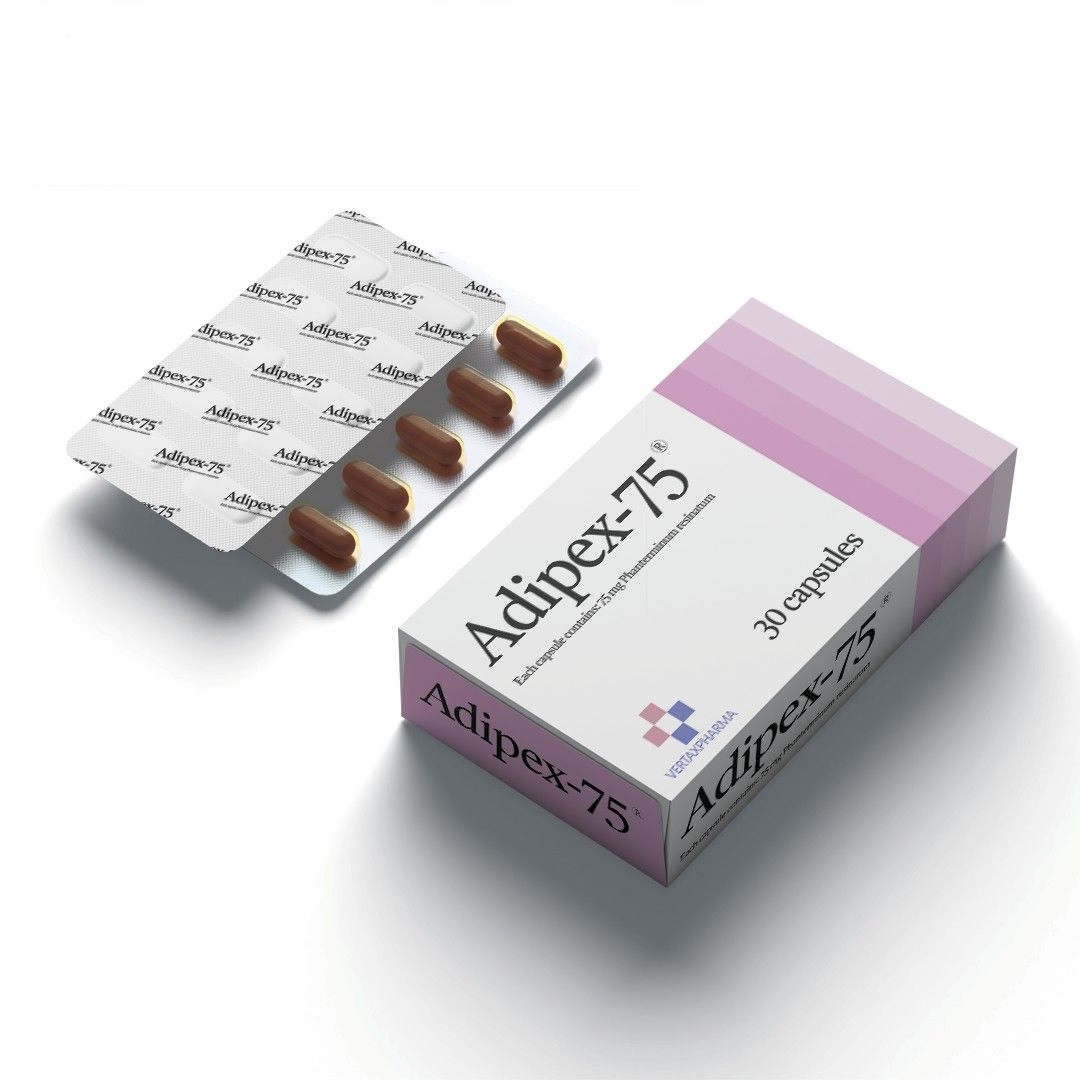 Buy Adipex Online
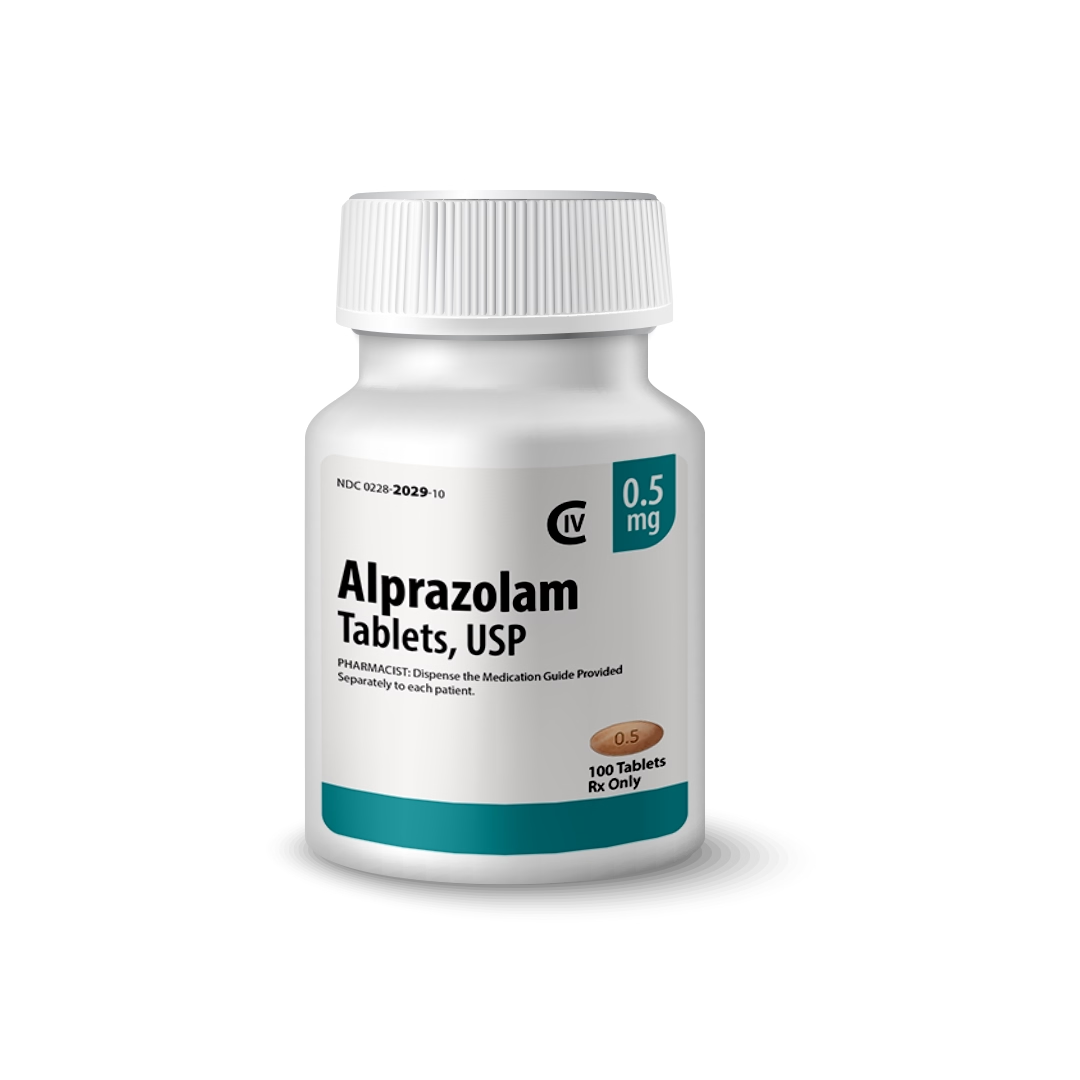 Buy Alprazolam Online
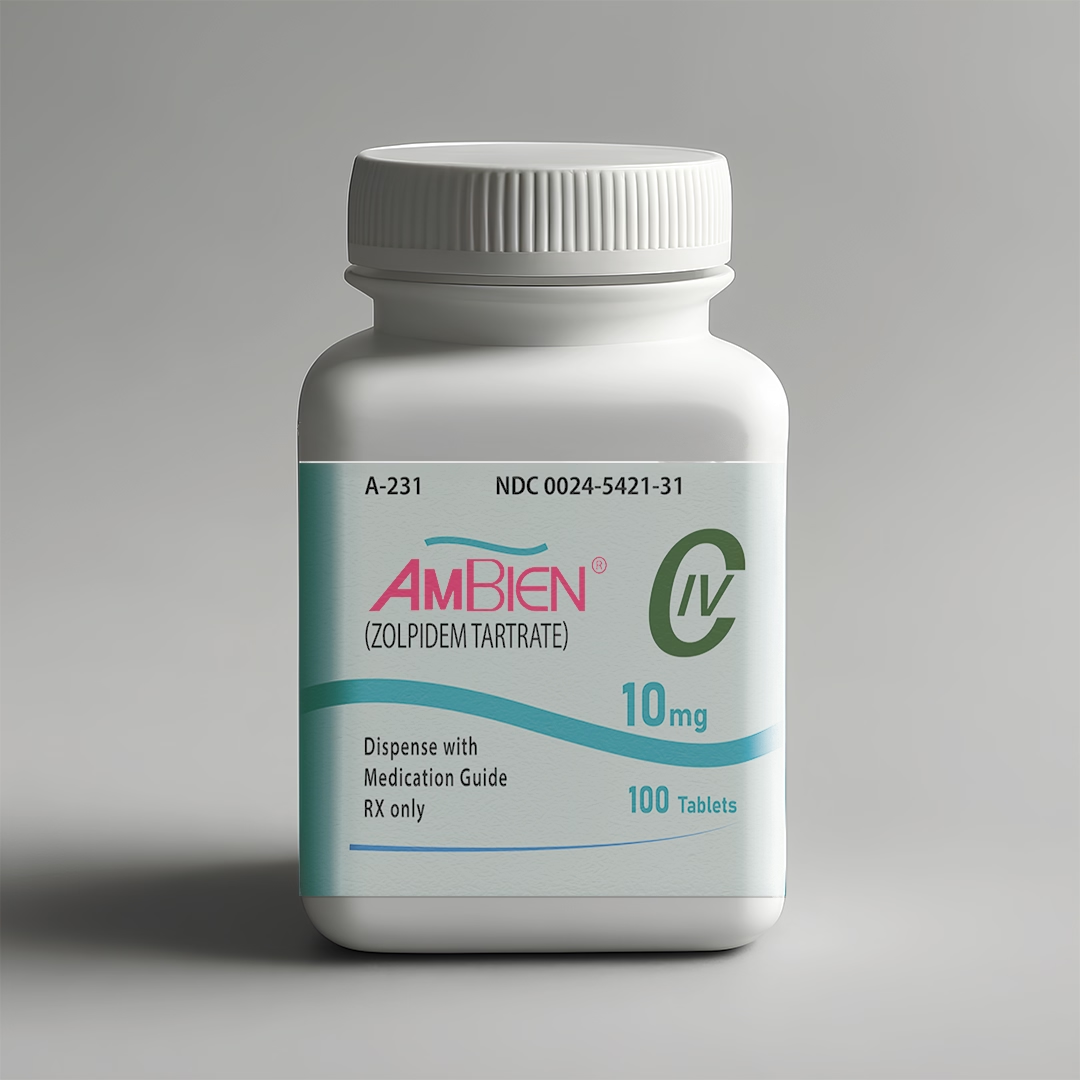 Buy Ambien Online
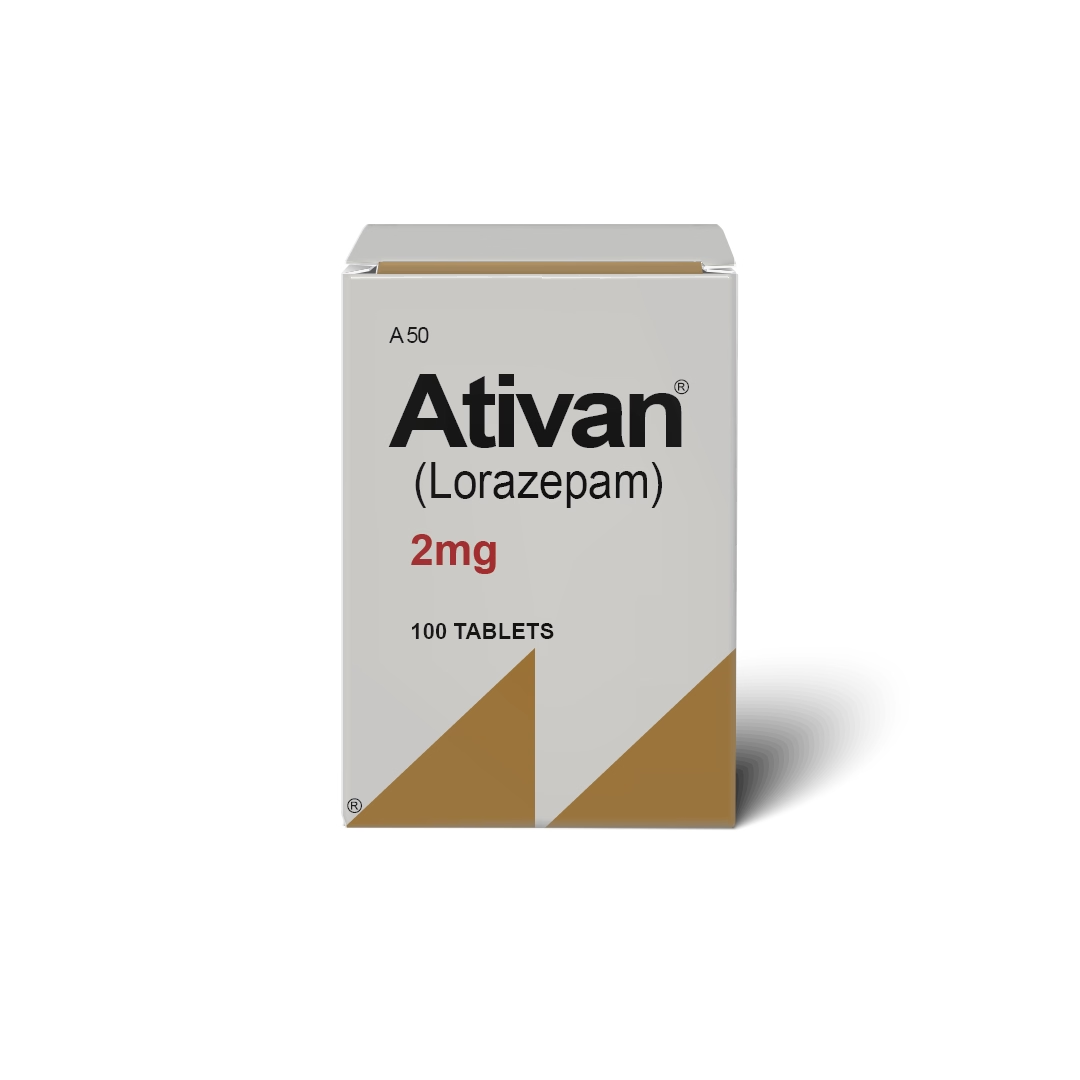 Buy Ativan Online
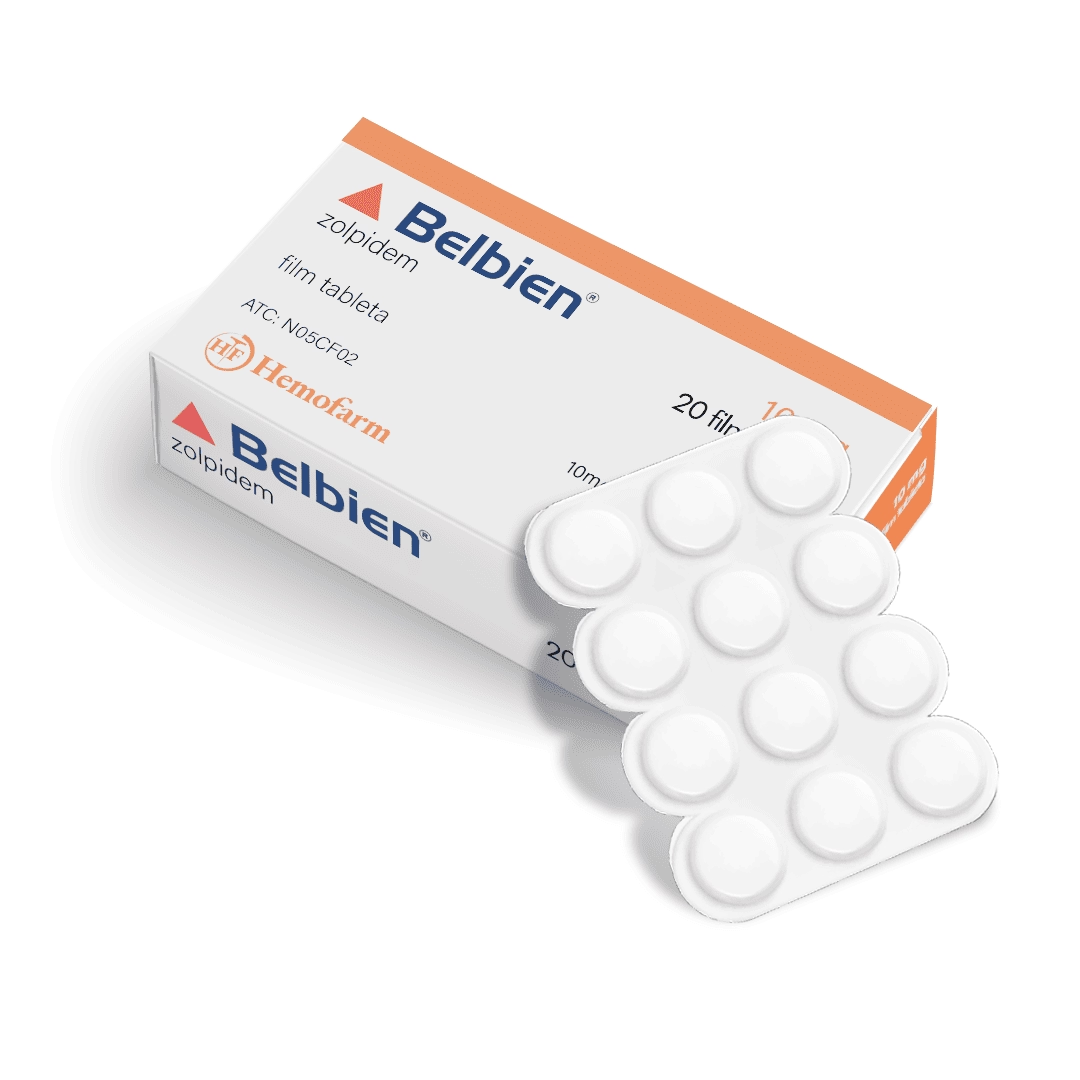 Buy Belbien Online
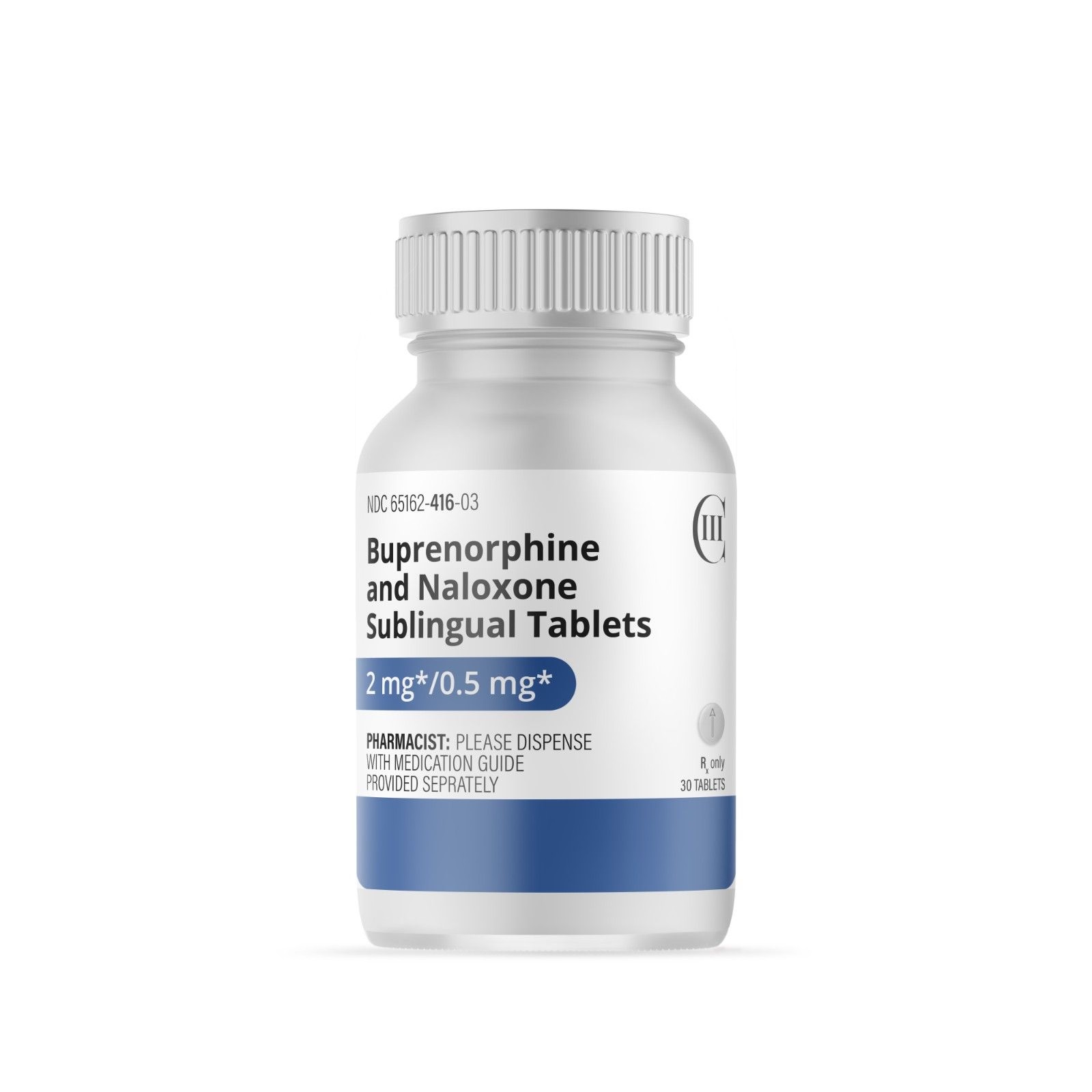 Buy Buprenorphine Online
 Buy Butalbital Online
 Buy Cialis Online
 Buy Claritin Online
 Buy Clonazepam Online
 Buy Codeine Online
 Buy Concerta Online
 Buy Diazepam Online
 Buy Dilaudid Online
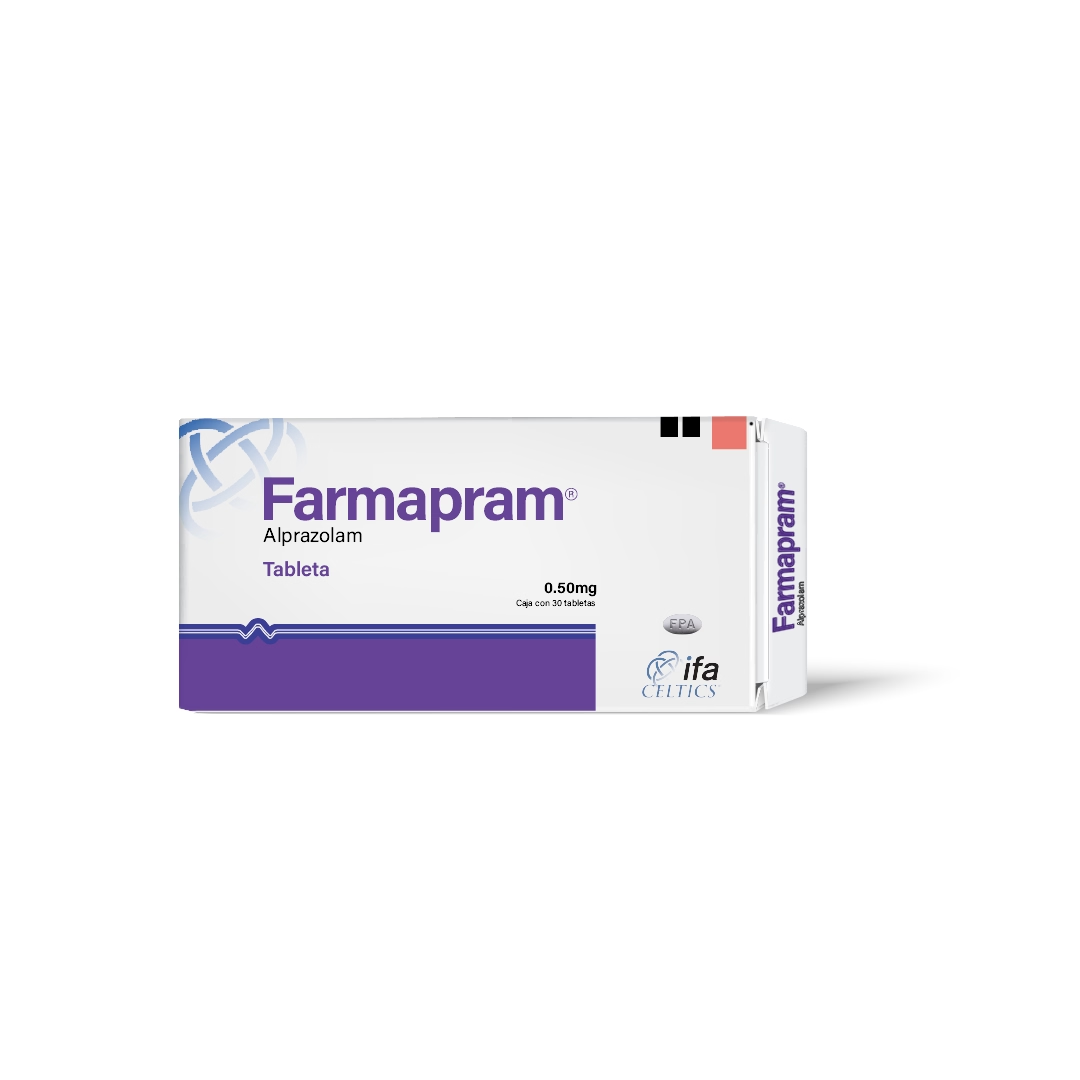 Buy Farmapram Online
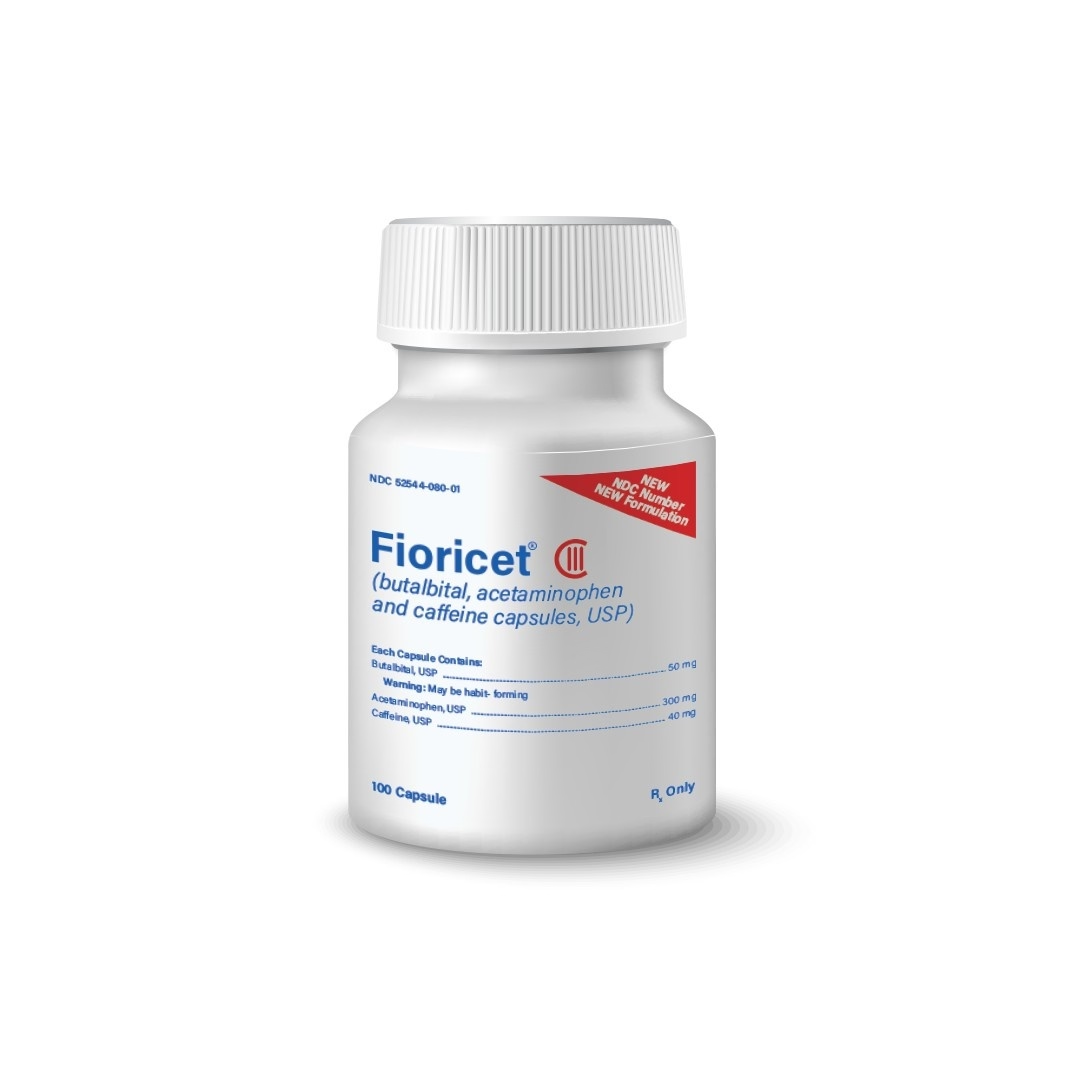 Buy Fioricet Online
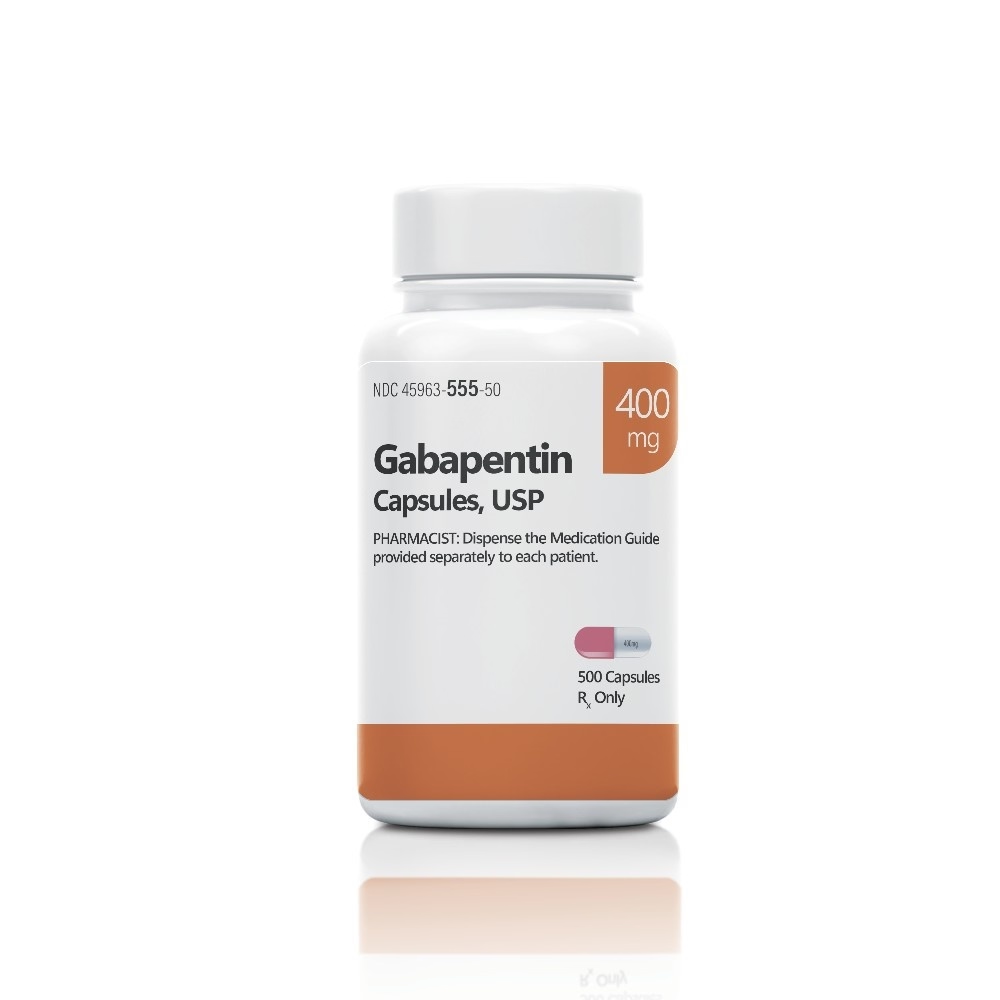 Buy Gabapentin Online
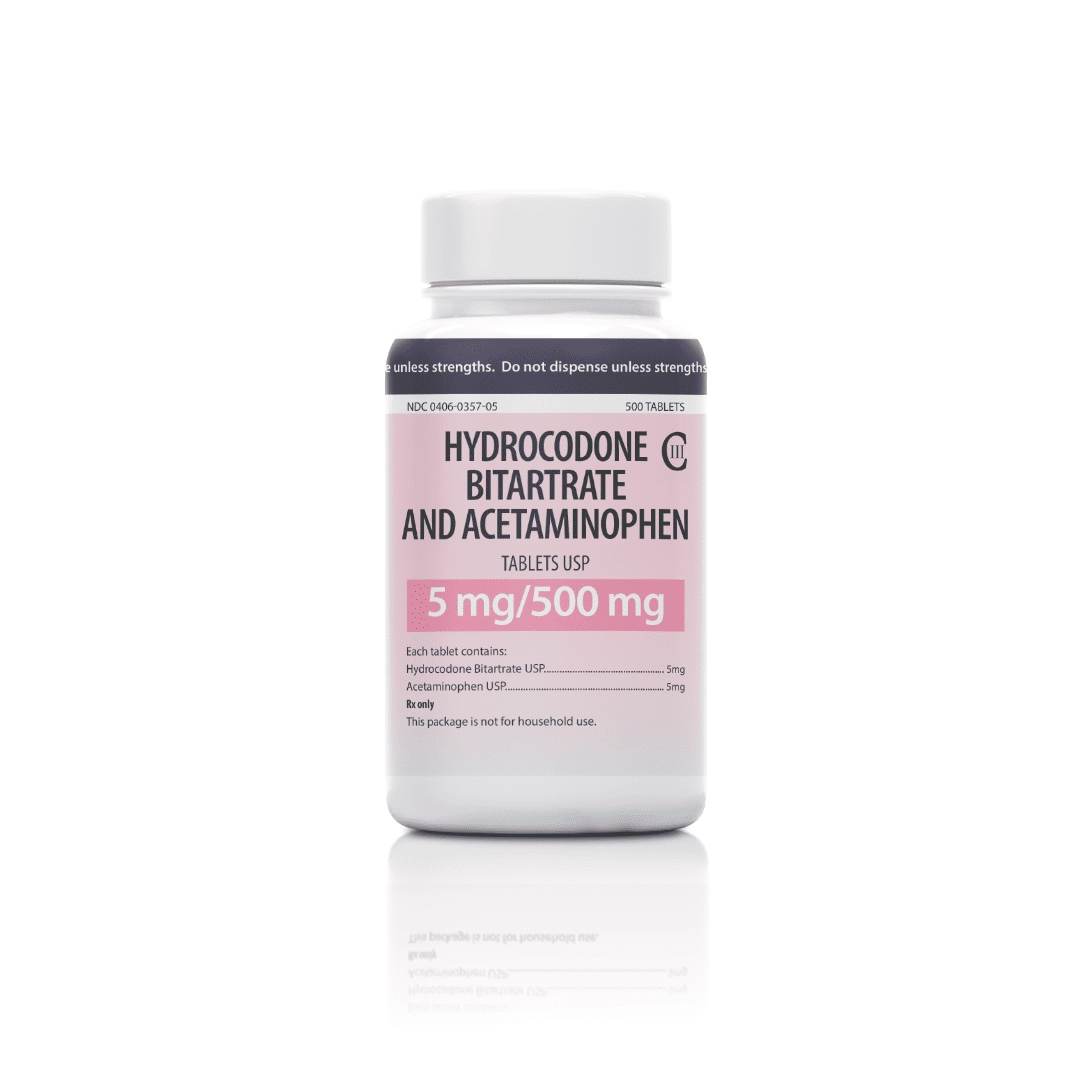 Buy Hydrocodone Online
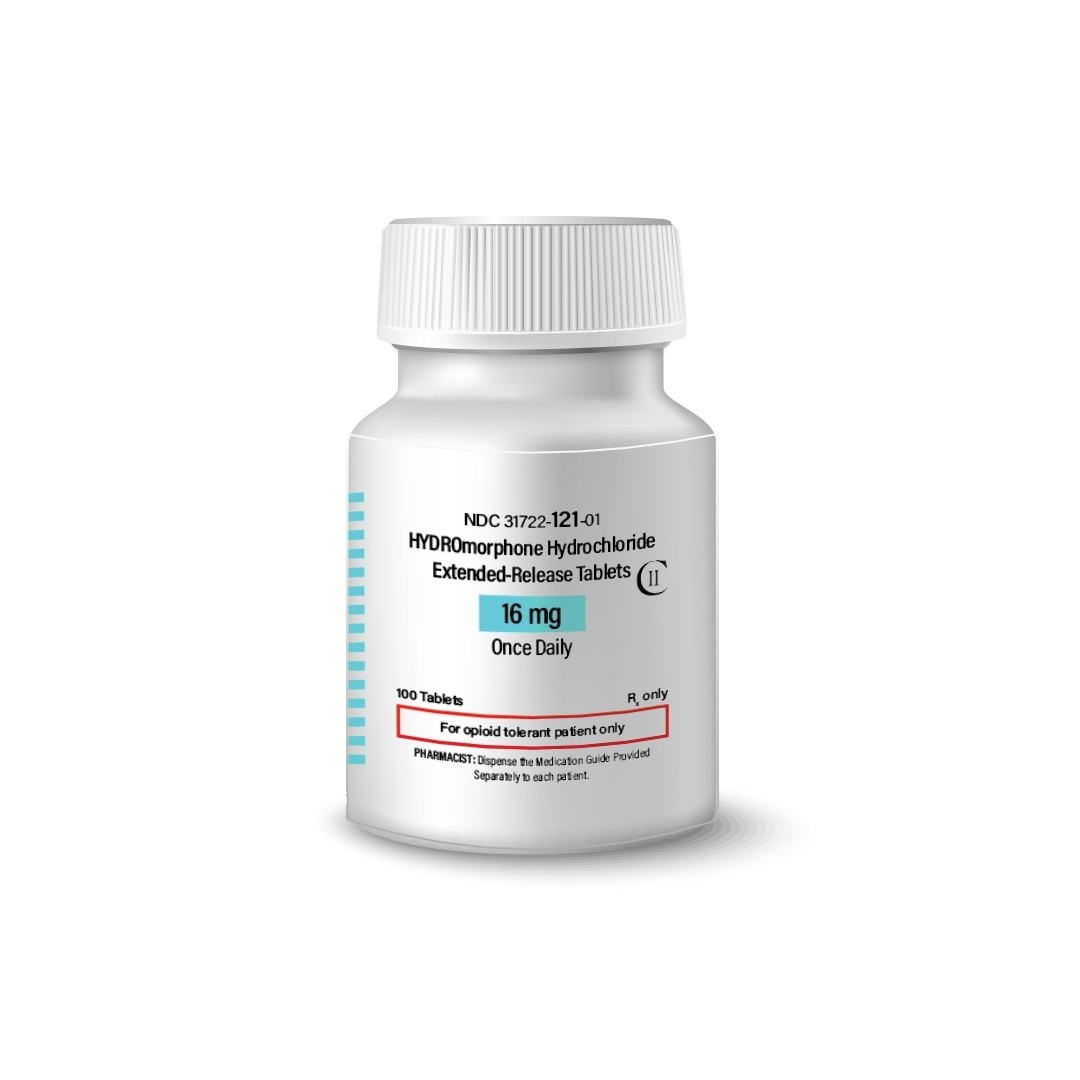 Buy Hydromorphone Online
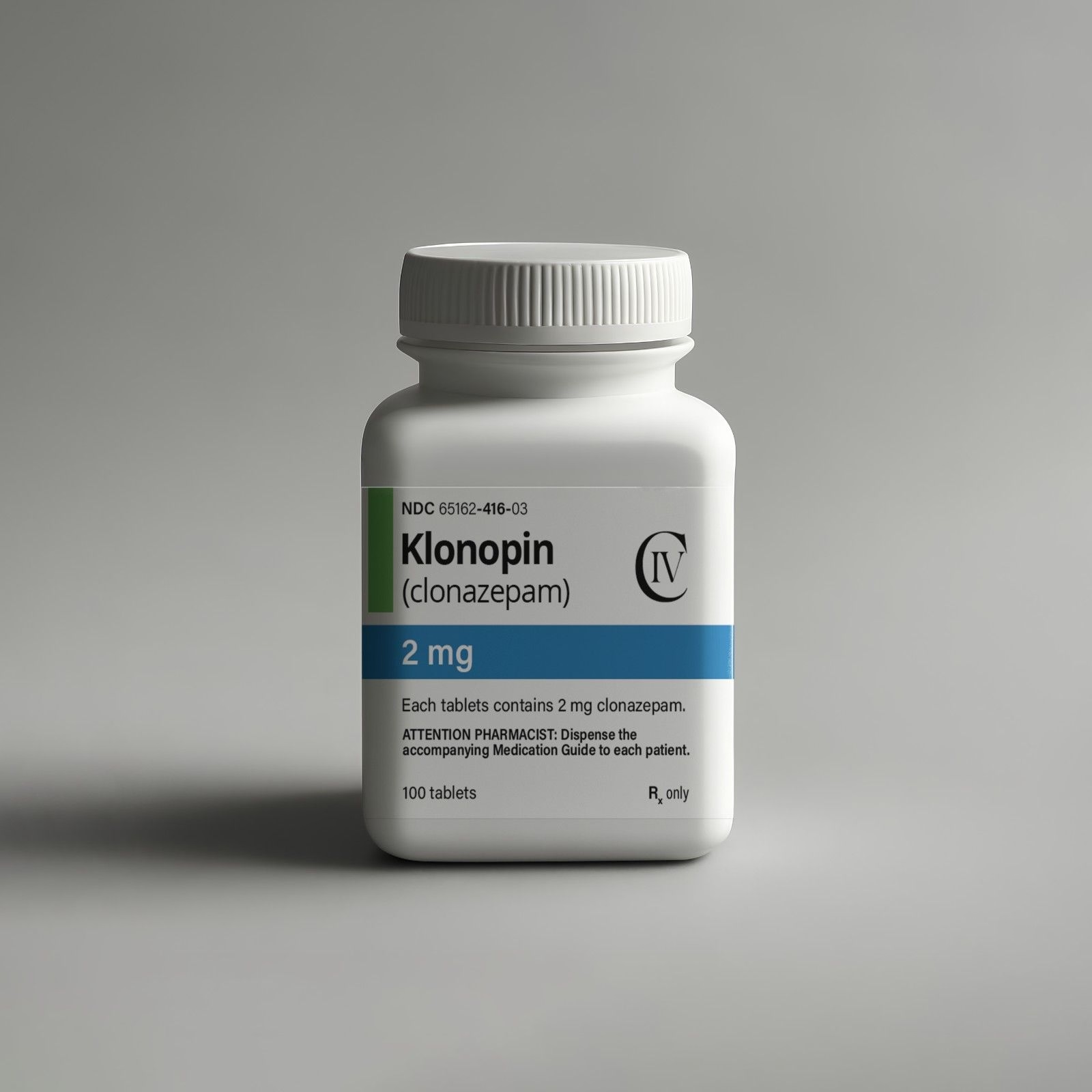 Buy Klonopin Online
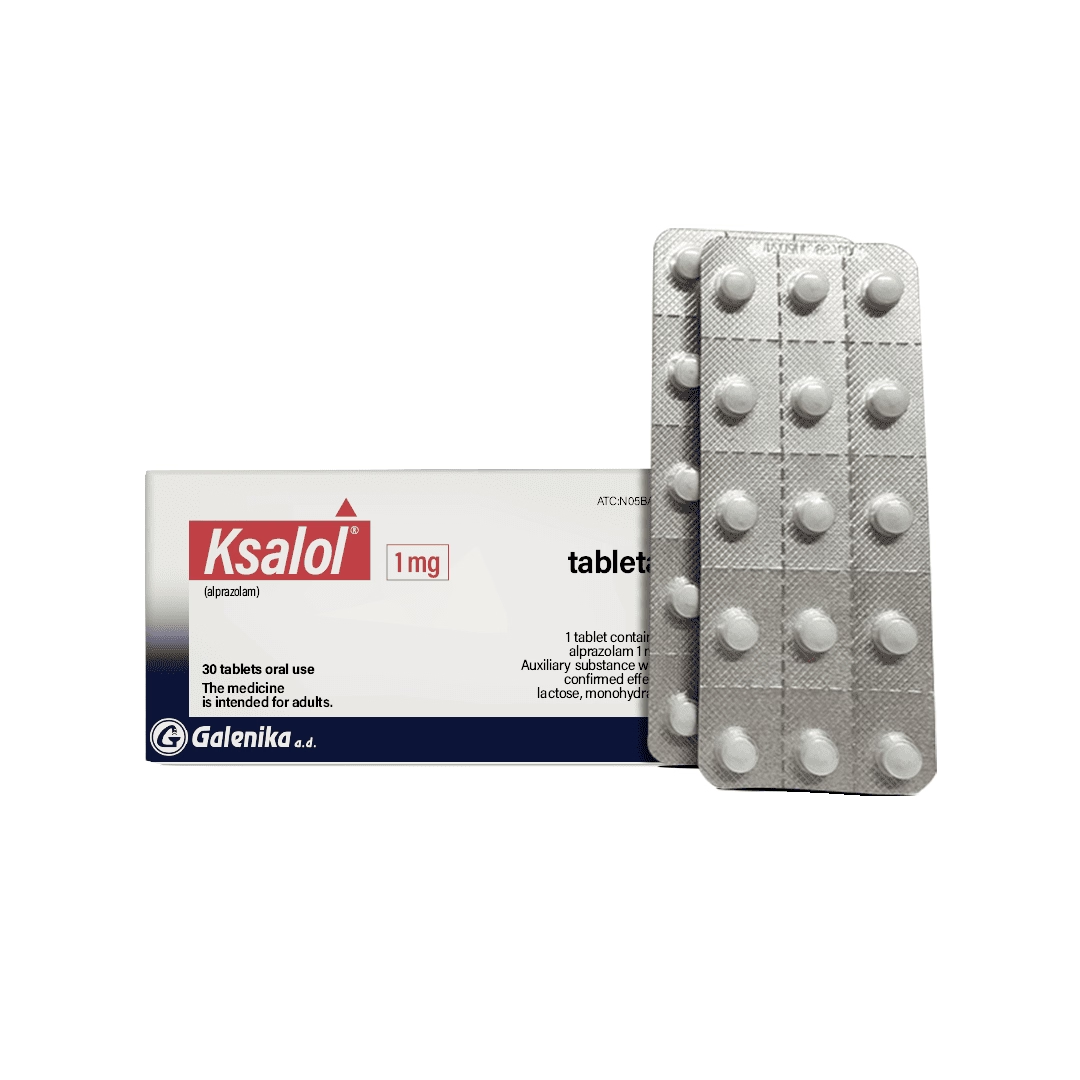 Buy Ksalol Online
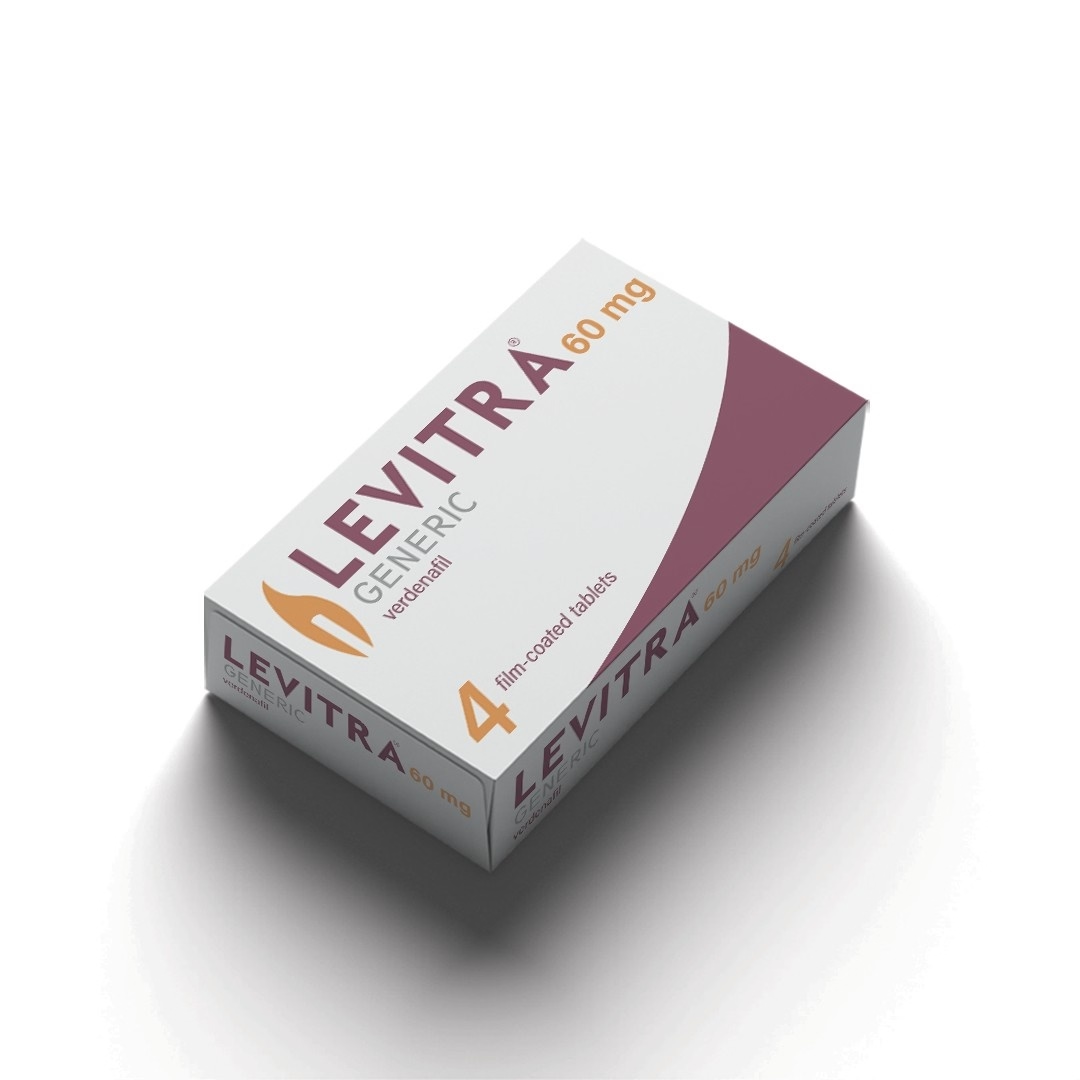 Buy Levitra Online
 Buy Lorazepam Online
 Buy Lortab Online
 Buy Lunesta Online
 Buy Methadone Online
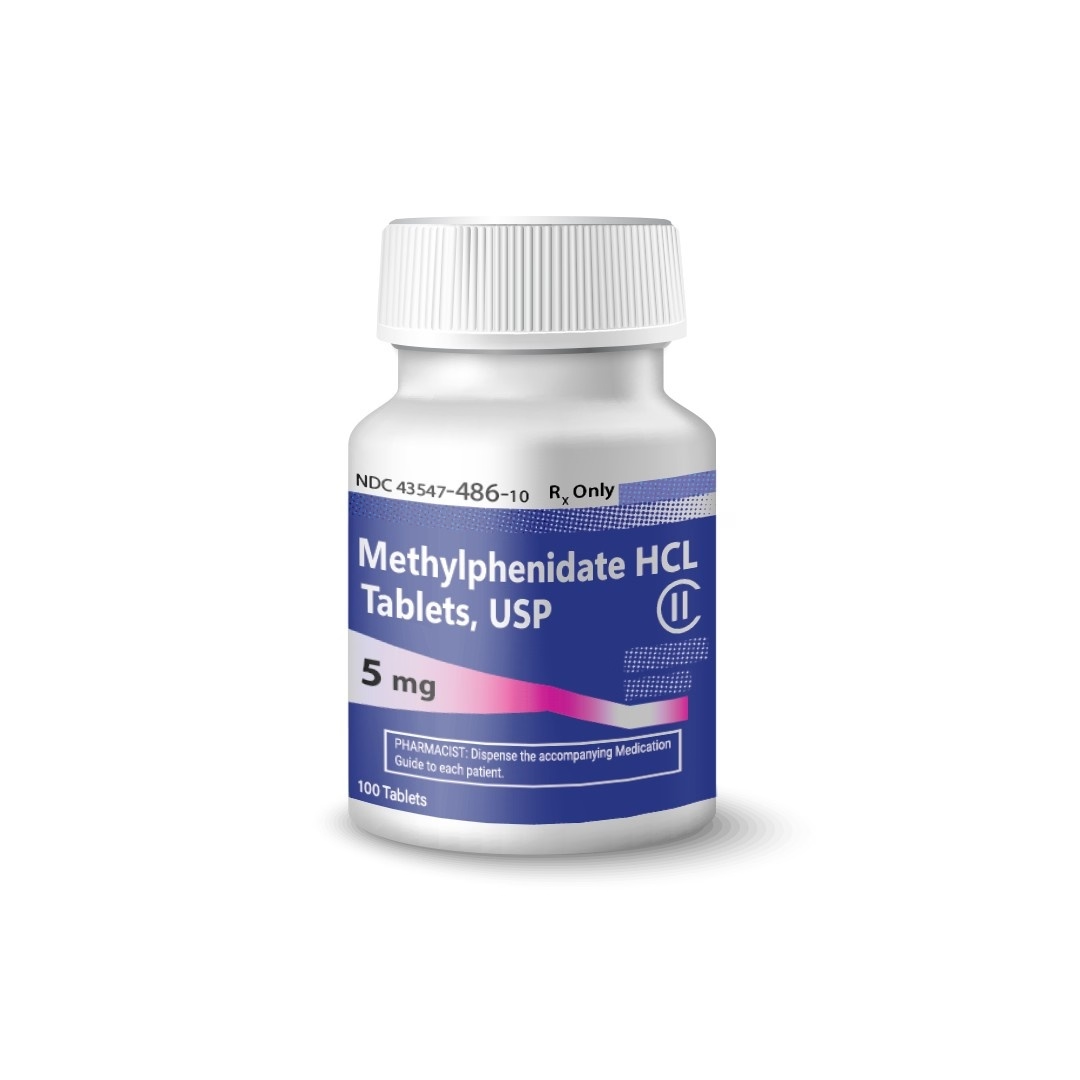 Buy Methylphenidate Online
 Buy Norco Online
 Buy Opana ER Online
 Buy Oxycodone Online
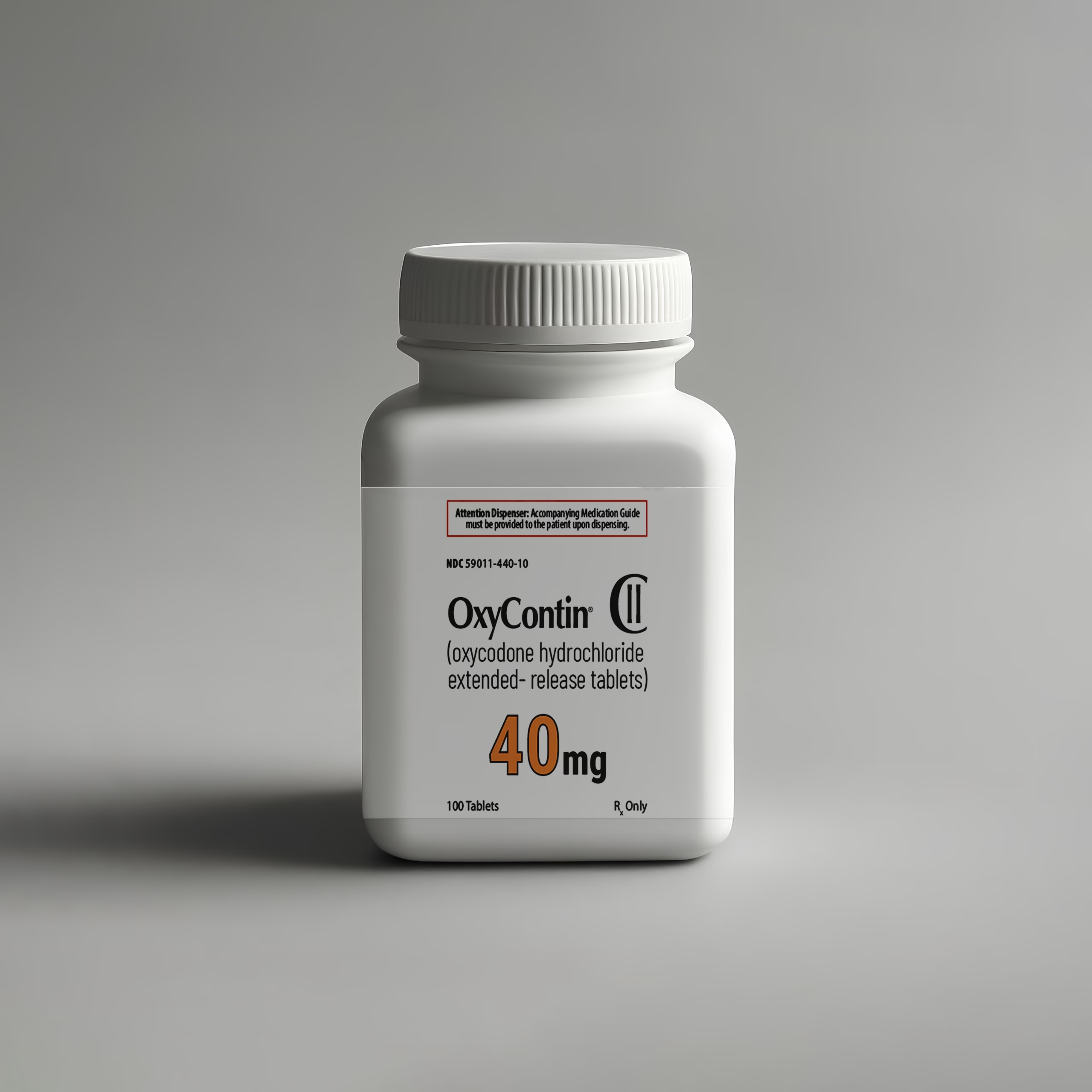 Buy Oxycontin Online
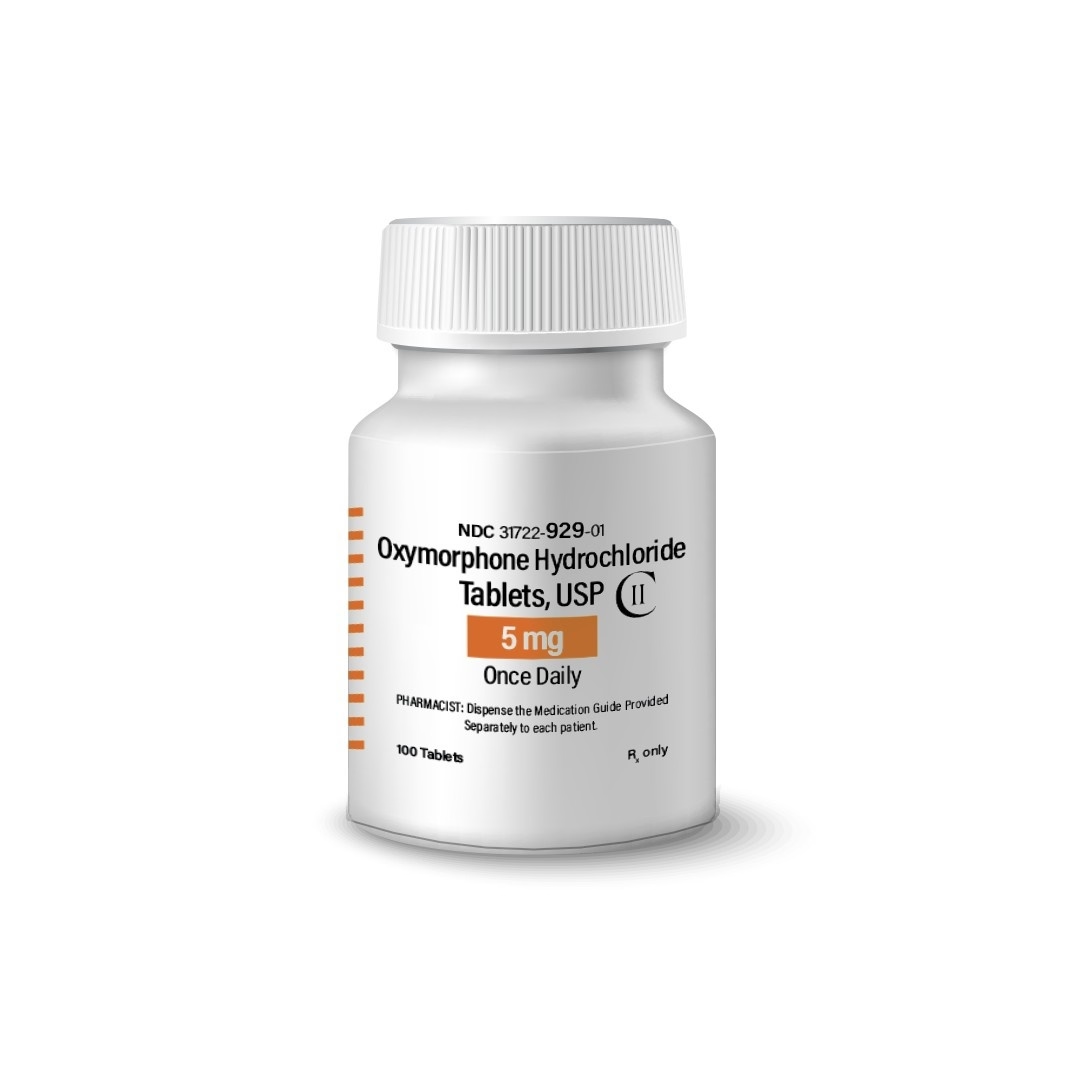 Buy Oxymorphone Online
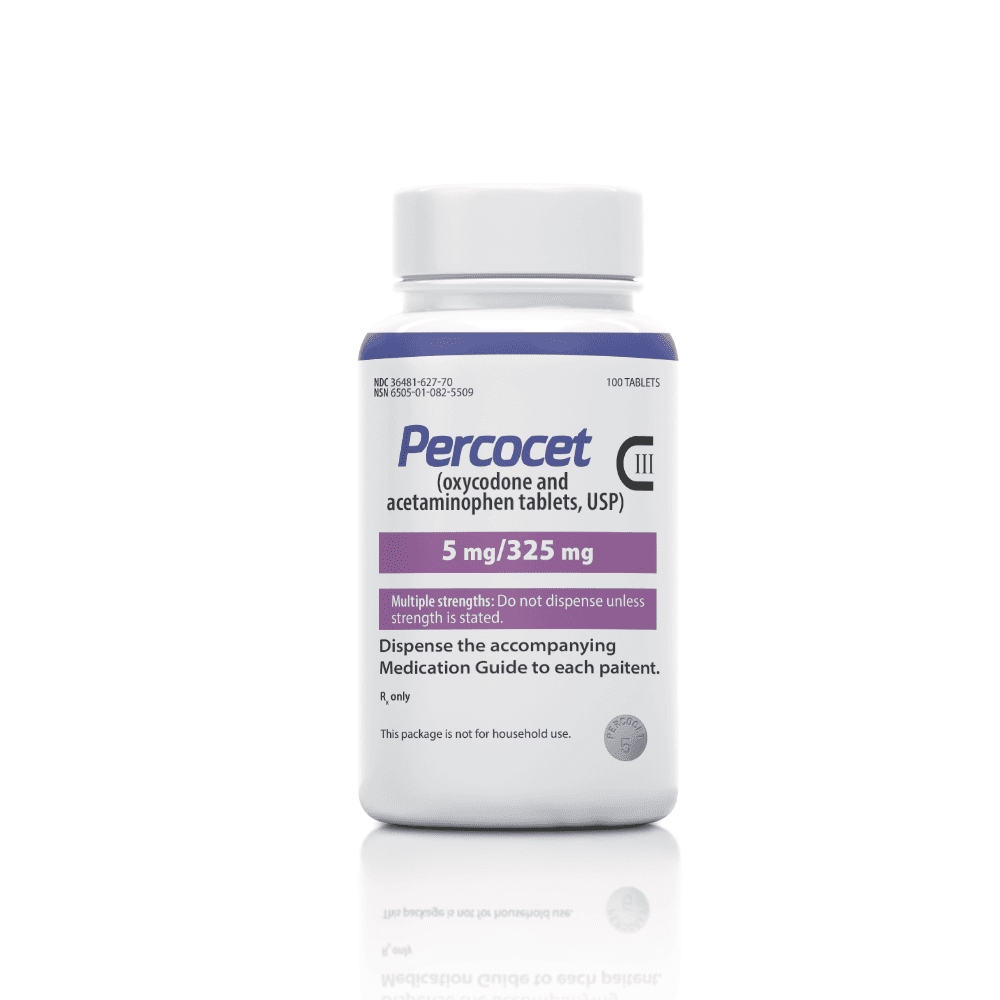 Buy Percocet Online
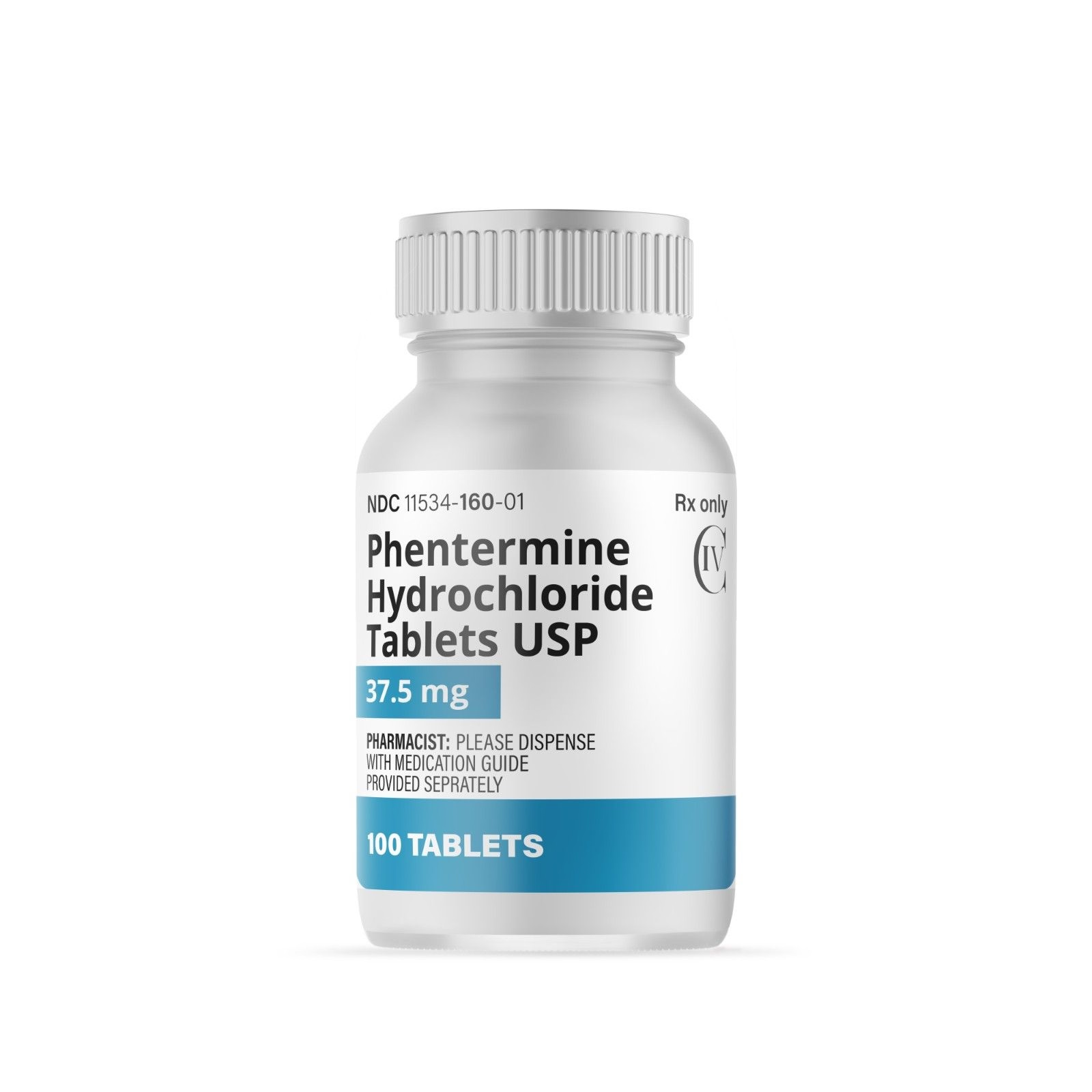 Buy Phentermine Online
 Buy Pregabalin Online
 Buy Provigil Online
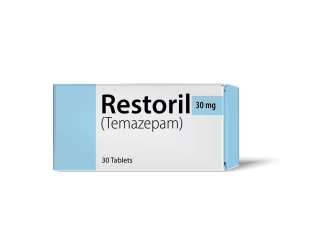
 Buy Restoril Online
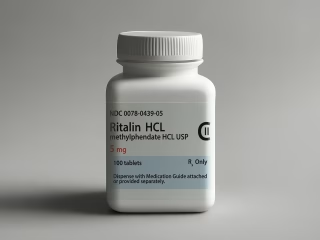
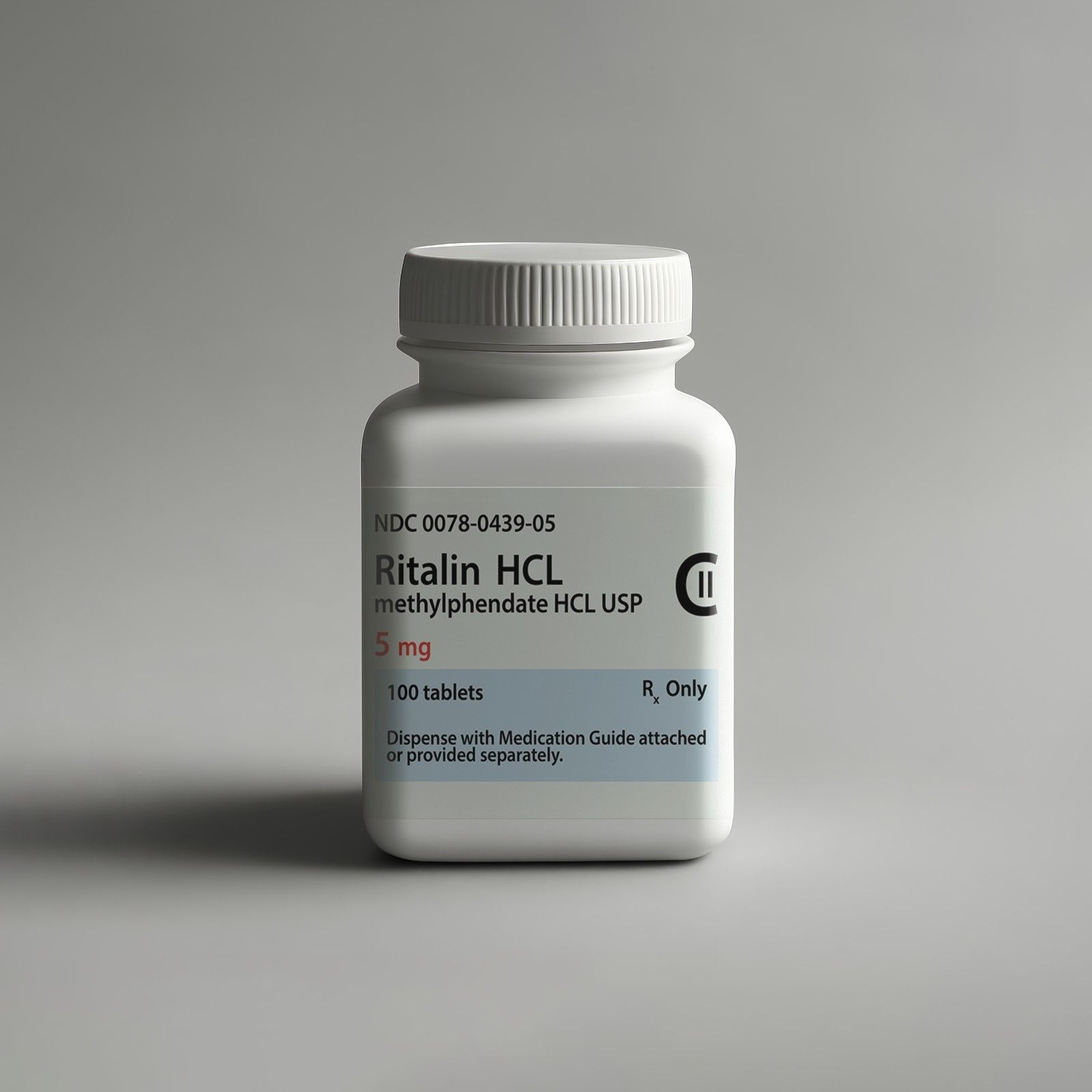 Buy Ritalin Online
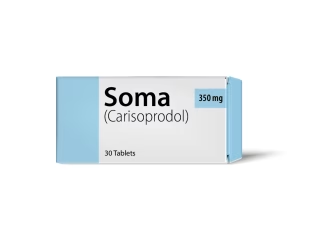
 Buy Soma Online
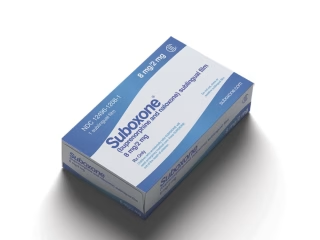
 Buy Suboxone Online
 Buy Tramadol Online
 Buy Valium Online
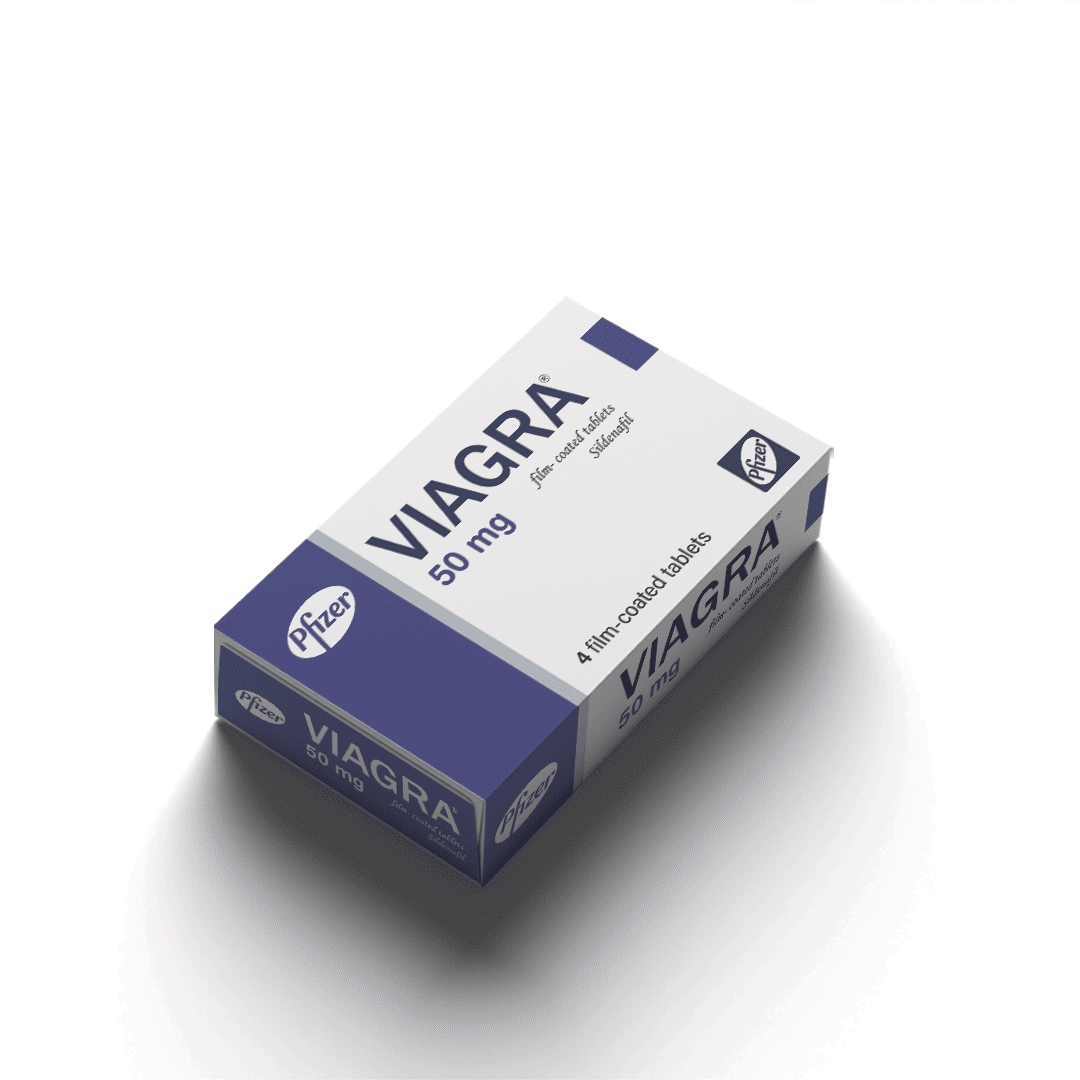 Buy Viagra Online
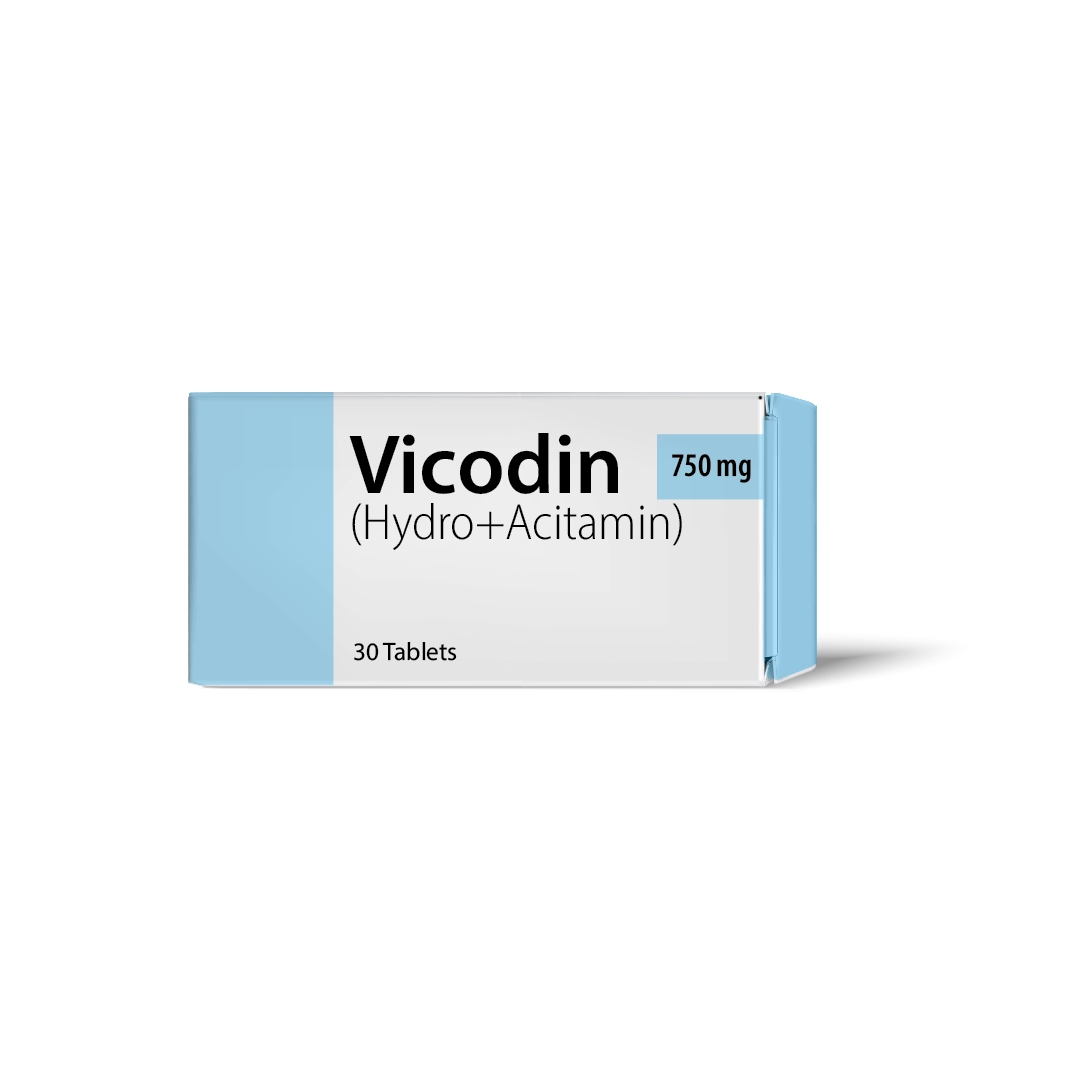 Buy Vicodin Online
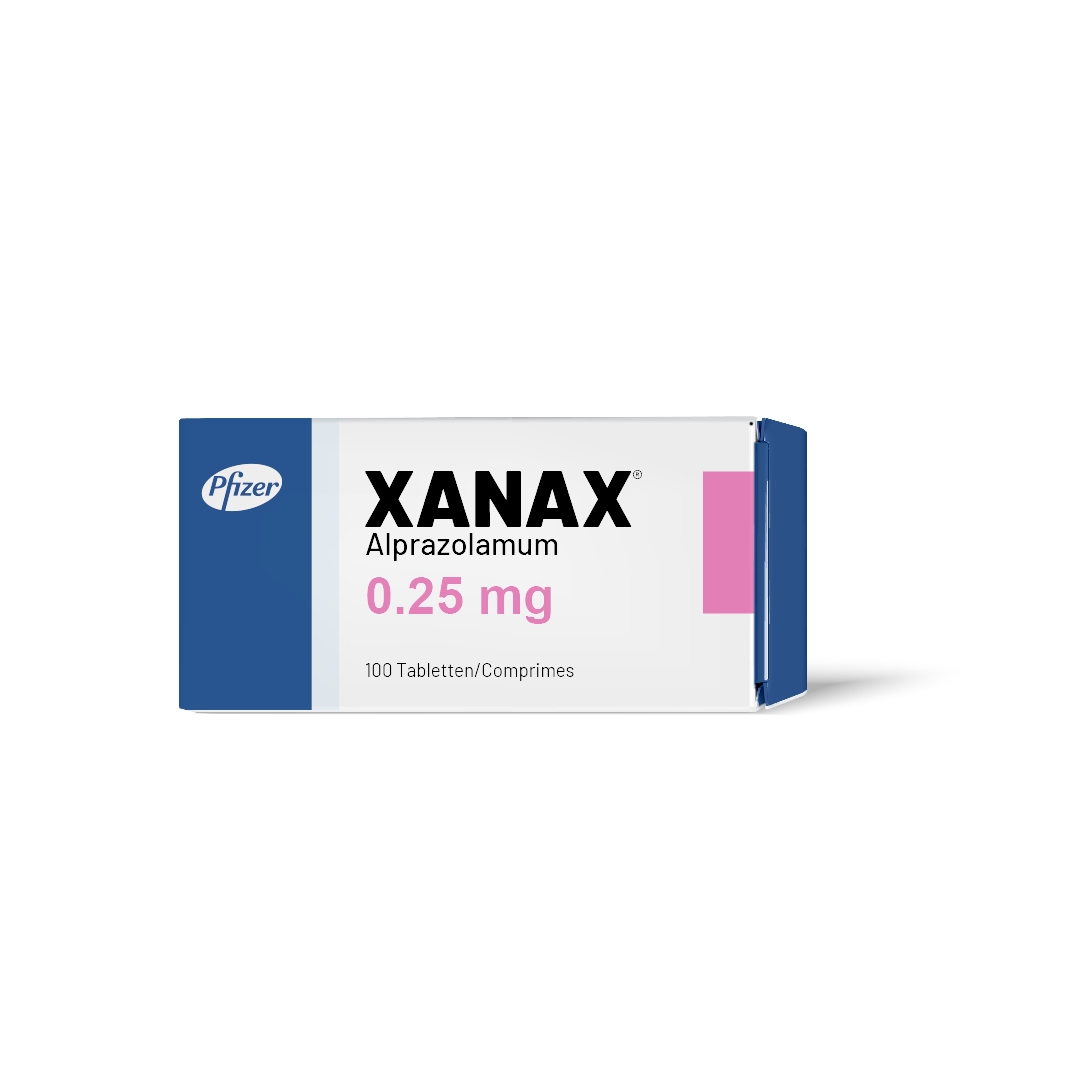 Buy Xanax Online
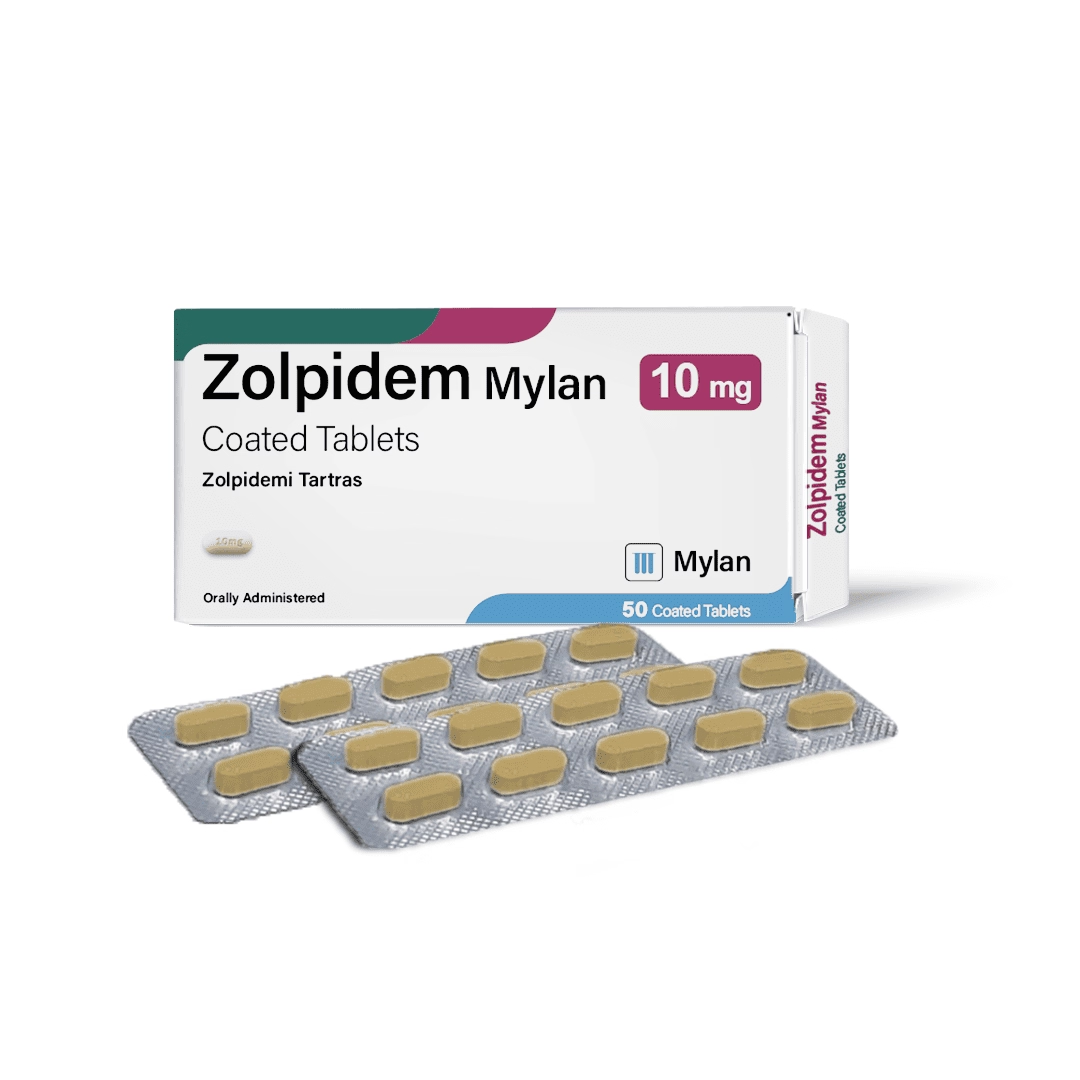 Buy Zolpidem Online
Buy Ritalin Online
Showing all 3 results
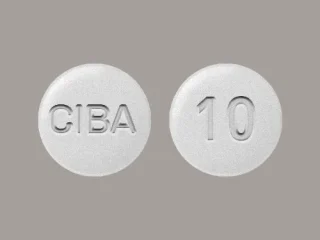
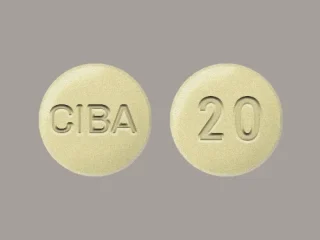

Ritalin-Uses and Overview
Ritalin is a prescription brand containing methylphenidate hydrochloride, a central nervous system (CNS) stimulant. Methylphenidate is used as part of a broader treatment plan for attention-deficit/hyperactivity disorder (ADHD) and is also used to treat narcolepsy, a condition characterized by excessive daytime sleepiness and sudden episodes of sleep.
Because methylphenidate can be misused and may cause dependence, Ritalin should be taken only according to a healthcare professional’s instructions. It is a Schedule II controlled substance in the United States.
What Is Ritalin?
Ritalin is one of several medicines containing methylphenidate. Depending on the specific product, methylphenidate is available in immediate-release and longer-acting formulations. Different methylphenidate products are not necessarily interchangeable, so patients should use the exact formulation prescribed by their healthcare professional.
For ADHD, methylphenidate can help reduce symptoms such as difficulty maintaining attention, excessive activity, and problems with impulse control. For narcolepsy, it can help promote wakefulness.
Medication is generally only one component of ADHD management. A treatment plan may also include behavioral strategies, counseling, educational support, or other therapies.
Active Ingredient in Ritalin
The active ingredient in Ritalin tablets is:
Methylphenidate hydrochloride
The inactive ingredients vary according to the particular formulation and strength. For example, the FDA labeling for Ritalin tablets lists ingredients such as lactose, magnesium stearate, polyethylene glycol, starch, sucrose, talc, and tablet-specific coloring agents.
Anyone with known medication or ingredient allergies should review the complete ingredient list with a pharmacist or healthcare professional before taking the medicine.
How Does Ritalin Work?
Methylphenidate is a CNS stimulant. Its precise therapeutic mechanism in ADHD and narcolepsy has not been completely established. Current labeling indicates that its effects are associated with changes in certain brain neurotransmitter systems.
Rather than thinking of Ritalin as simply a “concentration booster,” it is more accurate to understand it as a prescription treatment that can reduce specific symptoms in people diagnosed with ADHD or narcolepsy.
The response can vary substantially between individuals. For this reason, treatment is monitored and adjusted by a healthcare professional rather than based on a standard dose that works for everyone.
Ritalin for ADHD
ADHD can affect attention, organization, impulse control, and activity levels. Methylphenidate may be prescribed to help control these symptoms.
Treatment should be individualized. Healthcare professionals consider factors such as:
- Age
- Symptoms and treatment goals
- Current formulation
- Response to treatment
- Existing medical conditions
- Other medicines being taken
- Potential adverse effects
- Risk of misuse or dependence
For children and adolescents, growth and weight may also be monitored because methylphenidate can affect appetite, weight gain, and growth during prolonged treatment.
Ritalin for Narcolepsy
Narcolepsy is a sleep disorder associated with excessive daytime sleepiness and episodes of suddenly falling asleep.
Methylphenidate may be prescribed to help promote wakefulness in people with narcolepsy. The appropriate formulation and schedule depend on the individual’s clinical needs and the healthcare professional’s assessment.
Ritalin Dosage: Why Individual Guidance Matters
There is no single Ritalin dose that is appropriate for everyone.
Methylphenidate is available in multiple formulations, and dosing instructions depend on the specific product prescribed. Healthcare professionals may begin treatment at a lower dose and adjust it according to therapeutic response and tolerability. MedlinePlus notes that dose increases may occur gradually and should follow the prescriber’s instructions.
Patients should not increase, decrease, crush, alter, or take Ritalin more frequently than prescribed.
Long-acting methylphenidate products also have specific administration requirements. Some extended-release tablets or capsules must be swallowed whole and should not be crushed or chewed. Always follow the instructions supplied with the particular product.
Common Side Effects
Methylphenidate can cause side effects, although not everyone experiences them.
Commonly reported effects include:
- Reduced appetite
- Weight loss
- Nausea
- Stomach discomfort
- Headache
- Dry mouth
- Nervousness or irritability
- Restlessness
- Difficulty sleeping
- Dizziness
- Increased sweating
If a side effect is severe, persistent, or interferes with daily activities, contact the prescribing healthcare professional.
Serious Ritalin Side Effects
Some symptoms require prompt medical attention. Seek medical help for symptoms such as:
- Chest pain or fainting
- Fast, pounding, or irregular heartbeat
- Shortness of breath
- Severe mood or behavioral changes
- Hallucinations or unusual suspiciousness
- New or worsening tics
- Significant changes in vision
- Pain, numbness, or unusual color changes in fingers or toes
- A painful erection lasting longer than four hours
- Severe allergic reactions, including facial or throat swelling or difficulty breathing
These warnings are reflected in current prescribing information and patient medication guidance.
Important Ritalin Safety Information
Ritalin requires careful medical supervision because methylphenidate has a recognized potential for abuse, misuse, and addiction. Taking larger amounts, using it more often than prescribed, or taking it through an unapproved route can increase the risk of serious harm, including overdose.
Patients should never share their prescription with another person. Store the medication securely and keep track of the amount remaining.
Heart and Blood Pressure Concerns
Stimulant medicines can increase heart rate and blood pressure. The FDA advises appropriate cardiovascular evaluation and monitoring, particularly for patients with relevant heart conditions or risk factors.
Tell your healthcare professional if you have:
- A heart condition
- High blood pressure
- An irregular heartbeat
- A personal or family history of serious heart problems
- A history of unexplained sudden death in the family
Mental Health Considerations
Methylphenidate can cause or worsen certain psychiatric symptoms in some individuals. Tell your healthcare professional about a history of bipolar disorder, mania, depression, psychosis, or other significant mental health concerns before treatment.
Tics and Tourette’s Syndrome
Methylphenidate has been associated with the appearance or worsening of motor and vocal tics. Patients should be evaluated and monitored for these symptoms during treatment.
Glaucoma
Methylphenidate may increase intraocular pressure. Anyone with glaucoma or elevated eye pressure should discuss this condition with their healthcare professional before treatment.
Ritalin and Drug Interactions
Always provide your doctor and pharmacist with a complete list of prescription medicines, over-the-counter products, vitamins, and supplements.
One particularly important interaction involves monoamine oxidase (MAO) inhibitors. Current patient guidance advises informing a healthcare professional if you are taking an MAO inhibitor or have stopped one within the previous two weeks.
Do not start, stop, or change another medication without professional guidance.
What If You Miss a Dose?
The appropriate response to a missed dose depends on the specific methylphenidate formulation and the time of day.
In general, patients should not take an extra dose to compensate for a missed one. MedlinePlus advises discussing the timing of a missed dose with a healthcare professional and following the product-specific instructions.
Ritalin and Children
Methylphenidate may be prescribed for children when clinically appropriate. Children receiving treatment may need periodic monitoring of:
- Height
- Weight
- Appetite
- Blood pressure and heart rate
- ADHD symptoms
- Possible behavioral or psychiatric effects
Methylphenidate can reduce appetite and may slow weight gain or growth in some children, making regular follow-up important.
Pregnancy and Breastfeeding
If you are pregnant, planning pregnancy, or breastfeeding, discuss methylphenidate use with your healthcare professional.
Do not make changes to prescribed treatment on your own. The potential benefits and risks should be evaluated for the individual situation.
Safe Use of Ritalin
For safer treatment:
- Take Ritalin exactly as prescribed.
- Use only the formulation prescribed for you.
- Never share your medication.
- Keep it stored securely.
- Tell your healthcare professional about all other medicines and supplements.
- Attend recommended follow-up appointments.
- Report troublesome or unusual side effects.
- Never increase the dose without medical advice.
Because methylphenidate has misuse and dependence potential, obtaining it through a legitimate prescription and using it under professional supervision is important.
Frequently Asked Questions
Is Ritalin the same as methylphenidate?
Ritalin is a brand name for a medication containing methylphenidate hydrochloride. Other medicines also contain methylphenidate, but formulations, release characteristics, strengths, and inactive ingredients can differ.
What conditions does Ritalin treat?
Methylphenidate is used to manage symptoms of ADHD and to treat narcolepsy.
Can Ritalin be addictive?
Methylphenidate has the potential for abuse, misuse, and dependence. It should be taken only as prescribed and never shared with another person.
Can Ritalin affect appetite?
Yes. Reduced appetite and weight loss are recognized effects of methylphenidate. Children receiving treatment may require monitoring of growth and weight.
Can Ritalin cause sleep problems?
Difficulty falling or staying asleep can occur. The timing and formulation of the medicine can influence this effect, so patients experiencing persistent sleep problems should discuss them with their healthcare professional.
What should I do if Ritalin causes unusual symptoms?
Contact your healthcare professional if symptoms are persistent or concerning. Seek urgent medical attention for serious symptoms such as chest pain, fainting, difficulty breathing, severe allergic reactions, hallucinations, or a fast or irregular heartbeat.
Final Takeaway
Ritalin (methylphenidate) is a prescription CNS stimulant used for ADHD and narcolepsy. Its benefits, formulation, dose, and monitoring requirements vary from person to person. Because the medicine can affect cardiovascular health, appetite, sleep, mood, growth, and the risk of misuse, responsible medical supervision is an important part of treatment.
For reliable medication information, patients should consult their prescribing clinician or pharmacist and review the current medication guide before starting or changing treatment.
Product Category
-
 Buy Tapentadol Online
 -
 Buy Adderall Online
 -
 Buy Adipex Online
 -
 Buy Alprazolam Online
 -
 Buy Ambien Online
 -
 Buy Ativan Online
 -
 Buy Belbien Online
 -
 Buy Buprenorphine Online
 -
 Buy Butalbital Online
 -
 Buy Cialis Online
 -
 Buy Claritin Online
 -
 Buy Clonazepam Online
 -
 Buy Codeine Online
 -
 Buy Concerta Online
 -
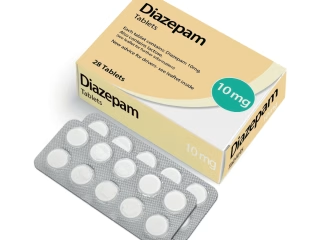 Buy Diazepam Online
 -
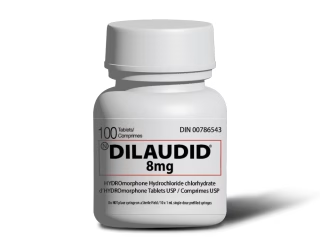 Buy Dilaudid Online
 -
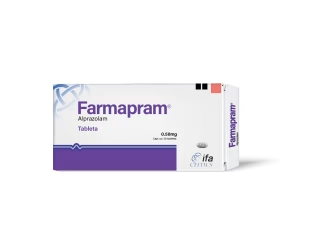 Buy Farmapram Online
 -
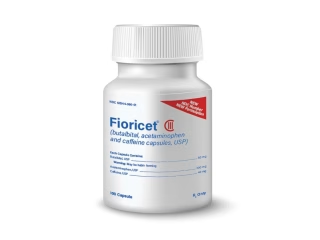 Buy Fioricet Online
 -
 Buy Gabapentin Online
 -
 Buy Hydrocodone Online
 -
 Buy Hydromorphone Online
 -
 Buy Klonopin Online
 -
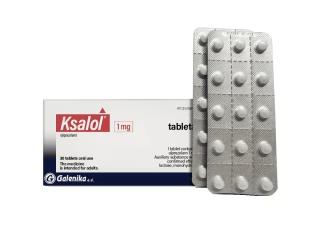 Buy Ksalol Online
 -
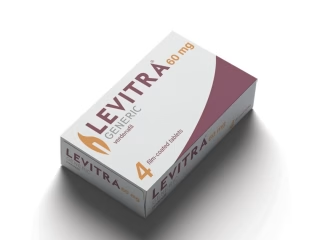 Buy Levitra Online
 -
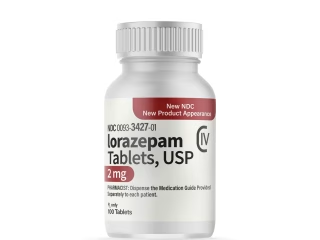 Buy Lorazepam Online
 -
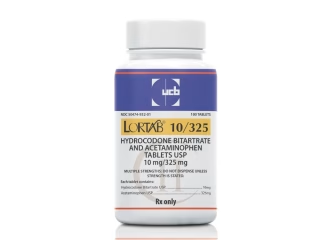 Buy Lortab Online
 -
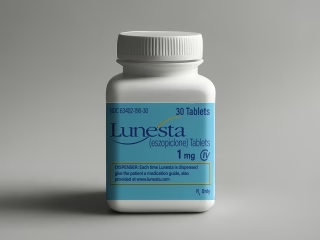 Buy Lunesta Online
 -
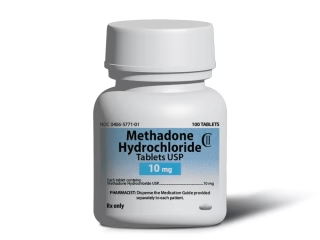 Buy Methadone Online
 -
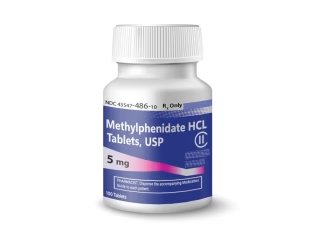 Buy Methylphenidate Online
 -
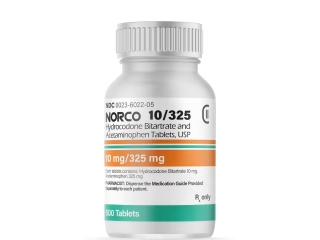 Buy Norco Online
 -
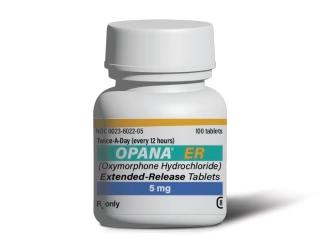 Buy Opana ER Online
 -
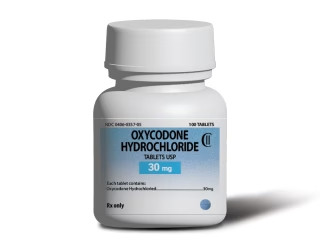 Buy Oxycodone Online
 -
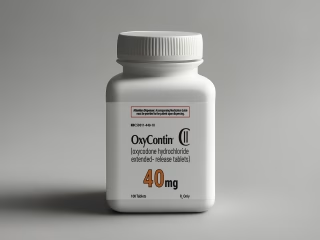 Buy Oxycontin Online
 -
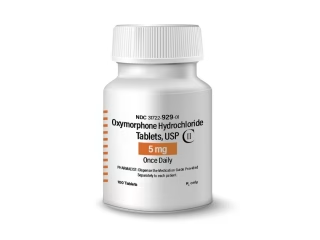 Buy Oxymorphone Online
 -
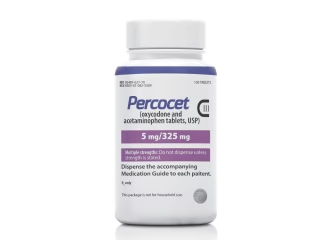 Buy Percocet Online
 -
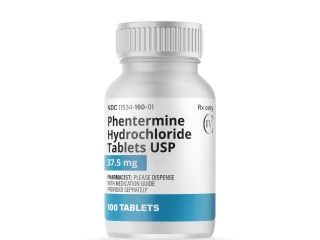 Buy Phentermine Online
 -
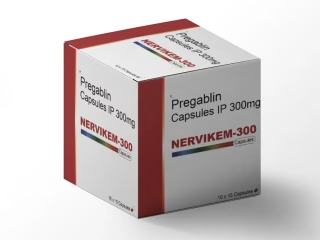 Buy Pregabalin Online
 -
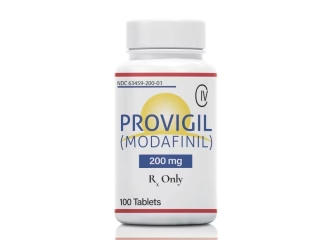 Buy Provigil Online
 -
 Buy Restoril Online
 -
 Buy Ritalin Online
 -
 Buy Soma Online
 -
 Buy Suboxone Online
 -
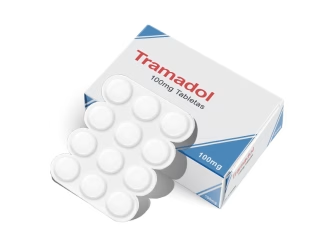 Buy Tramadol Online
 -
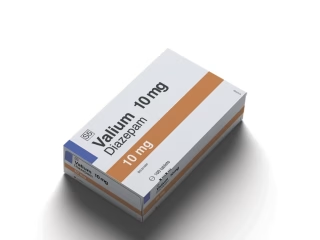 Buy Valium Online
 -
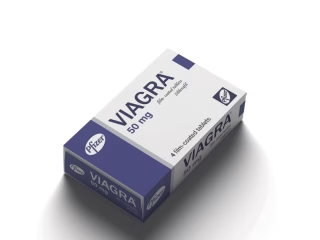 Buy Viagra Online
 -
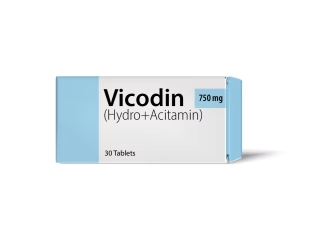 Buy Vicodin Online
 -
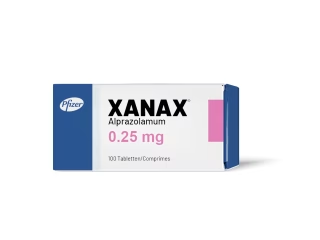 Buy Xanax Online
 -
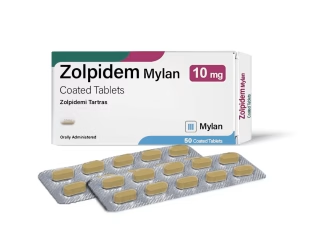 Buy Zolpidem Online