
Categories
 Buy Tapentadol Online
 Buy Adderall Online
 Buy Adipex Online
 Buy Alprazolam Online
 Buy Ambien Online
 Buy Ativan Online
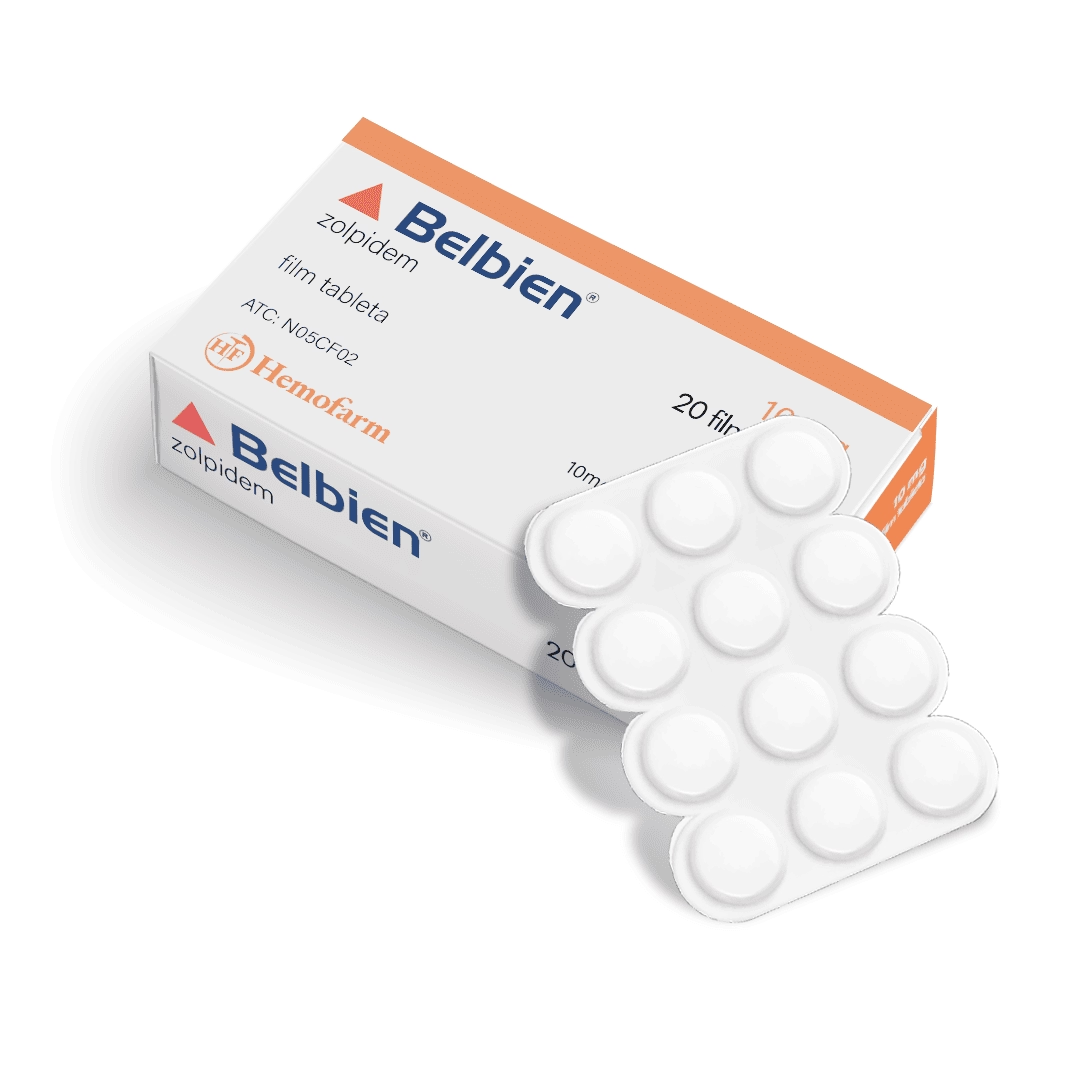 Buy Belbien Online
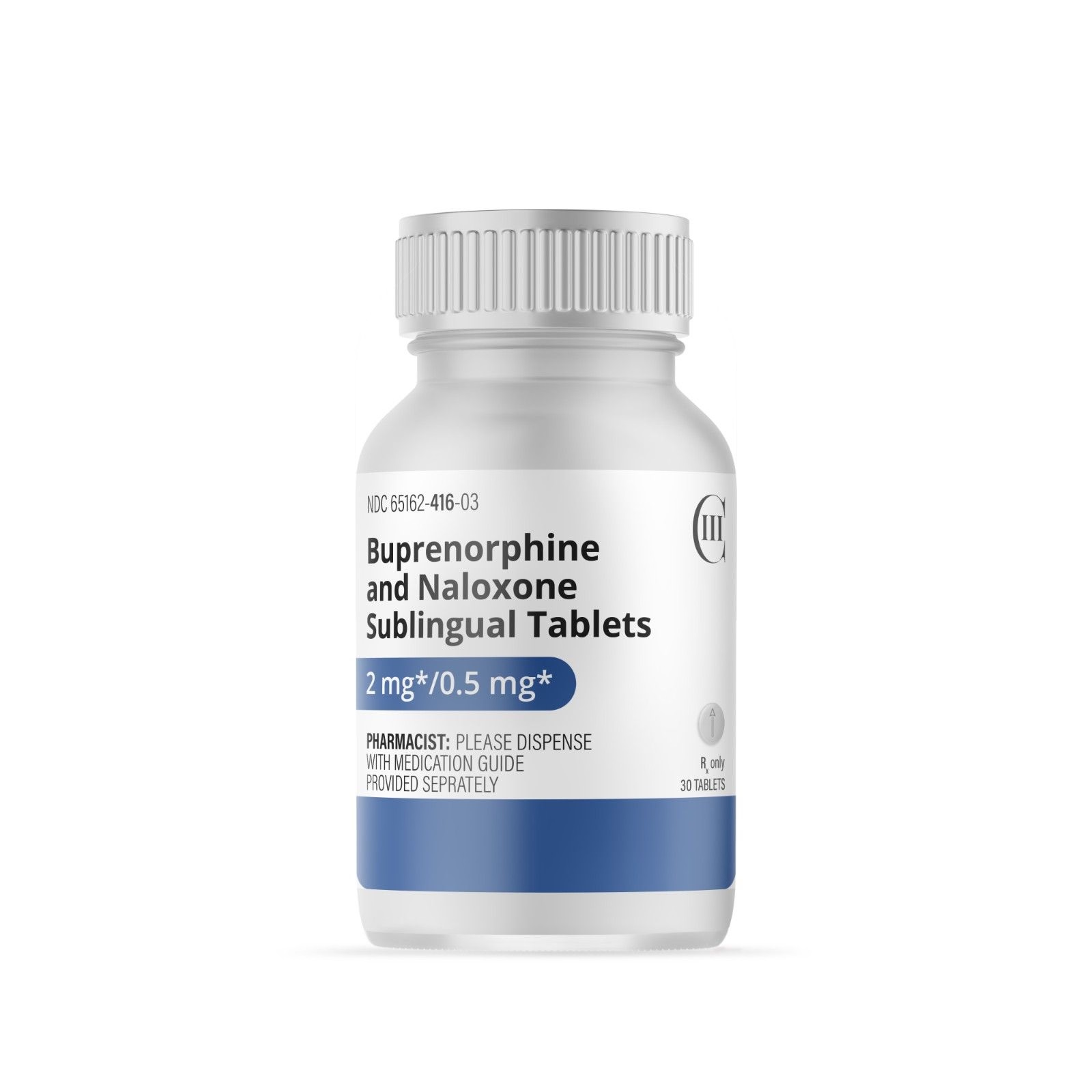 Buy Buprenorphine Online
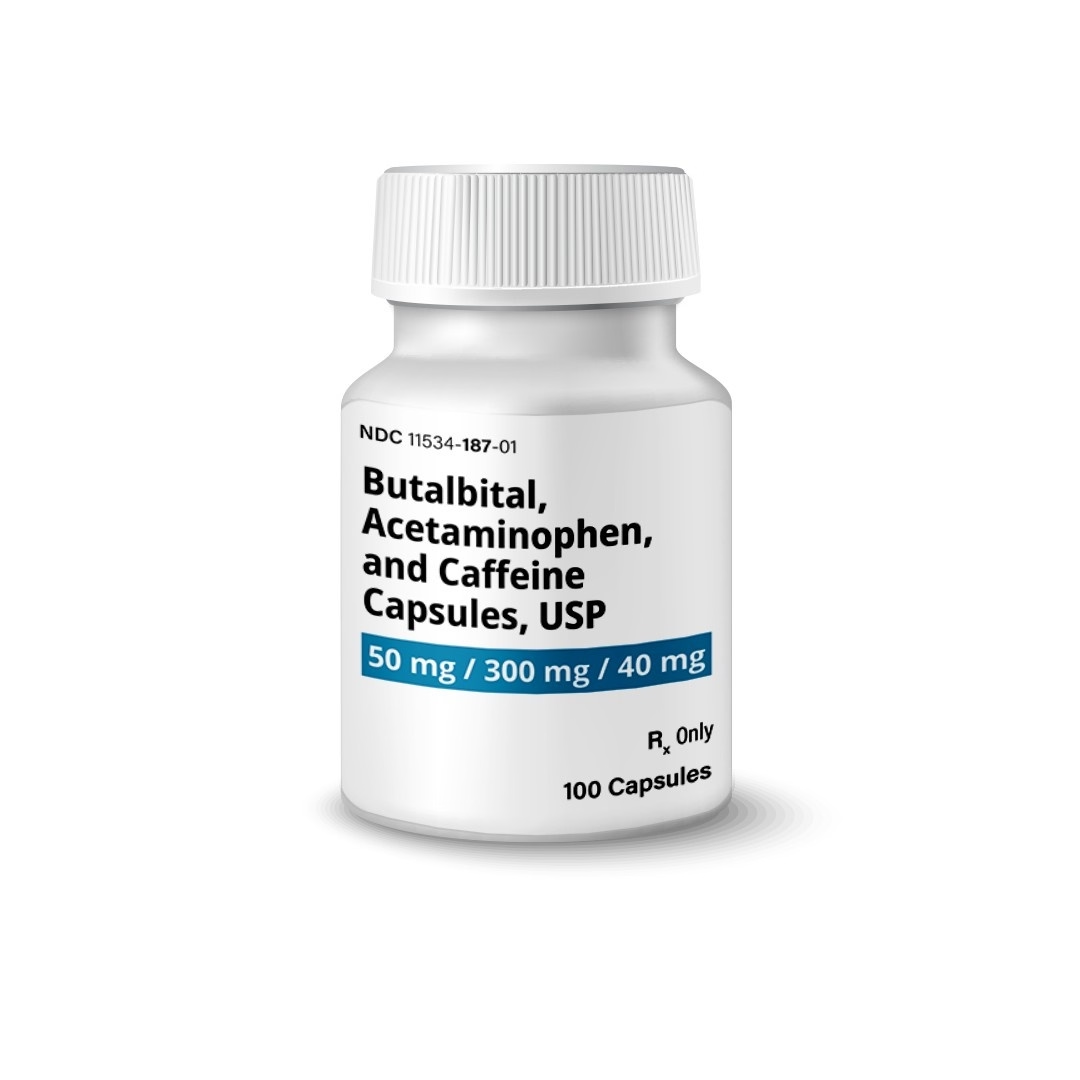 Buy Butalbital Online
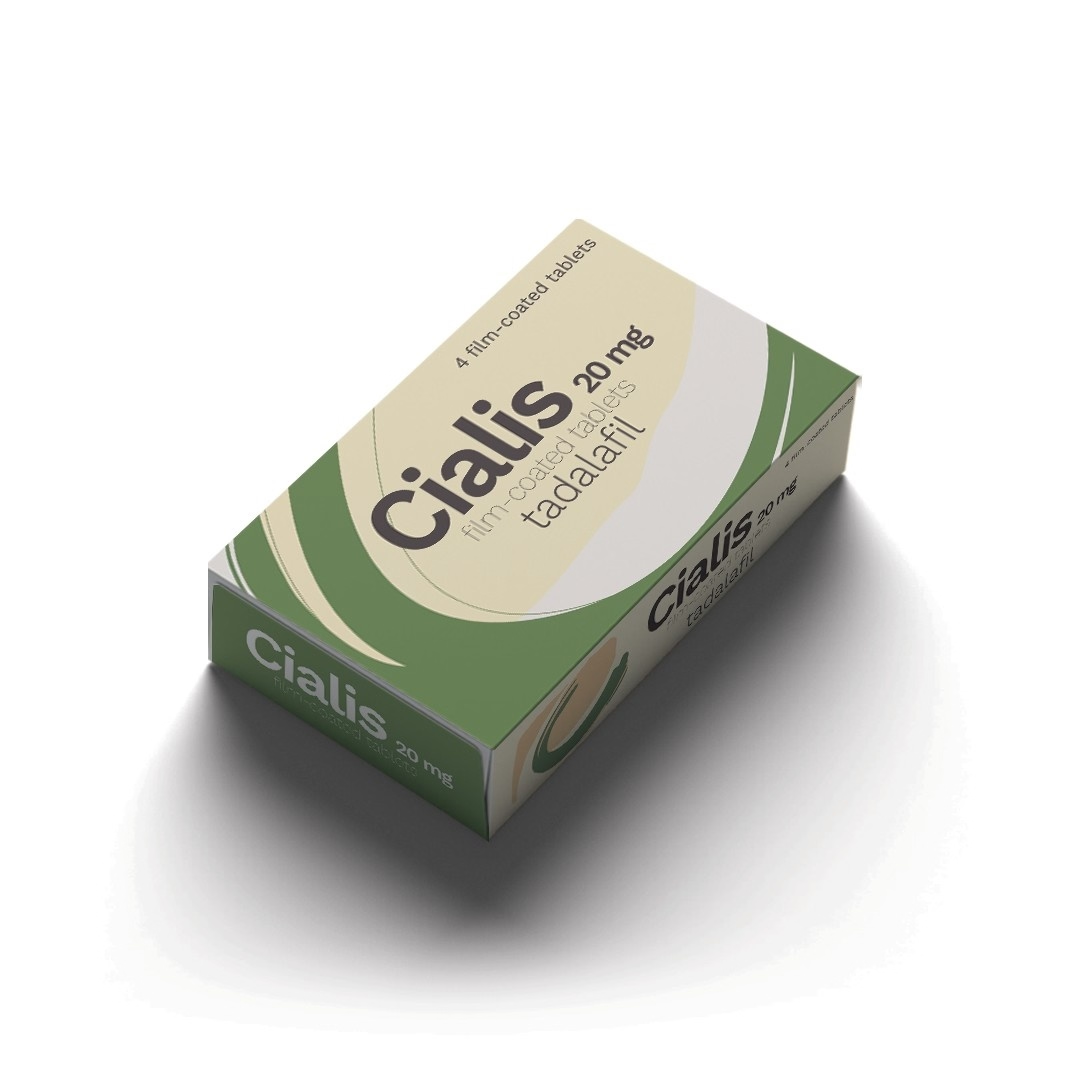 Buy Cialis Online
 Buy Claritin Online
 Buy Clonazepam Online
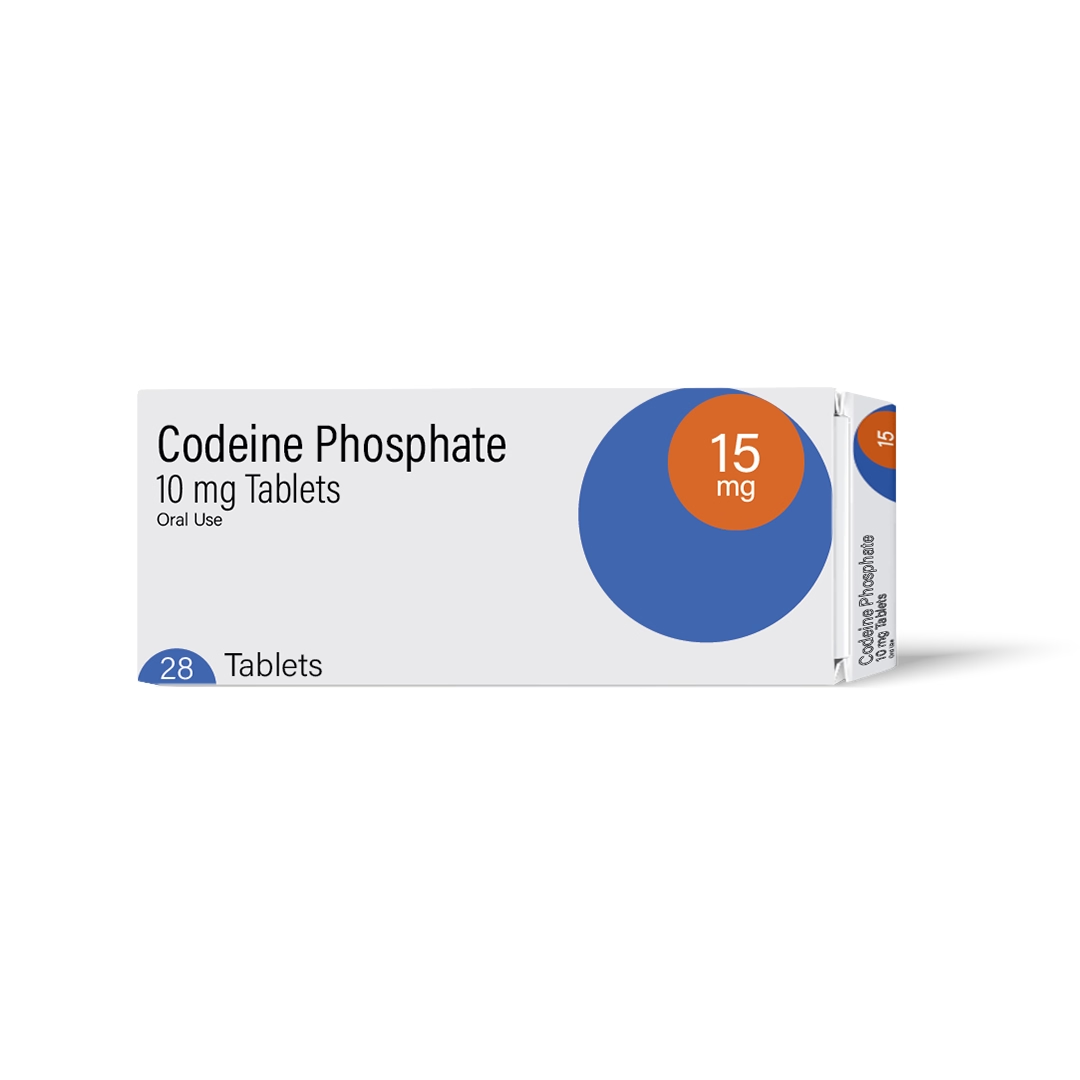 Buy Codeine Online
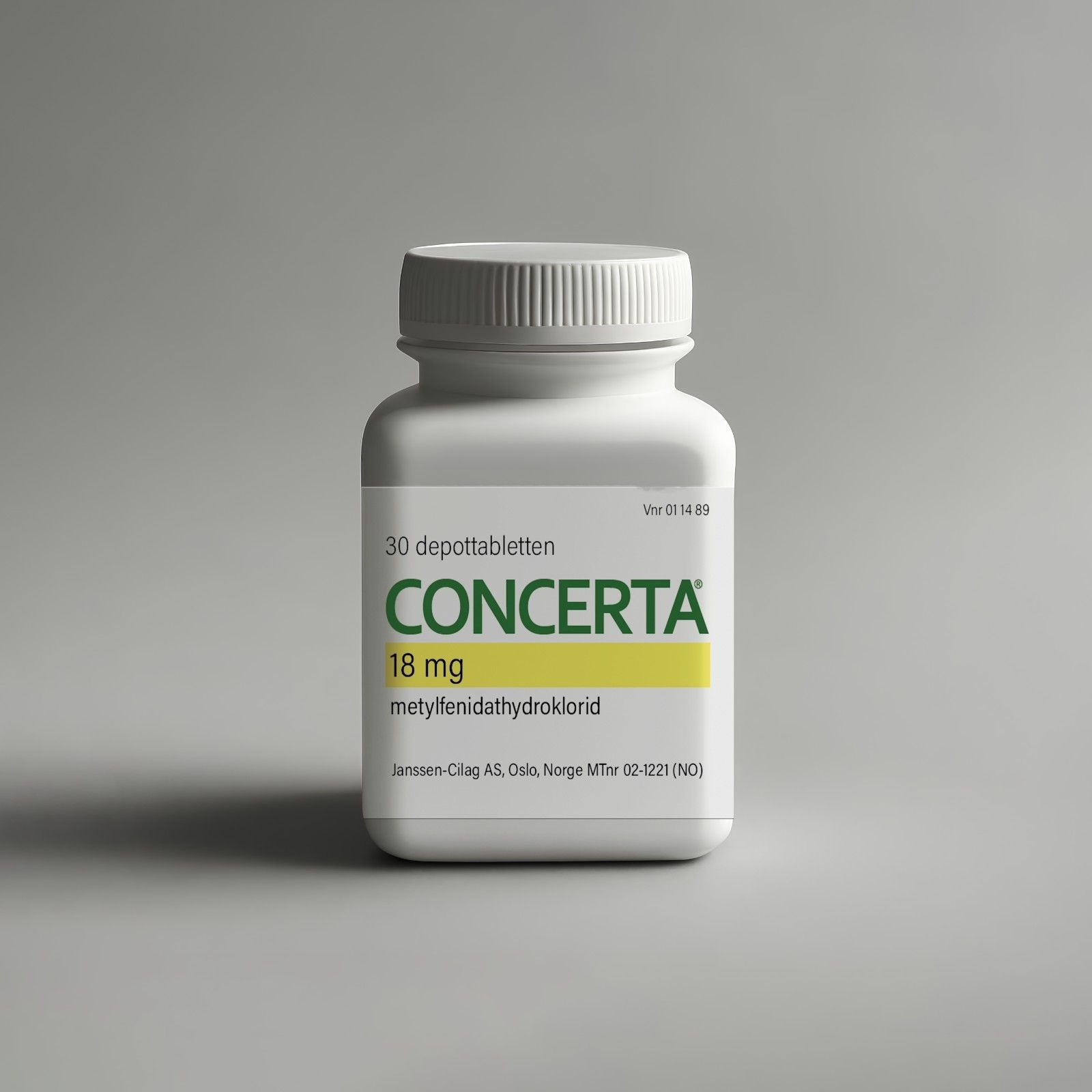 Buy Concerta Online
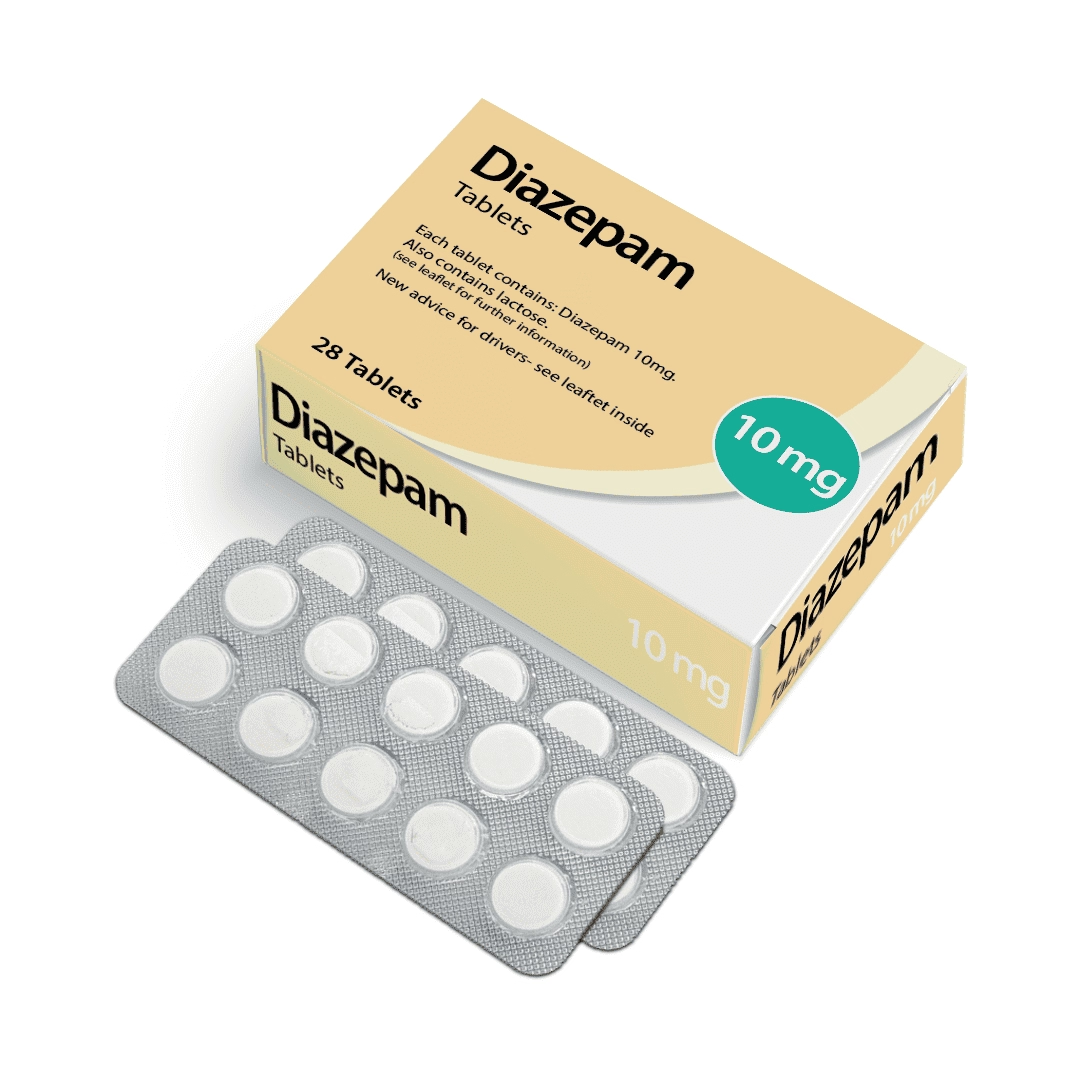 Buy Diazepam Online
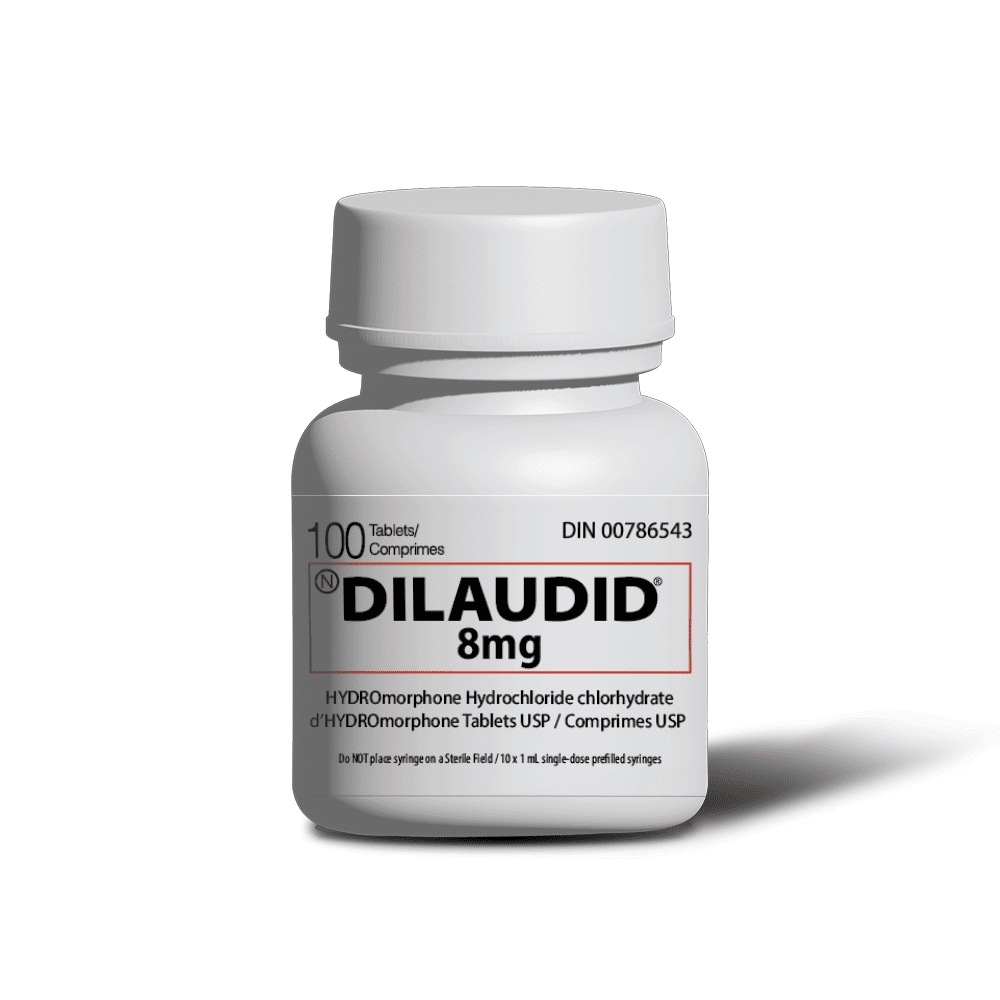 Buy Dilaudid Online
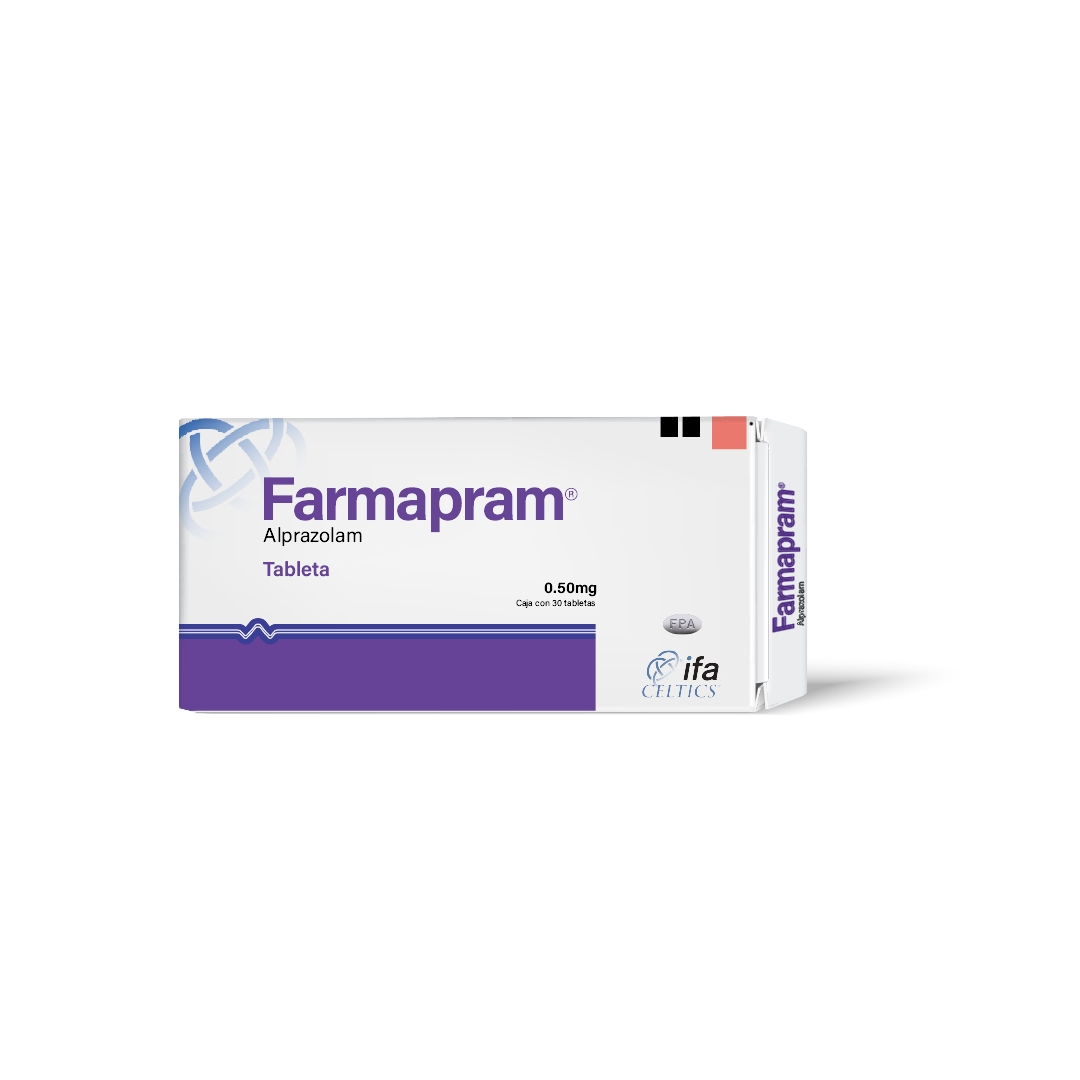 Buy Farmapram Online
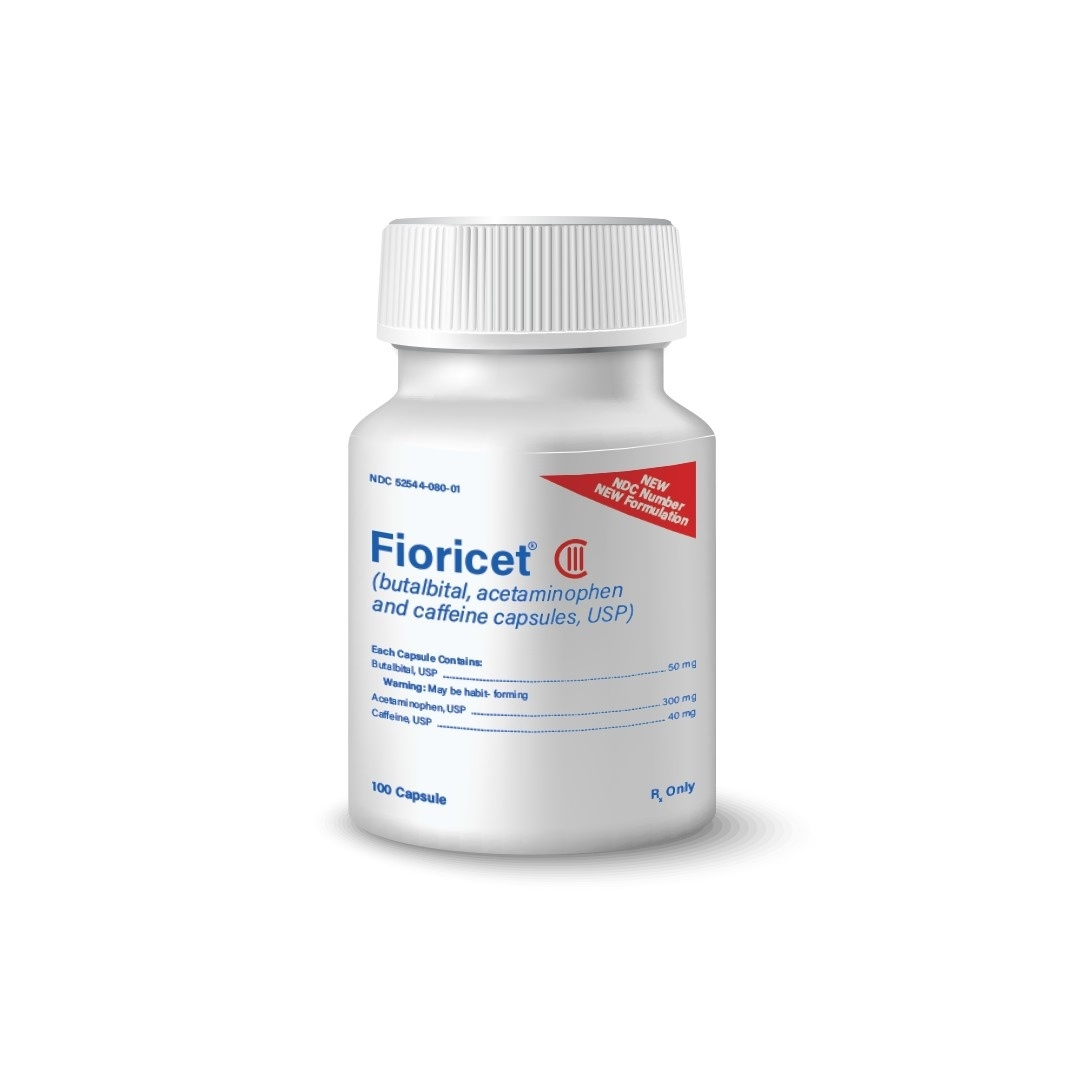 Buy Fioricet Online
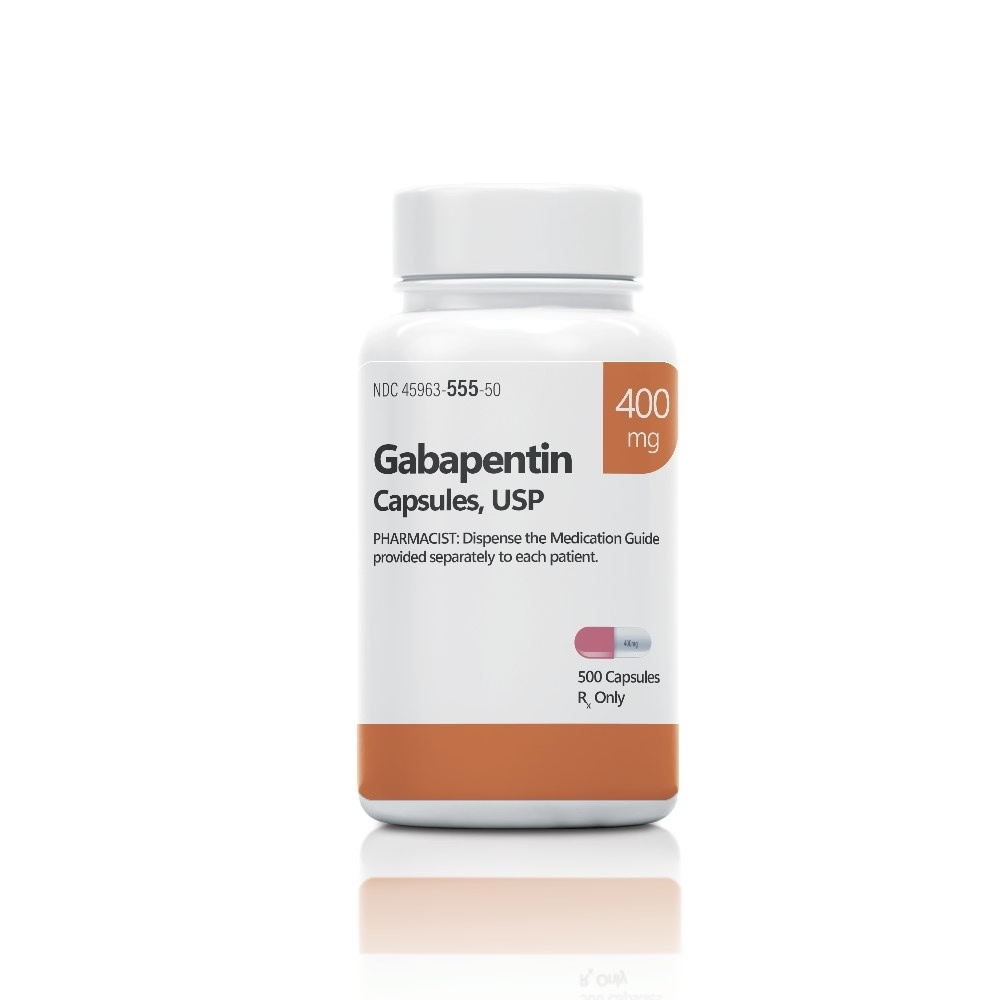 Buy Gabapentin Online
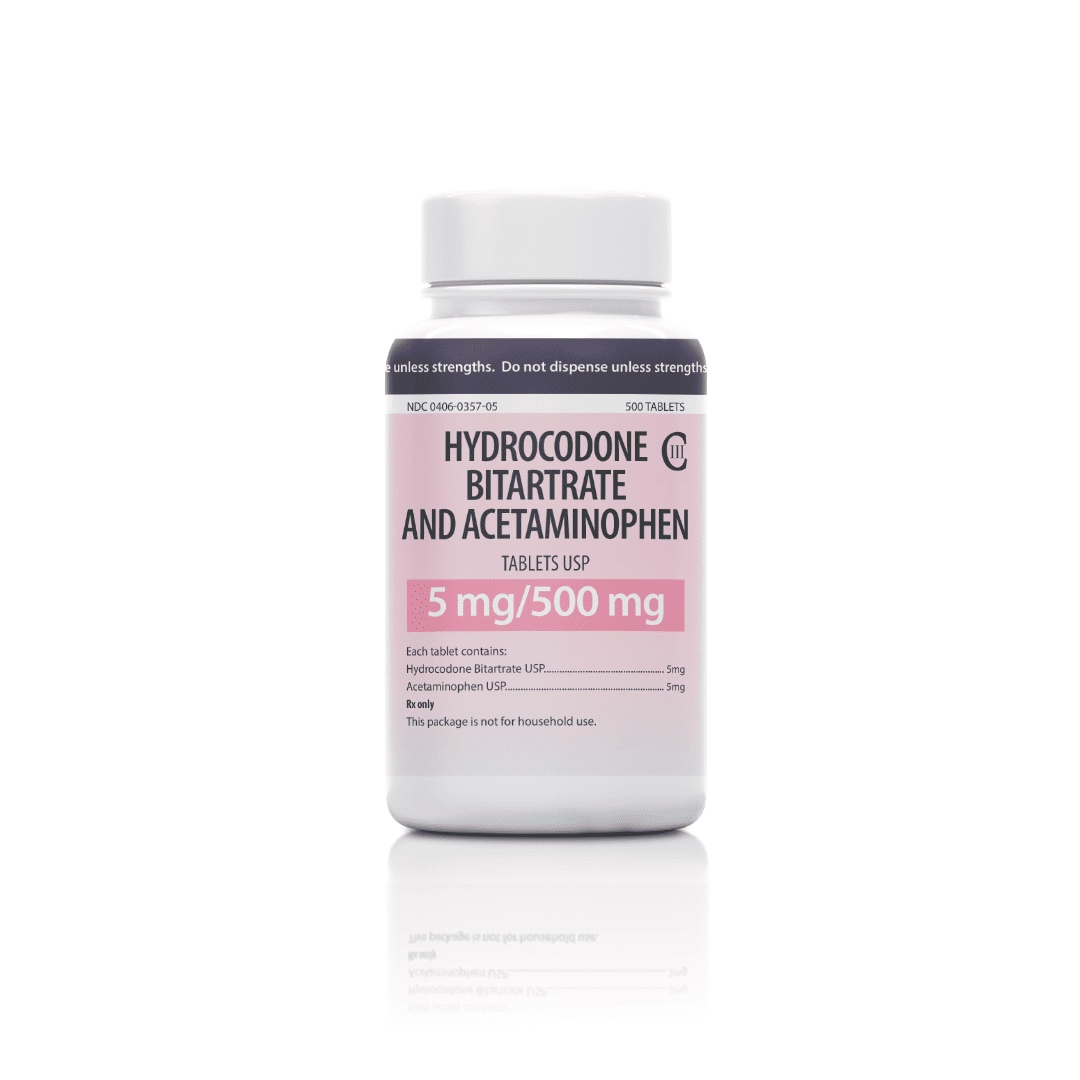 Buy Hydrocodone Online
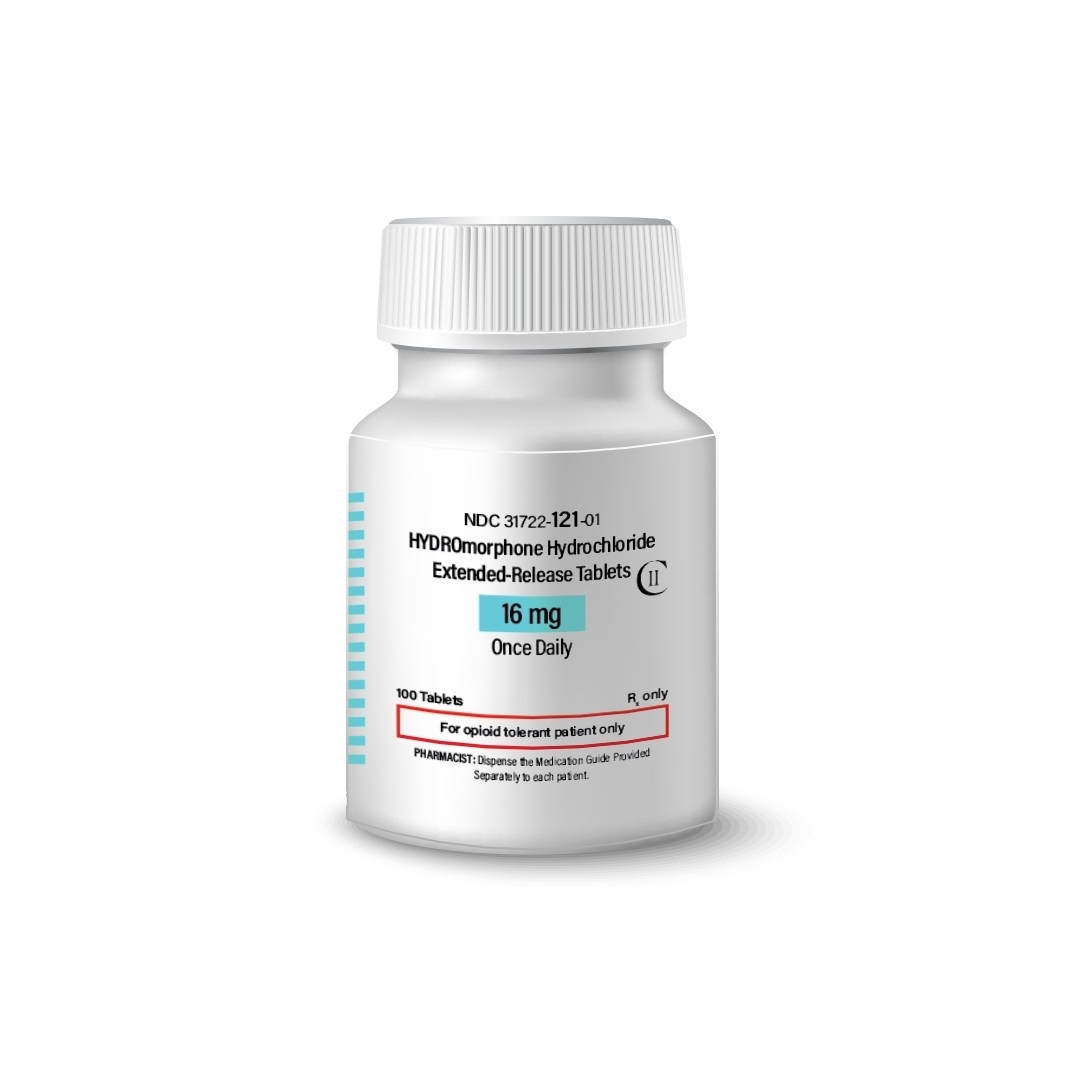 Buy Hydromorphone Online
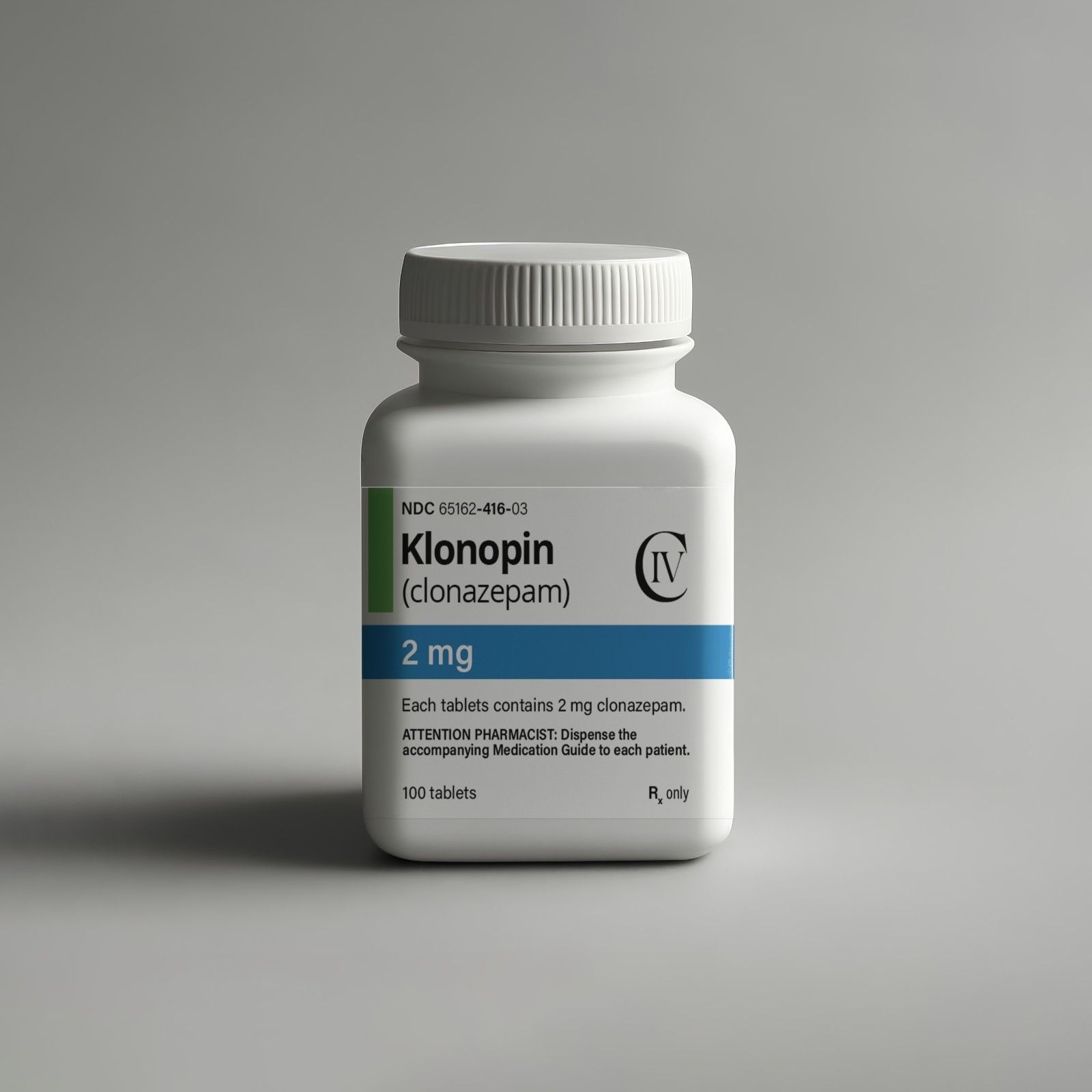 Buy Klonopin Online
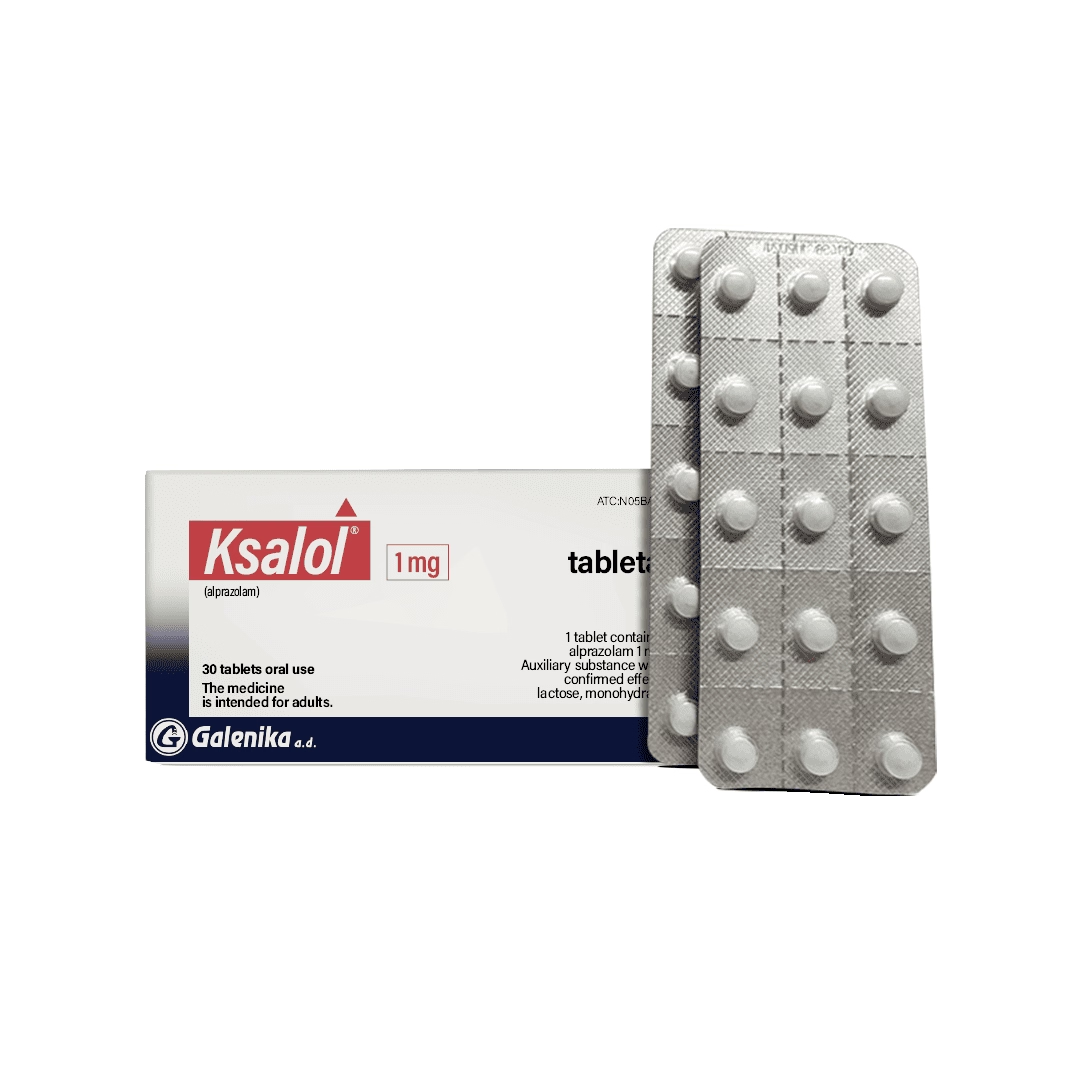 Buy Ksalol Online
 Buy Levitra Online
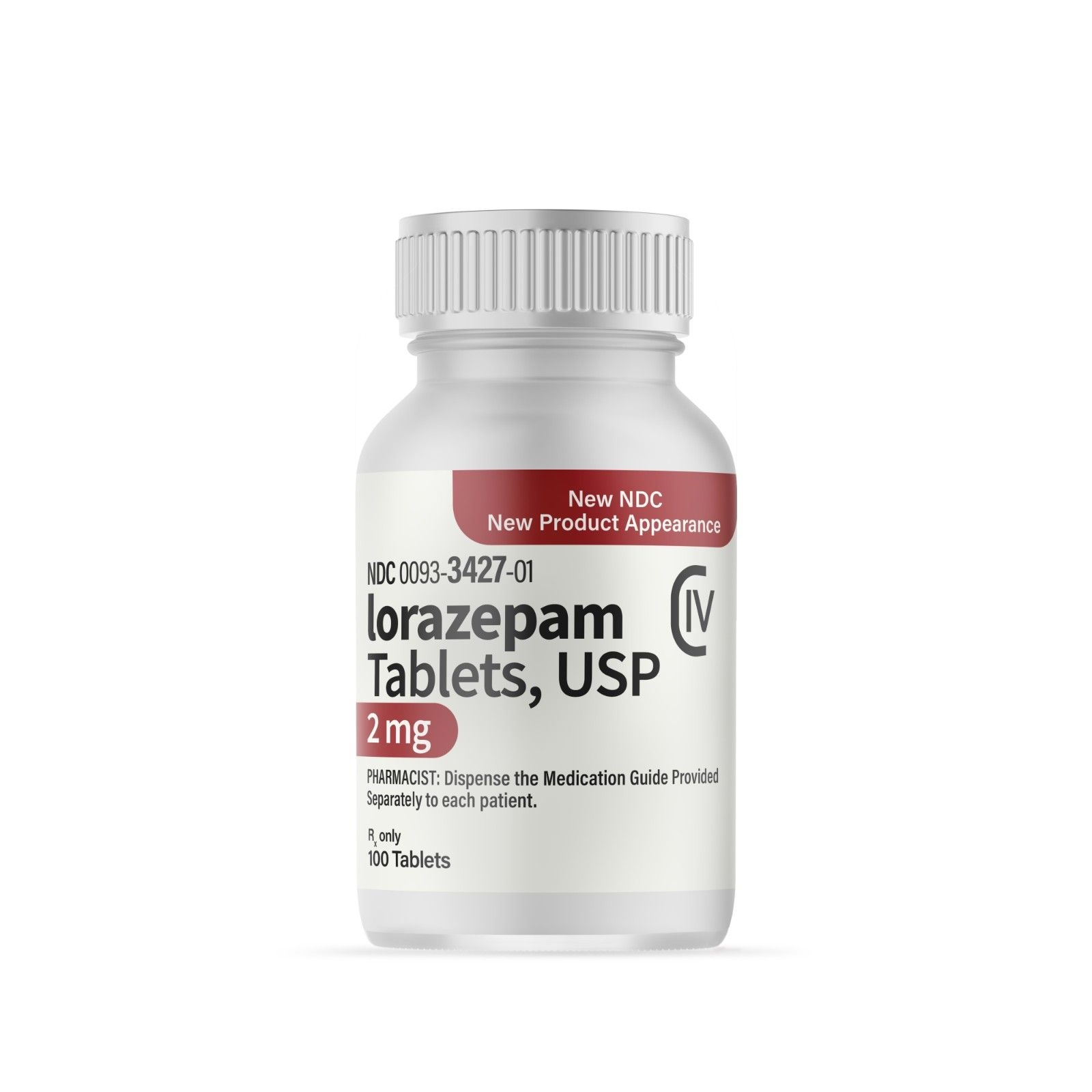 Buy Lorazepam Online
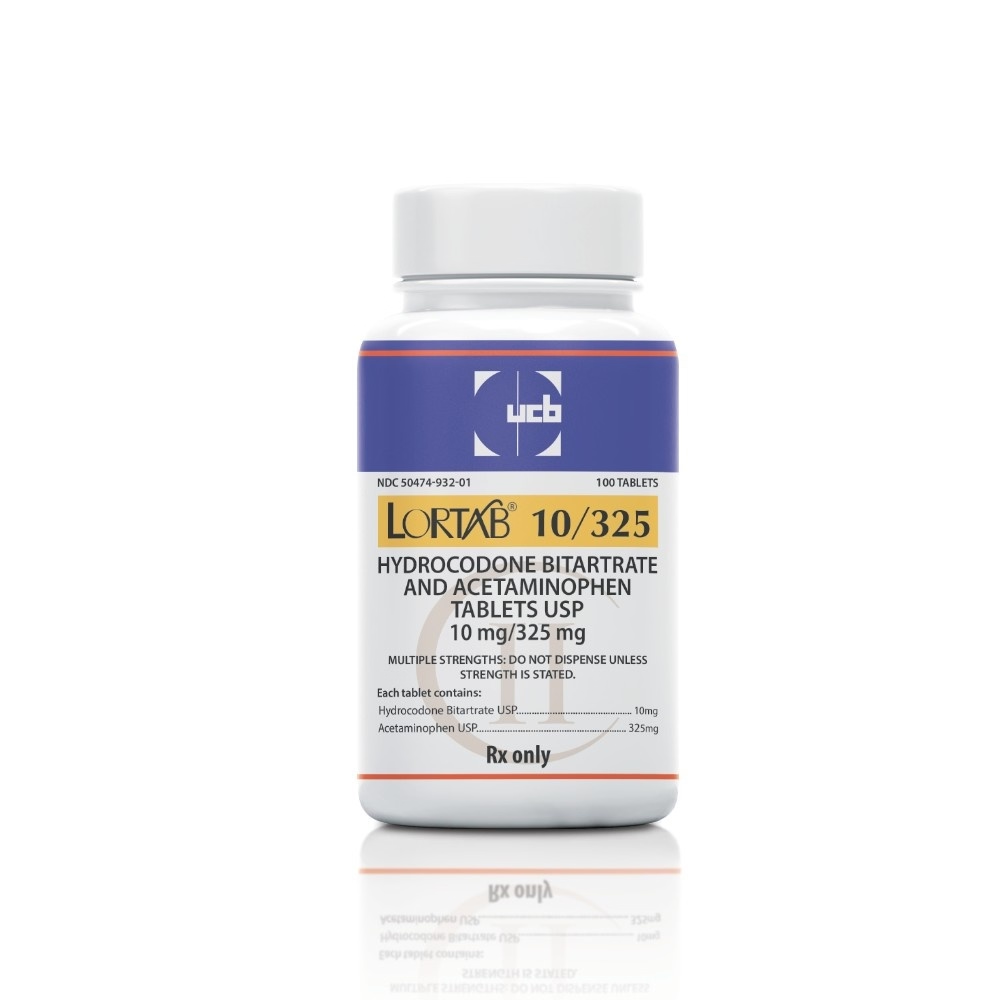 Buy Lortab Online
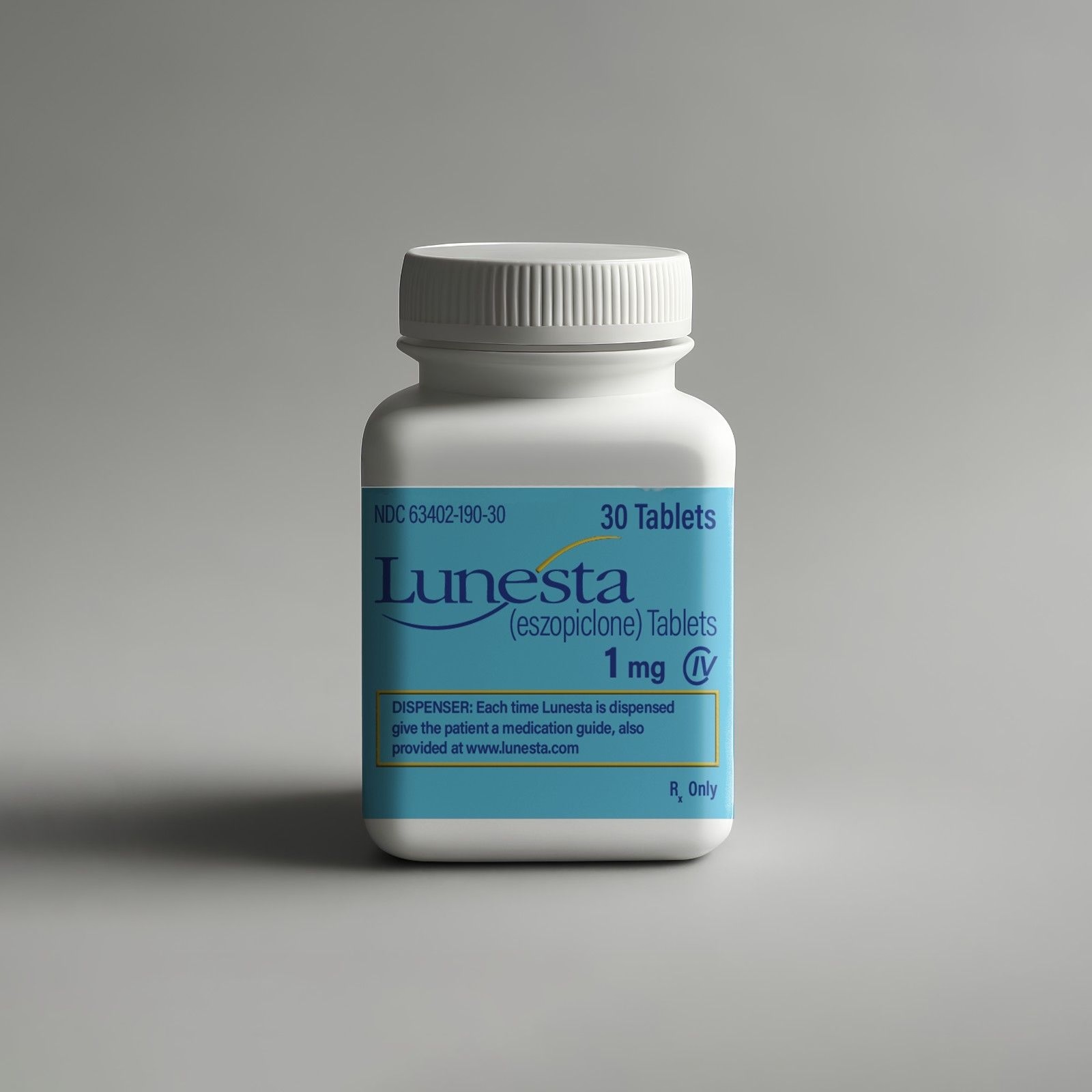 Buy Lunesta Online
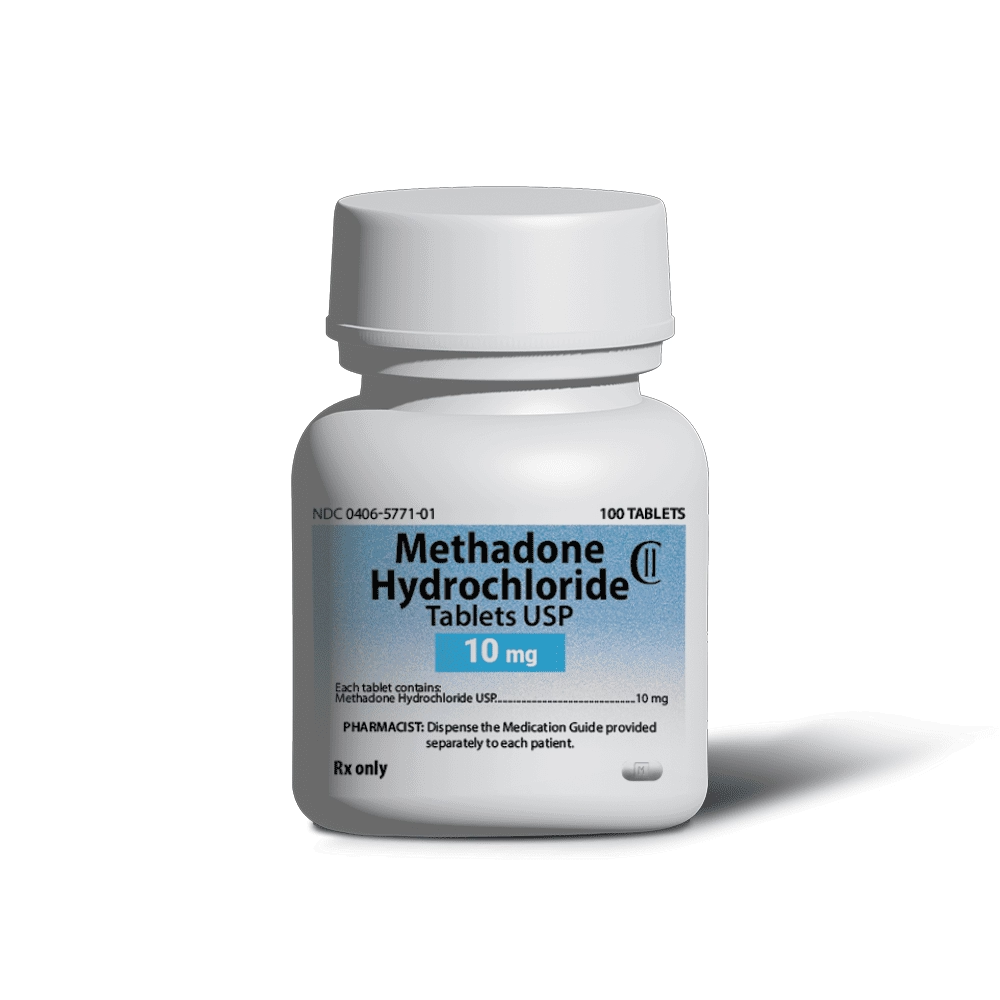 Buy Methadone Online
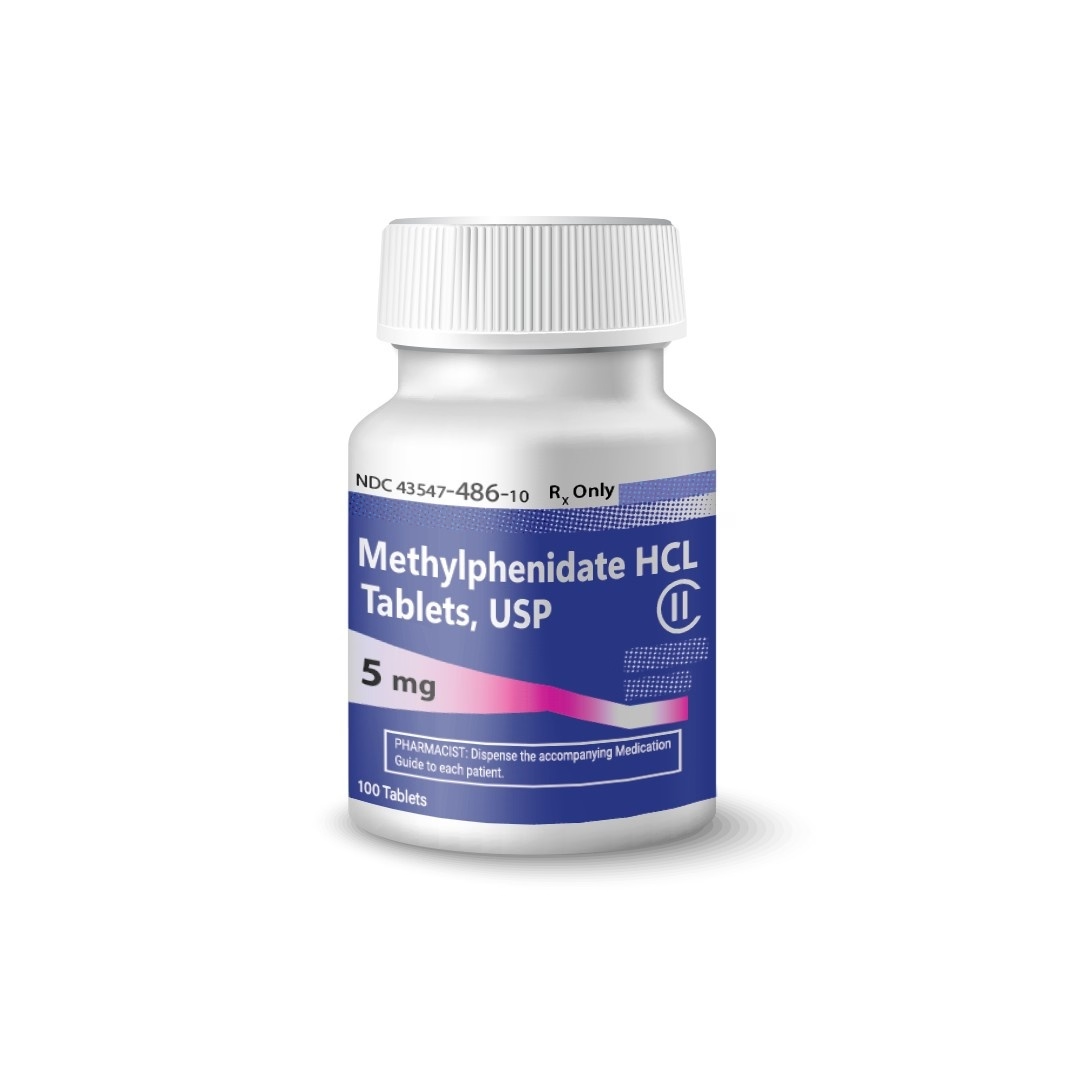 Buy Methylphenidate Online
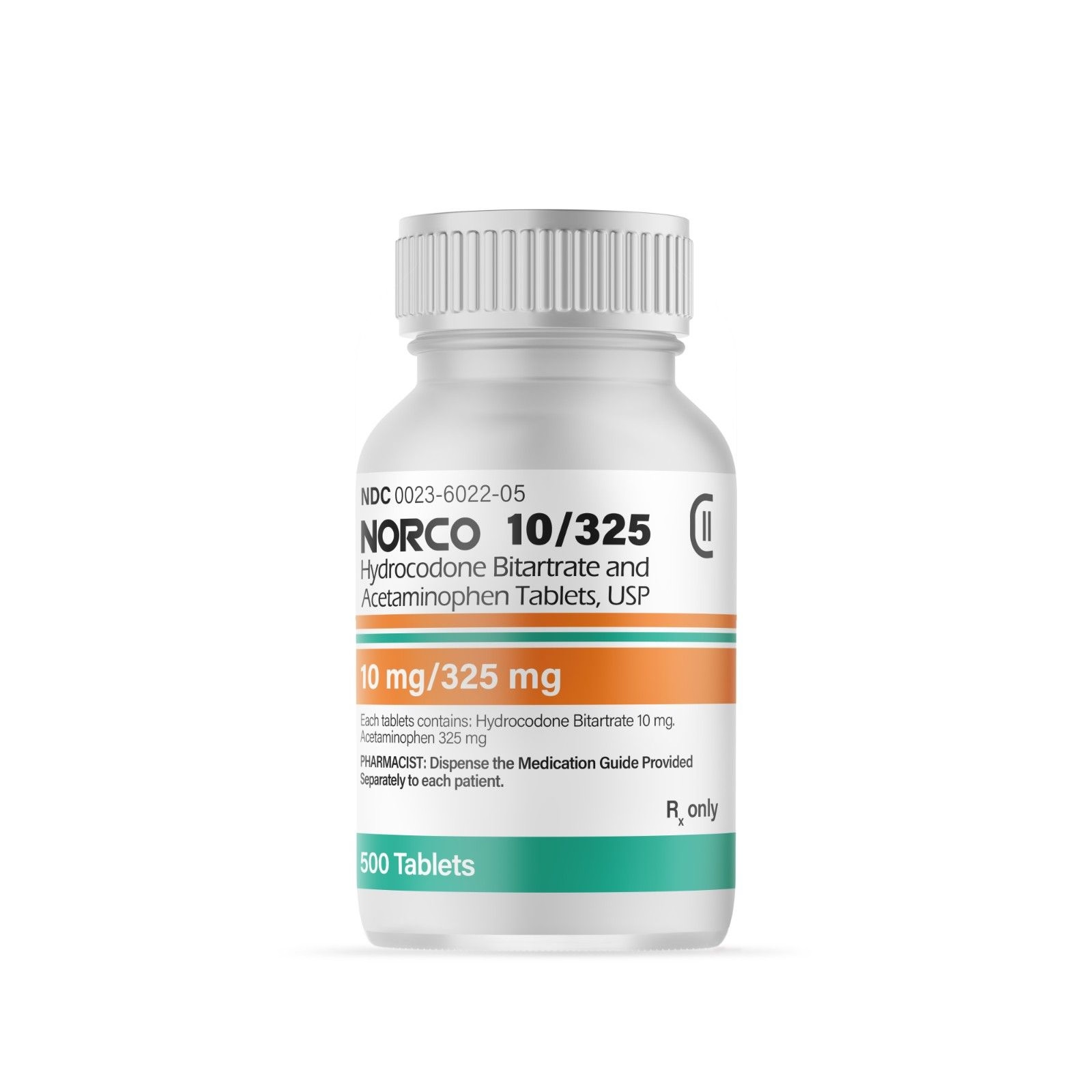 Buy Norco Online
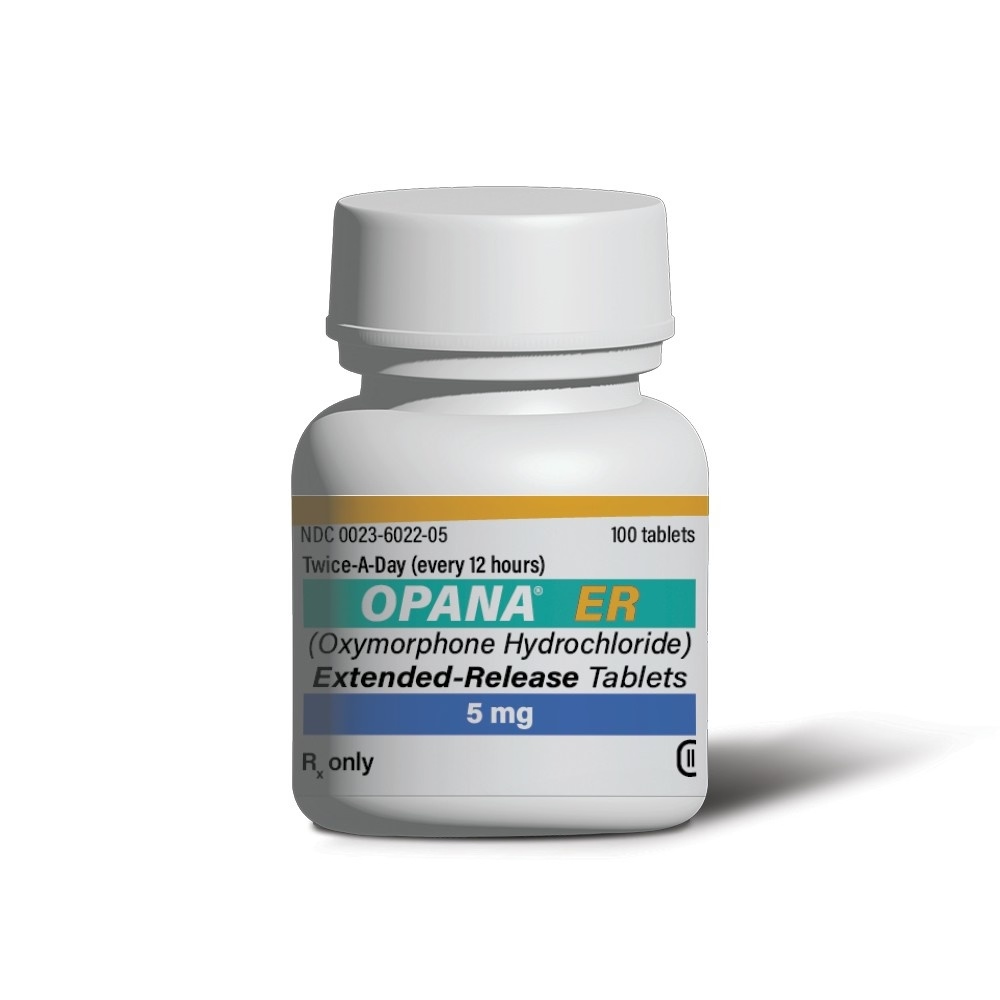 Buy Opana ER Online
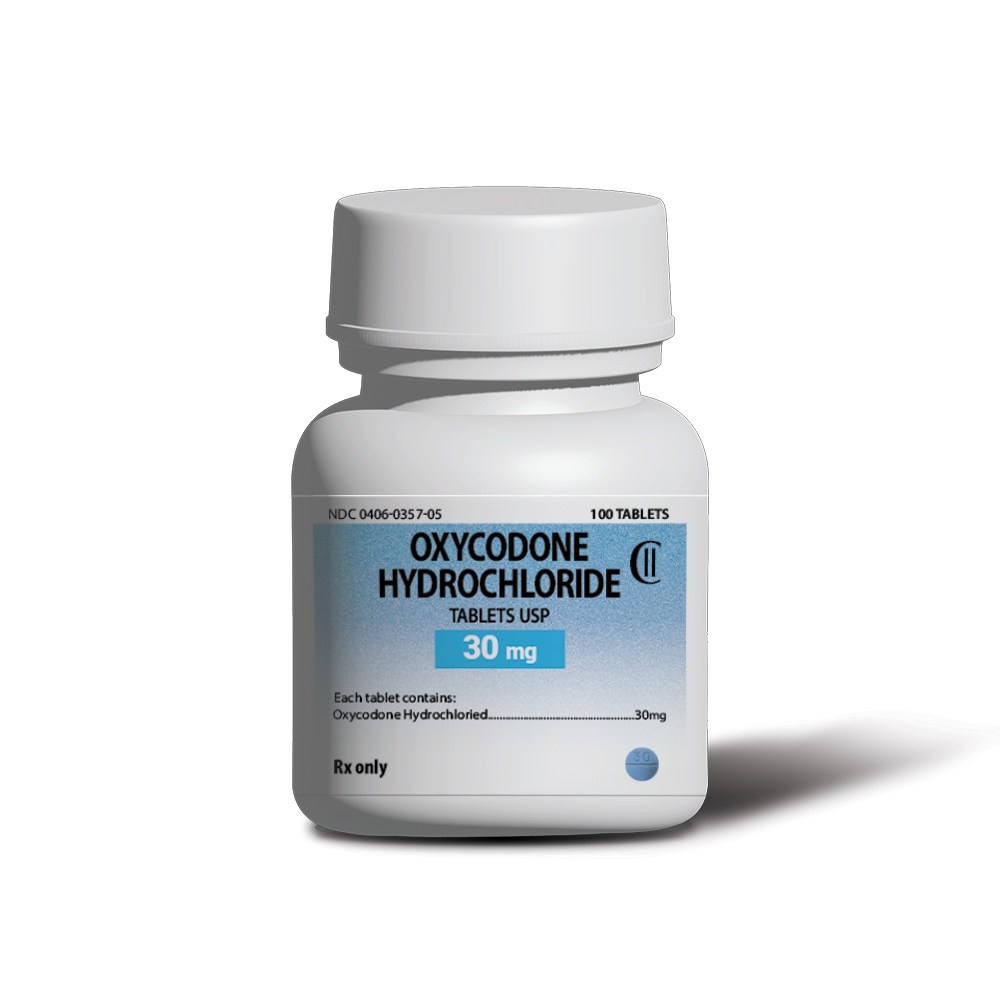 Buy Oxycodone Online
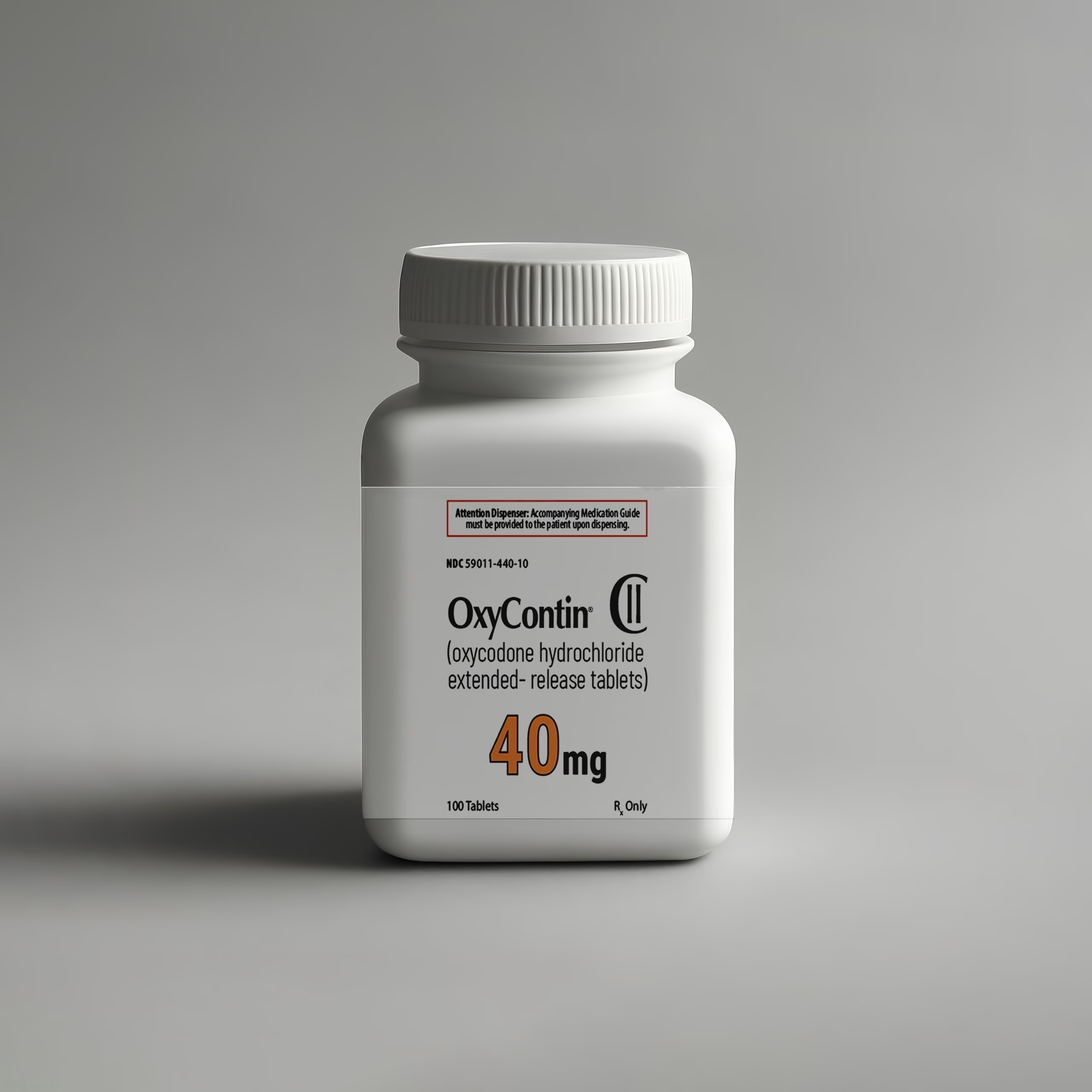 Buy Oxycontin Online
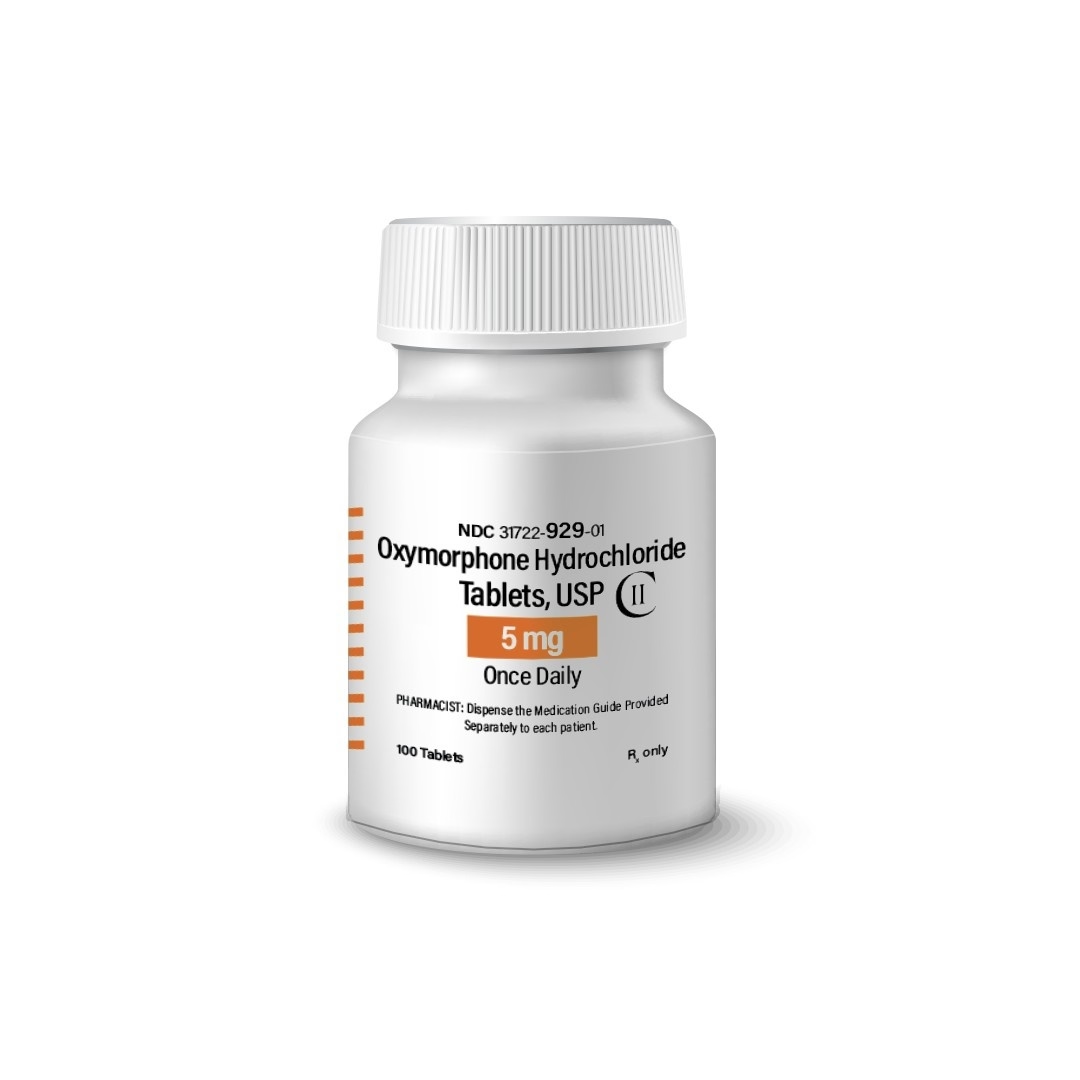 Buy Oxymorphone Online
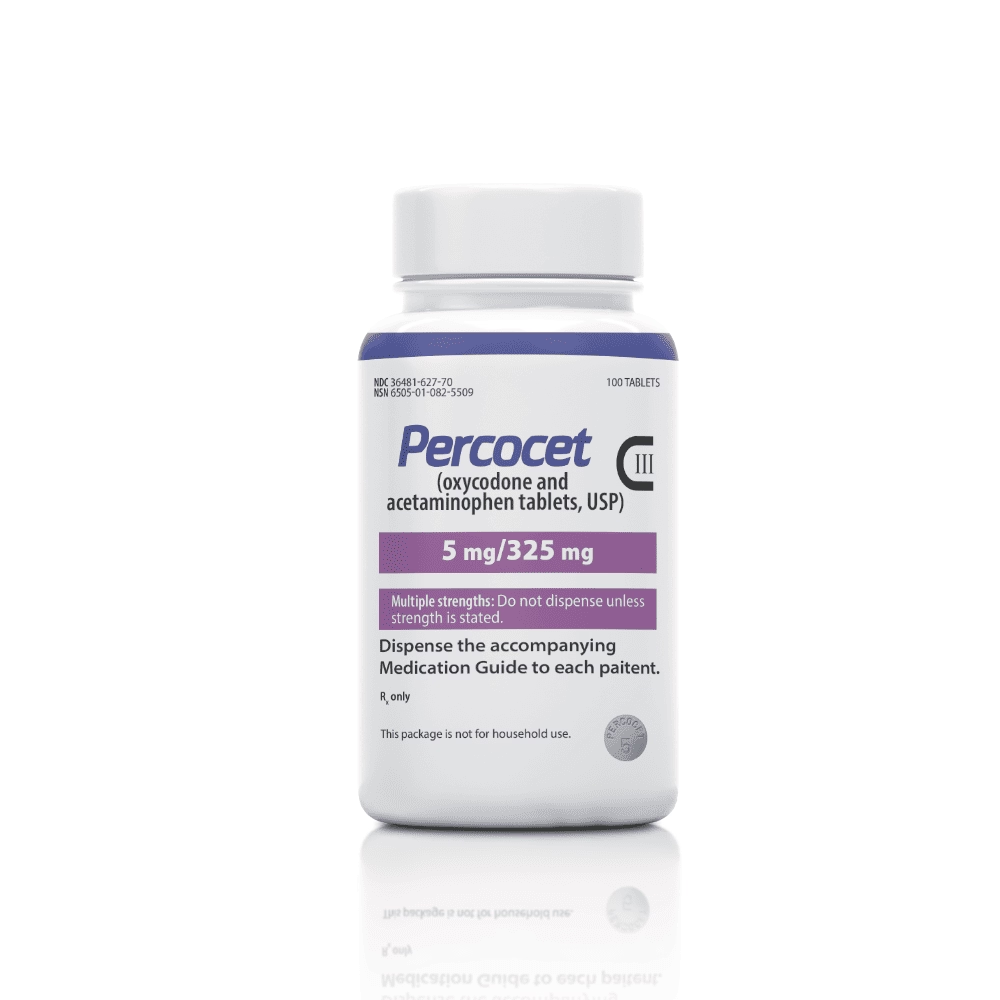 Buy Percocet Online
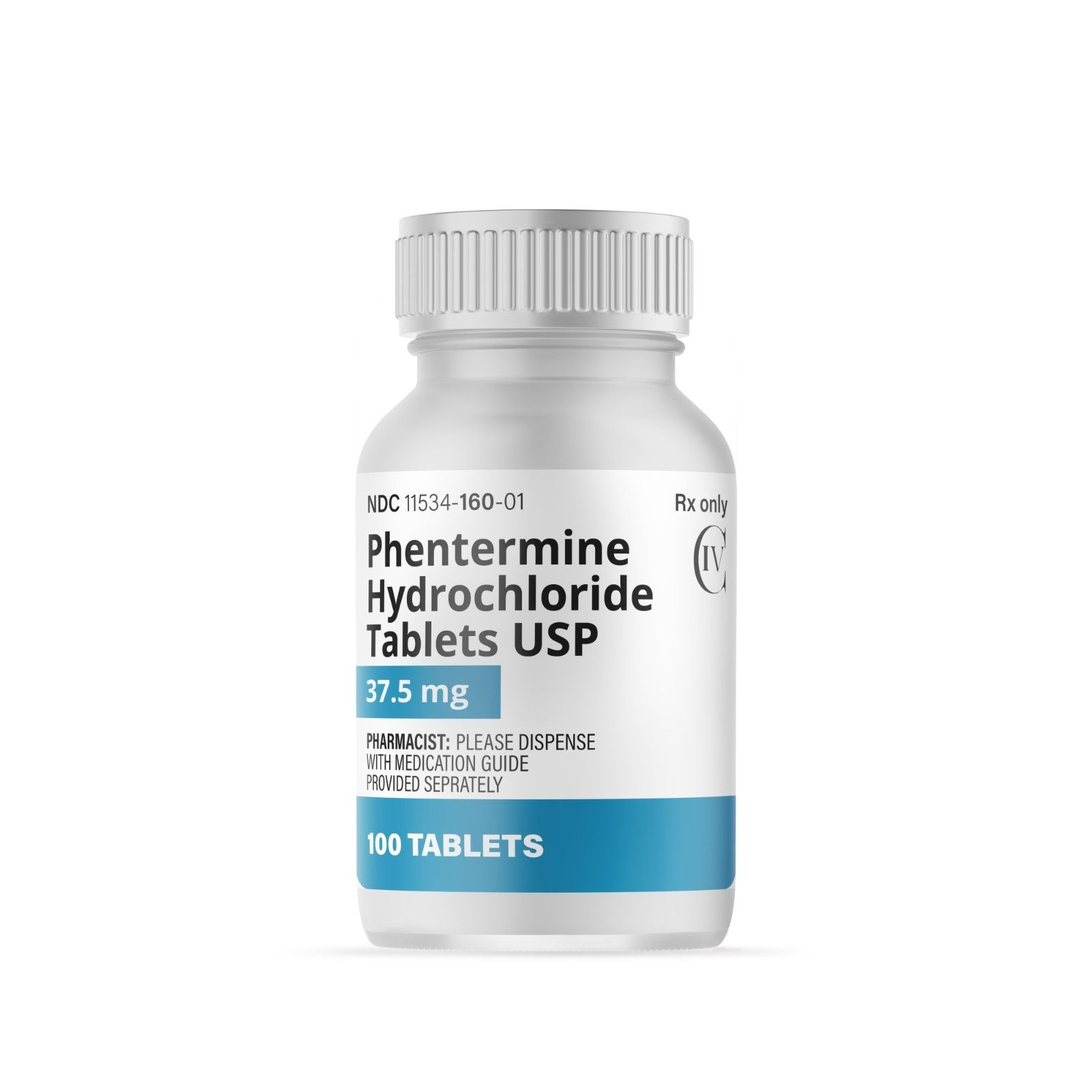 Buy Phentermine Online
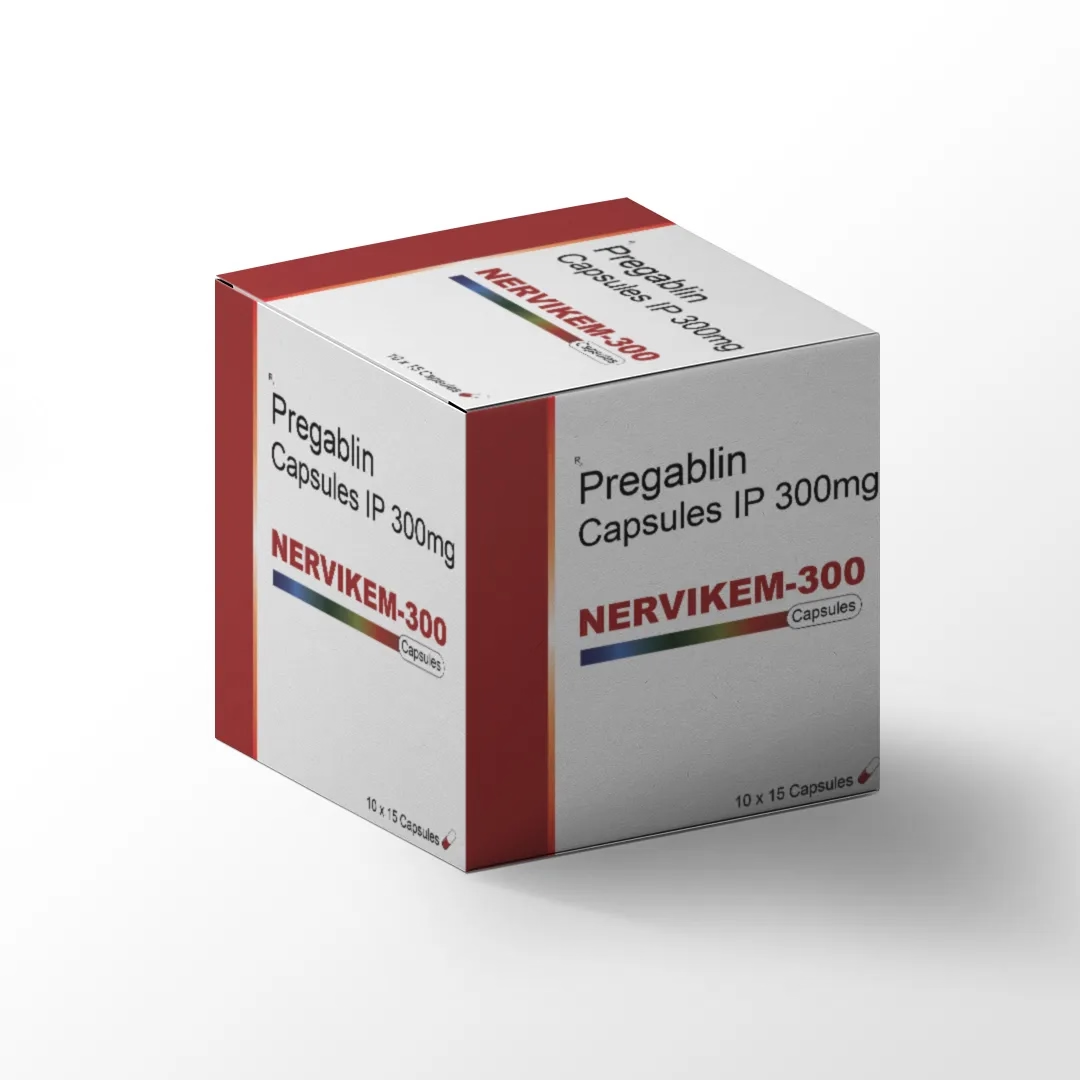 Buy Pregabalin Online
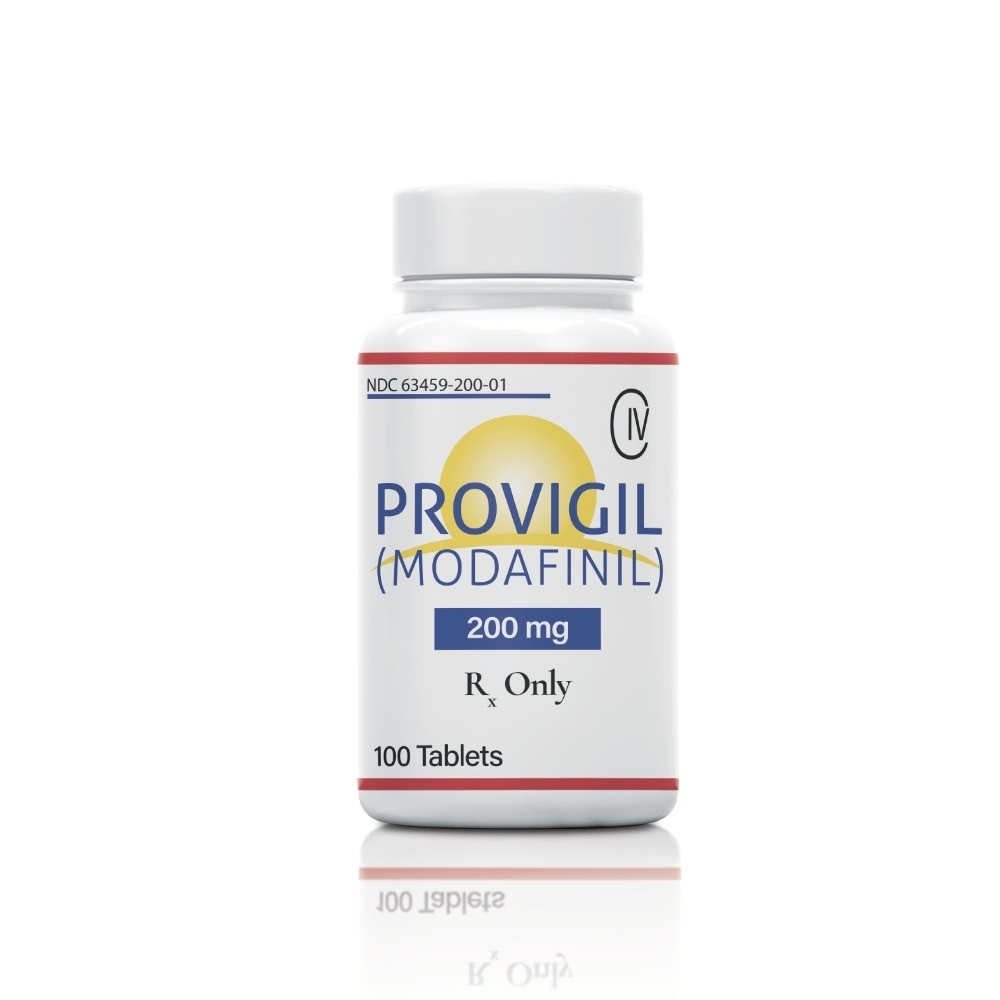 Buy Provigil Online
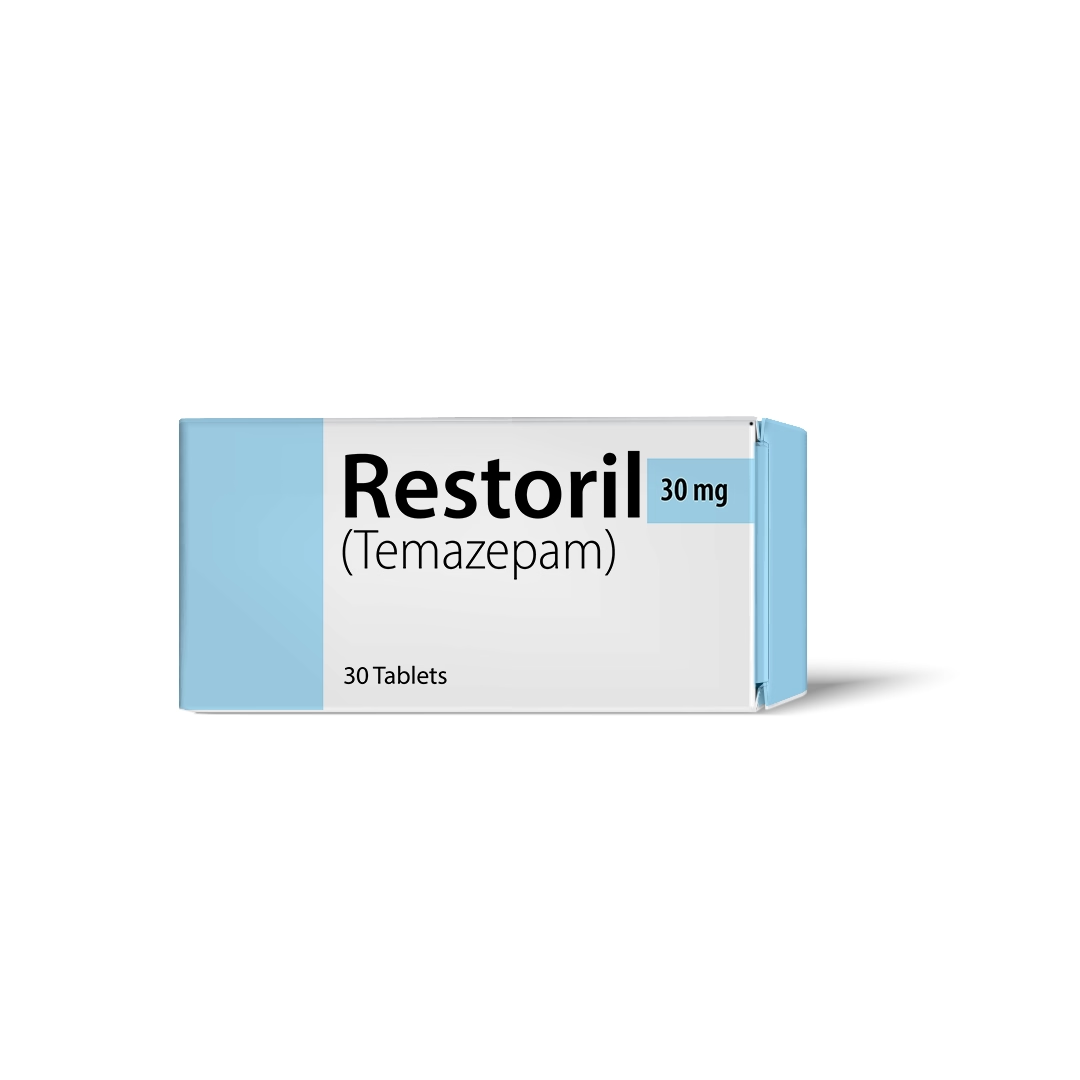 Buy Restoril Online
 Buy Ritalin Online
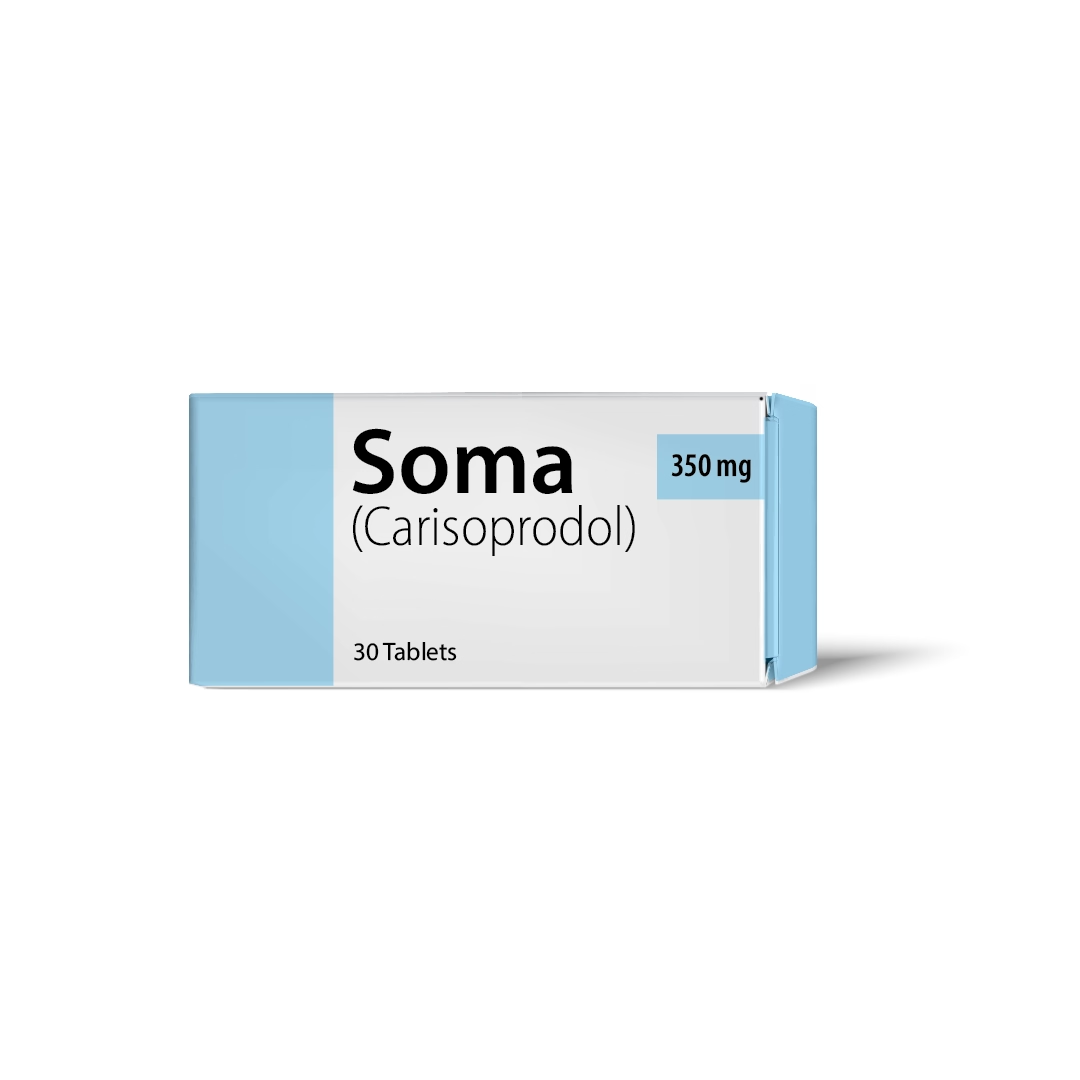 Buy Soma Online
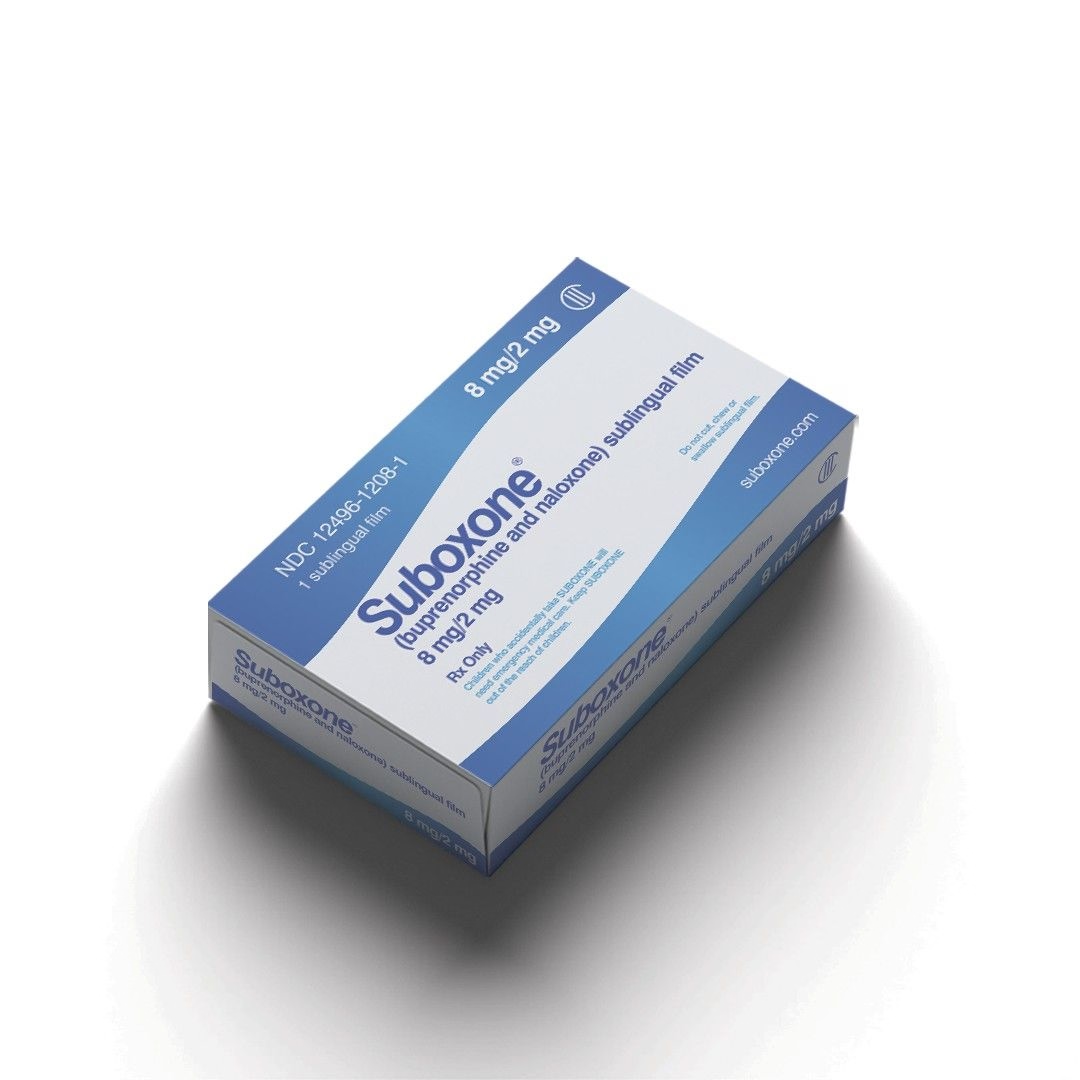 Buy Suboxone Online
 Buy Tramadol Online
 Buy Valium Online
 Buy Viagra Online
 Buy Vicodin Online
 Buy Xanax Online
 Buy Zolpidem Online
Buy Oxycodone Online
Showing all 8 results
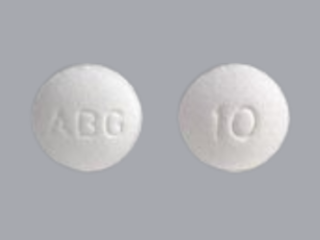
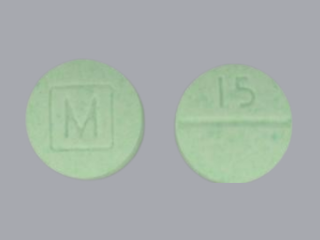
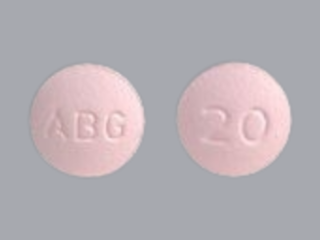
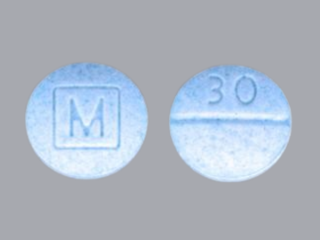
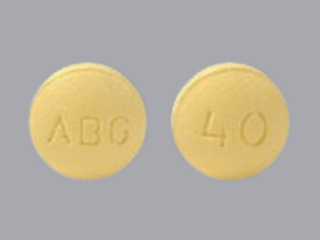
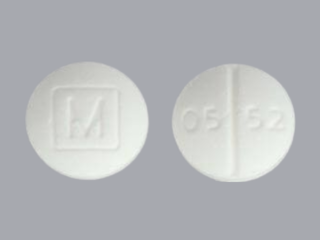
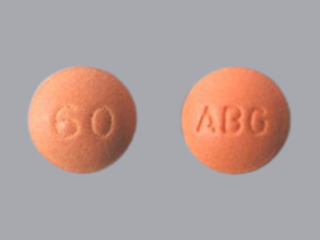
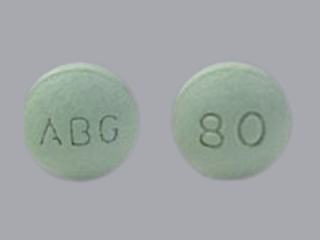
Overview of Oxycodone
Oxycodone is a prescription opioid medication used for managing moderate to severe pain when other pain management options may not provide sufficient relief. It belongs to a class of medicines known as opioid analgesics, which work by affecting pain signals in the central nervous system.
Healthcare providers may prescribe oxycodone for short-term pain following surgery, serious injuries, or certain long-term pain conditions where continuous pain management is required. Because oxycodone can cause dependence, tolerance, and misuse risks, it should only be taken under the supervision of a licensed healthcare professional.
How Oxycodone Works
Oxycodone works by attaching to specific opioid receptors in the brain and spinal cord. These receptors help regulate how the body experiences and responds to pain.
By modifying pain signals, oxycodone may help reduce discomfort and improve daily functioning for eligible patients. The medication can also produce effects such as relaxation or drowsiness, which is why careful medical supervision is important during treatment.
Common Uses of Oxycodone
Doctors may prescribe oxycodone for different types of severe pain, including:
Post-Surgical Pain
After certain surgical procedures, patients may experience significant pain during recovery. In some cases, healthcare providers prescribe opioid medications as part of a broader pain management plan.
Injury-Related Pain
Severe injuries, including fractures or major trauma, may require stronger pain relief options when standard medications are not effective enough.
Chronic Pain Management
Some patients with ongoing pain conditions may receive opioid therapy when other treatments have not provided adequate relief. Treatment decisions are based on individual medical history, risk factors, and response to therapy.
Available Forms and Strengths
Oxycodone may be available in different formulations, including:
- Immediate-release tablets for short-term pain relief
- Extended-release formulations for around-the-clock pain management
- Combination medications containing oxycodone with other pain-relieving ingredients
The appropriate formulation and strength depend on a patient’s condition, previous medication history, and healthcare provider’s recommendations.
Dosage Information
Oxycodone dosage varies from person to person. Doctors consider several factors before prescribing, including:
- Severity and type of pain
- Previous opioid exposure
- Age and overall health condition
- Kidney and liver function
- Other medications being used
Patients should never adjust their dose, increase frequency, or stop treatment suddenly without medical advice.
Possible Side Effects
Like all prescription medications, oxycodone may cause side effects.
Common Side Effects
Some commonly reported effects include:
- Drowsiness
- Dizziness
- Nausea
- Vomiting
- Constipation
- Dry mouth
- Fatigue
- Headache
Serious Side Effects
Seek medical attention if serious symptoms occur, such as:
- Slow or difficult breathing
- Severe allergic reactions
- Extreme confusion
- Fainting
- Severe weakness
- Signs of overdose
Important Safety Warnings
Before using oxycodone, patients should discuss their complete medical history with their healthcare provider.
Important considerations include:
Risk of Dependence
Long-term opioid use may lead to physical dependence or tolerance. Medical monitoring helps reduce potential risks.
Drug Interactions
Oxycodone may interact with other substances, including:
- Alcohol
- Sedatives
- Certain anxiety medications
- Other opioid medicines
Combining these substances may increase the risk of dangerous side effects.
Pregnancy and Breastfeeding
Patients who are pregnant, planning pregnancy, or breastfeeding should discuss potential risks and benefits with a healthcare professional.
Liver and Kidney Conditions
People with liver or kidney problems may require special monitoring because these conditions can affect how the body processes medication.
Storage and Handling
To maintain medication safety:
- Store medicine at room temperature as directed.
- Keep medication away from children and pets.
- Avoid sharing prescription medication with others.
- Dispose of unused medication through approved medication disposal programs.
Responsible Use of Oxycodone
Safe opioid treatment involves:
- Taking medication exactly as prescribed
- Following scheduled medical checkups
- Reporting unusual symptoms
- Avoiding alcohol or unauthorized substances
- Discussing any concerns with a healthcare provider
Frequently Asked Questions
Is oxycodone a prescription medication?
Yes. Oxycodone is a prescription opioid medication that requires medical evaluation and professional guidance.
How long does oxycodone stay in the body?
The duration can vary depending on the formulation, dosage, metabolism, and individual health factors.
Can oxycodone cause dependence?
Yes. Opioids can cause physical dependence and tolerance, especially with prolonged use. Medical supervision is important for safer treatment.
Conclusion
Oxycodone can provide effective pain relief for certain patients when used appropriately under professional medical guidance. Understanding its benefits, possible risks, and safety precautions helps patients make informed healthcare decisions.
Always consult a qualified healthcare provider before starting, changing, or stopping oxycodone treatment.
Product Category
-
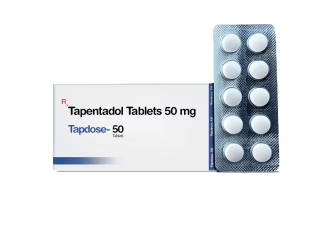 Buy Tapentadol Online
 -
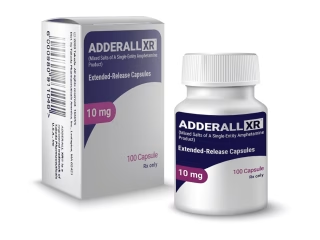 Buy Adderall Online
 -
 Buy Adipex Online
 -
 Buy Alprazolam Online
 -
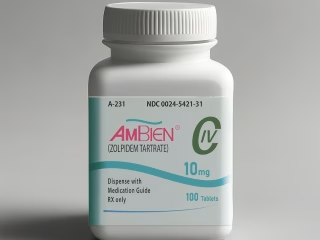 Buy Ambien Online
 -
 Buy Ativan Online
 -
 Buy Belbien Online
 -
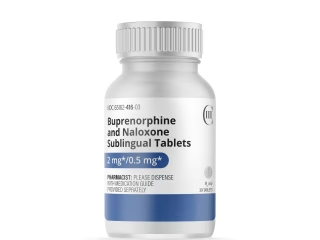 Buy Buprenorphine Online
 -
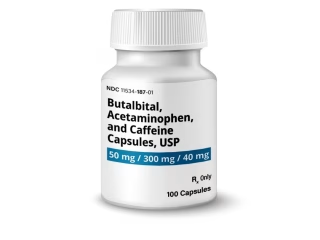 Buy Butalbital Online
 -
 Buy Cialis Online
 -
 Buy Claritin Online
 -
 Buy Clonazepam Online
 -
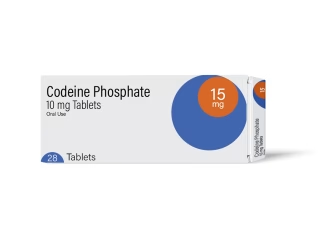 Buy Codeine Online
 -
 Buy Concerta Online
 -
 Buy Diazepam Online
 -
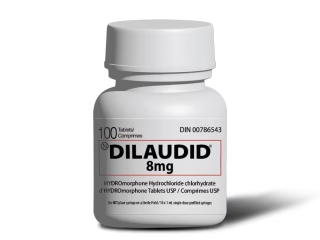 Buy Dilaudid Online
 -
 Buy Farmapram Online
 -
 Buy Fioricet Online
 -
 Buy Gabapentin Online
 -
 Buy Hydrocodone Online
 -
 Buy Hydromorphone Online
 -
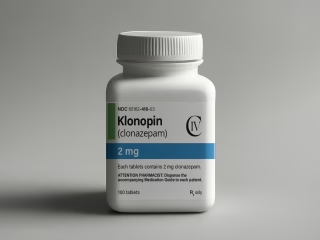 Buy Klonopin Online
 -
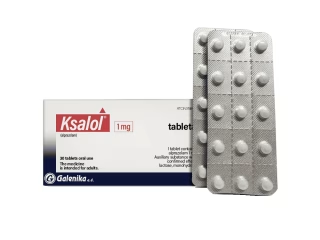 Buy Ksalol Online
 -
 Buy Levitra Online
 -
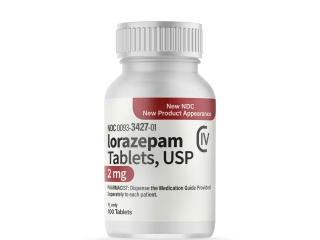 Buy Lorazepam Online
 -
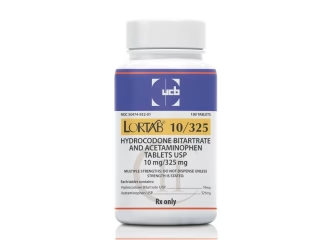 Buy Lortab Online
 -
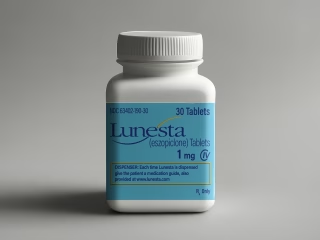 Buy Lunesta Online
 -
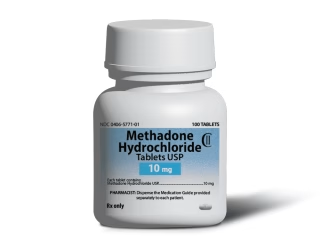 Buy Methadone Online
 -
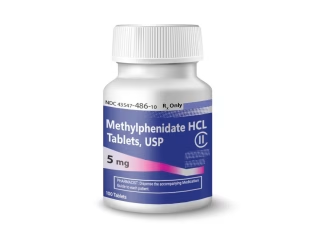 Buy Methylphenidate Online
 -
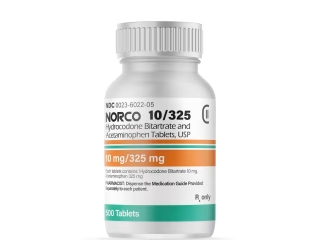 Buy Norco Online
 -
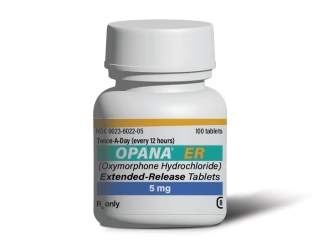 Buy Opana ER Online
 -
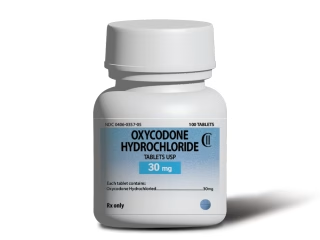 Buy Oxycodone Online
 -
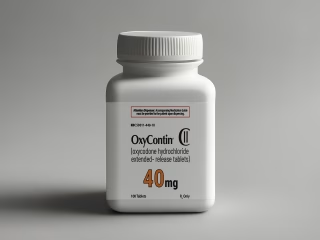 Buy Oxycontin Online
 -
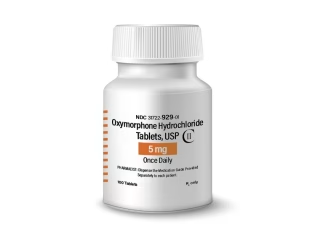 Buy Oxymorphone Online
 -
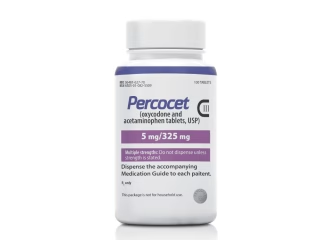 Buy Percocet Online
 -
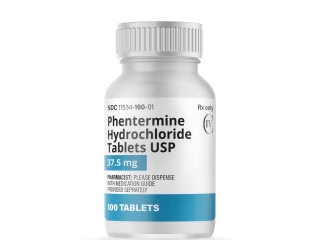 Buy Phentermine Online
 -
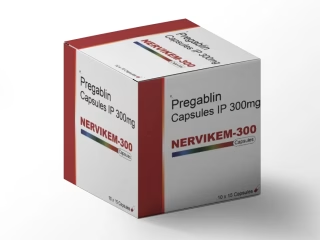 Buy Pregabalin Online
 -
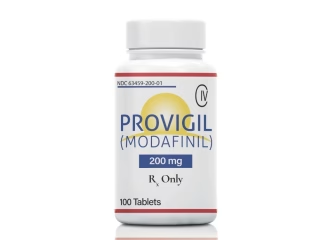 Buy Provigil Online
 -
 Buy Restoril Online
 -
 Buy Ritalin Online
 -
 Buy Soma Online
 -
 Buy Suboxone Online
 -
 Buy Tramadol Online
 -
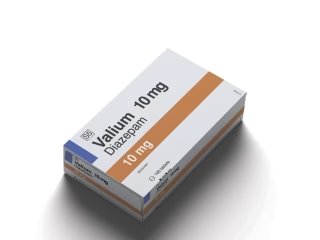 Buy Valium Online
 -
 Buy Viagra Online
 -
 Buy Vicodin Online
 -
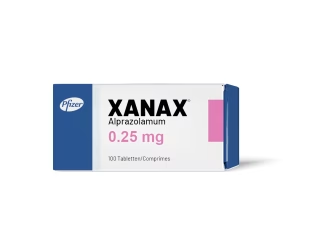 Buy Xanax Online
 -
 Buy Zolpidem Online