
Categories
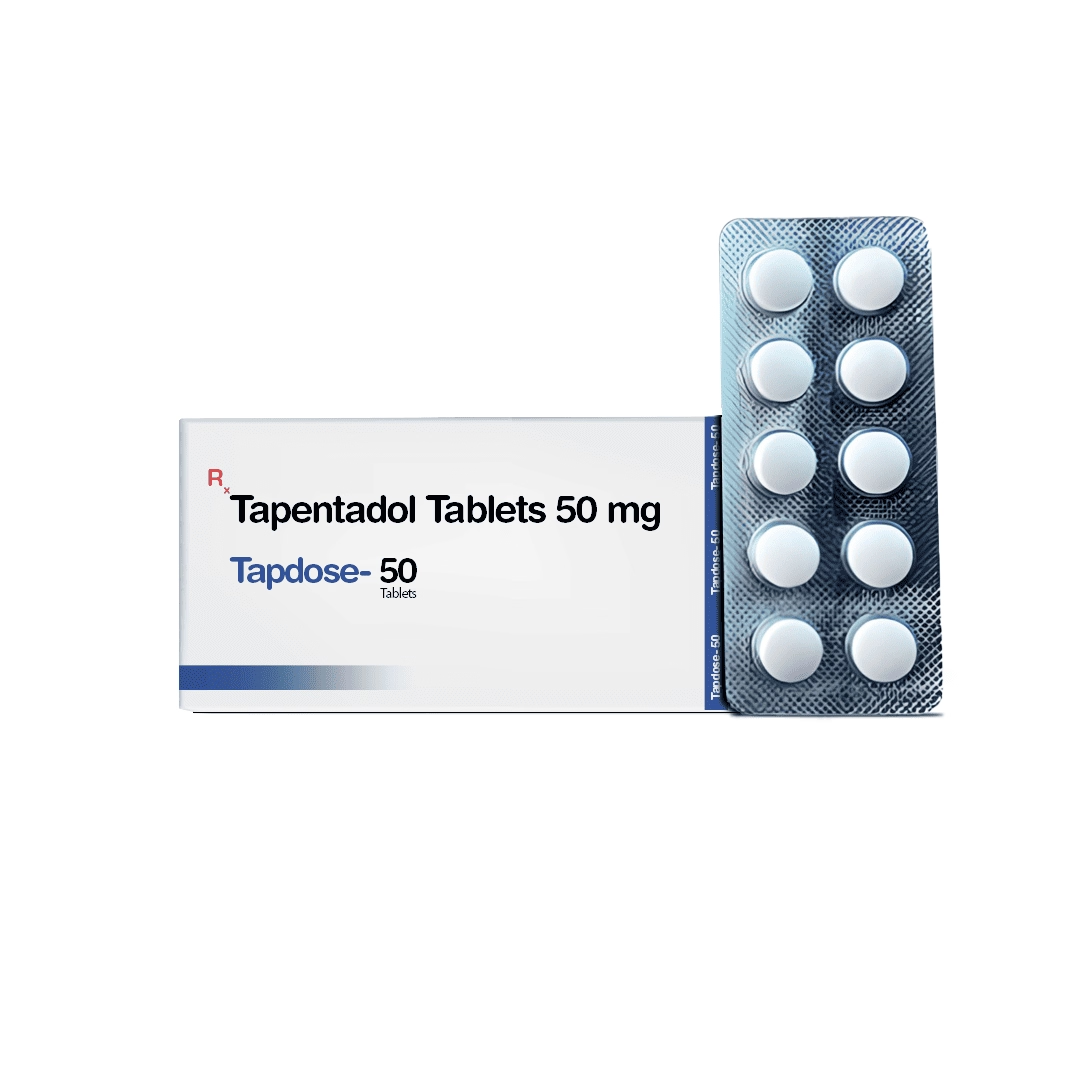 Buy Tapentadol Online
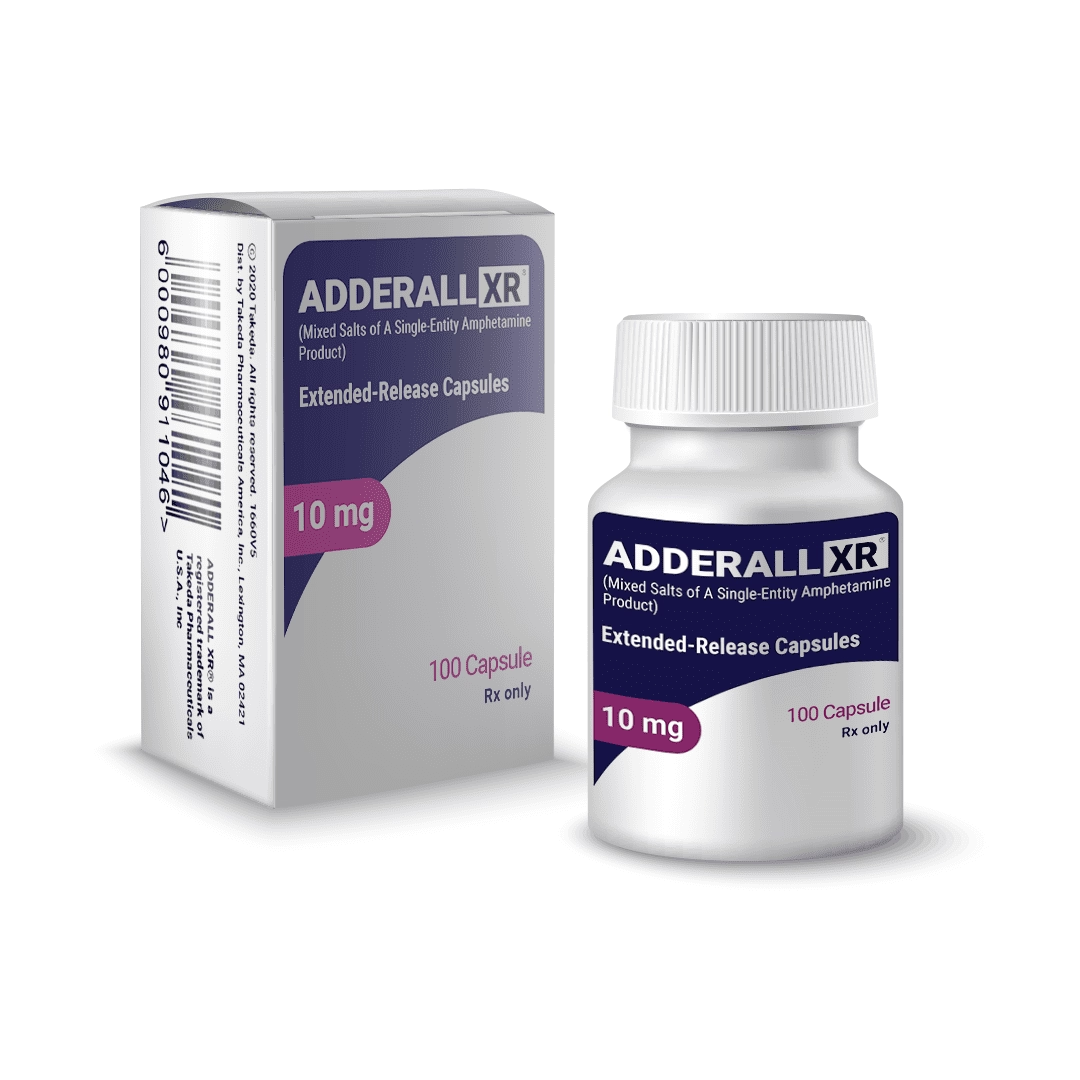 Buy Adderall Online
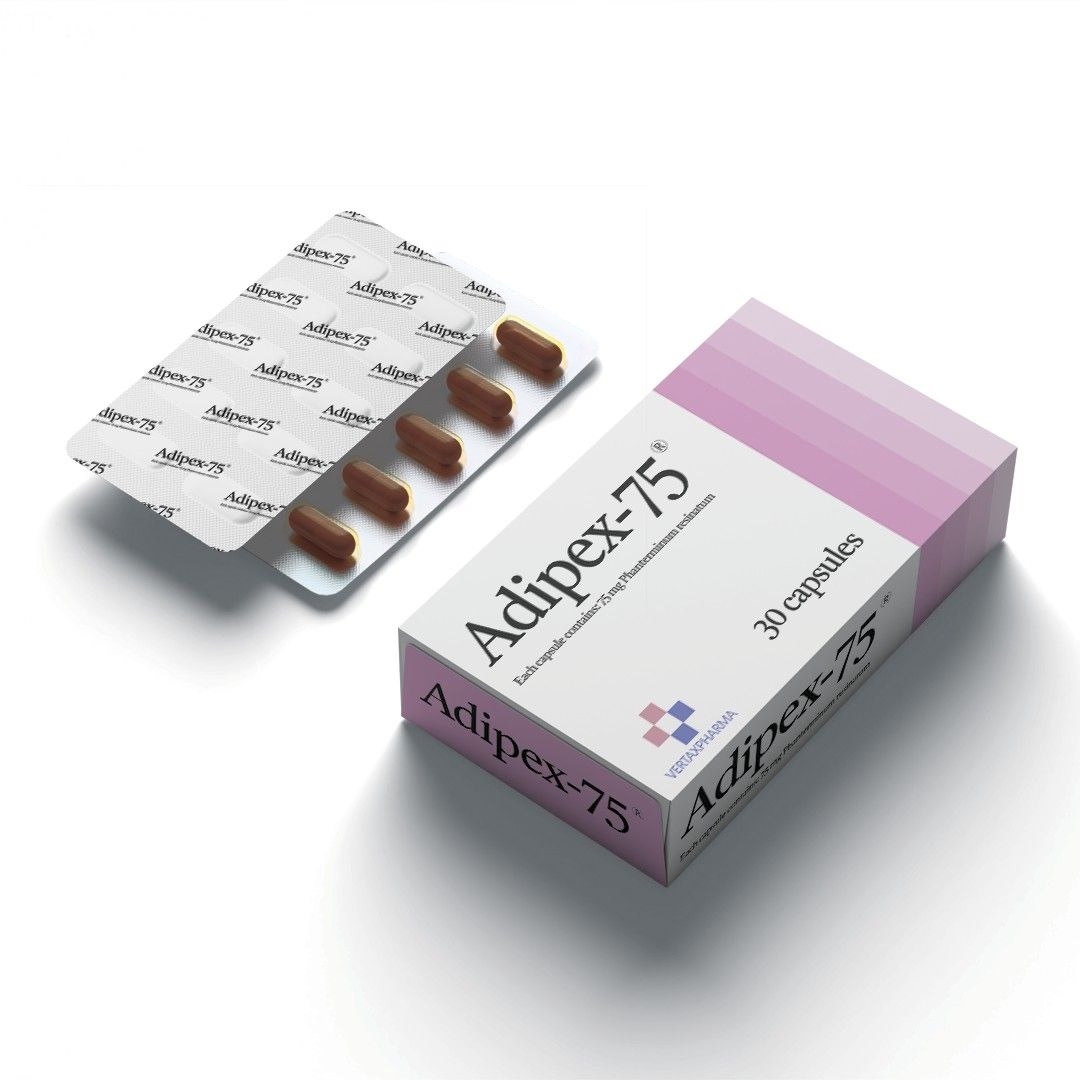 Buy Adipex Online
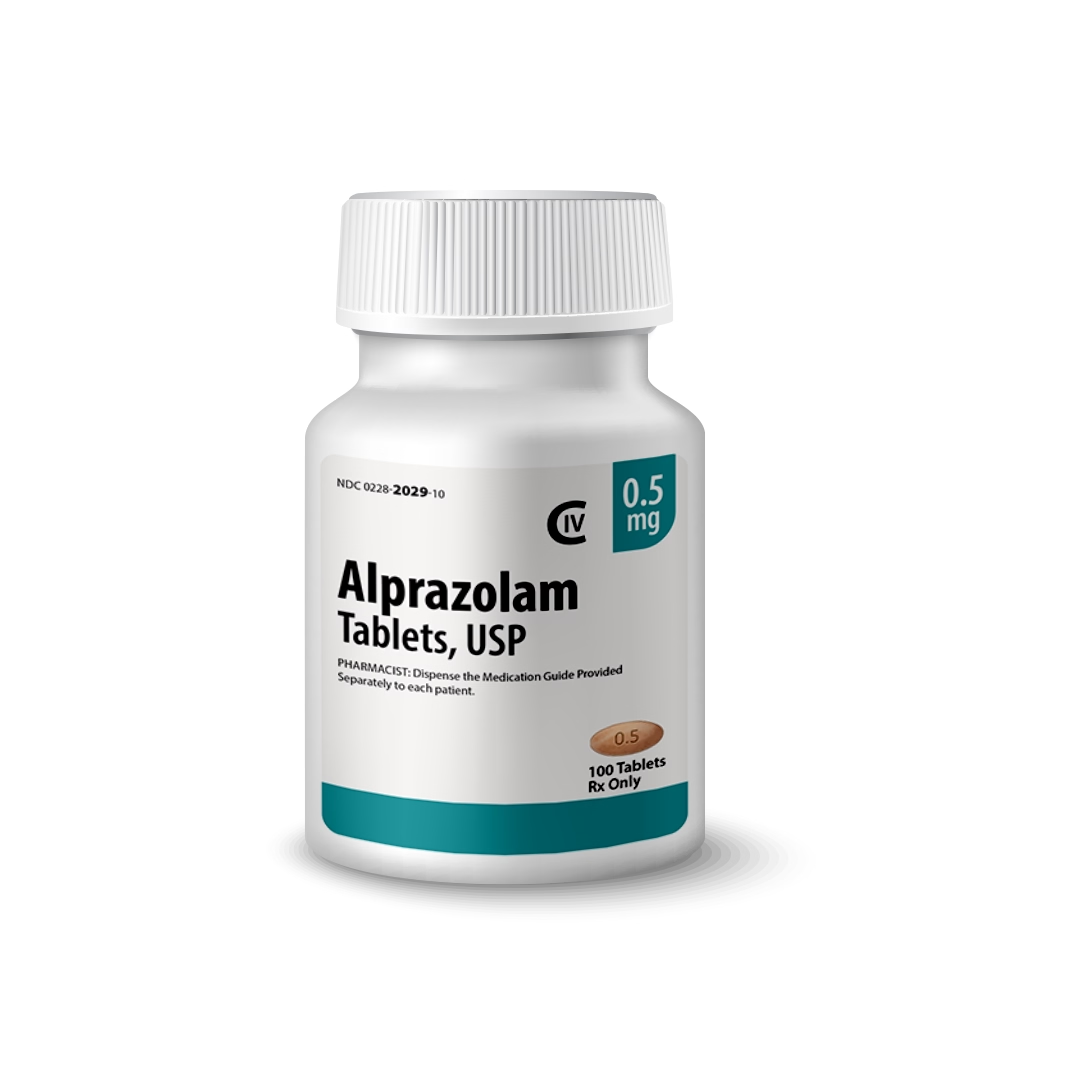 Buy Alprazolam Online
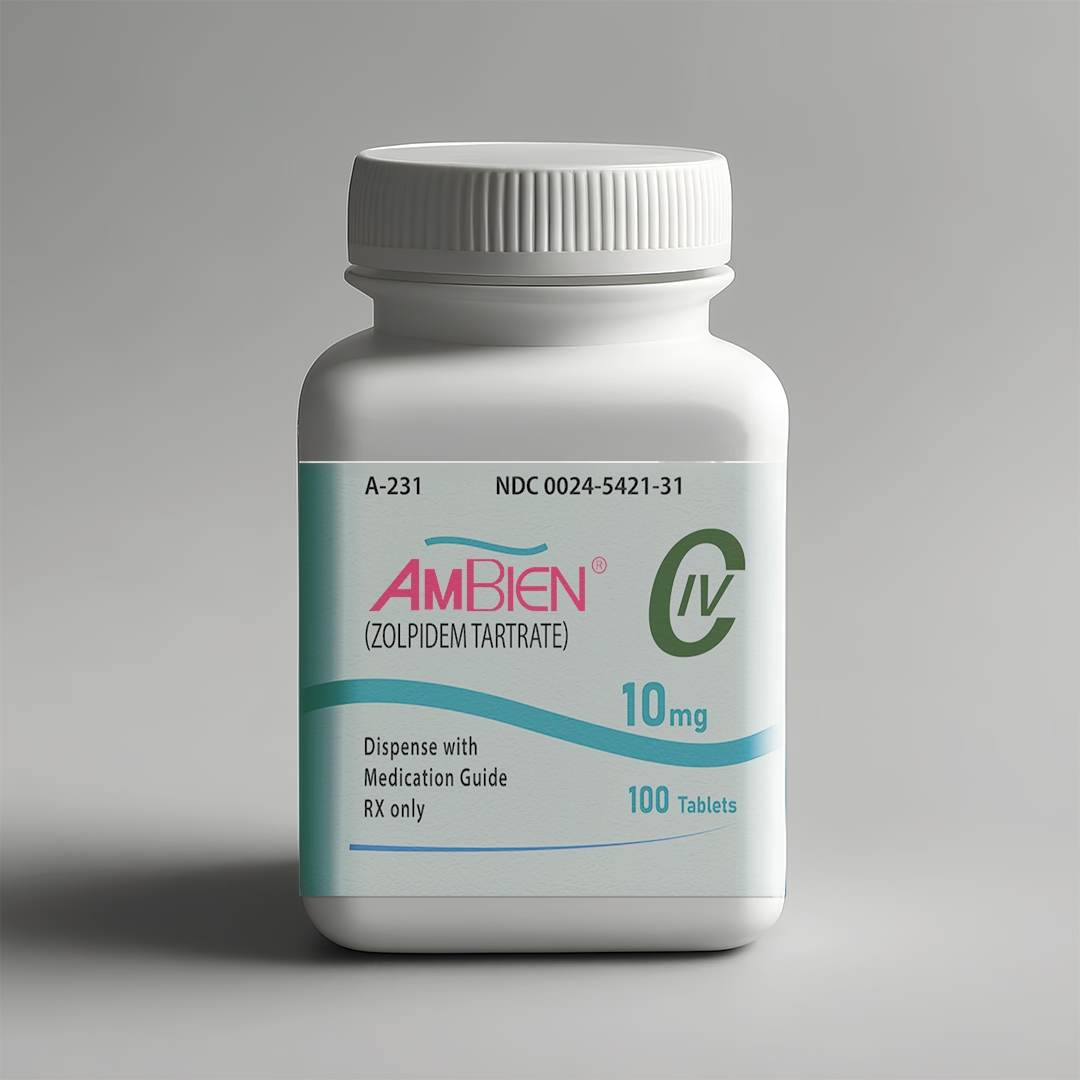 Buy Ambien Online
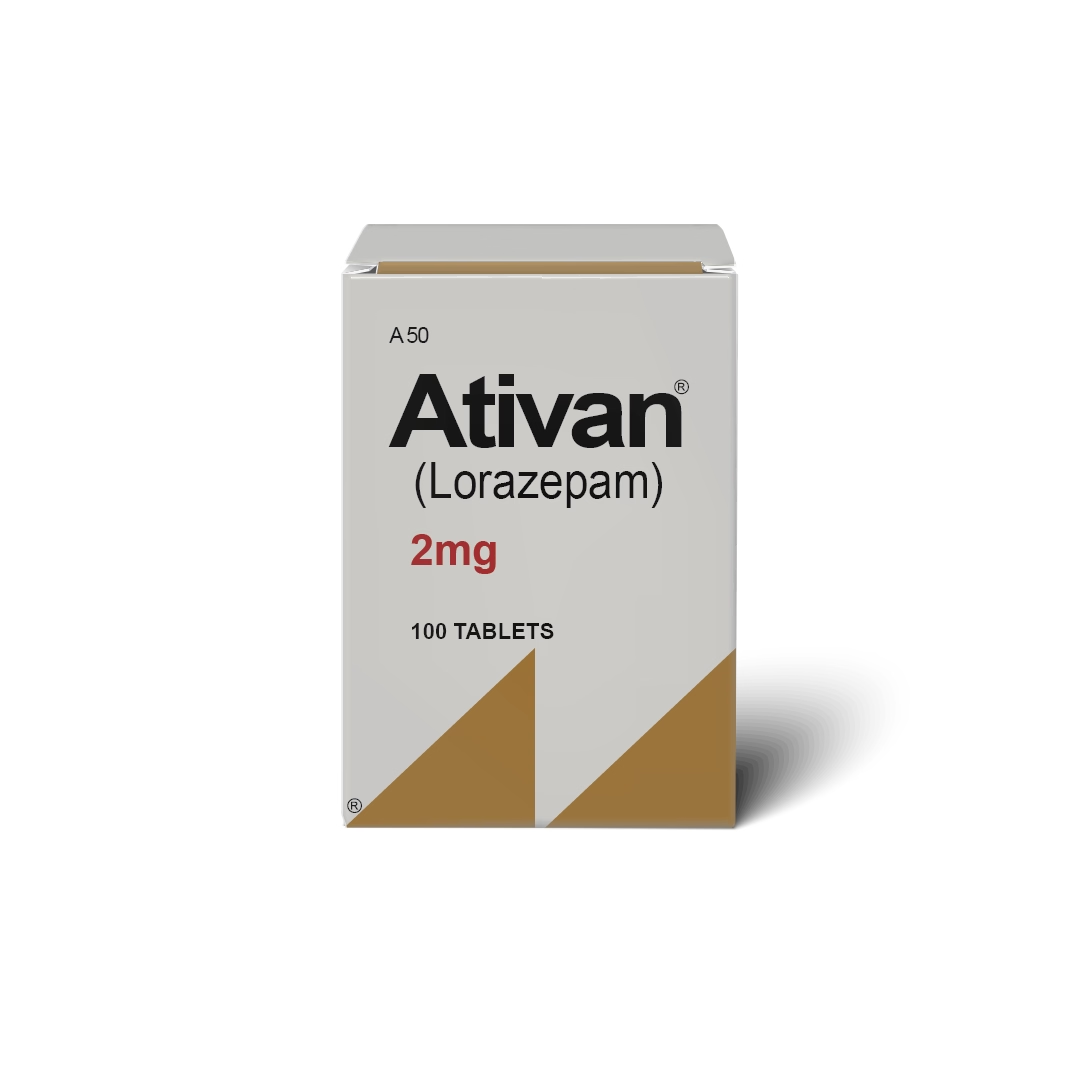 Buy Ativan Online
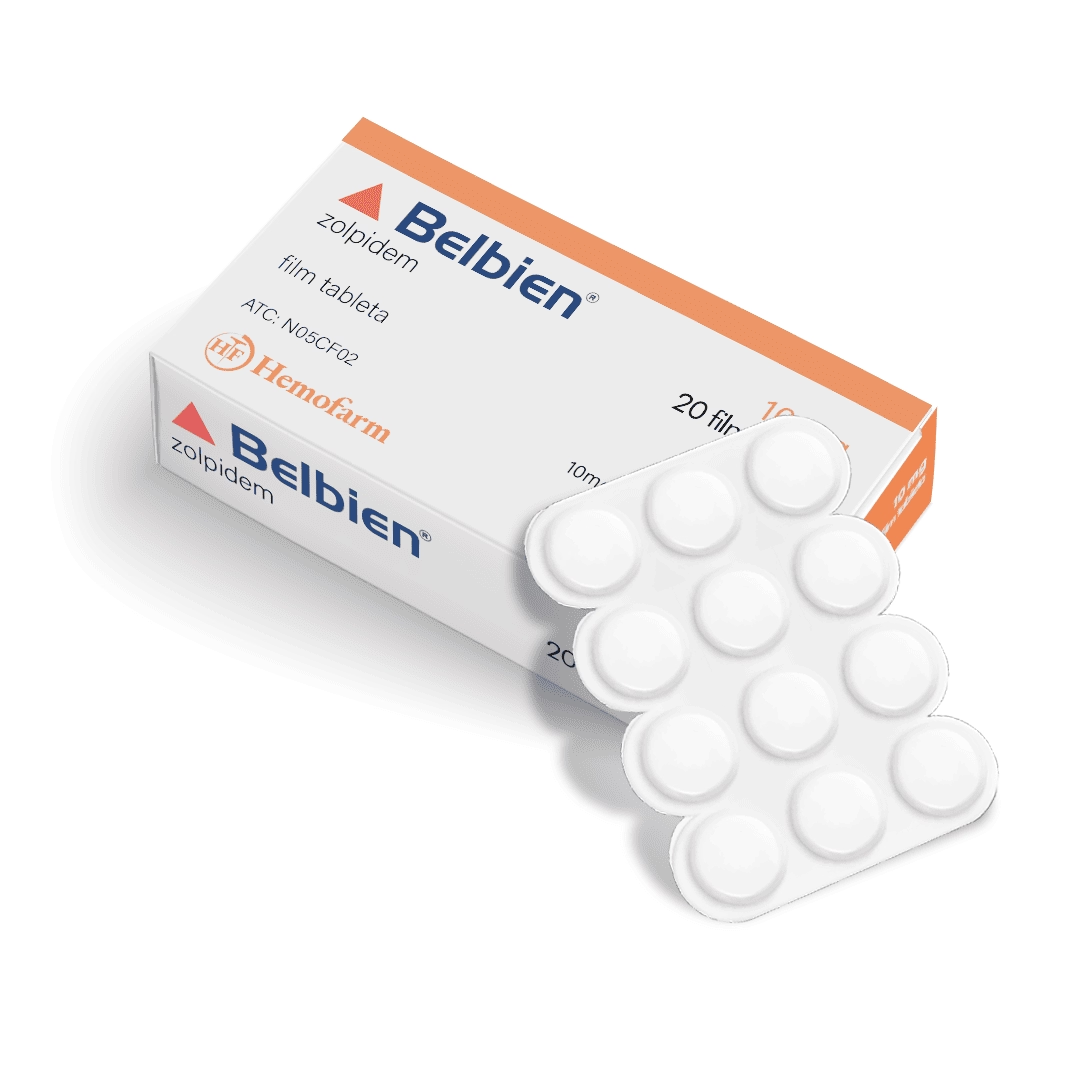 Buy Belbien Online
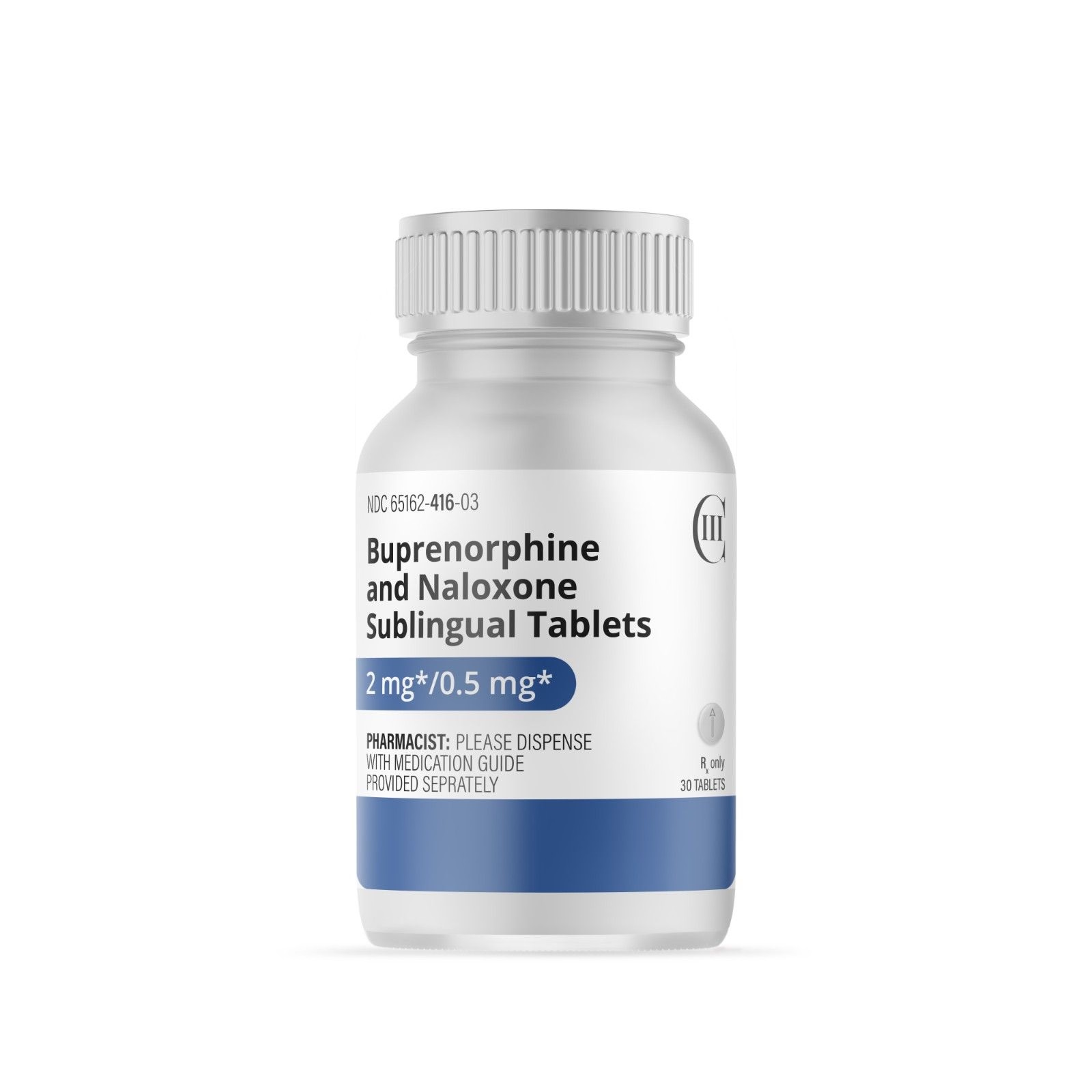 Buy Buprenorphine Online
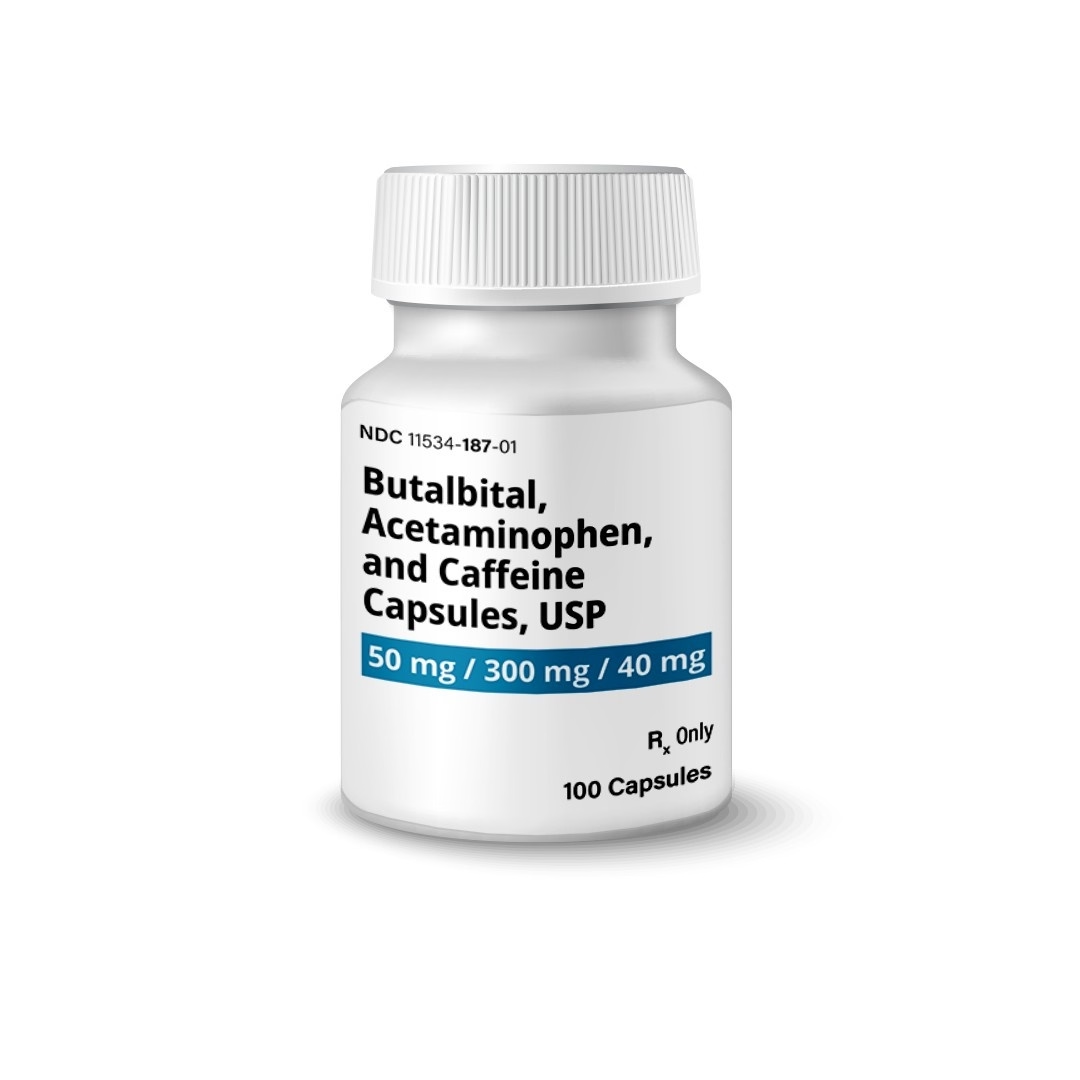 Buy Butalbital Online
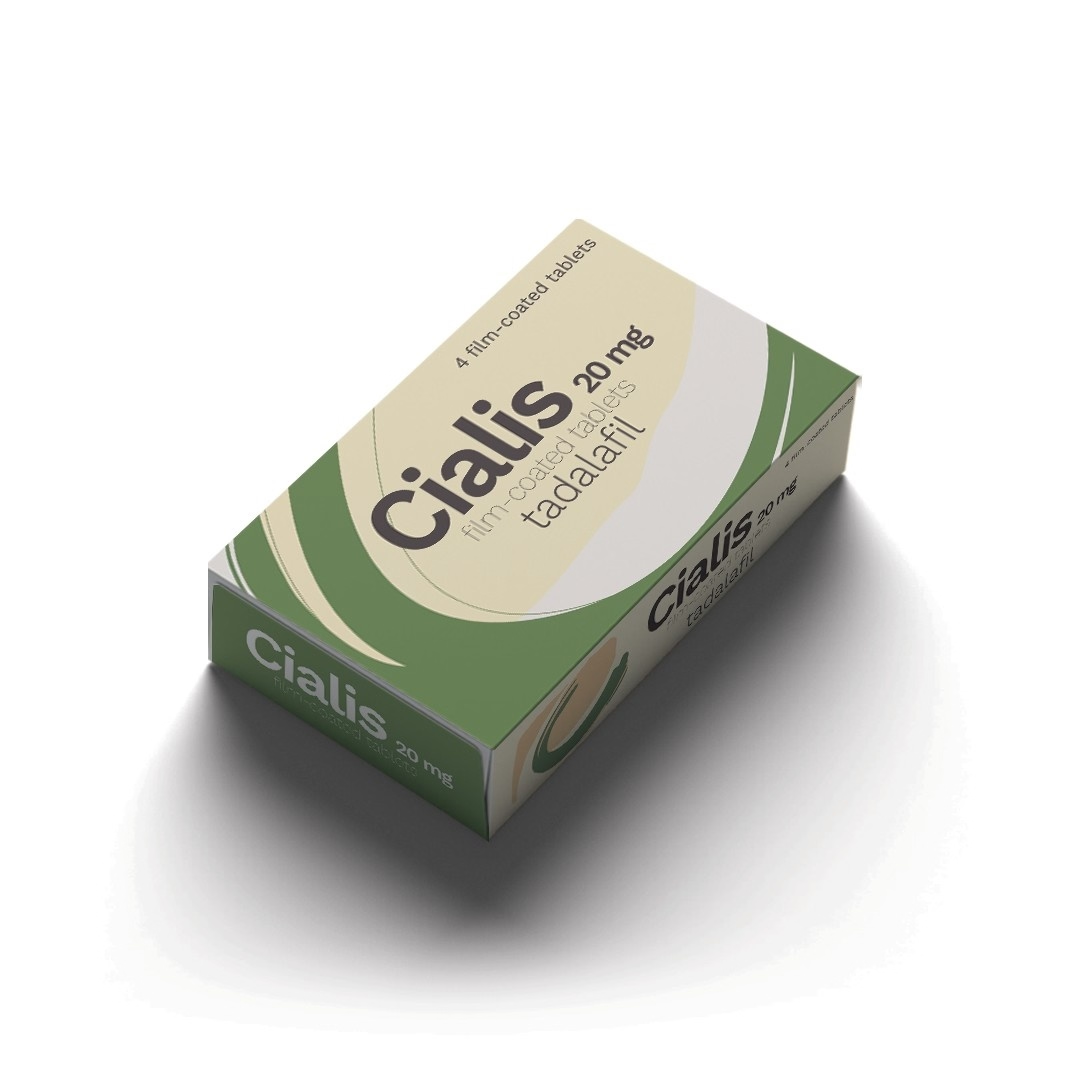 Buy Cialis Online
 Buy Claritin Online
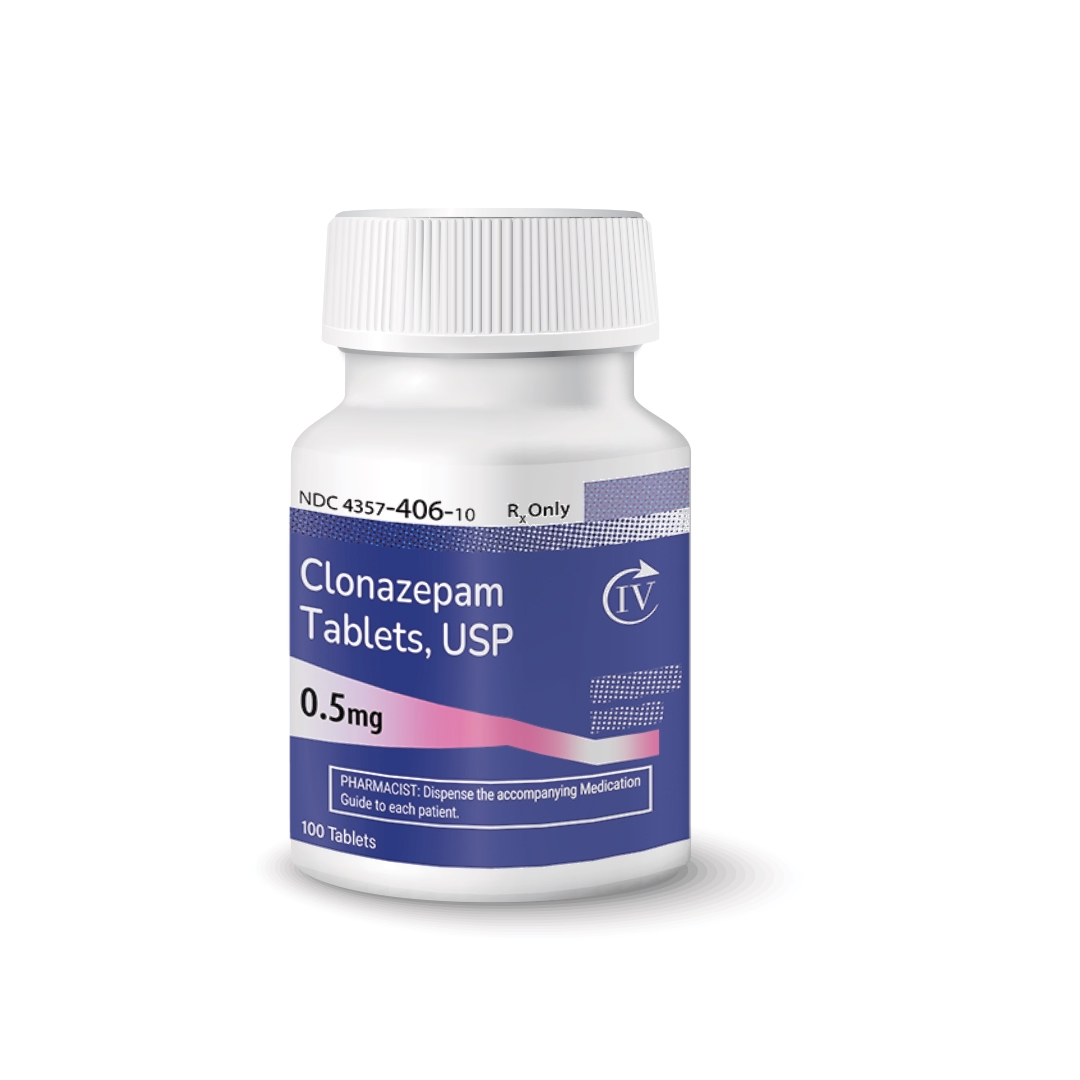 Buy Clonazepam Online
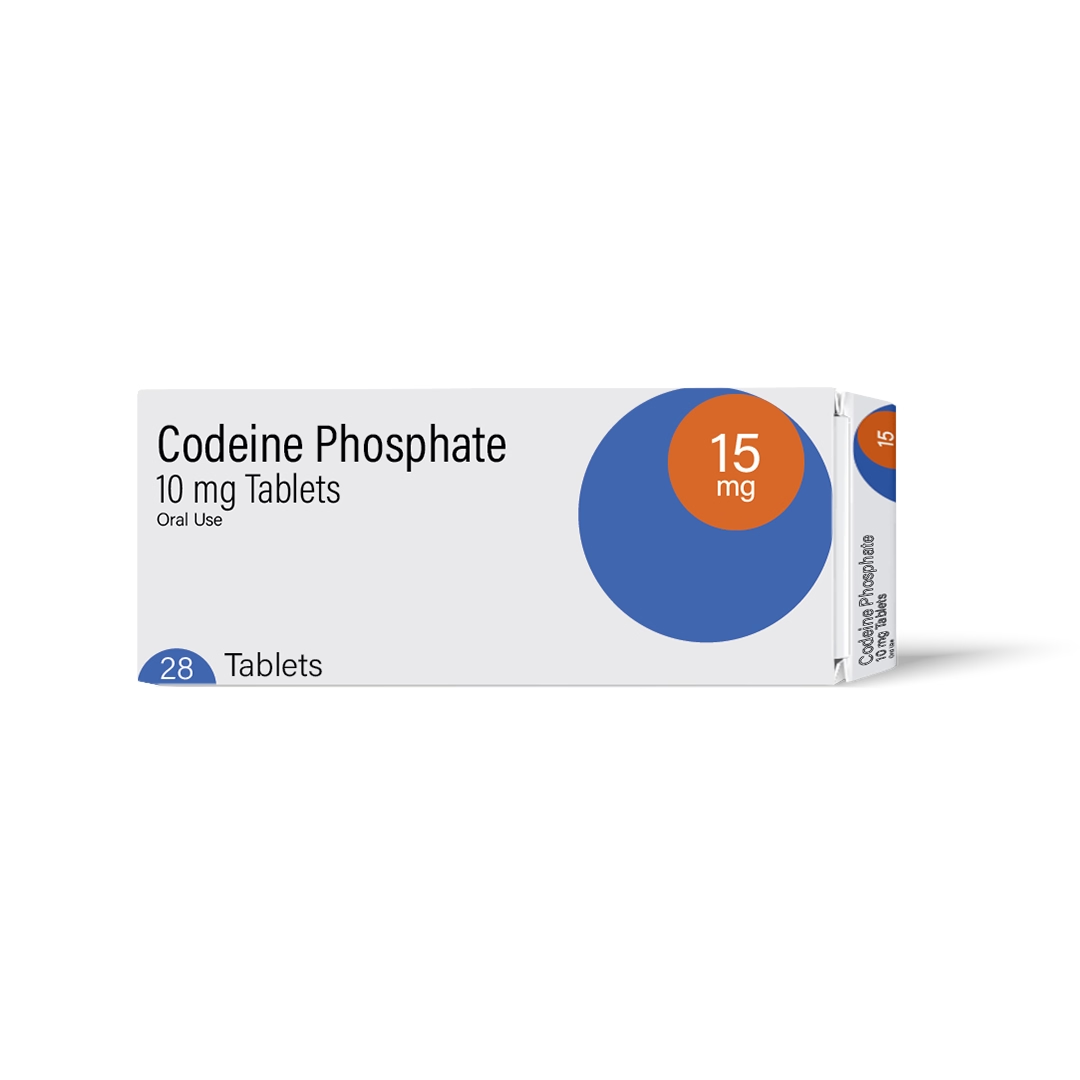 Buy Codeine Online
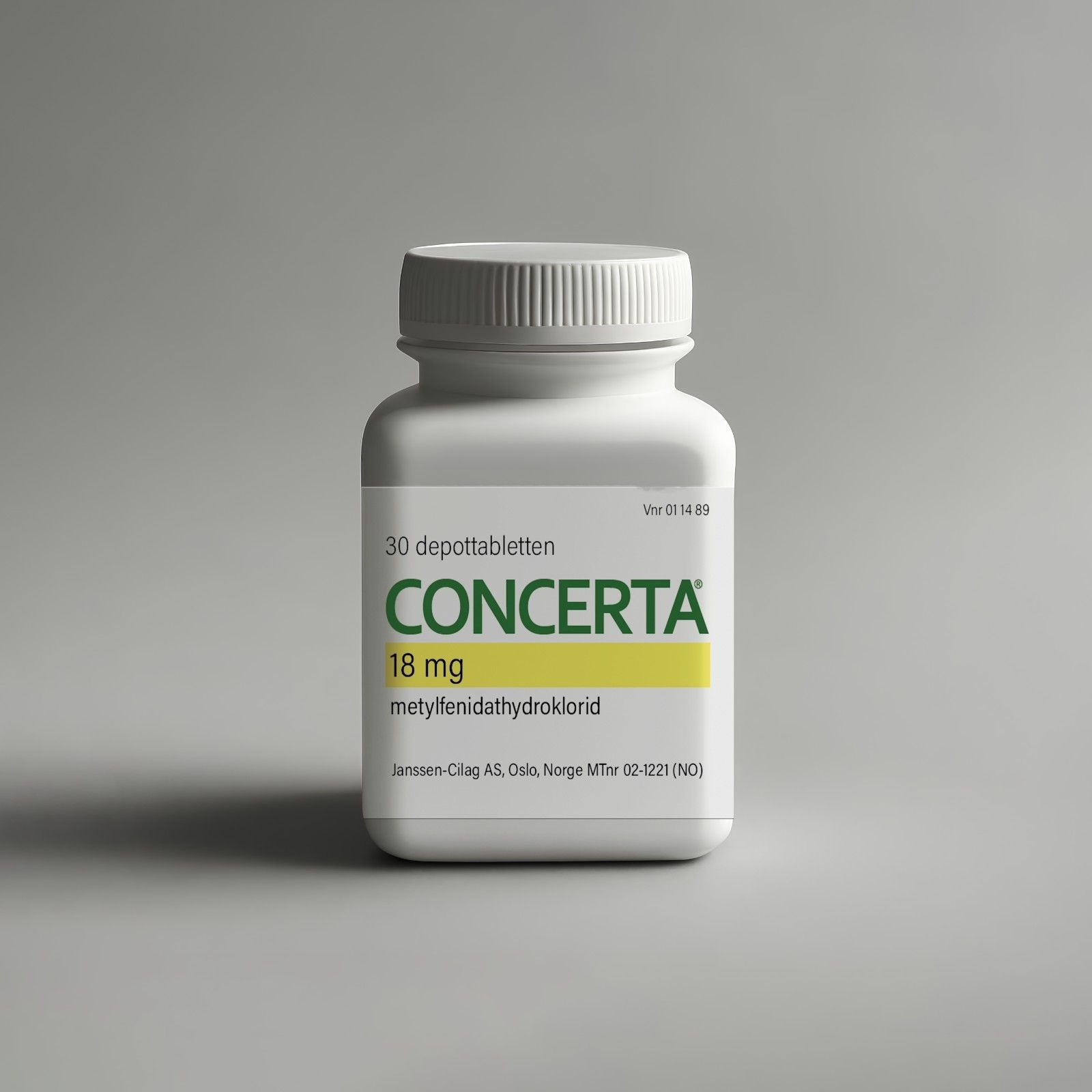 Buy Concerta Online
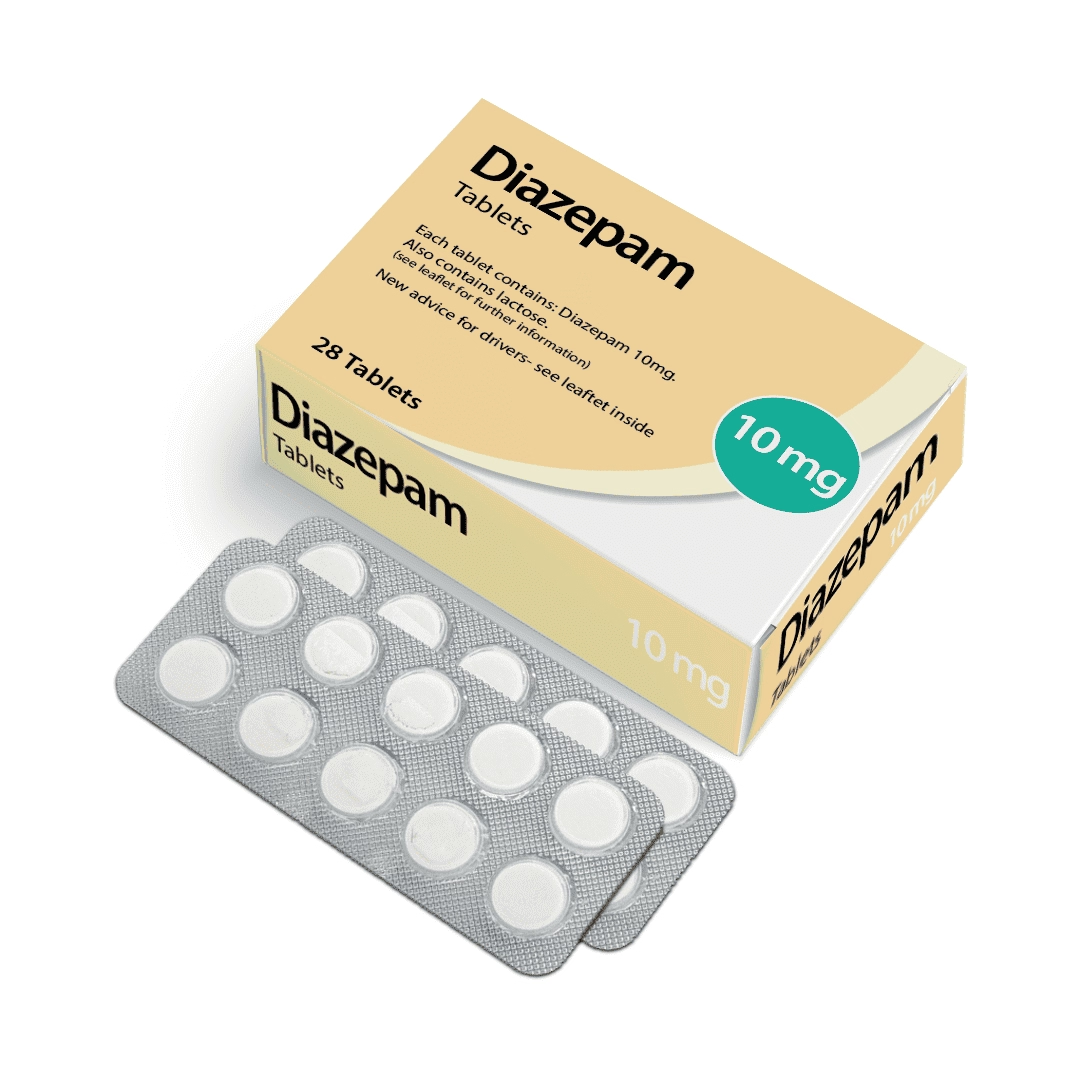 Buy Diazepam Online
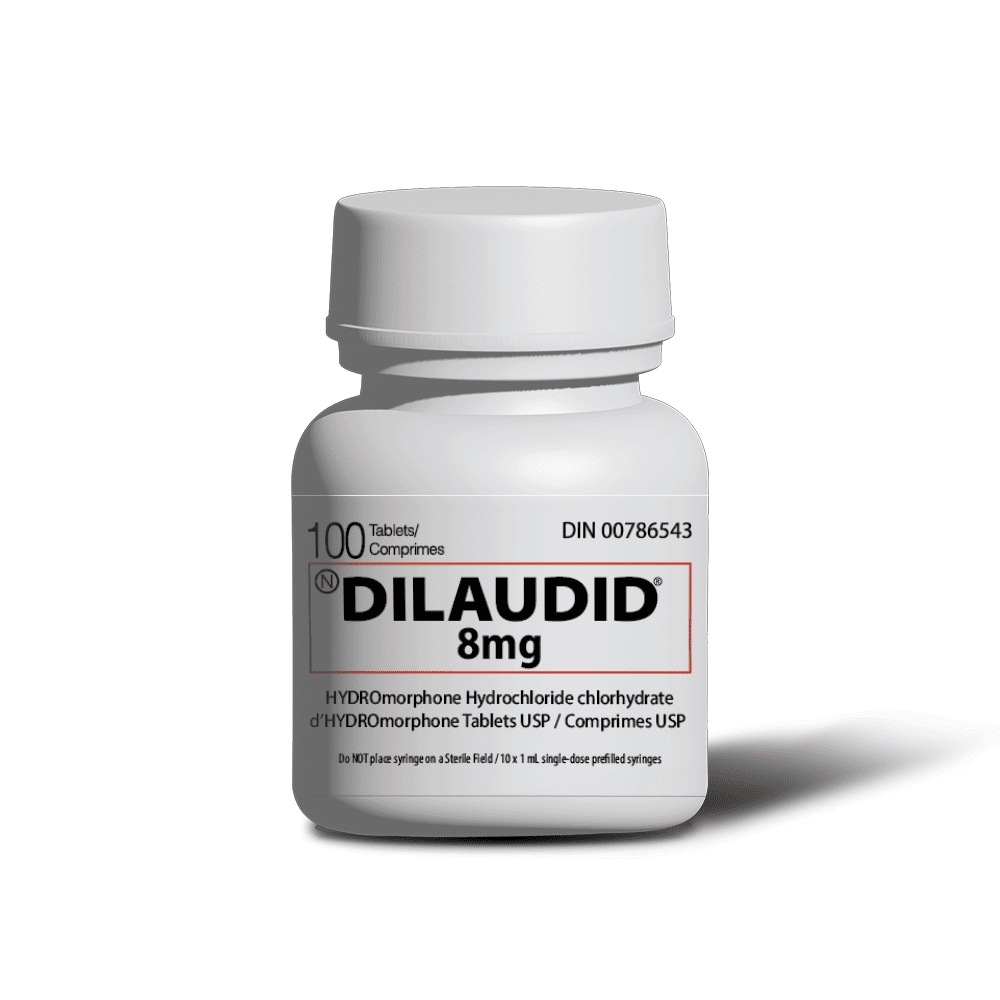 Buy Dilaudid Online
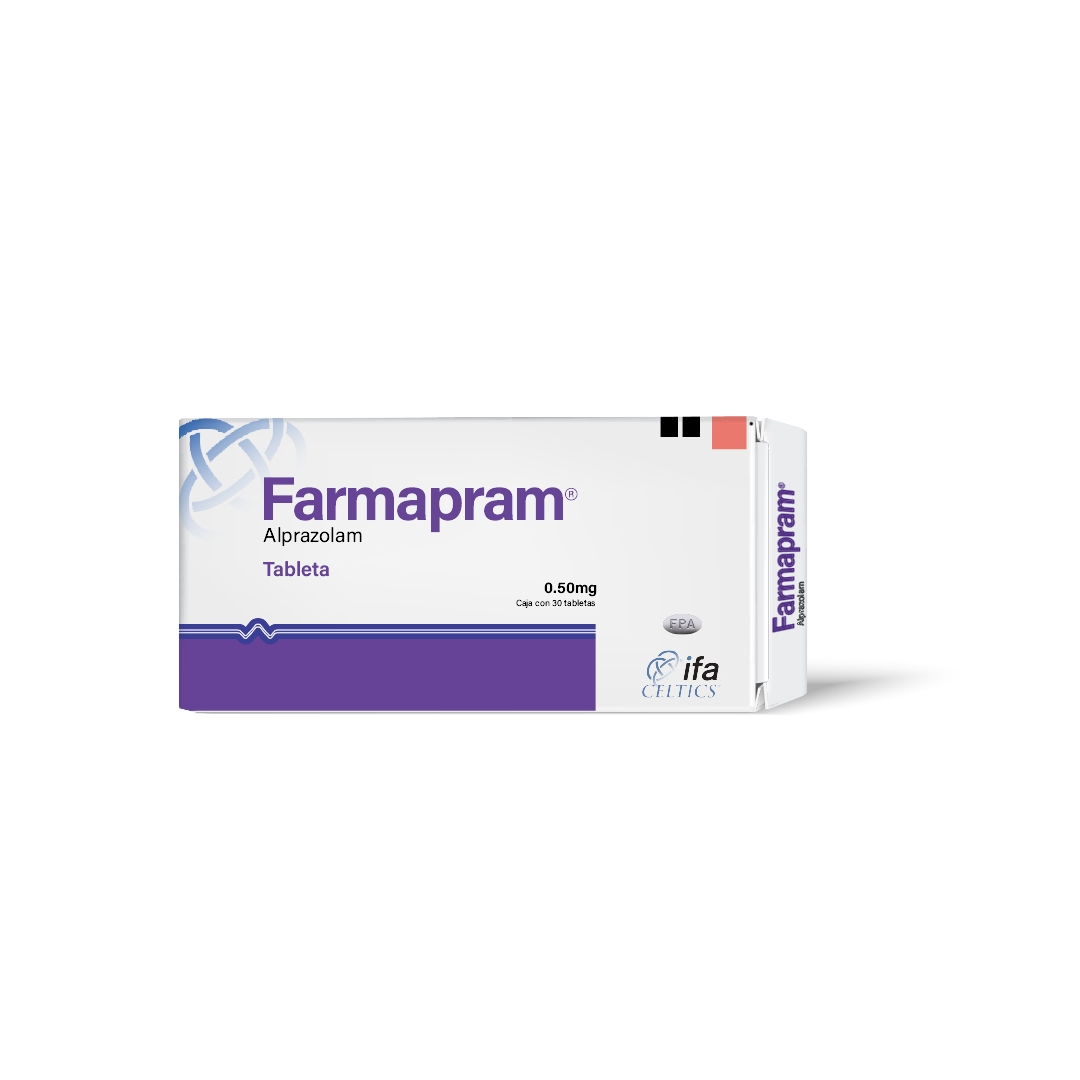 Buy Farmapram Online
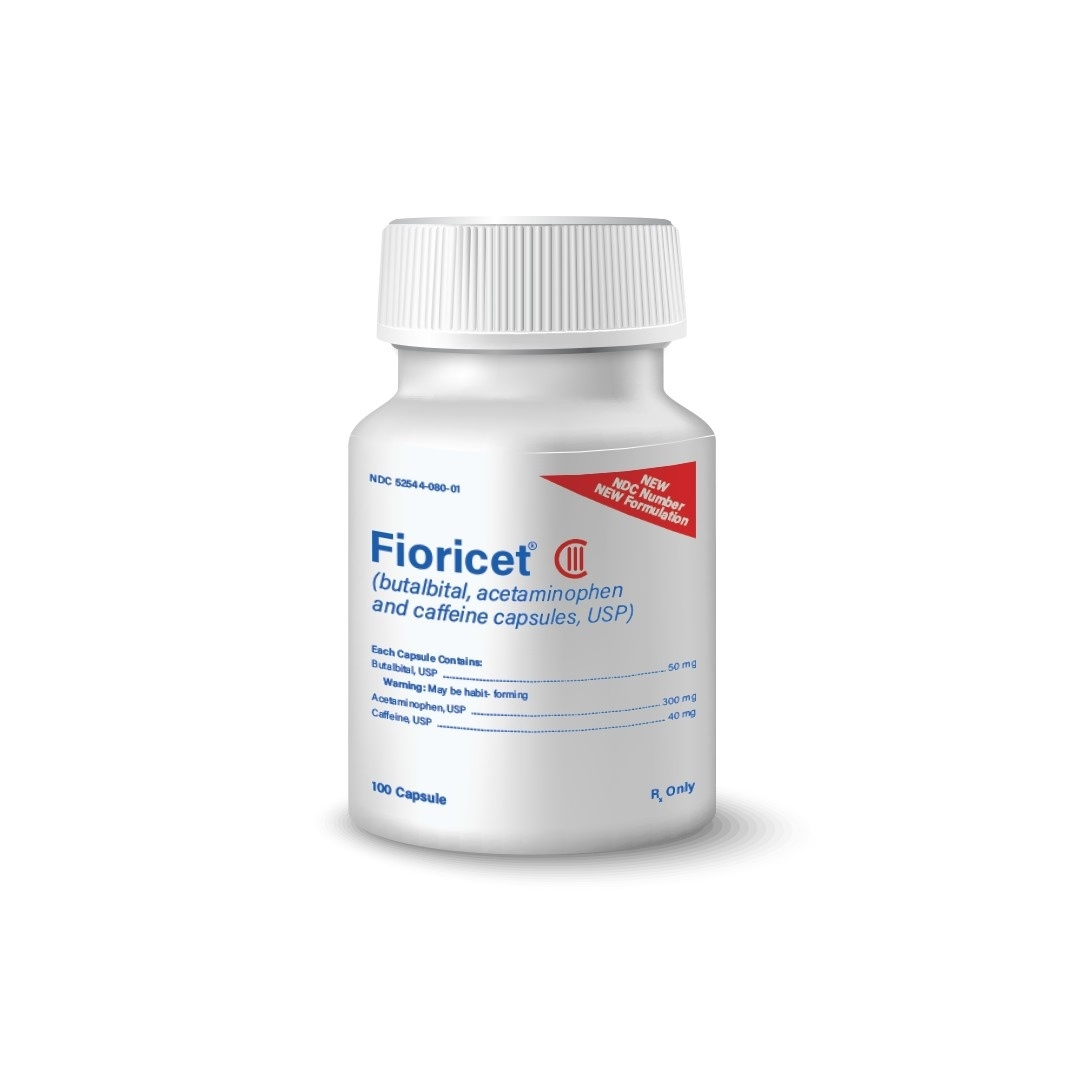 Buy Fioricet Online
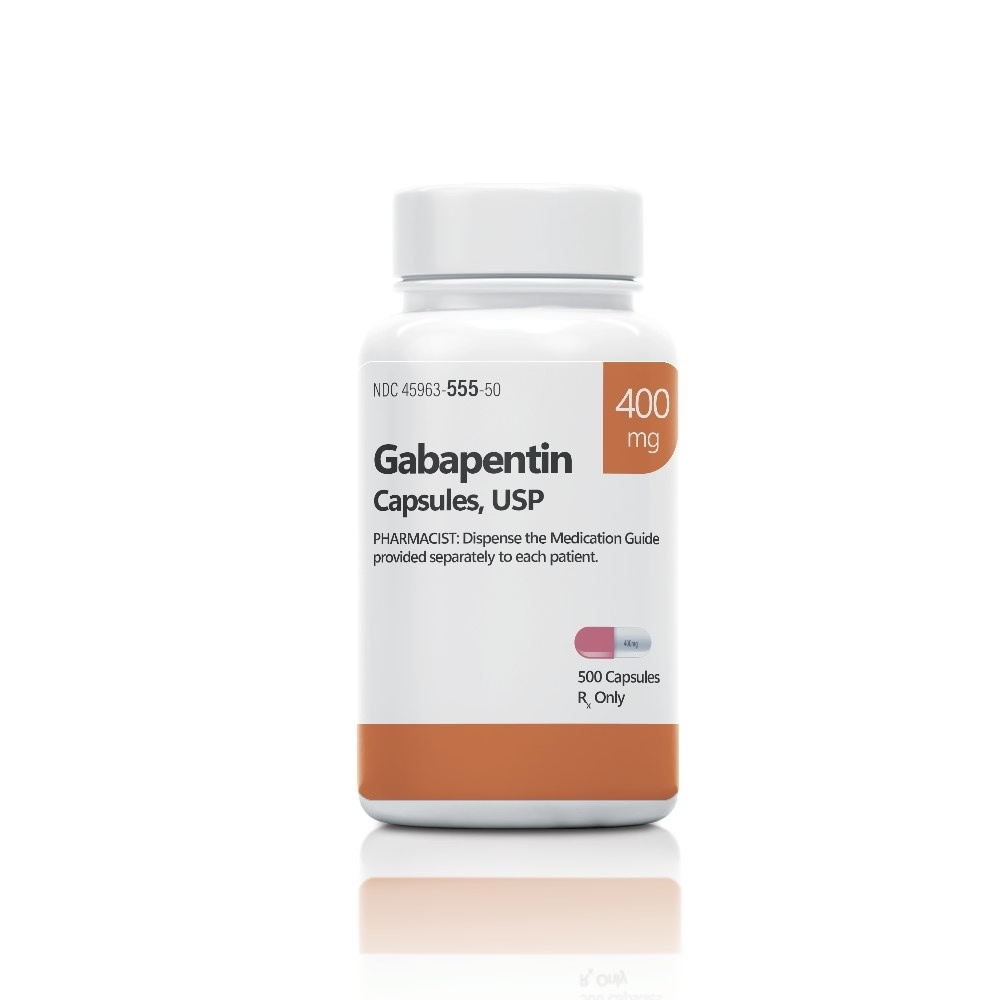 Buy Gabapentin Online
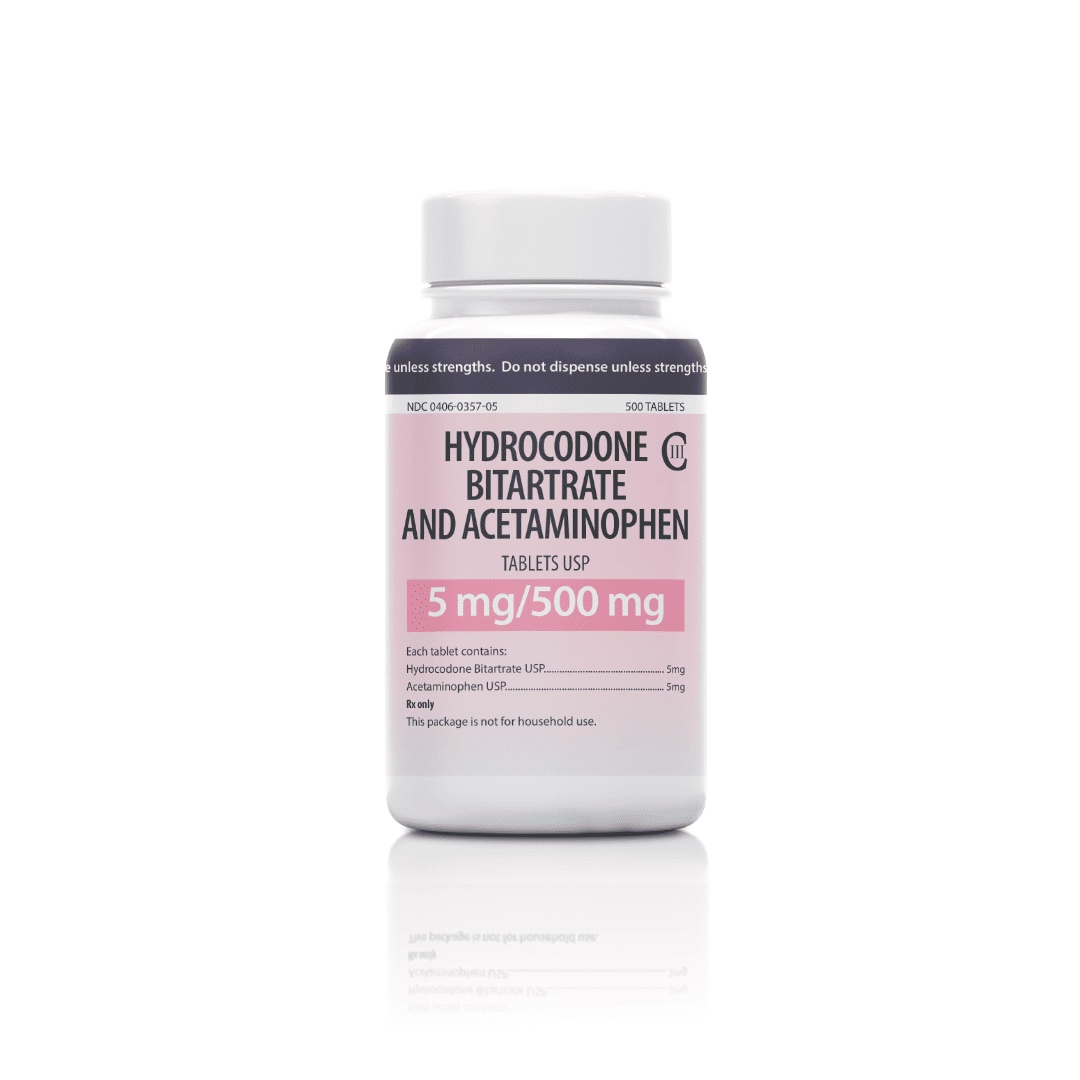 Buy Hydrocodone Online
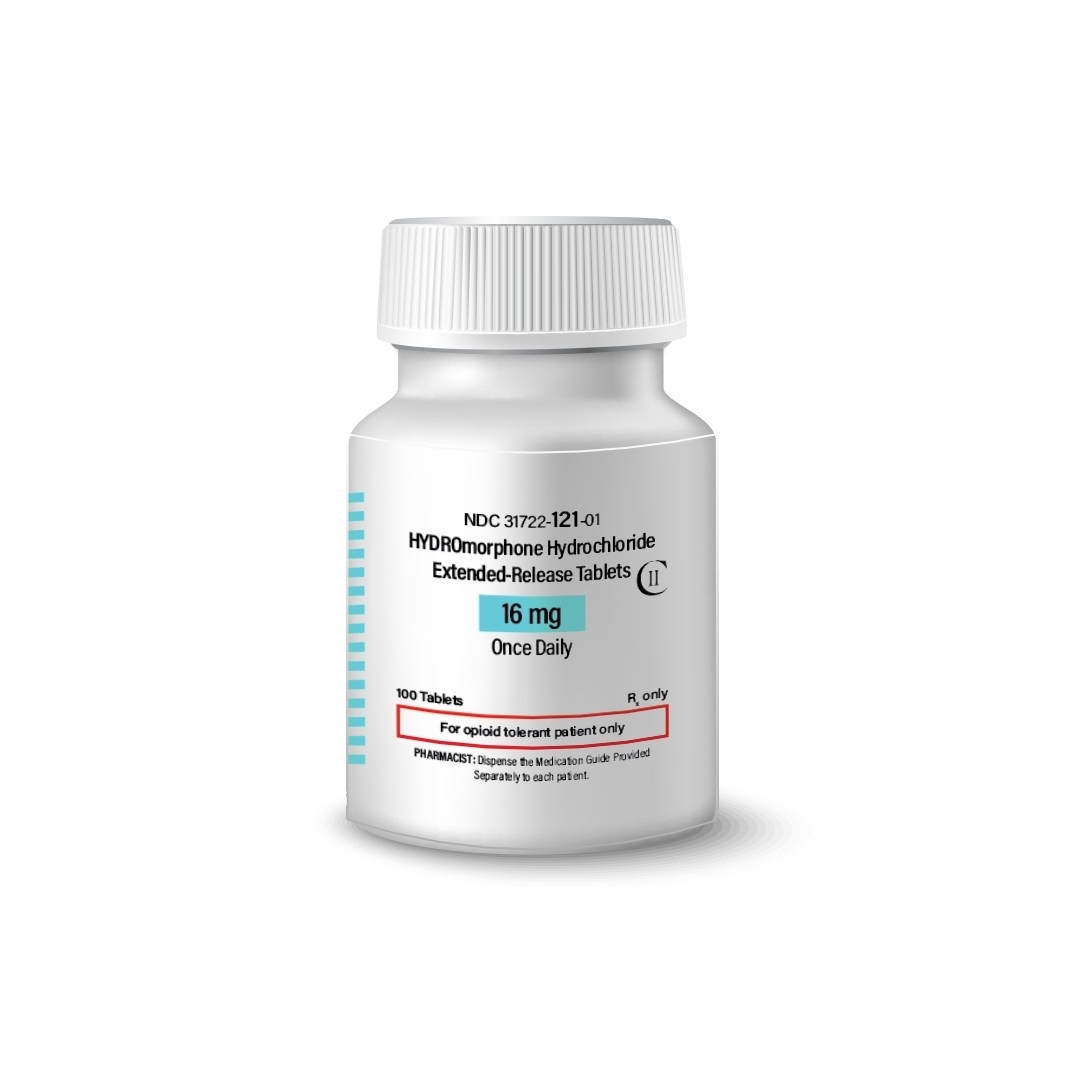 Buy Hydromorphone Online
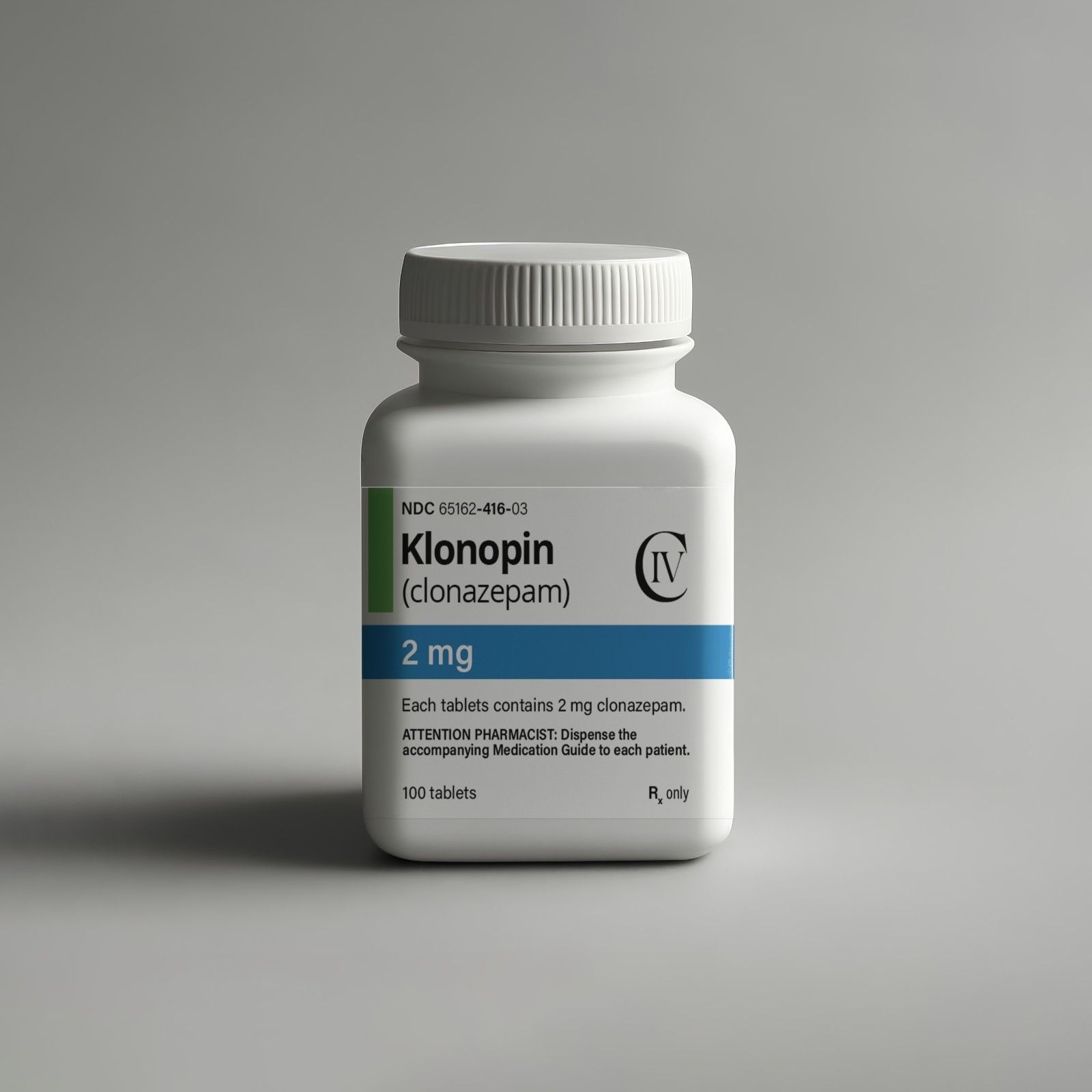 Buy Klonopin Online
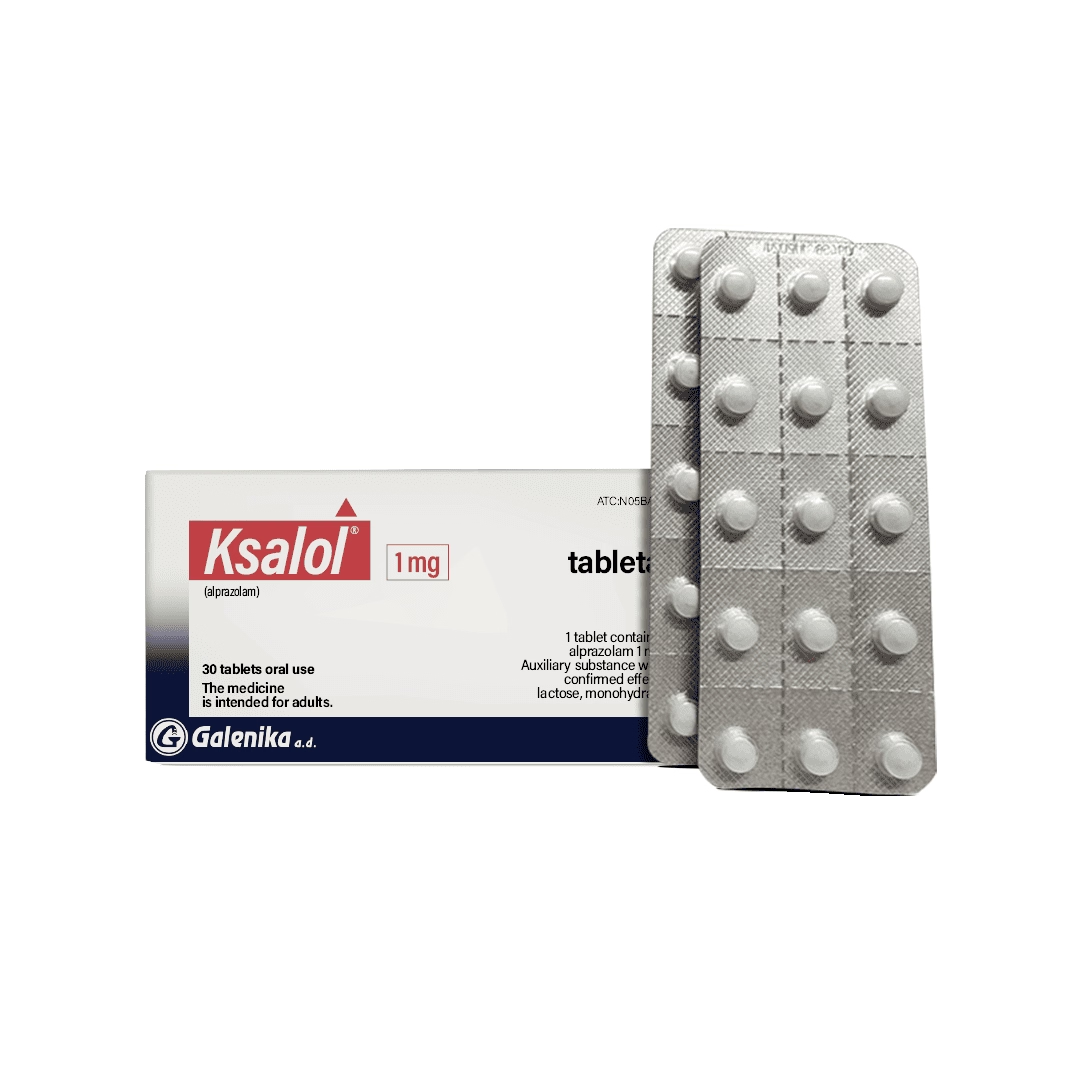 Buy Ksalol Online
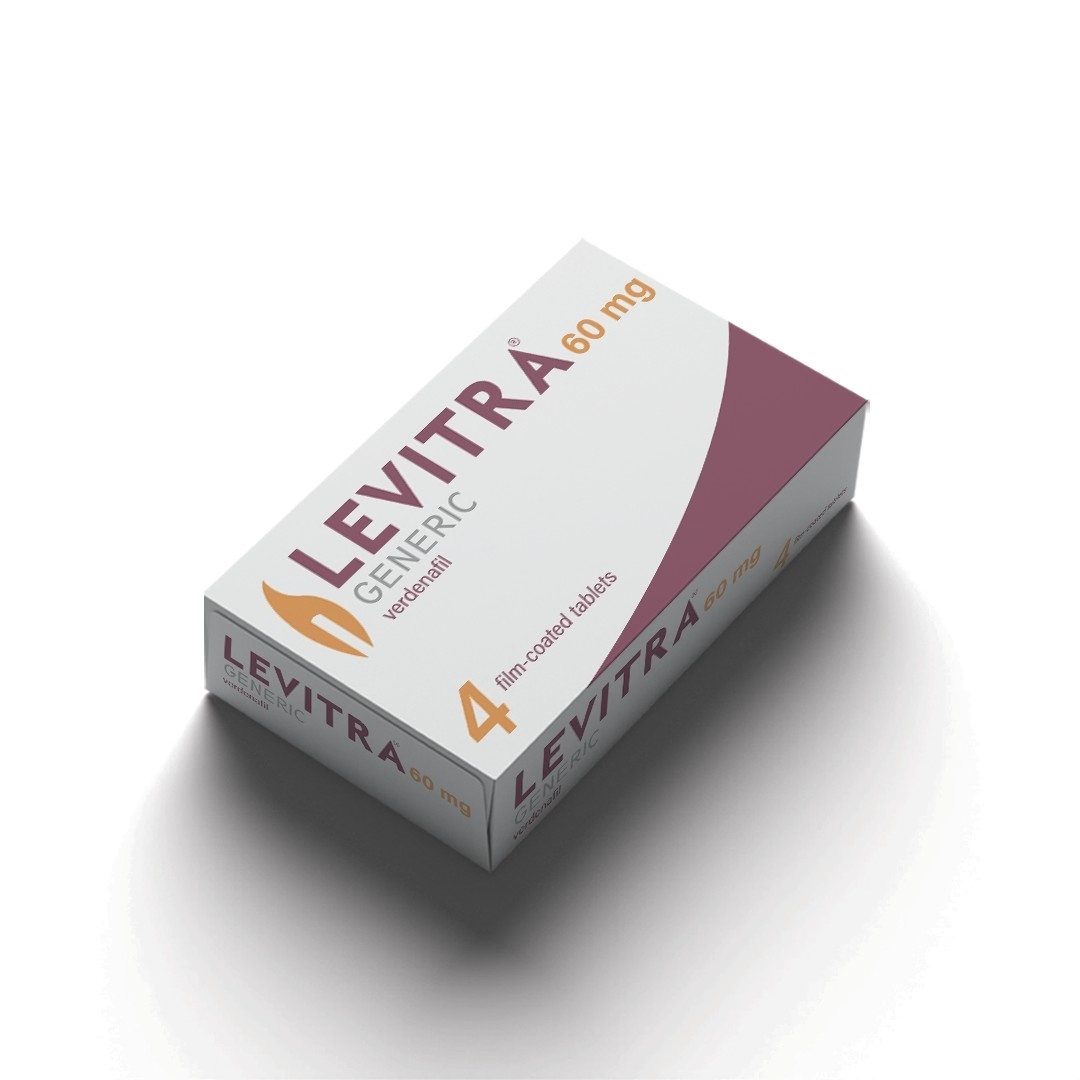 Buy Levitra Online
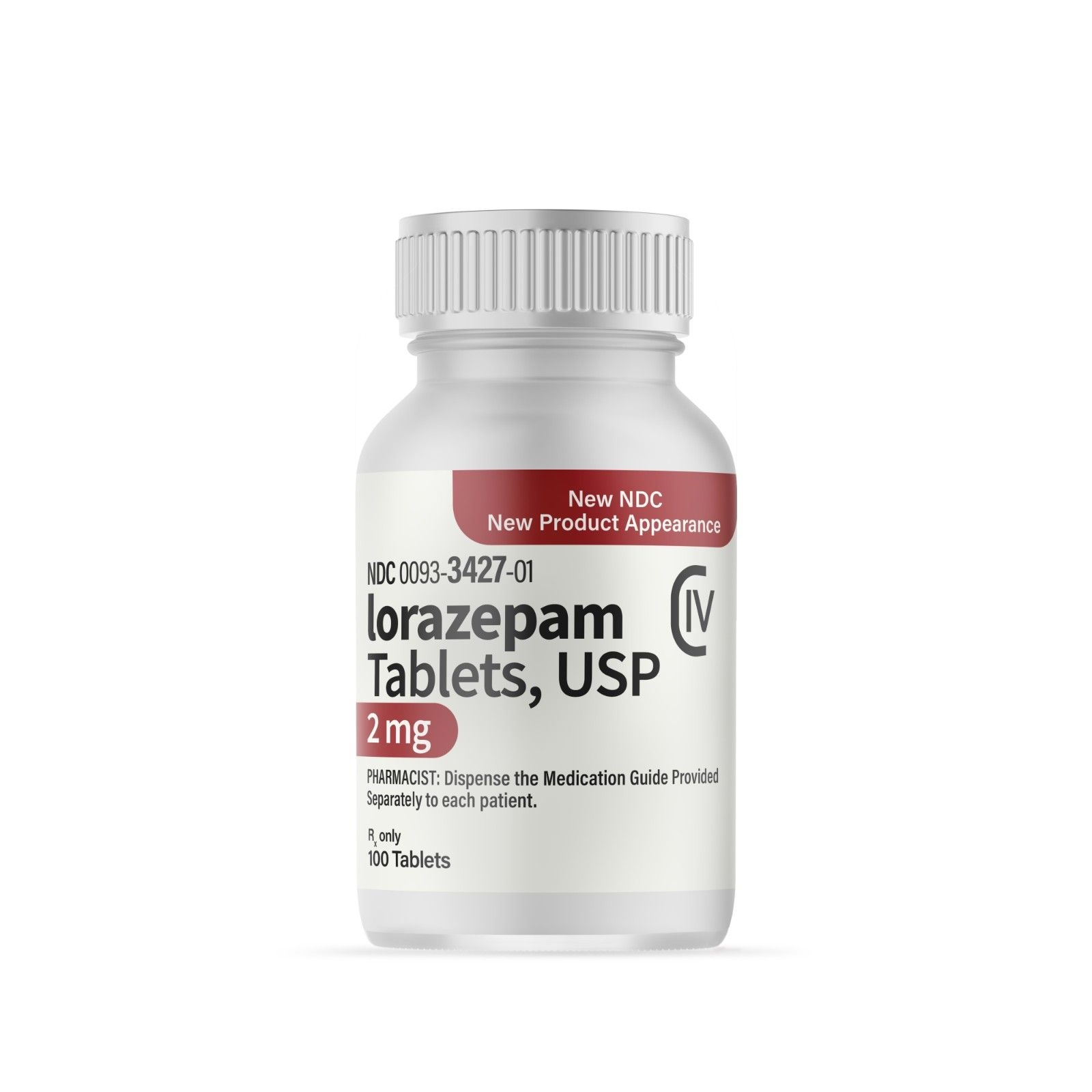 Buy Lorazepam Online
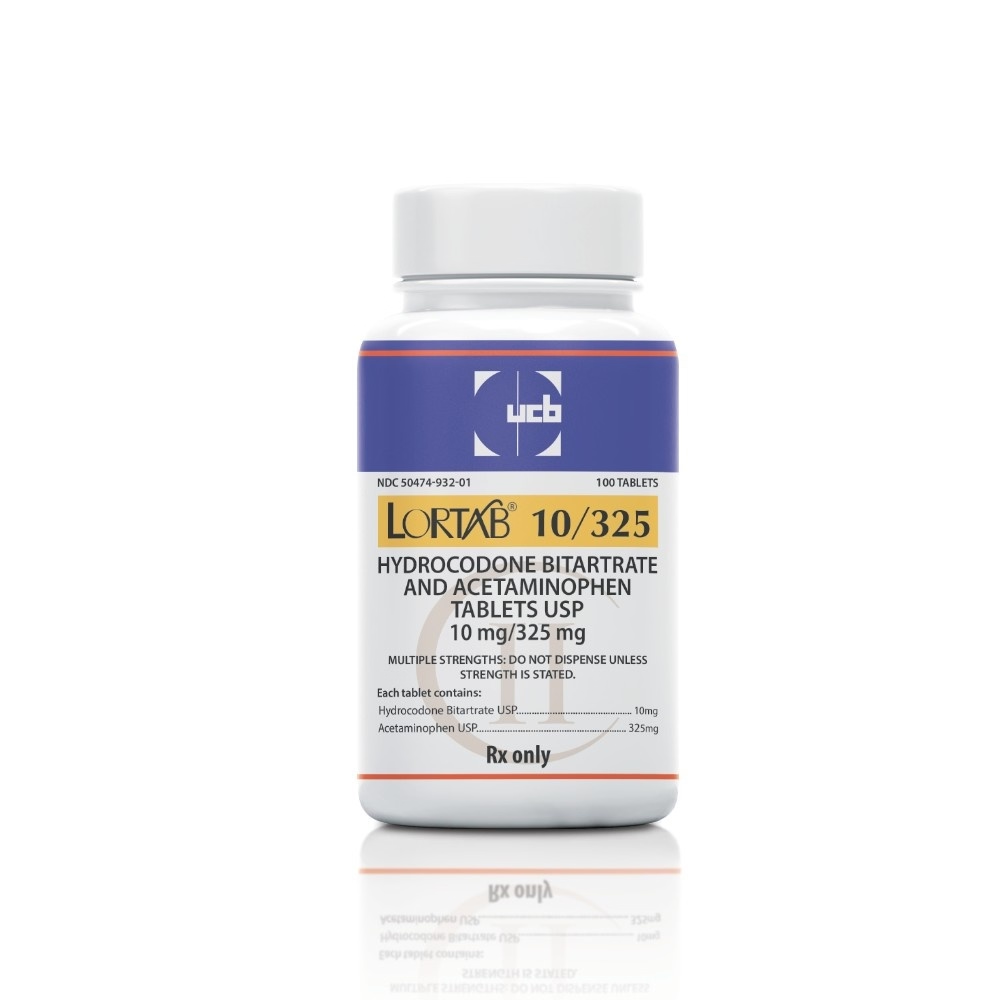 Buy Lortab Online
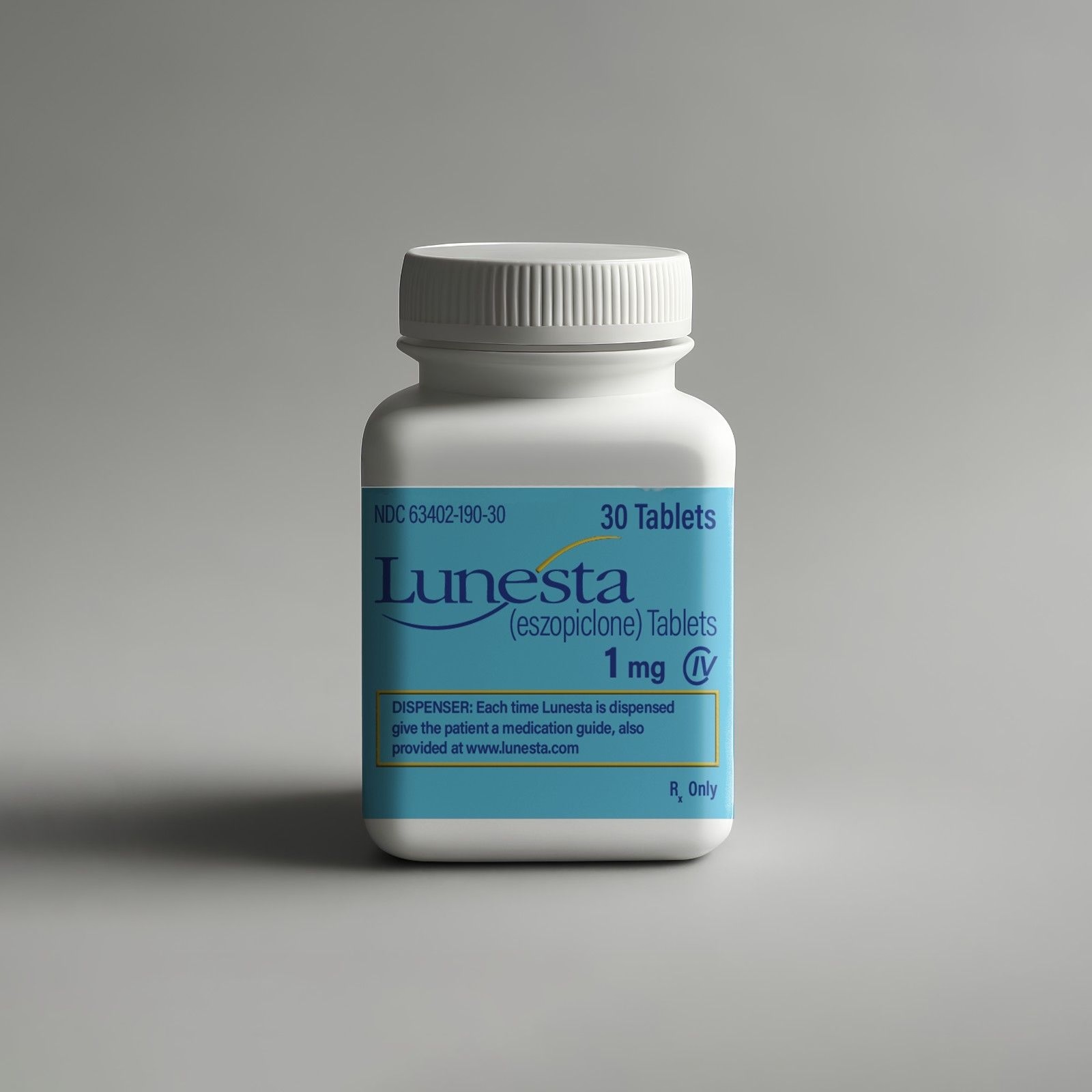 Buy Lunesta Online
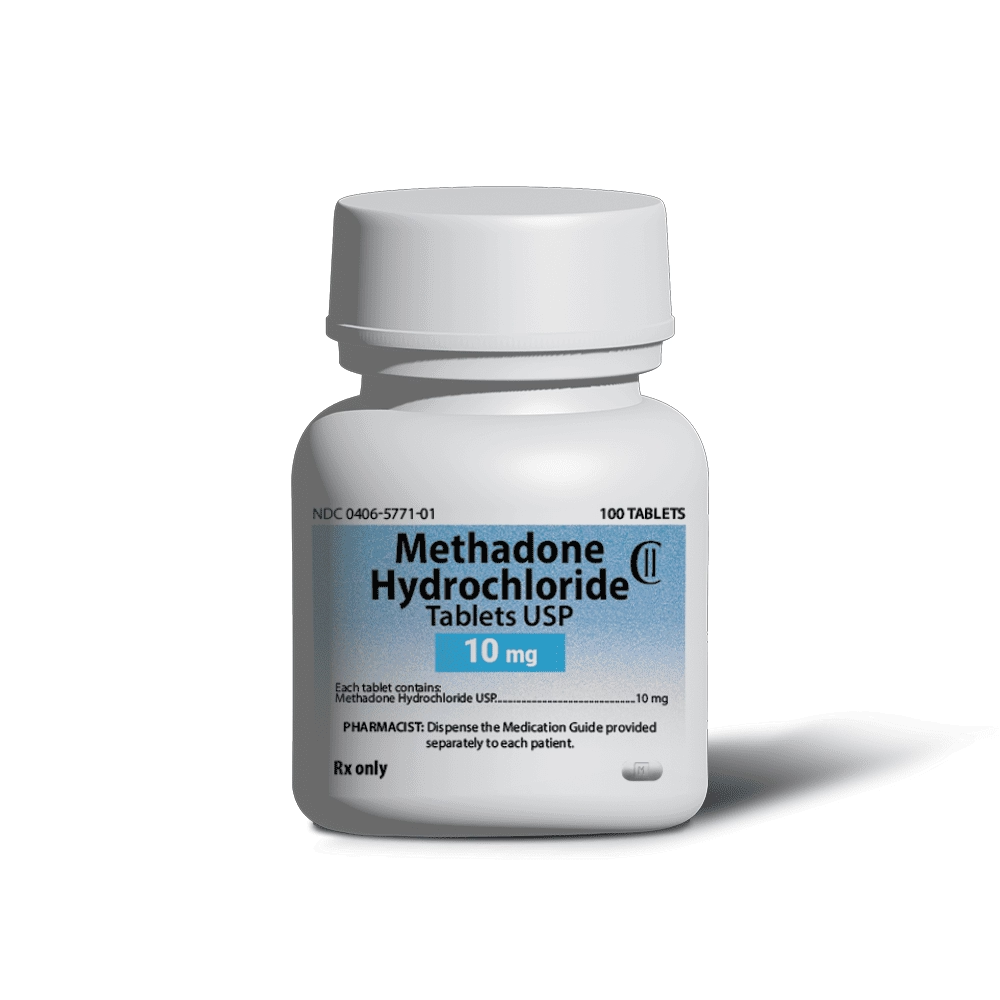 Buy Methadone Online
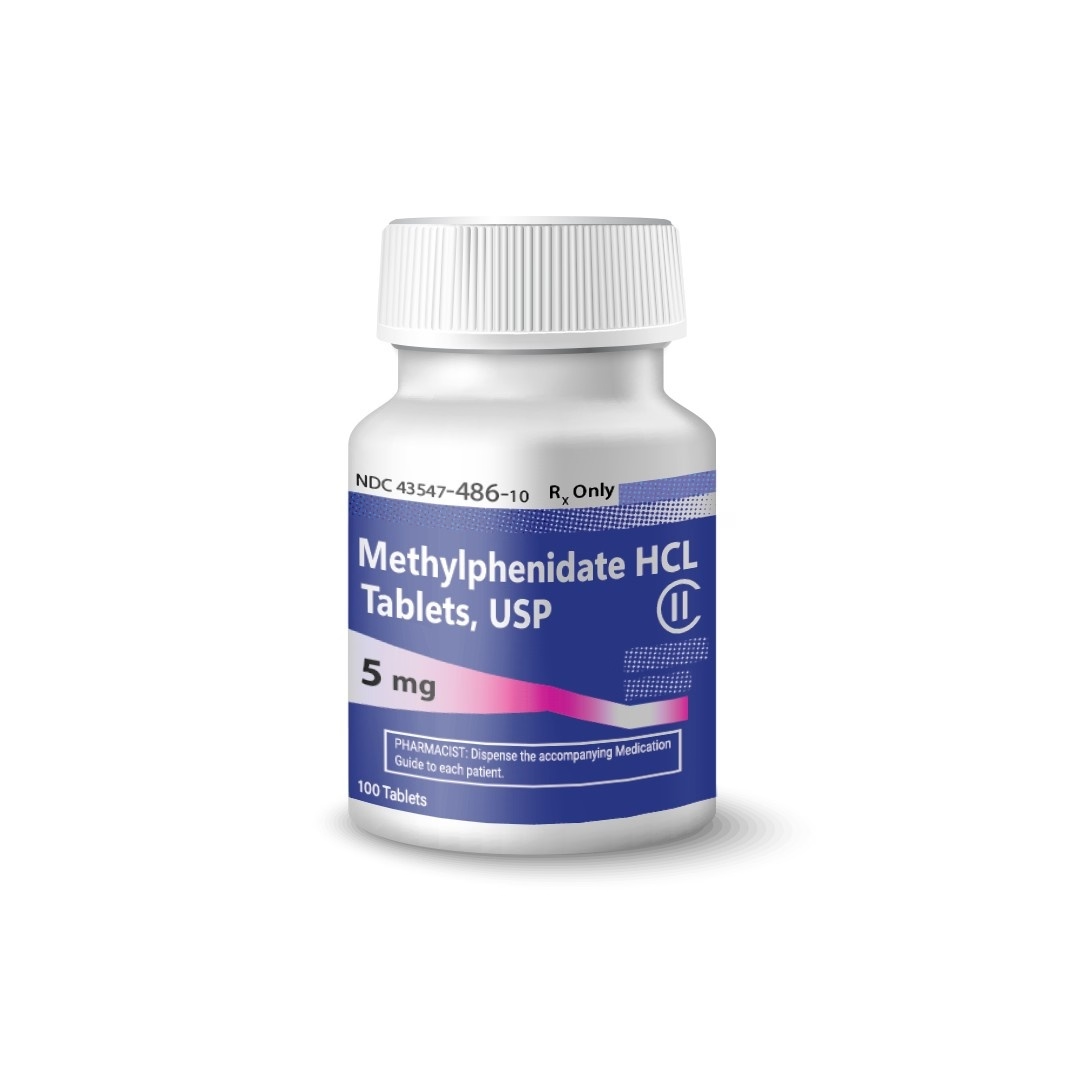 Buy Methylphenidate Online
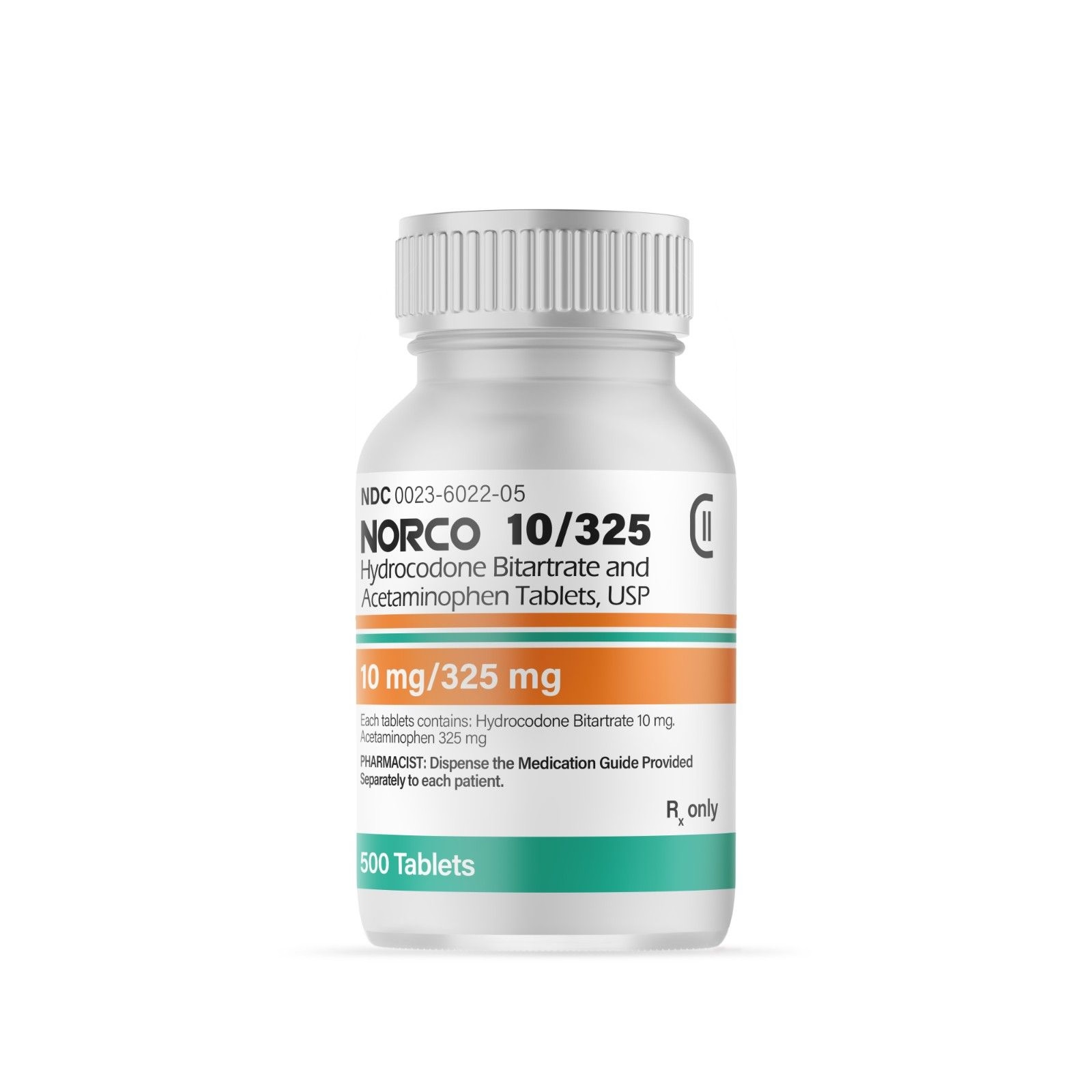 Buy Norco Online
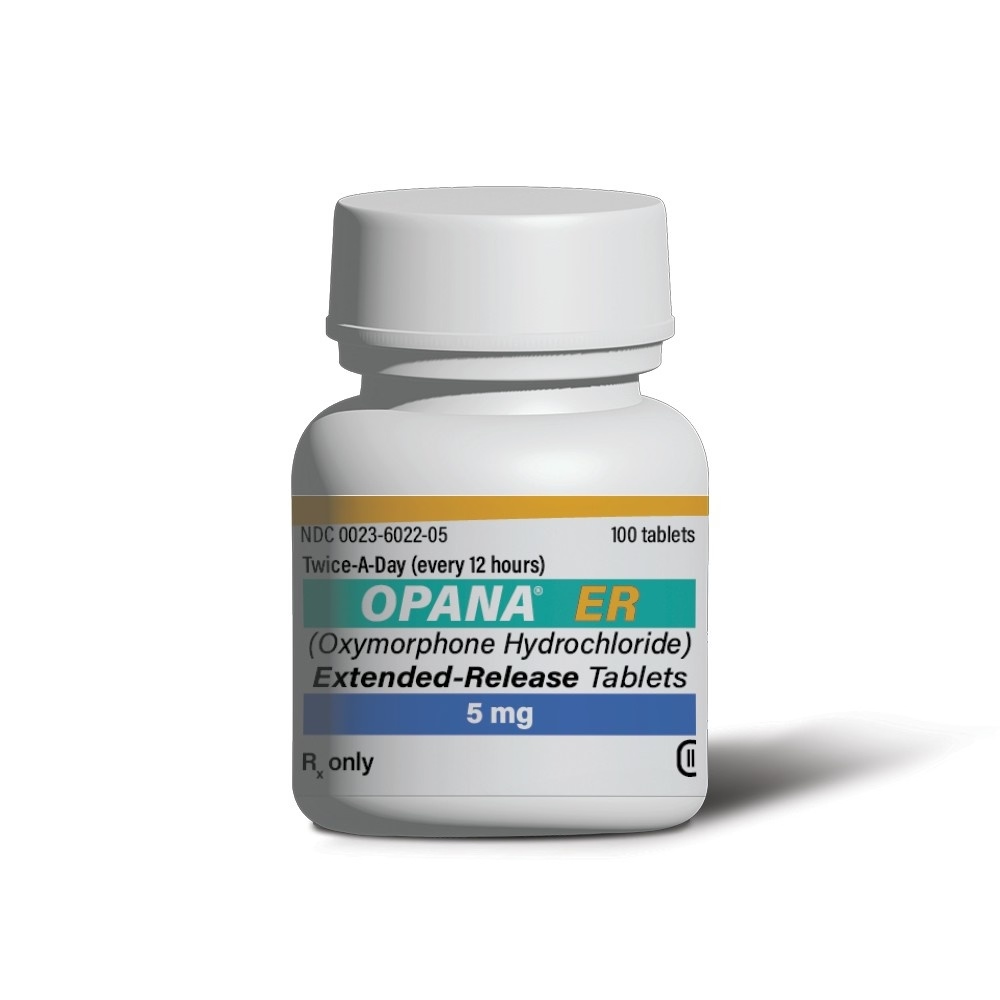 Buy Opana ER Online
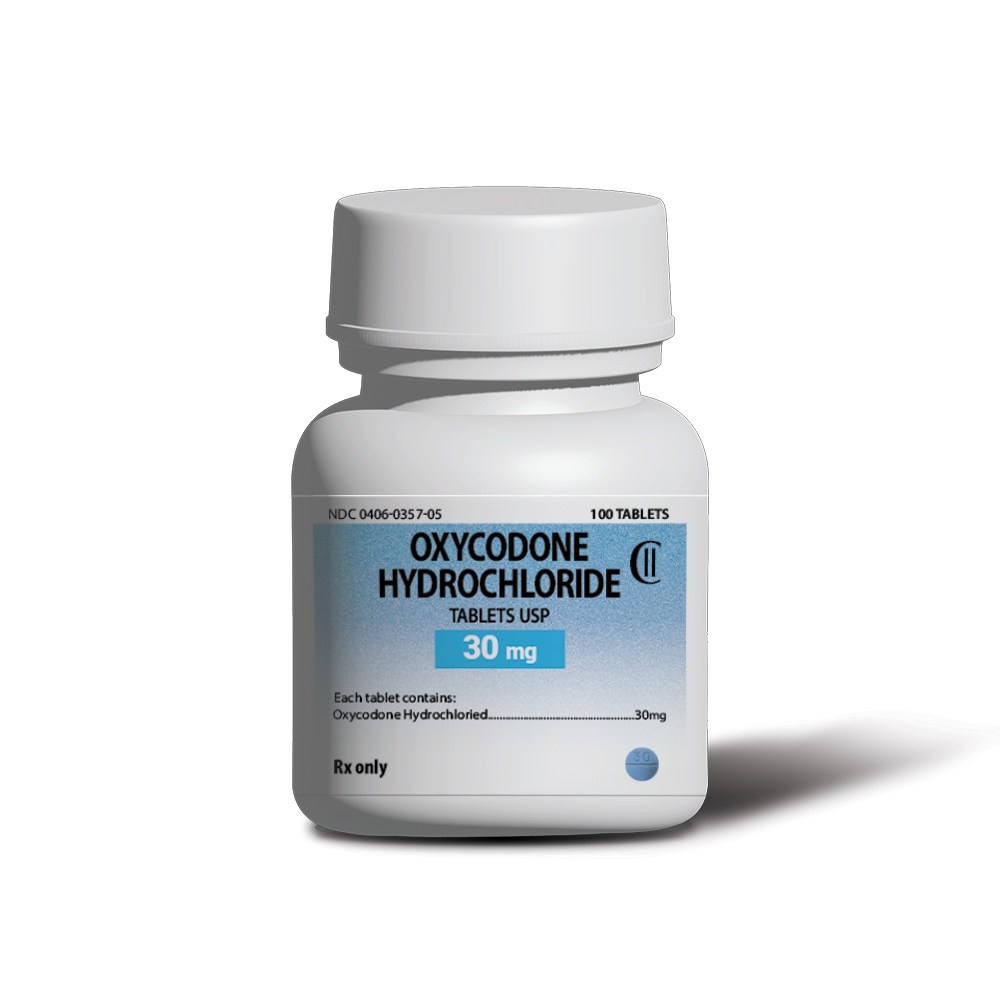 Buy Oxycodone Online
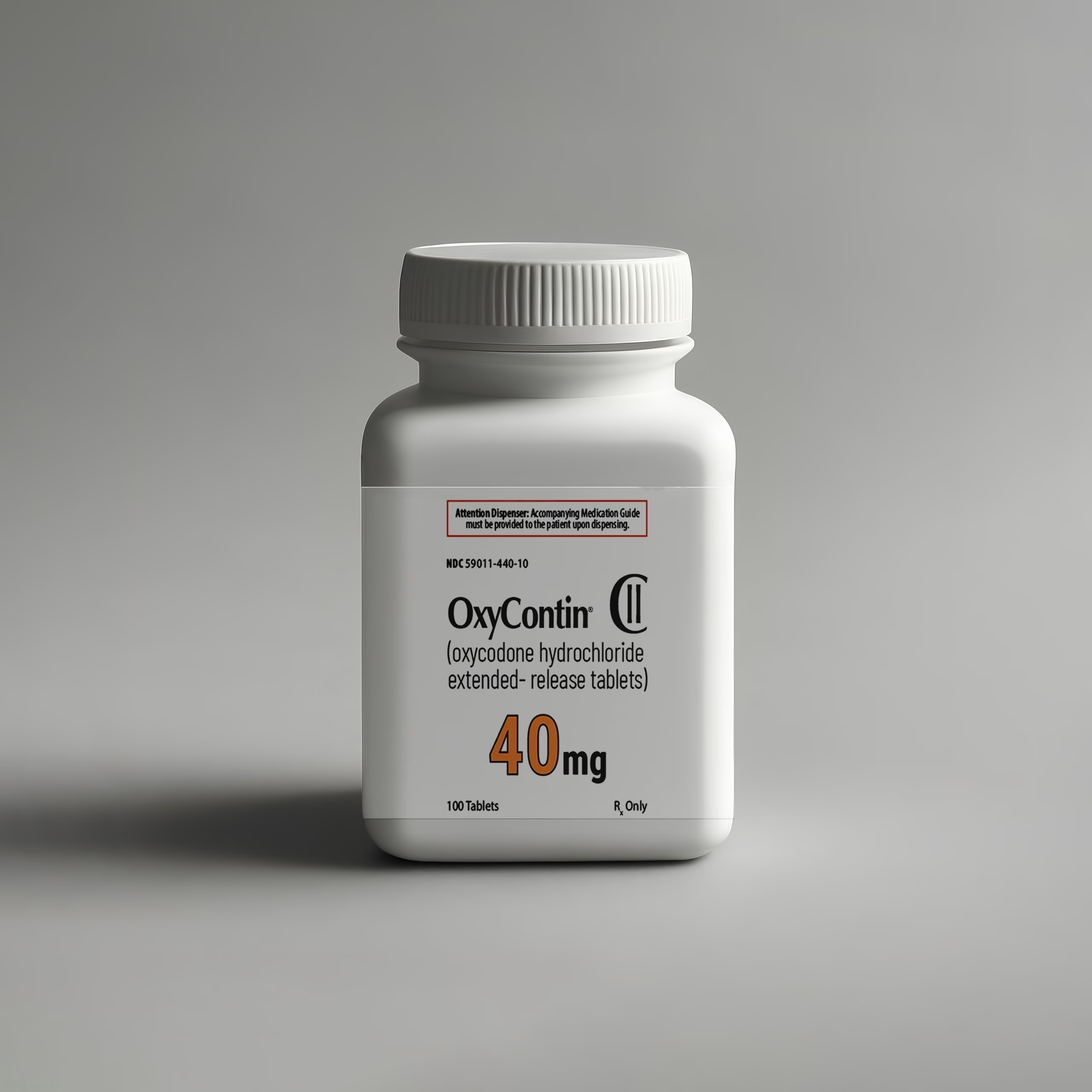 Buy Oxycontin Online
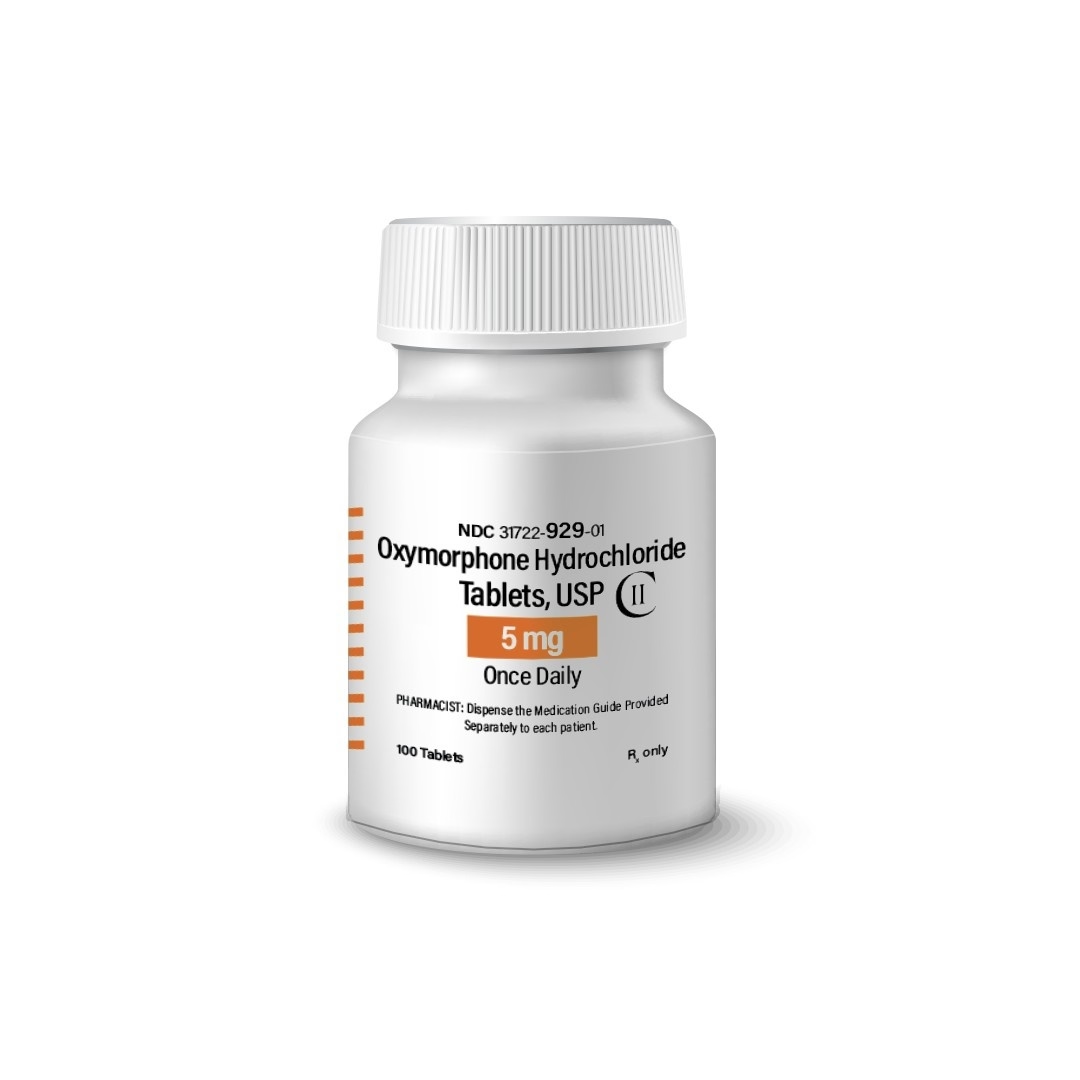 Buy Oxymorphone Online
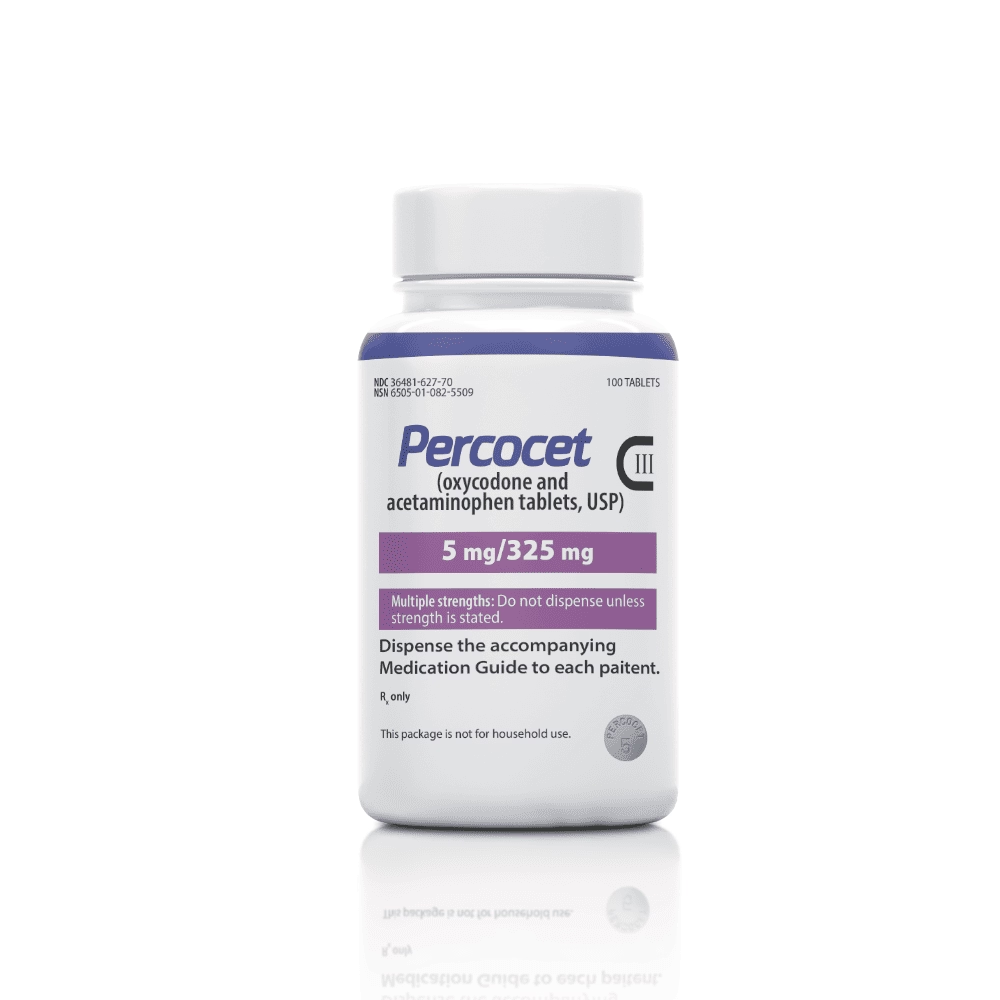 Buy Percocet Online
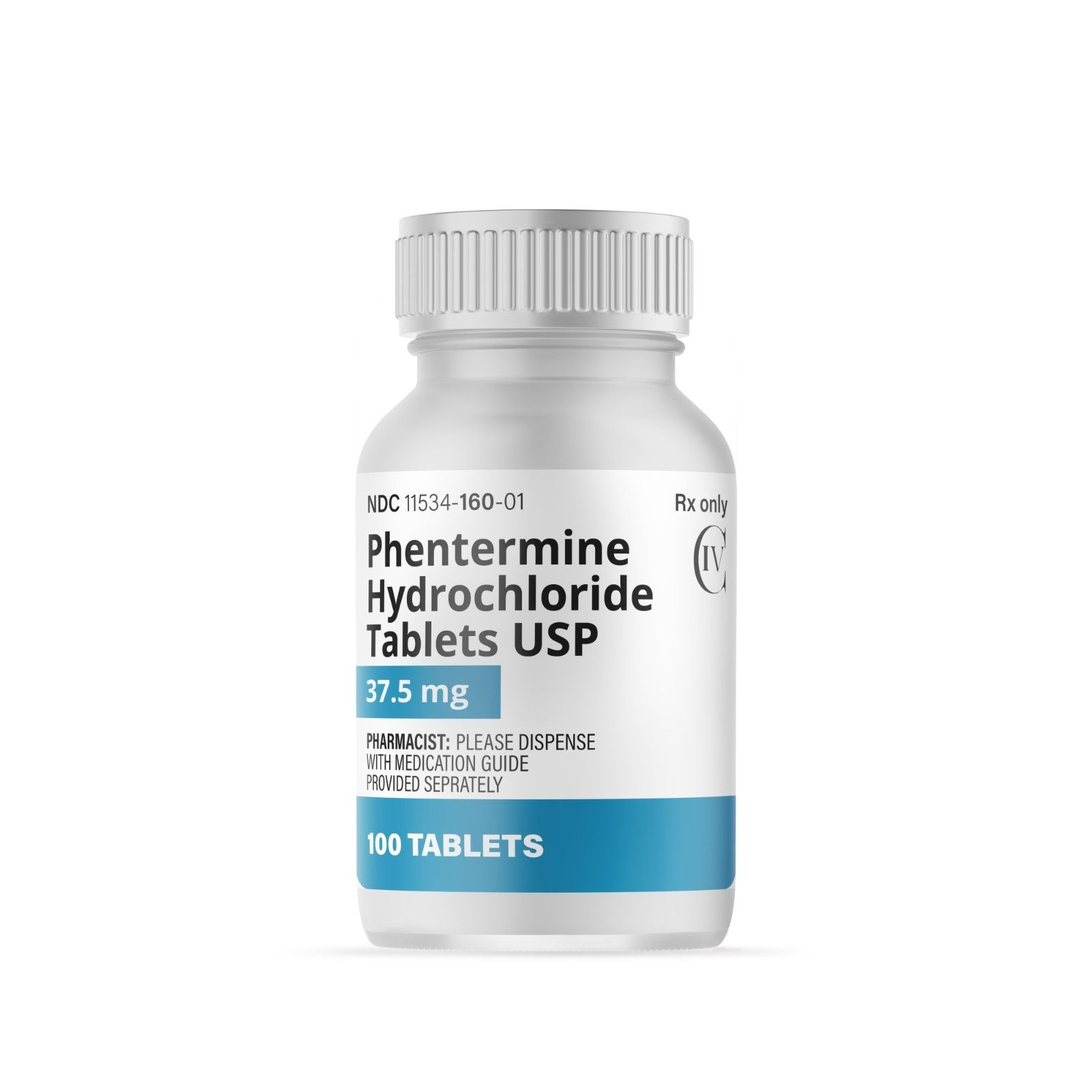 Buy Phentermine Online
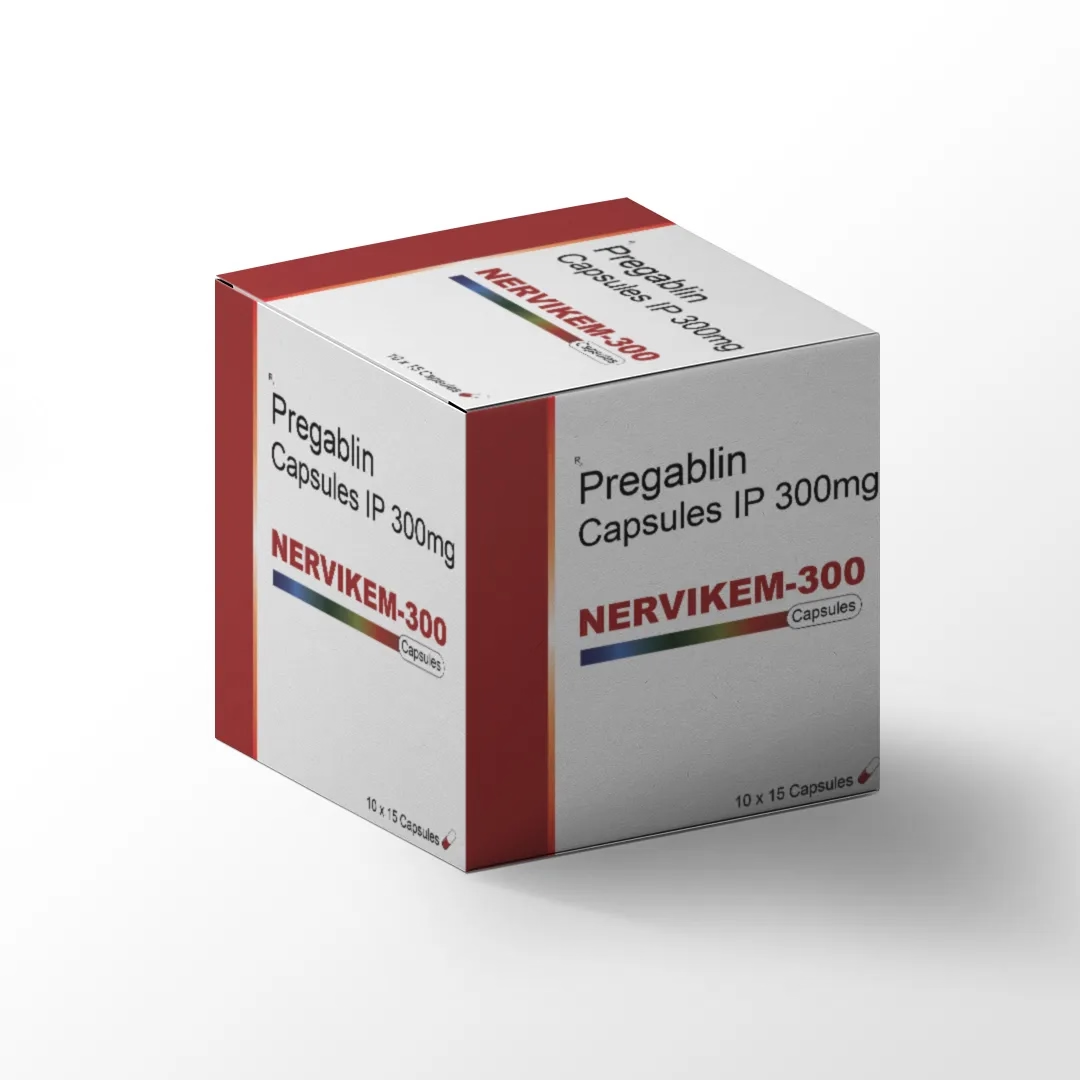 Buy Pregabalin Online
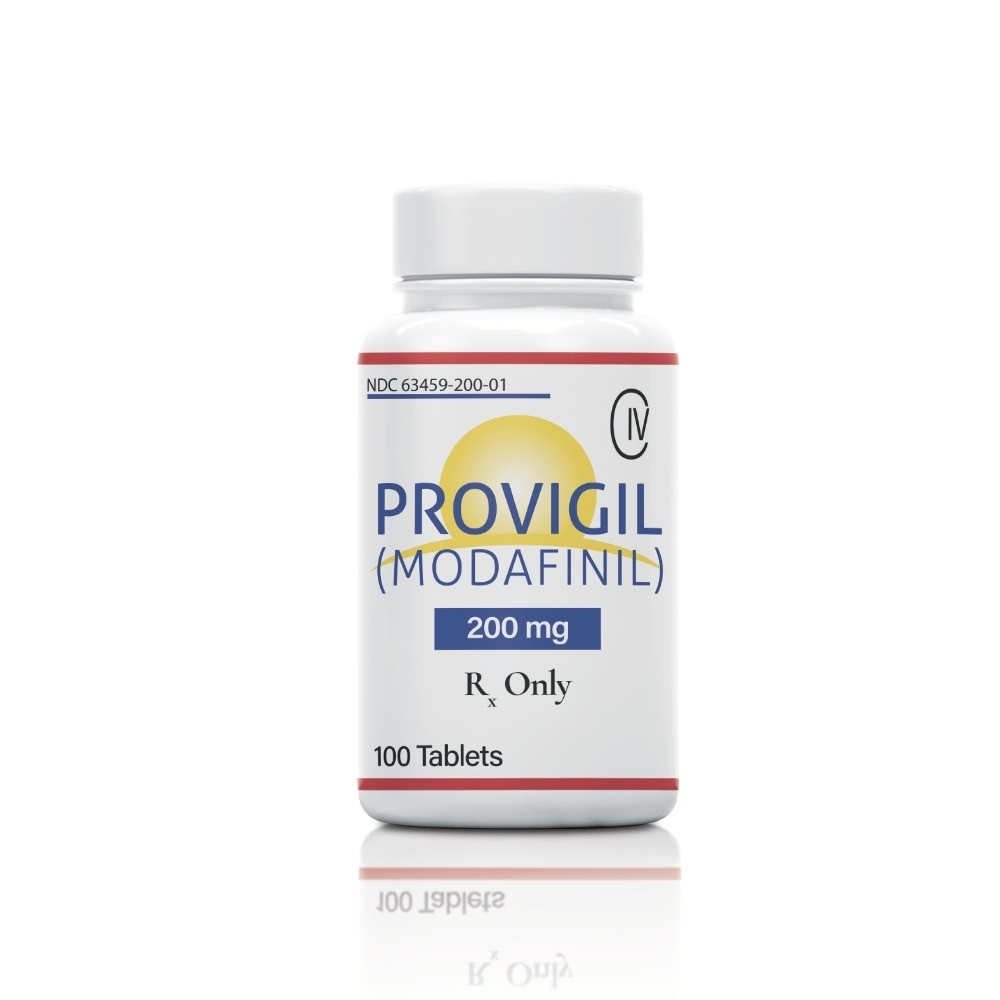 Buy Provigil Online
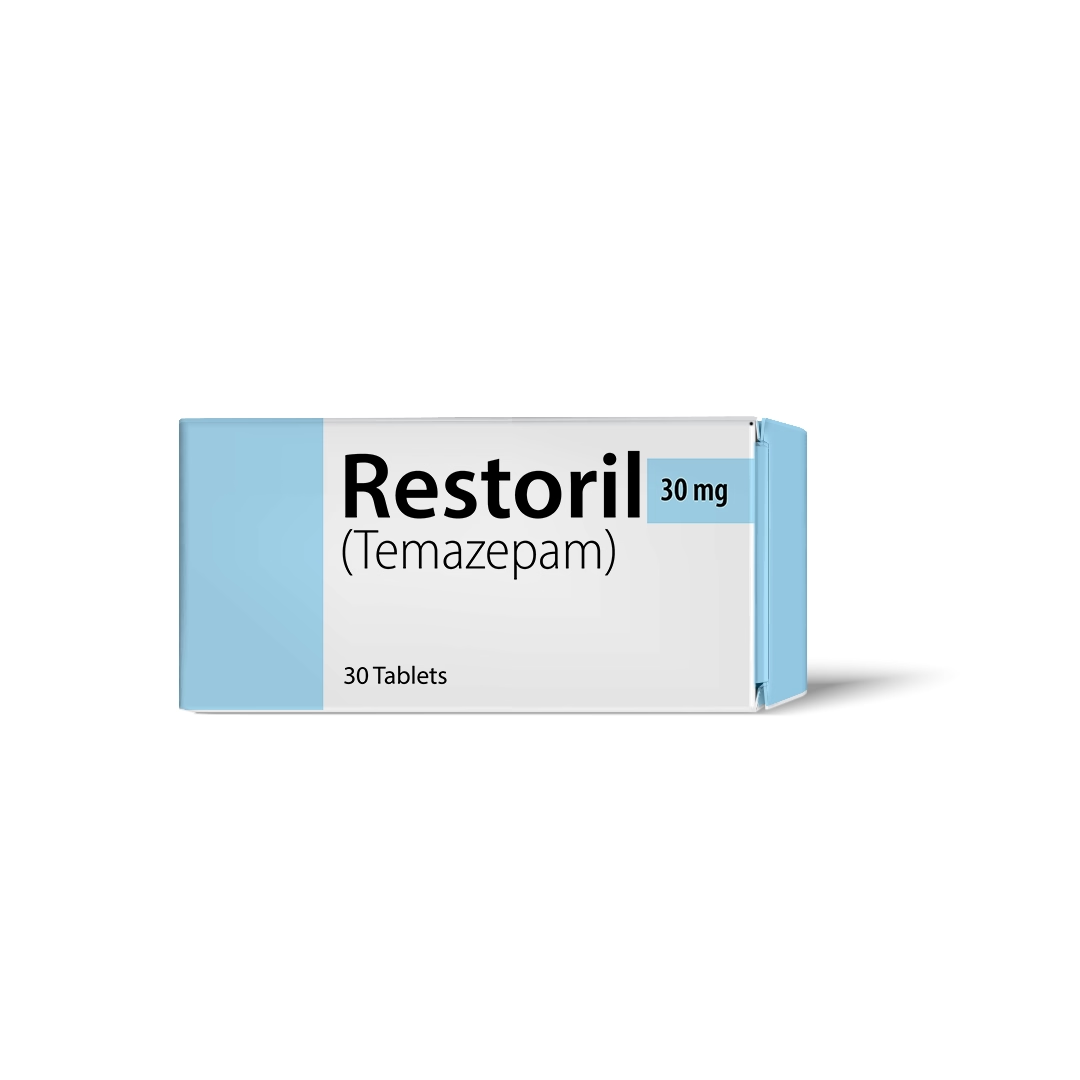 Buy Restoril Online
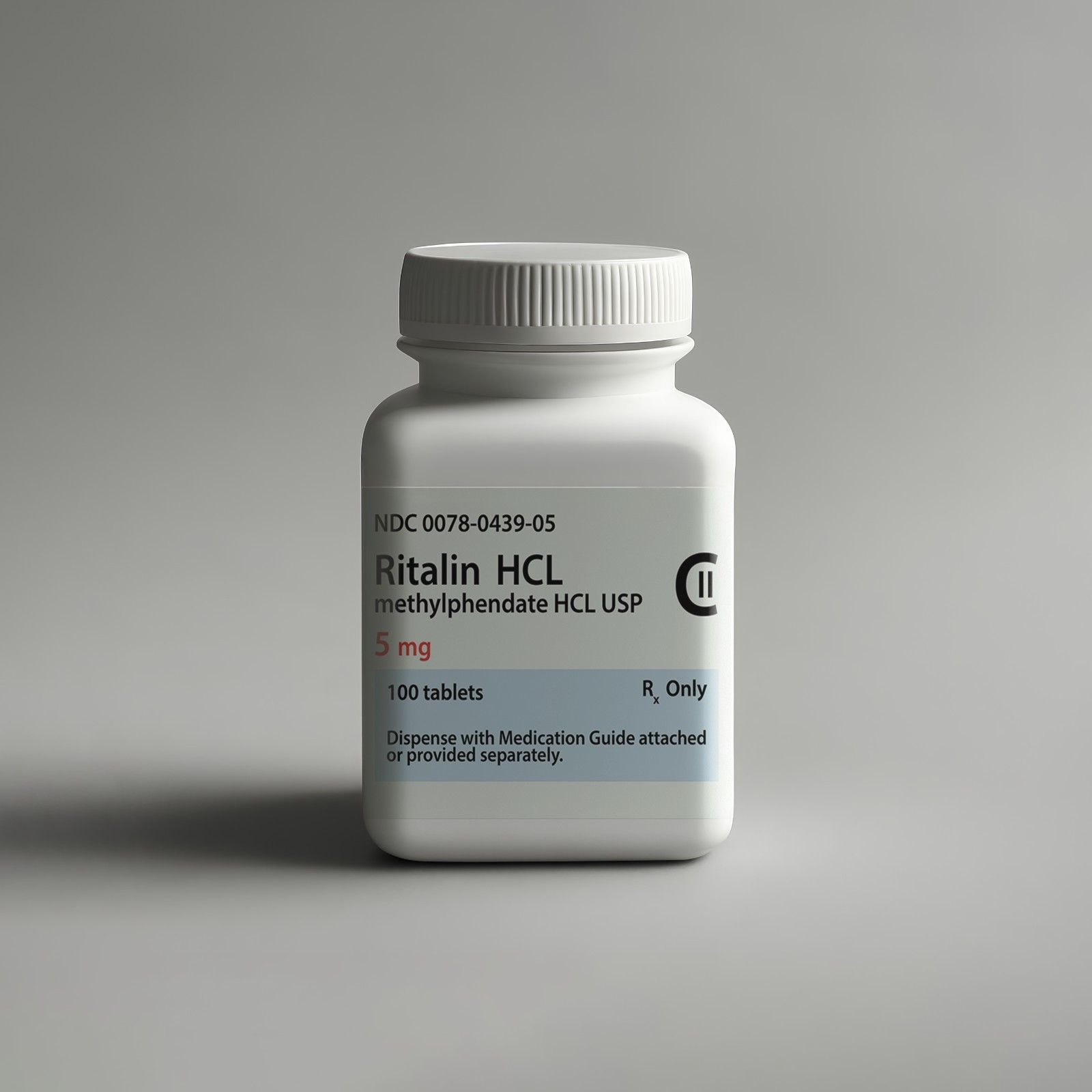 Buy Ritalin Online
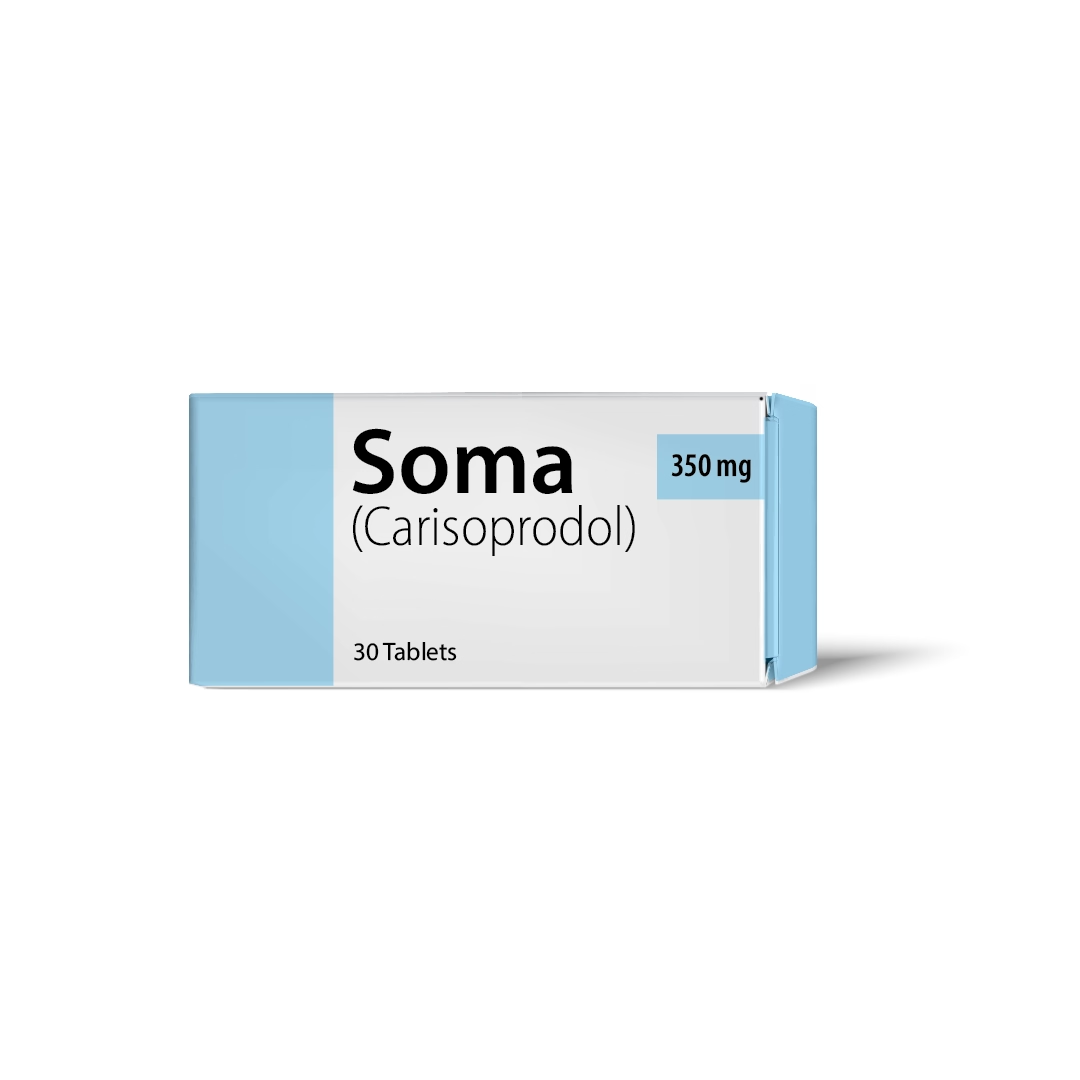 Buy Soma Online
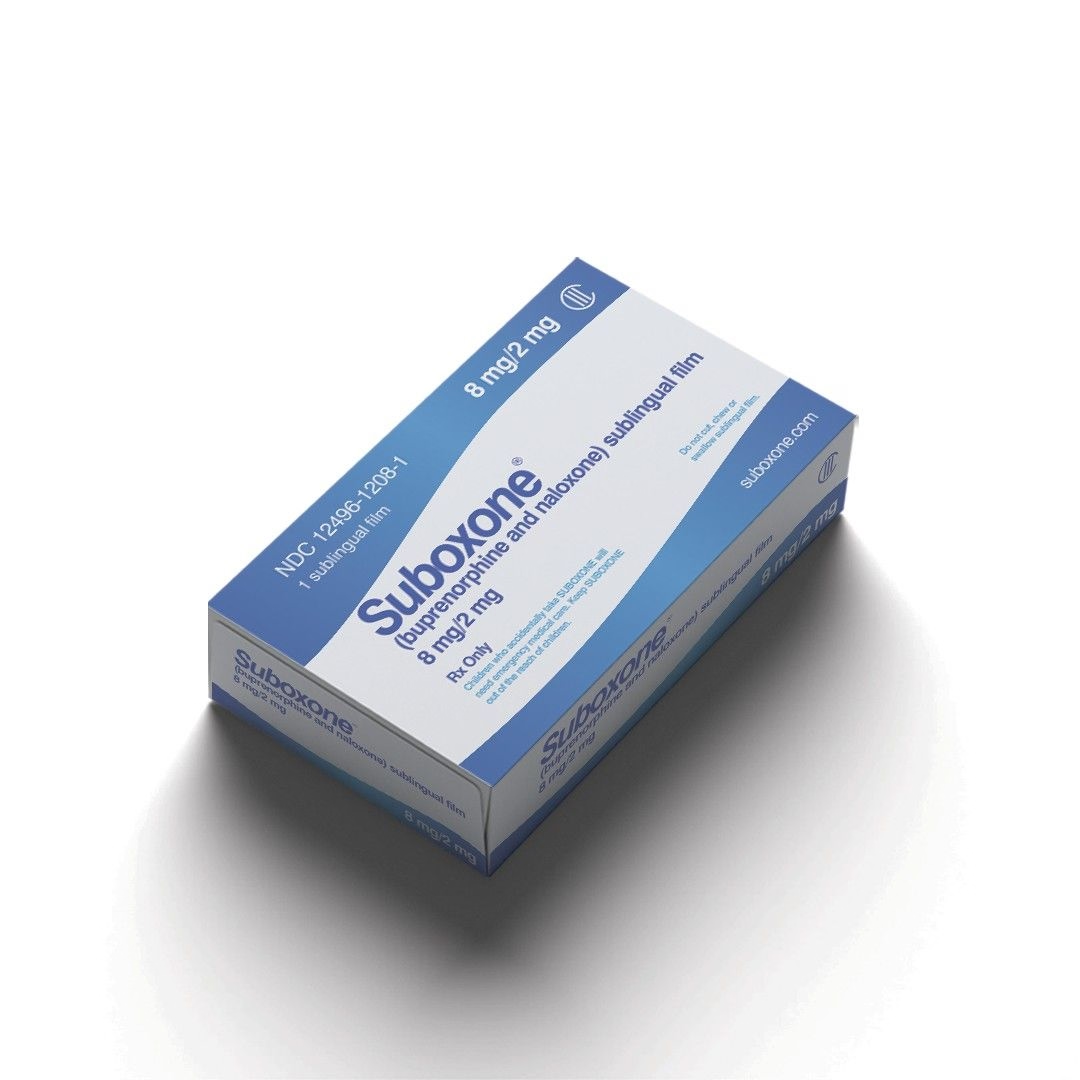 Buy Suboxone Online
 Buy Tramadol Online
 Buy Valium Online
 Buy Viagra Online
 Buy Vicodin Online
 Buy Xanax Online
 Buy Zolpidem Online
Buy Buprenorphine Online
Showing all 4 results
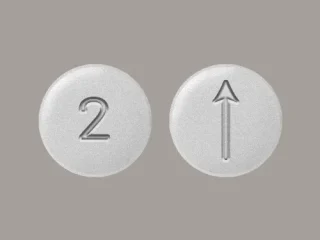
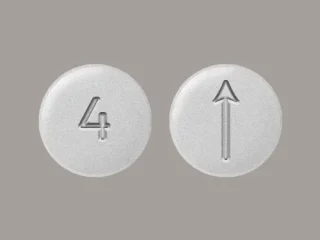
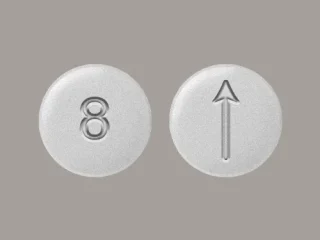
What Is Buprenorphine?
Buprenorphine is a medication that acts on the body’s opioid receptors. Its relatively long duration of action allows it to help control withdrawal symptoms and cravings without requiring frequent dosing in many treatment plans.
For OUD, buprenorphine may be used alone or in combination with naloxone. Treatment is generally individualized according to the patient’s opioid exposure, withdrawal symptoms, medical history, and response to therapy.
Because buprenorphine is itself an opioid medication, it should only be used under the direction of a qualified healthcare professional.
What Is Buprenorphine Used For?
Treatment of Opioid Use Disorder
One of the most established uses of buprenorphine is medication treatment for opioid use disorder.
A supervised treatment program may use buprenorphine to:
- Reduce opioid withdrawal symptoms
- Decrease opioid cravings
- Help patients maintain treatment
- Reduce the need to use illicit or non-prescribed opioids
- Support recovery alongside counseling and behavioral-health services
Buprenorphine is not intended to replace comprehensive addiction care. Healthcare professionals may combine medication treatment with counseling, behavioral support, and recovery services when appropriate.
Pain Management
Certain buprenorphine formulations are approved for managing pain. The formulation, strength, dosing schedule, and route of administration can differ substantially from products used for OUD.
Patients should therefore use only the formulation and dose specifically prescribed for their condition.
How Does Buprenorphine Work?
Buprenorphine binds strongly to opioid receptors in the brain and nervous system. As a partial opioid agonist, it activates these receptors but has a ceiling effect on some opioid effects compared with full opioid agonists.
This pharmacological profile allows buprenorphine to reduce withdrawal symptoms and cravings in people with OUD.
Because it binds strongly to opioid receptors, taking buprenorphine too soon after using another opioid can sometimes trigger precipitated withdrawal. For this reason, the timing of treatment initiation should be determined by a healthcare professional.
Common Buprenorphine Forms
Buprenorphine is available in different prescription formulations. Depending on the medical indication, a clinician may prescribe forms such as:
- Sublingual tablets or films
- Buccal formulations
- Long-acting injectable formulations
- Transdermal patches for certain pain indications
The strength and dosing instructions depend on the specific product and reason for treatment. Patients should never substitute one formulation for another without professional guidance.
Before Taking Buprenorphine
Tell your healthcare provider about your complete medical history and all medications, supplements, and substances you use.
Particular attention may be needed if you have:
- Liver disease
- Breathing problems
- Sleep-related breathing disorders
- A history of substance-use problems
- Head injury or increased intracranial pressure
- Low blood pressure
- Gallbladder problems
- Problems with urination
- A history of seizures
Your healthcare provider should also know if you are pregnant, planning pregnancy, or breastfeeding.
How Should Buprenorphine Be Taken?
There is no single dose that is appropriate for everyone. Treatment depends on factors such as the patient’s opioid history, current withdrawal status, formulation, medical conditions, and treatment response.
For OUD, clinicians typically establish treatment gradually and adjust the dose according to withdrawal symptoms, cravings, and overall response.
Do not:
- Increase the dose on your own
- Take additional doses because you feel cravings
- Stop treatment suddenly without medical advice
- Share your medication with another person
- Use a different buprenorphine formulation without professional direction
Always follow the prescription label and instructions provided by your healthcare professional.
Possible Side Effects
Some people experience side effects while taking buprenorphine. Common effects may include:
- Headache
- Nausea
- Vomiting
- Constipation
- Sweating
- Dizziness
- Tiredness
- Sleepiness
- Dry mouth
Side effects can vary according to the formulation and individual patient.
Serious Reactions
Seek urgent medical attention for symptoms such as:
- Severe difficulty breathing
- Extreme sleepiness or inability to wake
- Severe allergic reaction
- Swelling of the face, lips, tongue, or throat
- Severe confusion or loss of consciousness
Buprenorphine can cause serious respiratory depression, particularly when combined with other substances that slow the central nervous system.
Important Drug Interactions
Combining buprenorphine with certain medications or substances can increase the risk of dangerous sedation and breathing problems.
Particular caution is required with:
- Alcohol
- Benzodiazepines
- Other opioid medicines
- Sedatives
- Certain sleep medications
- Other central nervous system depressants
Do not discontinue a prescribed benzodiazepine or another medication abruptly on your own. Instead, discuss the combination with your healthcare provider so that risks can be assessed safely.
Buprenorphine and Pregnancy
Pregnancy requires individualized medical care. People who are pregnant or planning to become pregnant should speak with their healthcare provider before starting, stopping, or changing buprenorphine treatment.
For someone already receiving treatment for OUD, abruptly stopping medication can also carry significant risks. A healthcare professional can determine the safest treatment approach.
Can Buprenorphine Cause Dependence?
Yes. Although buprenorphine has a different pharmacological profile from full opioid agonists, it can still cause physical dependence.
Stopping treatment suddenly may result in withdrawal symptoms. A clinician can create an appropriate tapering or continuing-treatment plan when discontinuation is medically appropriate.
Buprenorphine should therefore be treated as a prescription medication rather than a medicine for unsupervised self-treatment.
Safe Storage and Disposal
Keep buprenorphine in a secure location away from children, visitors, and anyone for whom it was not prescribed.
Do not give your medication to another person, even if they have symptoms similar to yours.
When medication is no longer needed, ask a pharmacist or local medication take-back program about appropriate disposal options.
Where to Obtain Buprenorphine Safely
Buprenorphine is a prescription medication, and availability and dispensing requirements depend on the formulation and applicable regulations.
For safe treatment, obtain it through a licensed healthcare professional and a properly licensed pharmacy. Before filling a prescription through an online pharmacy, verify that the pharmacy is legally authorized to dispense prescription medicines in your jurisdiction.
Be particularly cautious of websites offering prescription opioids without appropriate medical evaluation, promising unusually low prices, or claiming that a prescription is unnecessary.
Frequently Asked Questions
Is buprenorphine an opioid?
Yes. Buprenorphine is an opioid medication, but it is classified as a partial opioid agonist.
Can buprenorphine stop opioid withdrawal?
It can reduce many opioid withdrawal symptoms when used appropriately as part of a medically supervised treatment plan.
Can I drink alcohol while taking buprenorphine?
Alcohol can increase sedation and respiratory-depression risks when combined with buprenorphine. Avoid combining them unless your healthcare professional specifically advises otherwise.
Can I stop buprenorphine suddenly?
Stopping suddenly can cause withdrawal symptoms and may increase the risk of returning to opioid use. Discuss discontinuation with your healthcare provider.
Is buprenorphine the same as methadone?
No. Both can be used in medication treatment for OUD, but they have different pharmacological properties and treatment requirements. A healthcare professional can help determine which approach is appropriate.
Final Safety Reminder
Buprenorphine can be an important medication in the treatment of opioid use disorder and, in specific formulations, certain pain conditions. However, it is not appropriate for unsupervised use.
Use only the formulation and dose prescribed for you, disclose other medications and substances to your healthcare provider, and seek professional advice before making changes to treatment.
NobleMedicus should not be used as a substitute for medical evaluation or a prescription from a qualified healthcare professional.
Product Category
-
 Buy Tapentadol Online
 -
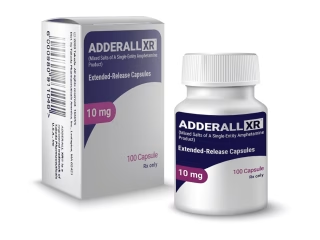 Buy Adderall Online
 -
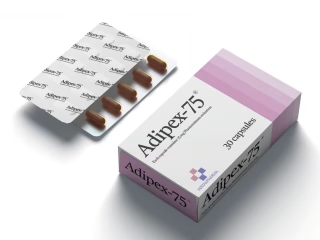 Buy Adipex Online
 -
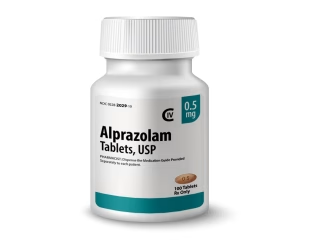 Buy Alprazolam Online
 -
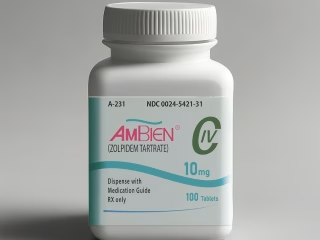 Buy Ambien Online
 -
 Buy Ativan Online
 -
 Buy Belbien Online
 -
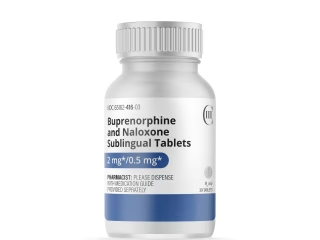 Buy Buprenorphine Online
 -
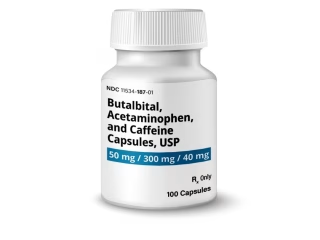 Buy Butalbital Online
 -
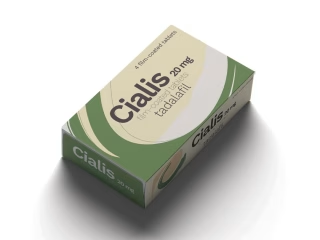 Buy Cialis Online
 -
 Buy Claritin Online
 -
 Buy Clonazepam Online
 -
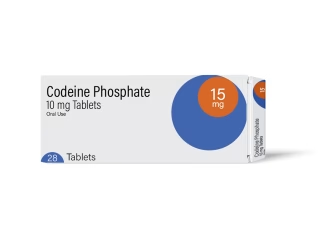 Buy Codeine Online
 -
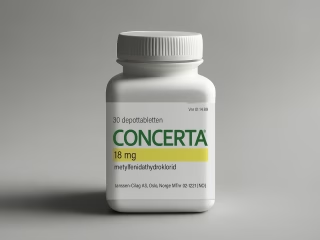 Buy Concerta Online
 -
 Buy Diazepam Online
 -
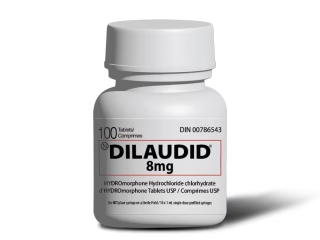 Buy Dilaudid Online
 -
 Buy Farmapram Online
 -
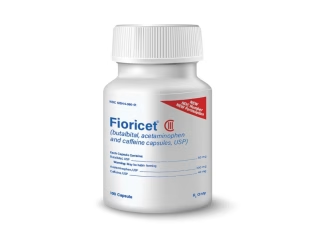 Buy Fioricet Online
 -
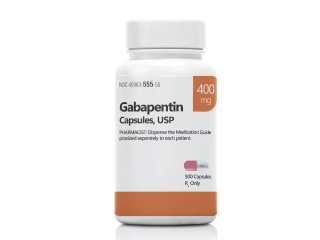 Buy Gabapentin Online
 -
 Buy Hydrocodone Online
 -
 Buy Hydromorphone Online
 -
 Buy Klonopin Online
 -
 Buy Ksalol Online
 -
 Buy Levitra Online
 -
 Buy Lorazepam Online
 -
 Buy Lortab Online
 -
 Buy Lunesta Online
 -
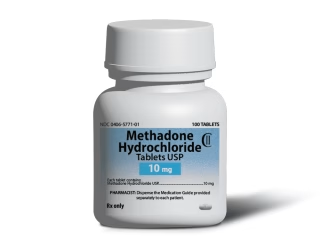 Buy Methadone Online
 -
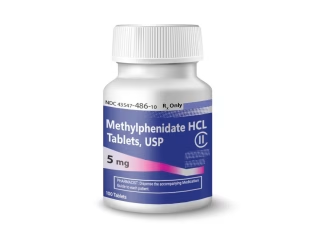 Buy Methylphenidate Online
 -
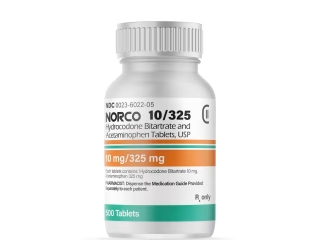 Buy Norco Online
 -
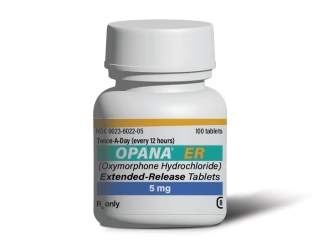 Buy Opana ER Online
 -
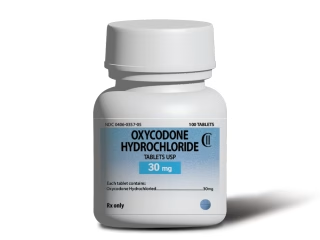 Buy Oxycodone Online
 -
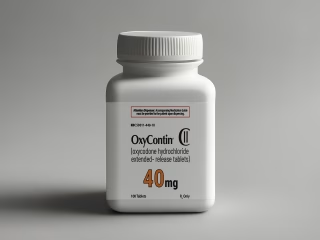 Buy Oxycontin Online
 -
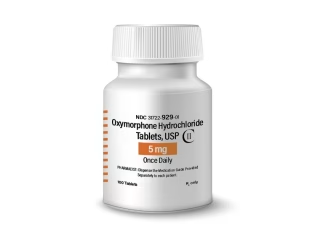 Buy Oxymorphone Online
 -
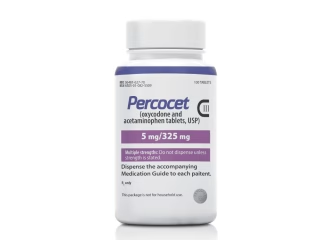 Buy Percocet Online
 -
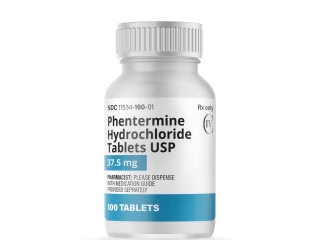 Buy Phentermine Online
 -
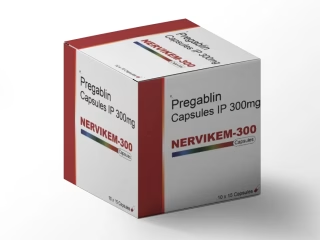 Buy Pregabalin Online
 -
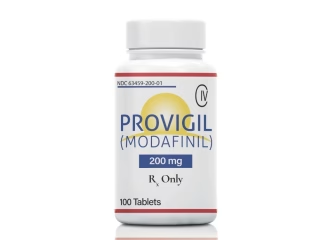 Buy Provigil Online
 -
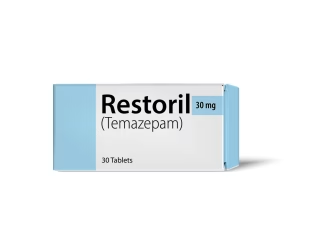 Buy Restoril Online
 -
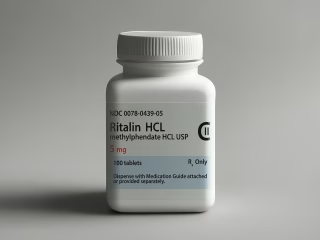 Buy Ritalin Online
 -
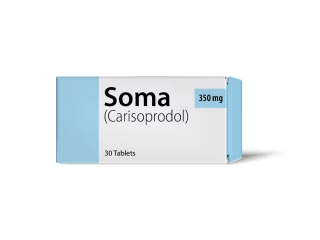 Buy Soma Online
 -
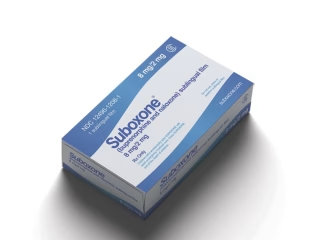 Buy Suboxone Online
 -
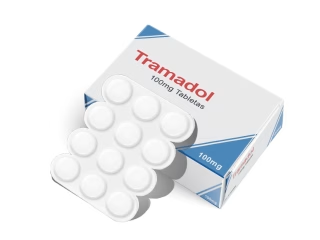 Buy Tramadol Online
 -
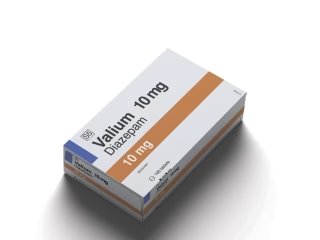 Buy Valium Online
 -
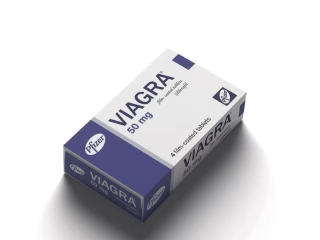 Buy Viagra Online
 -
 Buy Vicodin Online
 -
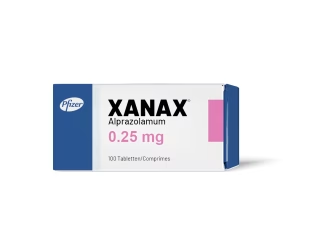 Buy Xanax Online
 -
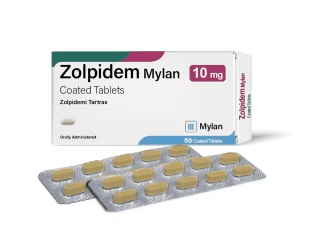 Buy Zolpidem Online