
Categories
 Buy Tapentadol Online
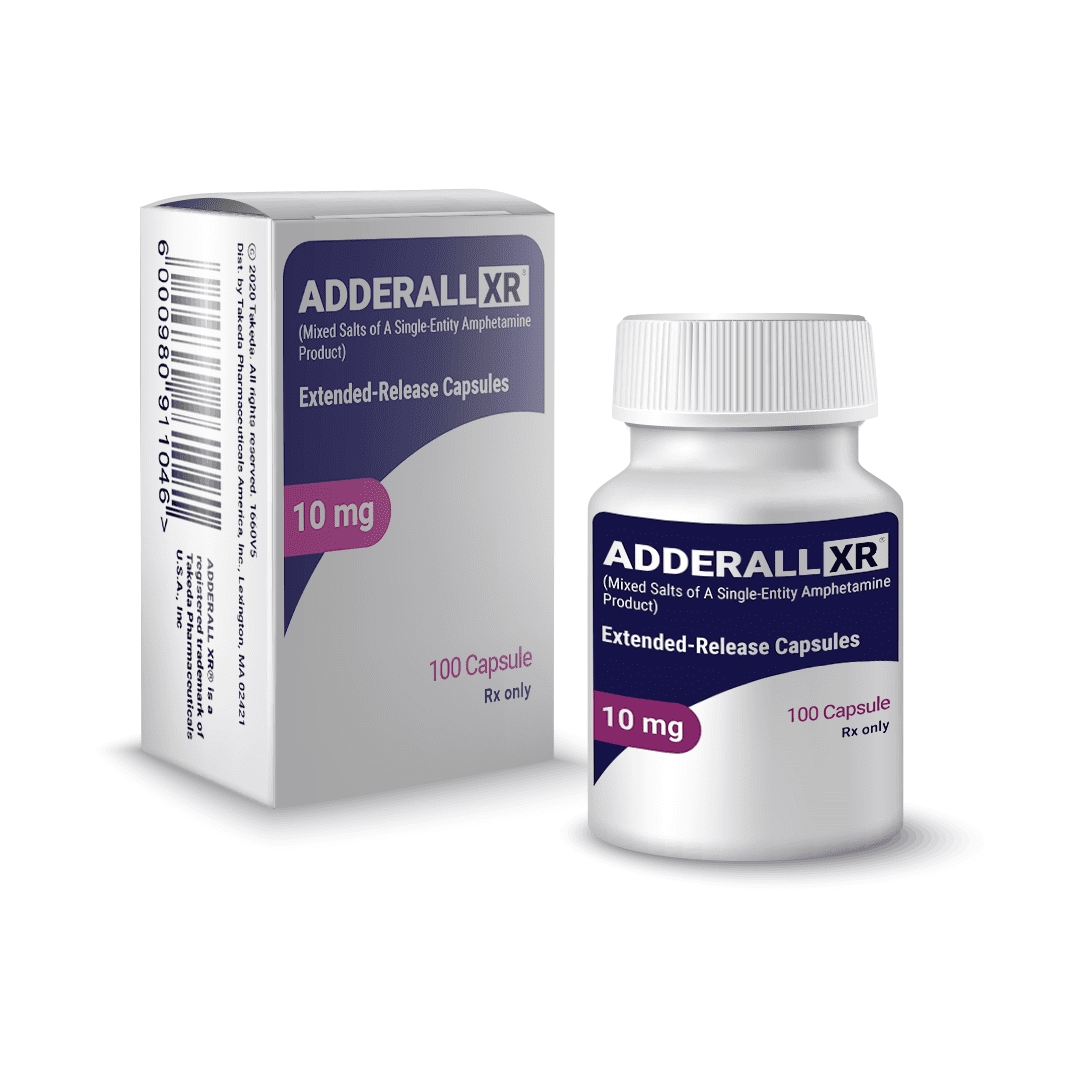 Buy Adderall Online
 Buy Adipex Online
 Buy Alprazolam Online
 Buy Ambien Online
 Buy Ativan Online
 Buy Belbien Online
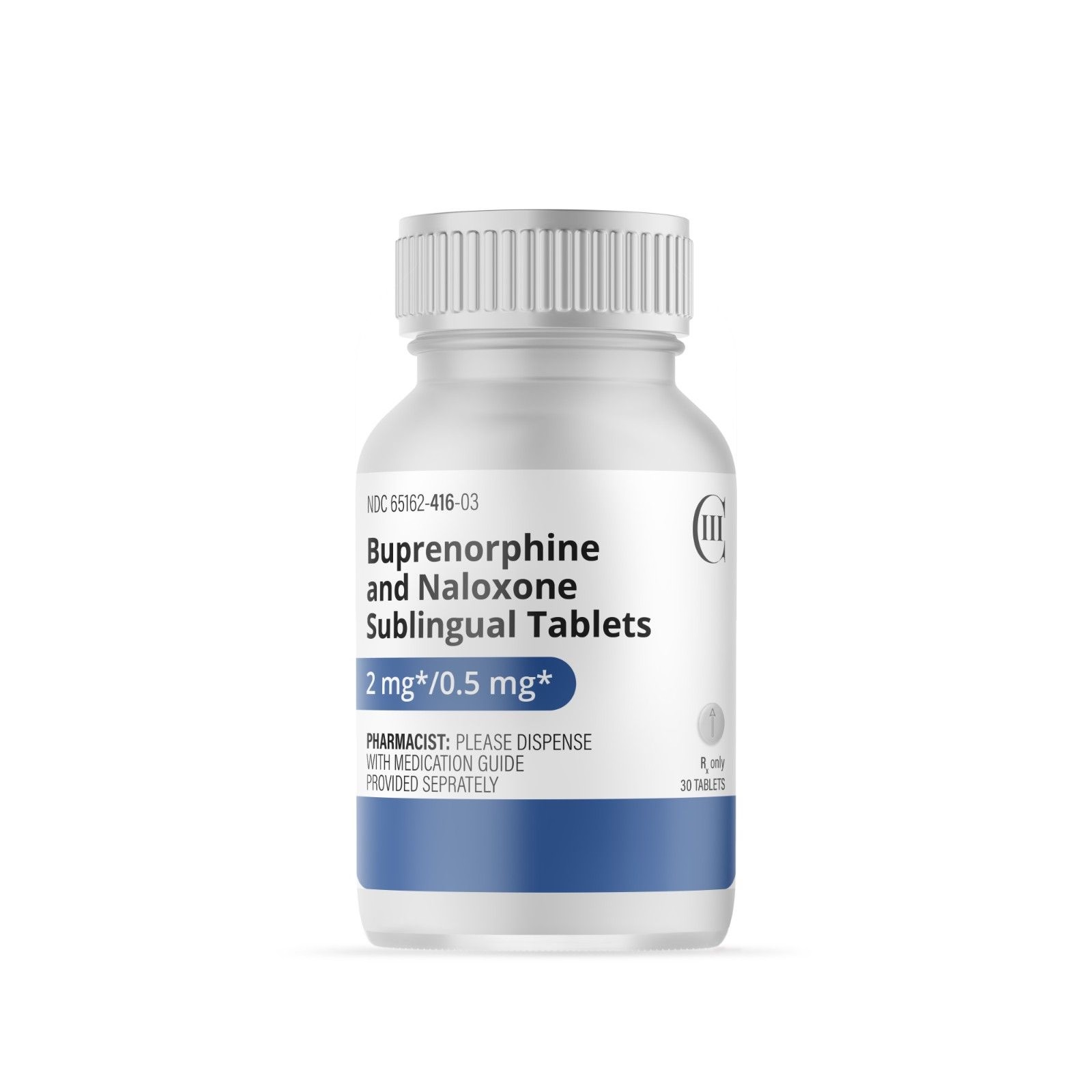 Buy Buprenorphine Online
 Buy Butalbital Online
 Buy Cialis Online
 Buy Claritin Online
 Buy Clonazepam Online
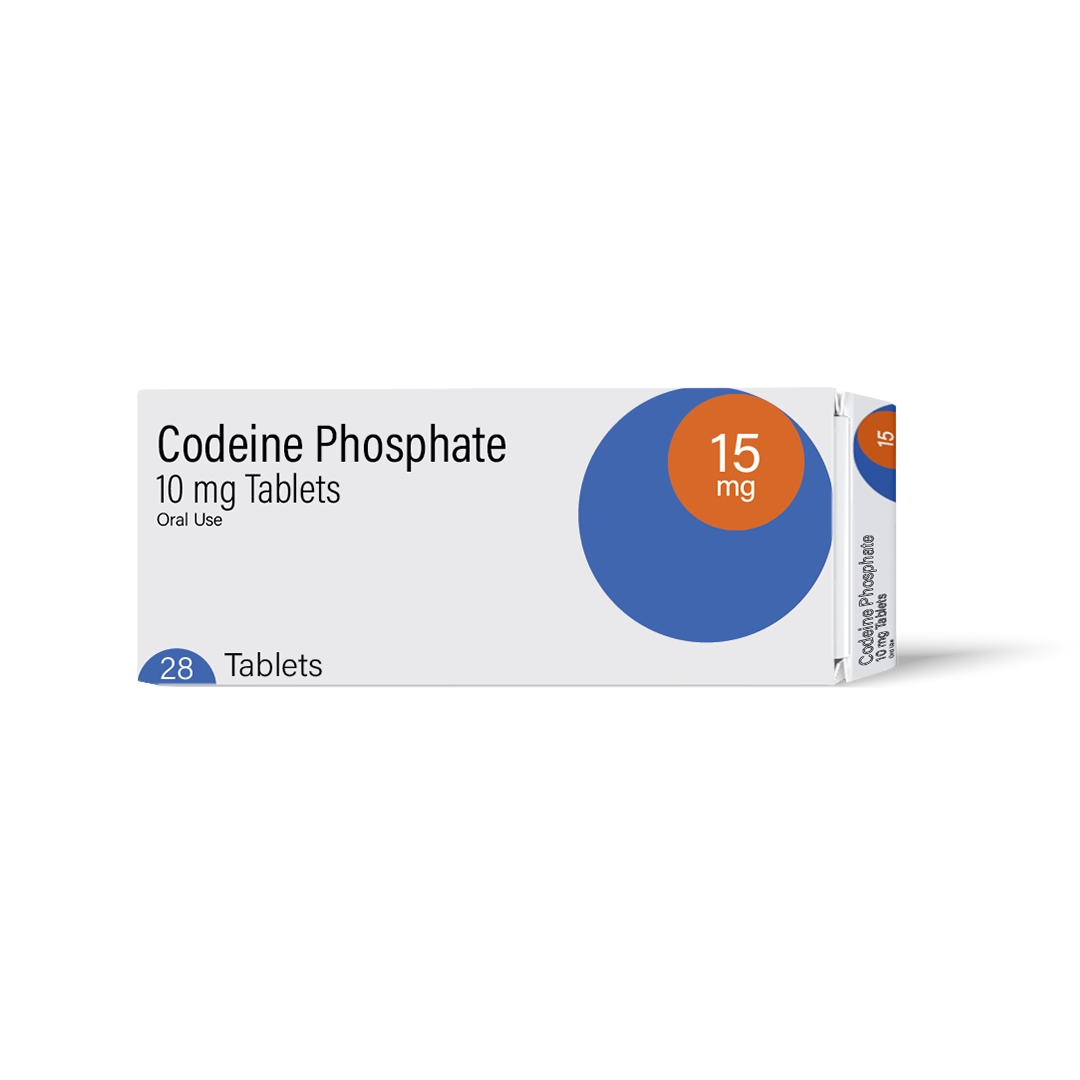 Buy Codeine Online
 Buy Concerta Online
 Buy Diazepam Online
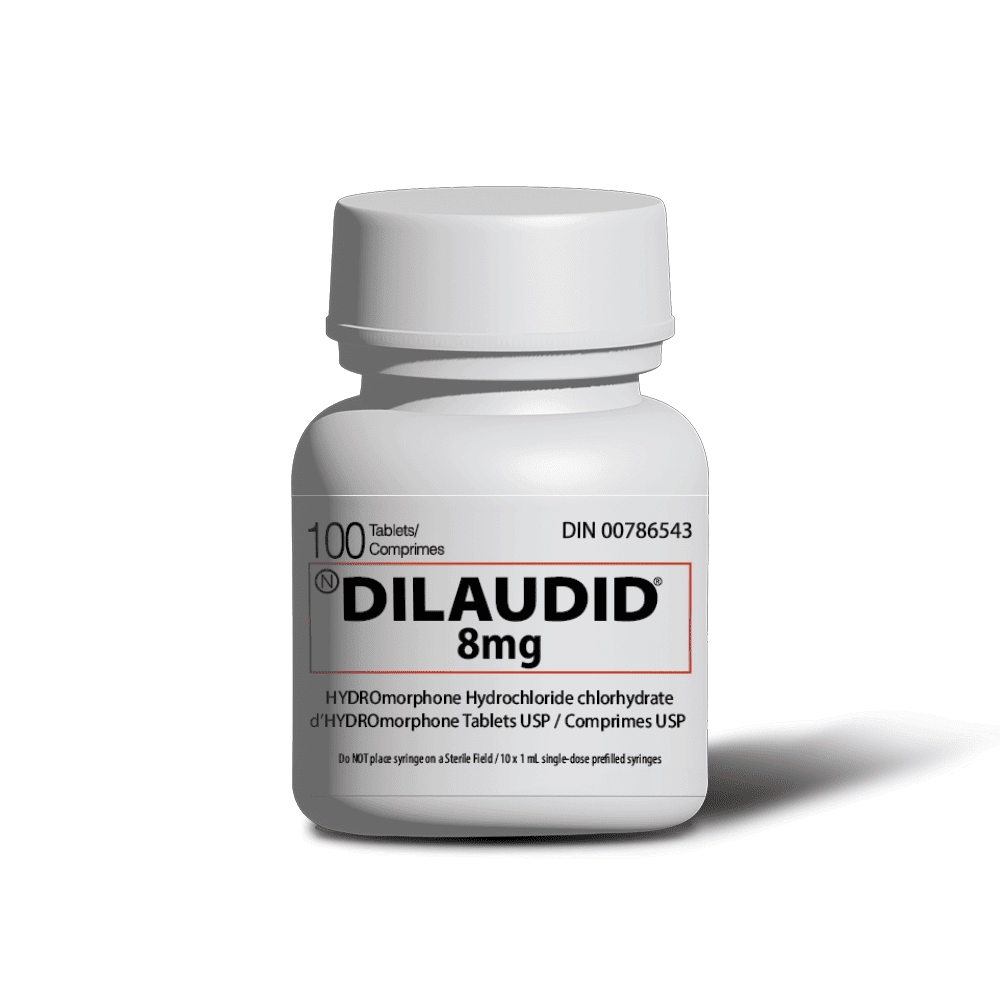 Buy Dilaudid Online
 Buy Farmapram Online
 Buy Fioricet Online
 Buy Gabapentin Online
 Buy Hydrocodone Online
 Buy Hydromorphone Online
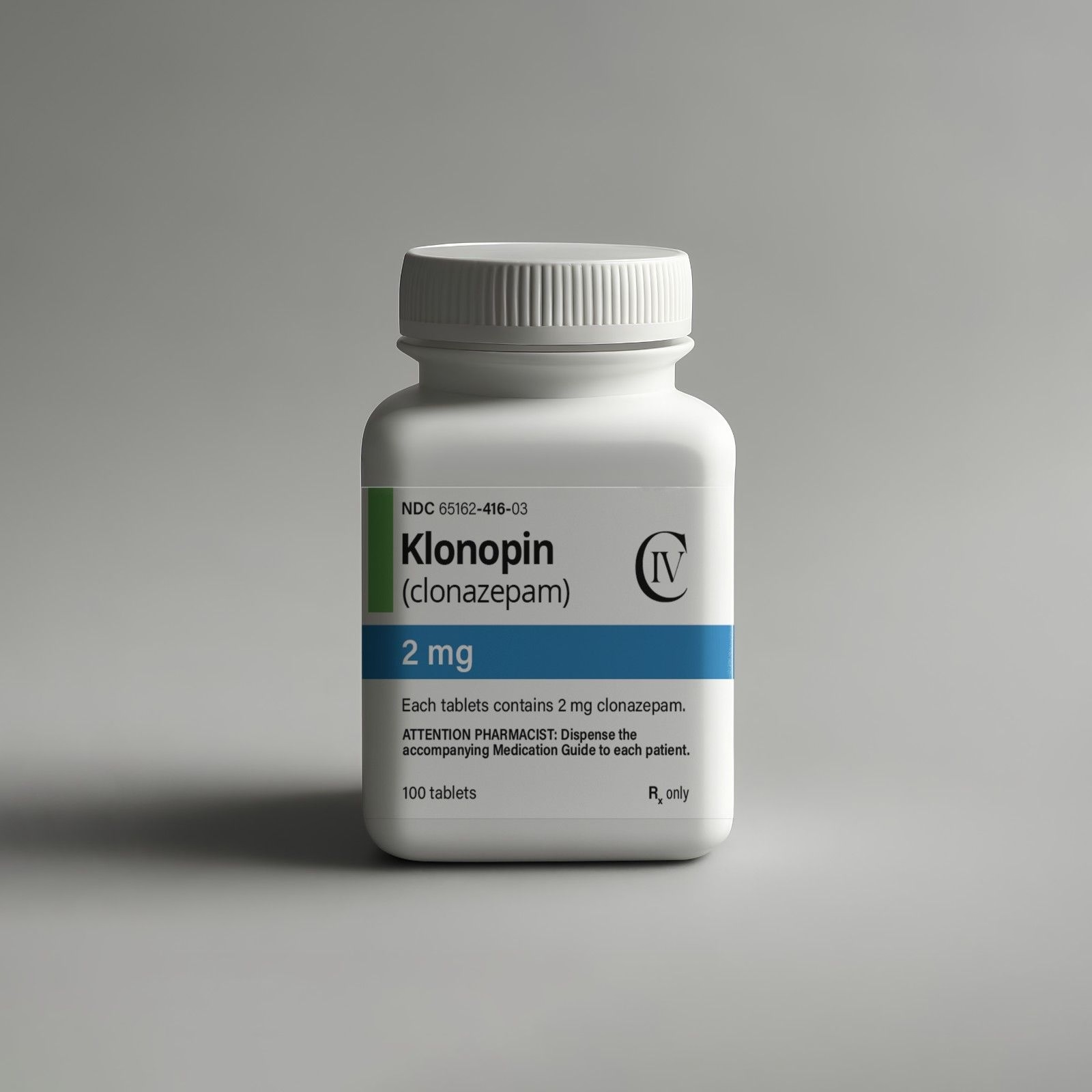 Buy Klonopin Online
 Buy Ksalol Online
 Buy Levitra Online
 Buy Lorazepam Online
 Buy Lortab Online
 Buy Lunesta Online
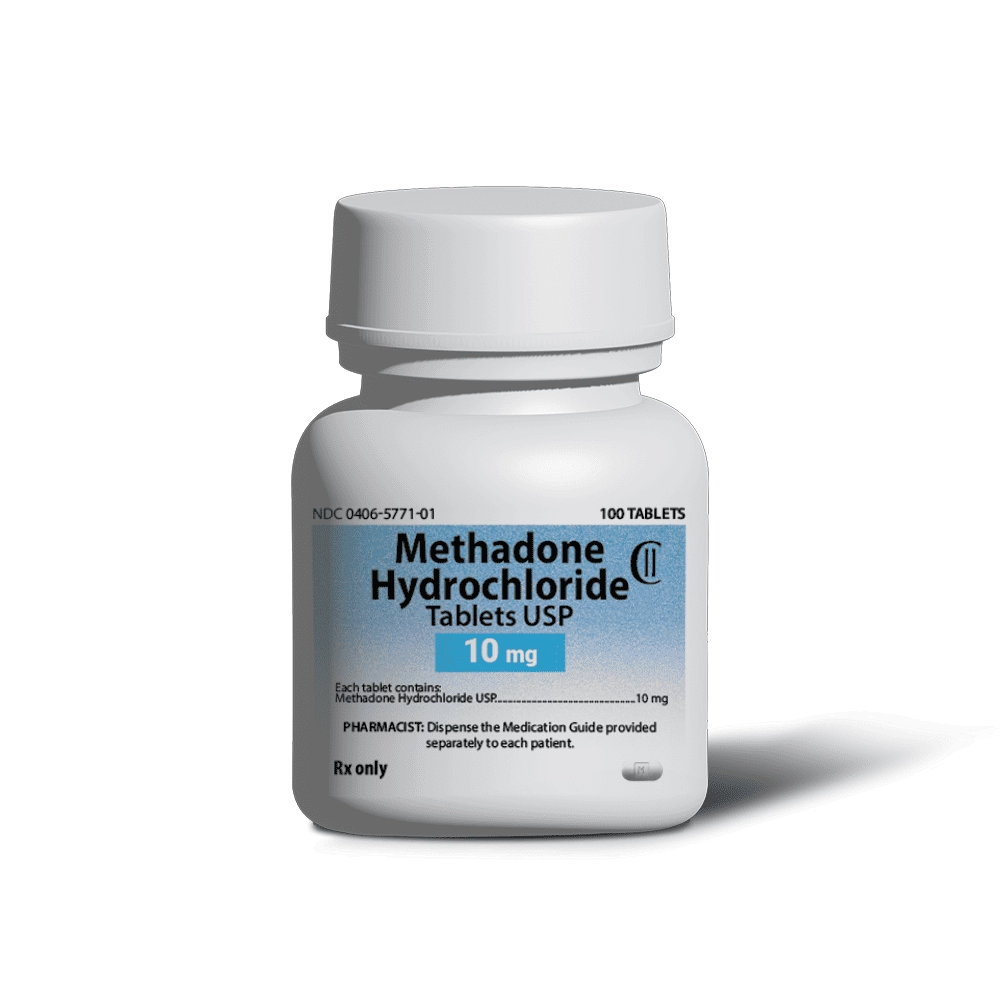 Buy Methadone Online
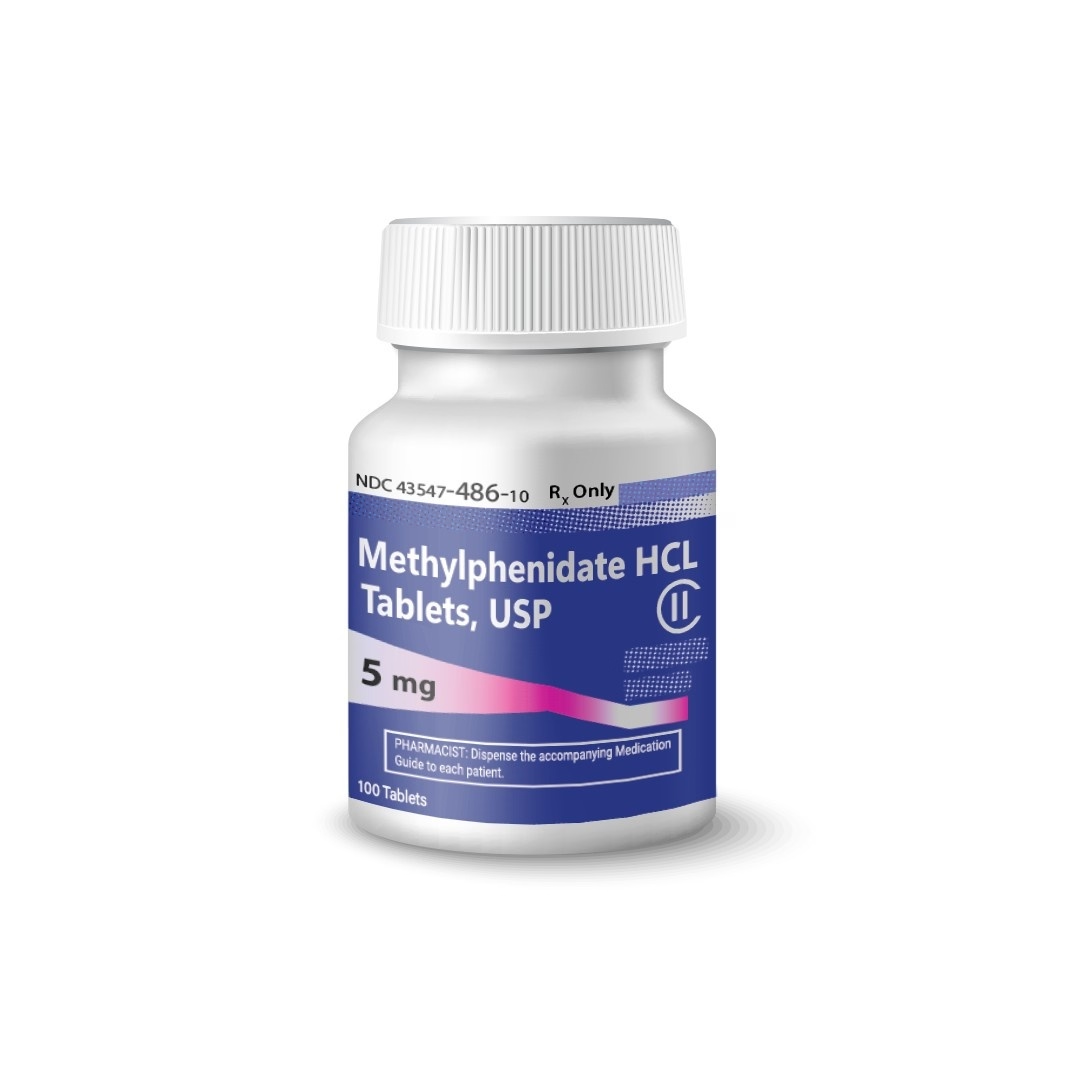 Buy Methylphenidate Online
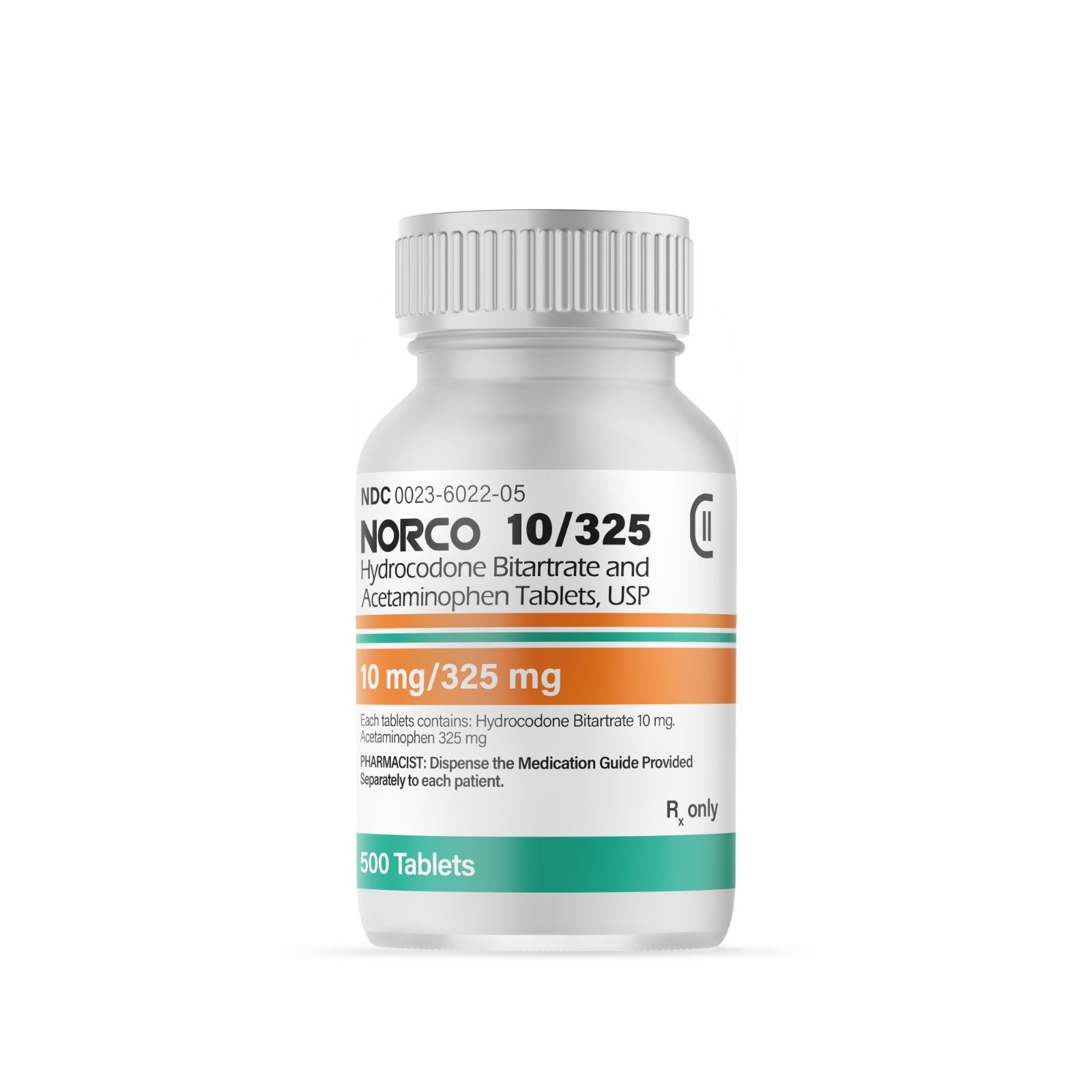 Buy Norco Online
 Buy Opana ER Online
 Buy Oxycodone Online
 Buy Oxycontin Online
 Buy Oxymorphone Online
 Buy Percocet Online
 Buy Phentermine Online
 Buy Pregabalin Online
 Buy Provigil Online
 Buy Restoril Online
 Buy Ritalin Online
 Buy Soma Online
 Buy Suboxone Online
 Buy Tramadol Online
 Buy Valium Online
 Buy Viagra Online
 Buy Vicodin Online
 Buy Xanax Online
 Buy Zolpidem Online
Buy Codeine Online
Showing all 3 results



What Is Codeine?
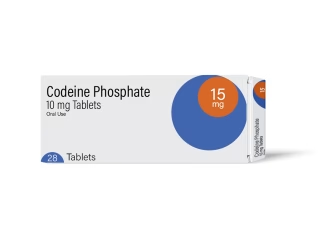
Codeine is an opioid that acts on the central nervous system. The body converts some codeine into morphine, which contributes to its pain-relieving effects. Depending on the formulation, codeine may be prescribed alone or combined with another medication.
Codeine is available in different strengths and formulations. The appropriate product and dose depend on the patient’s age, medical history, symptoms, other medicines, and response to treatment.
Codeine is a prescription medicine in the United States and is subject to restrictions because of its potential for misuse, dependence, and serious adverse effects.
What Is Codeine Used For?
Pain Relief
Healthcare professionals may prescribe codeine-containing medicines for selected cases of pain when opioid treatment is considered appropriate. Treatment should be individualized because opioids are not suitable for every type of pain.
Cough
Some codeine-containing formulations have been used as cough medicines. However, codeine is not appropriate for everyone, and healthcare professionals consider age, medical history, respiratory health, and other medications before recommending an opioid-containing cough treatment.
Combination Medicines
Codeine may be combined with other active ingredients. For example, some prescription products contain codeine and acetaminophen. Combination medicines require particular care because taking additional products containing the same ingredients can increase the risk of harmful effects.
How Does Codeine Work?
Codeine affects opioid receptors in the central nervous system. After the body metabolizes codeine, its active metabolites can reduce the perception of pain and alter the body’s response to painful stimuli.
The same effects that can provide pain relief can also cause sleepiness and slowed breathing. This is one reason codeine should be taken exactly as prescribed rather than in larger or more frequent amounts.
Who Should Discuss Codeine With a Doctor Before Taking It?
Before starting codeine, tell your healthcare professional about your complete medical history and all medicines, supplements, and substances you use.
Particular caution may be necessary if you have:
- Breathing problems or respiratory disease
- Sleep apnea
- Liver or kidney problems
- Head injury or increased pressure inside the skull
- Gallbladder or pancreatic problems
- Urinary difficulties or prostate problems
- Adrenal or thyroid disorders
- A history of substance-use problems
- An allergy to codeine or other opioids
Codeine may also be unsuitable during certain stages of pregnancy or breastfeeding. A healthcare professional should determine whether the potential benefits outweigh the risks.
Codeine and Children
Codeine can present serious respiratory risks in children. In the United States, FDA labeling includes important restrictions and warnings regarding pediatric use, particularly because some people convert codeine to morphine more rapidly than expected.
Children and teenagers should not be given codeine unless a qualified healthcare professional specifically determines that its use is appropriate.
How Should Codeine Be Taken?
Follow the prescription label and your healthcare professional’s instructions. Do not change the dose, frequency, or duration of treatment on your own.
Important precautions include:
- Take only the amount prescribed.
- Do not take doses closer together than instructed.
- Never share codeine with another person.
- Do not crush, chew, or alter a formulation unless the product instructions specifically allow it.
- Check combination medicines carefully to avoid accidentally taking excessive amounts of acetaminophen or another active ingredient.
- If you miss a dose, follow the instructions provided with your prescription rather than automatically doubling the next dose.
There is no single “standard” dose that is appropriate for everyone. Dosage depends on the specific product and individual circumstances.
Common Side Effects of Codeine
Some people may experience:
- Drowsiness
- Dizziness
- Nausea
- Vomiting
- Constipation
- Dry mouth
- Stomach discomfort
- Headache
Side effects may be more noticeable when treatment begins or when the dose changes.
Serious Side Effects
Seek urgent medical attention for signs of a serious reaction, including:
- Slow or Difficult Breathing
Very slow, shallow, irregular, or difficult breathing can indicate opioid-related respiratory depression and requires immediate medical attention. - Extreme Sleepiness
Being unusually difficult to wake, losing consciousness, or becoming severely confused can be signs of an overdose or dangerous interaction. - Severe Allergic Reaction
Swelling of the face, lips, tongue, or throat, severe rash, wheezing, or difficulty breathing may indicate an allergic reaction.
Dependence and Withdrawal
Regular opioid use can lead to physical dependence. Suddenly stopping treatment after prolonged use may produce withdrawal symptoms. A healthcare professional can advise on whether the medication should be reduced gradually.
Important Drug and Alcohol Interactions
Alcohol and certain medicines can increase the sedating and breathing-related effects of codeine.
Tell your healthcare professional if you take:
- Benzodiazepines or other sedatives
- Sleep medicines
- Other opioid medications
- Certain antidepressants
- Muscle relaxants
- Medicines that affect liver enzymes
- Alcohol or other substances that cause drowsiness
Combining opioids with alcohol, benzodiazepines, or other central nervous system depressants can significantly increase the risk of respiratory depression, overdose, and death.
Codeine and Acetaminophen
Some codeine products contain acetaminophen. Taking additional acetaminophen-containing medicines at the same time can unintentionally increase the total daily amount.
Excessive acetaminophen can cause severe liver injury. Always check the active ingredients of every medicine you take and ask a pharmacist or doctor if you are unsure.
Safe Storage and Disposal
Keep codeine in a secure location that cannot be accessed by children, visitors, or anyone for whom it was not prescribed.
Do not give your medication to another person, even if they report symptoms similar to yours. Unused opioid medication should be disposed of according to local medication-disposal guidance.
What to Do in Case of a Suspected Overdose
A suspected opioid overdose is a medical emergency. Warning signs can include extreme sleepiness, inability to wake, slow or stopped breathing, pinpoint pupils, and loss of consciousness.
Naloxone can reverse opioid overdose when administered promptly. If an overdose is suspected, emergency medical assistance should be obtained immediately and naloxone should be used when available and appropriate.
Frequently Asked Questions
Is codeine a prescription medication?
Yes. In the United States, codeine-containing prescription medicines are regulated medications. Whether a particular product is available and under what conditions depends on its formulation and applicable regulations.
Can codeine cause dependence?
Yes. Codeine is an opioid and can cause physical dependence and, in some people, opioid use disorder. Using it exactly as prescribed reduces unnecessary exposure but does not eliminate these risks.
Can I drink alcohol while taking codeine?
Alcohol should generally be avoided while taking codeine unless a healthcare professional specifically advises otherwise. The combination can increase sedation and dangerously slow breathing.
Can I drive after taking codeine?
Codeine can cause dizziness, drowsiness, and impaired alertness. Do not drive or operate machinery until you know how the medicine affects you and your healthcare professional has advised that it is safe.
Can I stop codeine suddenly?
If you have been taking codeine regularly, do not stop it abruptly without medical advice. Your healthcare professional can determine whether a gradual reduction is appropriate.
Responsible Use Matters
Codeine can have a legitimate medical role when prescribed for an appropriate patient and used according to professional guidance. It is not a medication to self-prescribe or share with others.
For questions about whether codeine is appropriate for your symptoms, the correct formulation, potential interactions, or safe discontinuation, speak with a licensed healthcare professional or pharmacist. For current prescribing information and regulatory details, consult official U.S. medical and regulatory sources.
Medical Disclaimer: This article is provided for general educational purposes and does not replace professional medical advice, diagnosis, or treatment. Medication decisions should be made with a qualified healthcare professional.
Product Category
-
 Buy Tapentadol Online
 -
 Buy Adderall Online
 -
 Buy Adipex Online
 -
 Buy Alprazolam Online
 -
 Buy Ambien Online
 -
 Buy Ativan Online
 -
 Buy Belbien Online
 -
 Buy Buprenorphine Online
 -
 Buy Butalbital Online
 -
 Buy Cialis Online
 -
 Buy Claritin Online
 -
 Buy Clonazepam Online
 -
 Buy Codeine Online
 -
 Buy Concerta Online
 -
 Buy Diazepam Online
 -
 Buy Dilaudid Online
 -
 Buy Farmapram Online
 -
 Buy Fioricet Online
 -
 Buy Gabapentin Online
 -
 Buy Hydrocodone Online
 -
 Buy Hydromorphone Online
 -
 Buy Klonopin Online
 -
 Buy Ksalol Online
 -
 Buy Levitra Online
 -
 Buy Lorazepam Online
 -
 Buy Lortab Online
 -
 Buy Lunesta Online
 -
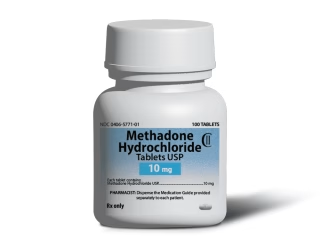 Buy Methadone Online
 -
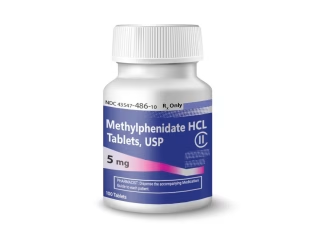 Buy Methylphenidate Online
 -
 Buy Norco Online
 -
 Buy Opana ER Online
 -
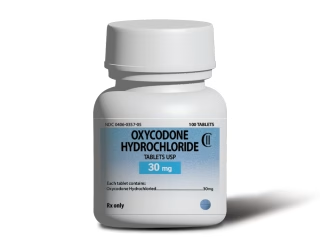 Buy Oxycodone Online
 -
 Buy Oxycontin Online
 -
 Buy Oxymorphone Online
 -
 Buy Percocet Online
 -
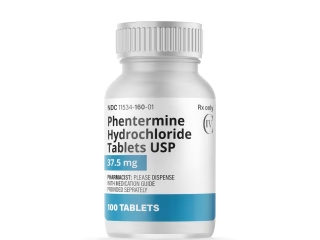 Buy Phentermine Online
 -
 Buy Pregabalin Online
 -
 Buy Provigil Online
 -
 Buy Restoril Online
 -
 Buy Ritalin Online
 -
 Buy Soma Online
 -
 Buy Suboxone Online
 -
 Buy Tramadol Online
 -
 Buy Valium Online
 -
 Buy Viagra Online
 -
 Buy Vicodin Online
 -
 Buy Xanax Online
 -
 Buy Zolpidem Online