
Categories
 Buy Tapentadol Online
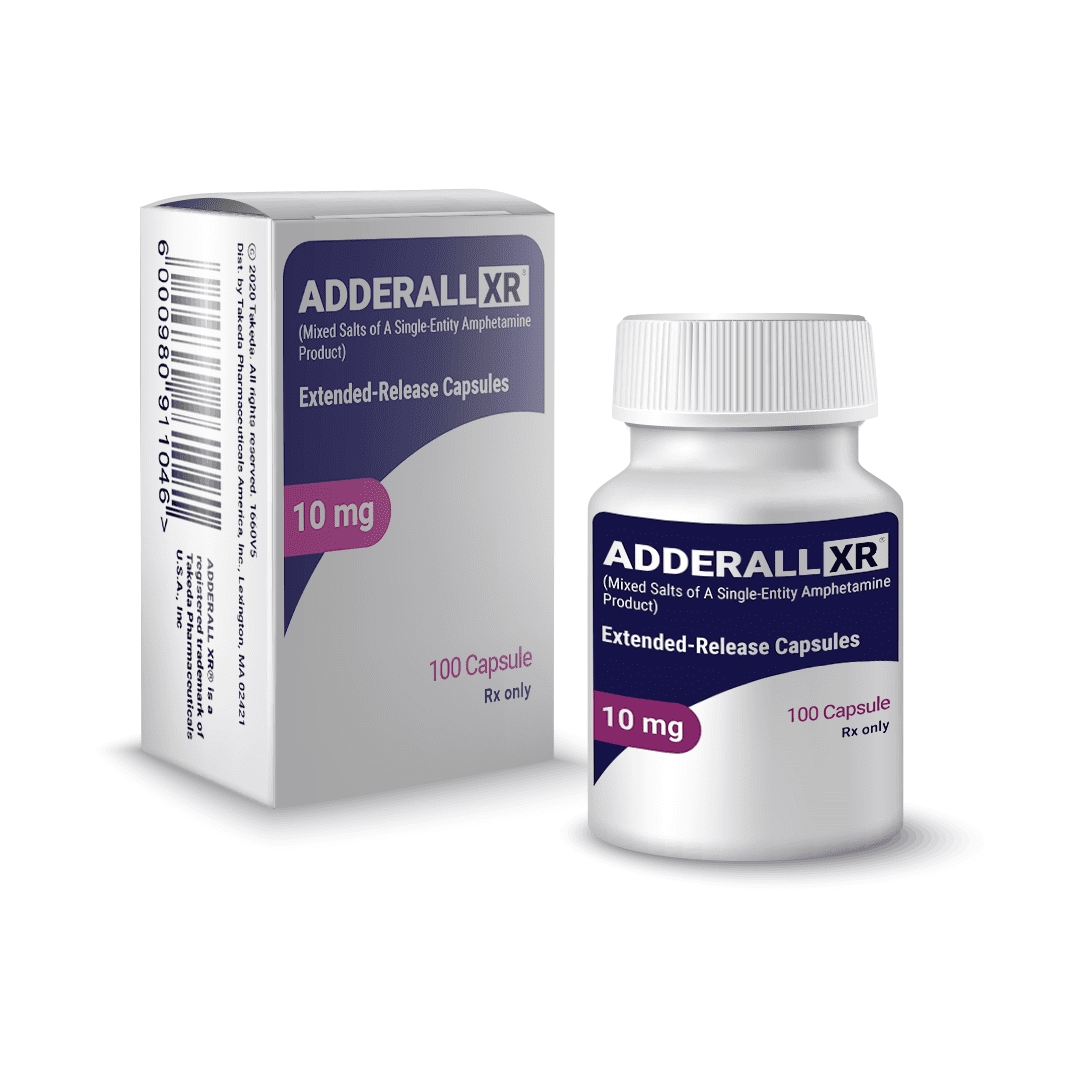 Buy Adderall Online
 Buy Adipex Online
 Buy Alprazolam Online
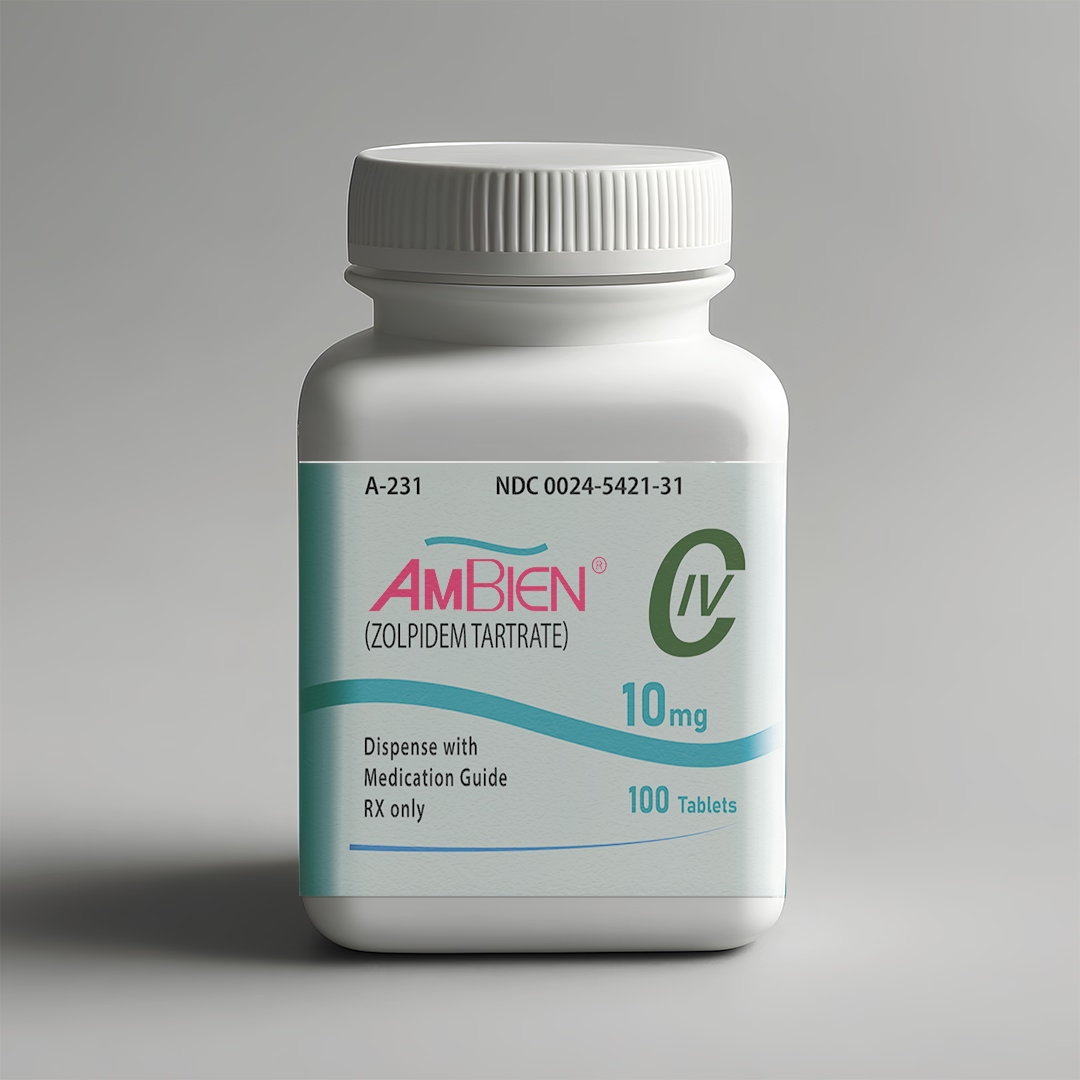 Buy Ambien Online
 Buy Ativan Online
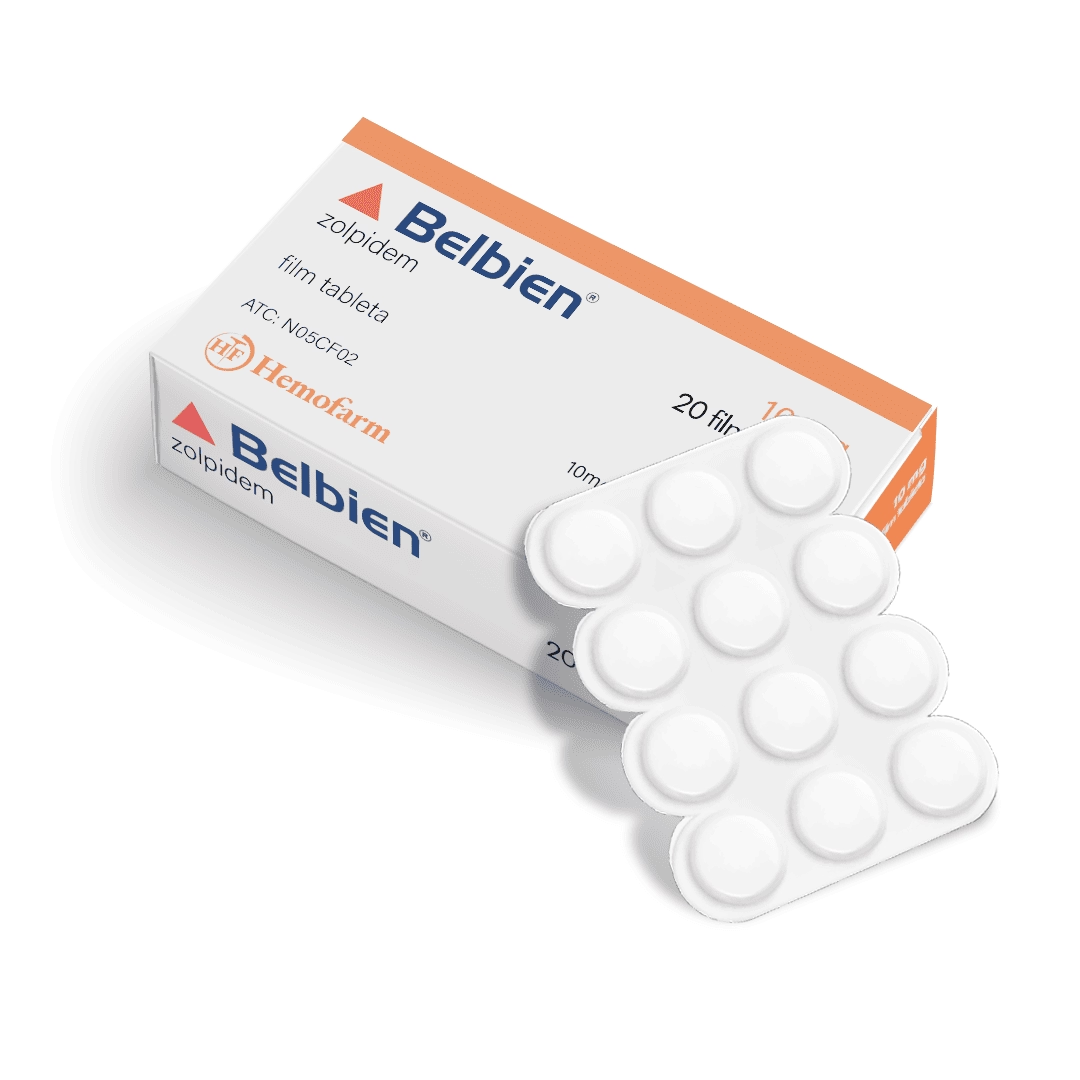 Buy Belbien Online
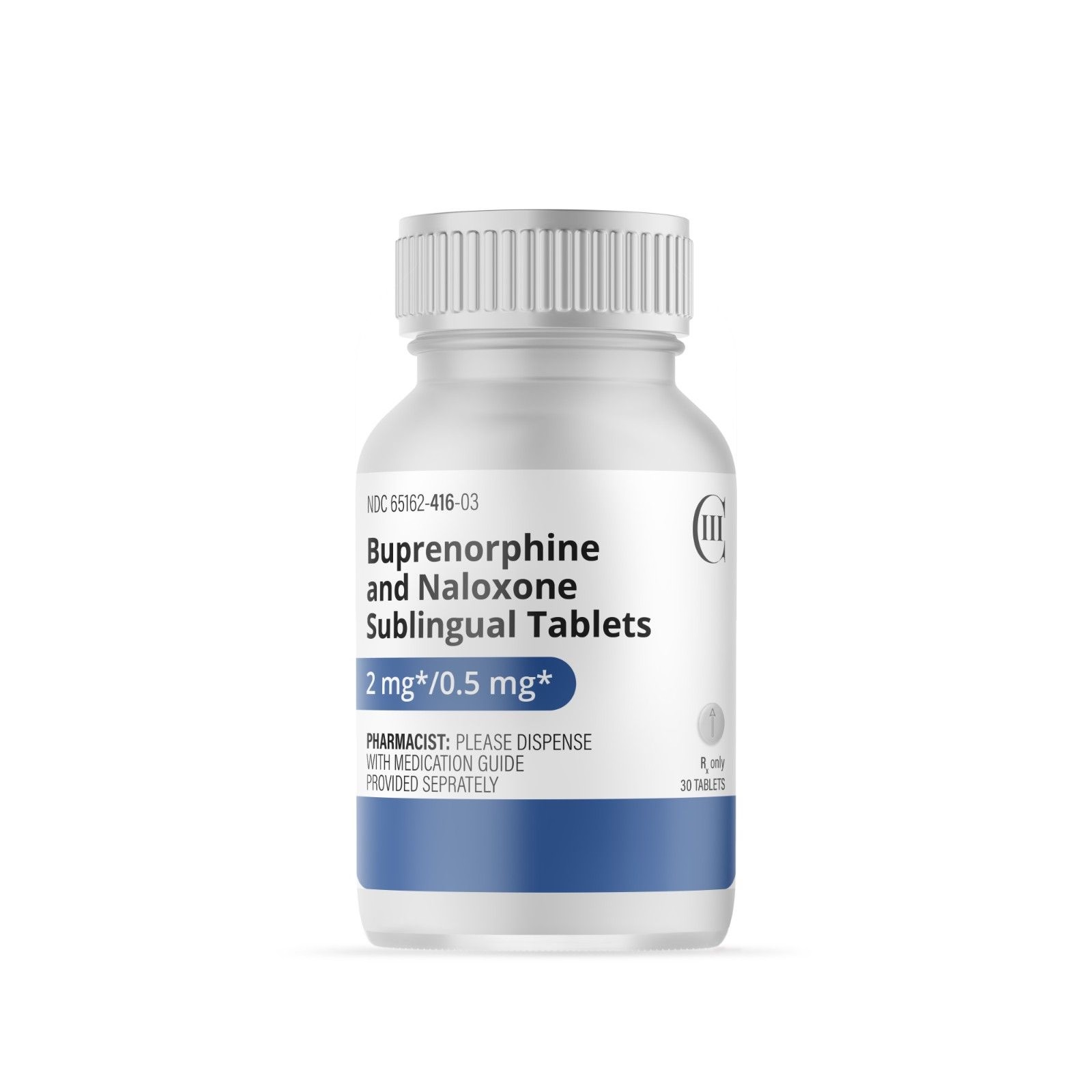 Buy Buprenorphine Online
 Buy Butalbital Online
 Buy Cialis Online
 Buy Claritin Online
 Buy Clonazepam Online
 Buy Codeine Online
 Buy Concerta Online
 Buy Diazepam Online
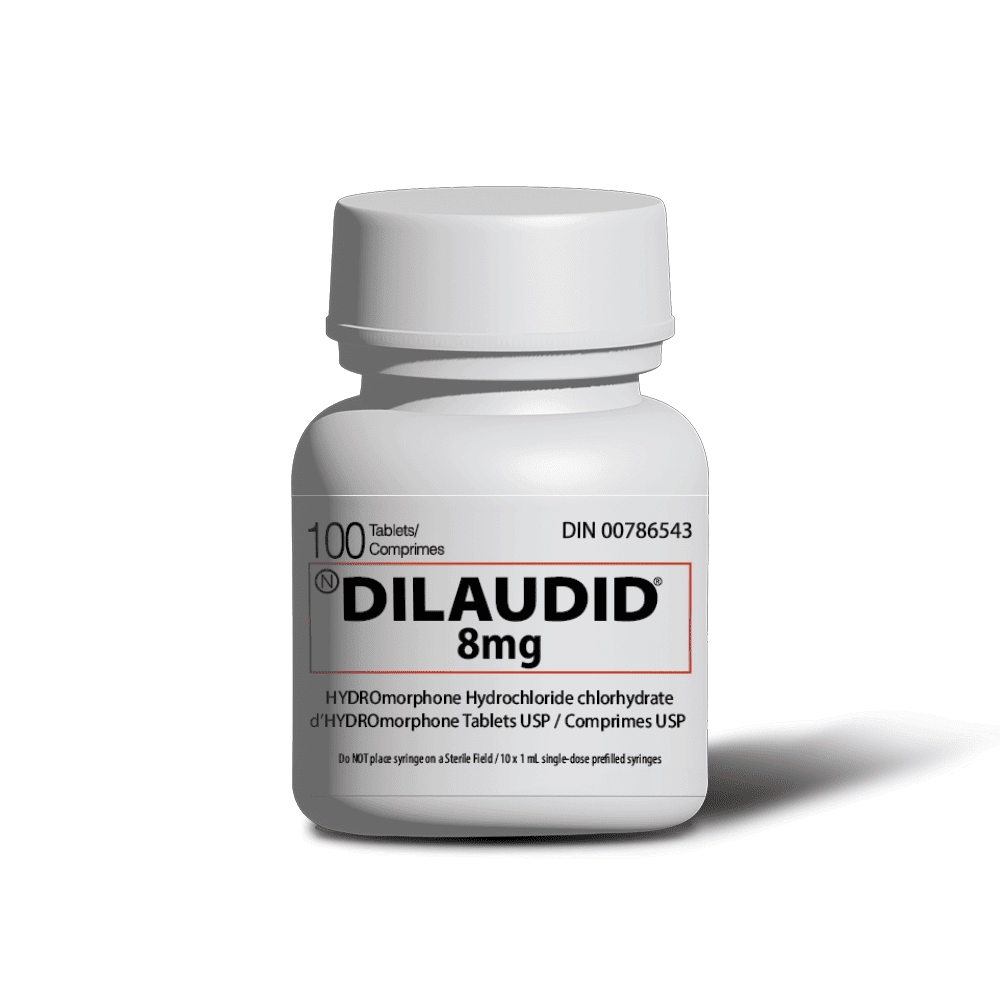 Buy Dilaudid Online
 Buy Farmapram Online
 Buy Fioricet Online
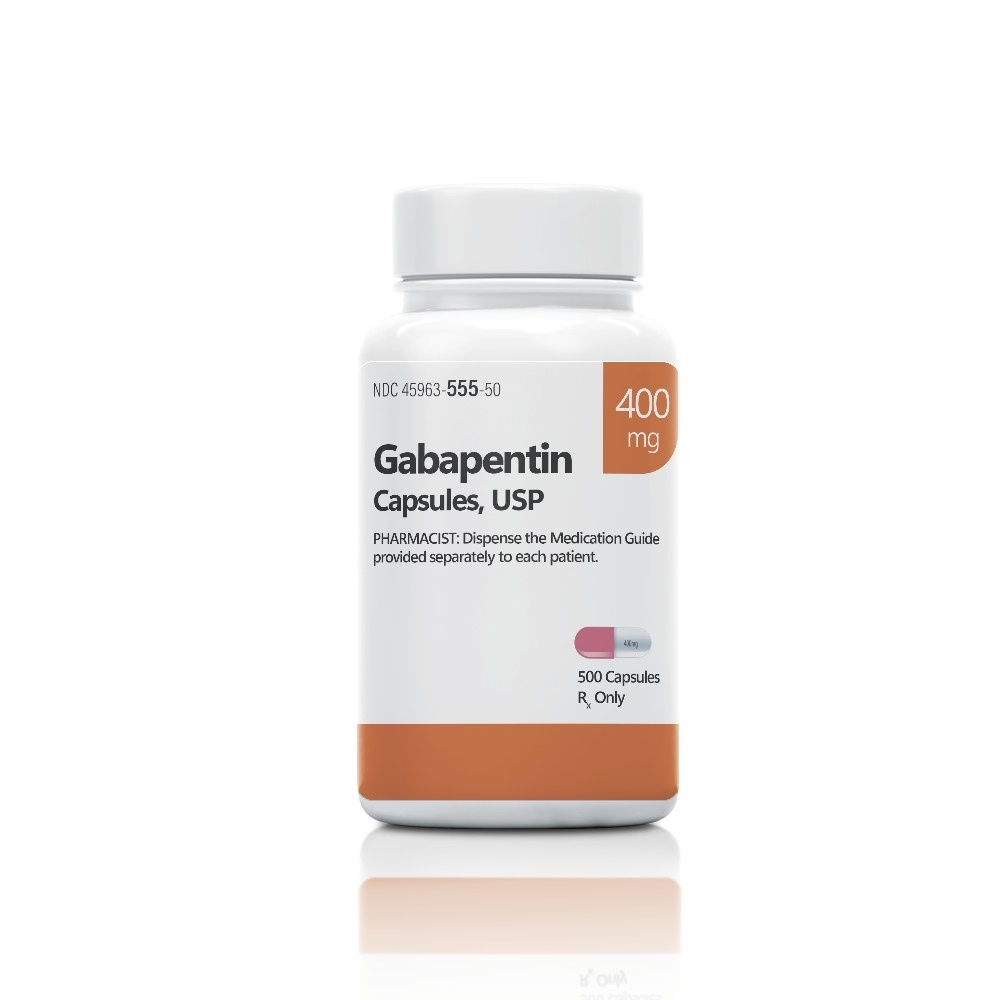 Buy Gabapentin Online
 Buy Hydrocodone Online
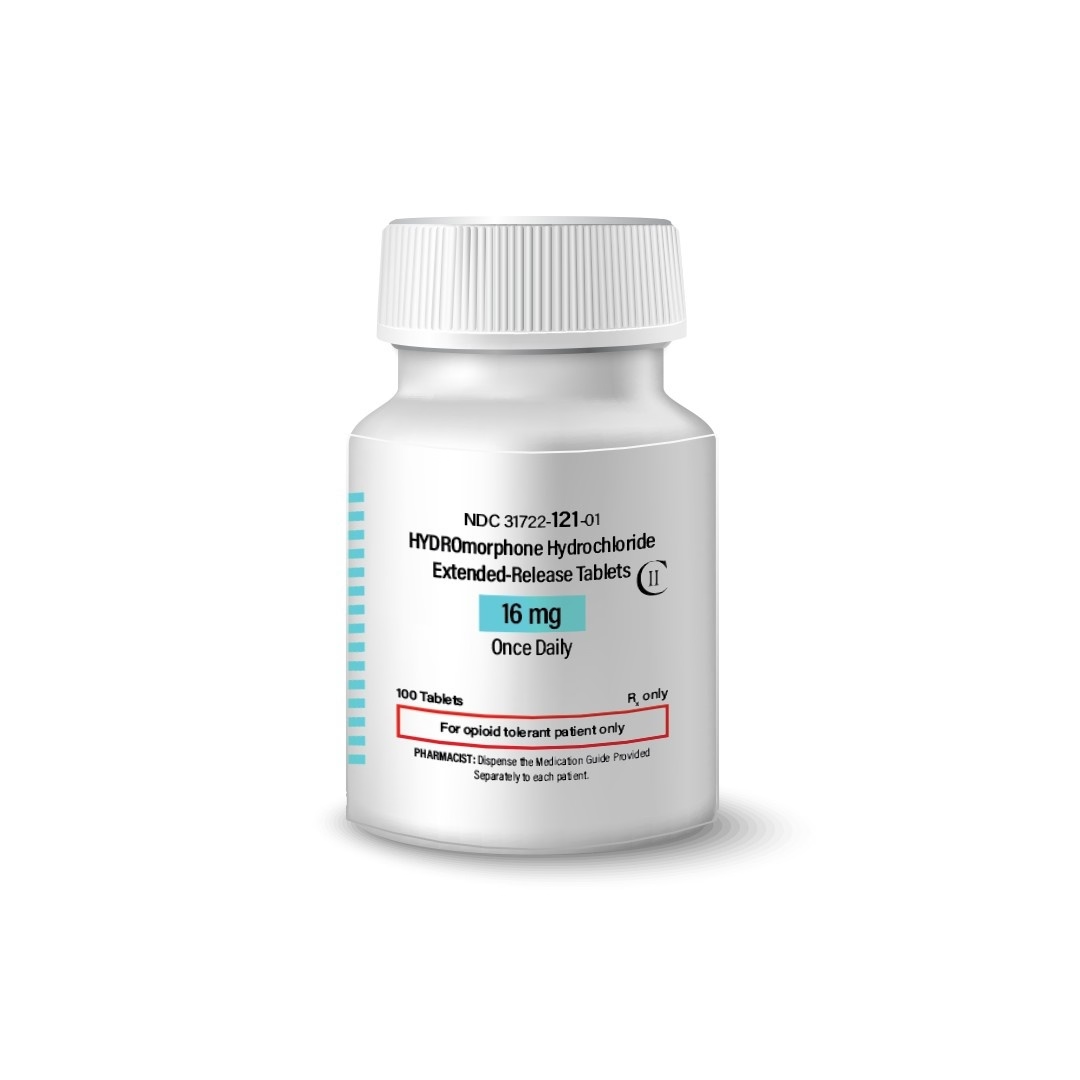 Buy Hydromorphone Online
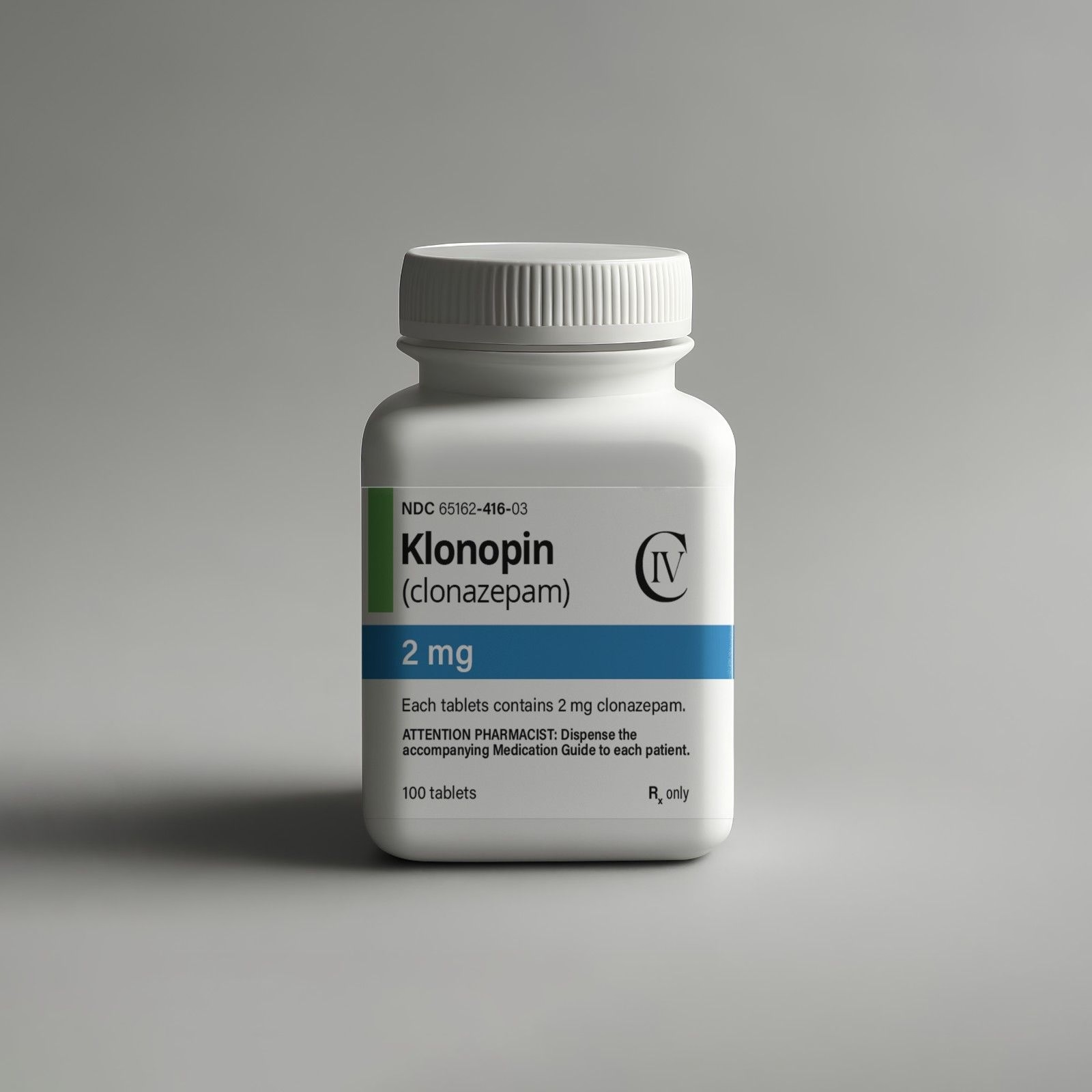 Buy Klonopin Online
 Buy Ksalol Online
 Buy Levitra Online
 Buy Lorazepam Online
 Buy Lortab Online
 Buy Lunesta Online
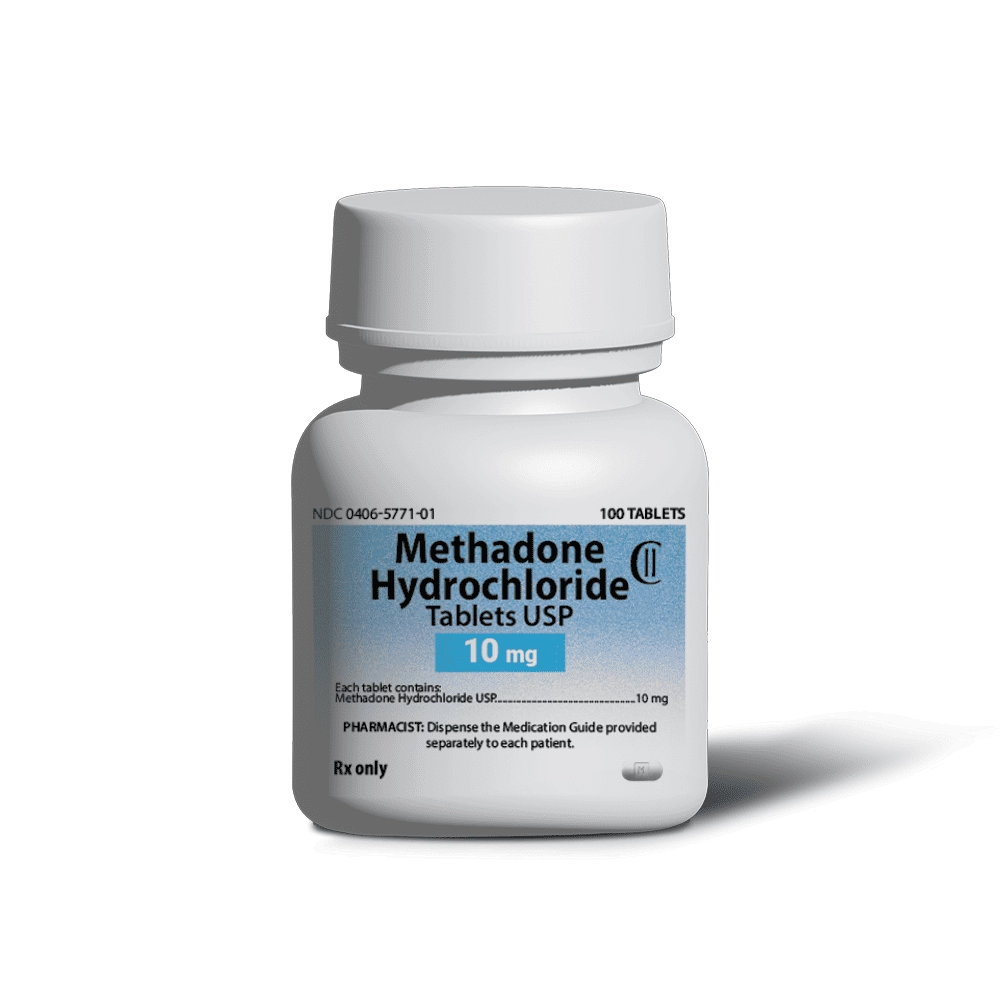 Buy Methadone Online
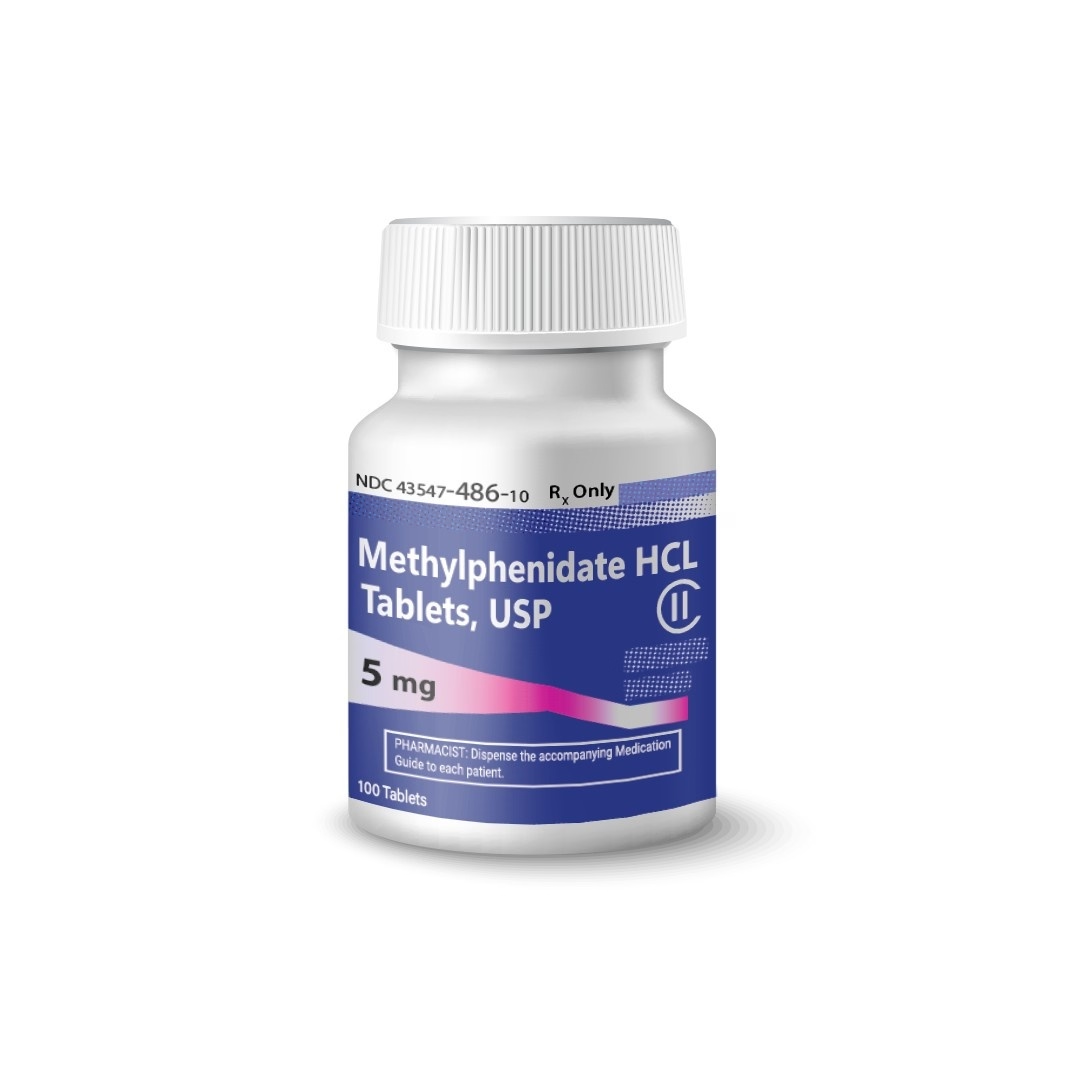 Buy Methylphenidate Online
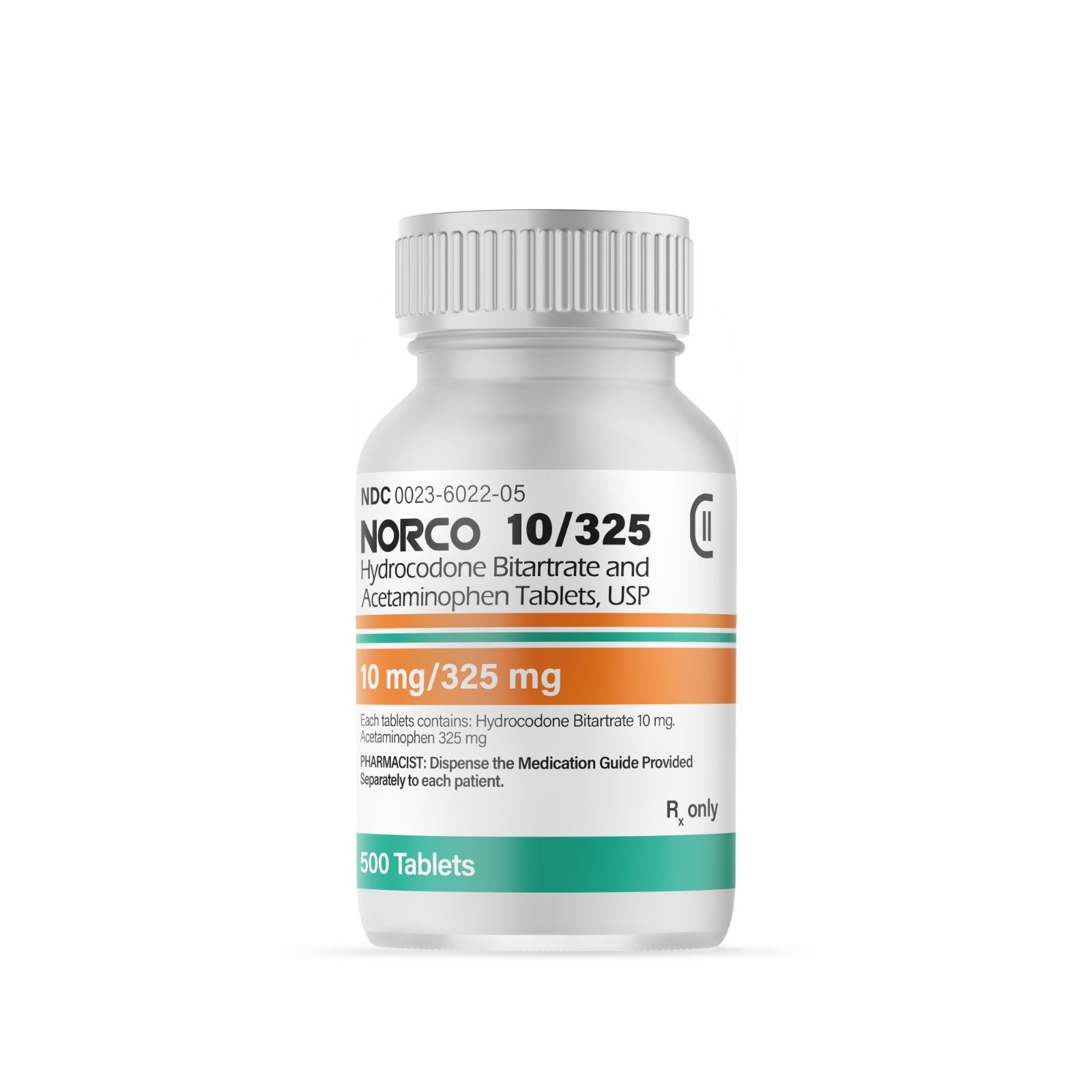 Buy Norco Online
 Buy Opana ER Online
 Buy Oxycodone Online
 Buy Oxycontin Online
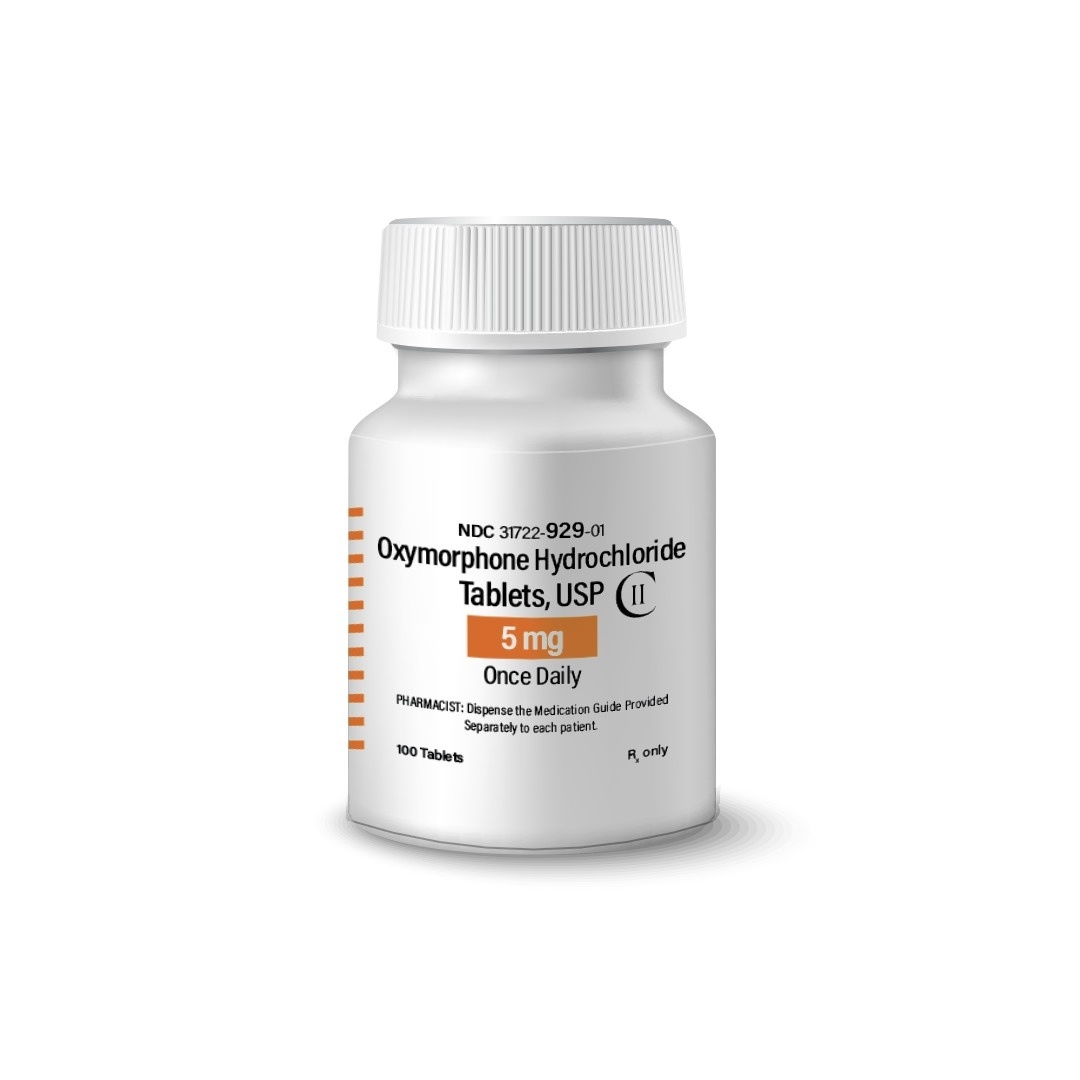 Buy Oxymorphone Online
 Buy Percocet Online
 Buy Phentermine Online
 Buy Pregabalin Online
 Buy Provigil Online
 Buy Restoril Online
 Buy Ritalin Online
 Buy Soma Online
 Buy Suboxone Online
 Buy Tramadol Online
 Buy Valium Online
 Buy Viagra Online
 Buy Vicodin Online
 Buy Xanax Online
 Buy Zolpidem Online
Buy Pregabalin Online
Showing all 8 results








Pregabalin-Uses and Overview
Pregabalin is a prescription medicine used to manage several conditions involving nerve-related pain and abnormal electrical activity in the brain. It belongs to a group of medicines called gabapentinoids and is available in different strengths and formulations.
In the United States, pregabalin is approved for neuropathic pain associated with diabetic peripheral neuropathy, postherpetic neuralgia, fibromyalgia, and spinal cord injury. It is also used as adjunctive treatment for partial-onset seizures in patients 1 month of age and older.
Because pregabalin can cause dizziness, sleepiness, swelling, and other adverse effects, it should be taken according to an individual treatment plan provided by a healthcare professional.
What Is Pregabalin?
Pregabalin is a medication that affects communication between nerve cells. Unlike conventional pain relievers that primarily target inflammation or pain receptors, pregabalin works by binding to the alpha-2-delta subunit of voltage-gated calcium channels in the central nervous system.
By modifying calcium-channel activity, pregabalin can reduce the release of certain excitatory neurotransmitters involved in abnormal nerve signaling. This action helps explain its usefulness in neuropathic pain and seizure management.
Pregabalin is also commonly known by the brand name Lyrica. Generic pregabalin is available in the United States.
What Is Pregabalin Used For?
Pregabalin has several FDA-approved uses.
- Diabetic Peripheral Neuropathy
Diabetes can damage peripheral nerves and produce symptoms such as burning, tingling, electric-shock sensations, numbness, or shooting pain, particularly in the feet and legs. Pregabalin may be prescribed to help reduce pain associated with diabetic peripheral neuropathy. - Postherpetic Neuralgia
Postherpetic neuralgia is persistent nerve pain that can remain after shingles has healed. The discomfort may feel like burning, stabbing, aching, or increased sensitivity to touch. Pregabalin is approved for the management of postherpetic neuralgia. - Fibromyalgia
Fibromyalgia can involve widespread pain, tenderness, fatigue, and sleep-related difficulties. Pregabalin is one of the medicines approved to manage fibromyalgia symptoms. - Neuropathic Pain Associated With Spinal Cord Injury
Nerve damage following a spinal cord injury can result in chronic neuropathic pain. Pregabalin may be prescribed as part of treatment for this type of nerve pain. - Partial-Onset Seizures
Pregabalin can be used as adjunctive therapy for partial-onset seizures in patients 1 month of age and older. It is intended to help control seizure activity rather than cure the underlying epilepsy.
How Does Pregabalin Work?
Pregabalin binds to the alpha-2-delta subunit of voltage-gated calcium channels located in the nervous system.
This interaction can decrease calcium-dependent release of several excitatory neurotransmitters. As a result, excessive nerve signaling may be reduced.
The mechanism is particularly relevant to neuropathic pain, where damaged or irritated nerves can send abnormal pain signals even when there is no new tissue injury.
Pregabalin is not a conventional opioid painkiller, and its mechanism is different from that of opioid medicines.
Pregabalin Ingredients
The active ingredient in pregabalin medicines is pregabalin.
Inactive ingredients can differ between manufacturers, strengths, and formulations. Depending on the particular product, excipients may include substances used to provide capsule structure, color, stability, or appropriate dissolution.
For people with known allergies or sensitivities, the specific product label should be reviewed before treatment. A pharmacist can also confirm the inactive ingredients in a particular manufacturer’s formulation.
Available Pregabalin Strengths
Pregabalin capsules are available in multiple strengths, although the exact strengths and dosage forms can vary by manufacturer.
Common capsule strengths include:
- 25 mg
- 50 mg
- 75 mg
- 100 mg
- 150 mg
- 200 mg
- 225 mg
- 300 mg
Pregabalin is also available in oral solution and extended-release formulations in certain markets.
The strength prescribed should not be selected solely from the list above. The appropriate dose depends on the condition being treated, response to therapy, kidney function, age, other medicines, and other individual factors.
Pregabalin Dosage Overview
Pregabalin dosage is individualized by the prescribing clinician. According to current U.S. labeling, adult treatment for approved indications generally begins at 150 mg per day, with adjustments based on response and tolerability. Kidney function is particularly important because pregabalin is primarily eliminated through the kidneys.
Diabetic peripheral neuropathy 50 mg three times daily 300 mg/day Postherpetic neuralgia 75 mg twice daily or 50 mg three times daily Up to 600 mg/day in selected patients Fibromyalgia 75 mg twice daily 450 mg/day Spinal cord injury neuropathic pain 75 mg twice daily Up to 600 mg/day Partial-onset seizures Individualized Up to 600 mg/day in appropriate patients
*These figures summarize labeled dosing for particular adult populations and do not replace individualized prescribing instructions. Renal impairment requires dose adjustment.
For diabetic peripheral neuropathy, the current labeling specifically states that doses above 300 mg/day are not recommended because higher doses did not demonstrate additional significant benefit and were less well tolerated.
How Should Pregabalin Be Taken?
Pregabalin capsules can generally be taken with or without food. Patients should follow the exact schedule provided by their healthcare professional.
Important administration points include:
- Take the medicine at approximately the same times each day.
- Do not take extra doses if a dose is missed without checking the medication instructions.
- Do not change the prescribed strength on your own.
- Tell your healthcare professional about all prescription medicines, OTC products, and supplements you use.
- People with reduced kidney function may require a lower or modified dose.
- Pregabalin should generally be tapered gradually rather than stopped suddenly.
Current U.S. labeling recommends tapering pregabalin over a minimum of one week when discontinuing treatment.
Common Side Effects of Pregabalin
Some people experience side effects while taking pregabalin. Common reactions can include:
- Dizziness
- Sleepiness or drowsiness
- Blurred vision
- Dry mouth
- Swelling of the hands, feet, or legs
- Weight gain
- Difficulty concentrating
- Increased appetite
The severity of side effects can vary from person to person. Dizziness and drowsiness can affect driving, operating machinery, and other activities requiring alertness.
Serious Pregabalin Side Effects
Some reactions require prompt medical attention.
Breathing Problems
Pregabalin can cause serious respiratory depression, particularly in people who have respiratory risk factors or who take other medicines that depress the central nervous system. Combining pregabalin with opioids or other sedating medicines may increase this risk.
Seek emergency medical assistance for severe or unusual breathing difficulty, very slow breathing, prolonged pauses in breathing, or difficulty waking.
Serious Allergic Reaction
Stop and seek urgent medical attention for symptoms suggesting a serious allergic reaction, such as:
- Facial, lip, tongue, or throat swelling
- Difficulty breathing
- Severe rash
- Hives or widespread skin reactions
Mood and Behavioral Changes
Antiepileptic medicines, including pregabalin, may be associated with suicidal thoughts or behavior. New or worsening depression, unusual behavioral changes, severe anxiety, agitation, or thoughts of self-harm should be reported promptly to a healthcare professional.
Pregabalin and Alcohol
Alcohol can increase drowsiness and dizziness caused by pregabalin. Combining alcohol with pregabalin may therefore impair coordination and alertness.
Because individual circumstances differ, patients should ask their healthcare professional whether alcohol is appropriate during treatment.
Pregabalin Drug Interactions
Pregabalin can interact with medicines and substances that cause sedation or suppress the central nervous system.
Particular caution may be required when pregabalin is taken with:
- Opioid pain medicines
- Sedative medicines
- Certain sleep medicines
- Other central nervous system depressants
- Alcohol
The combination of pregabalin with other sedating substances may increase dizziness, impaired coordination, and respiratory-depression risk.
Always provide your prescriber or pharmacist with a complete list of medicines and supplements before starting pregabalin.
Who Should Take Extra Precautions?
Pregabalin requires particular attention in people with certain medical or treatment factors.
Kidney Problems
Because pregabalin is primarily eliminated through the kidneys, reduced kidney function can cause the medicine to remain in the body longer. Dose adjustment may therefore be necessary.
Older Adults
Older adults may be more susceptible to dizziness, sleepiness, falls, and other adverse effects. Kidney function may also decline with age, making individualized dosing important.
Respiratory Conditions
People with respiratory disease or other risk factors for breathing problems should discuss these conditions with their healthcare professional before taking pregabalin.
Pregnancy and Breastfeeding
Pregnancy and breastfeeding require individualized medical advice. Patients who are pregnant, planning pregnancy, or breastfeeding should discuss pregabalin treatment with their healthcare professional rather than stopping the medicine independently.
Can Pregabalin Be Stopped Suddenly?
Pregabalin should generally not be discontinued abruptly after regular use.
Sudden discontinuation can produce withdrawal-related symptoms and may increase the risk of seizures in people using the medicine for seizure control. Current U.S. labeling recommends gradual tapering over at least one week when treatment is discontinued.
The tapering schedule should be determined by the prescribing clinician.
Pregabalin: Important Safety Considerations
Pregabalin is a prescription medication and should be used exactly as directed.
Before treatment, discuss:
- Kidney function
- Breathing problems
- Previous allergic reactions
- Current prescription medicines
- Alcohol or sedative use
- Pregnancy or breastfeeding
- Any history of significant mood changes
- Previous problems with medications
Never share pregabalin with another person, even if that person has symptoms that appear similar. Prescription medicines should be obtained through legitimate healthcare and pharmacy channels.
Pregabalin Storage
Follow the storage instructions printed on the specific product label. Keep the medicine in its original container when practical, away from excessive heat and moisture, and out of reach of children.
Do not use medication that appears damaged, altered, or improperly labeled.
Frequently Asked Questions About Pregabalin
Is pregabalin a painkiller?
Pregabalin can help manage certain types of neuropathic pain, but it is not a conventional opioid painkiller. It works by modifying nerve signaling through its interaction with calcium-channel subunits.
Is pregabalin used for anxiety?
Pregabalin is not FDA-approved in the United States specifically for the treatment of generalized anxiety disorder. Its approved U.S. uses include certain neuropathic pain conditions, fibromyalgia, and adjunctive treatment of partial-onset seizures.
Does pregabalin cause sleepiness?
Yes. Sleepiness and dizziness are among the commonly reported adverse effects. These effects can interfere with driving and other activities requiring alertness.
Can pregabalin be taken with food?
Yes. Pregabalin capsules may generally be taken with or without food.
Does kidney function affect pregabalin dosing?
Yes. Pregabalin is primarily eliminated through the kidneys, so adults with reduced renal function may require dosage adjustment.
Can I stop pregabalin when I feel better?
Do not stop regular pregabalin treatment without speaking with your healthcare professional.
Product Category
-
 Buy Tapentadol Online
 -
 Buy Adderall Online
 -
 Buy Adipex Online
 -
 Buy Alprazolam Online
 -
 Buy Ambien Online
 -
 Buy Ativan Online
 -
 Buy Belbien Online
 -
 Buy Buprenorphine Online
 -
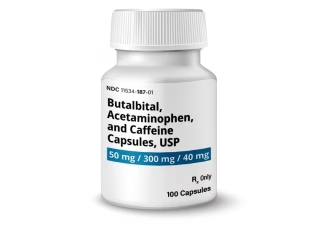 Buy Butalbital Online
 -
 Buy Cialis Online
 -
 Buy Claritin Online
 -
 Buy Clonazepam Online
 -
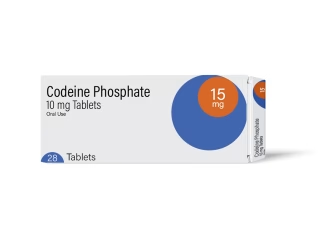 Buy Codeine Online
 -
 Buy Concerta Online
 -
 Buy Diazepam Online
 -
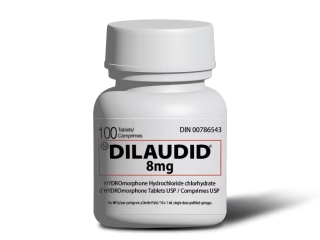 Buy Dilaudid Online
 -
 Buy Farmapram Online
 -
 Buy Fioricet Online
 -
 Buy Gabapentin Online
 -
 Buy Hydrocodone Online
 -
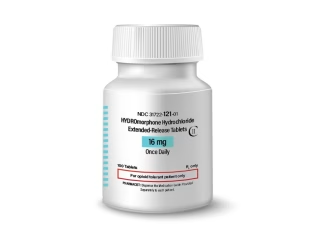 Buy Hydromorphone Online
 -
 Buy Klonopin Online
 -
 Buy Ksalol Online
 -
 Buy Levitra Online
 -
 Buy Lorazepam Online
 -
 Buy Lortab Online
 -
 Buy Lunesta Online
 -
 Buy Methadone Online
 -
 Buy Methylphenidate Online
 -
 Buy Norco Online
 -
 Buy Opana ER Online
 -
 Buy Oxycodone Online
 -
 Buy Oxycontin Online
 -
 Buy Oxymorphone Online
 -
 Buy Percocet Online
 -
 Buy Phentermine Online
 -
 Buy Pregabalin Online
 -
 Buy Provigil Online
 -
 Buy Restoril Online
 -
 Buy Ritalin Online
 -
 Buy Soma Online
 -
 Buy Suboxone Online
 -
 Buy Tramadol Online
 -
 Buy Valium Online
 -
 Buy Viagra Online
 -
 Buy Vicodin Online
 -
 Buy Xanax Online
 -
 Buy Zolpidem Online