
Categories
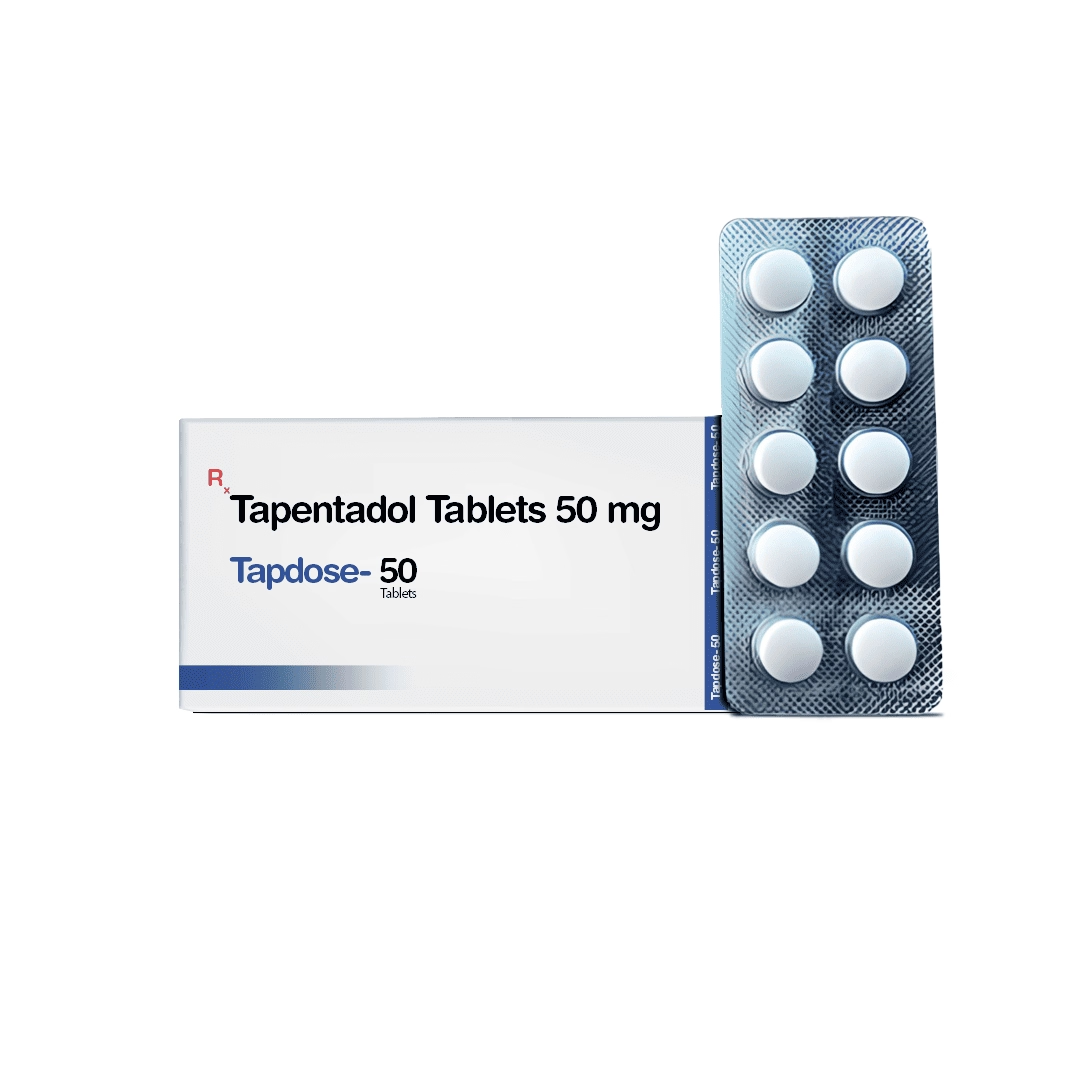 Buy Tapentadol Online
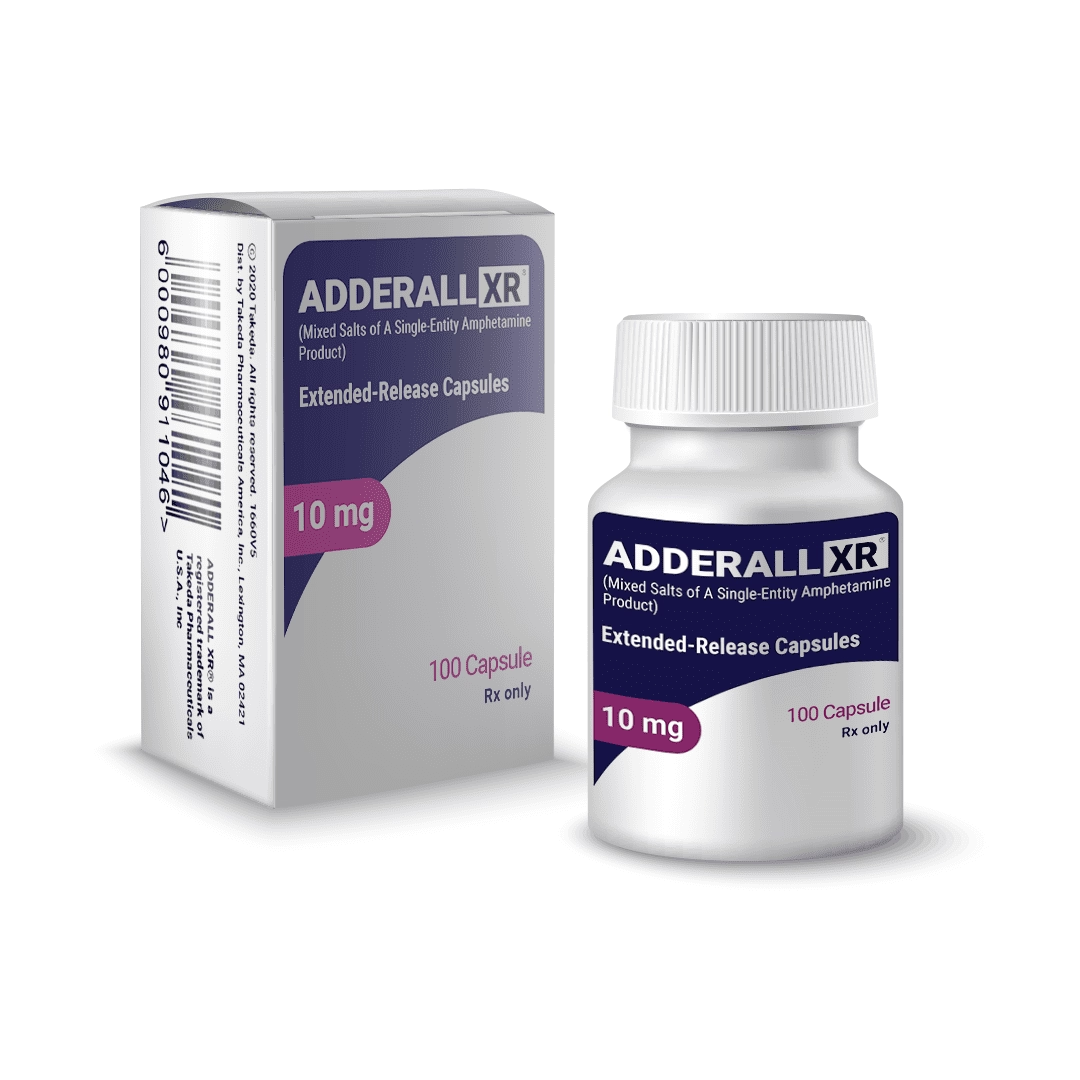 Buy Adderall Online
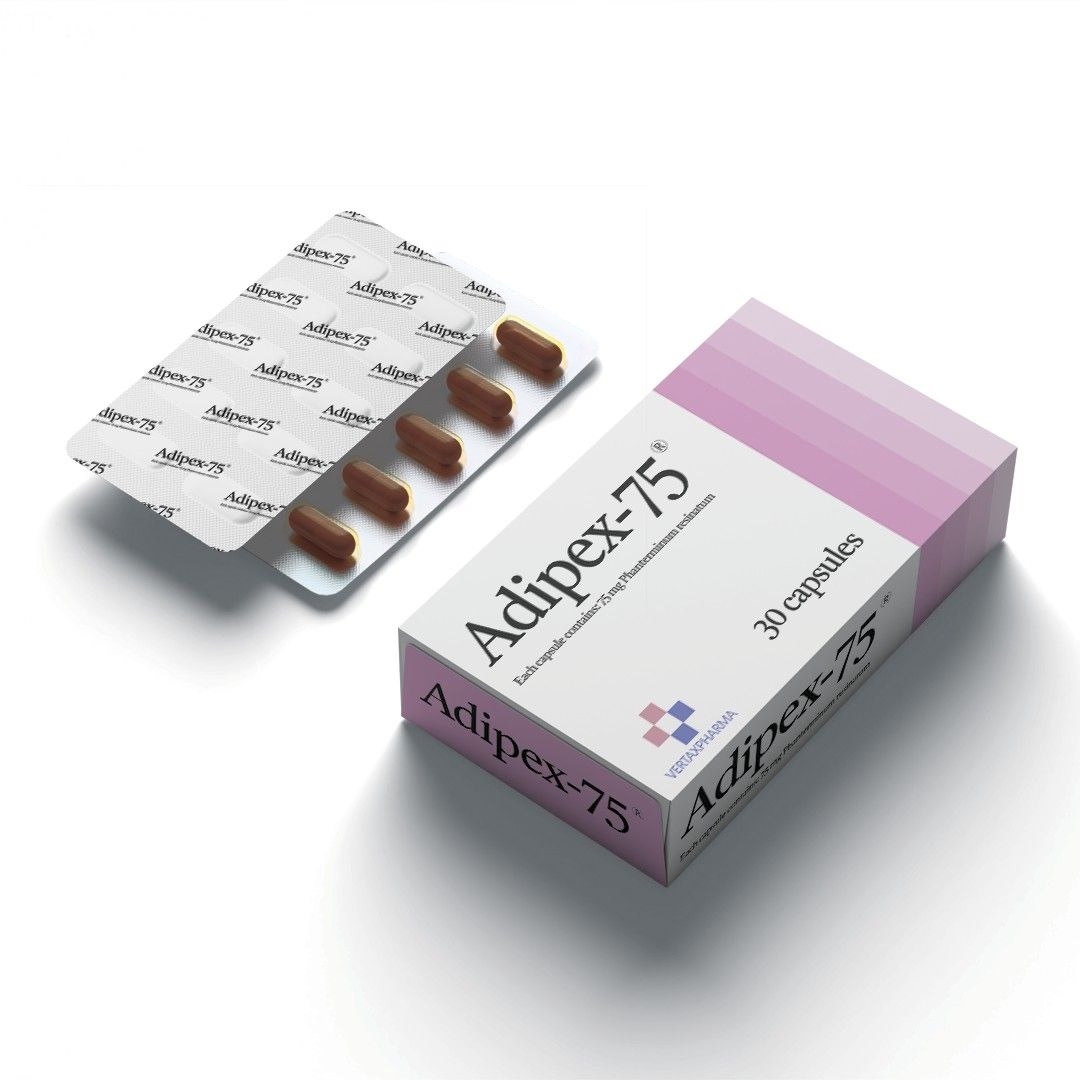 Buy Adipex Online
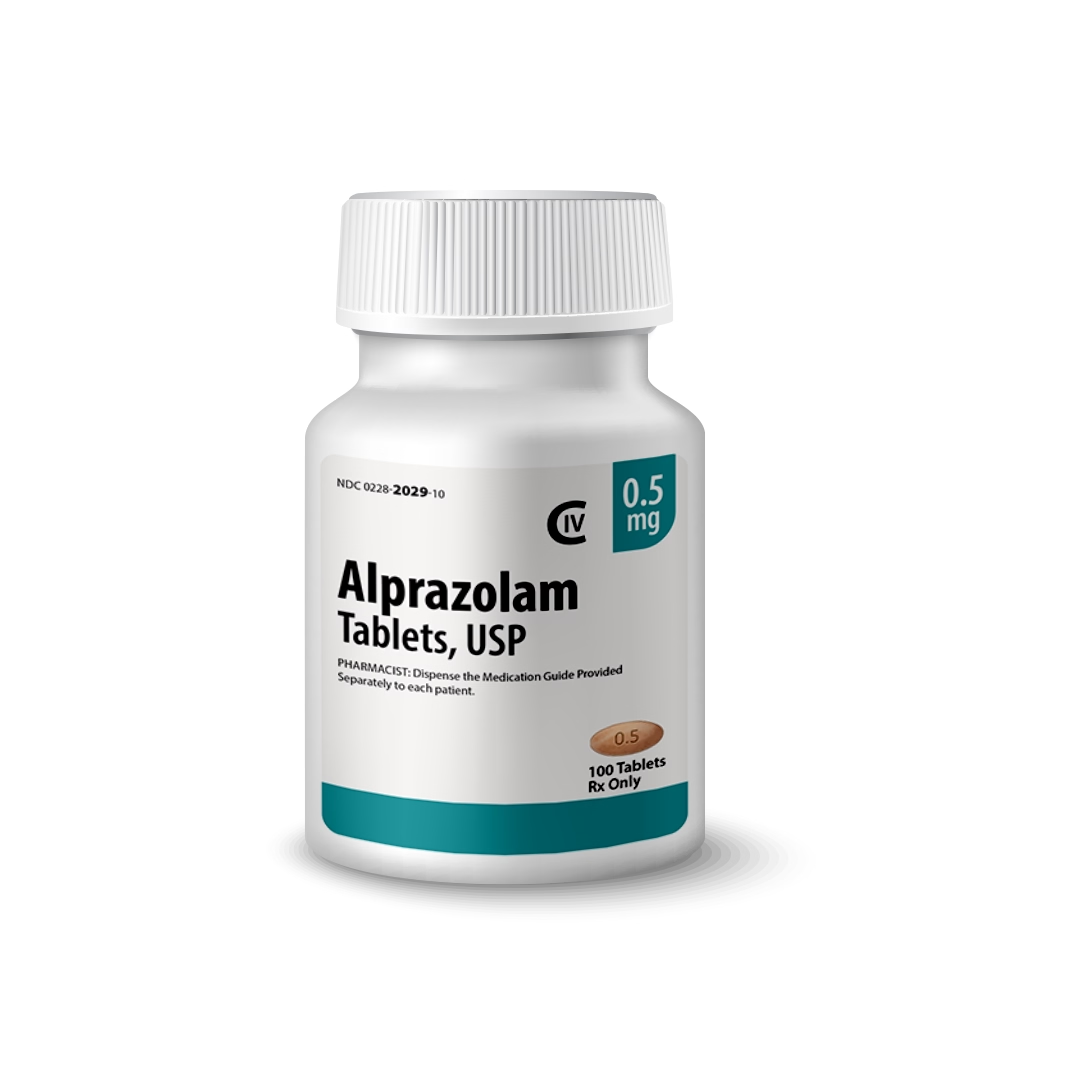 Buy Alprazolam Online
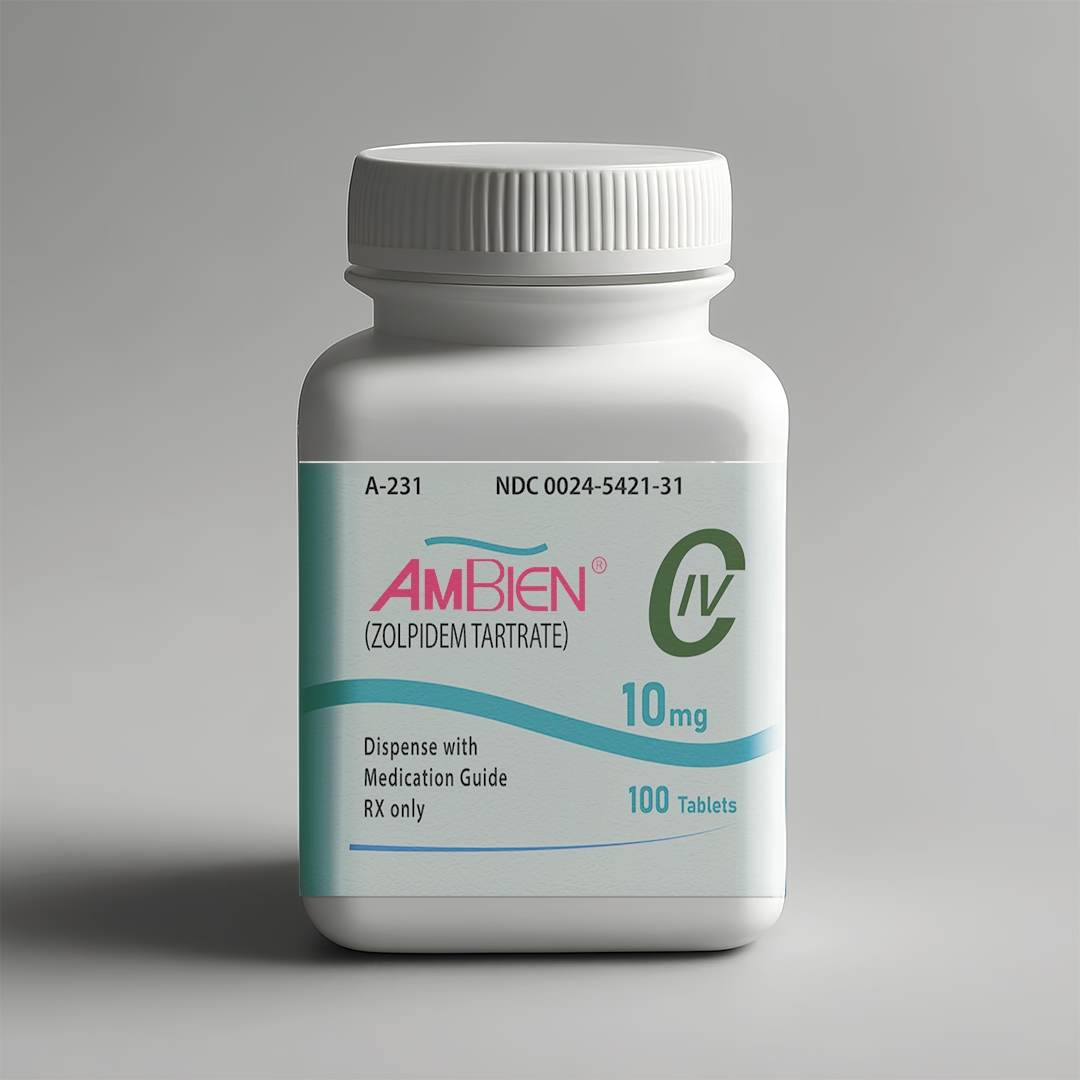 Buy Ambien Online
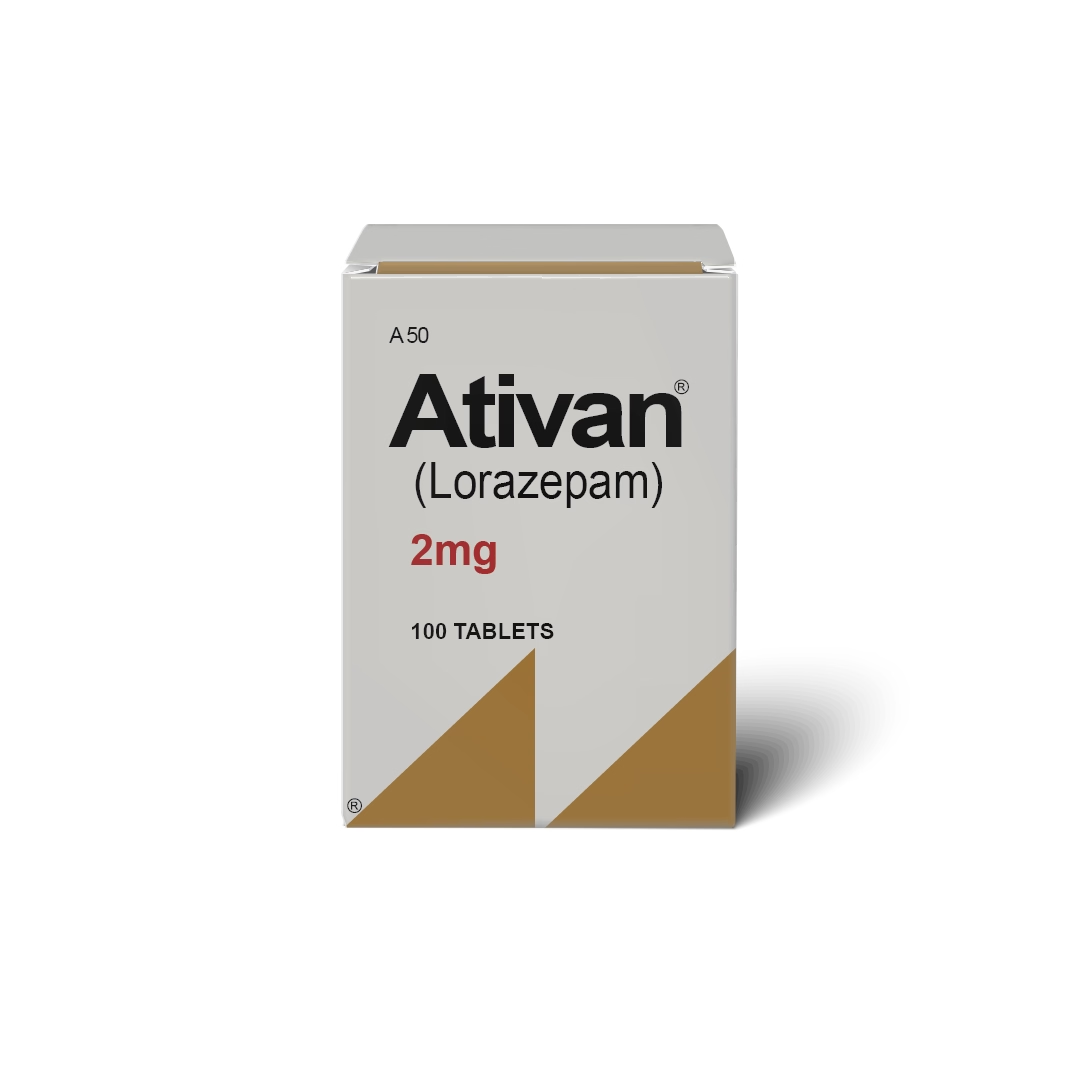 Buy Ativan Online
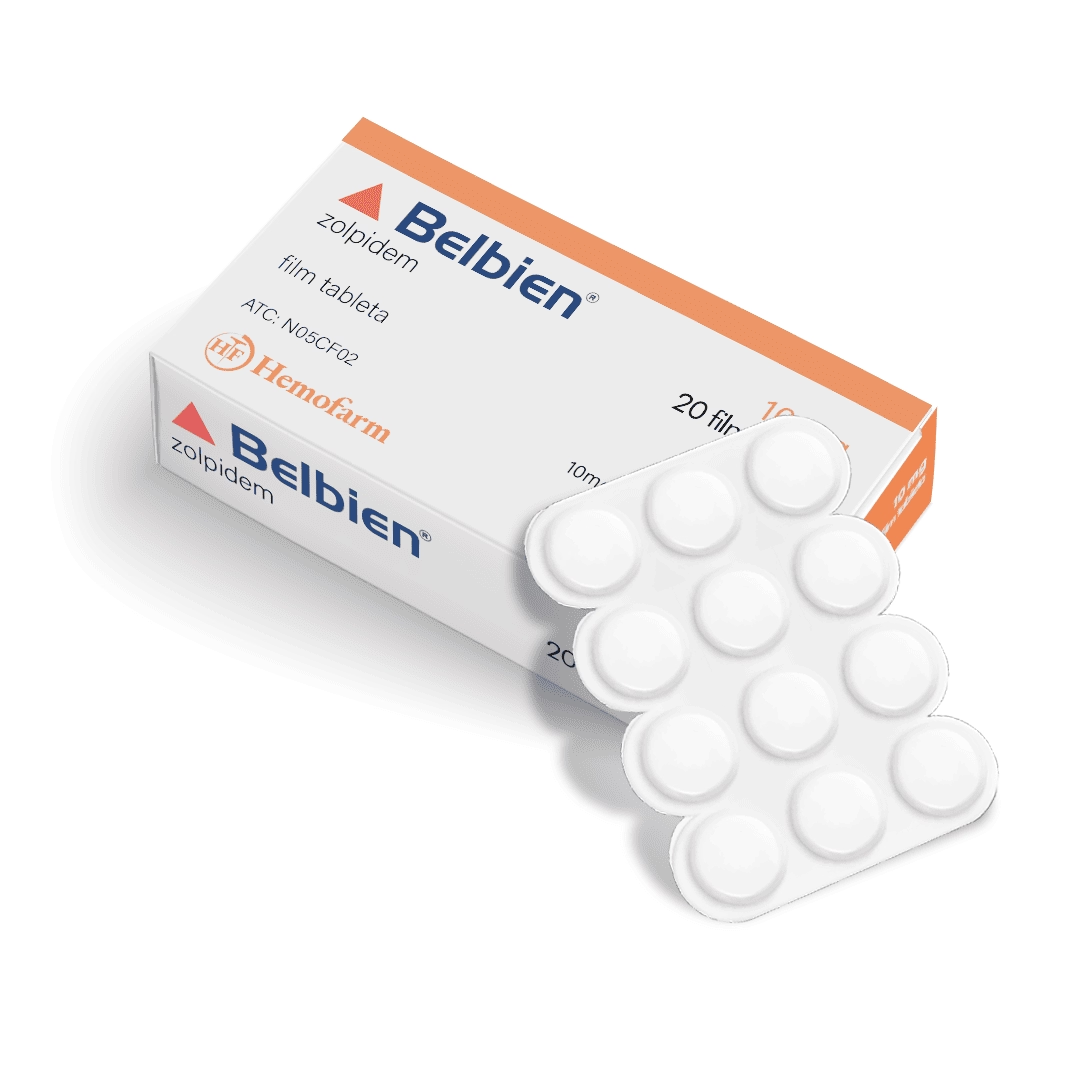 Buy Belbien Online
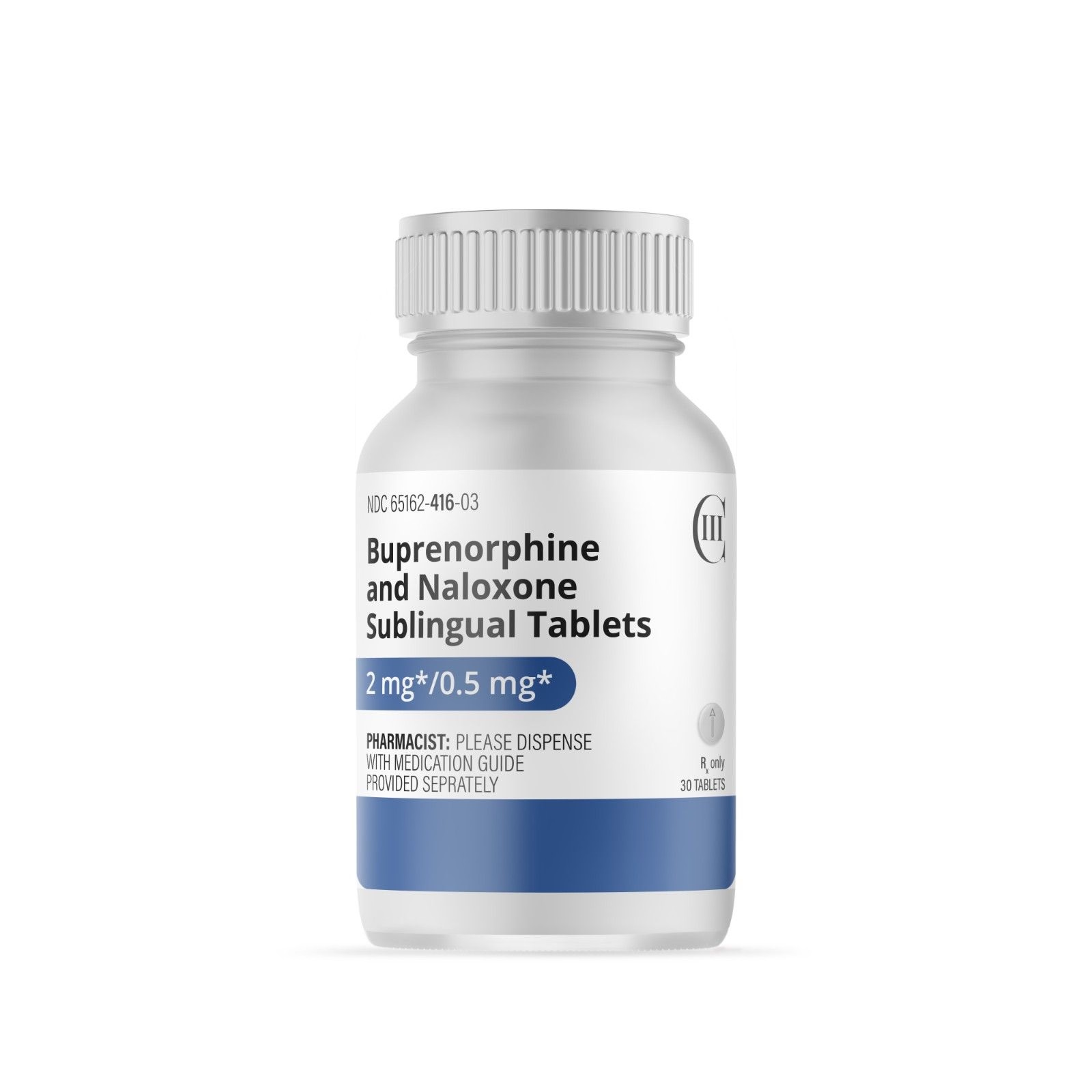 Buy Buprenorphine Online
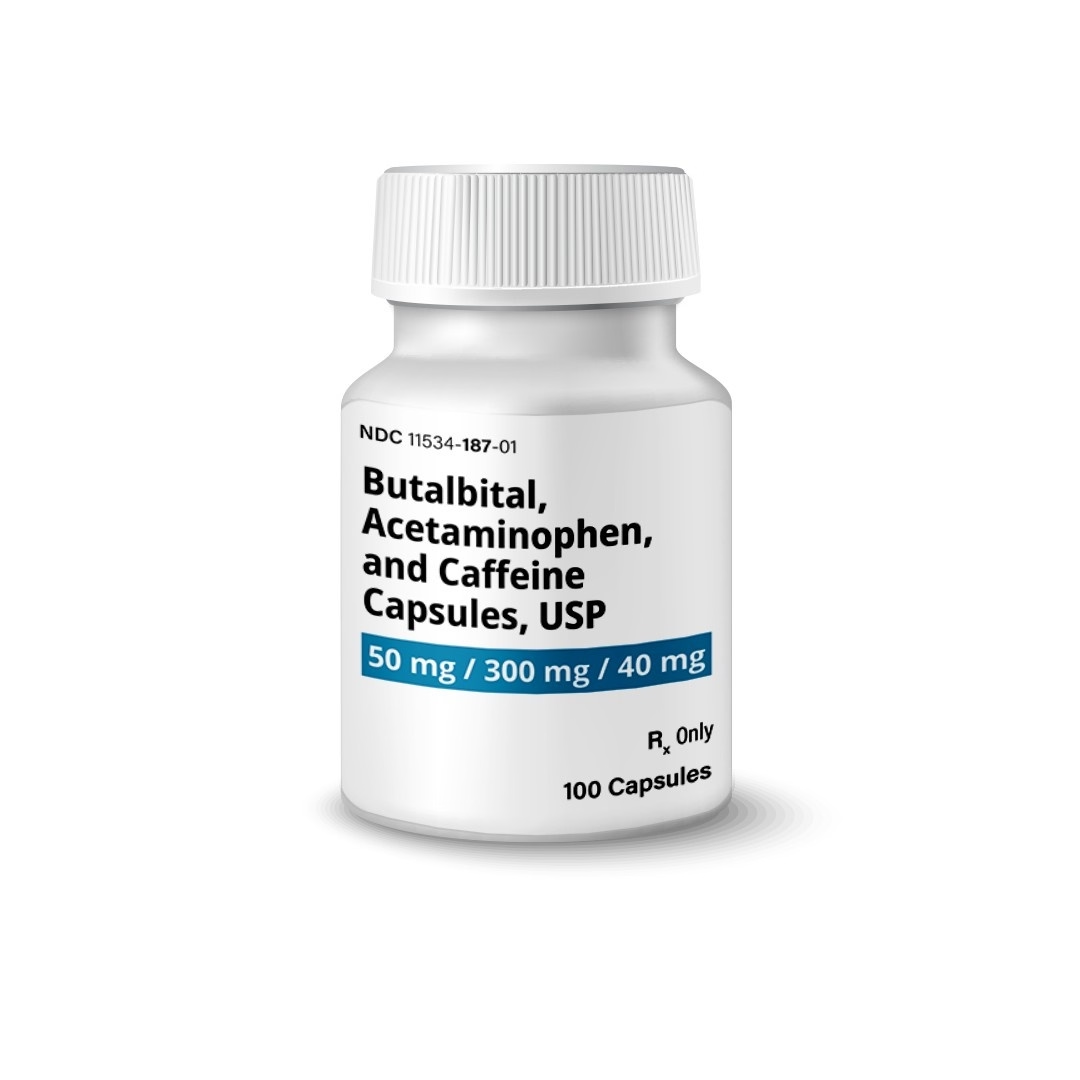 Buy Butalbital Online
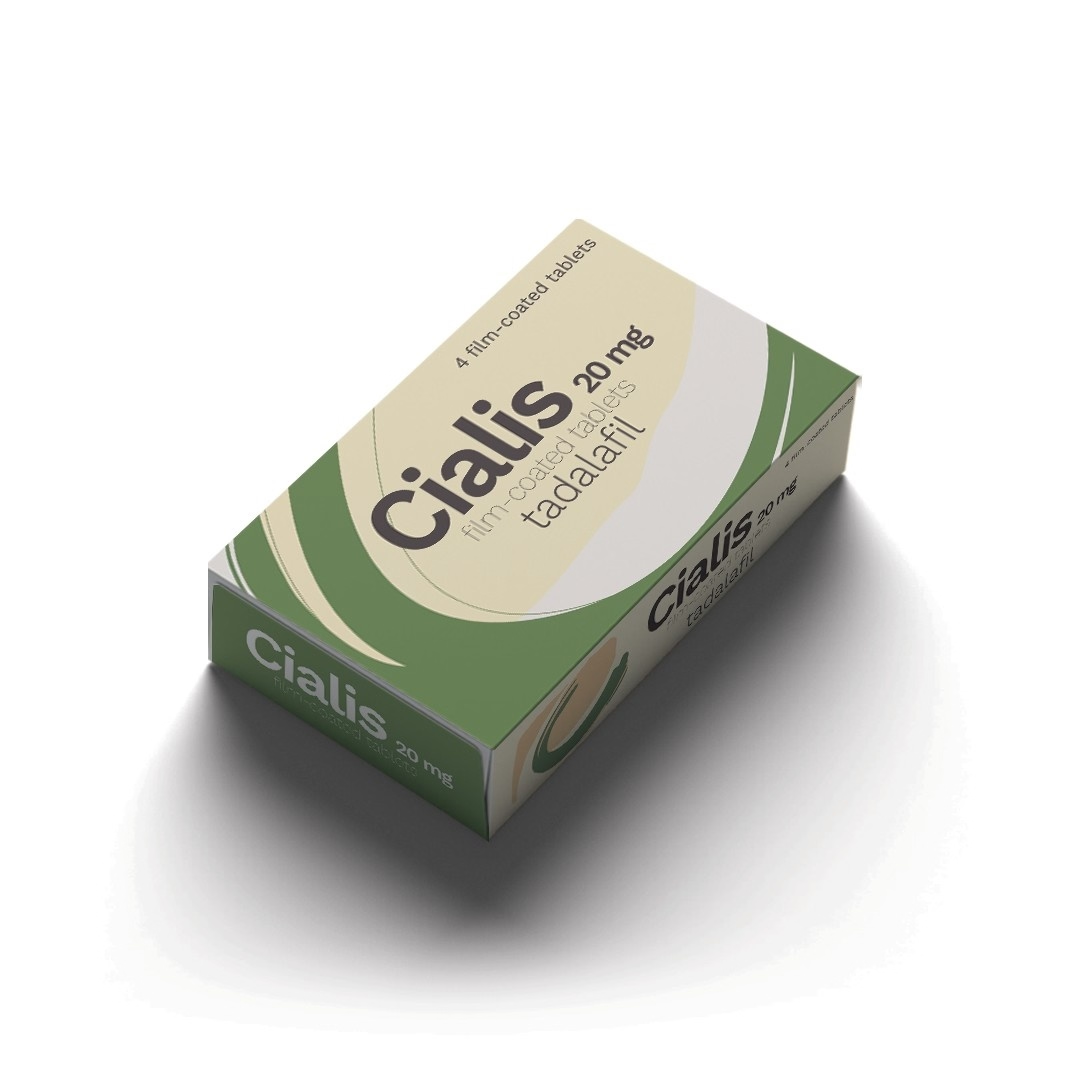 Buy Cialis Online
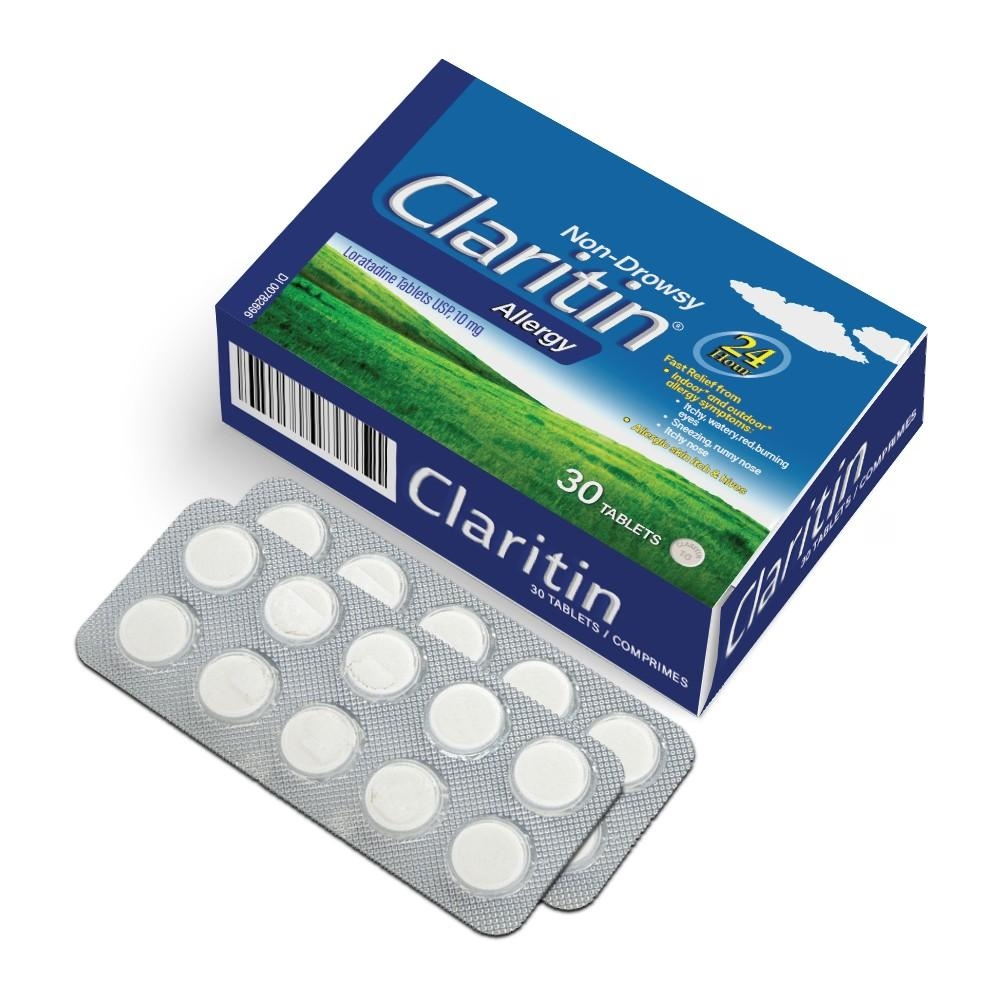 Buy Claritin Online
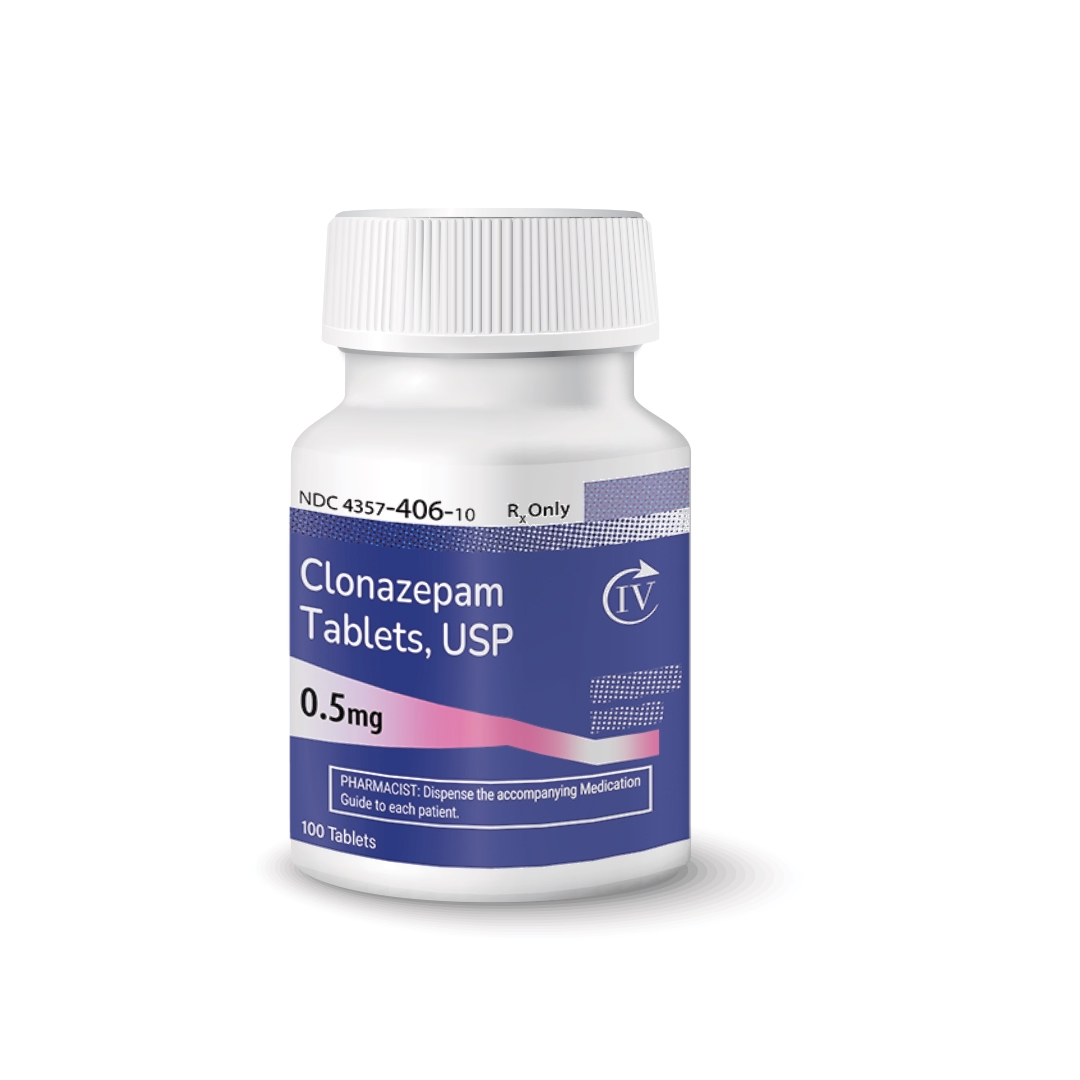 Buy Clonazepam Online
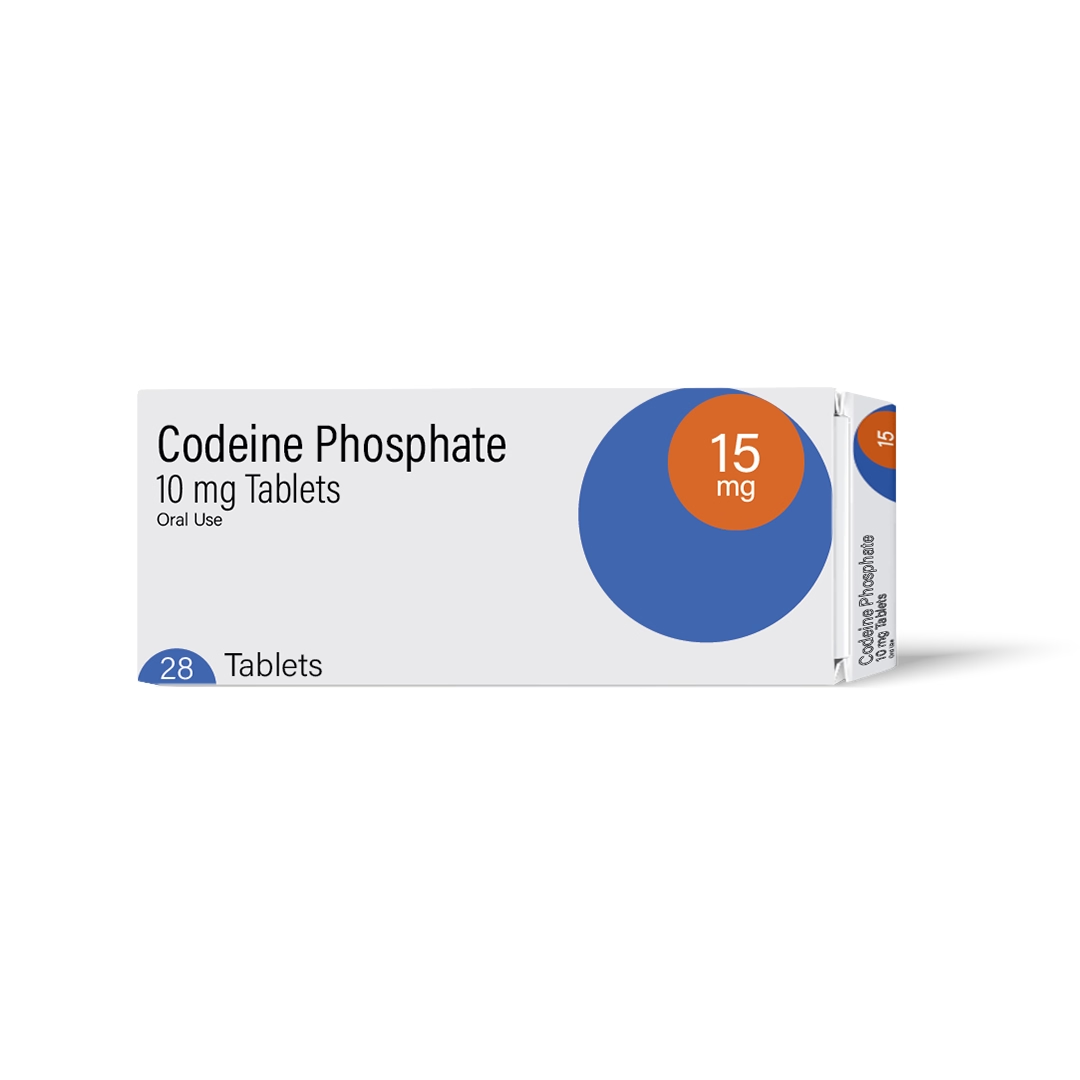 Buy Codeine Online
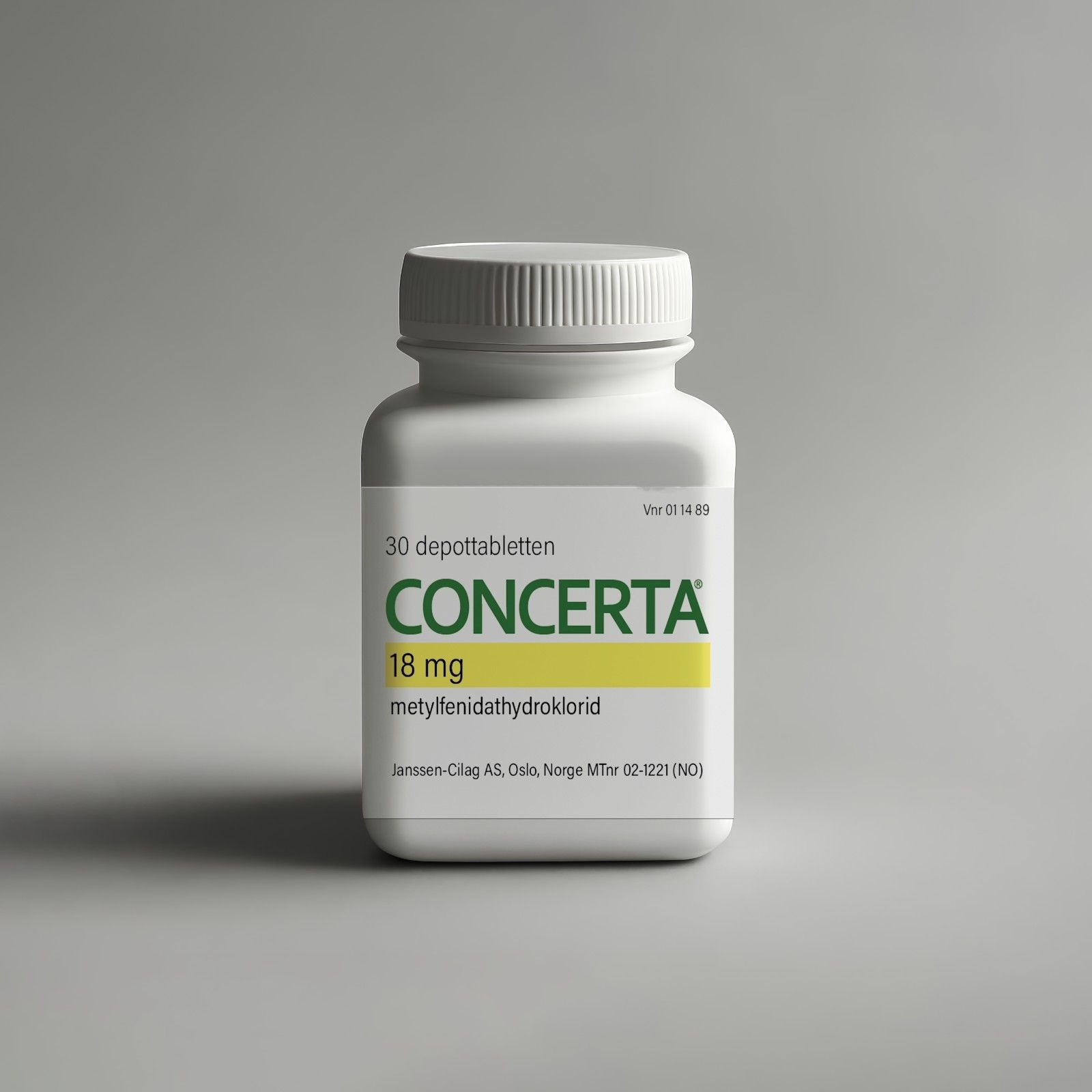 Buy Concerta Online
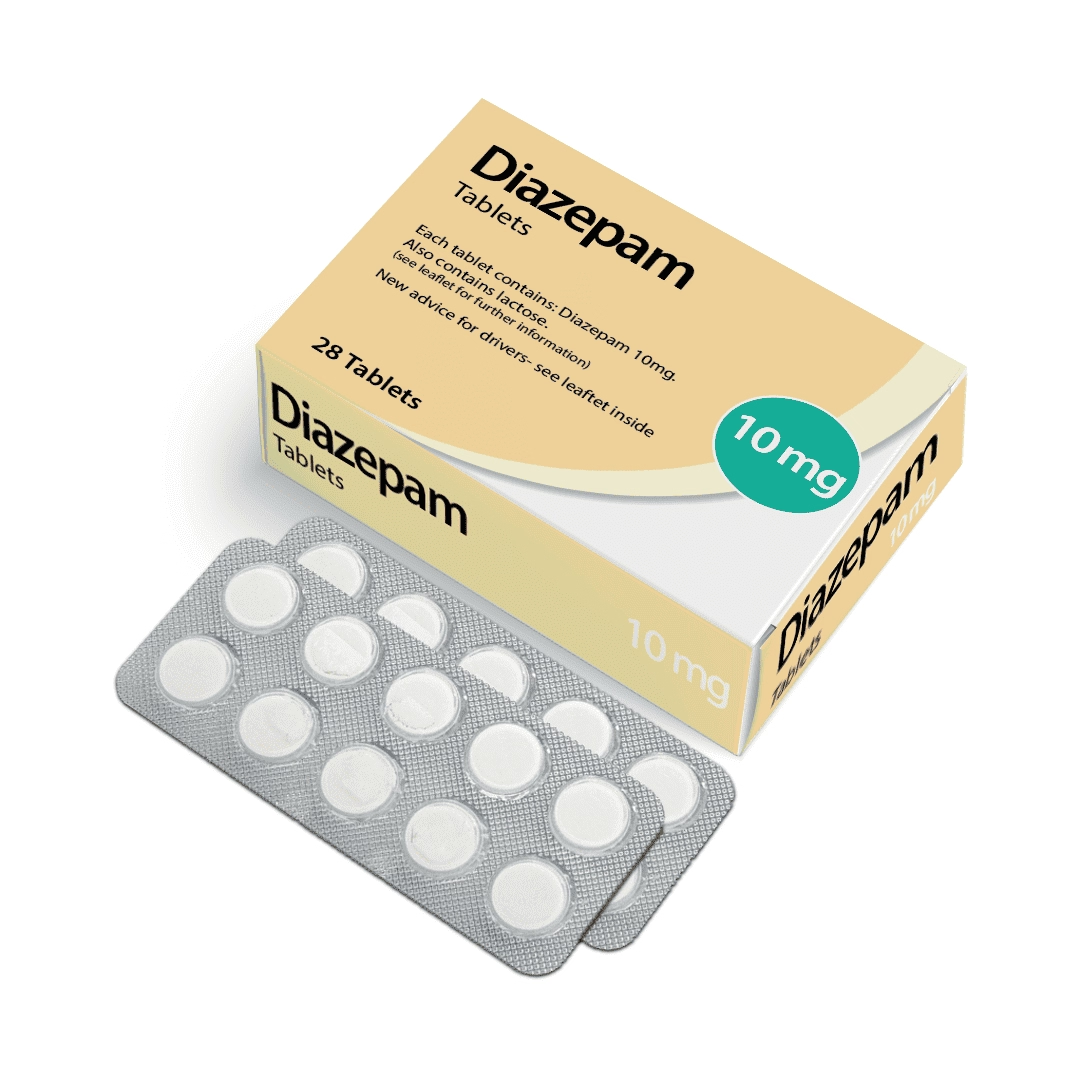 Buy Diazepam Online
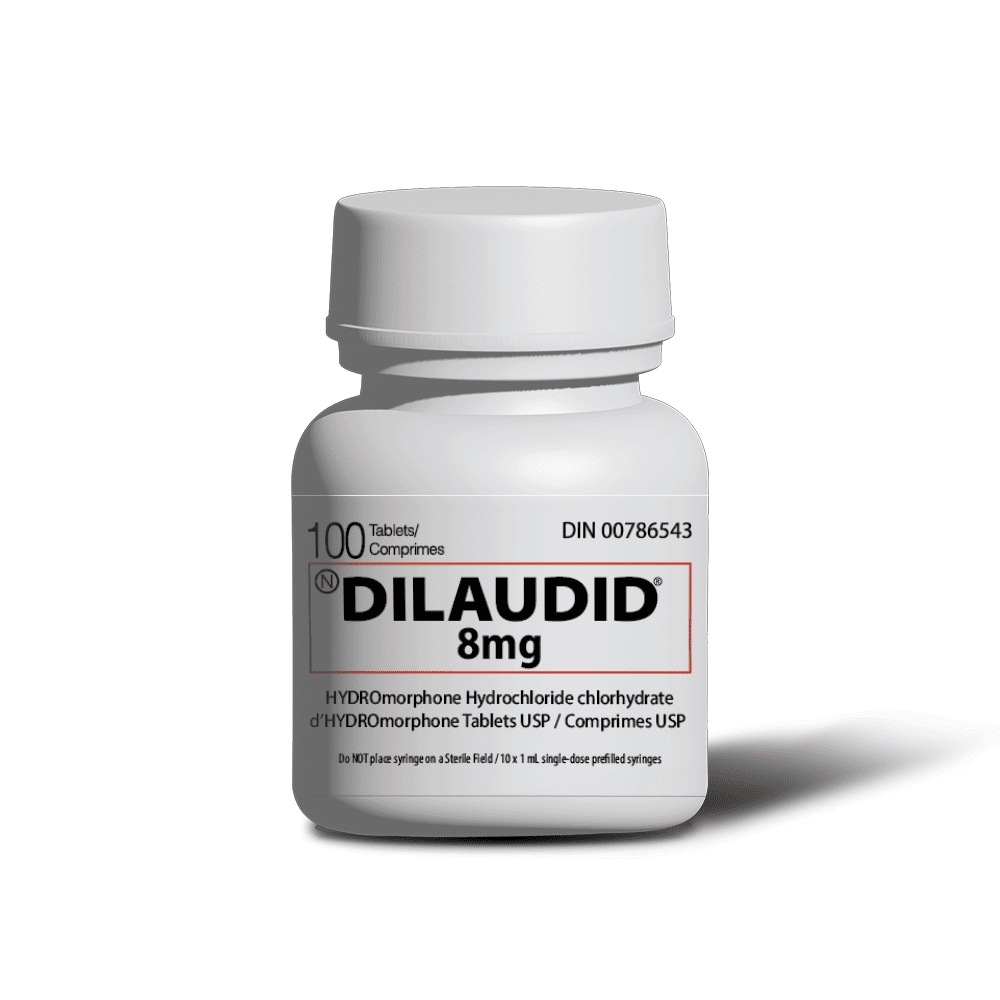 Buy Dilaudid Online
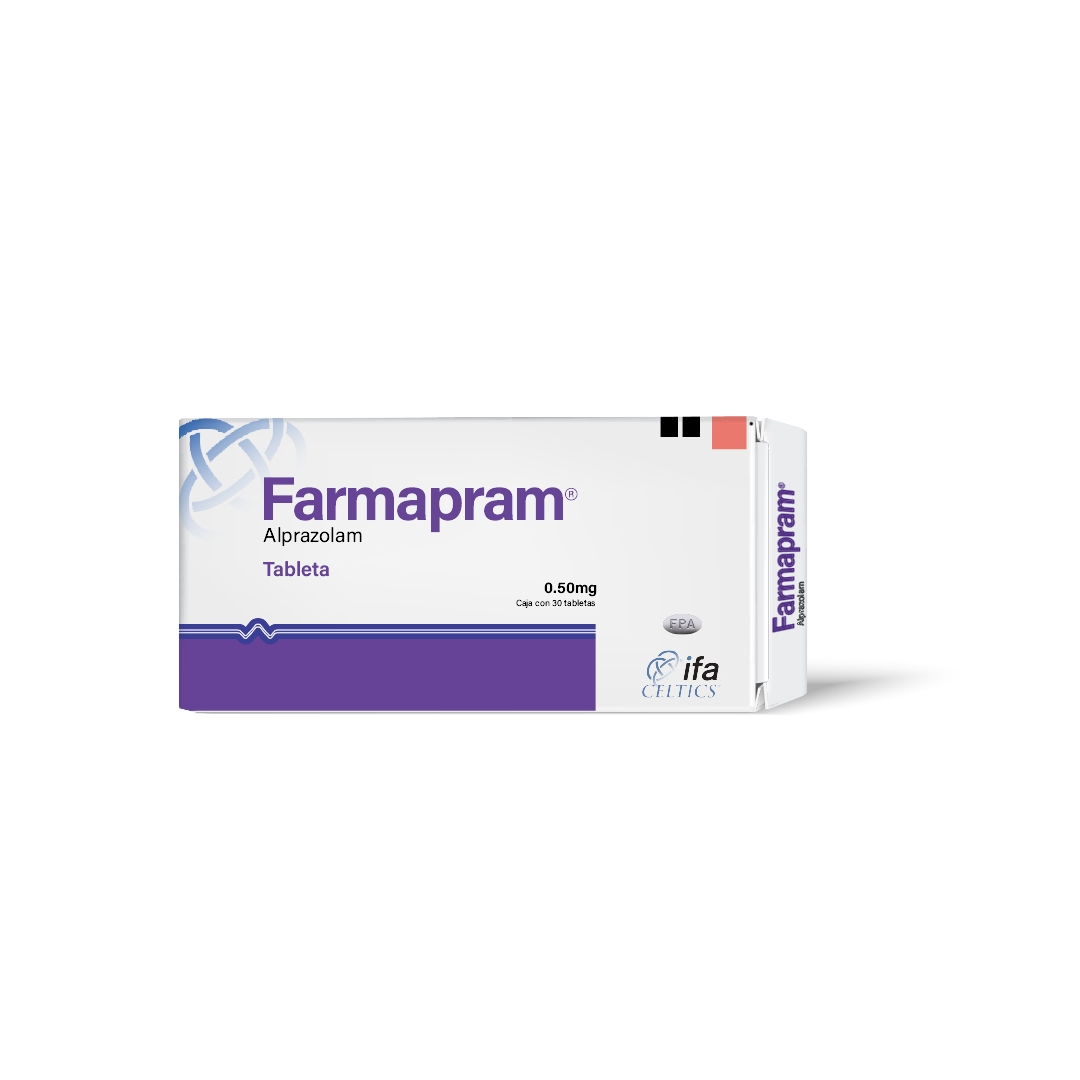 Buy Farmapram Online
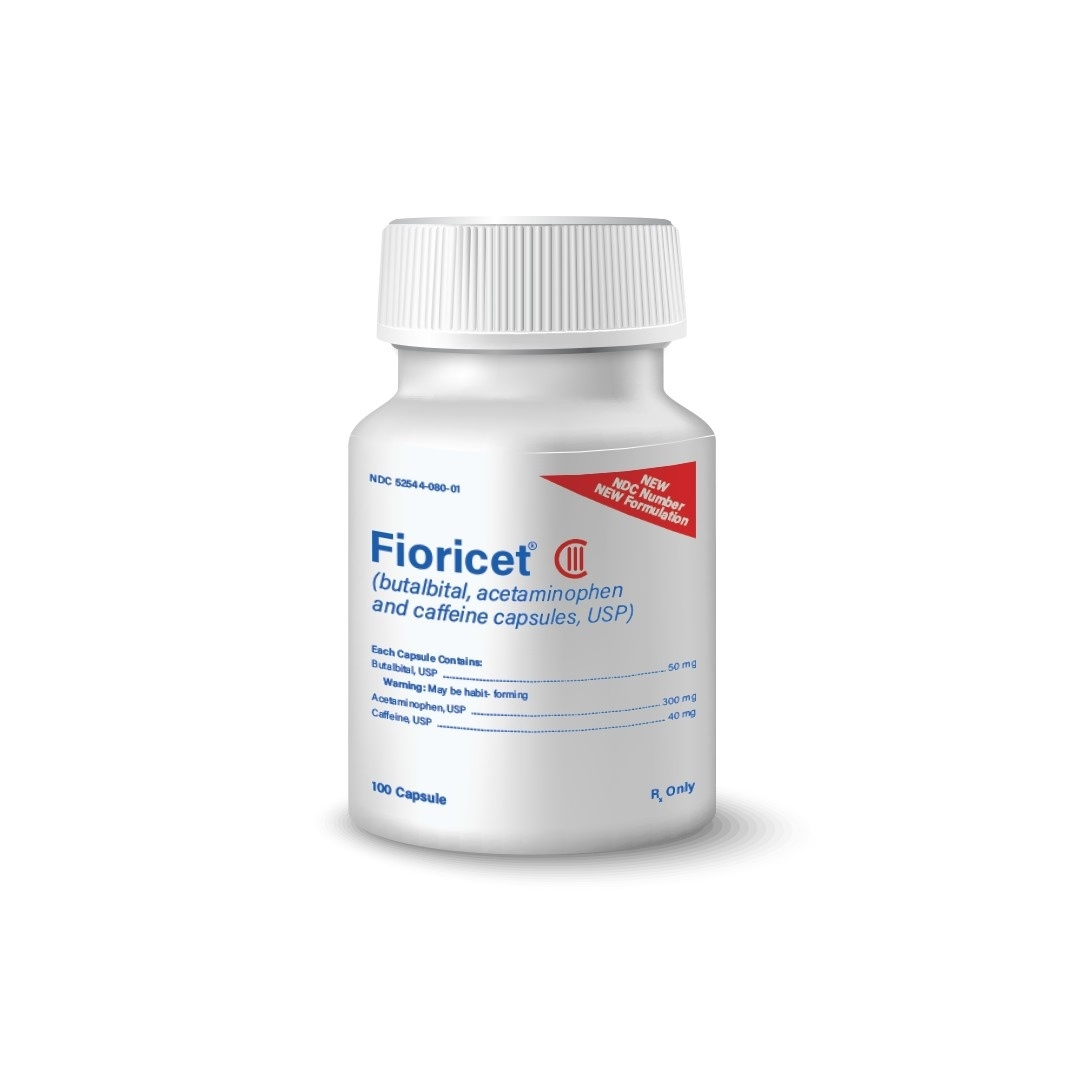 Buy Fioricet Online
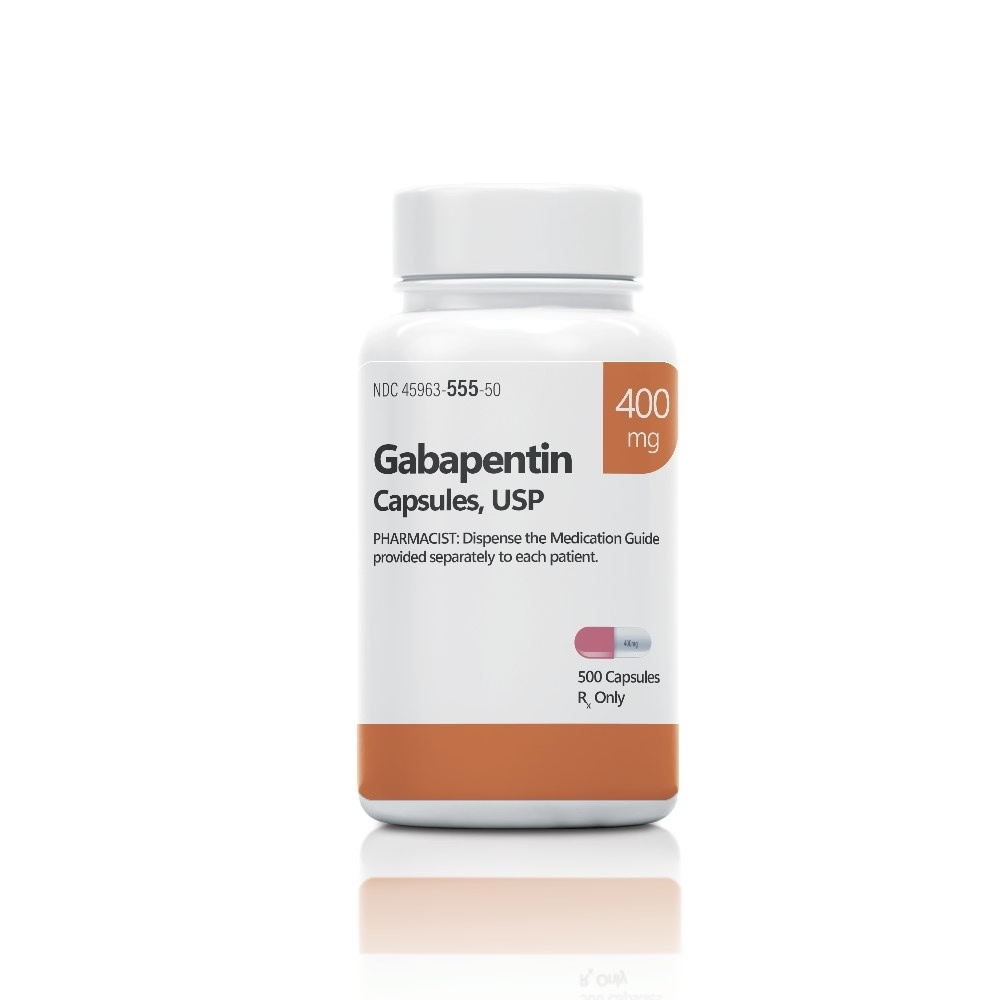 Buy Gabapentin Online
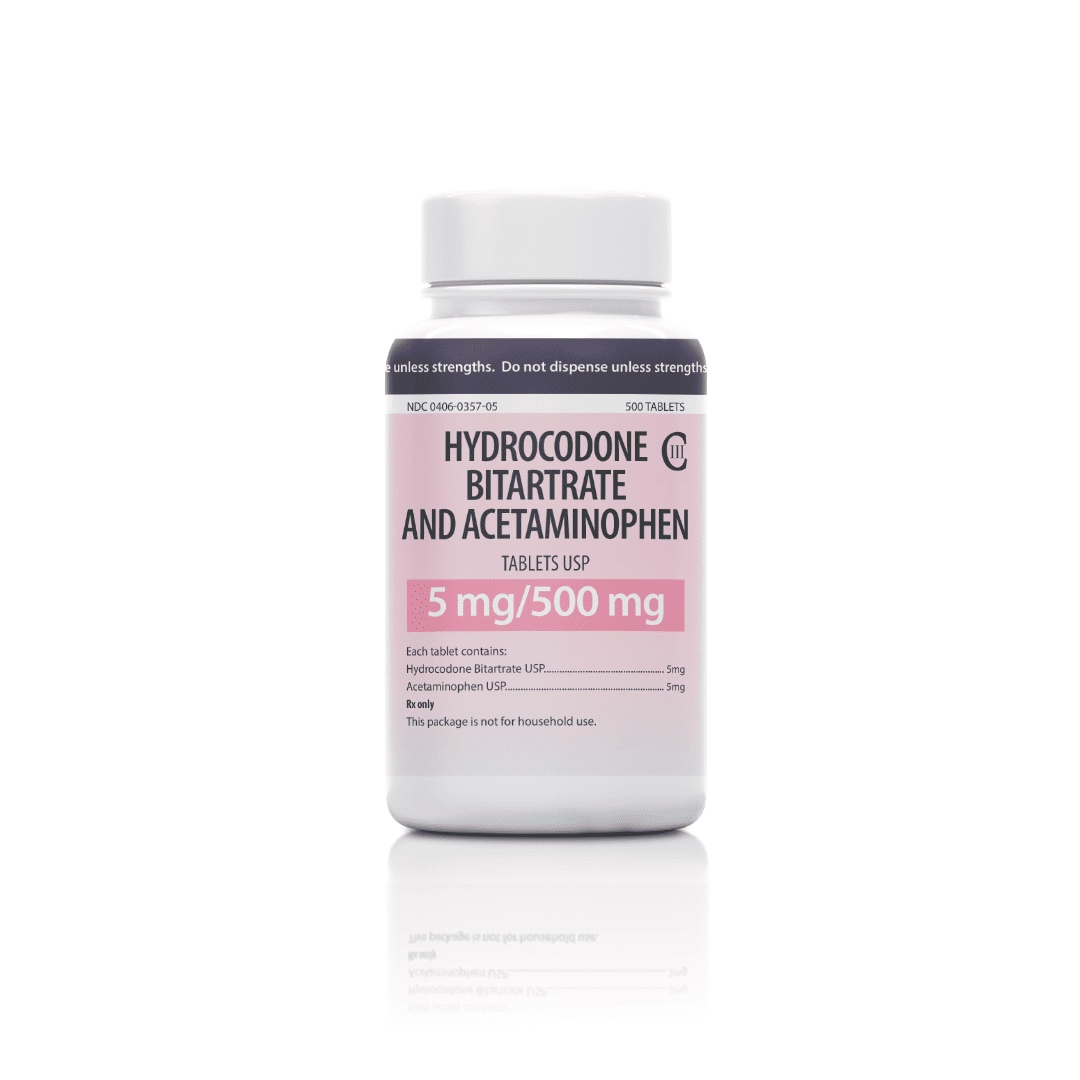 Buy Hydrocodone Online
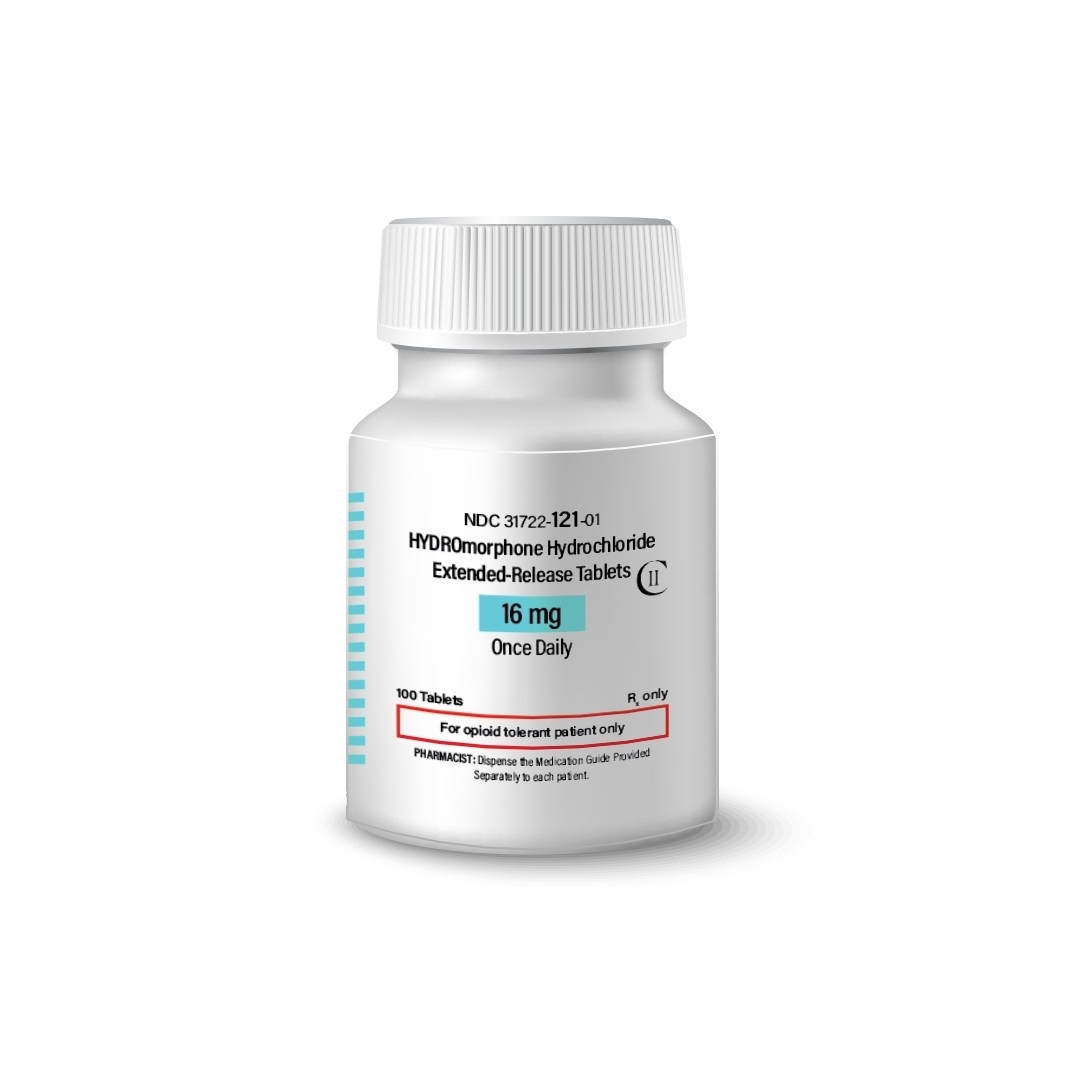 Buy Hydromorphone Online
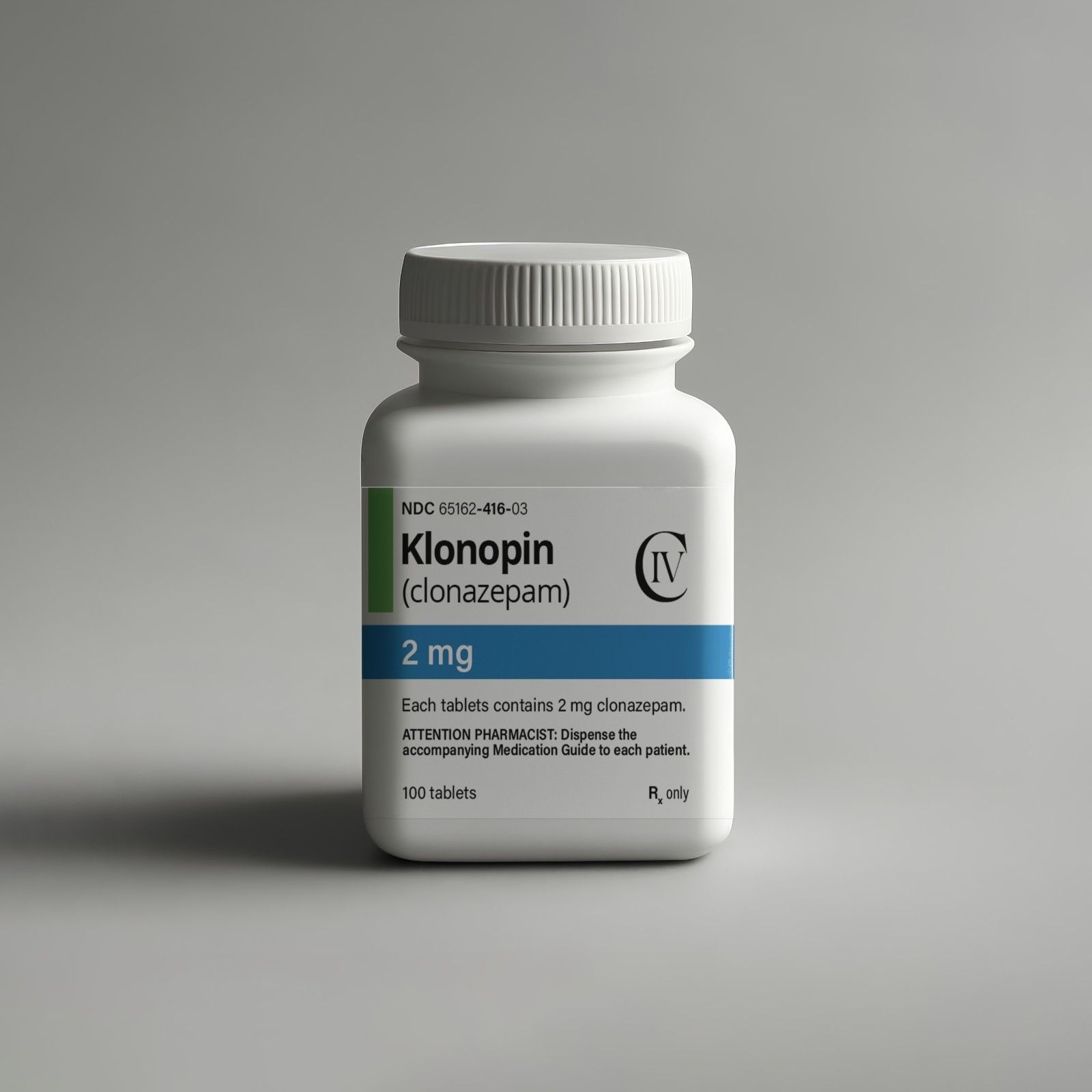 Buy Klonopin Online
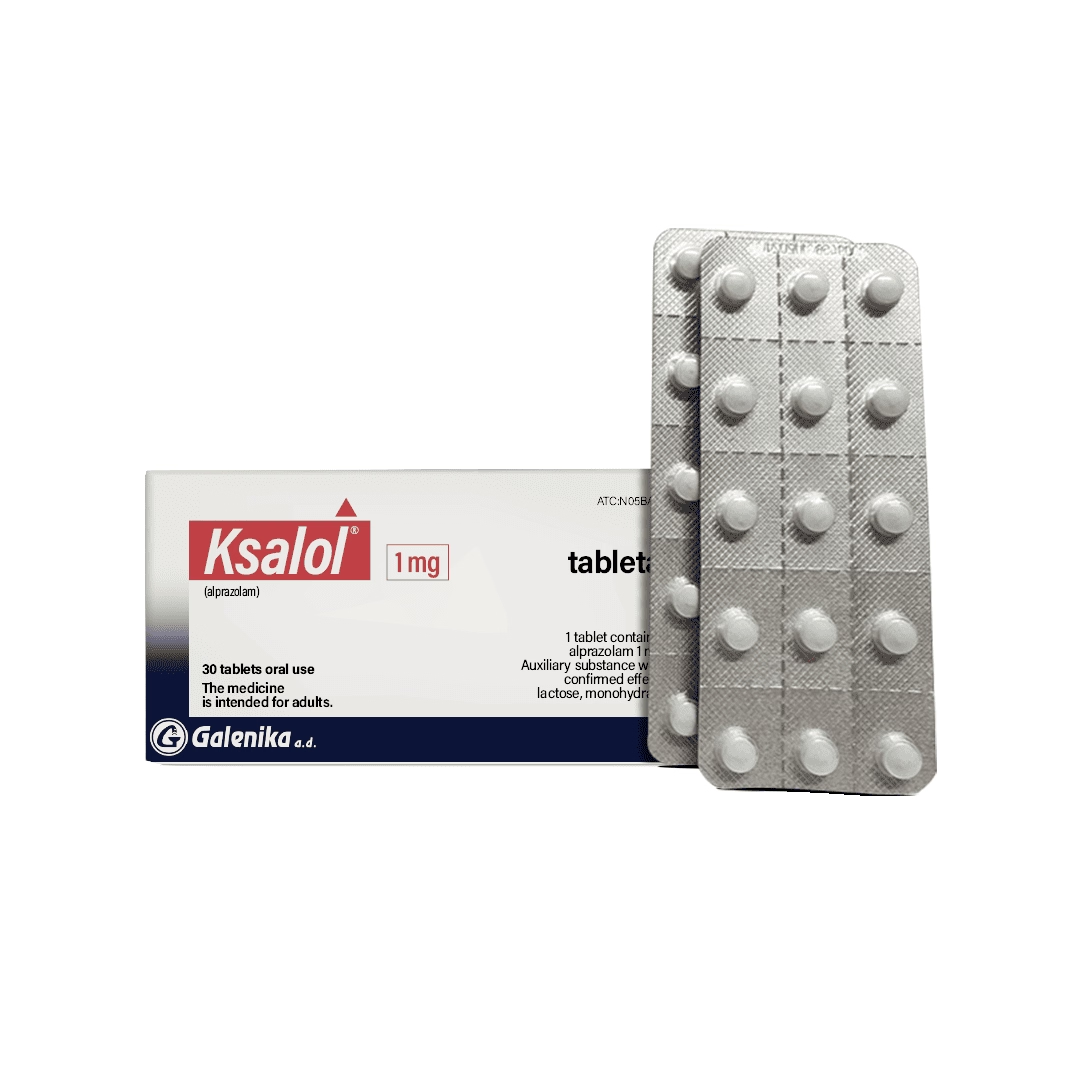 Buy Ksalol Online
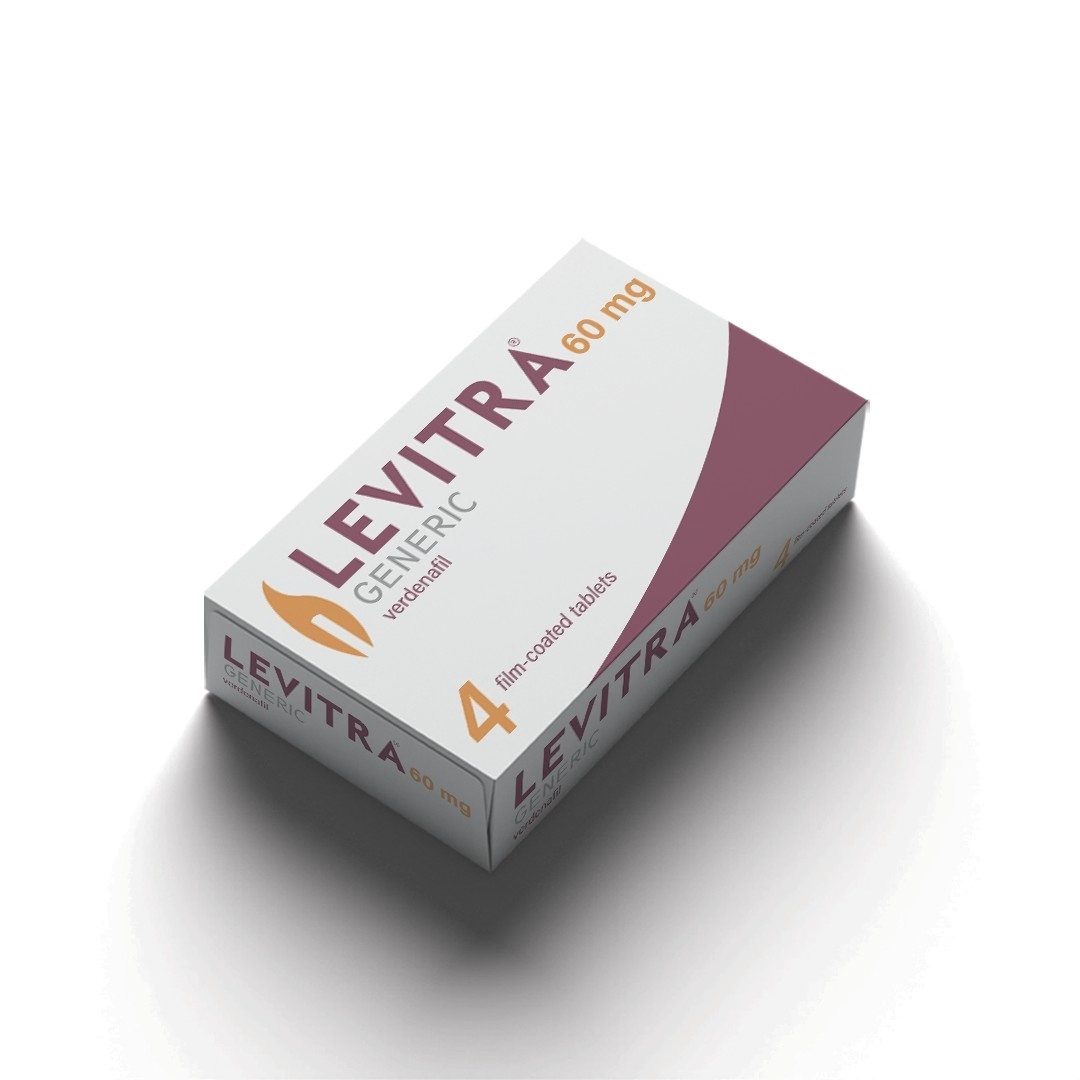 Buy Levitra Online
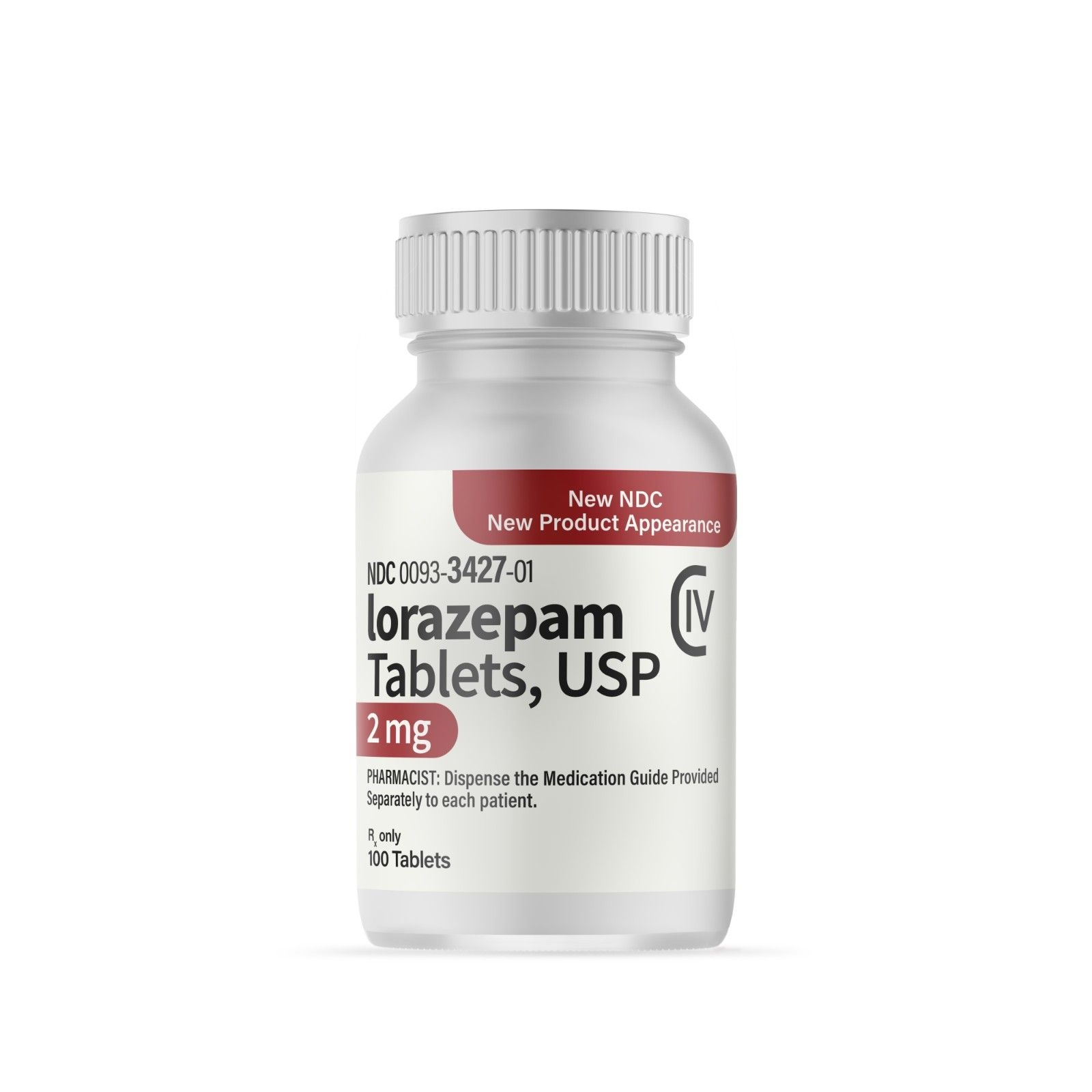 Buy Lorazepam Online
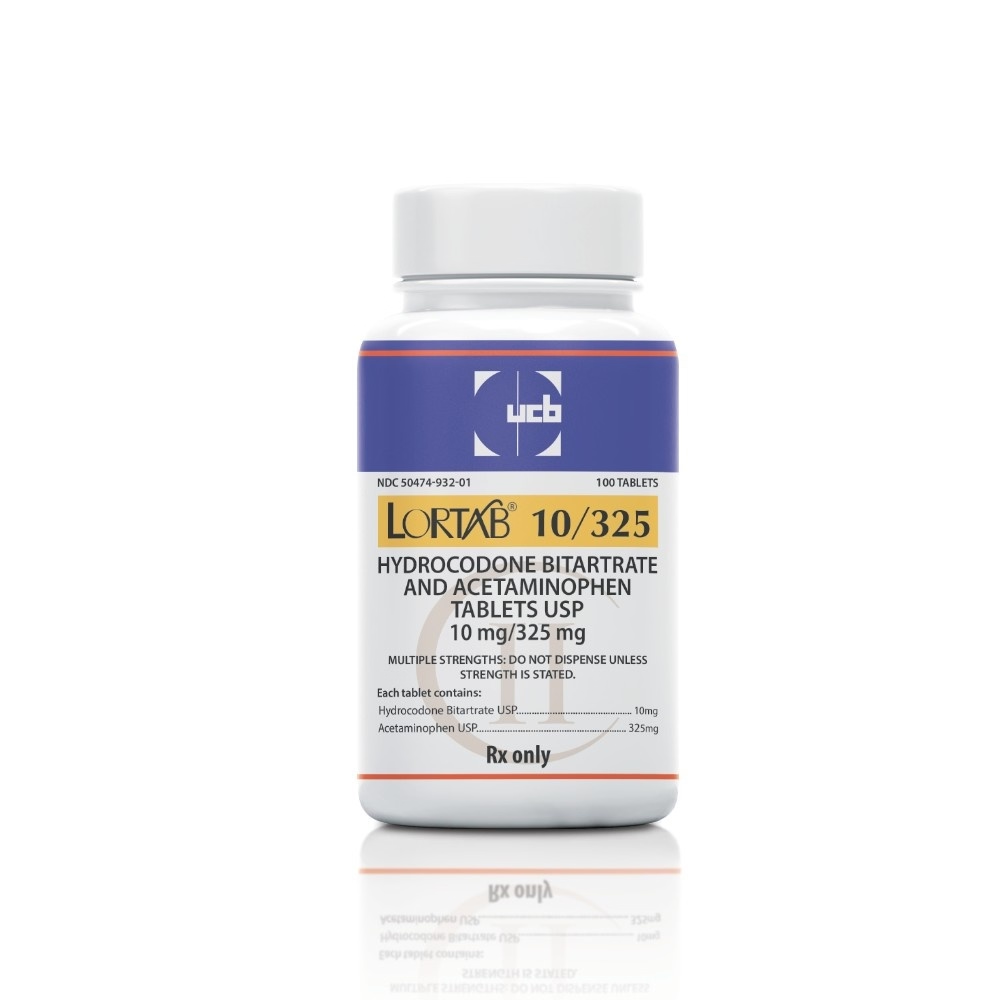 Buy Lortab Online
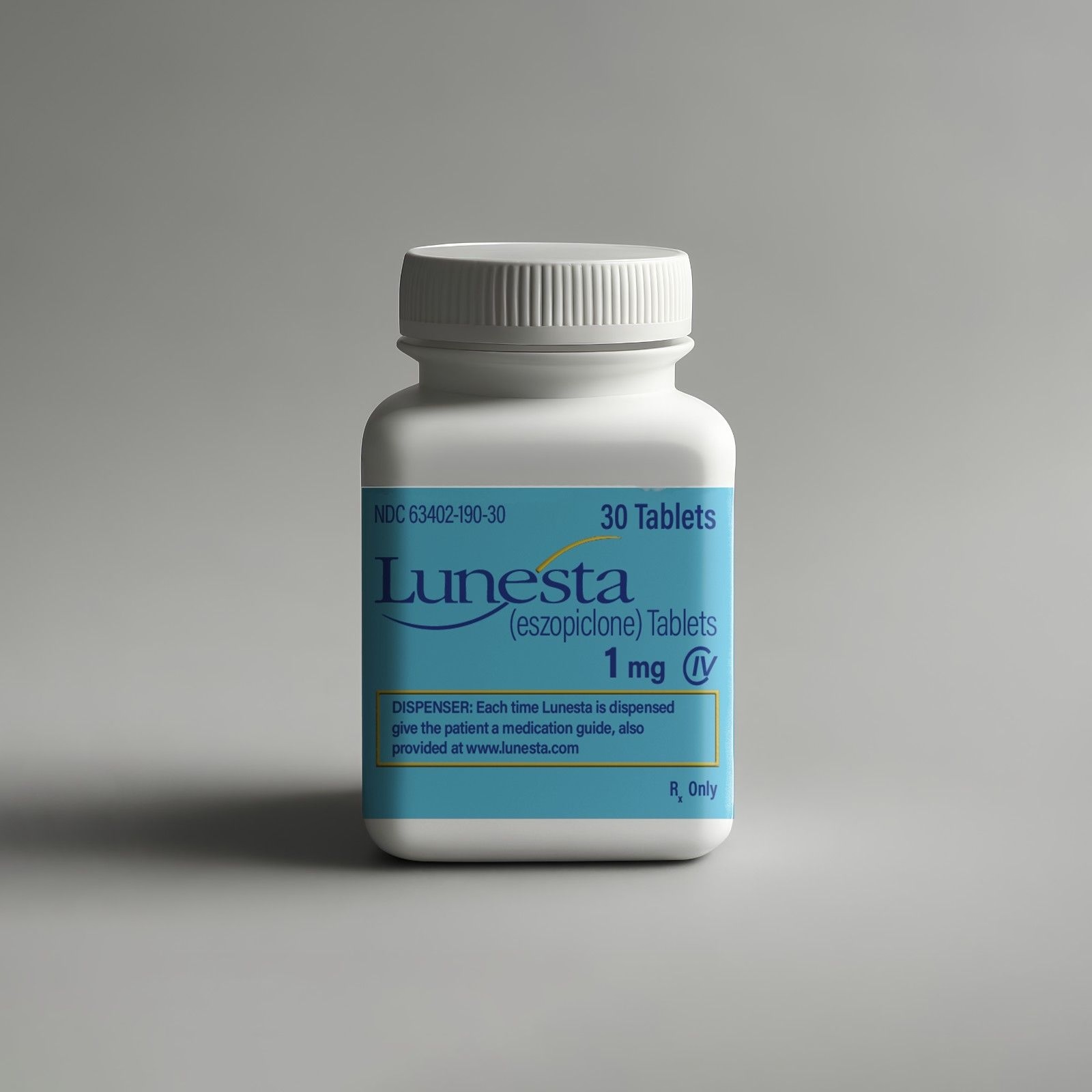 Buy Lunesta Online
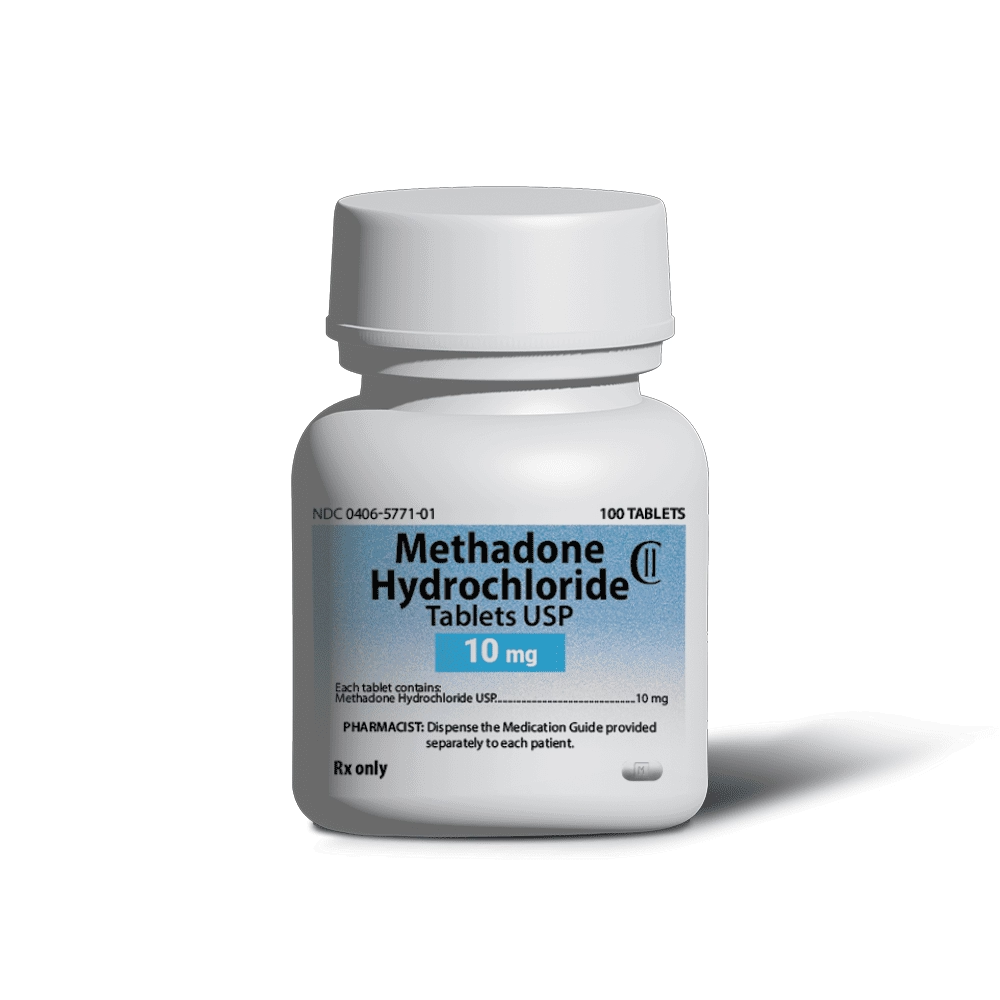 Buy Methadone Online
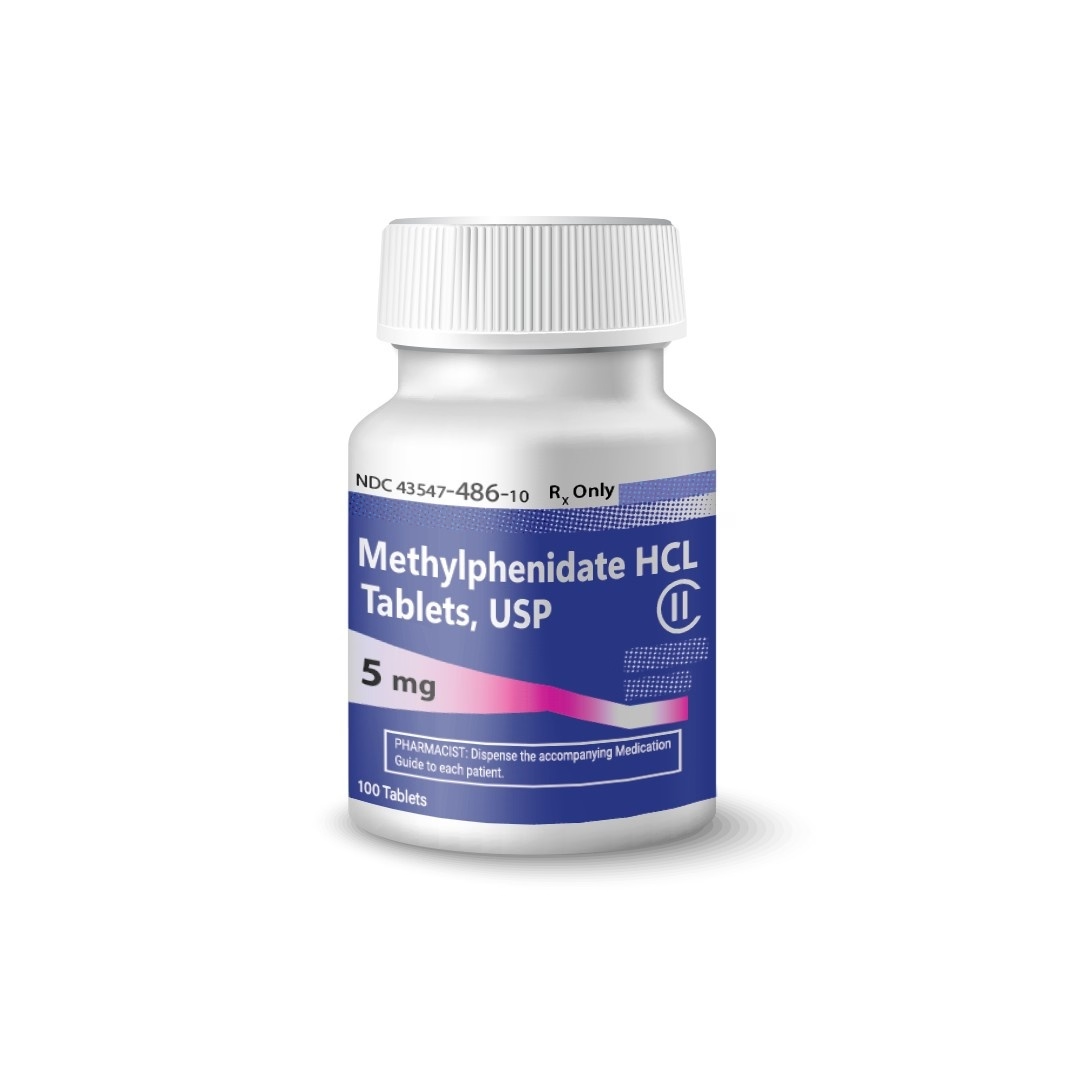 Buy Methylphenidate Online
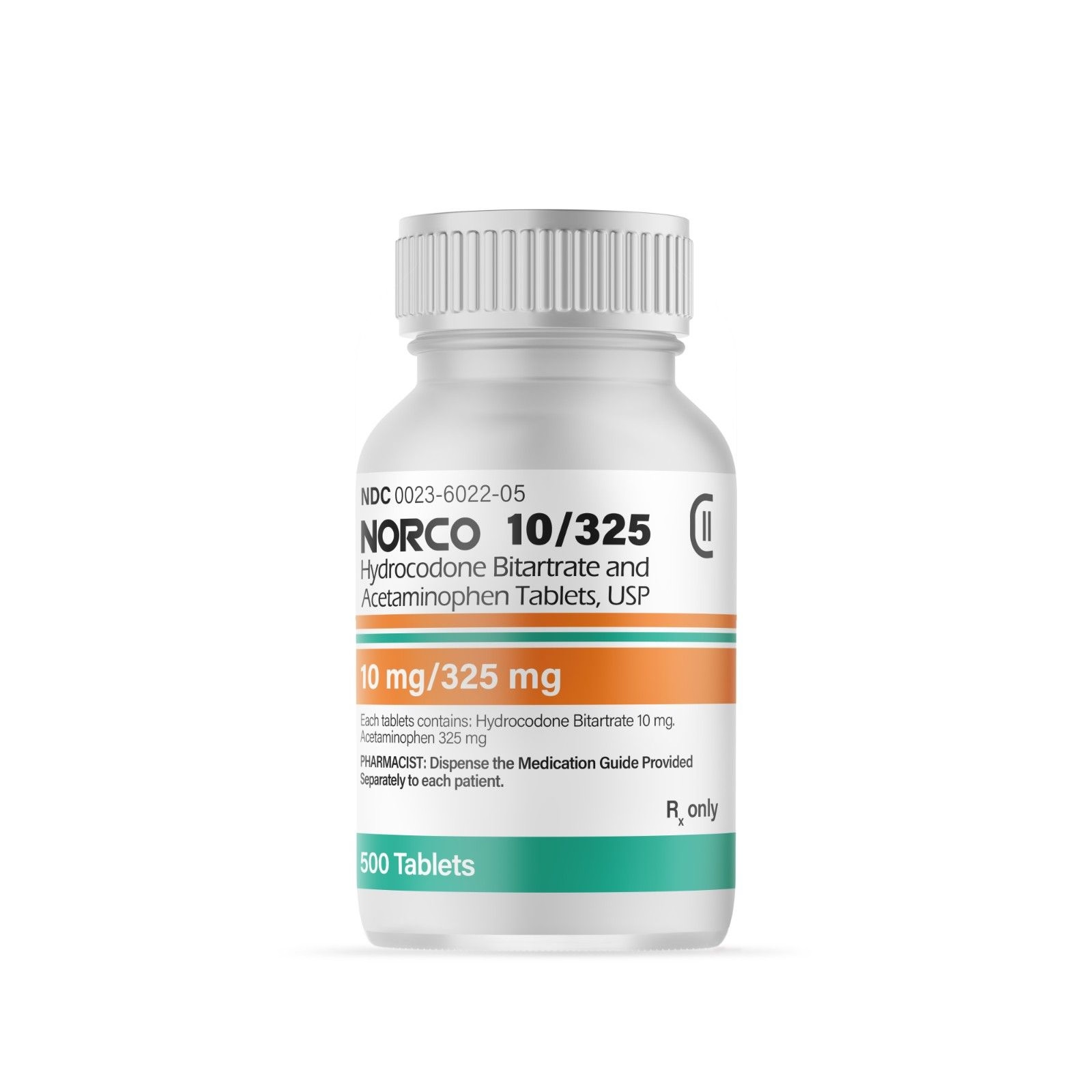 Buy Norco Online
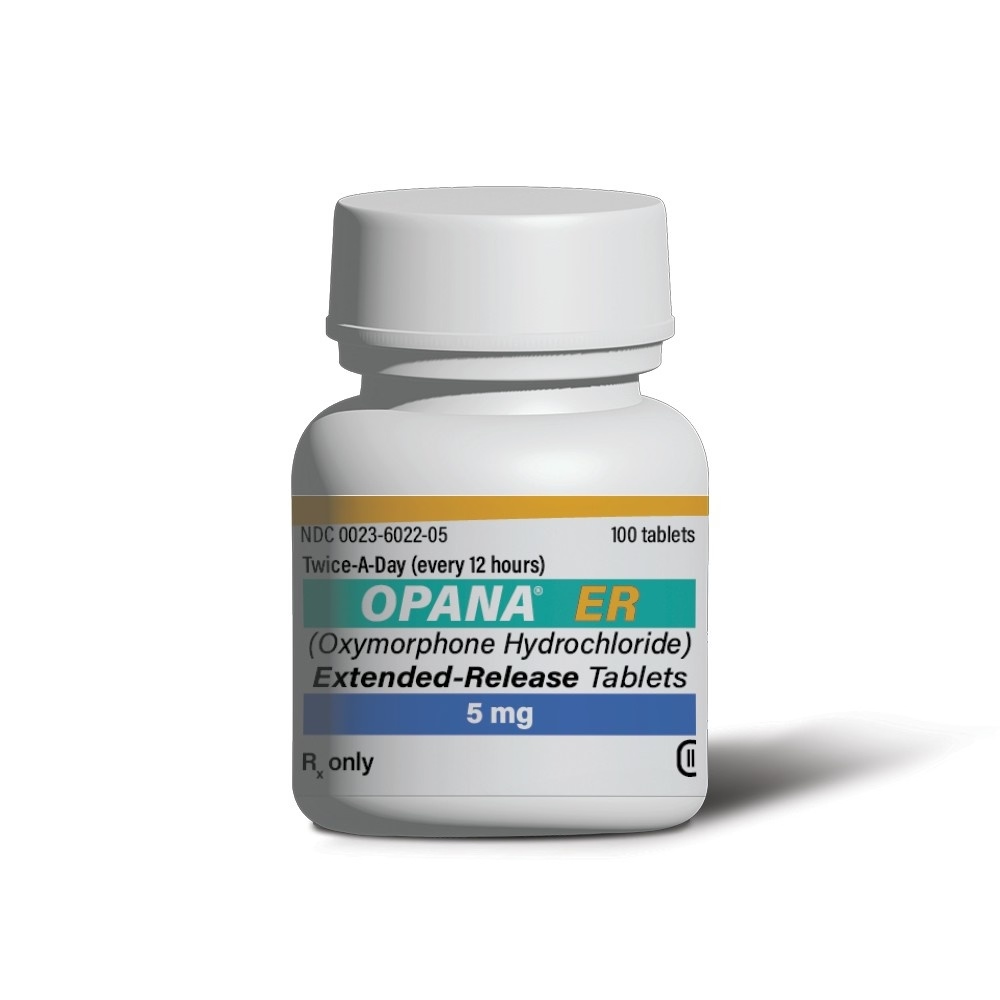 Buy Opana ER Online
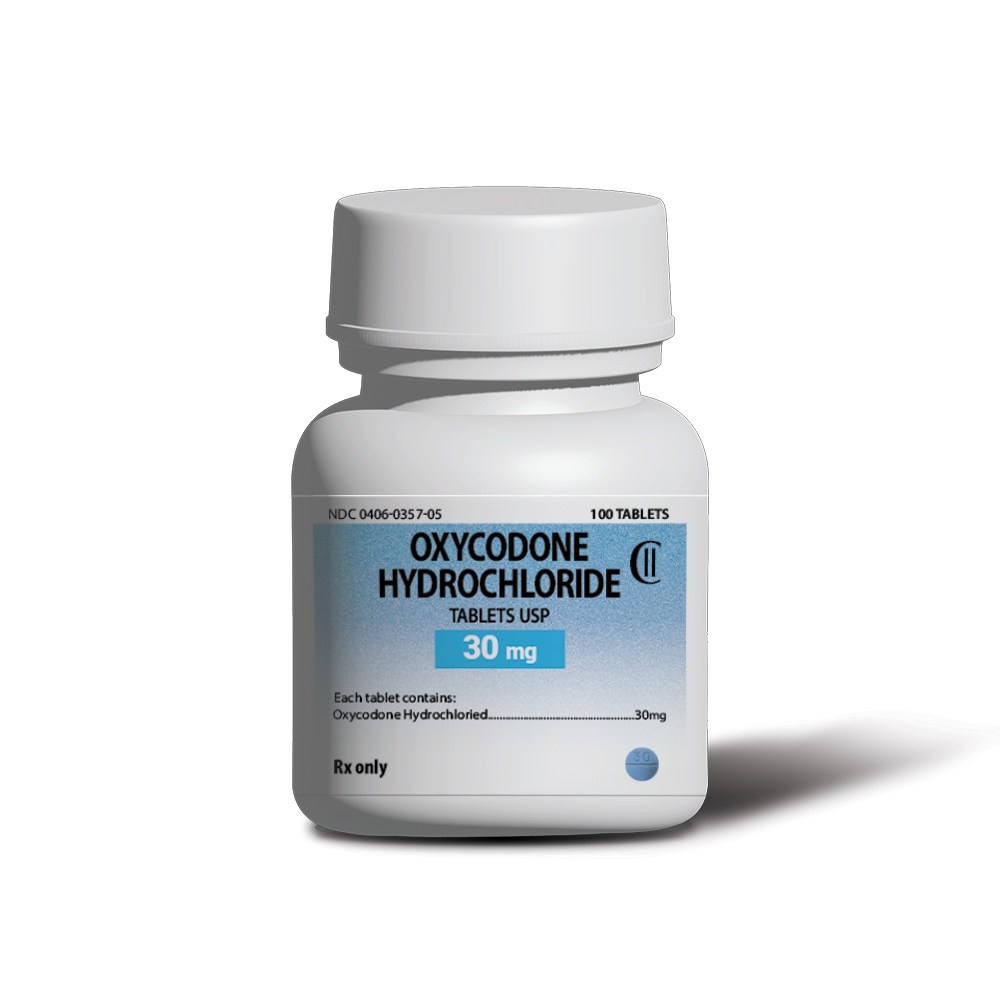 Buy Oxycodone Online
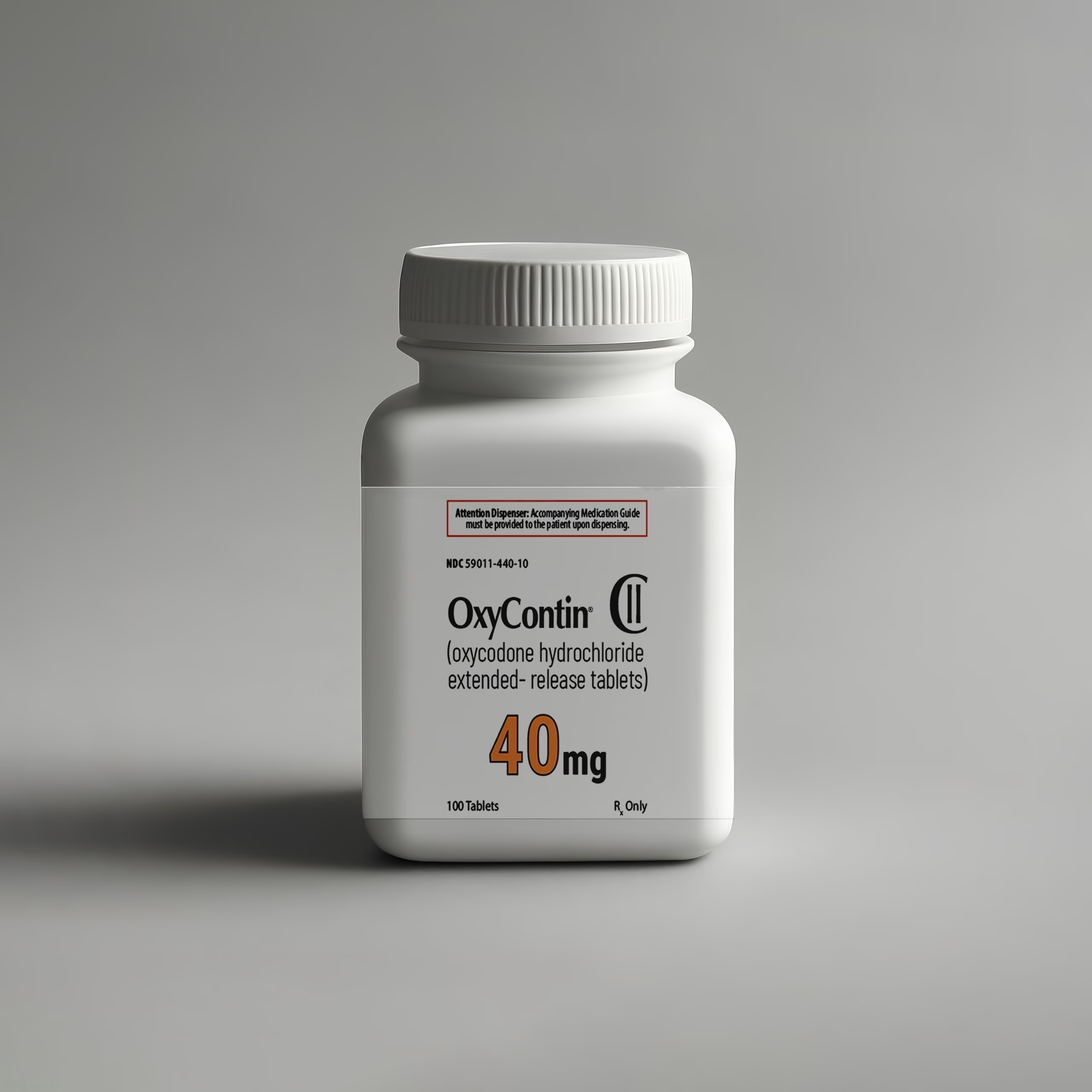 Buy Oxycontin Online
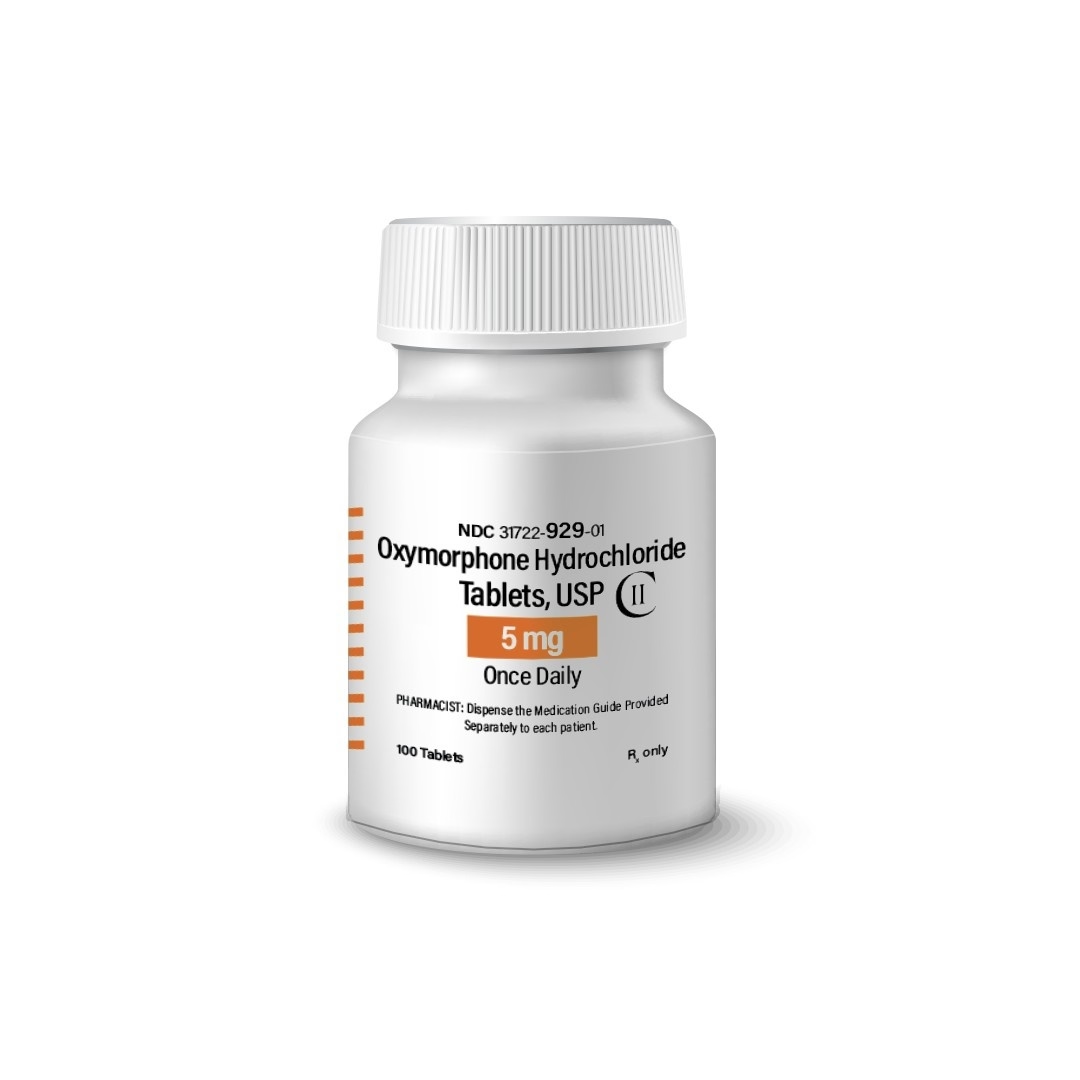 Buy Oxymorphone Online
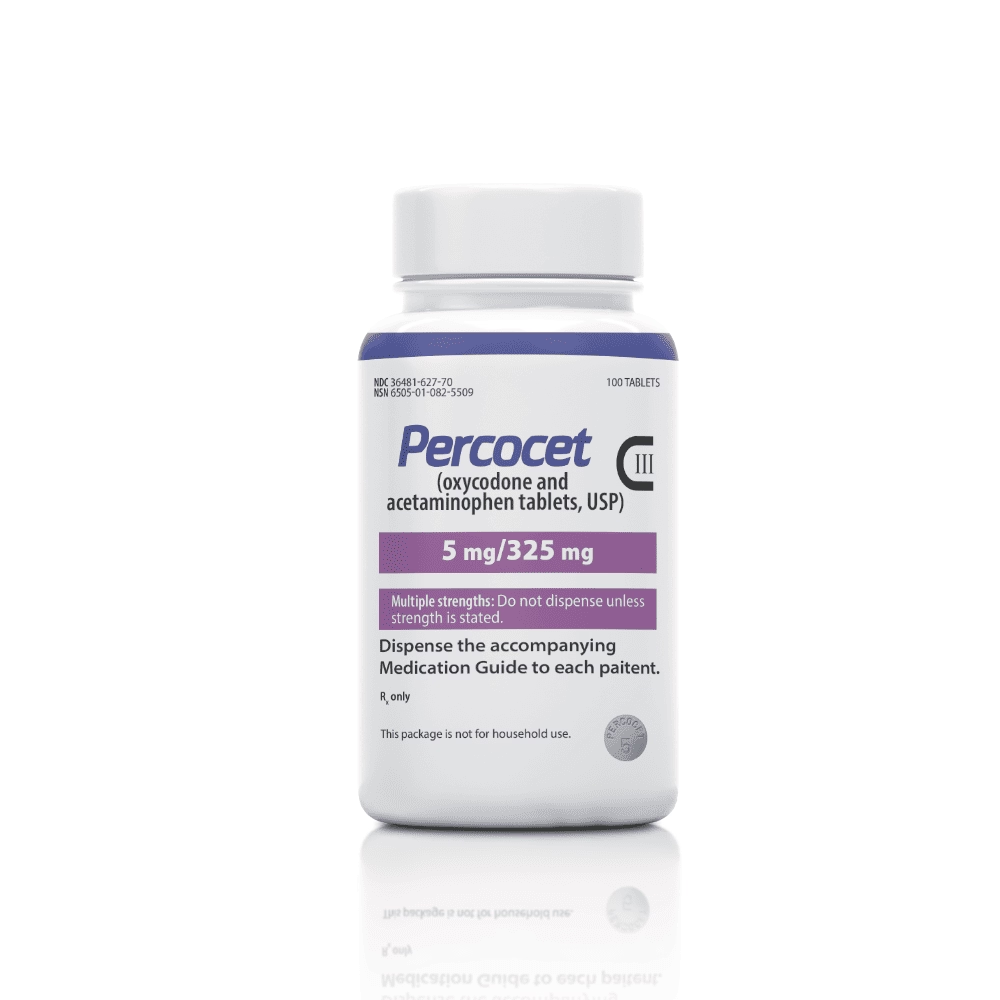 Buy Percocet Online
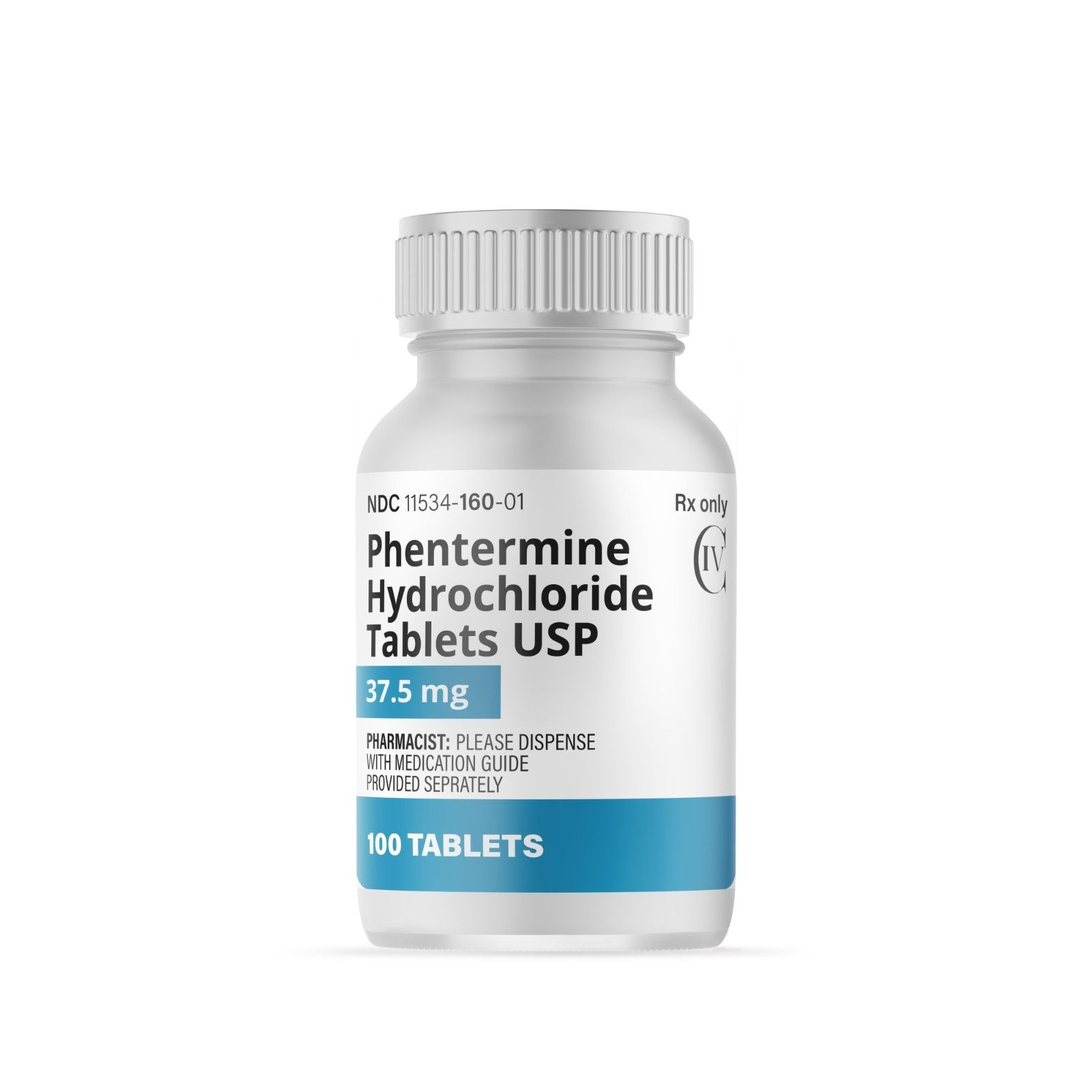 Buy Phentermine Online
 Buy Pregabalin Online
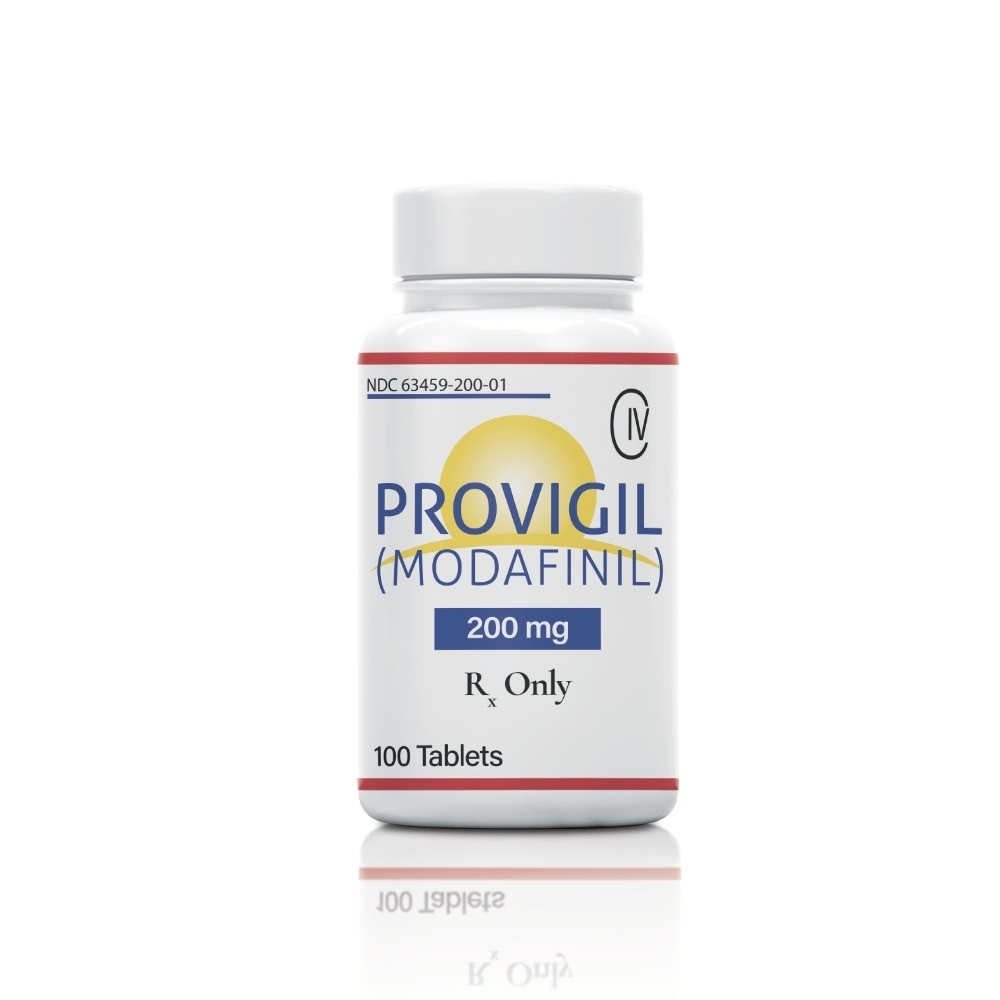 Buy Provigil Online
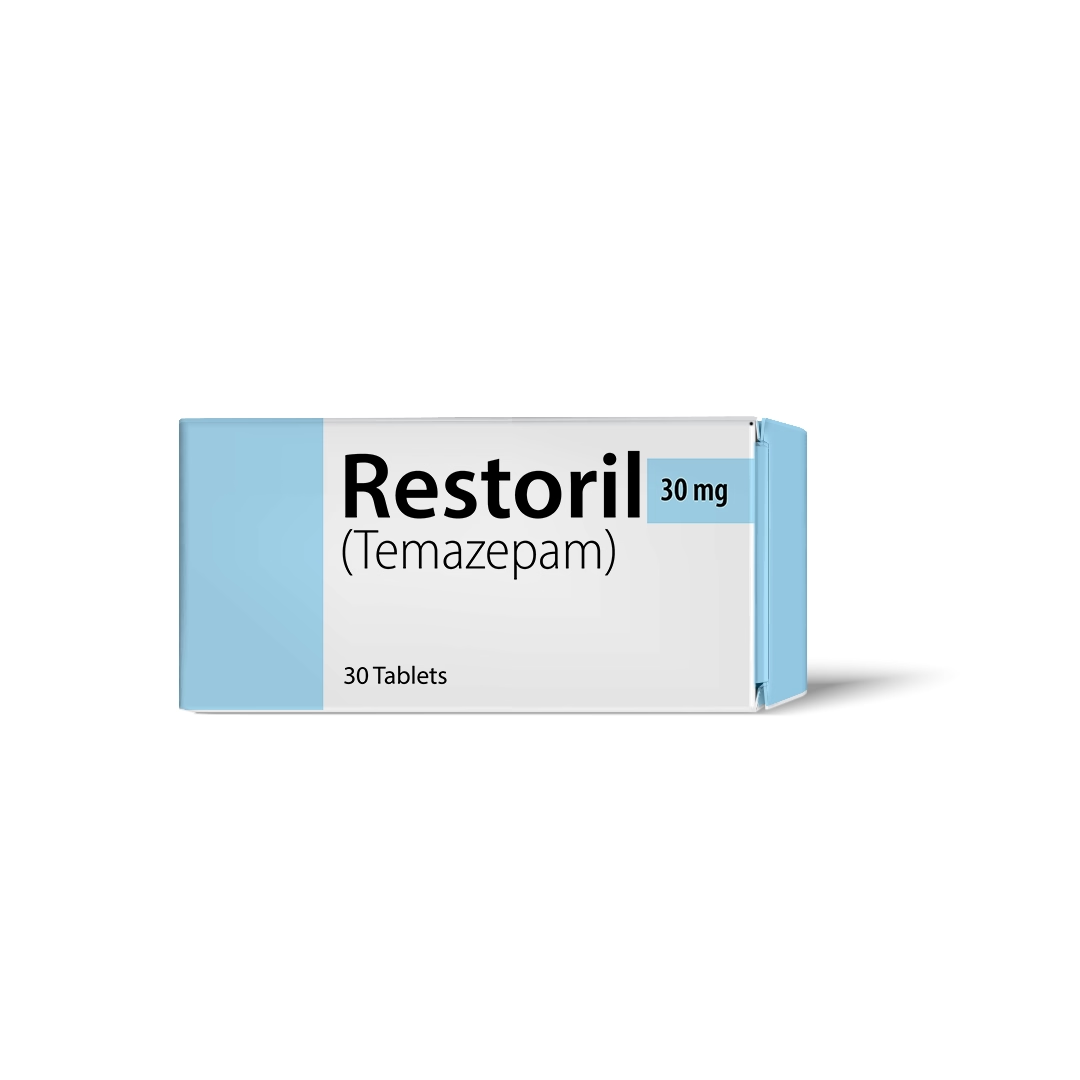 Buy Restoril Online
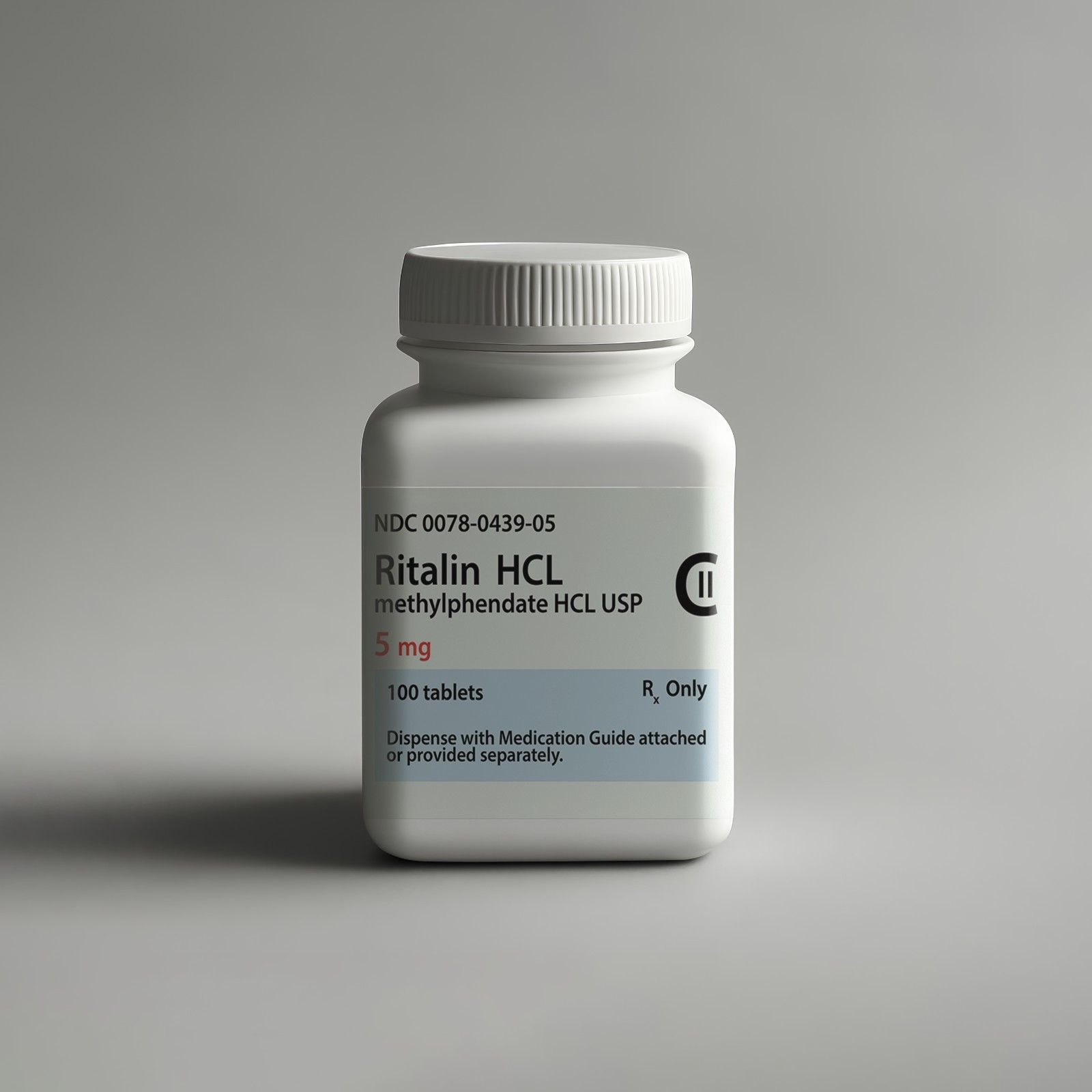 Buy Ritalin Online
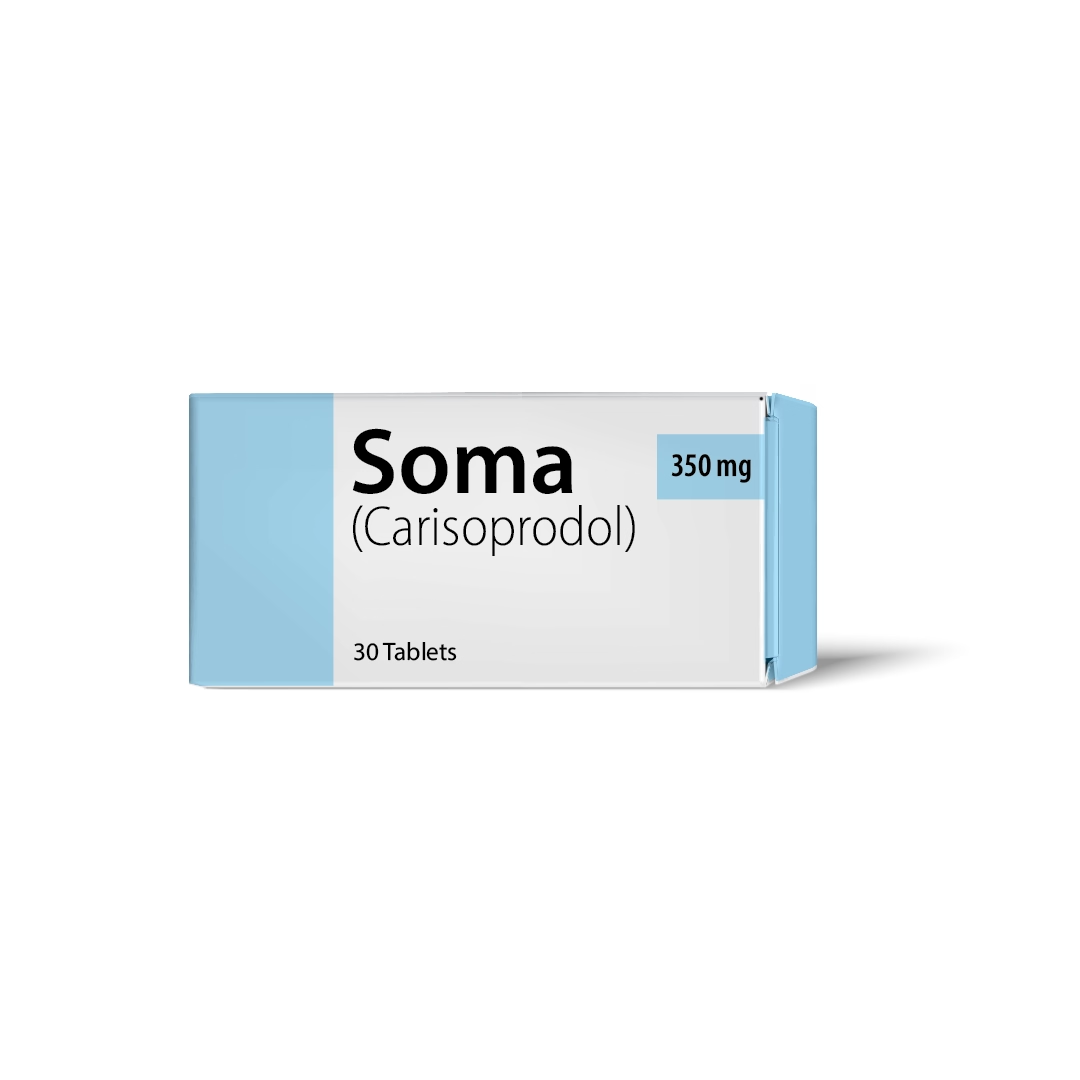 Buy Soma Online
 Buy Suboxone Online
 Buy Tramadol Online
 Buy Valium Online
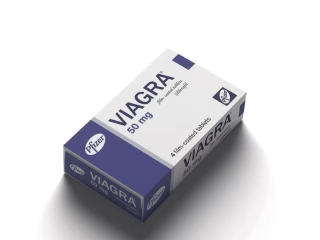
 Buy Viagra Online
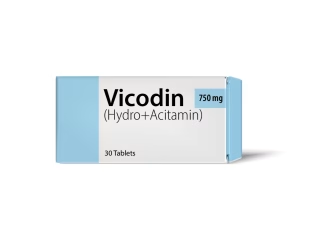
 Buy Vicodin Online
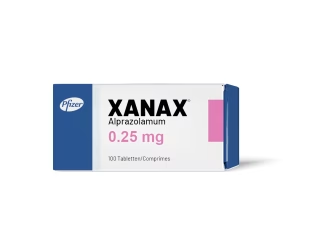
 Buy Xanax Online
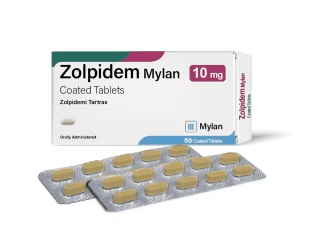
 Buy Zolpidem Online
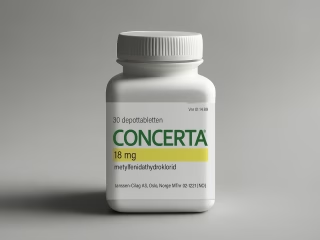
Buy Concerta Online
Showing all 4 results
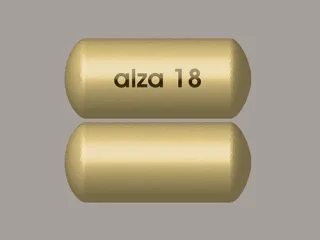
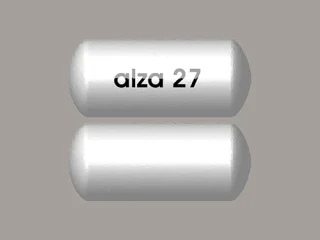
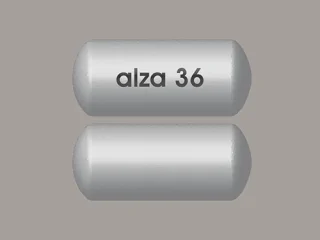
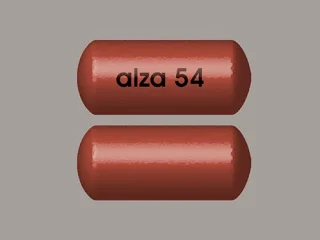
What Is Concerta
Concerta is the brand name for an extended-release formulation of methylphenidate, a central nervous system (CNS) stimulant prescribed as part of the treatment of Attention Deficit Hyperactivity Disorder (ADHD). It is designed to release methylphenidate gradually after the tablet is taken, providing an extended effect compared with immediate-release methylphenidate products.
Concerta is a prescription medication and a Schedule II controlled substance in the United States because methylphenidate has a potential for abuse, misuse, dependence, and addiction. It should only be taken according to the instructions provided by a qualified healthcare professional.
What Is Concerta Used For?
Attention Deficit Hyperactivity Disorder (ADHD)
Concerta is approved for the treatment of ADHD in children 6 years and older, adolescents, and adults up to 65 years of age. ADHD can involve difficulty maintaining attention, impulsive behavior, excessive activity, and problems with organization or task completion.
Methylphenidate affects certain chemical signaling pathways in the brain associated with attention and behavior. Medication may be used alongside behavioral interventions, counseling, educational support, or other components of an individual’s ADHD treatment plan.
What About Narcolepsy?
Methylphenidate as a medication class can also be prescribed for narcolepsy in certain formulations. However, Concerta’s FDA-approved indication is ADHD, so it should not be presented as an FDA-approved Concerta treatment for narcolepsy. Treatment decisions for excessive daytime sleepiness should be made by a healthcare professional.
How Does Concerta Work?
Concerta contains methylphenidate, which is a CNS stimulant. The precise therapeutic mechanism responsible for improving ADHD symptoms is not completely established.
FDA labeling explains that methylphenidate blocks the reuptake of norepinephrine and dopamine in the brain, increasing the availability of these neurotransmitters around nerve cells. These signaling systems are involved in attention, alertness, motivation, and other brain functions.
Because Concerta is an extended-release formulation, it is designed for once-daily administration rather than repeated doses throughout the day.
Concerta Strengths
Concerta extended-release tablets are available in several strengths. The appropriate strength depends on factors such as the patient’s age, previous stimulant treatment, response to therapy, and tolerability.
- 18 mg
- 27 mg
- 36 mg
- 54 mg
The prescribed strength should not be changed without medical guidance.
How Should Concerta Be Taken?
Concerta is generally taken orally once each morning, with or without food, according to the prescribing information.
The extended-release tablet should be swallowed whole with liquid. Do not crush, chew, or divide the tablet, because doing so can interfere with its extended-release design.
For patients who are new to methylphenidate or certain stimulant treatments, the FDA labeling provides different starting-dose recommendations based on age and previous treatment. A healthcare professional should determine the appropriate dose rather than using another person’s prescription or adjusting the dose independently.
What Should You Tell Your Doctor Before Taking Concerta?
Before starting Concerta, tell your healthcare professional about your medical history and all medications, vitamins, supplements, and other substances you use.
Particular attention may be needed if you have:
- Heart disease or cardiovascular symptoms
- High blood pressure
- A family history of sudden cardiac death or serious heart rhythm problems
- Tourette syndrome or motor or vocal tics
- Mental health conditions
- Glaucoma
- Circulation problems affecting the fingers or toes
- A history of substance misuse
- An allergy to methylphenidate or any ingredient in the medication
Methylphenidate also has important medication interactions. In particular, it should not be used with monoamine oxidase inhibitors (MAOIs) or within the specified period after stopping an MAOI. Always provide your complete medication list to your doctor or pharmacist.
Common Side Effects of Concerta
Some people taking methylphenidate may experience side effects. Commonly reported effects can include:
- Decreased appetite
- Weight loss
- Headache
- Dry mouth
- Stomach discomfort
- Nausea
- Nervousness
- Irritability
- Restlessness
- Difficulty sleeping
- Dizziness
Not everyone experiences these effects, and their severity can vary. Contact your healthcare professional if a side effect is persistent, severe, or concerning.
Serious Concerta Side Effects
Methylphenidate can cause serious reactions that require prompt medical attention.
Seek medical advice promptly for symptoms such as:
- Chest pain
- Shortness of breath
- Fainting
- Fast, pounding, or irregular heartbeat
- Significant changes in mood or behavior
- Hallucinations or unusual suspiciousness
- Seizures
- Serious allergic reactions
- Painful or prolonged erections
- Significant changes in finger or toe color, temperature, or sensation
Children taking methylphenidate may also require monitoring of height, weight, and growth because stimulant treatment can affect appetite and growth in some patients.
Concerta and Risk of Misuse
Concerta contains methylphenidate, a stimulant with a recognized potential for abuse, misuse, and addiction.
Taking more than prescribed, taking it more frequently, or using it through an unapproved route can increase the risk of serious harm, including overdose. Concerta should never be shared with another person, even when that person reports having similar symptoms.
Keep the medication in a secure location and monitor the amount remaining. Unused medication should be disposed of through an appropriate medication take-back or disposal program.
Concerta and Other Medications
Drug interactions can change how medicines work or increase the risk of adverse effects.
Tell your doctor or pharmacist about:
- Prescription medications
- Over-the-counter medicines
- Antidepressants
- Blood-pressure medicines
- Supplements
- Vitamins
- Other stimulant medications
- MAO inhibitors
Do not start, stop, or change another medication without first discussing it with a healthcare professional.
What If You Miss a Dose?
If you forget a dose, follow the instructions provided by your doctor or pharmacist. Do not take an additional dose to compensate for a missed dose.
Because Concerta is normally taken in the morning, taking a missed dose too late in the day may contribute to difficulty sleeping. Ask your healthcare professional what to do when a dose is missed.
Concerta Storage and Safe Handling
Store Concerta according to the instructions provided with your prescription. Keep it in a secure location away from children and other people who may accidentally or intentionally take it.
Do not give your medication to another person. Sharing or selling prescription methylphenidate can cause serious harm and is unlawful.
Frequently Asked Questions About Concerta
Is Concerta the same as methylphenidate?
Concerta contains methylphenidate hydrochloride, but it is a specific extended-release formulation. Other methylphenidate products may have different release mechanisms, strengths, and dosing schedules.
Is Concerta a stimulant?
Yes. Concerta contains methylphenidate, a central nervous system stimulant.
How often is Concerta taken?
Concerta is generally prescribed once daily in the morning. The exact dose and treatment schedule should come from the prescribing healthcare professional.
Can Concerta be crushed or chewed?
No. The extended-release Concerta tablet should be swallowed whole. Crushing, chewing, or dividing the tablet can interfere with its intended release characteristics.
Can children take Concerta?
Concerta is FDA-indicated for ADHD in children 6 years and older, adolescents, and adults up to age 65. A healthcare professional should determine whether it is appropriate for an individual child and monitor treatment over time.
Is Concerta habit-forming?
Methylphenidate has a potential for abuse, misuse, dependence, and addiction. It should therefore be used only as prescribed and monitored by a healthcare professional.
Final Thoughts
Concerta is an extended-release methylphenidate medication used for the treatment of ADHD. Its long-acting formulation allows once-daily administration, while its stimulant properties affect dopamine and norepinephrine signaling in the central nervous system.
Because Concerta is a controlled prescription medication, safe treatment depends on appropriate medical evaluation, individualized dosing, monitoring, and responsible storage. Never use another person’s prescription or change your prescribed dose without professional guidance.
If you are considering Concerta for ADHD, speak with a qualified healthcare professional about whether methylphenidate is appropriate for your symptoms, medical history, current medications, and treatment goals.
Product Category
-
 Buy Tapentadol Online
 -
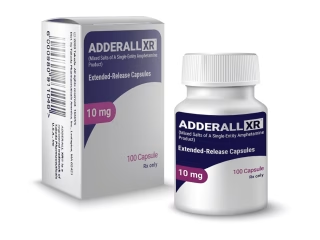 Buy Adderall Online
 -
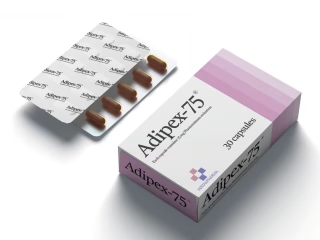 Buy Adipex Online
 -
 Buy Alprazolam Online
 -
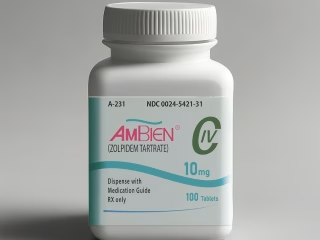 Buy Ambien Online
 -
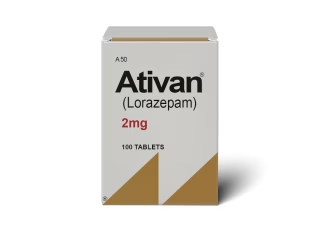 Buy Ativan Online
 -
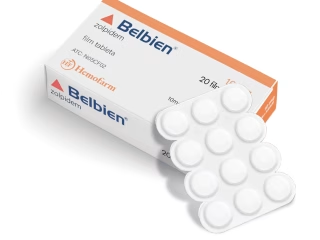 Buy Belbien Online
 -
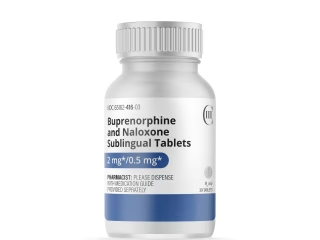 Buy Buprenorphine Online
 -
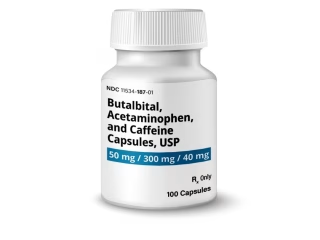 Buy Butalbital Online
 -
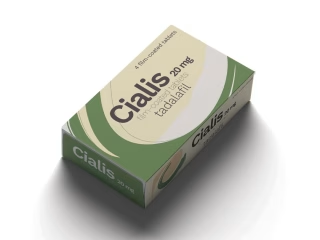 Buy Cialis Online
 -
 Buy Claritin Online
 -
 Buy Clonazepam Online
 -
 Buy Codeine Online
 -
 Buy Concerta Online
 -
 Buy Diazepam Online
 -
 Buy Dilaudid Online
 -
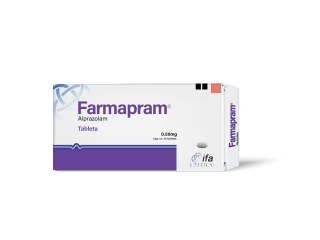 Buy Farmapram Online
 -
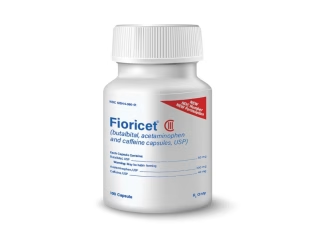 Buy Fioricet Online
 -
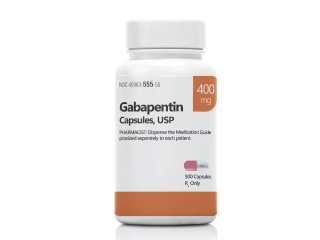 Buy Gabapentin Online
 -
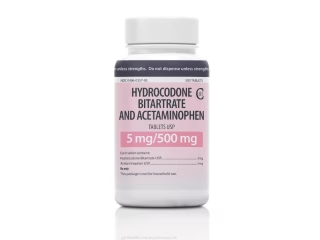 Buy Hydrocodone Online
 -
 Buy Hydromorphone Online
 -
 Buy Klonopin Online
 -
 Buy Ksalol Online
 -
 Buy Levitra Online
 -
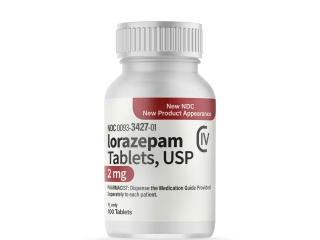 Buy Lorazepam Online
 -
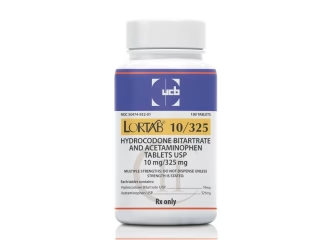 Buy Lortab Online
 -
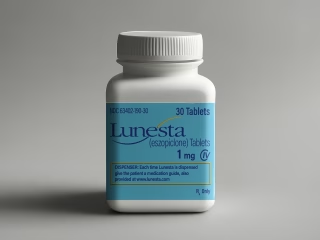 Buy Lunesta Online
 -
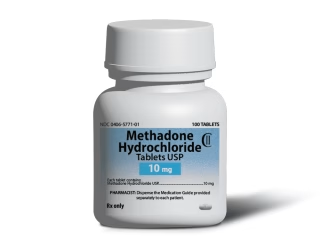 Buy Methadone Online
 -
 Buy Methylphenidate Online
 -
 Buy Norco Online
 -
 Buy Opana ER Online
 -
 Buy Oxycodone Online
 -
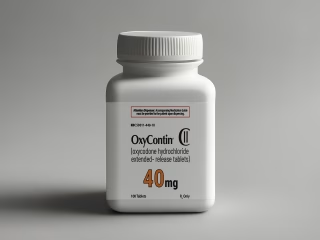 Buy Oxycontin Online
 -
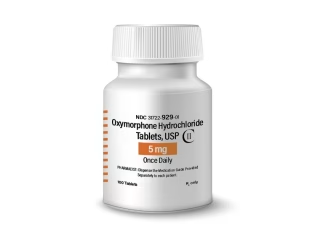 Buy Oxymorphone Online
 -
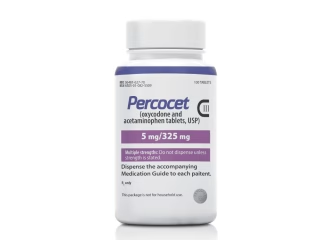 Buy Percocet Online
 -
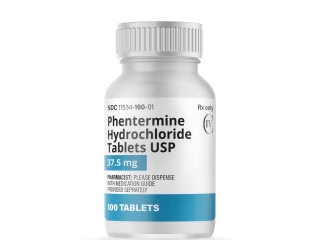 Buy Phentermine Online
 -
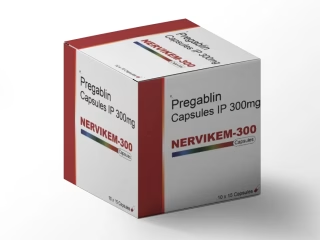 Buy Pregabalin Online
 -
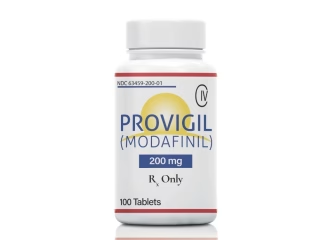 Buy Provigil Online
 -
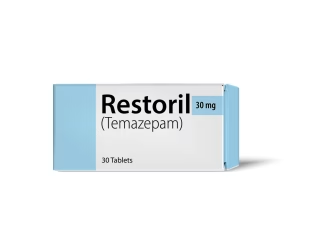 Buy Restoril Online
 -
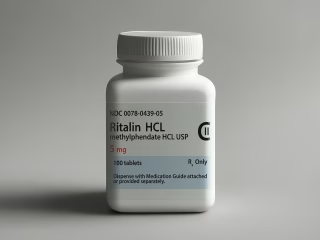 Buy Ritalin Online
 -
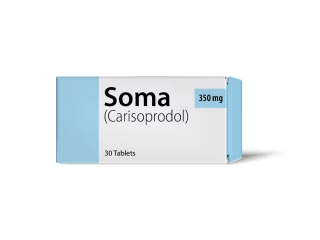 Buy Soma Online
 -
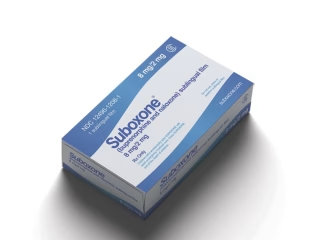 Buy Suboxone Online
 -
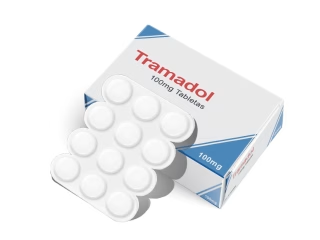 Buy Tramadol Online
 -
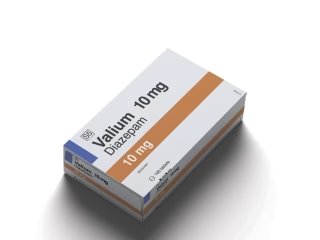 Buy Valium Online
 -
 Buy Viagra Online
 -
 Buy Vicodin Online
 -
 Buy Xanax Online
 -
 Buy Zolpidem Online