
Categories
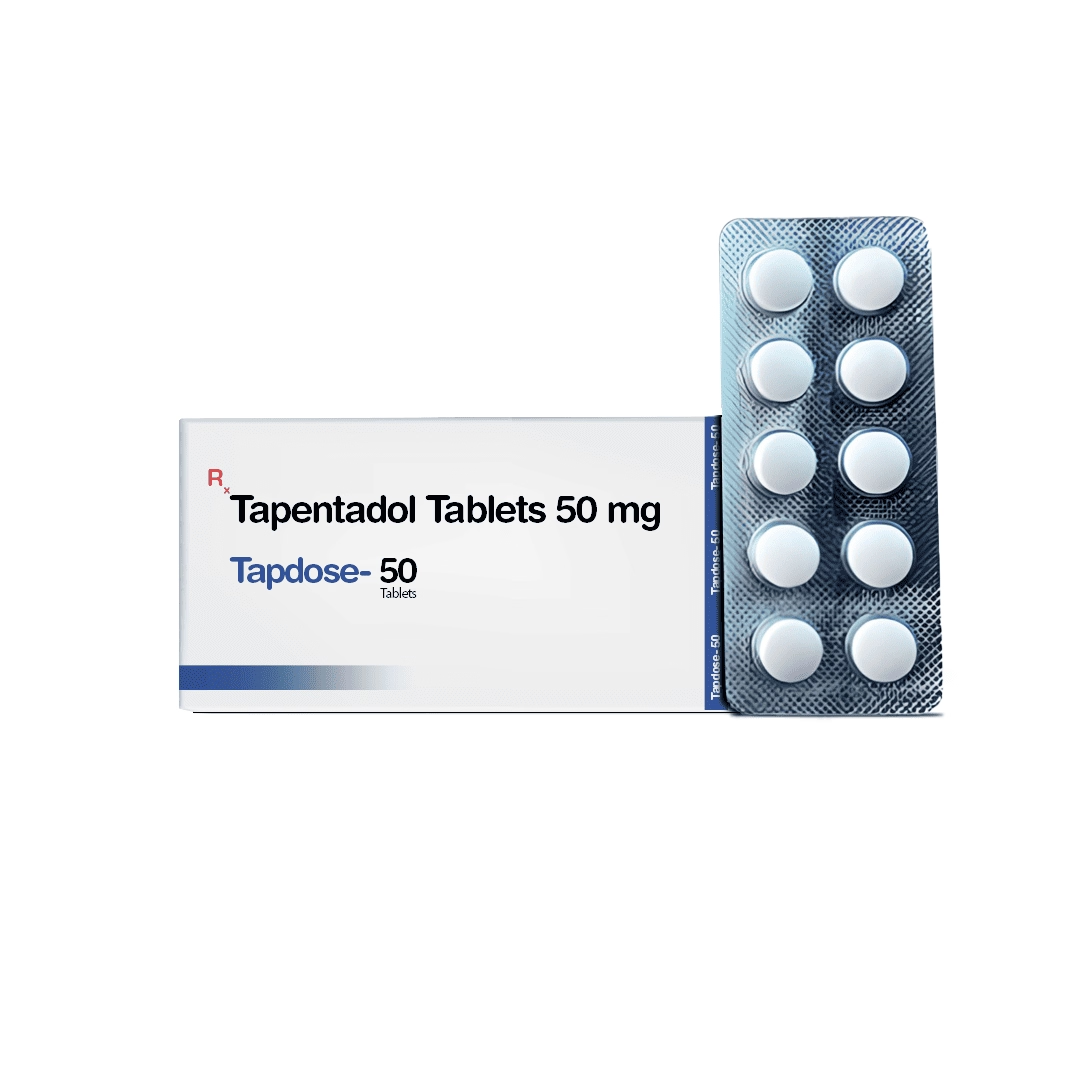 Buy Tapentadol Online
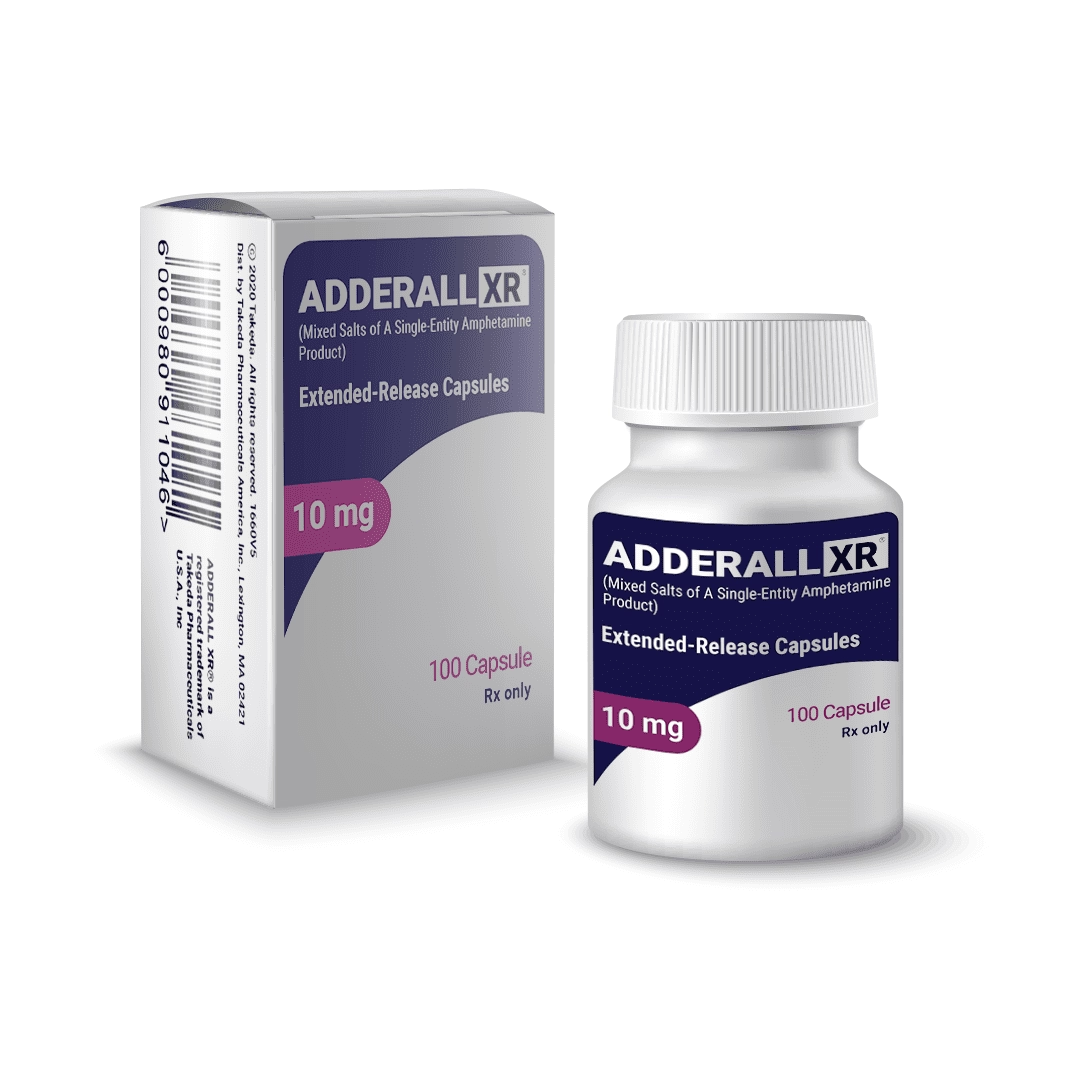 Buy Adderall Online
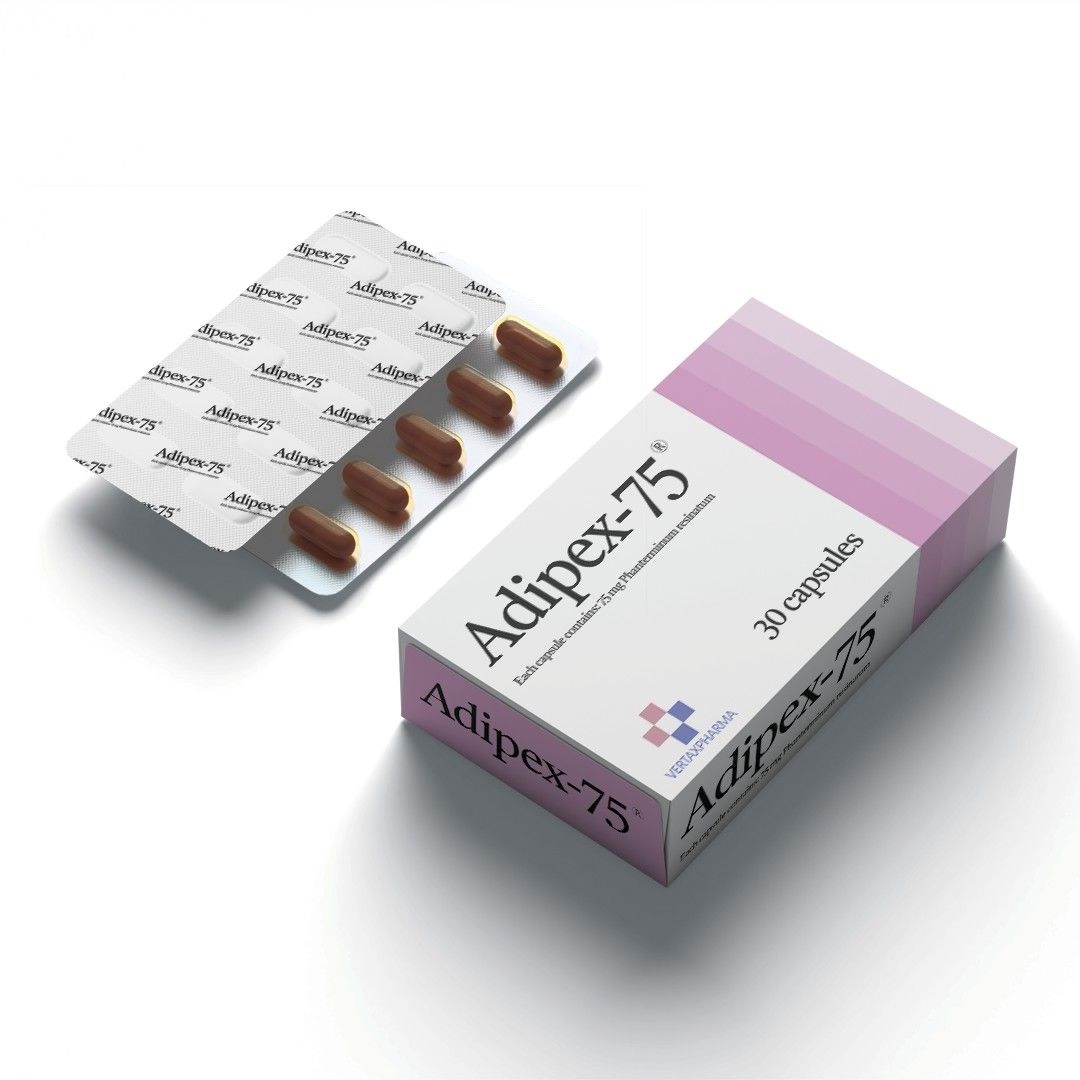 Buy Adipex Online
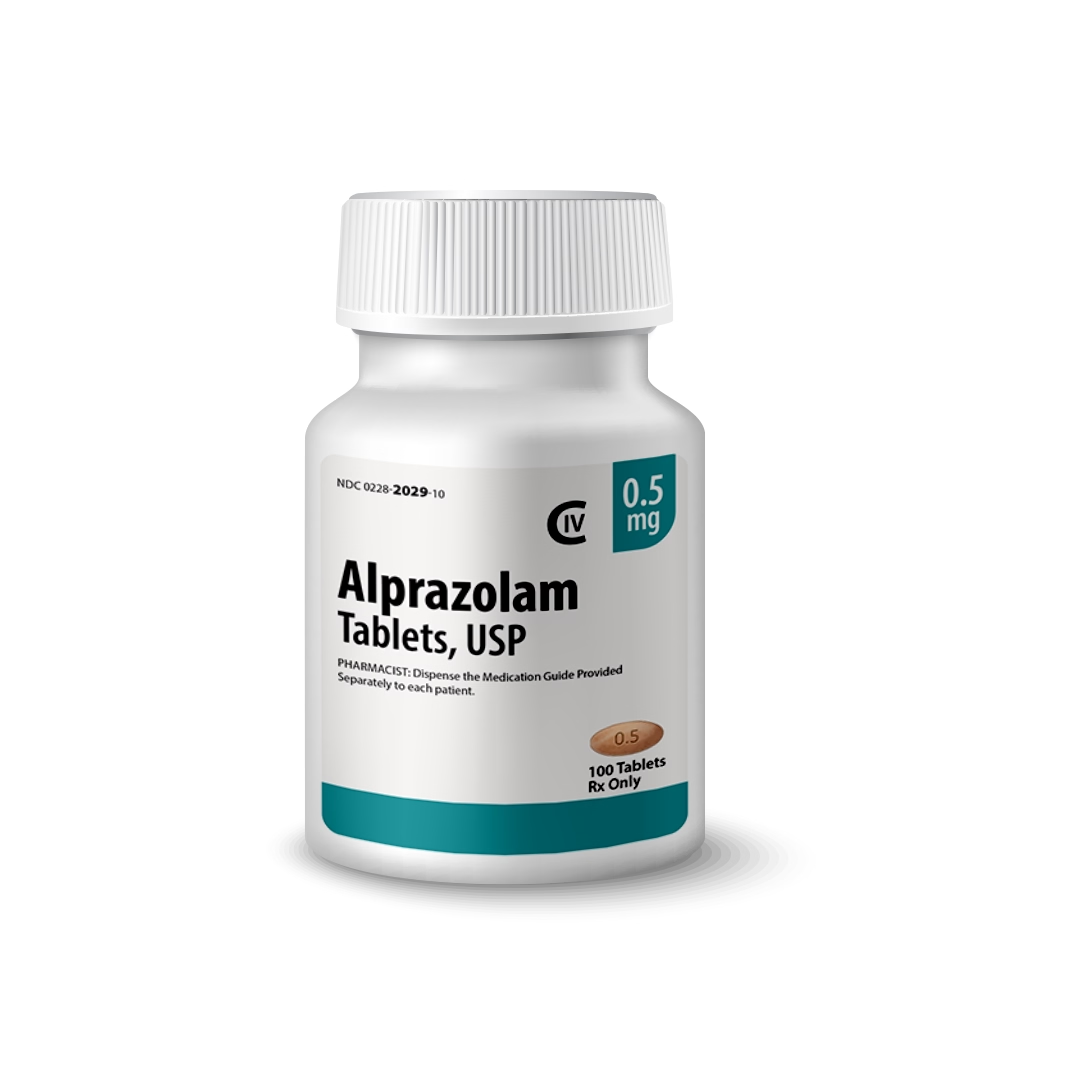 Buy Alprazolam Online
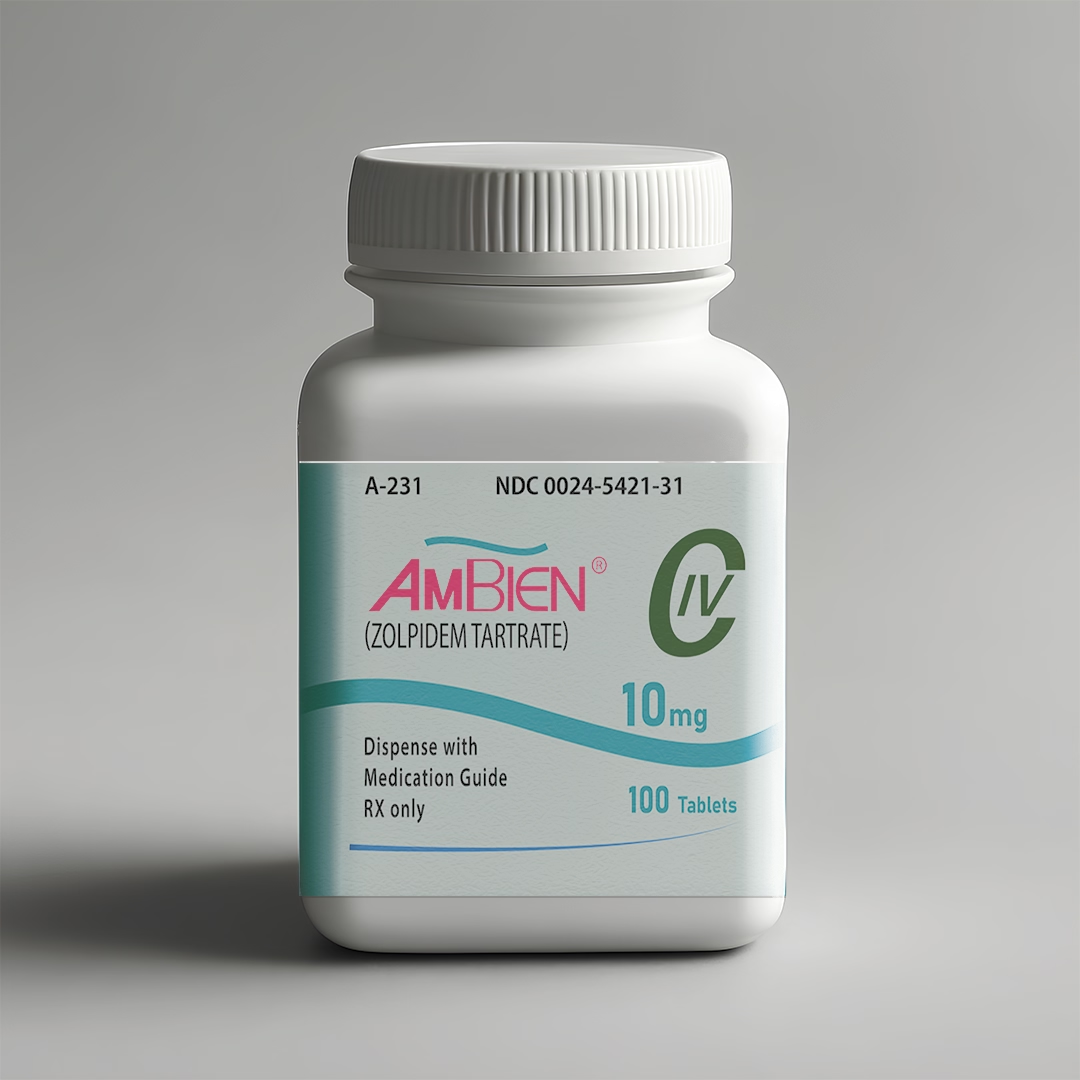 Buy Ambien Online
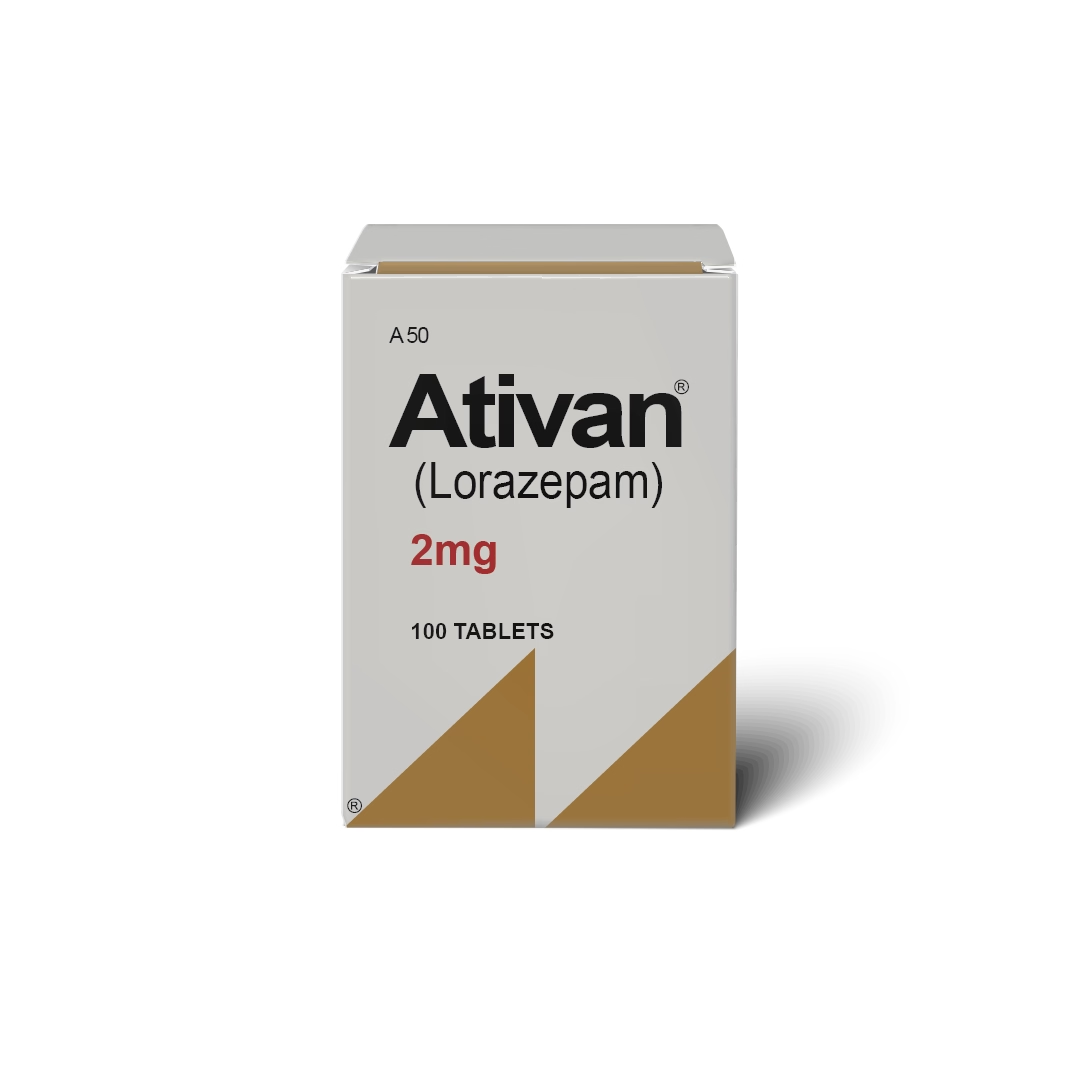 Buy Ativan Online
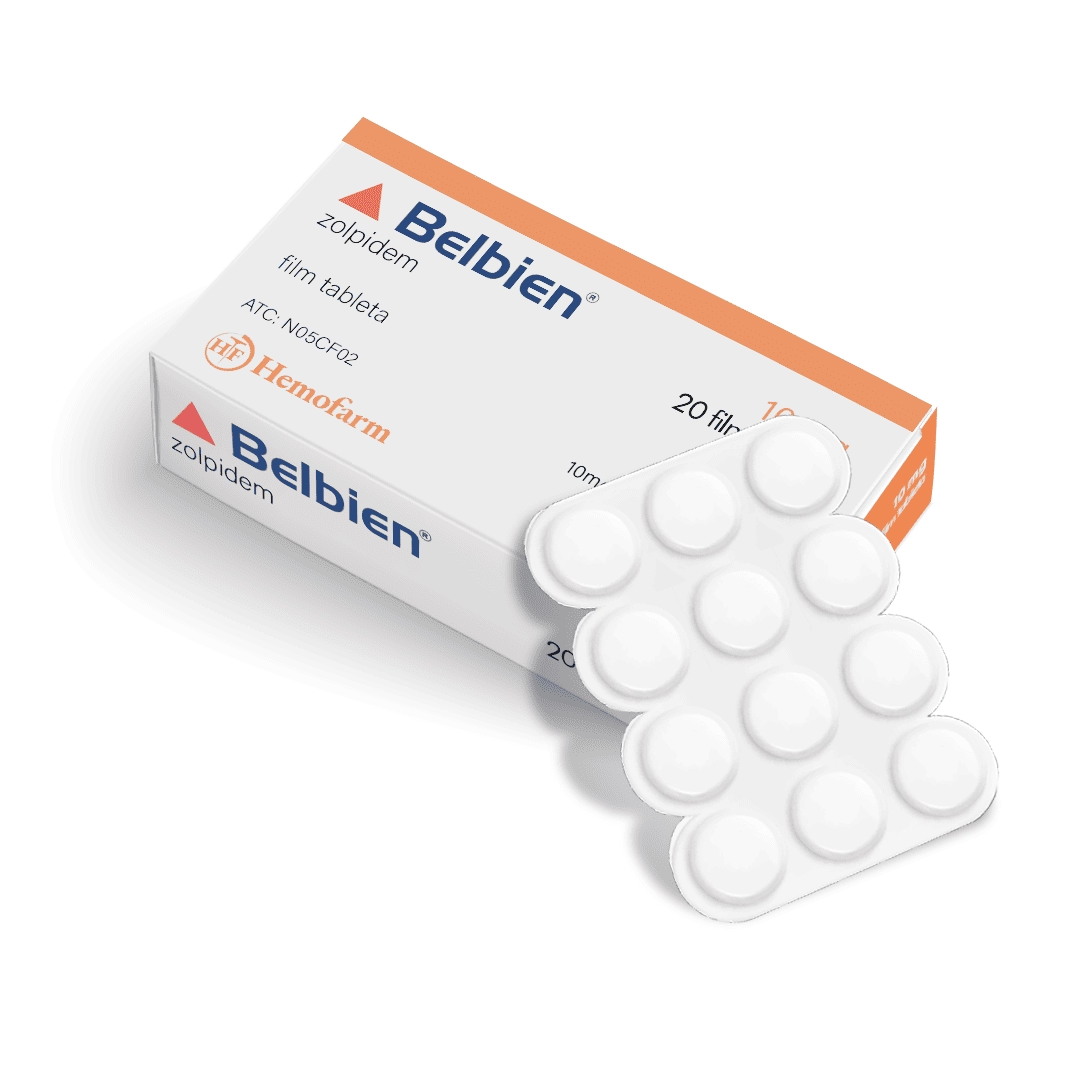 Buy Belbien Online
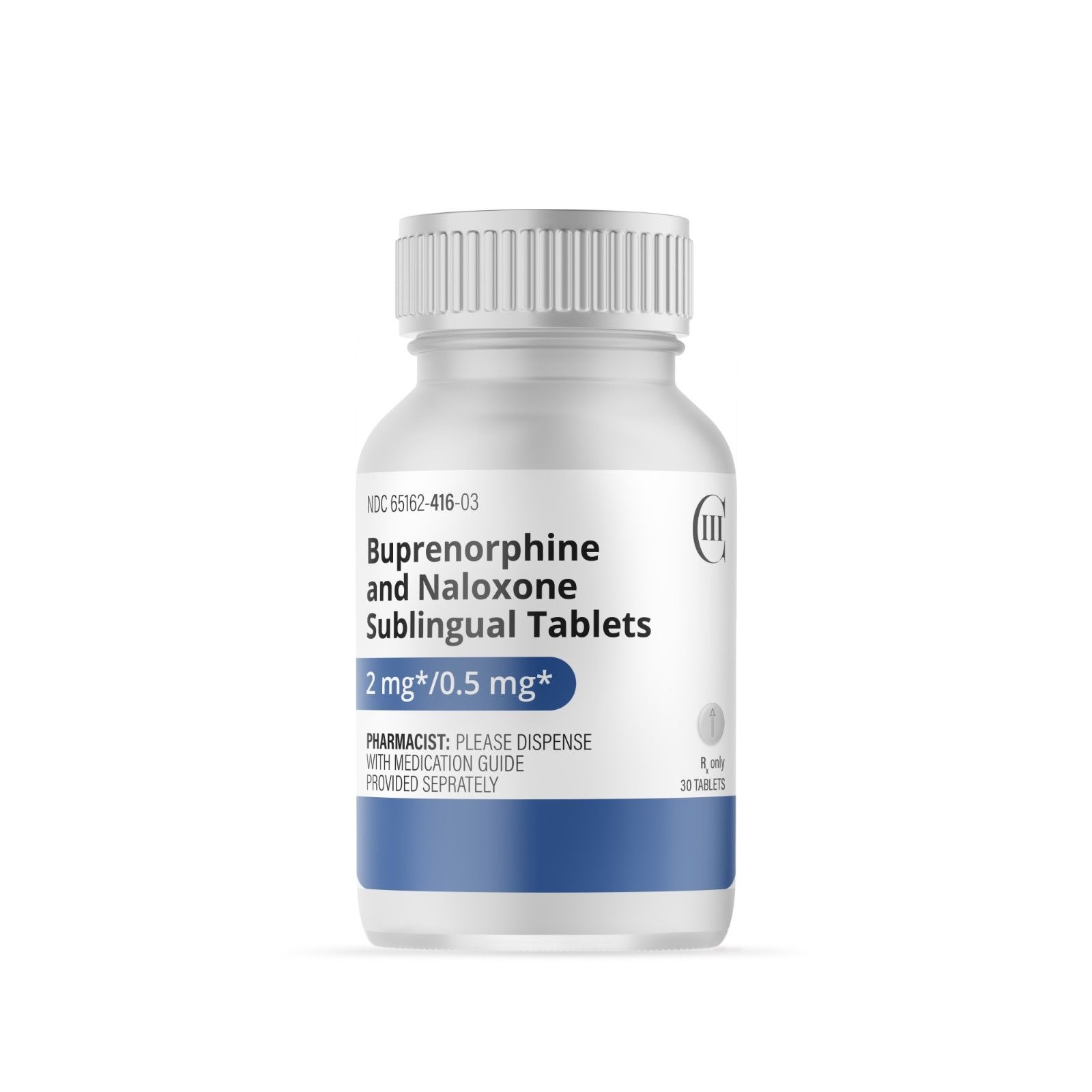 Buy Buprenorphine Online
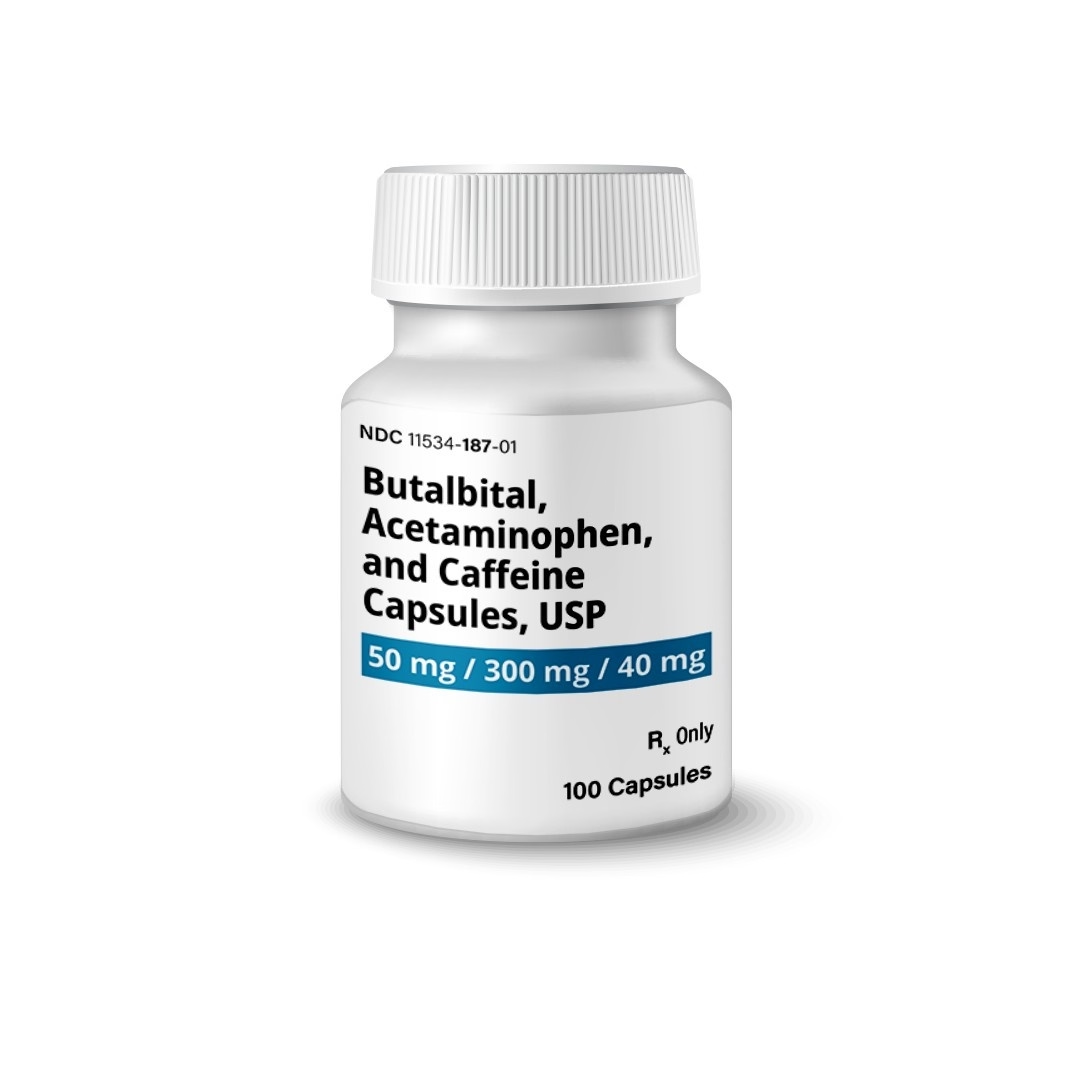 Buy Butalbital Online
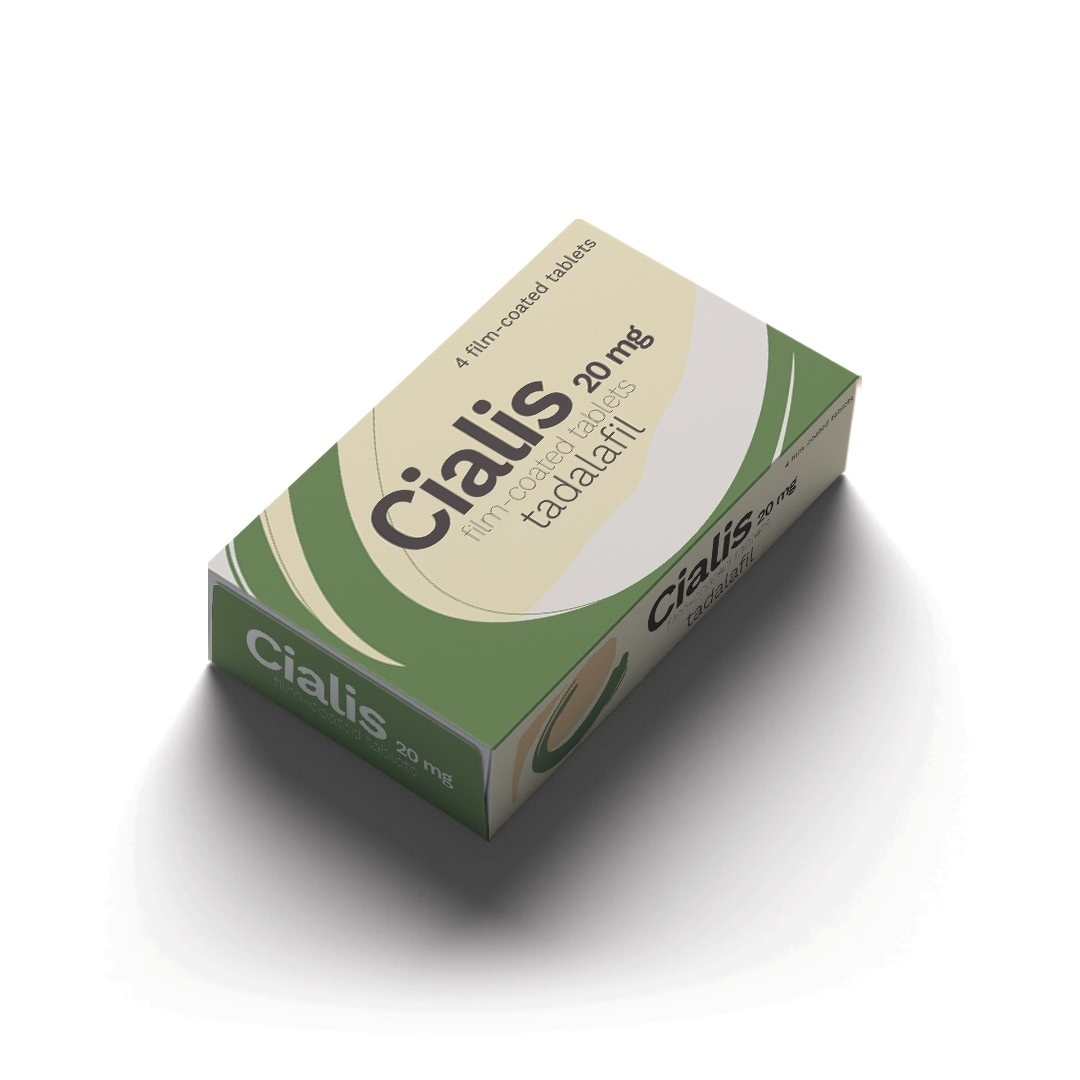 Buy Cialis Online
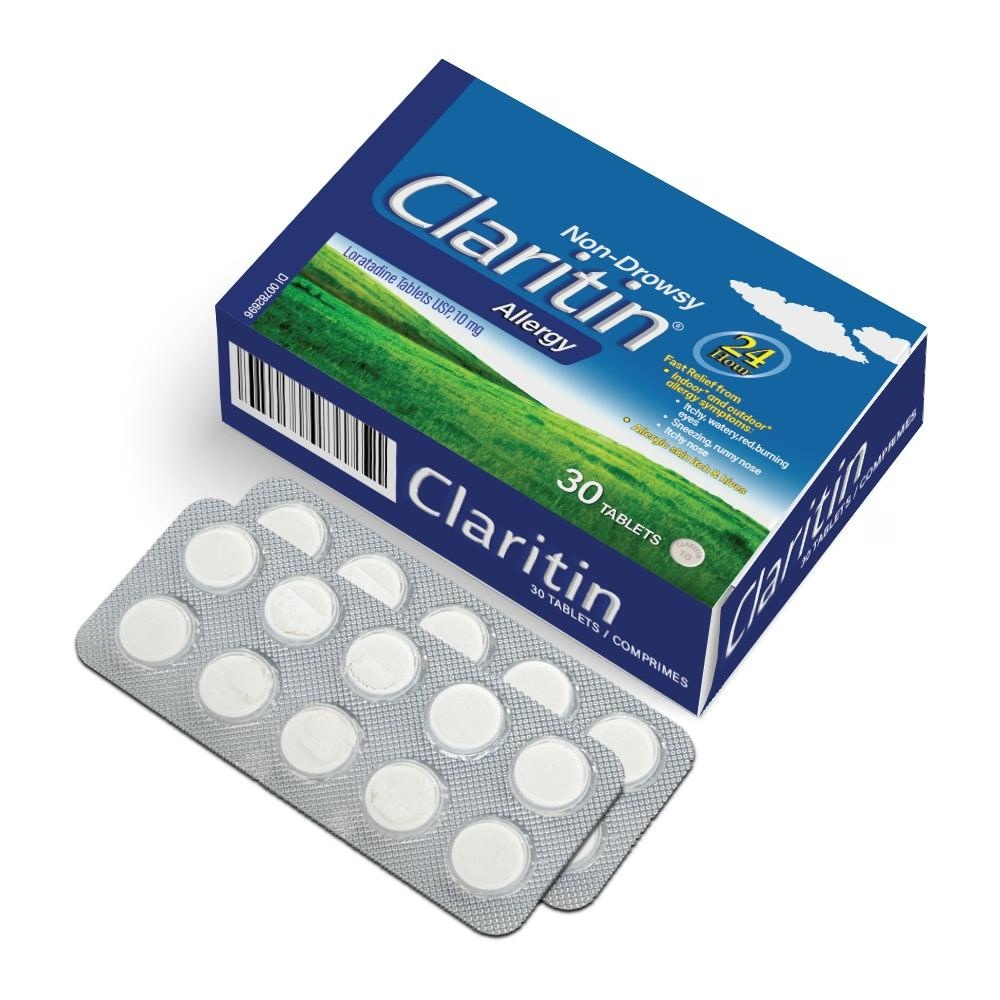 Buy Claritin Online
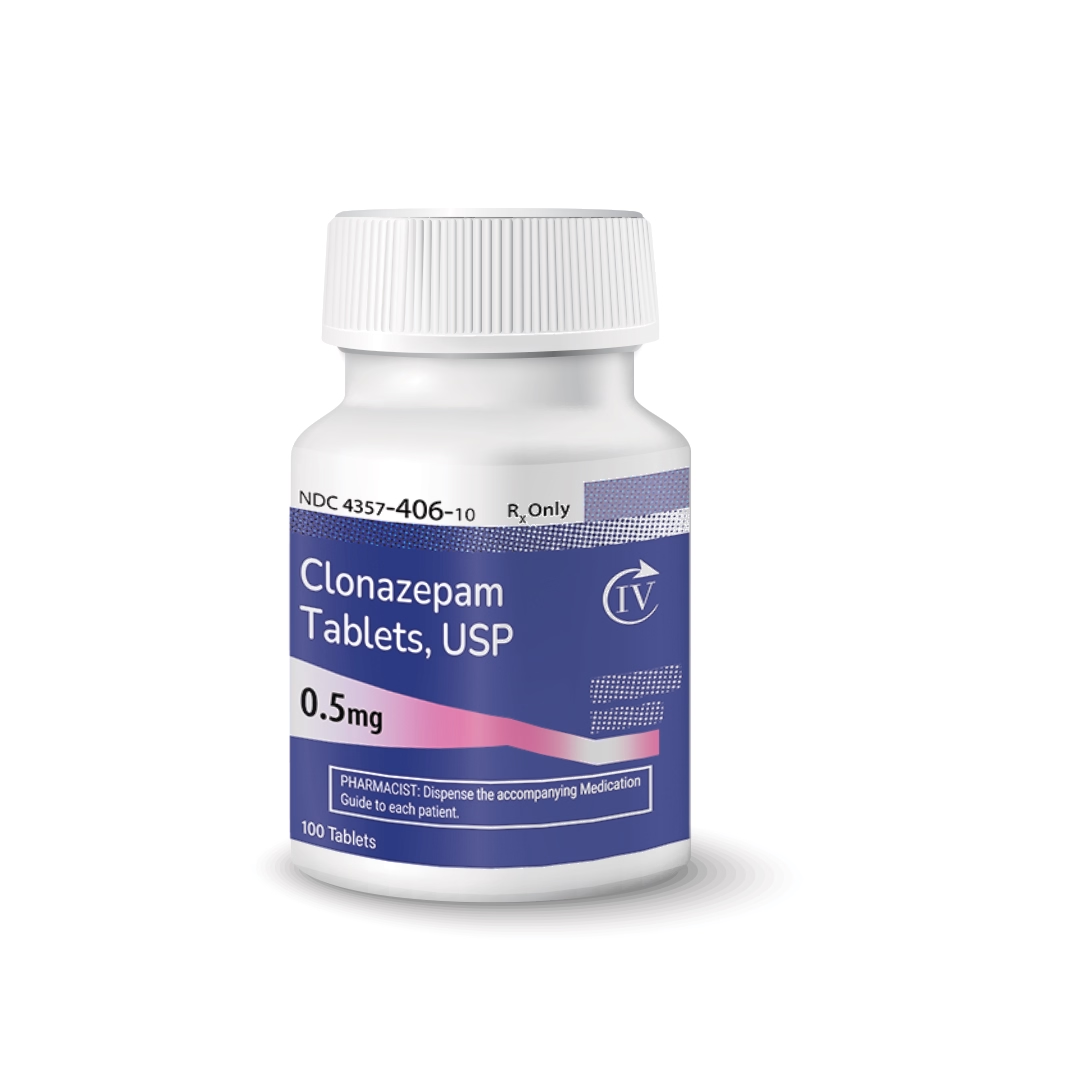 Buy Clonazepam Online
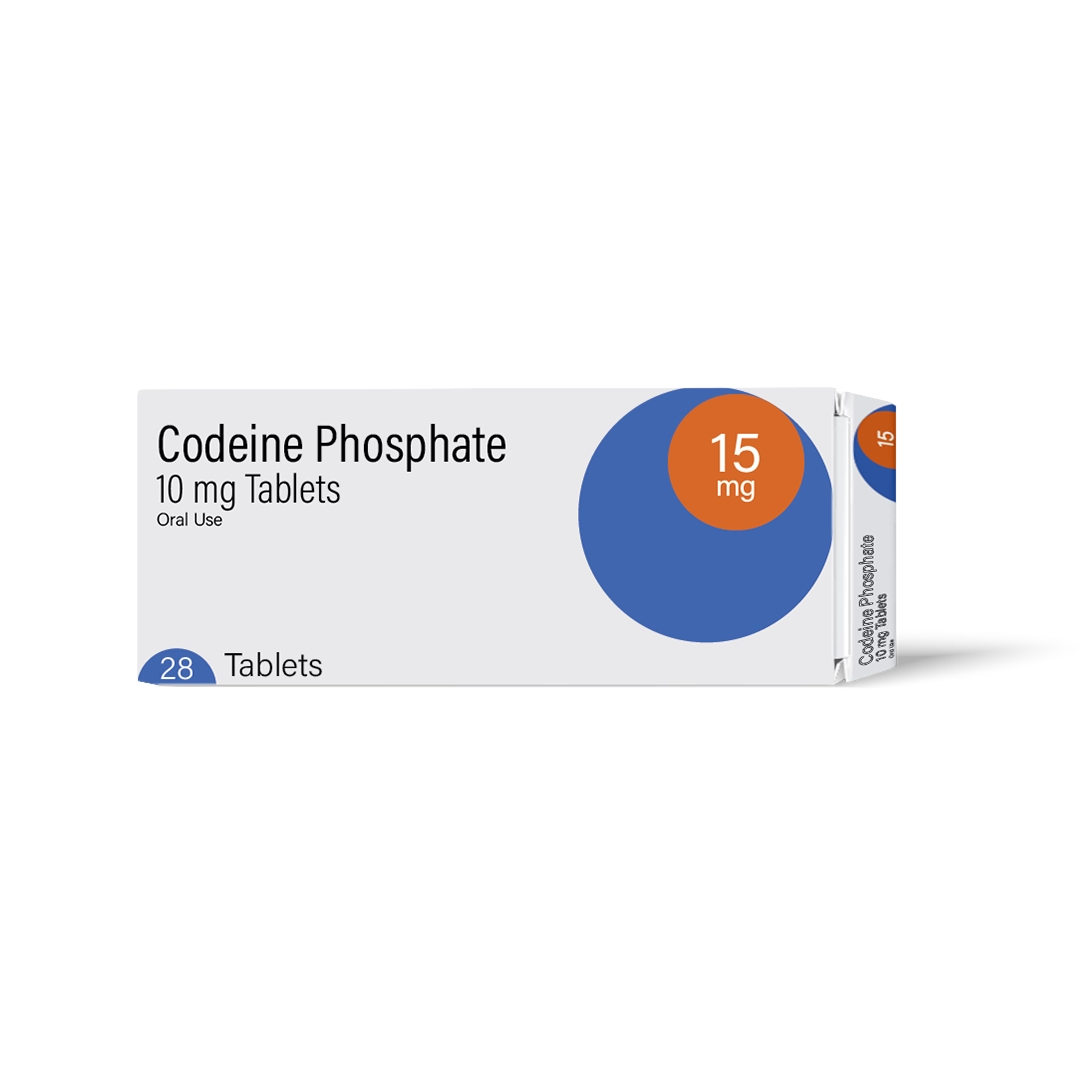 Buy Codeine Online
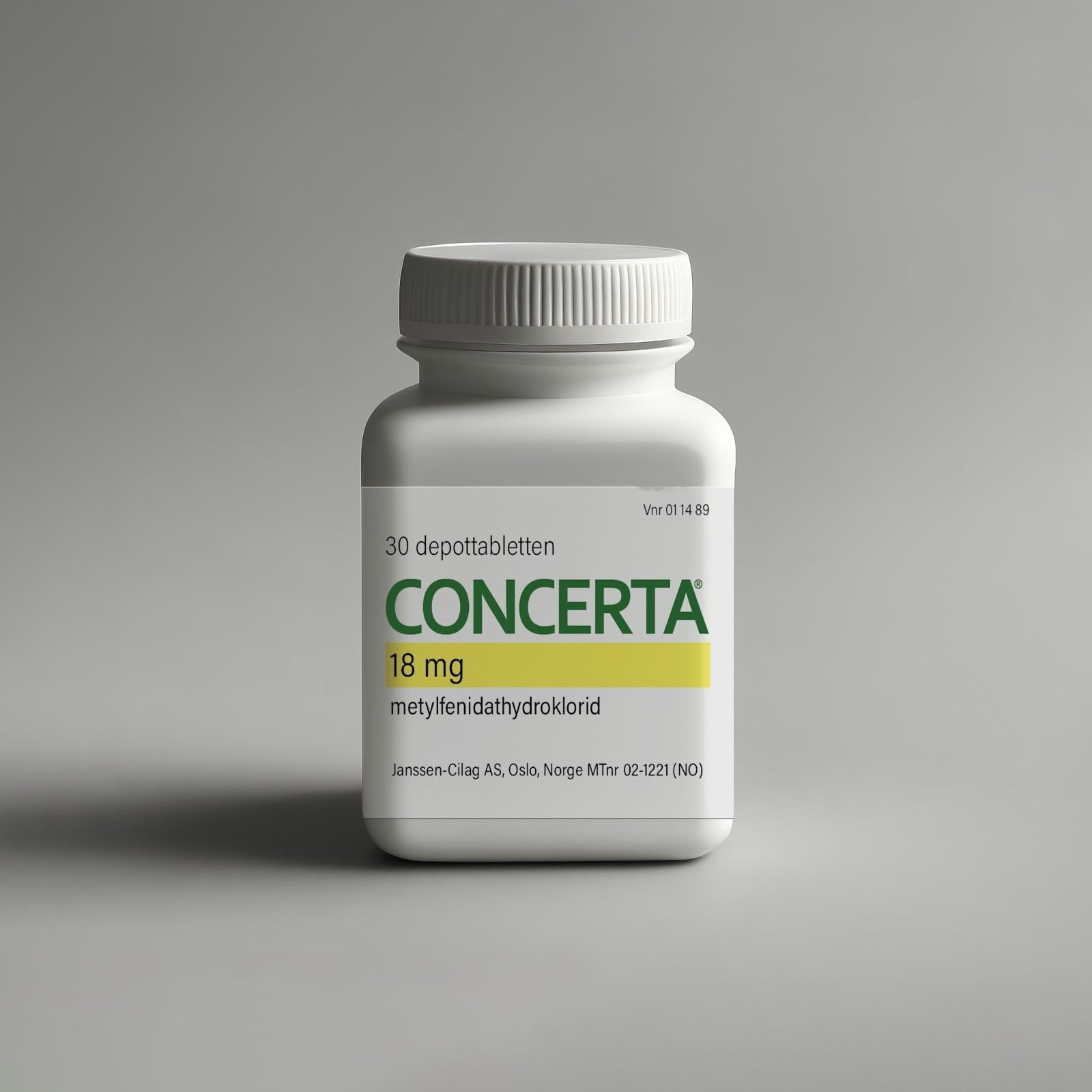 Buy Concerta Online
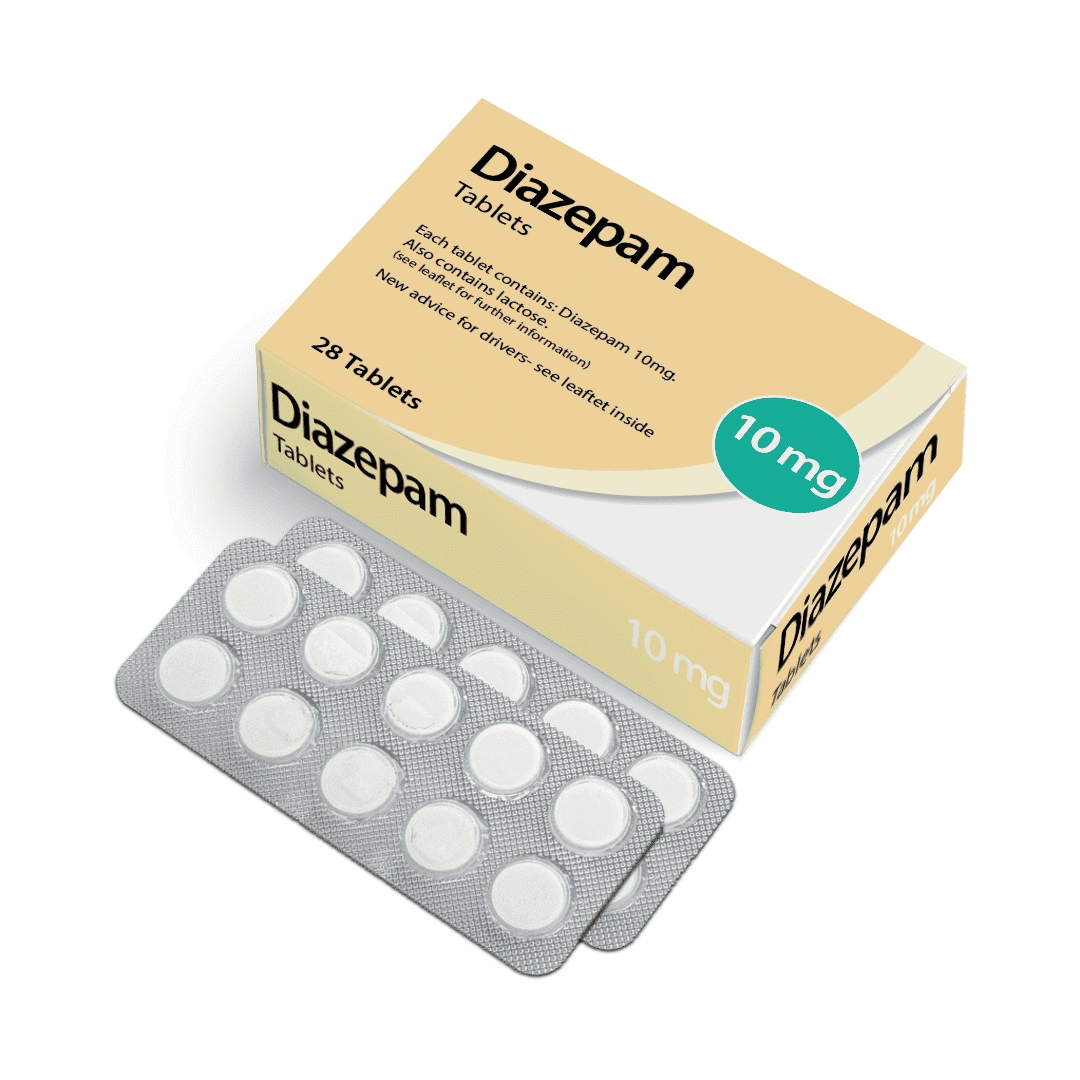 Buy Diazepam Online
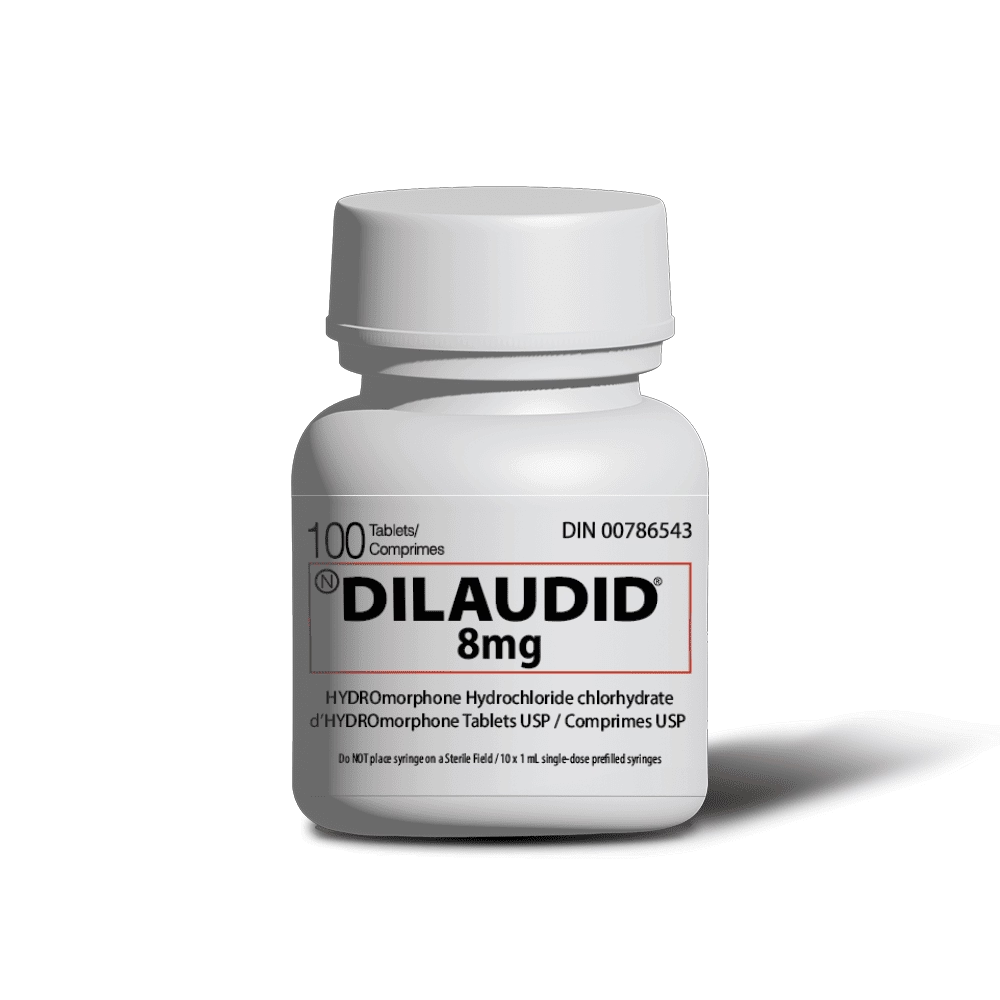 Buy Dilaudid Online
 Buy Farmapram Online
 Buy Fioricet Online
 Buy Gabapentin Online
 Buy Hydrocodone Online
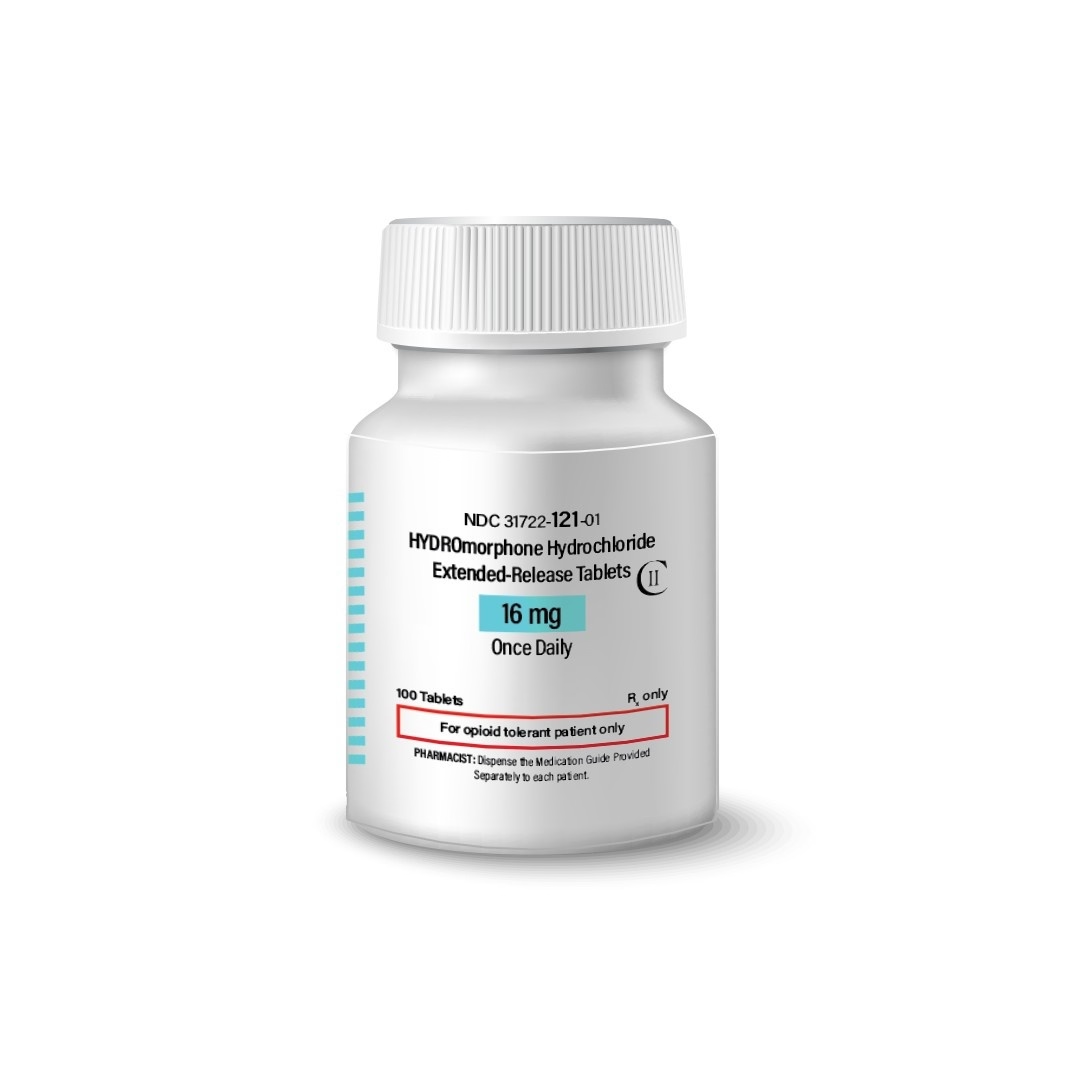 Buy Hydromorphone Online
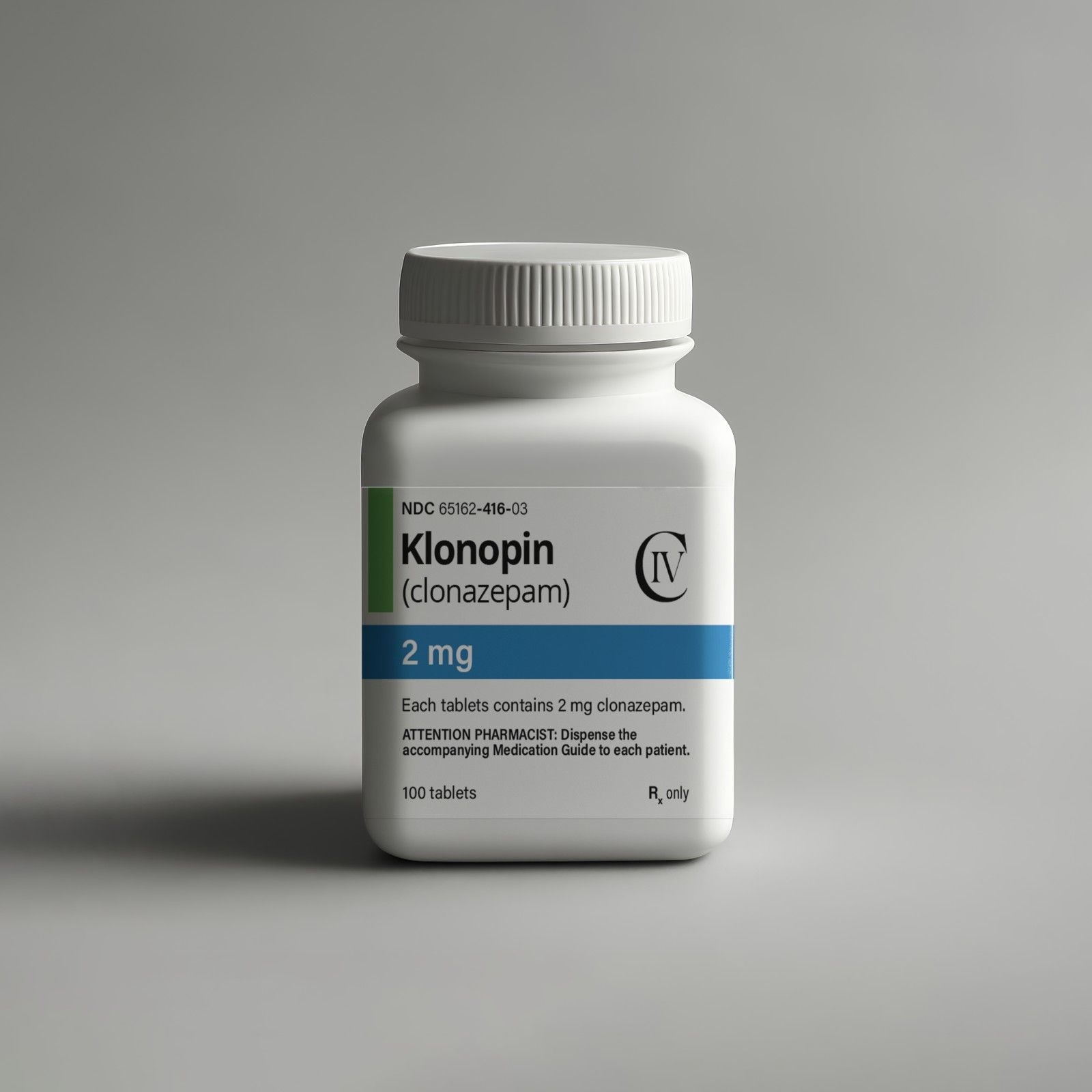 Buy Klonopin Online
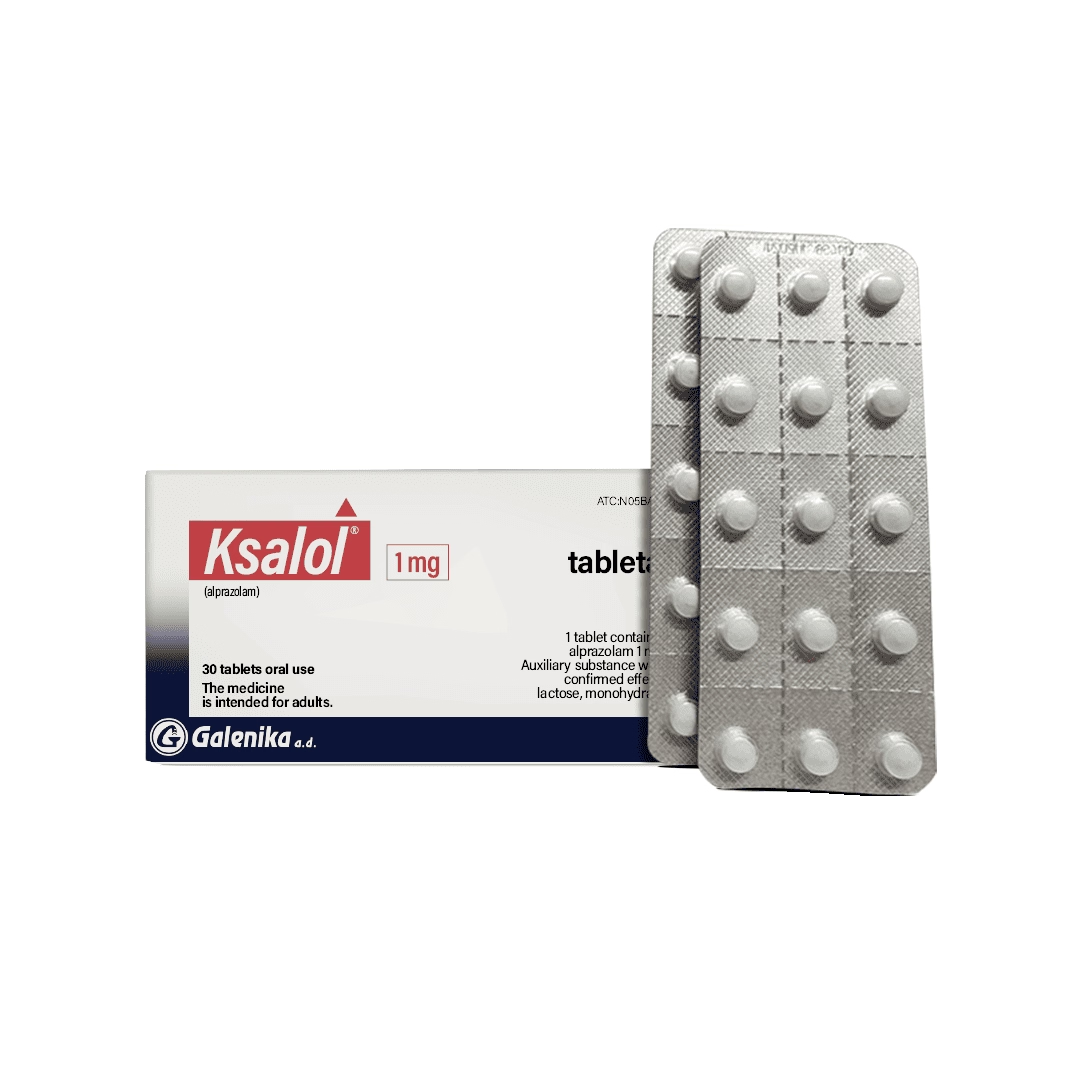 Buy Ksalol Online
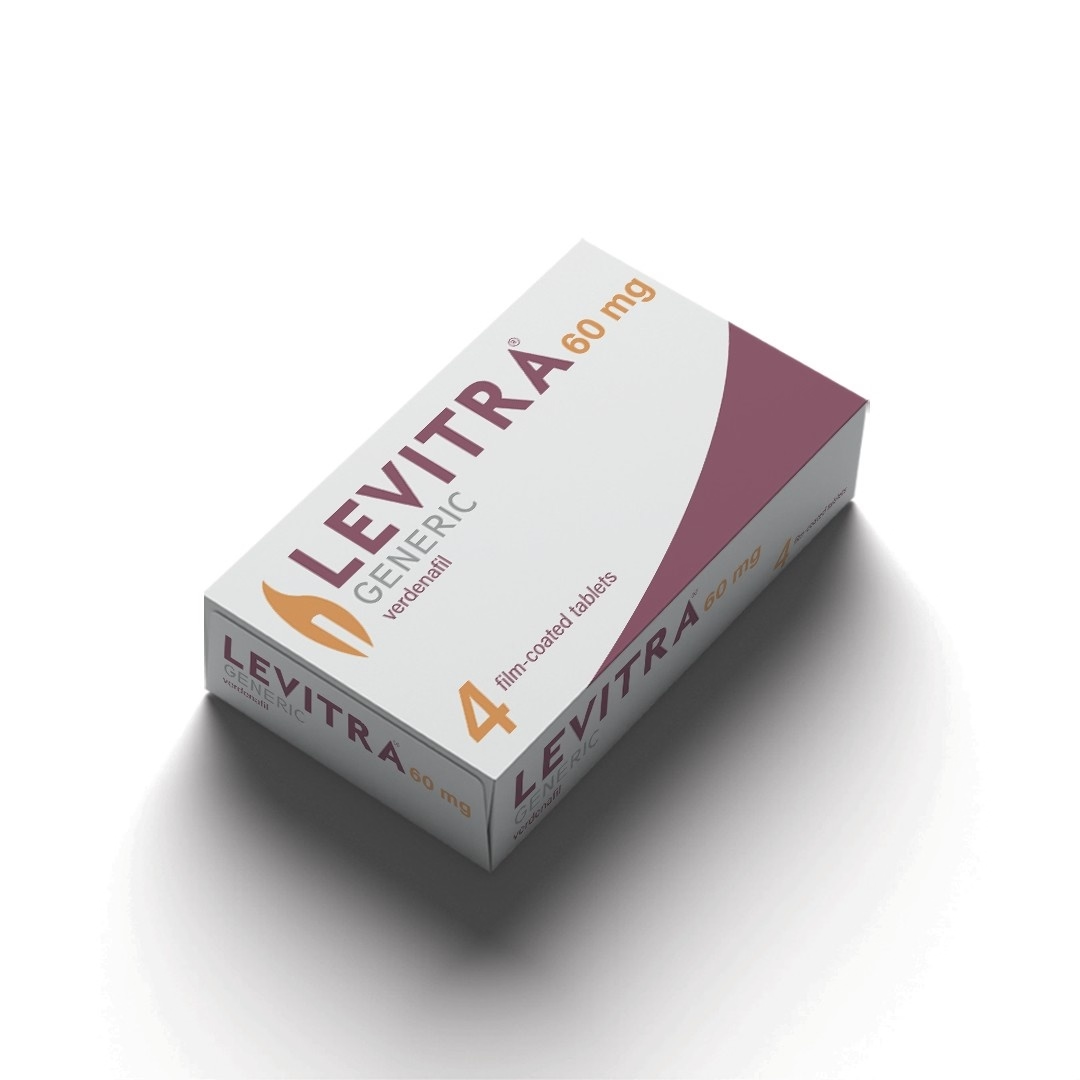 Buy Levitra Online
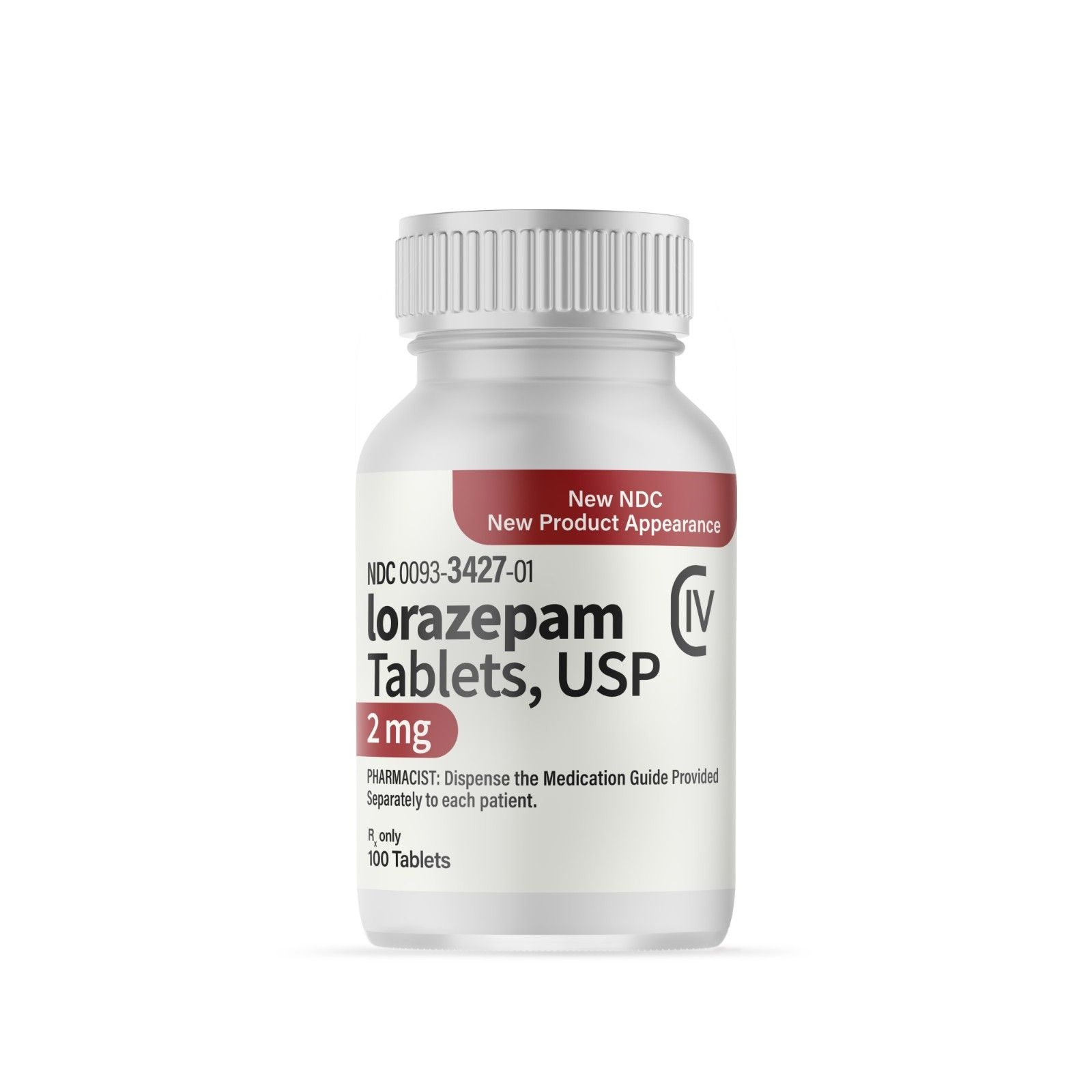 Buy Lorazepam Online
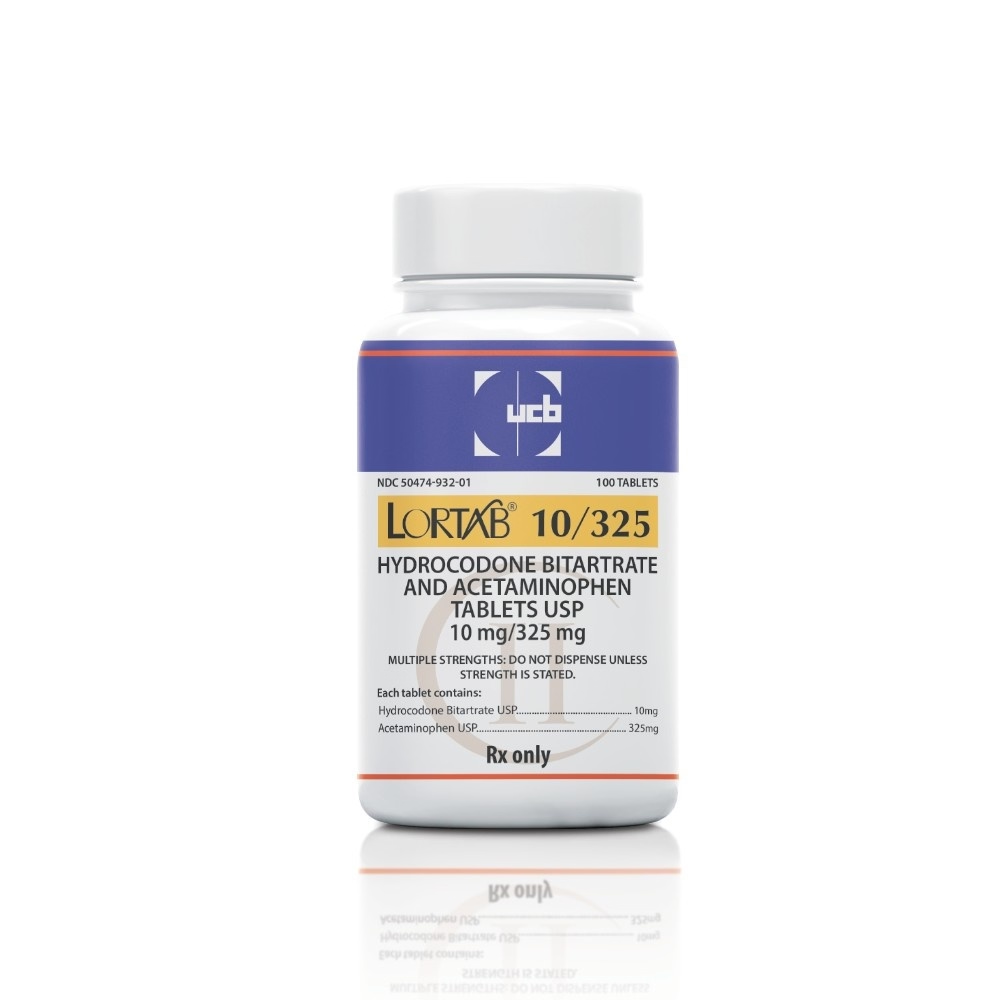 Buy Lortab Online
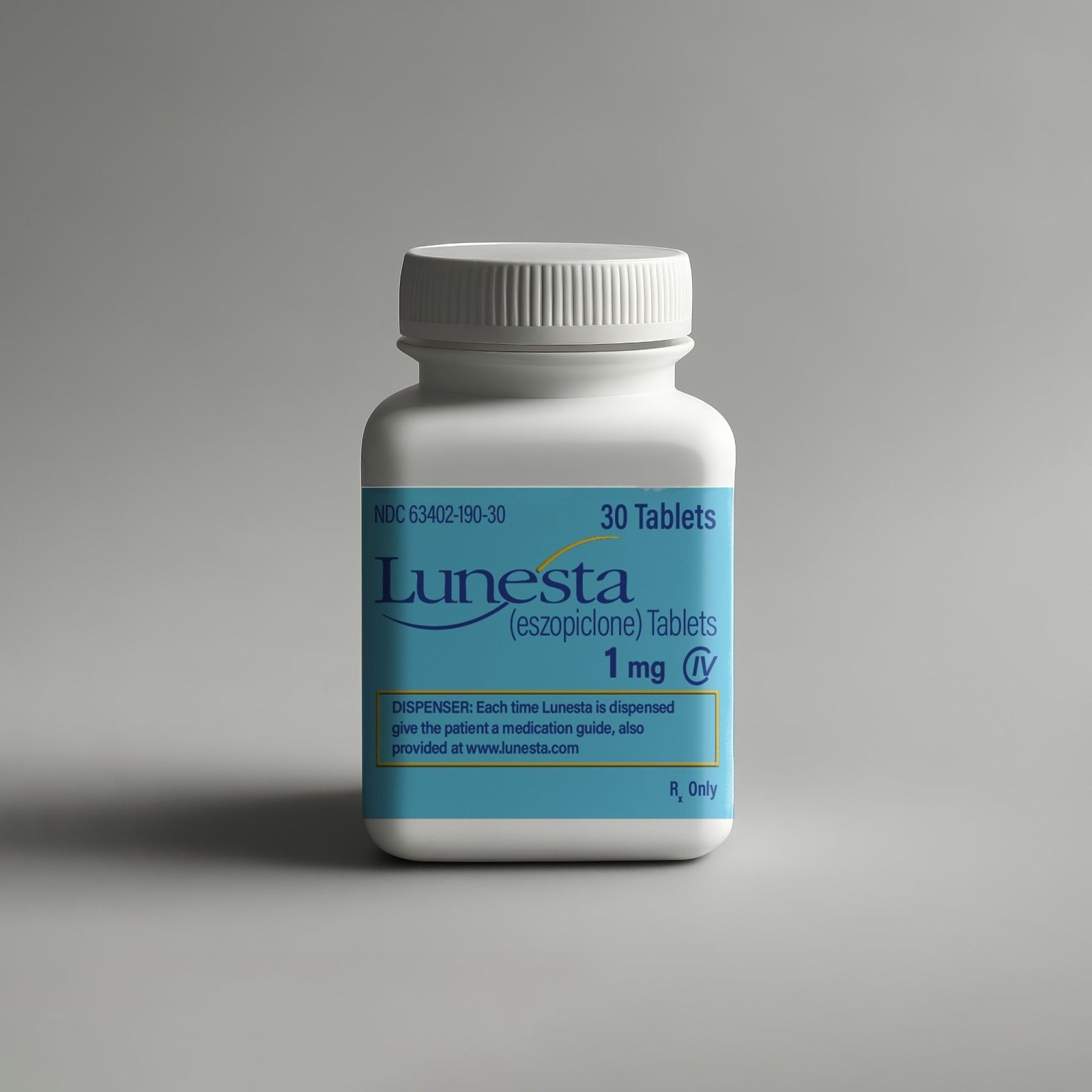 Buy Lunesta Online
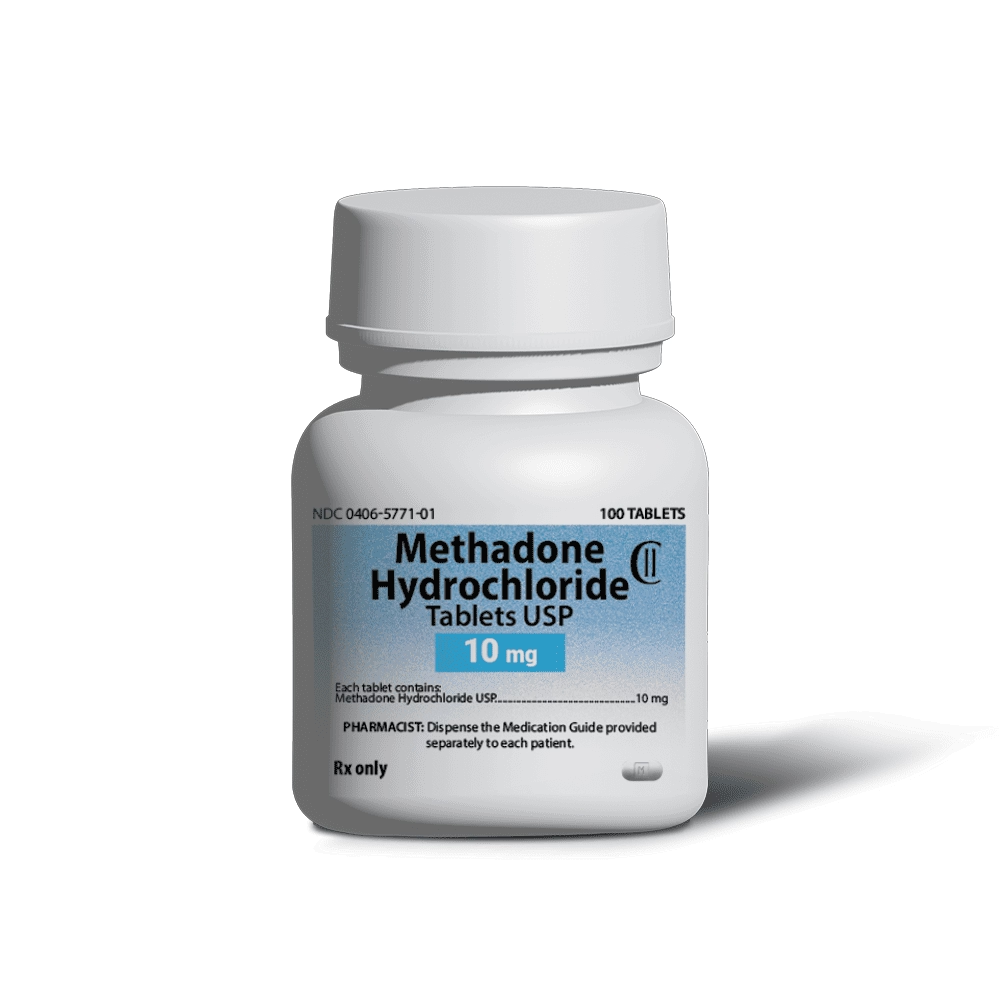 Buy Methadone Online
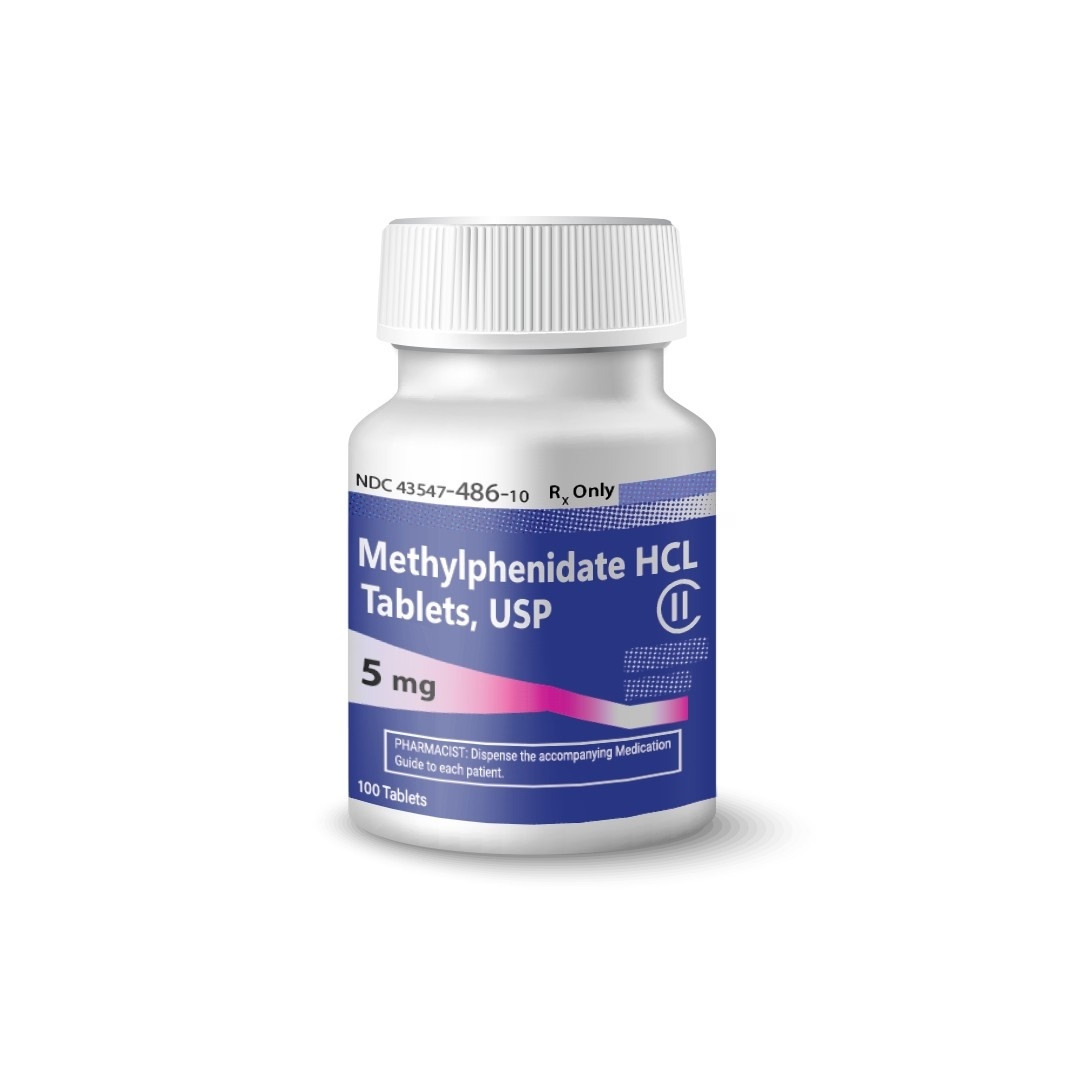 Buy Methylphenidate Online
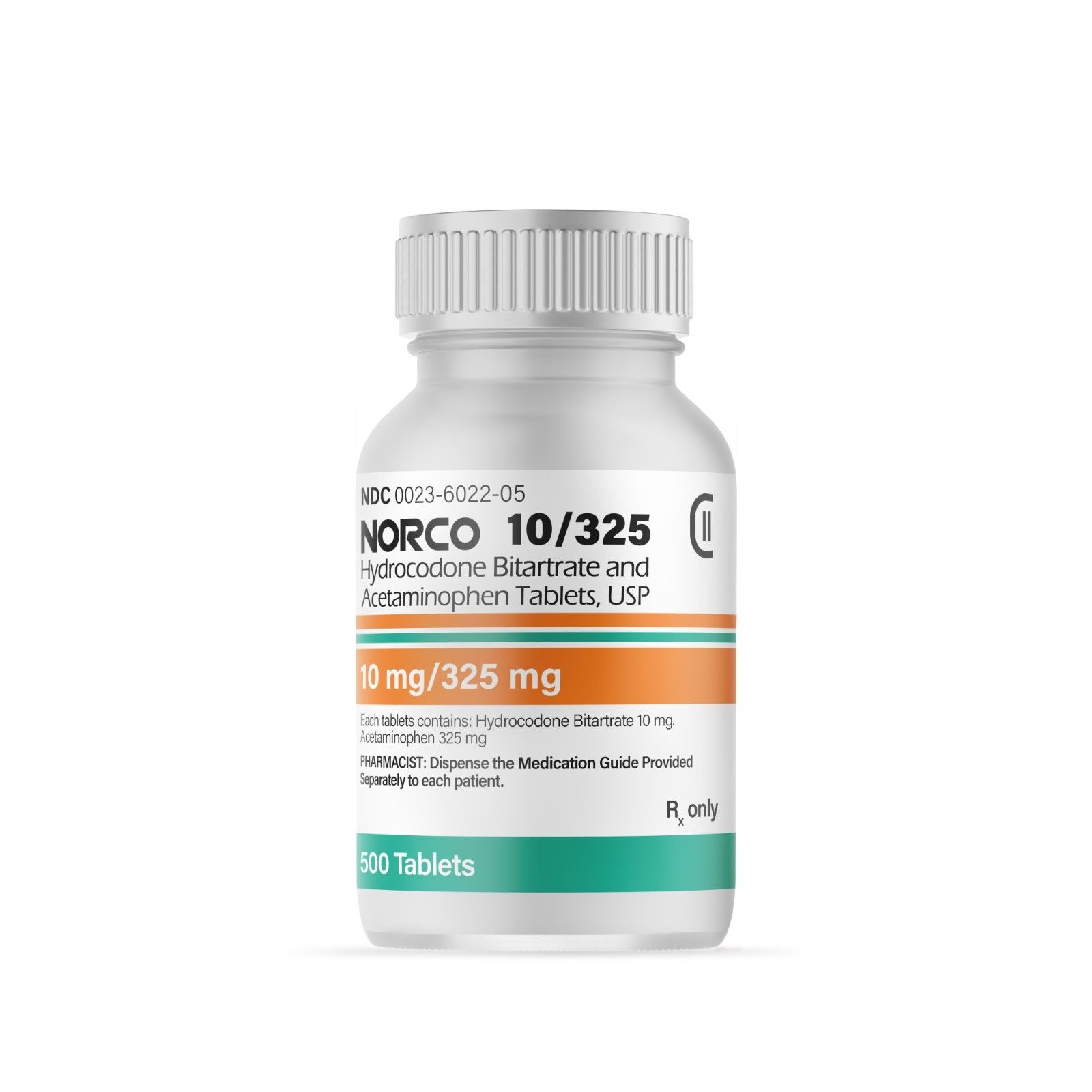 Buy Norco Online
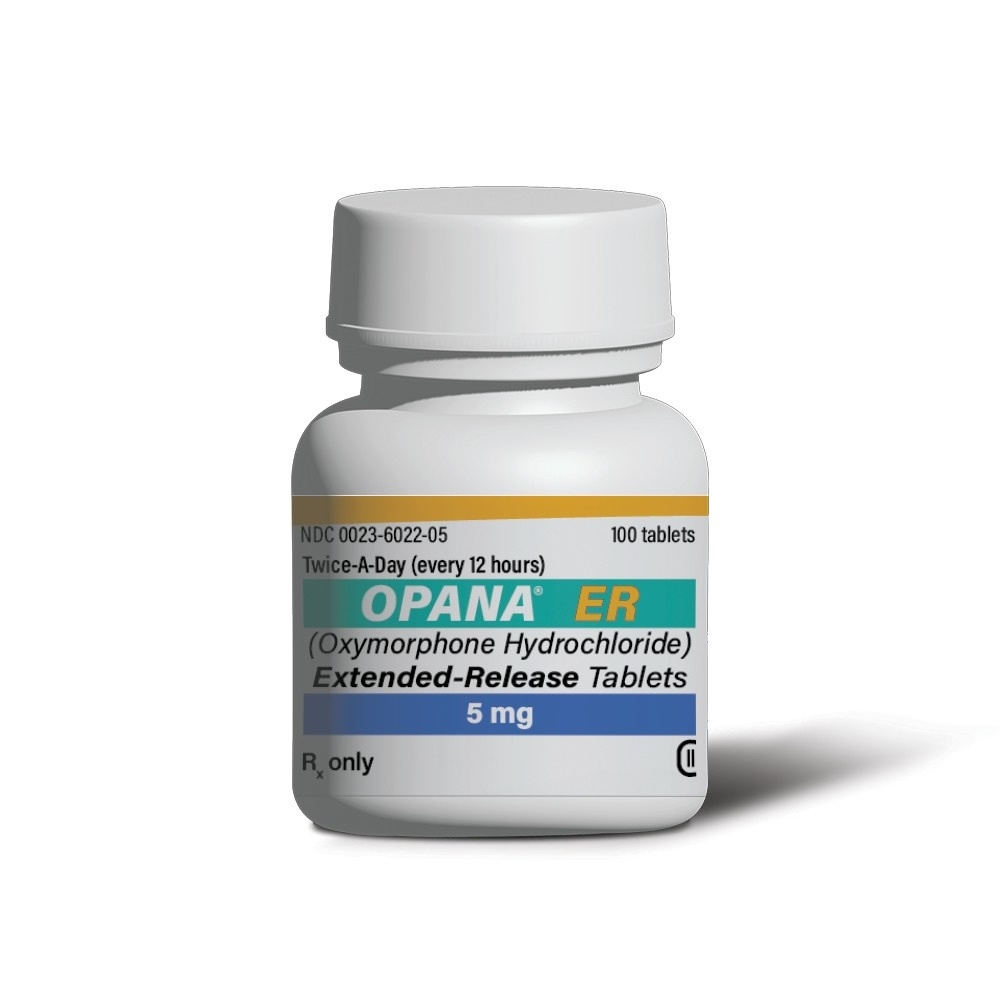 Buy Opana ER Online
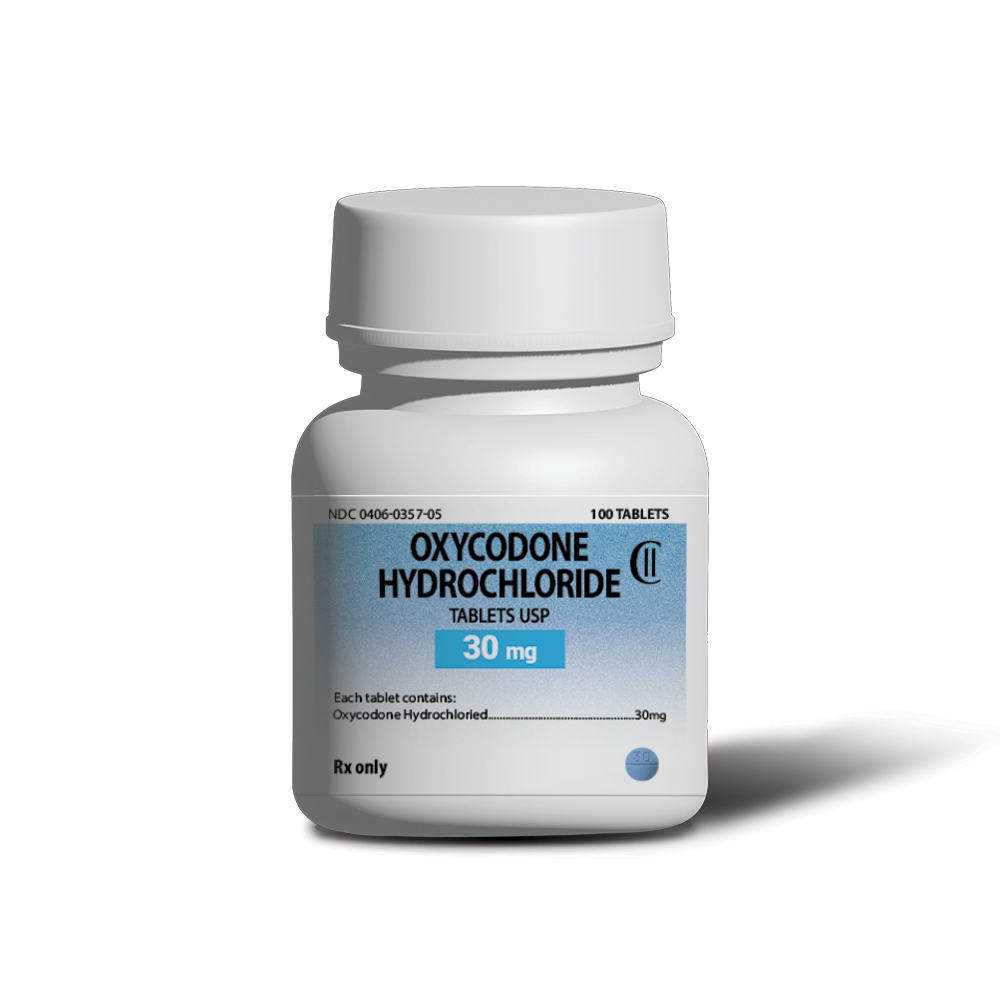 Buy Oxycodone Online
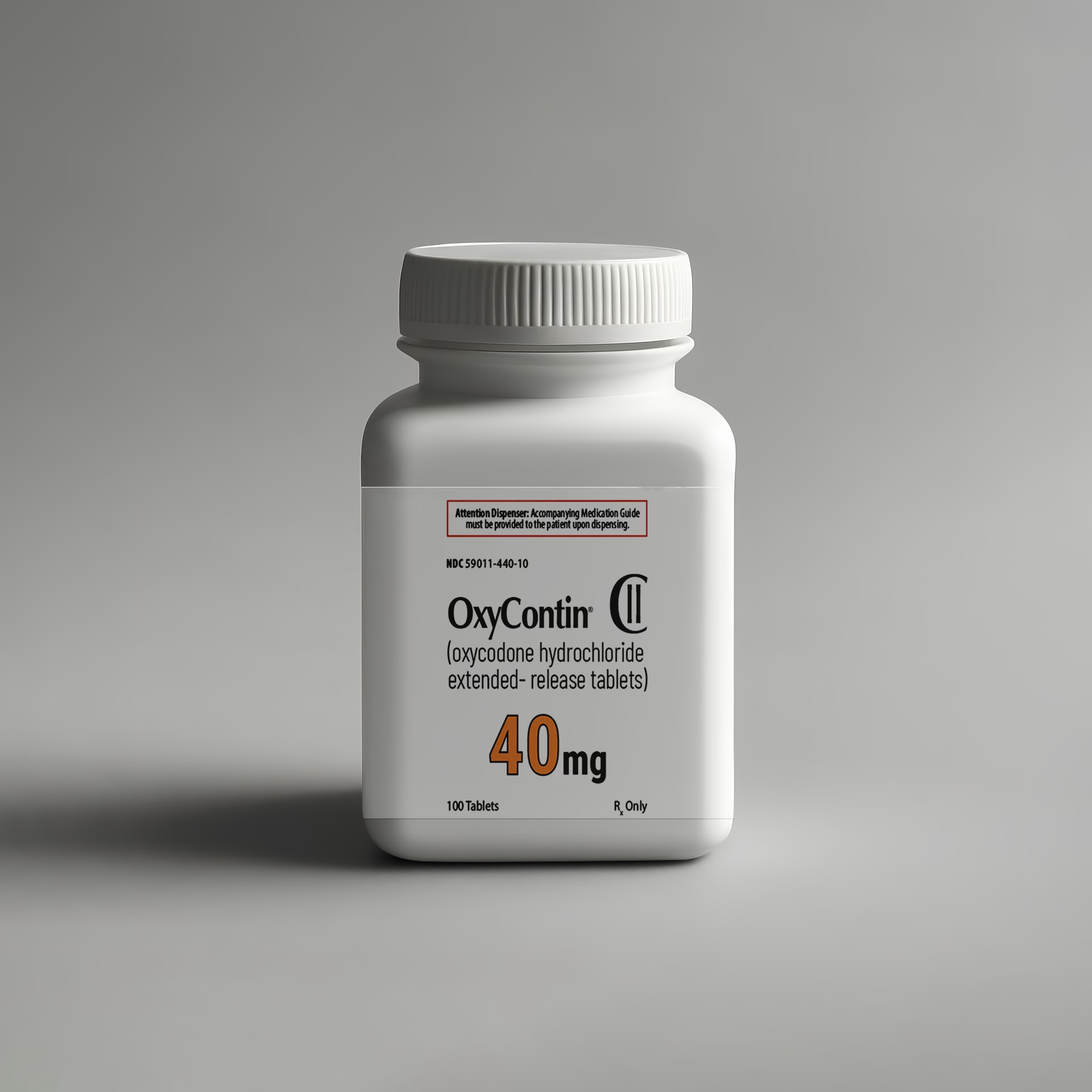 Buy Oxycontin Online
 Buy Oxymorphone Online
 Buy Percocet Online
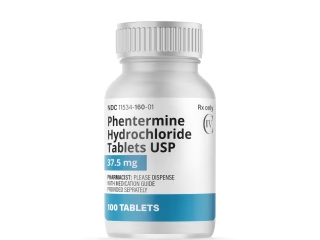
 Buy Phentermine Online
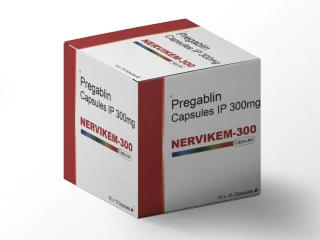
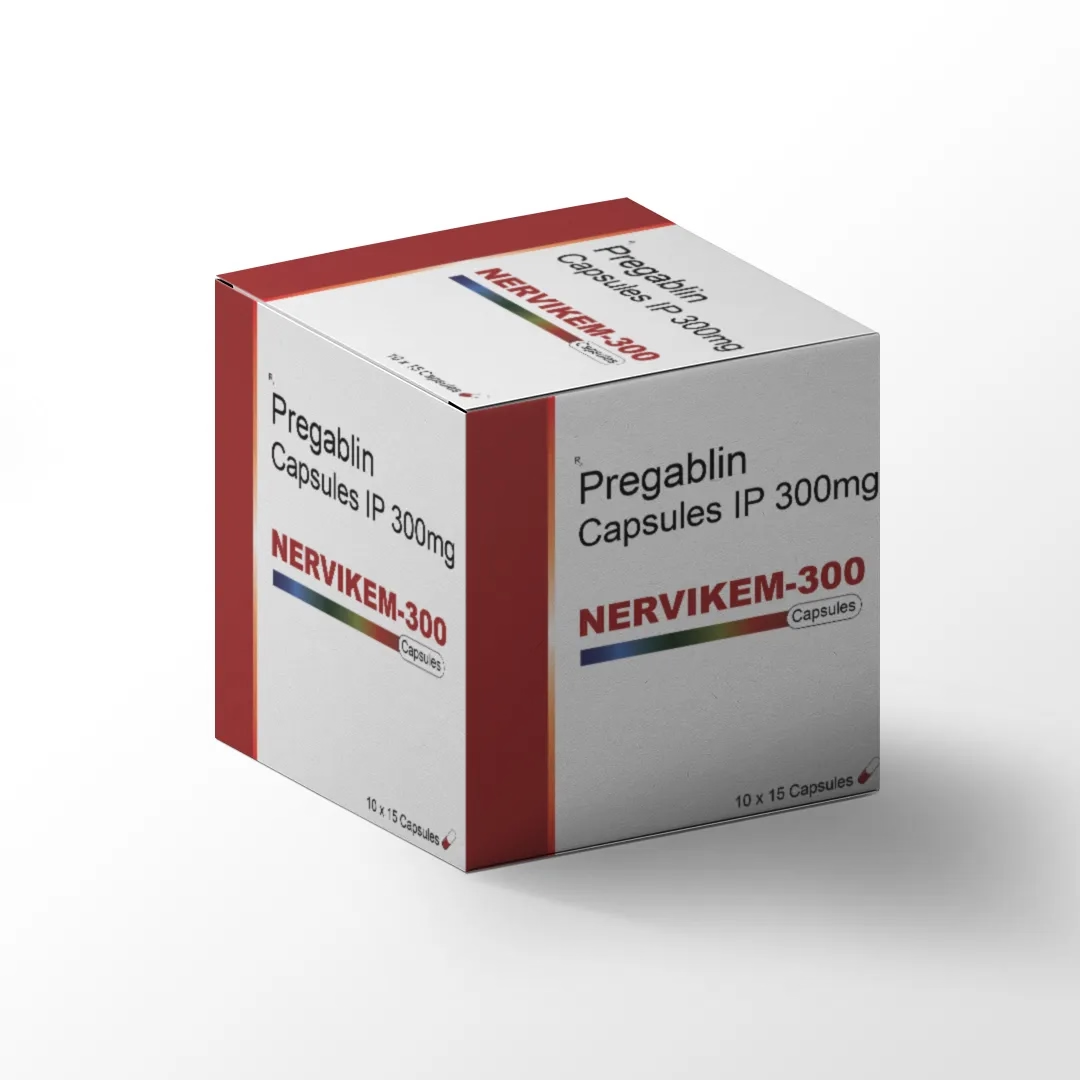 Buy Pregabalin Online
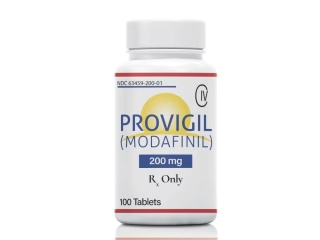
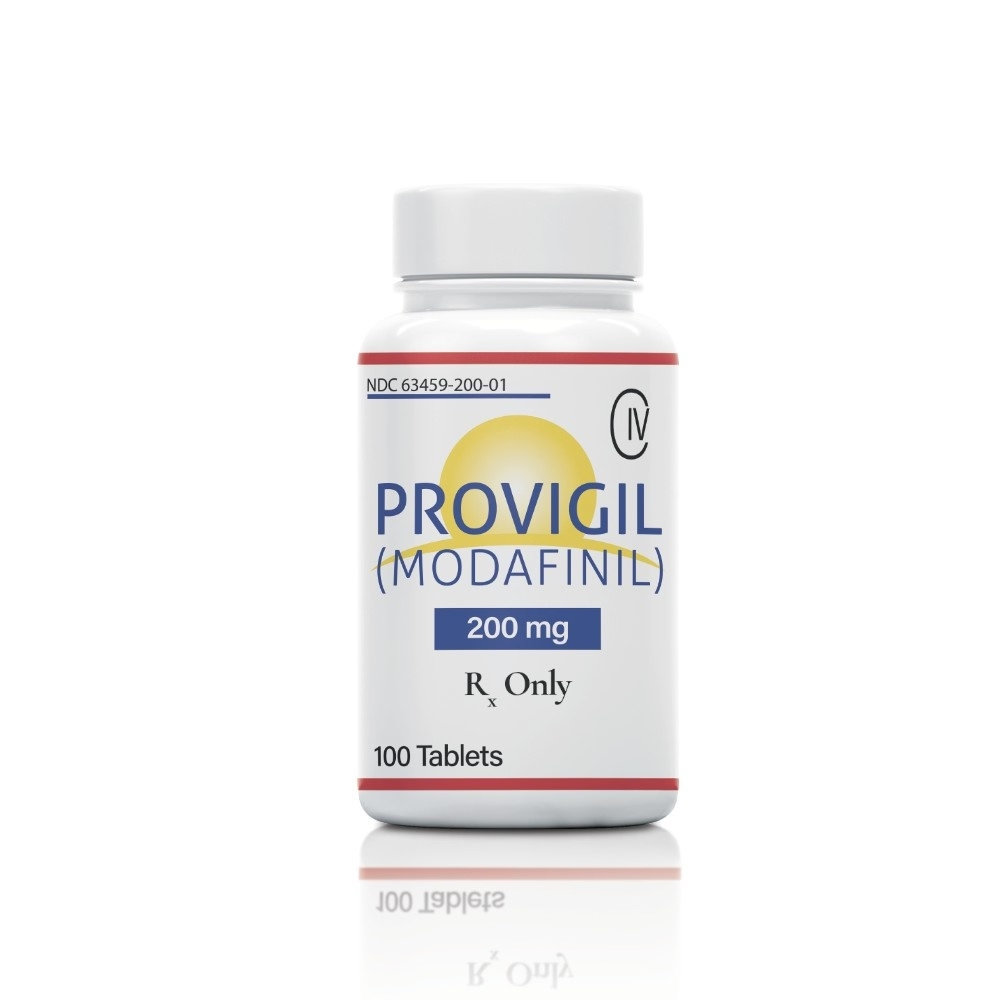 Buy Provigil Online
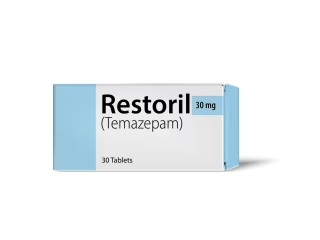
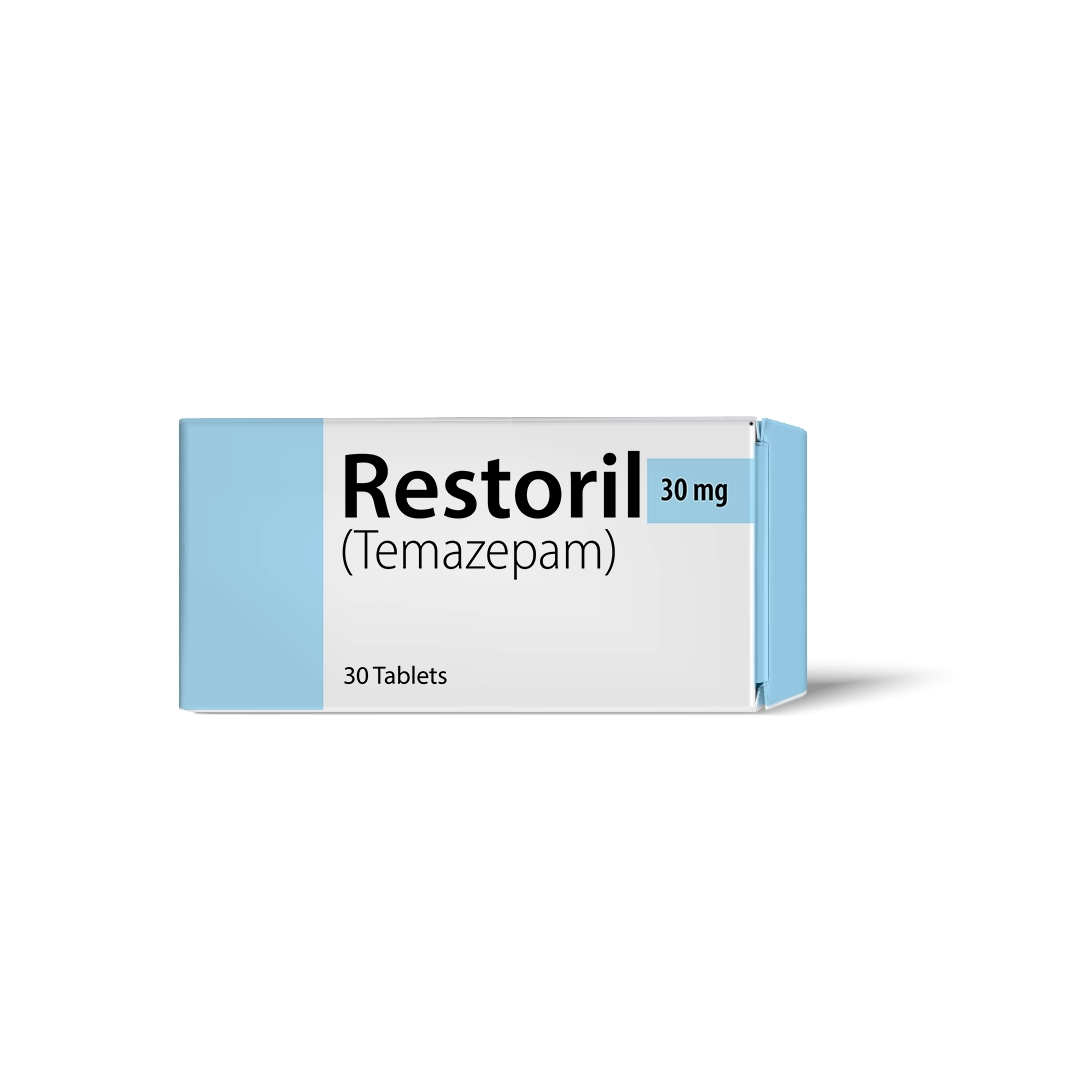 Buy Restoril Online
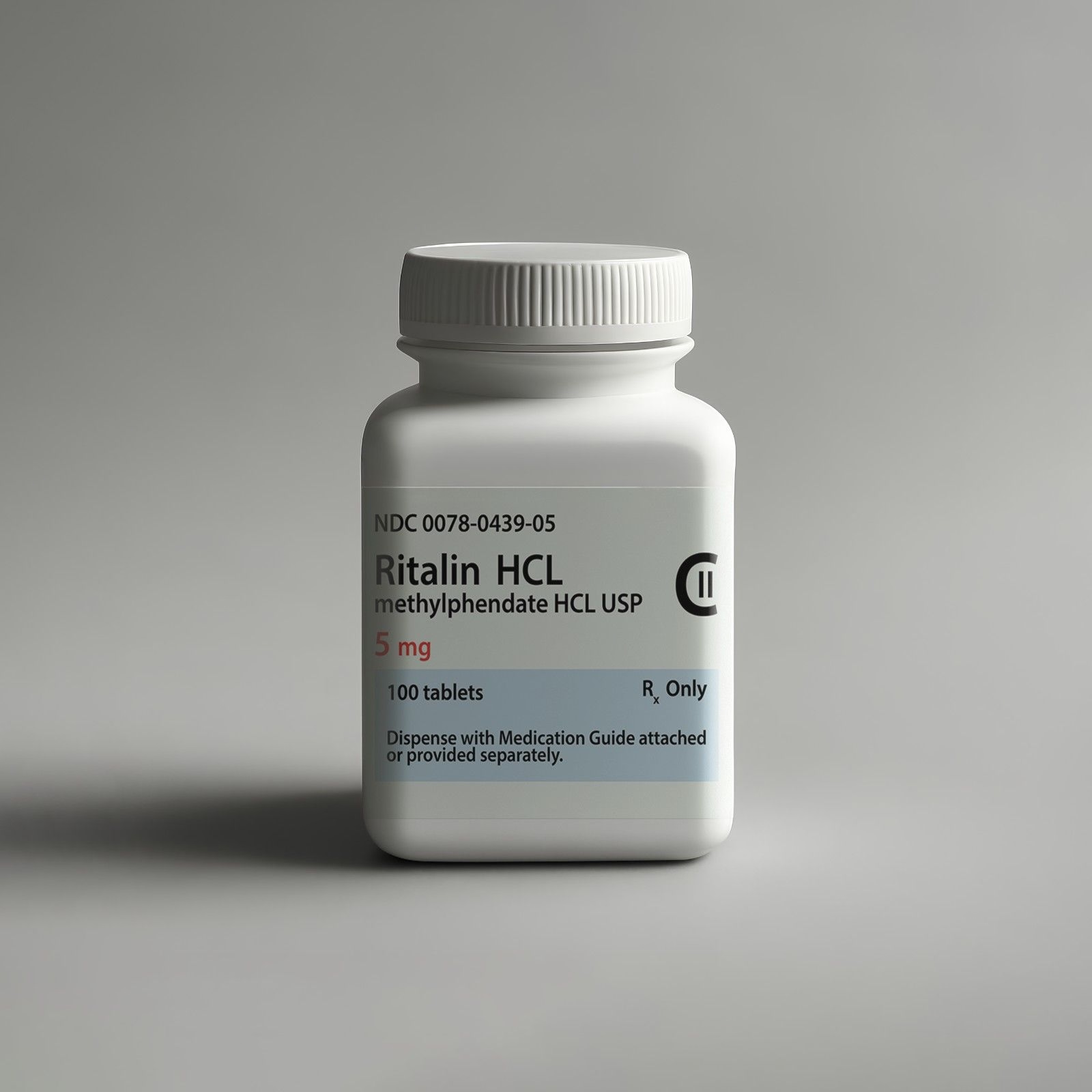 Buy Ritalin Online
 Buy Soma Online
 Buy Suboxone Online
 Buy Tramadol Online
 Buy Valium Online
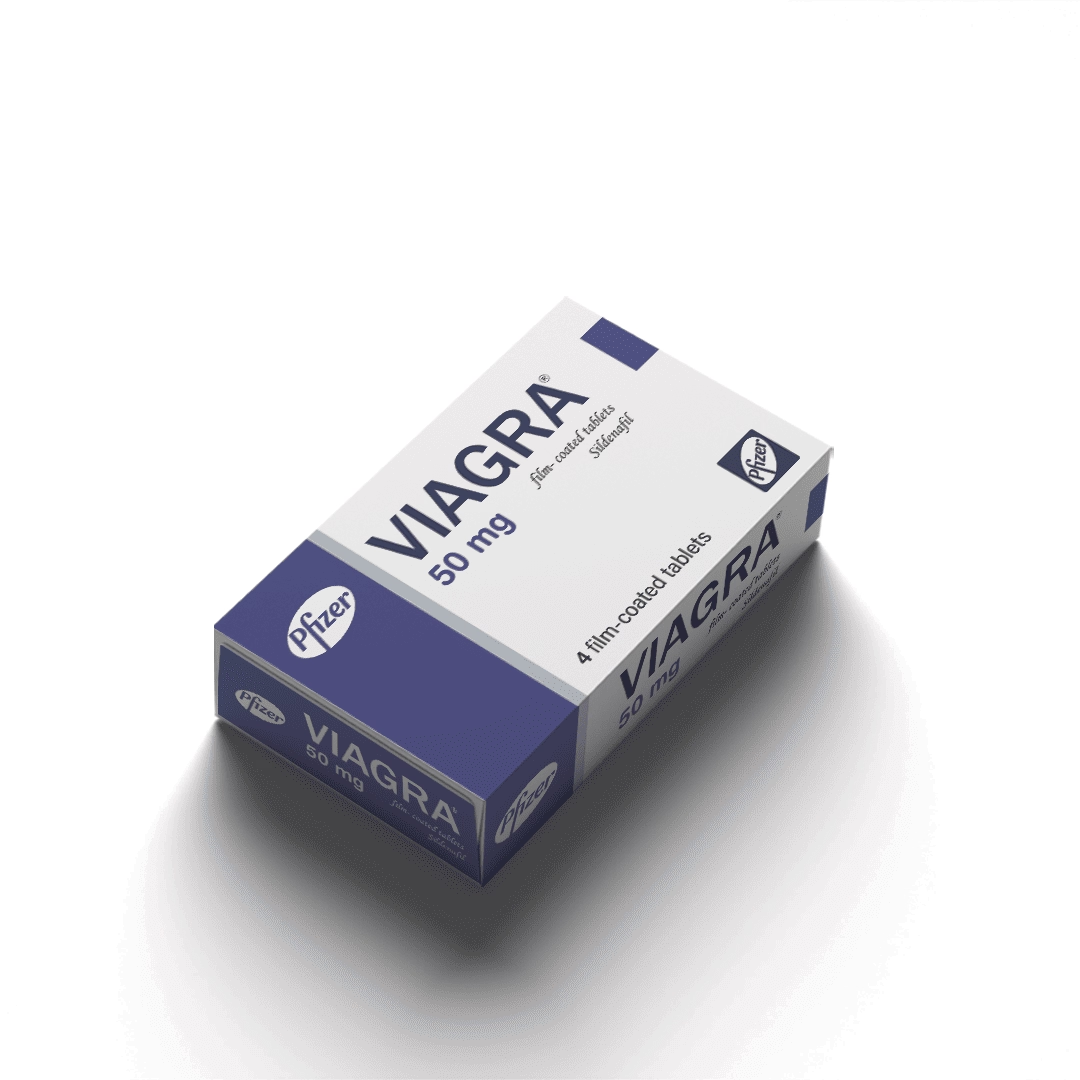 Buy Viagra Online
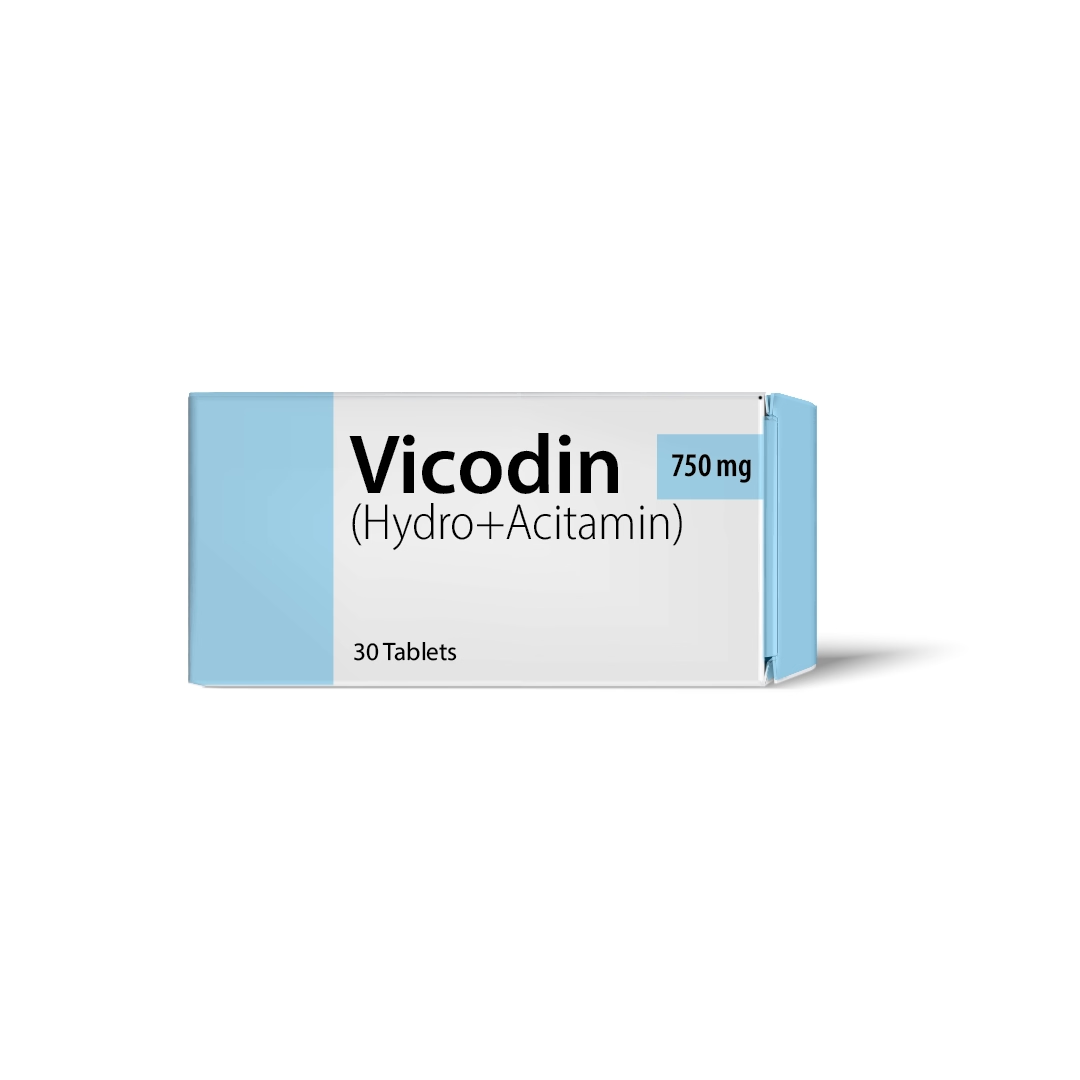 Buy Vicodin Online
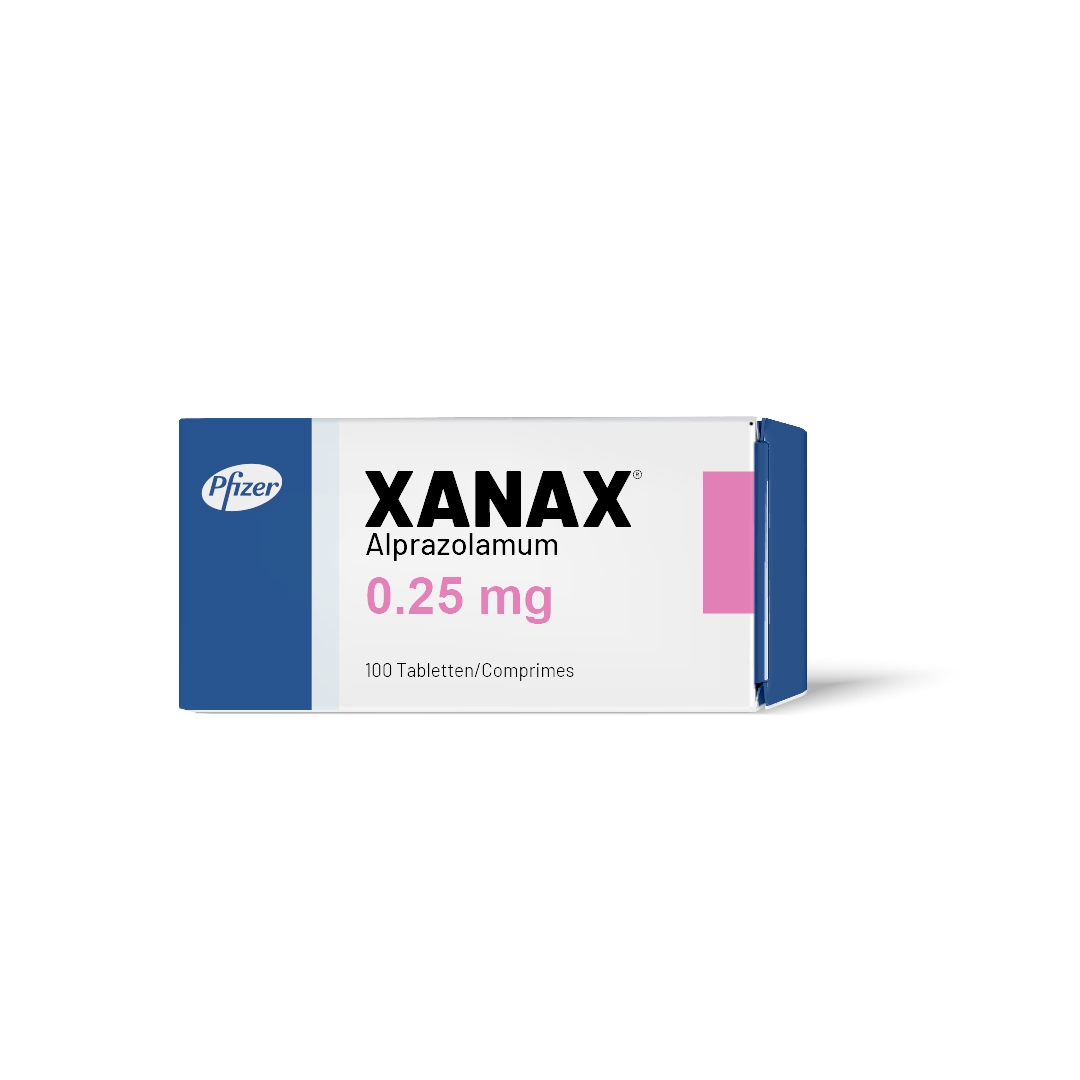 Buy Xanax Online
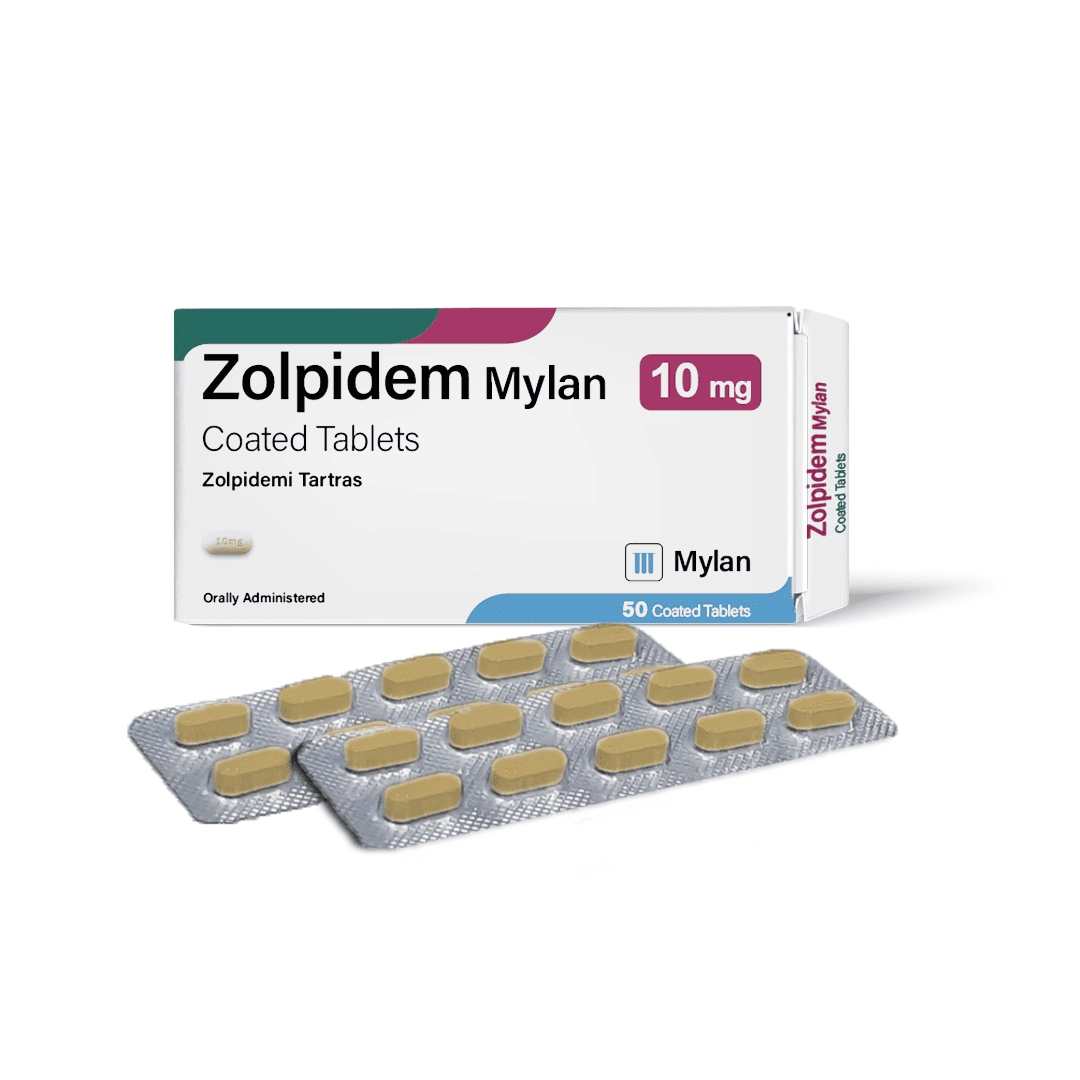 Buy Zolpidem Online
Buy Oxycontin Online
Showing all 14 results
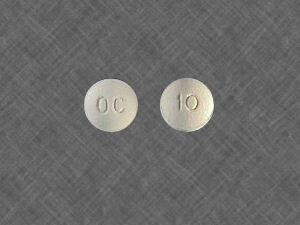
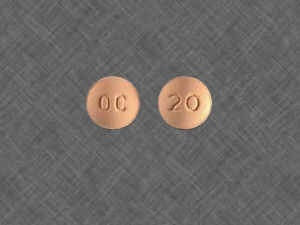

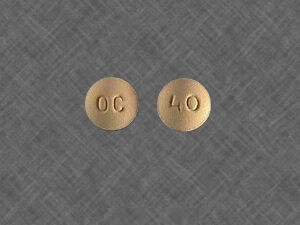
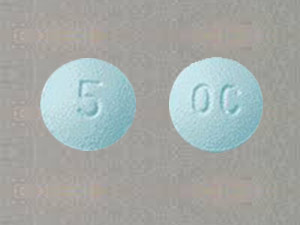
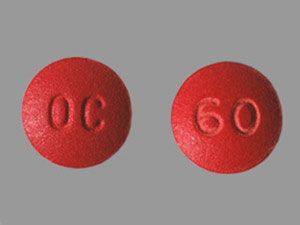
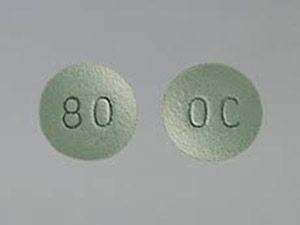
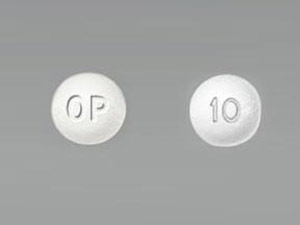
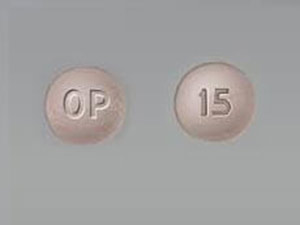
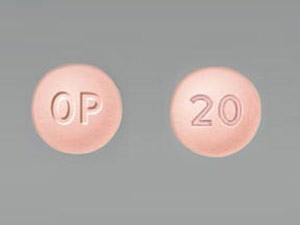
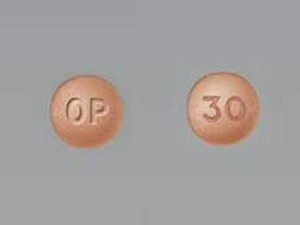
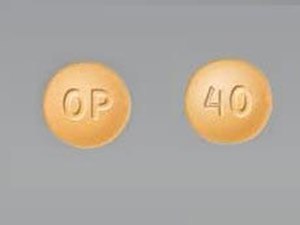


OxyContin (Oxycodone Extended-Release): Uses, Safety, Side Effects & Important Information
OxyContin is the brand name for an extended-release formulation of oxycodone hydrochloride, an opioid analgesic used to manage severe and persistent pain in carefully selected patients. Because extended-release opioids can cause serious harm when misused, OxyContin is reserved for situations where alternative pain-management options are inadequate and a daily, around-the-clock opioid is considered appropriate.
Unlike short-acting pain medicines, OxyContin is formulated to release oxycodone over an extended period. It is not intended to be used as an as-needed pain reliever. Treatment should be determined and monitored by an appropriately qualified healthcare professional.
What Is OxyContin?
OxyContin contains oxycodone hydrochloride, a prescription opioid that works primarily by activating opioid receptors in the central nervous system. This changes how the brain and body perceive and respond to pain.
The extended-release formulation is designed for longer-lasting analgesic effects compared with immediate-release oxycodone products. However, its long-acting nature also creates important safety considerations, including the potential for respiratory depression, misuse, dependence, addiction, overdose, and death.
OxyContin is classified as a Schedule II controlled substance in the United States, reflecting its accepted medical use alongside significant potential for misuse and dependence.
What Is OxyContin Used For?
According to FDA labeling, OxyContin is indicated for severe and persistent pain that requires an extended treatment period with a daily opioid analgesic when alternative treatment options are inadequate.
Depending on an individual’s medical circumstances, a healthcare professional may consider opioid treatment for conditions involving persistent severe pain. The decision depends on factors such as:
- The underlying cause of pain
- Previous treatments and their effectiveness
- Other medications being used
- Medical history
- Previous exposure to opioids
- Risk factors for opioid-related complications
- Expected benefits compared with potential risks
OxyContin is not intended for routine treatment of mild pain or pain that can reasonably be managed with non-opioid approaches.
How Does OxyContin Work?
Oxycodone is an opioid receptor agonist. After administration, it acts on opioid receptors involved in the body’s perception and response to pain.
This can reduce the intensity of pain signals and change the emotional response to pain. The same mechanism can also produce effects such as sleepiness and slowed breathing.
Because these effects can become dangerous, especially when opioids are combined with other central nervous system depressants, OxyContin must be taken exactly as prescribed.
OxyContin Extended-Release Formulation
The extended-release formulation is designed to provide prolonged exposure to oxycodone rather than the shorter duration associated with immediate-release formulations.
This distinction is important because OxyContin is intended for scheduled treatment rather than occasional, as-needed use. FDA labeling specifically states that it should not be used as a PRN analgesic.
Extended-release opioids also require particular caution because their pharmacologic properties can increase the consequences of dosing errors, misuse, or accidental exposure.
Dosage and Administration
There is no single appropriate OxyContin dose for everyone. The appropriate regimen depends on the patient’s previous opioid exposure, pain severity, medical condition, response to treatment, and risk factors.
Because oxycodone is a potent opioid, dosage decisions should be made by the prescribing healthcare professional rather than based on information from an online article.
Patients should:
- Follow the prescription exactly.
- Never change the dose without medical advice.
- Never take someone else’s medication.
- Never share prescribed OxyContin with another person.
- Never crush, chew, dissolve, or otherwise manipulate an extended-release tablet unless the product’s official instructions specifically permit the method.
- Ask a pharmacist or prescriber about missed doses or changes in treatment.
FDA labeling emphasizes using the lowest effective opioid exposure consistent with the individual’s treatment goals and carefully evaluating the risks of higher doses.
Common Side Effects
OxyContin and other opioid medicines can cause side effects. Frequently reported effects may include:
- Constipation
- Nausea
- Vomiting
- Sleepiness
- Dizziness
- Headache
- Tiredness
- Abdominal discomfort
- Itching
Some effects may become more noticeable when treatment begins or when opioid exposure changes. Persistent or troublesome symptoms should be discussed with a healthcare professional.
Serious Risks and Warning Signs
OxyContin carries serious risks, including addiction, abuse, misuse, respiratory depression, overdose, and death. FDA labeling contains a boxed warning addressing these risks.
Emergency medical attention is necessary if someone taking an opioid develops symptoms such as:
- Extremely slow, shallow, or difficult breathing
- Inability to wake up
- Severe or unusual sleepiness
- Loss of consciousness
- Blue or gray lips or fingertips
- Severe confusion
- Extreme weakness
Naloxone is an opioid-reversal medication that can help reverse an opioid overdose when administered promptly. FDA notes that naloxone nasal spray is available over the counter in the United States.
Drug Interactions
Combining OxyContin with certain other substances can substantially increase the risk of dangerous sedation or respiratory depression.
Particular caution is required with:
- Alcohol
- Benzodiazepines
- Other opioid medicines
- Sedative medications
- Certain sleep medicines
- Other central nervous system depressants
FDA specifically warns that combining opioids with benzodiazepines or other CNS depressants can result in profound sedation, respiratory depression, coma, or death.
Patients should provide their healthcare professional with a complete list of prescription medicines, over-the-counter products, and supplements before beginning treatment.
Who Should Avoid OxyContin?
OxyContin is not appropriate for everyone. FDA labeling lists contraindications including significant respiratory depression, acute or severe bronchial asthma in an unmonitored setting, gastrointestinal obstruction such as paralytic ileus, and known or suspected hypersensitivity to oxycodone.
Extra caution may also be necessary for people with conditions affecting:
- Breathing
- Liver function
- Kidney function
- Blood pressure
- Consciousness
- Brain function
Older adults and people who are medically frail can also be more susceptible to serious opioid-related complications.
Dependence, Tolerance, and Addiction
These terms describe different phenomena.
Tolerance occurs when the body becomes less responsive to a medicine after repeated exposure.
Physical dependence means that abrupt reduction or discontinuation after continued use can produce withdrawal symptoms.
Addiction is a medical disorder involving compulsive drug use despite harmful consequences.
Because opioids can produce all three phenomena, long-term treatment requires ongoing medical assessment. Patients should not abruptly stop long-term opioid therapy without speaking with their healthcare professional, because an individualized tapering plan may be necessary.
OxyContin and Pregnancy
Pregnancy requires special consideration when opioid treatment is being evaluated. Opioid exposure during pregnancy can affect the developing fetus and may cause neonatal opioid withdrawal syndrome in a newborn.
Anyone who is pregnant, planning pregnancy, or breastfeeding should discuss opioid treatment with a qualified healthcare professional before starting, changing, or stopping therapy. FDA opioid labeling includes warnings concerning pregnancy and neonatal withdrawal.
Safe Storage and Disposal
Prescription opioids should be stored securely and kept away from children, visitors, and anyone who could accidentally or intentionally take them.
Do not share OxyContin with another person, even if that individual reports having similar pain.
Unused opioid medication should be disposed of through an appropriate medication take-back or disposal program whenever possible. A pharmacist can provide guidance about safe disposal options available in your area.
Frequently Asked Questions
Is OxyContin the same as oxycodone?
Oxycodone is the active opioid ingredient, while OxyContin is a specific extended-release oxycodone product. Immediate-release oxycodone products and extended-release OxyContin should not be treated as interchangeable without professional guidance.
Is OxyContin an extended-release medication?
Yes. OxyContin is an extended-release formulation of oxycodone hydrochloride intended for scheduled treatment of severe and persistent pain when an around-the-clock opioid is appropriate.
Can OxyContin be taken whenever pain occurs?
No. OxyContin is not labeled as an as-needed analgesic. Its use should follow the schedule established by the prescribing professional.
Can OxyContin be combined with alcohol?
Combining opioids with alcohol can increase dangerous central nervous system depression and may contribute to respiratory depression, coma, or death. Avoid combining them unless a healthcare professional specifically provides appropriate medical guidance.
Can OxyContin cause addiction?
Yes. OxyContin carries risks of addiction, abuse, and misuse, even when used for legitimate medical purposes. The FDA requires strong warnings concerning these risks.
Final Thoughts
OxyContin is a powerful extended-release opioid containing oxycodone. Its role is limited to carefully selected patients with severe and persistent pain for whom alternative treatment options are inadequate. Its benefits must always be weighed against potentially serious risks, including respiratory depression, overdose, dependence, misuse, and addiction.
For anyone considering OxyContin therapy, the safest approach is to discuss the medication, alternatives, interactions, monitoring requirements, and appropriate treatment plan with a licensed healthcare professional.
Product Category
-
 Buy Tapentadol Online
 -
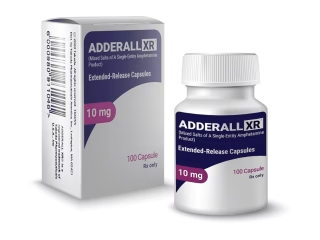 Buy Adderall Online
 -
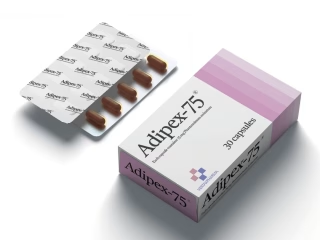 Buy Adipex Online
 -
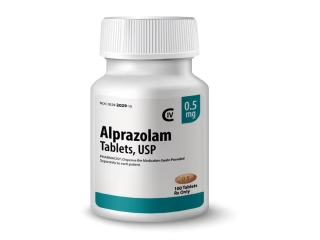 Buy Alprazolam Online
 -
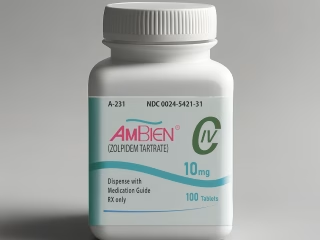 Buy Ambien Online
 -
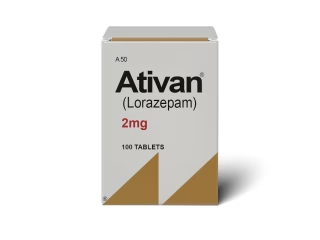 Buy Ativan Online
 -
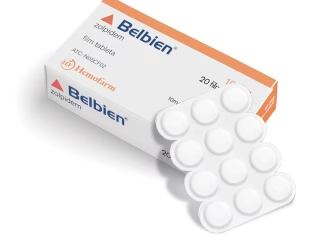 Buy Belbien Online
 -
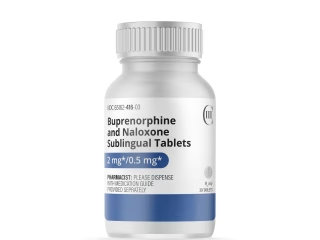 Buy Buprenorphine Online
 -
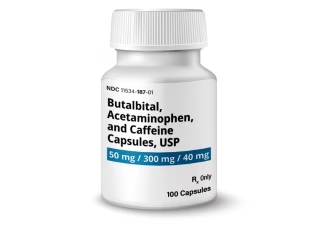 Buy Butalbital Online
 -
 Buy Cialis Online
 -
 Buy Claritin Online
 -
 Buy Clonazepam Online
 -
 Buy Codeine Online
 -
 Buy Concerta Online
 -
 Buy Diazepam Online
 -
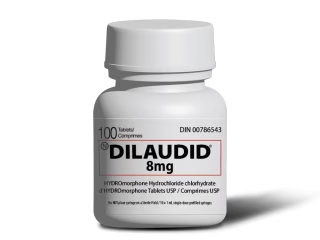 Buy Dilaudid Online
 -
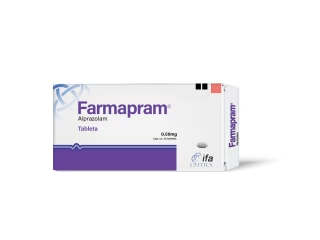 Buy Farmapram Online
 -
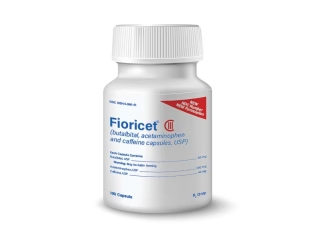 Buy Fioricet Online
 -
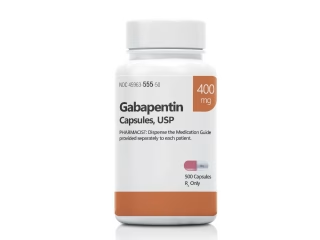 Buy Gabapentin Online
 -
 Buy Hydrocodone Online
 -
 Buy Hydromorphone Online
 -
 Buy Klonopin Online
 -
 Buy Ksalol Online
 -
 Buy Levitra Online
 -
 Buy Lorazepam Online
 -
 Buy Lortab Online
 -
 Buy Lunesta Online
 -
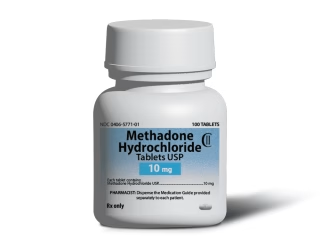 Buy Methadone Online
 -
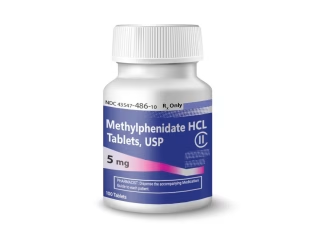 Buy Methylphenidate Online
 -
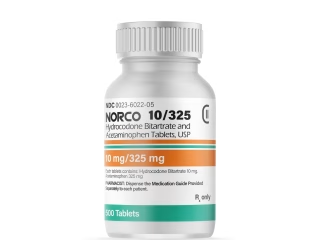 Buy Norco Online
 -
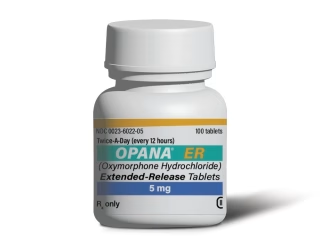 Buy Opana ER Online
 -
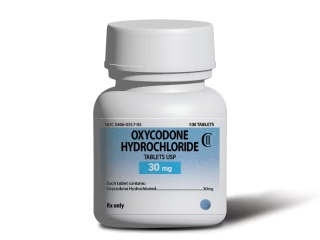 Buy Oxycodone Online
 -
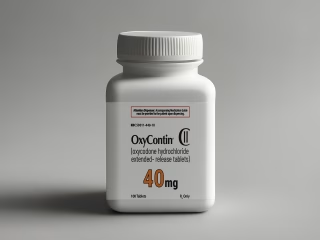 Buy Oxycontin Online
 -
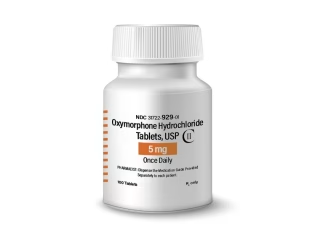 Buy Oxymorphone Online
 -
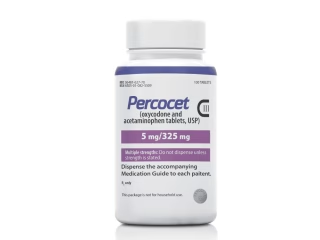 Buy Percocet Online
 -
 Buy Phentermine Online
 -
 Buy Pregabalin Online
 -
 Buy Provigil Online
 -
 Buy Restoril Online
 -
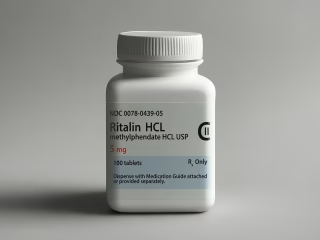 Buy Ritalin Online
 -
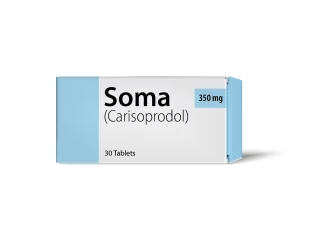 Buy Soma Online
 -
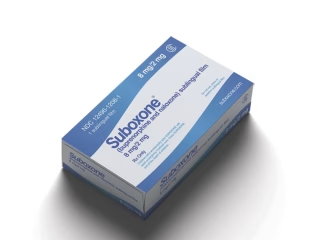 Buy Suboxone Online
 -
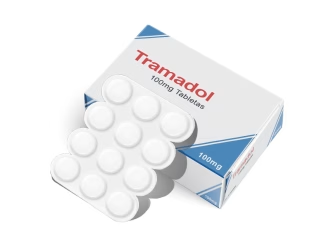 Buy Tramadol Online
 -
 Buy Valium Online
 -
 Buy Viagra Online
 -
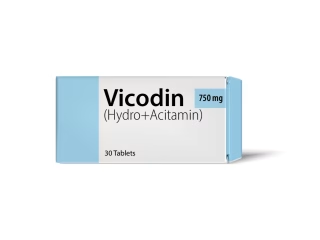 Buy Vicodin Online
 -
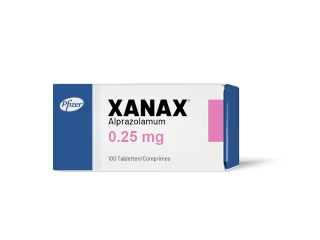 Buy Xanax Online
 -
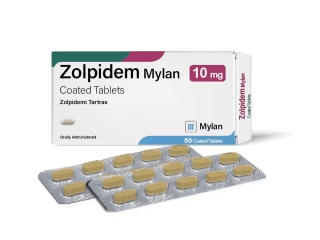 Buy Zolpidem Online