
Categories
 Buy Tapentadol Online
 Buy Adderall Online
 Buy Adipex Online
 Buy Alprazolam Online
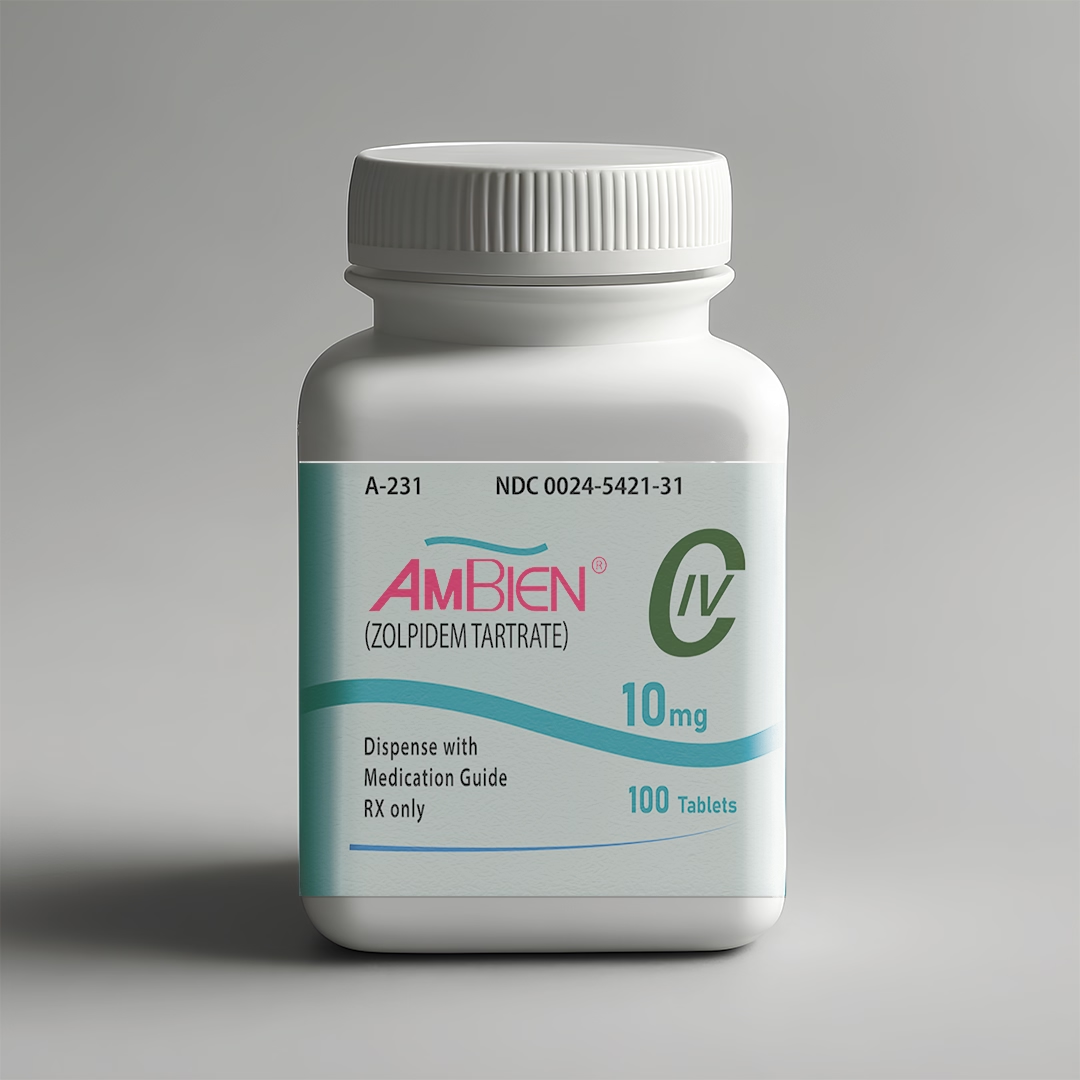 Buy Ambien Online
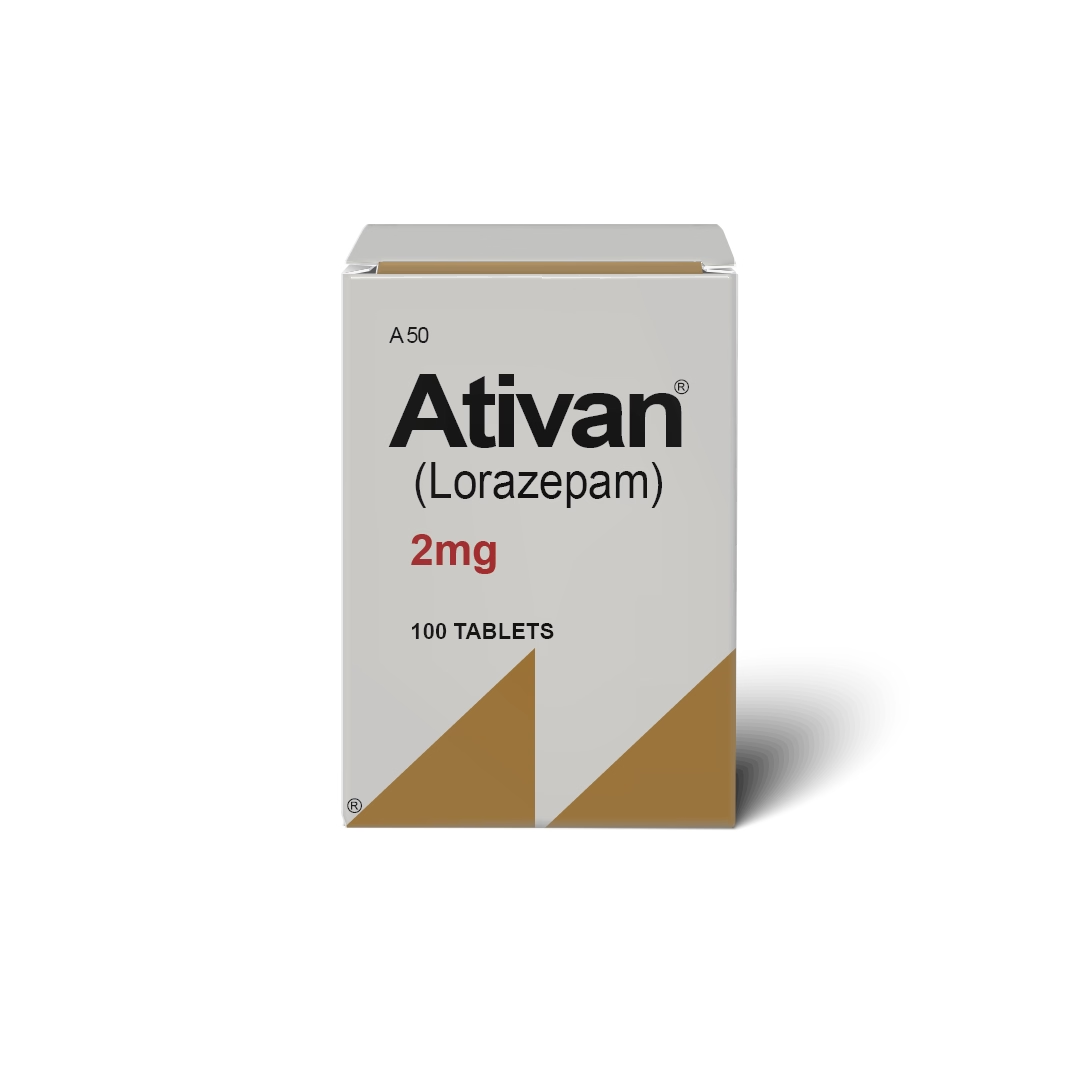 Buy Ativan Online
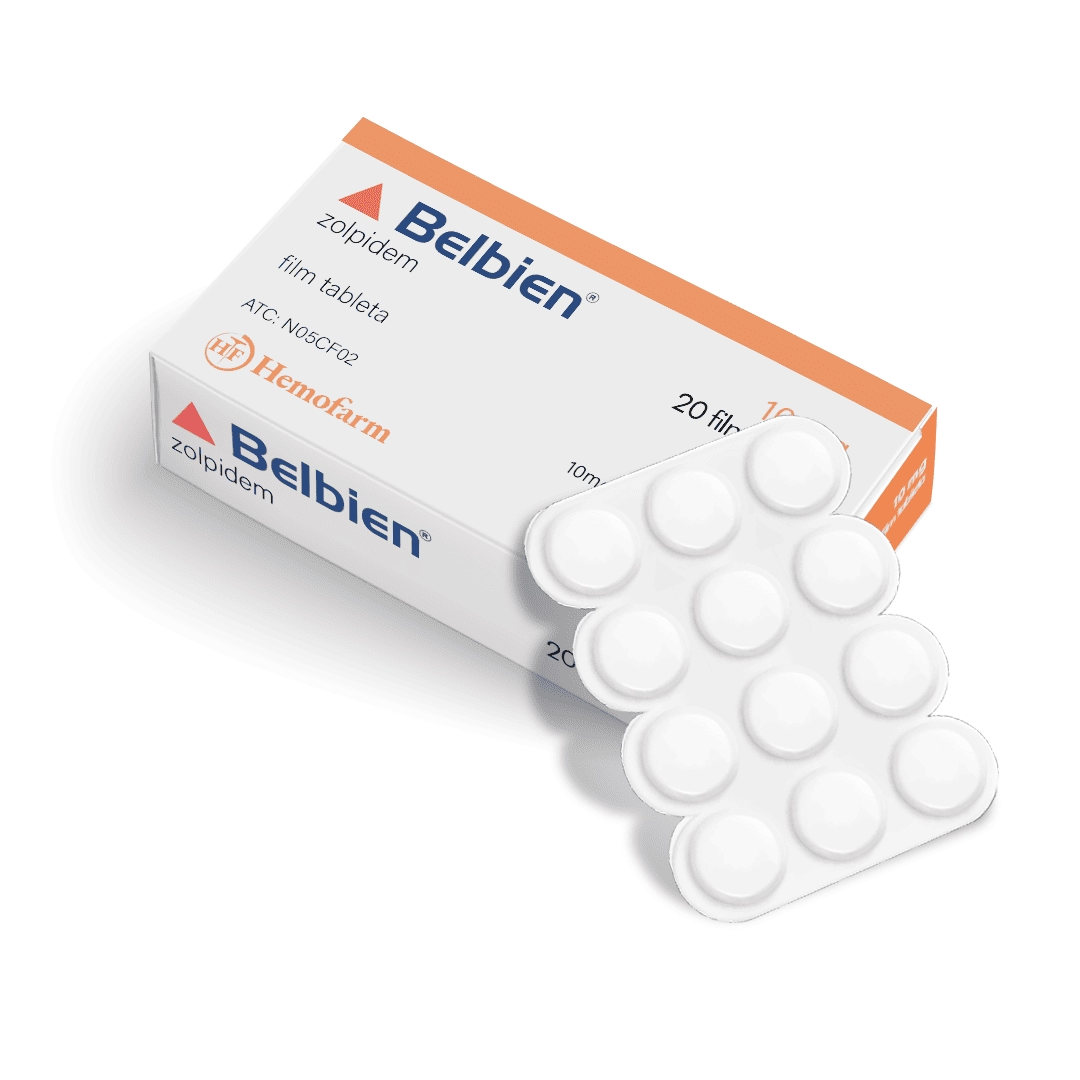 Buy Belbien Online
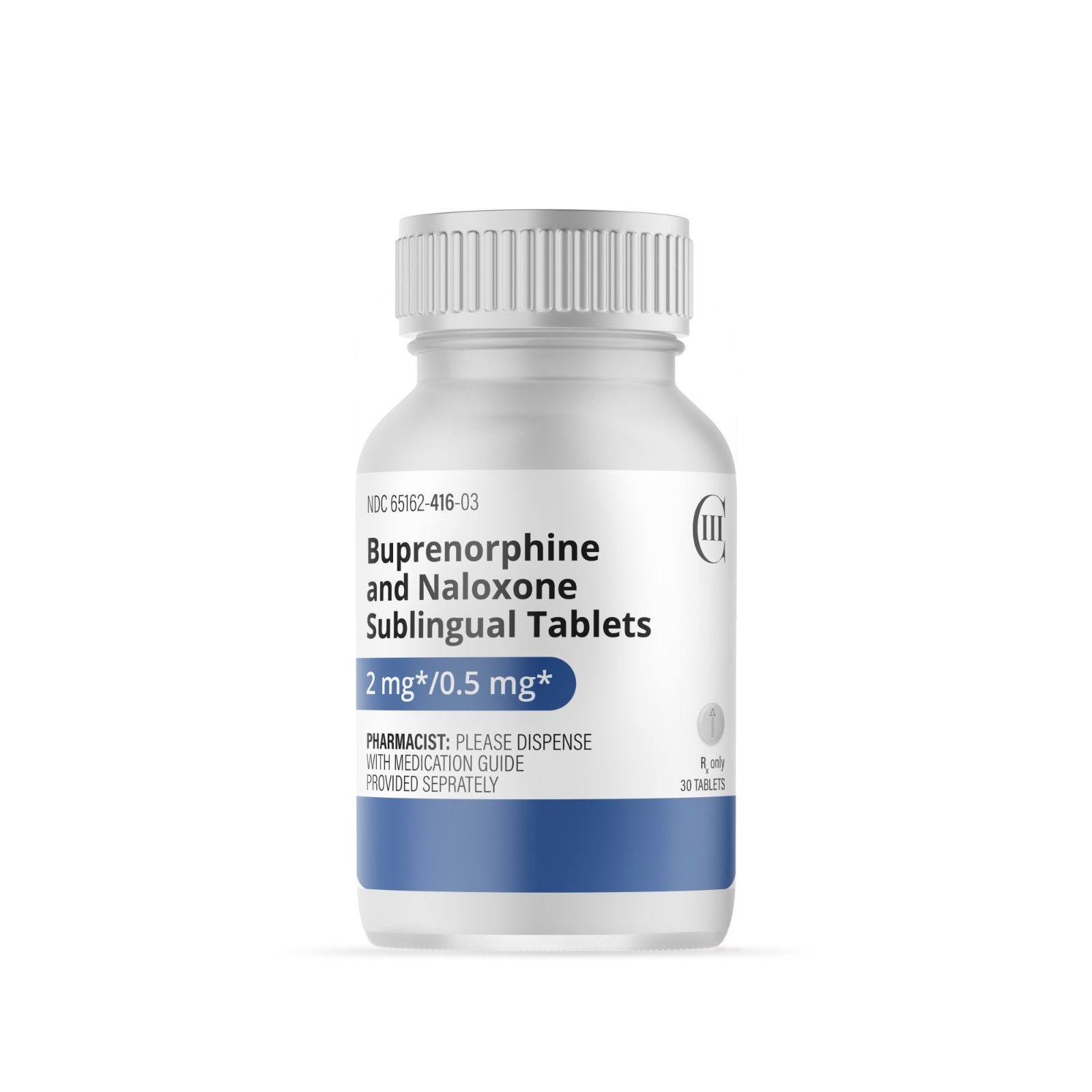 Buy Buprenorphine Online
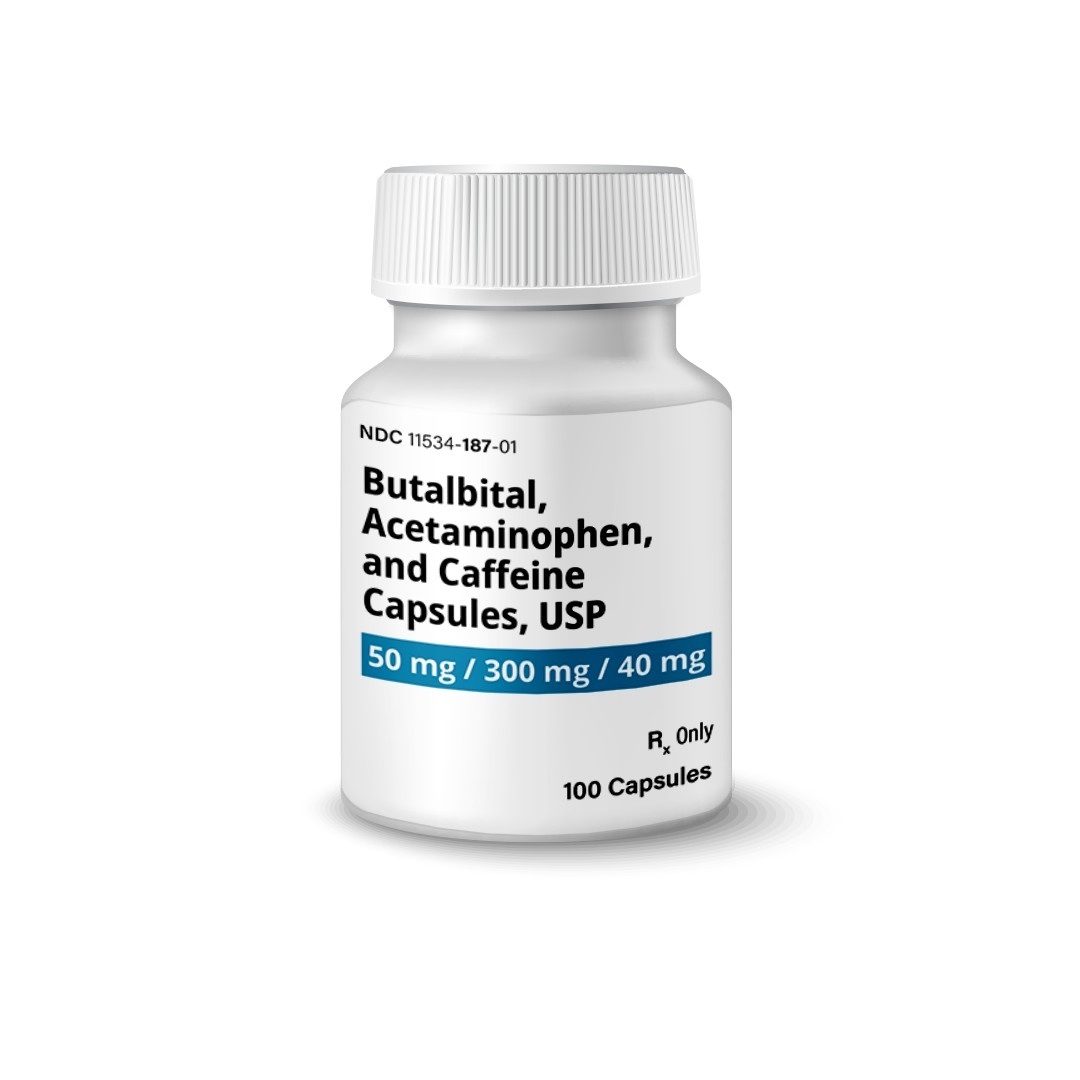 Buy Butalbital Online
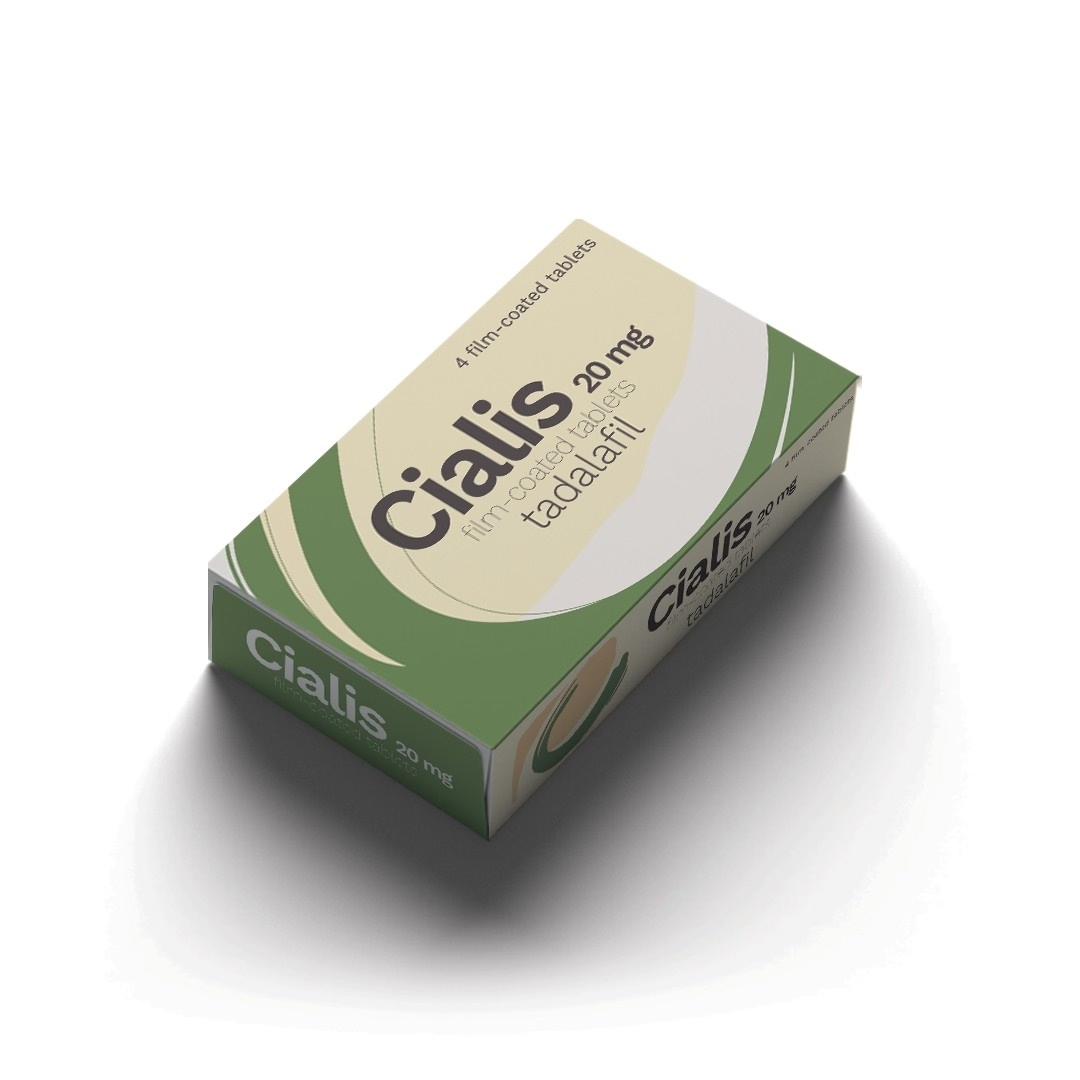 Buy Cialis Online
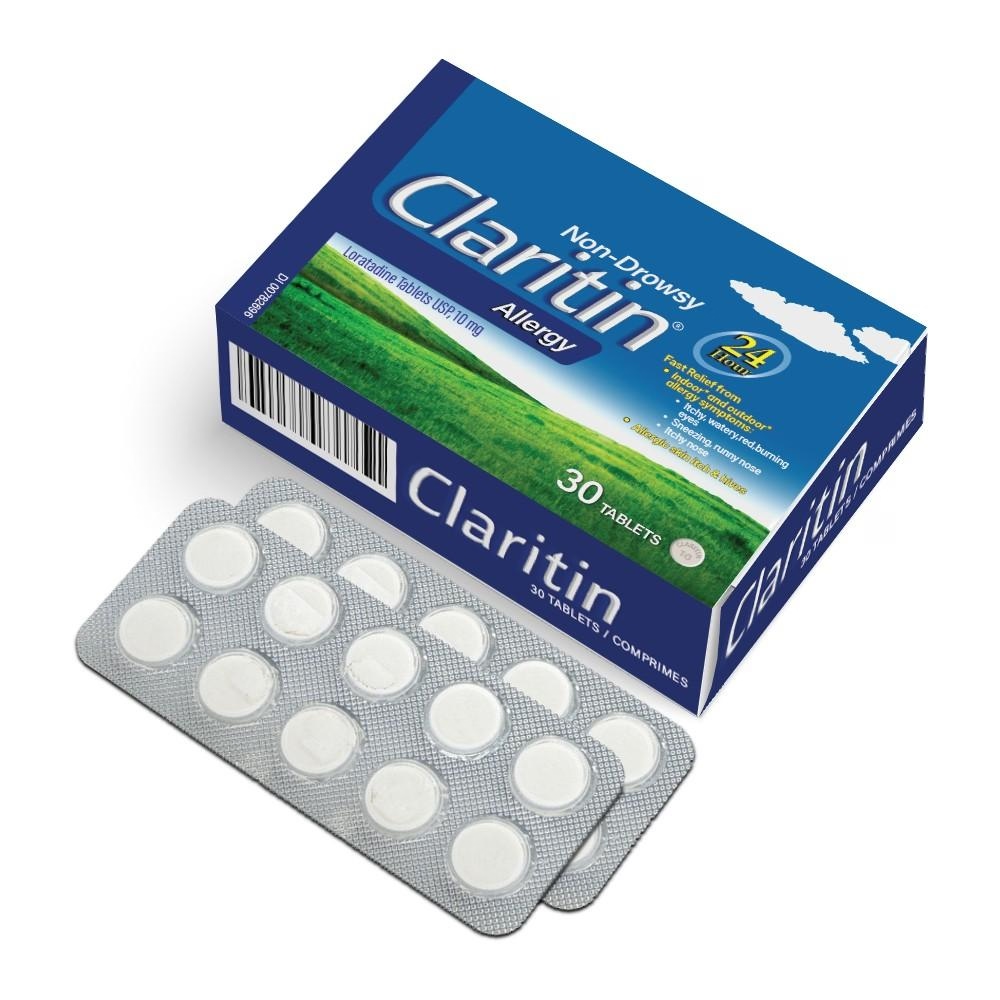 Buy Claritin Online
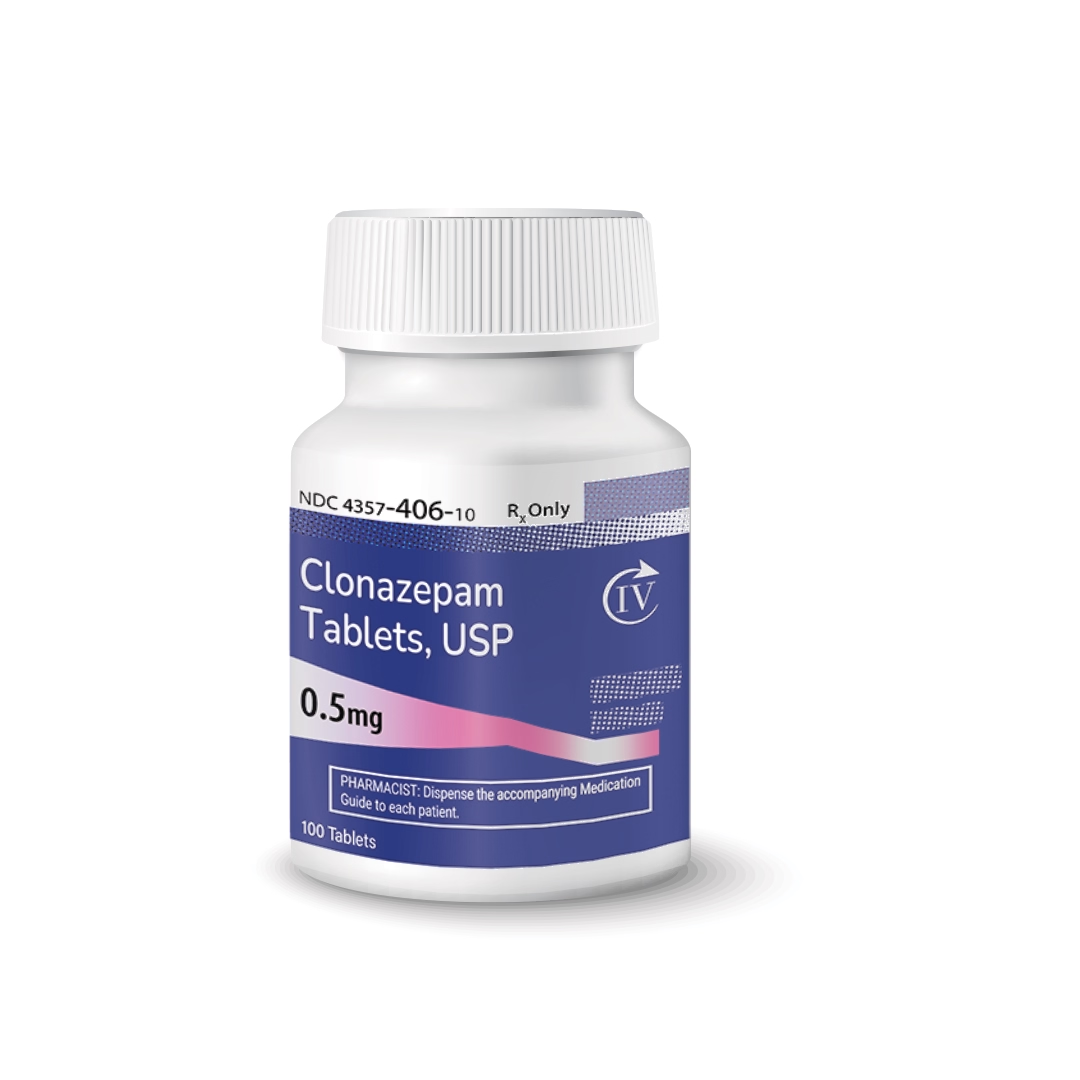 Buy Clonazepam Online
 Buy Codeine Online
 Buy Concerta Online
 Buy Diazepam Online
 Buy Dilaudid Online
 Buy Farmapram Online
 Buy Fioricet Online
 Buy Gabapentin Online
 Buy Hydrocodone Online
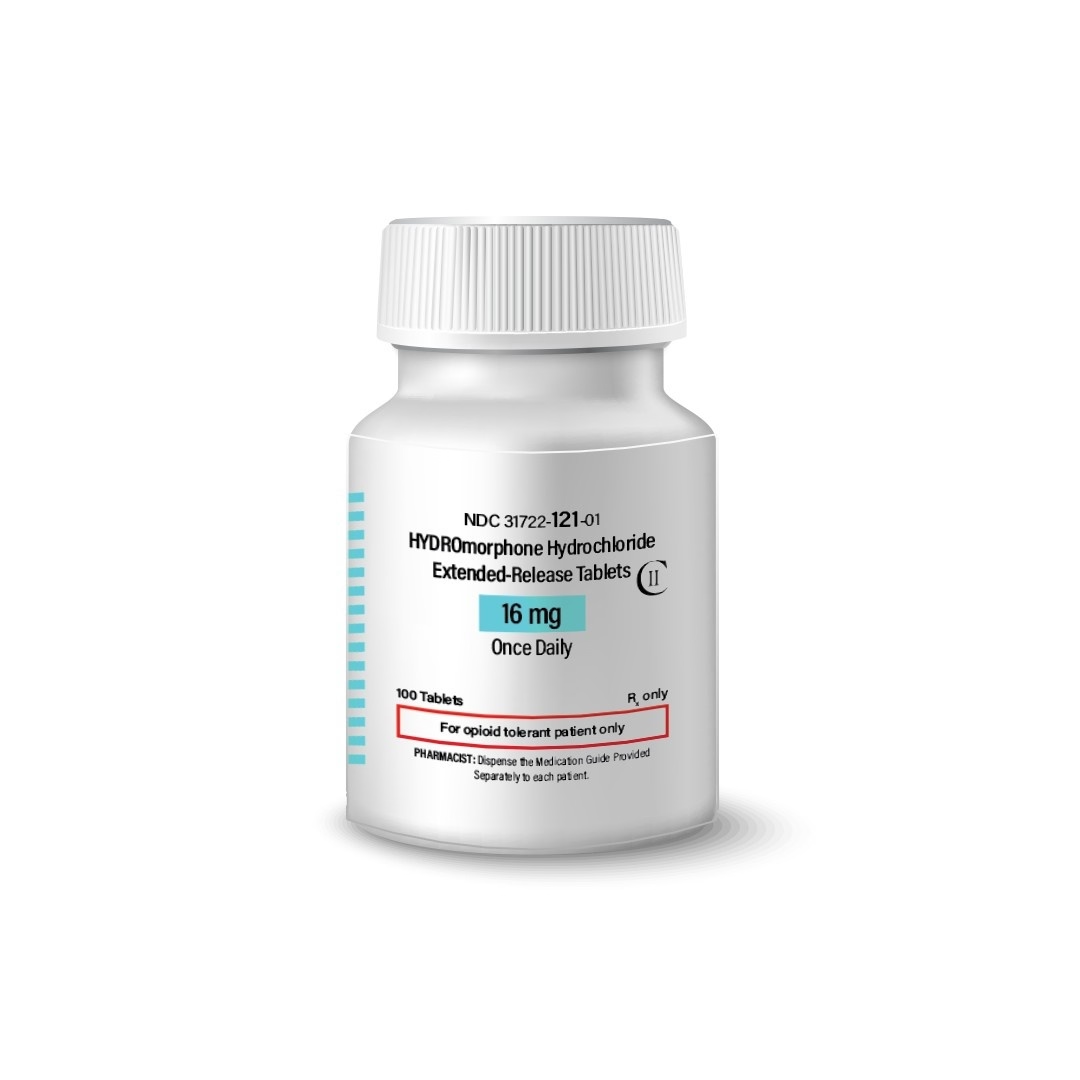 Buy Hydromorphone Online
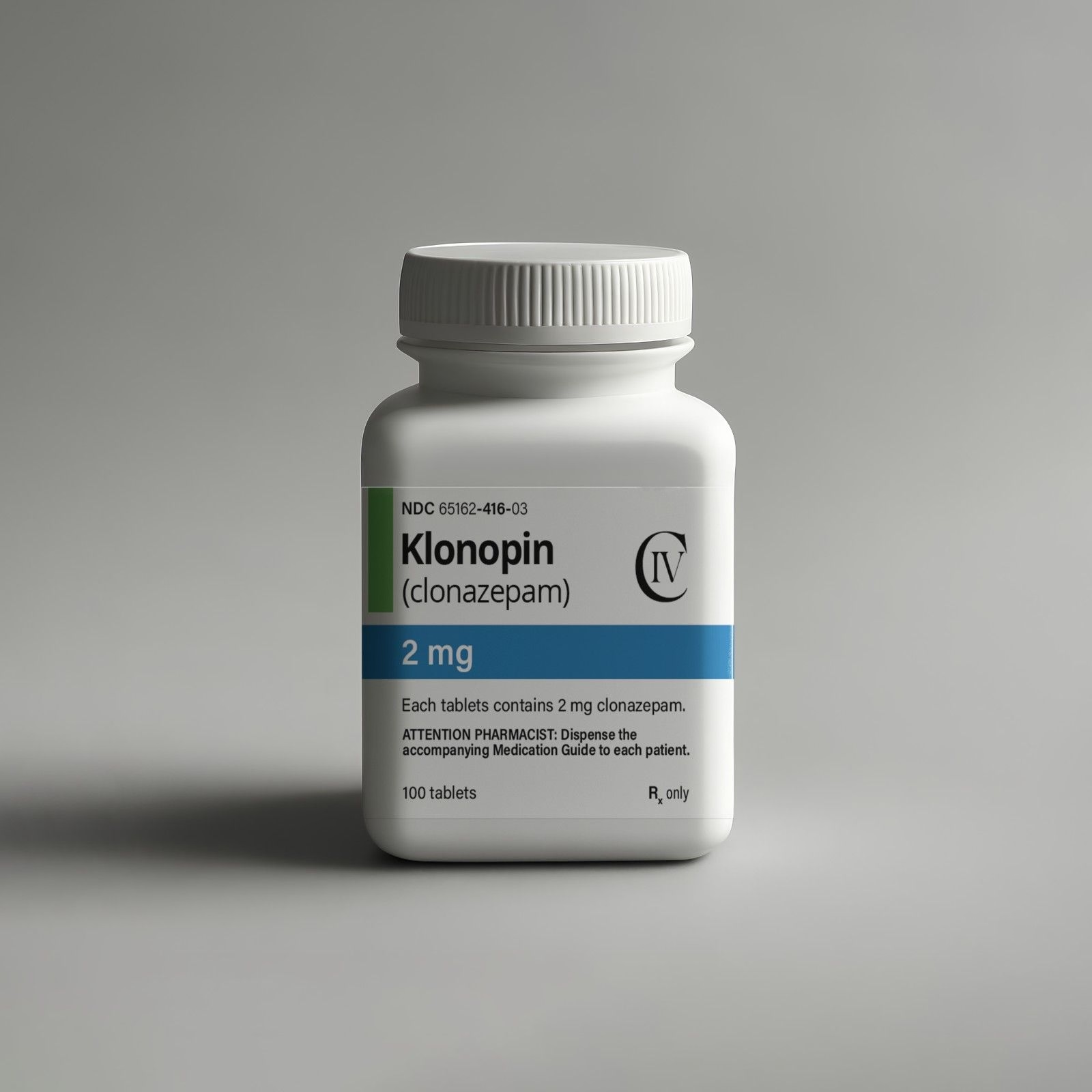 Buy Klonopin Online
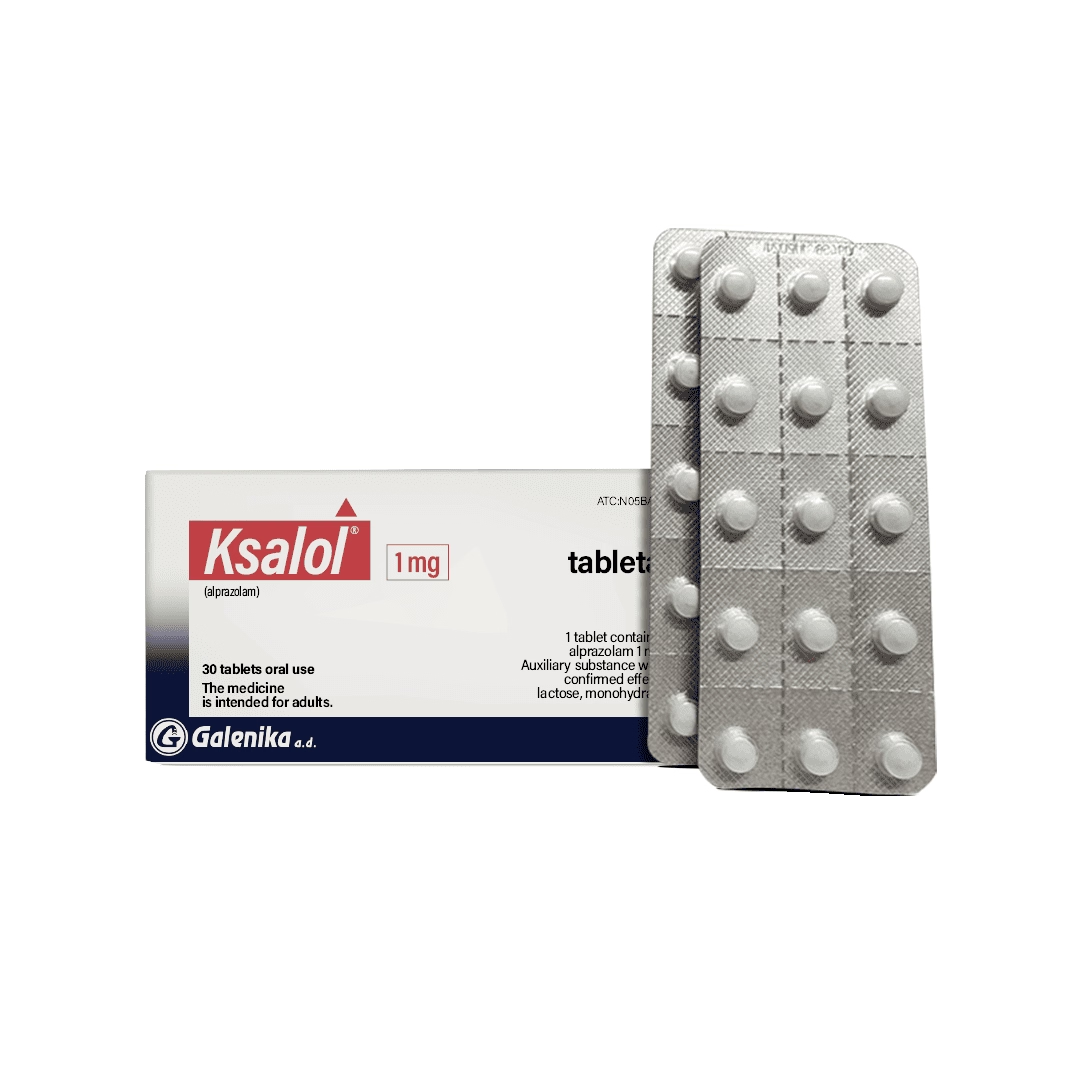 Buy Ksalol Online
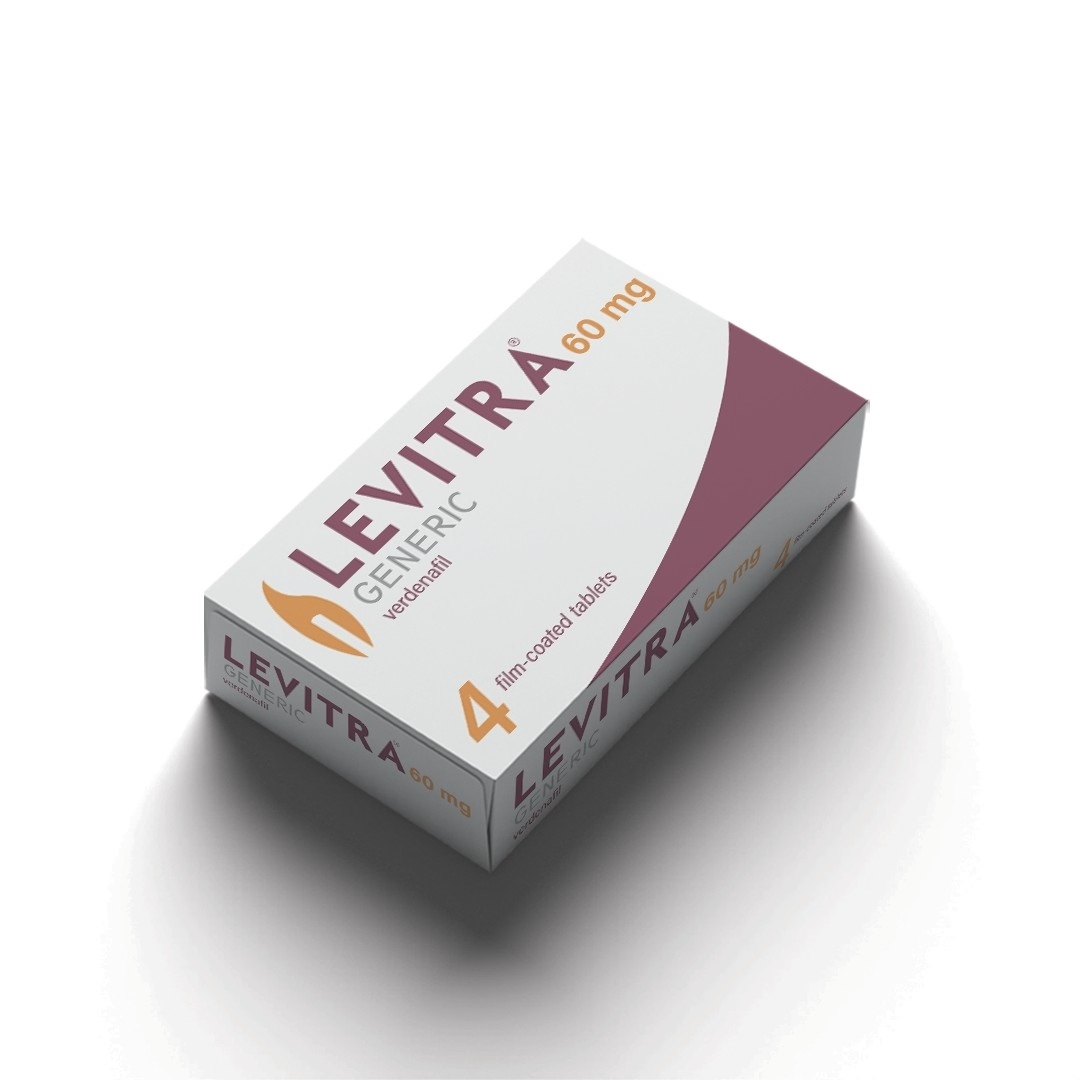 Buy Levitra Online
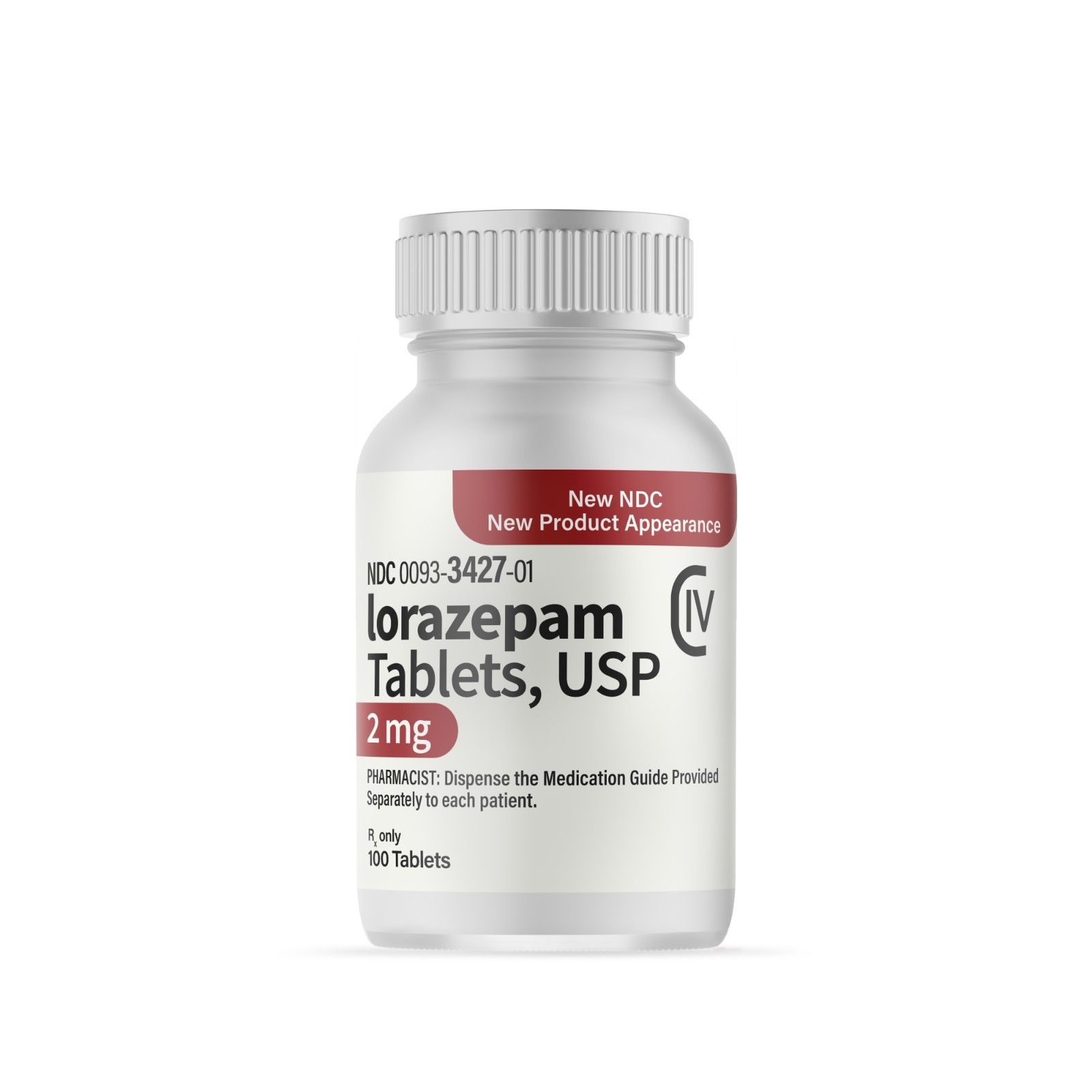 Buy Lorazepam Online
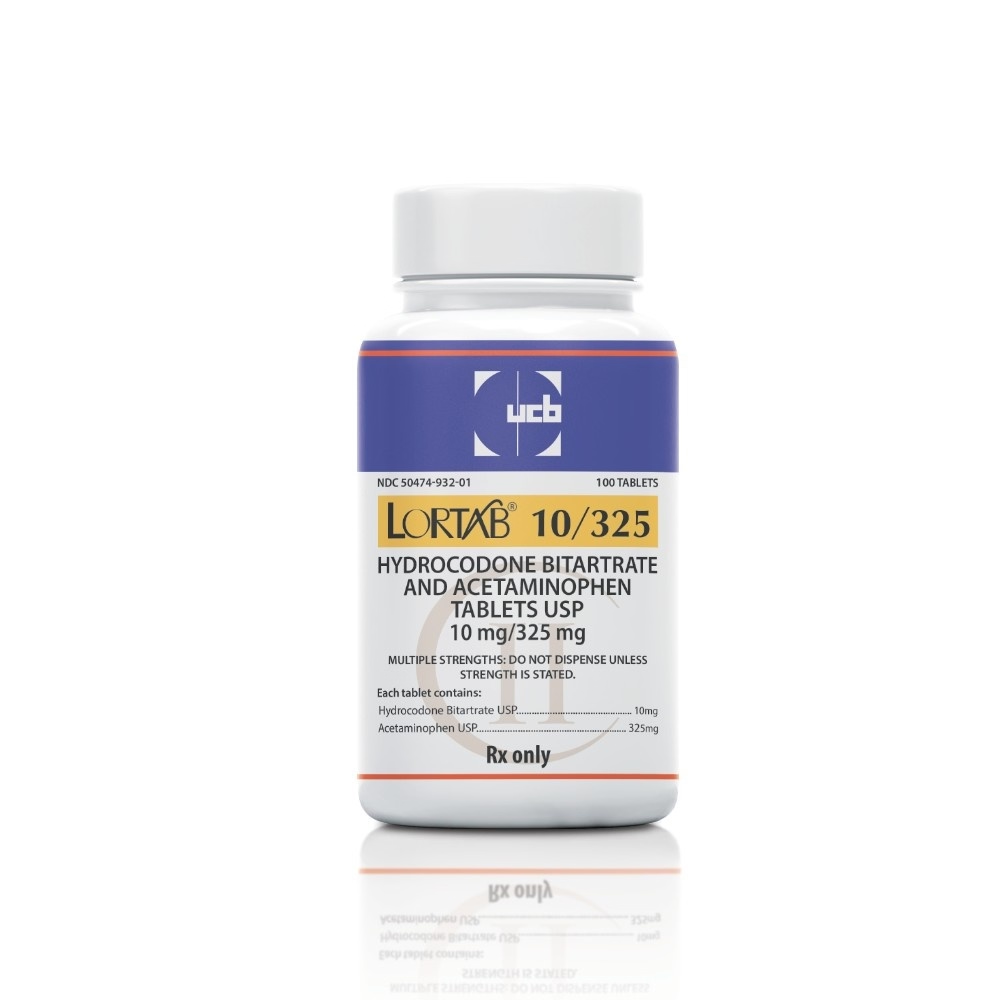 Buy Lortab Online
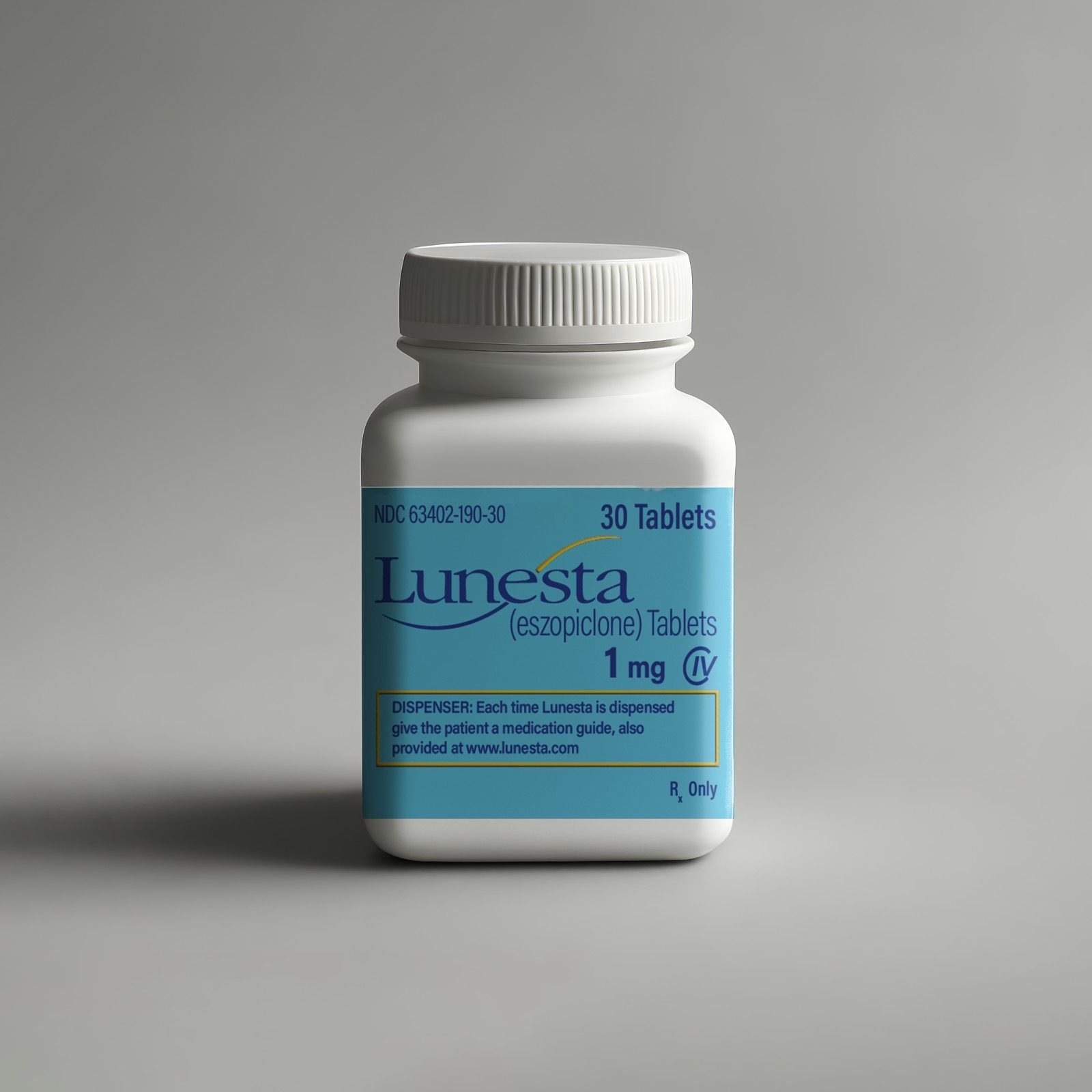 Buy Lunesta Online
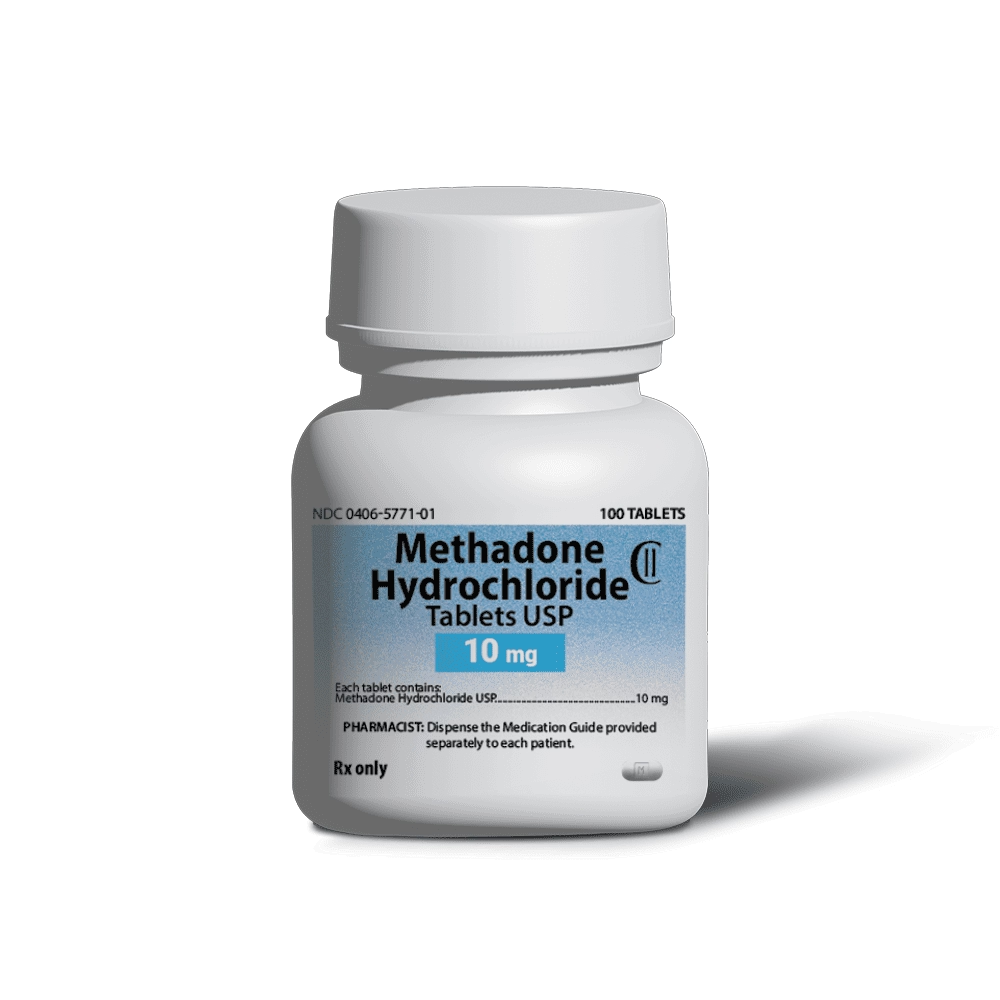 Buy Methadone Online
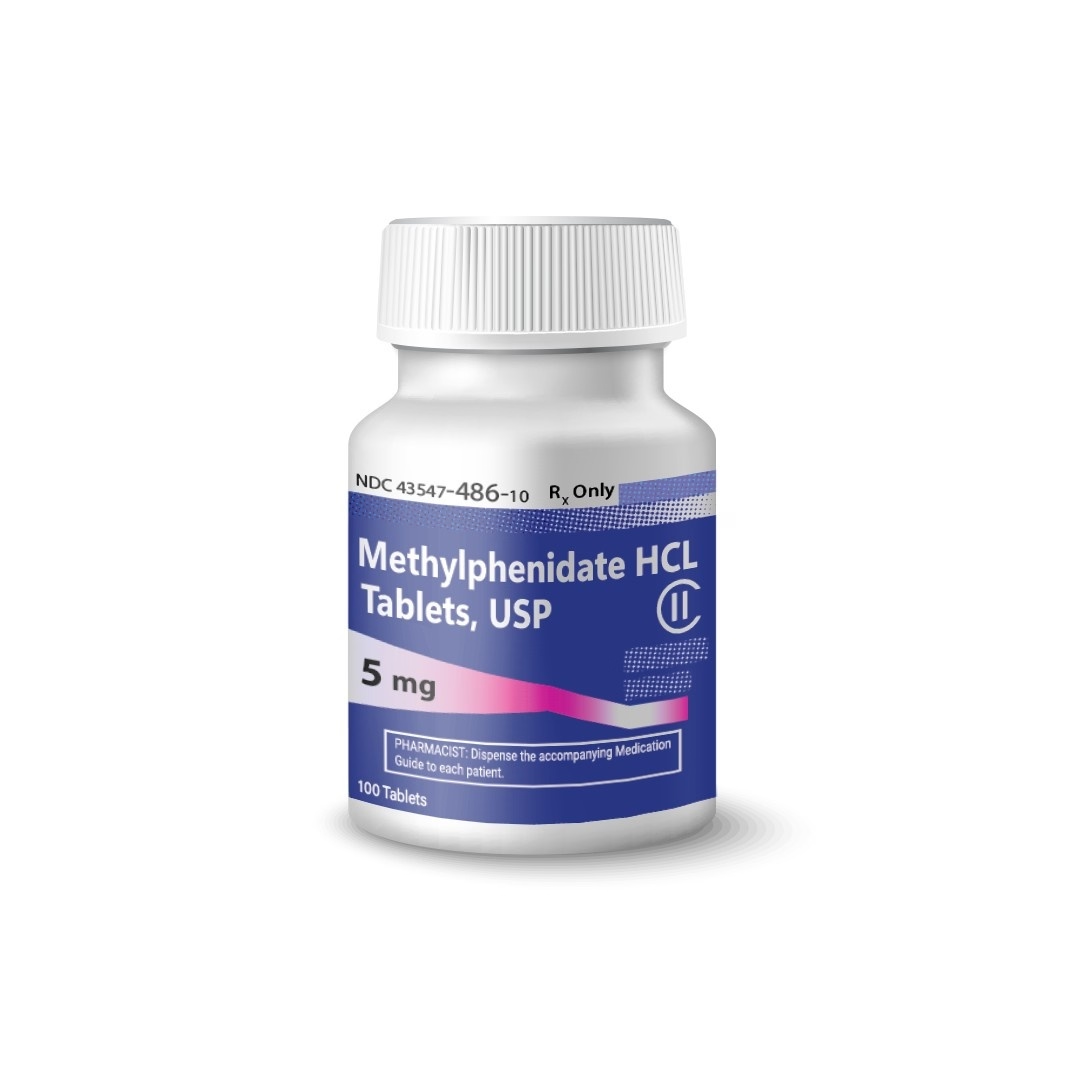 Buy Methylphenidate Online
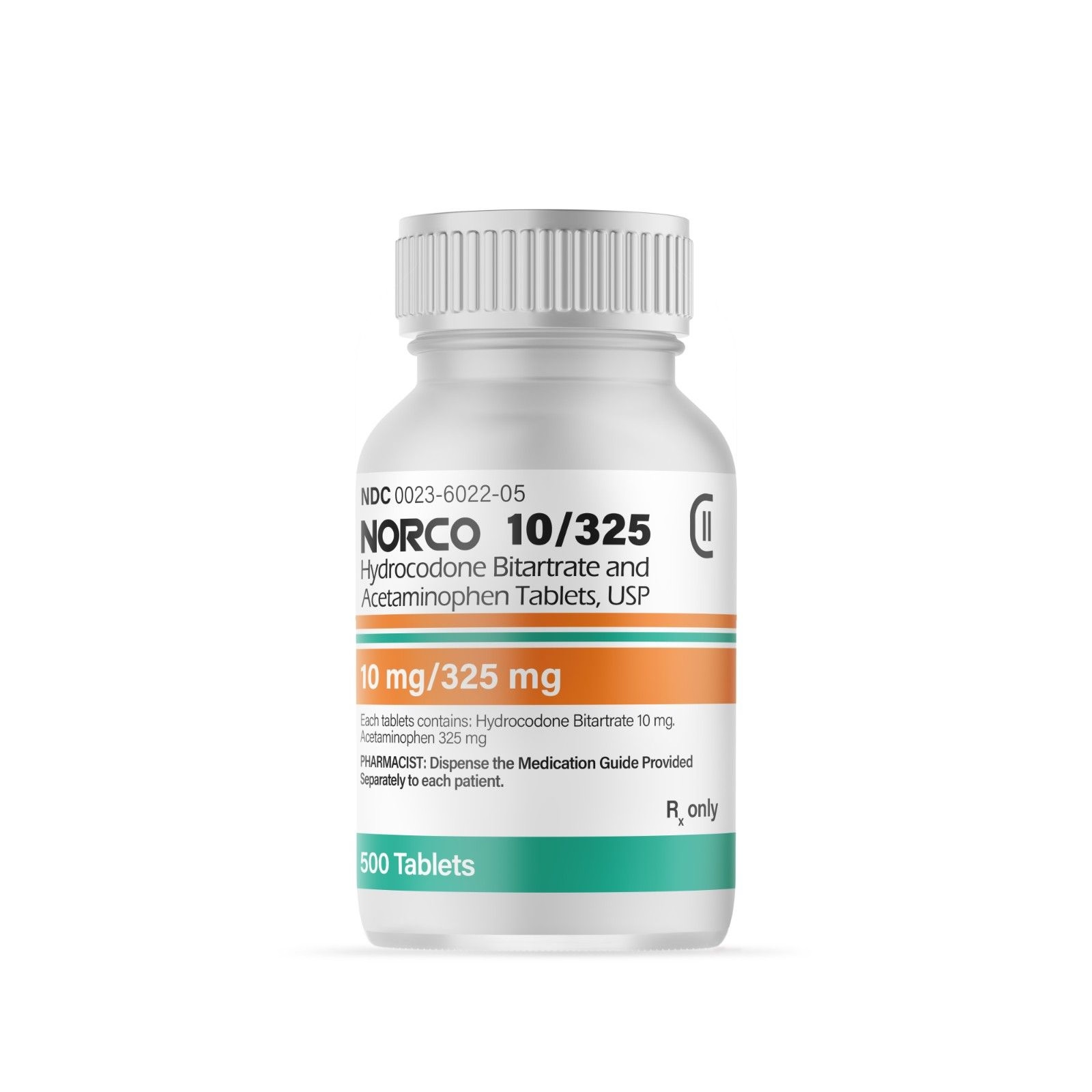 Buy Norco Online
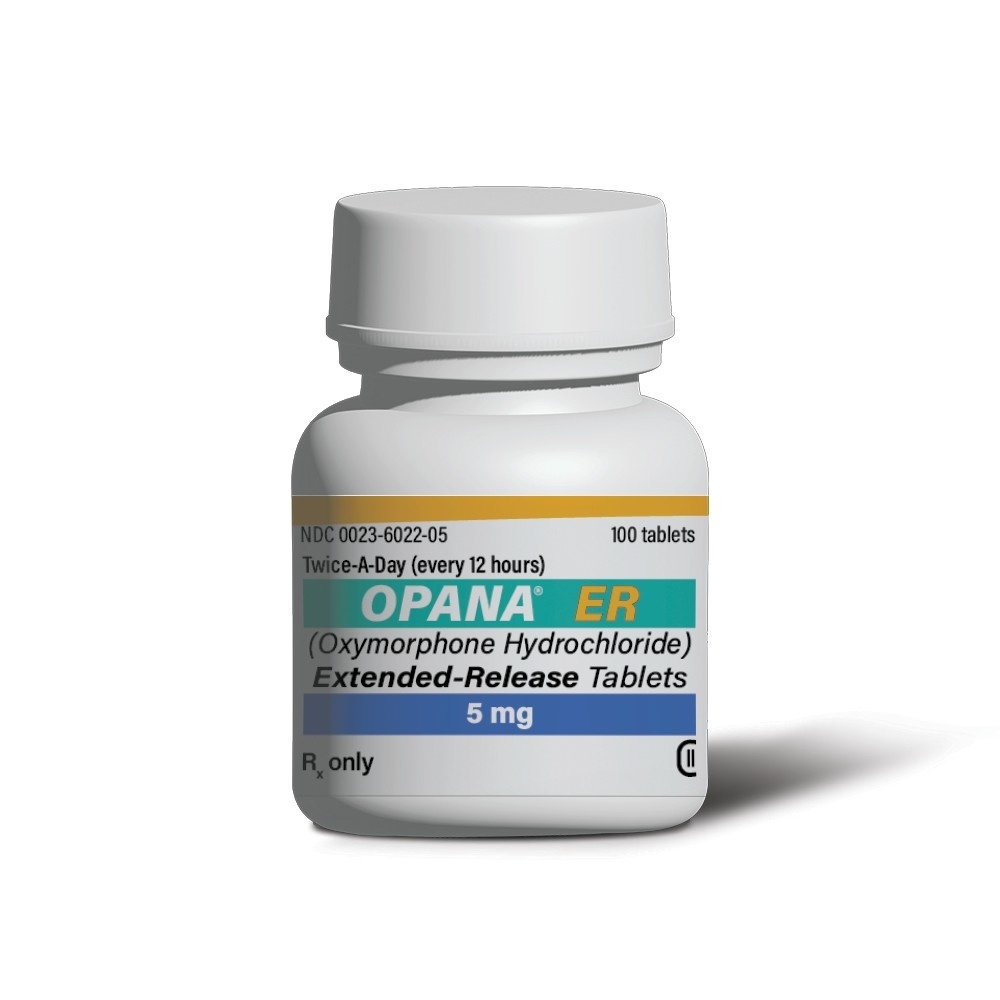 Buy Opana ER Online
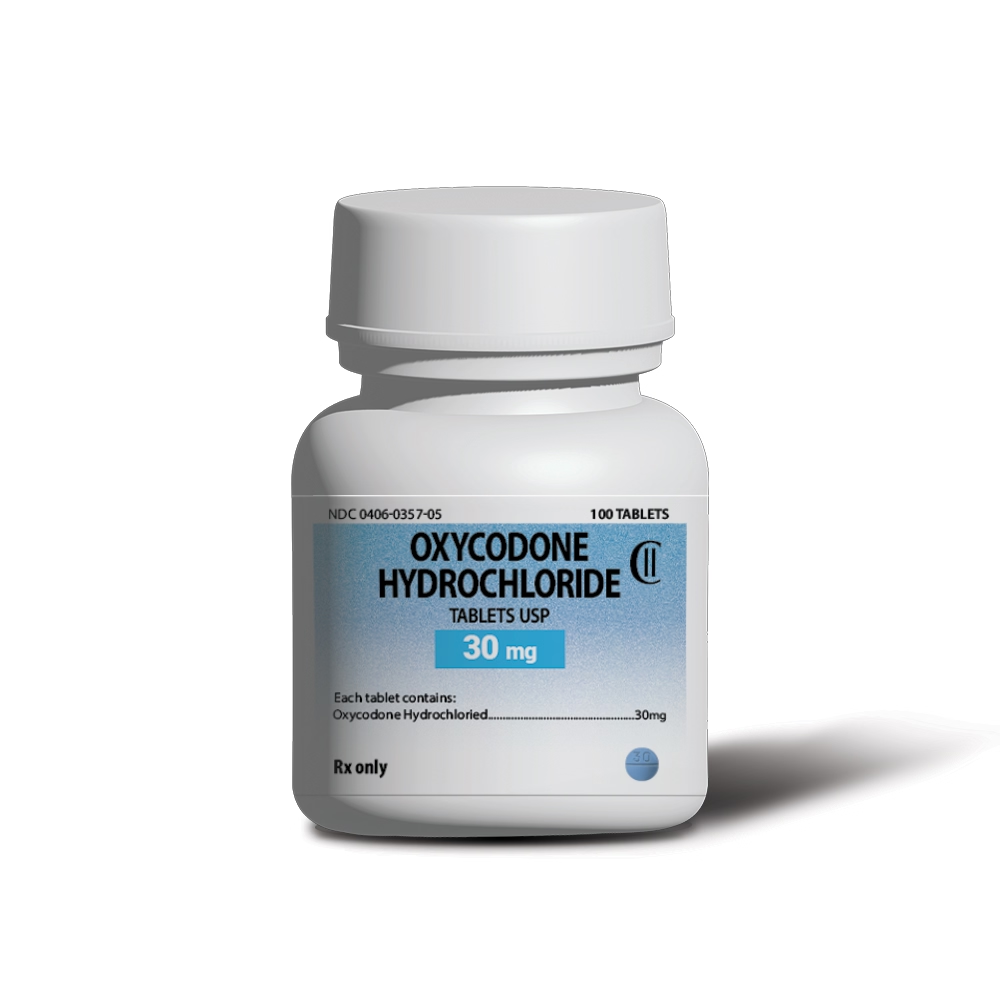 Buy Oxycodone Online
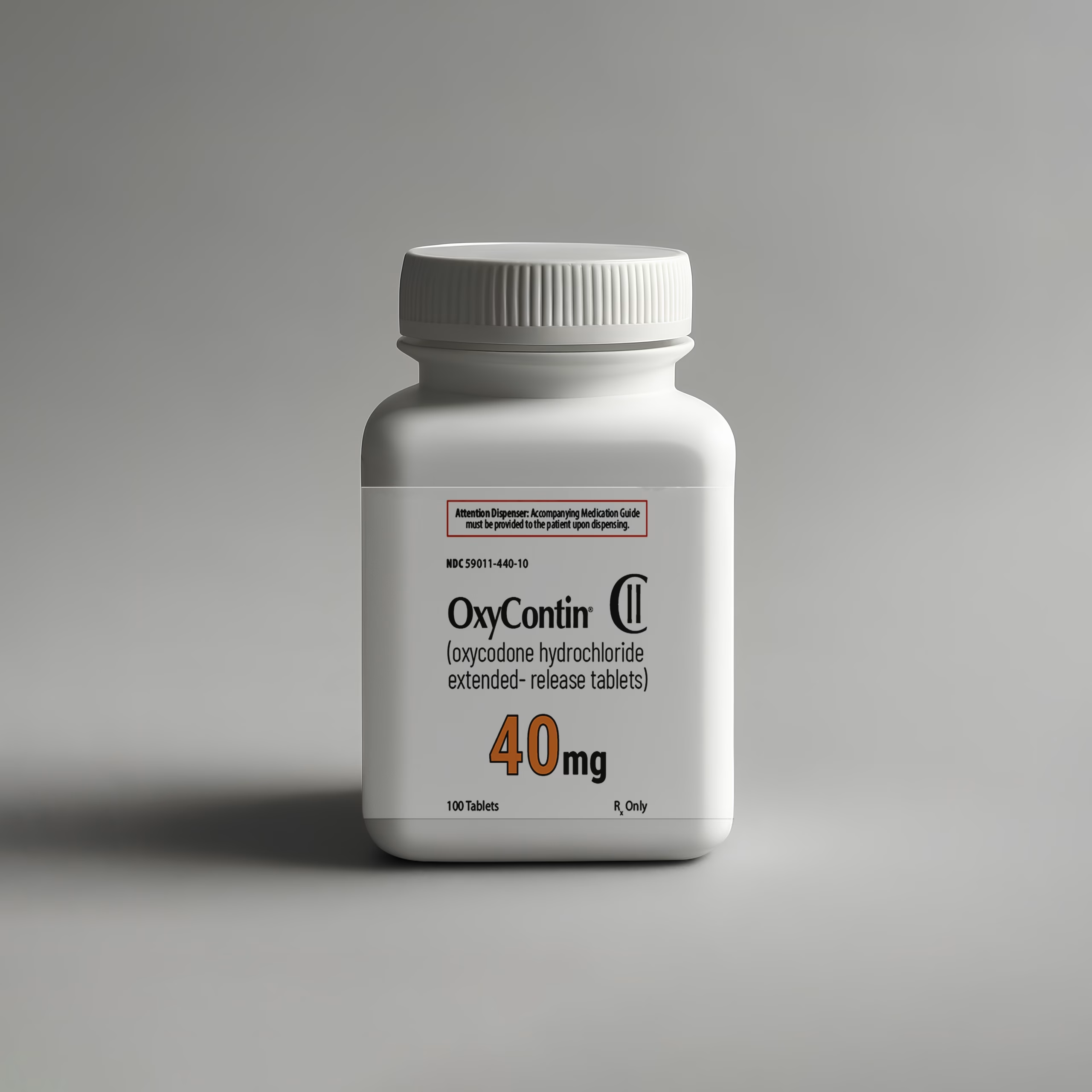 Buy Oxycontin Online
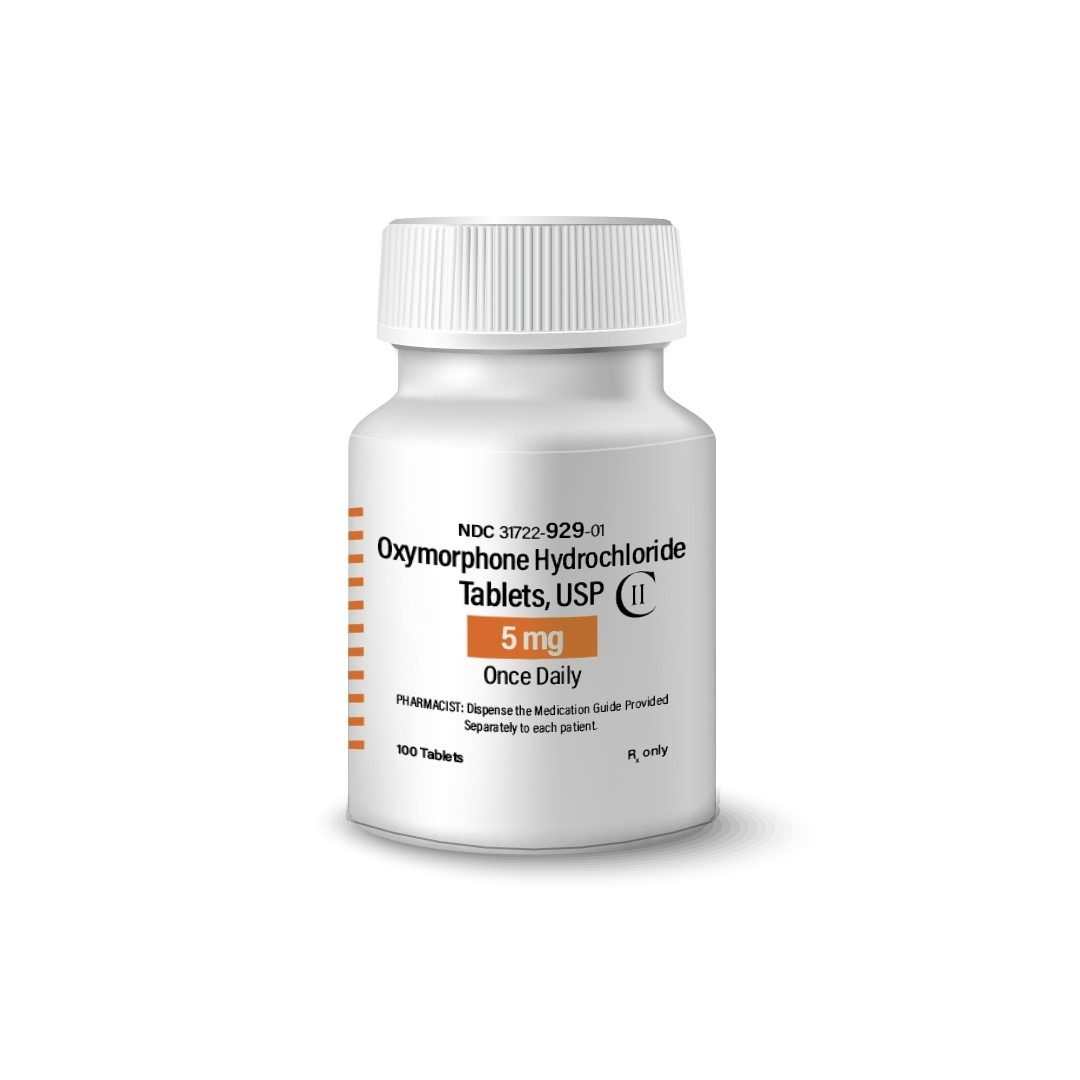 Buy Oxymorphone Online
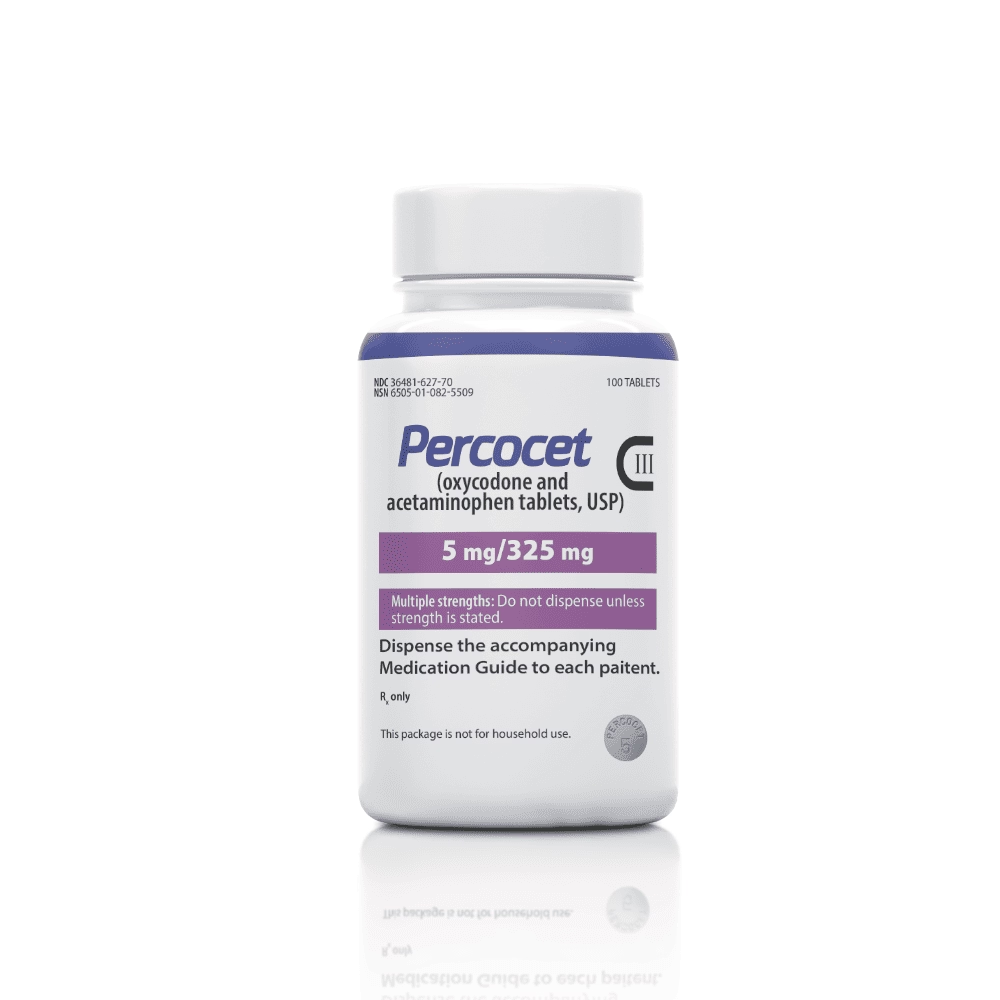 Buy Percocet Online
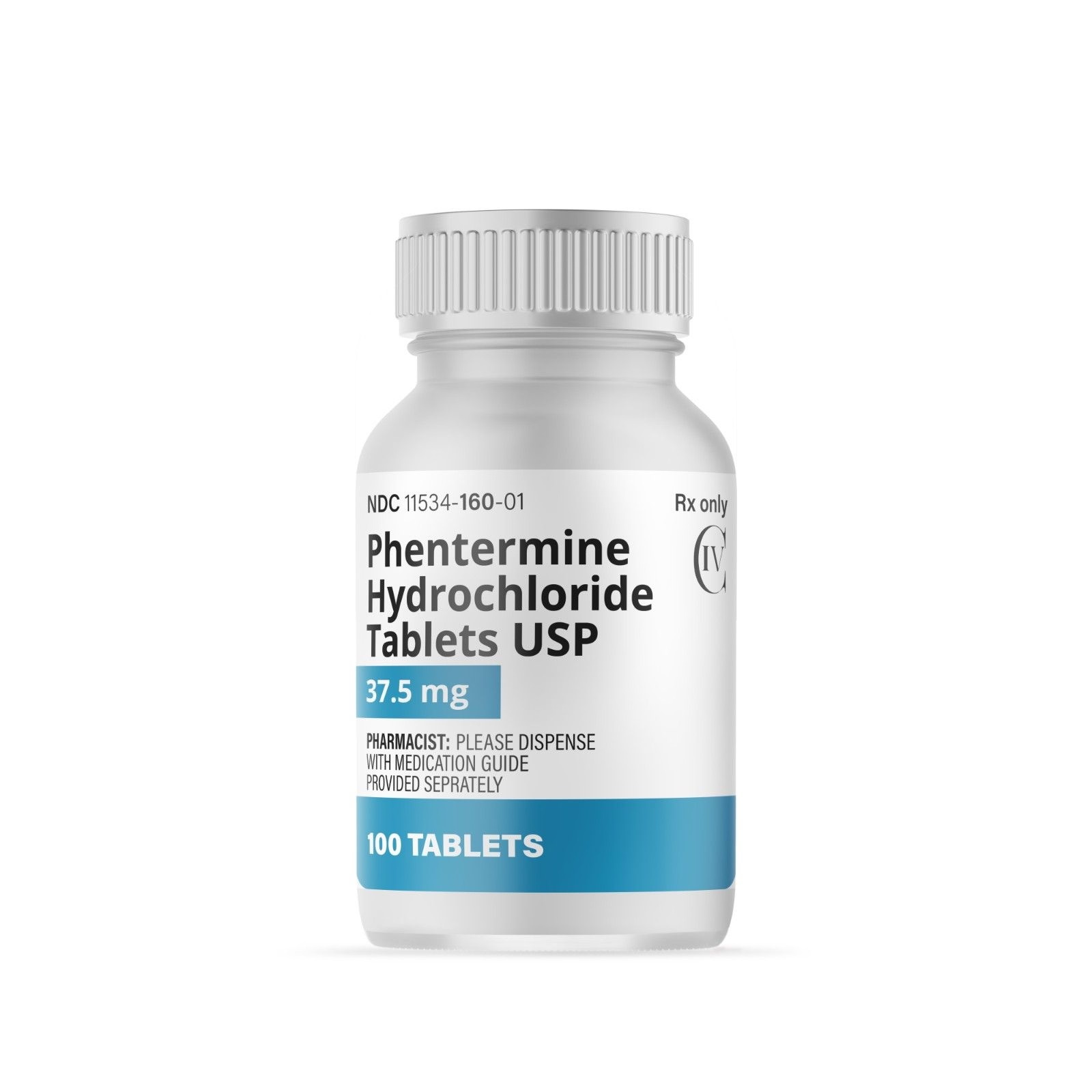 Buy Phentermine Online
 Buy Pregabalin Online
 Buy Provigil Online
 Buy Restoril Online
 Buy Ritalin Online
 Buy Soma Online
 Buy Suboxone Online
 Buy Tramadol Online
 Buy Valium Online
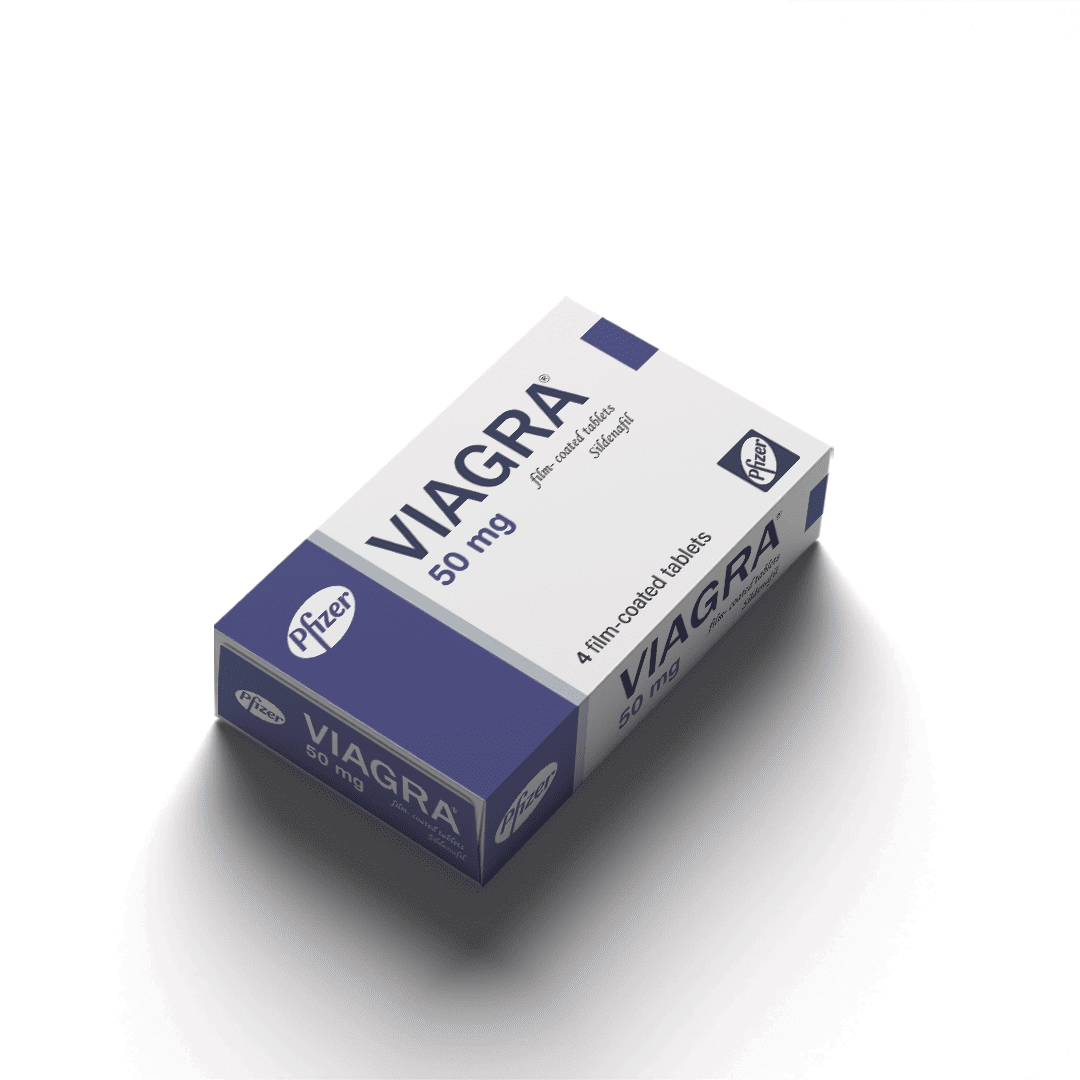 Buy Viagra Online
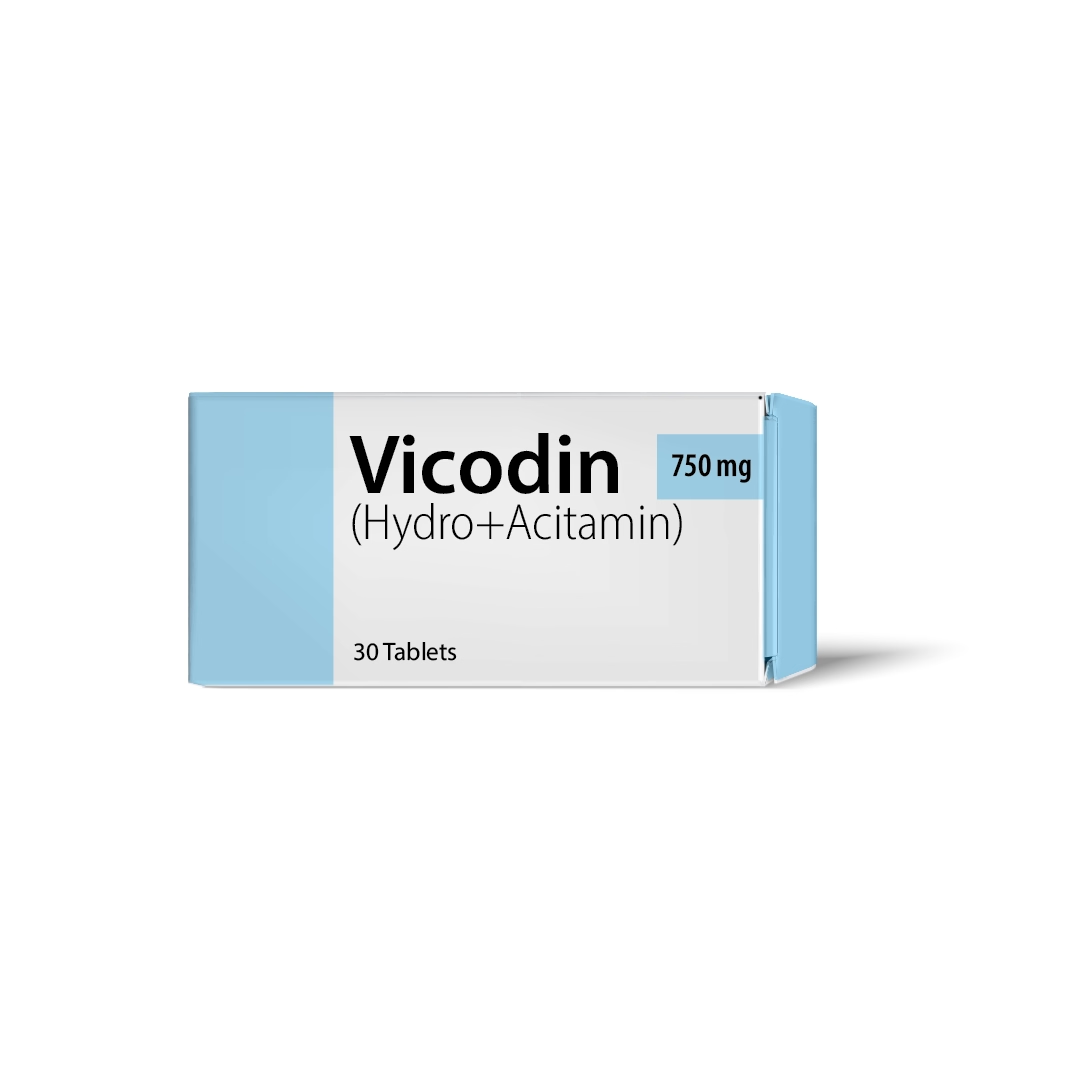 Buy Vicodin Online
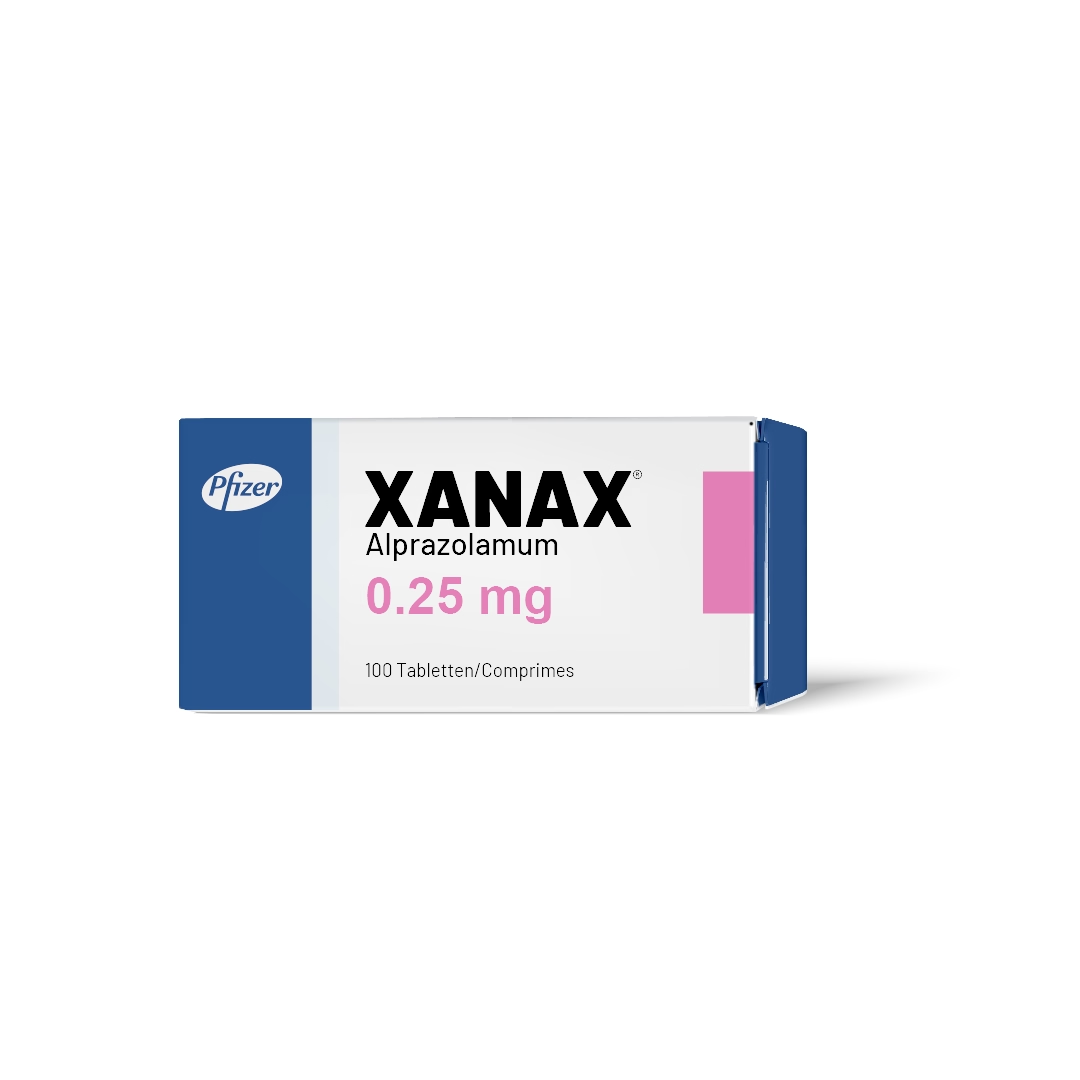 Buy Xanax Online
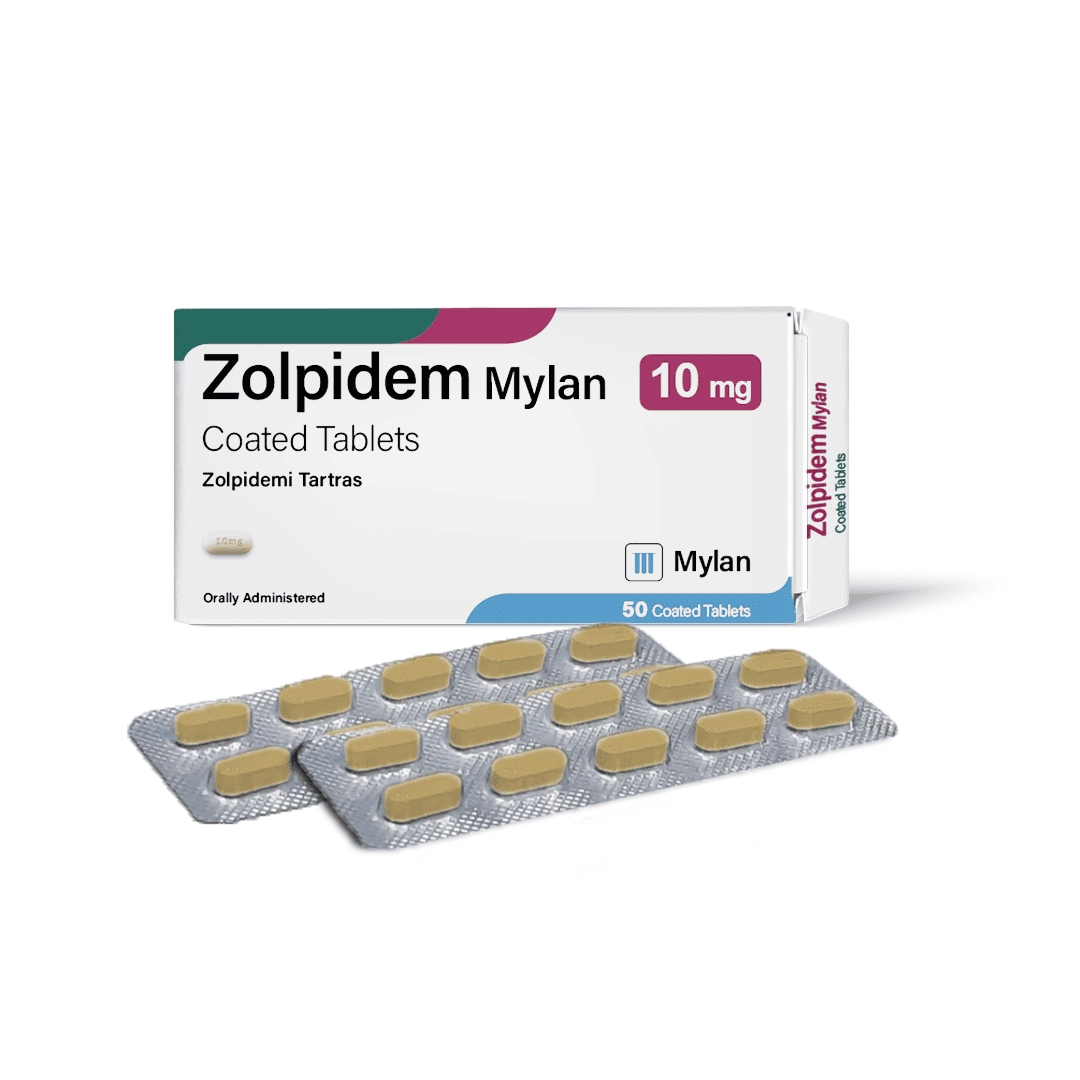 Buy Zolpidem Online
Buy Percocet Online
Showing all 5 results
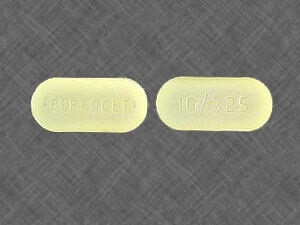
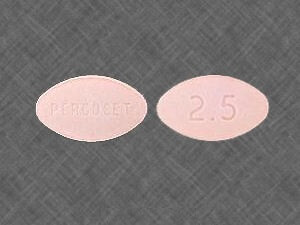
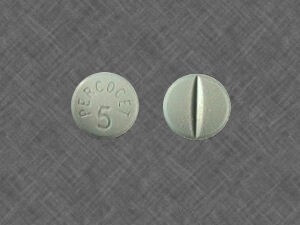
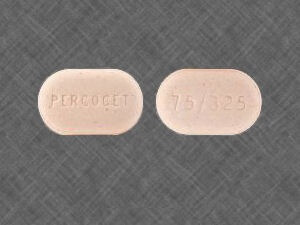
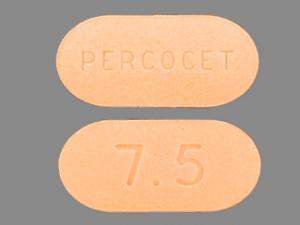
What Is Percocet?
Percocet is a prescription pain medicine that combines oxycodone, an opioid analgesic, with acetaminophen, a non-opioid pain reliever. It is intended for certain cases of pain that are severe enough to require an opioid when other treatment options are not adequate. FDA labeling identifies Percocet as an oxycodone-and-acetaminophen product available in prescription strengths.
Because oxycodone is an opioid, Percocet carries important risks, including misuse, addiction, physical dependence, overdose, and potentially life-threatening respiratory depression. It should therefore be used only under the direction of a qualified healthcare professional.
How Does Percocet Work?
Percocet contains two active ingredients that work in different ways. Oxycodone acts on opioid receptors in the central nervous system to reduce the perception of pain. Acetaminophen provides additional pain-relieving and fever-reducing effects.
The combination can provide stronger pain relief than either ingredient alone for some patients. However, stronger pain relief also requires careful attention to dosing, interactions, and individual risk factors.
What Is Percocet Used For?
Healthcare professionals may prescribe Percocet for short-term management of moderate to severe pain when an opioid analgesic is considered appropriate.
Treatment should be individualized according to factors such as:
- The cause and intensity of pain
- Previous pain treatments and their effectiveness
- Other medicines being used
- Medical history and risk factors
- The expected duration of opioid treatment
FDA opioid labeling emphasizes using the lowest effective dose for the shortest appropriate duration and reassessing whether continued opioid treatment is necessary.
Percocet Dosage and Proper Use
Percocet dosage depends on the specific formulation, the patient’s condition, previous opioid exposure, and the clinician’s treatment plan. Do not change the dose, frequency, or duration without medical advice.
Never take more Percocet than prescribed. Taking additional doses can increase the risk of excessive sedation, respiratory depression, overdose, and acetaminophen-related liver injury.
Patients should also avoid taking other products containing acetaminophen unless their healthcare professional confirms that the combined amount is appropriate.
Important Acetaminophen Precaution
One of the important considerations with Percocet is its acetaminophen component. Taking excessive acetaminophen can cause serious liver injury.
Before using Percocet, tell your healthcare professional if you:
- Have liver disease
- Regularly consume alcohol
- Take other acetaminophen-containing medicines
- Have previously experienced problems with acetaminophen
Reading the ingredient lists of other prescription, over-the-counter, and combination medicines can help prevent accidental duplication.
Percocet Side Effects
Possible side effects may include:
- Drowsiness
- Dizziness
- Nausea
- Vomiting
- Constipation
- Headache
- Itching
- Weakness or fatigue
More serious opioid-related complications can include severe sedation and respiratory depression. FDA prescribing information warns that oxycodone can cause serious or fatal breathing problems, particularly during treatment initiation or after dose increases.
Seek emergency medical attention for signs of a possible overdose, such as extreme sleepiness, inability to wake, slow or difficult breathing, or loss of consciousness.
Dependence, Misuse, and Withdrawal
Oxycodone is a controlled opioid with recognized risks of misuse, abuse, addiction, and physical dependence. These risks can occur even when an opioid is taken as prescribed.
Physical dependence means the body has adapted to the medicine. If someone has been taking an opioid regularly, suddenly stopping it may result in withdrawal symptoms and uncontrolled pain. A healthcare professional can determine whether the medication should be gradually reduced rather than stopped abruptly.
Medicines and Substances That Can Interact With Percocet
Tell your doctor or pharmacist about every prescription medicine, over-the-counter product, and supplement you use.
Particular caution is required with:
- Benzodiazepines and other central nervous system depressants
- Alcohol
- Other opioid medicines
- Certain sedating medicines
- Some medicines that affect CYP3A4 enzymes
- Serotonergic medicines
- Monoamine oxidase inhibitors (MAOIs)
Combining opioids with benzodiazepines, alcohol, or other CNS depressants can cause profound sedation, respiratory depression, coma, or death.
What Should You Avoid While Taking Percocet?
Because Percocet can cause dizziness and drowsiness, avoid driving or operating machinery until you know how it affects you.
Do not share Percocet with another person. Store prescription opioids securely and dispose of unused medication according to appropriate medication-disposal guidance.
Avoid consuming additional acetaminophen-containing products unless your healthcare professional has reviewed your total daily intake.
Percocet and Pregnancy
Opioid use during pregnancy requires careful medical assessment. Prolonged opioid exposure during pregnancy can result in neonatal opioid withdrawal syndrome, which may require treatment after birth.
Anyone who is pregnant, planning pregnancy, or breastfeeding should discuss opioid treatment with a healthcare professional before making changes to therapy.
Frequently Asked Questions
Is Percocet a prescription medication?
Yes. Percocet is an opioid-containing prescription medicine. It should be obtained and used through a legitimate healthcare professional and pharmacy.
Can Percocet cause dependence?
Yes. Because it contains oxycodone, repeated use can lead to physical dependence and carries risks of misuse, addiction, and overdose.
Can I take Tylenol with Percocet?
Percocet already contains acetaminophen. Taking additional acetaminophen may unintentionally increase your total intake and potentially increase the risk of liver injury. Ask a healthcare professional before combining them.
Can I drink alcohol while taking Percocet?
Alcohol can intensify opioid-related sedation and respiratory depression. Combining alcohol with oxycodone can be dangerous and should be avoided unless specifically addressed by a healthcare professional.
What should I do if I miss a dose?
Follow the instructions provided with your prescription. Do not automatically take an extra dose to compensate for a missed dose. If you are uncertain, contact your pharmacist or prescriber.
Safe Use Matters
Percocet can be an appropriate prescription option for selected patients with significant pain, but it is not suitable for everyone. Its opioid component requires careful monitoring, while its acetaminophen component makes total acetaminophen intake an important safety consideration.
For accurate dosing, interactions, and treatment decisions, consult a licensed healthcare professional and follow the medication guide supplied with your prescription. FDA prescribing information should be used as the authoritative reference for current safety and prescribing details.
Product Category
-
 Buy Tapentadol Online
 -
 Buy Adderall Online
 -
 Buy Adipex Online
 -
 Buy Alprazolam Online
 -
 Buy Ambien Online
 -
 Buy Ativan Online
 -
 Buy Belbien Online
 -
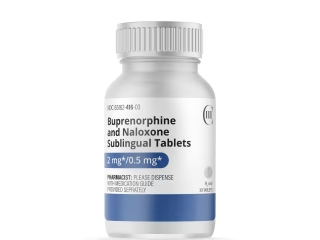 Buy Buprenorphine Online
 -
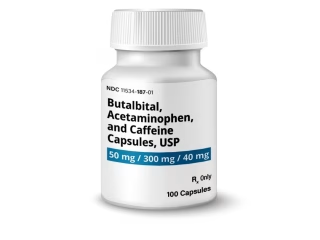 Buy Butalbital Online
 -
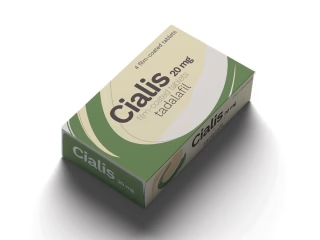 Buy Cialis Online
 -
 Buy Claritin Online
 -
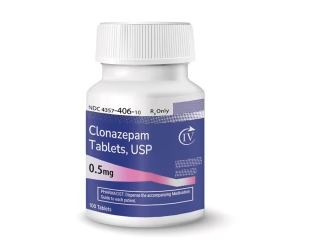 Buy Clonazepam Online
 -
 Buy Codeine Online
 -
 Buy Concerta Online
 -
 Buy Diazepam Online
 -
 Buy Dilaudid Online
 -
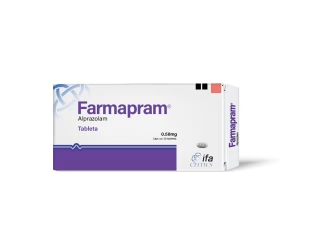 Buy Farmapram Online
 -
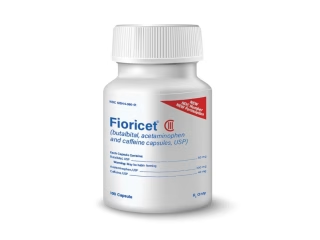 Buy Fioricet Online
 -
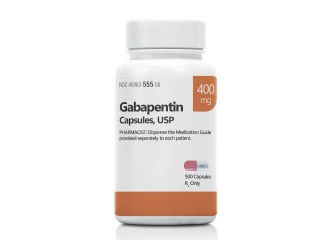 Buy Gabapentin Online
 -
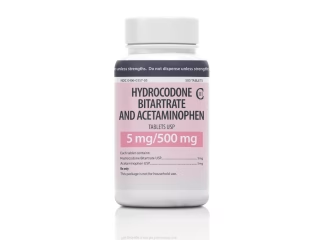 Buy Hydrocodone Online
 -
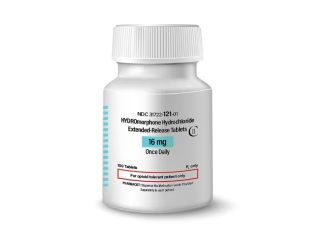 Buy Hydromorphone Online
 -
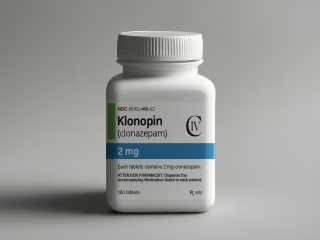 Buy Klonopin Online
 -
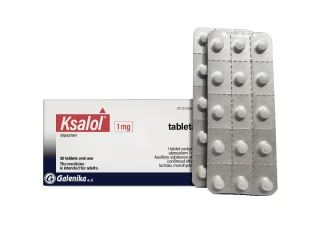 Buy Ksalol Online
 -
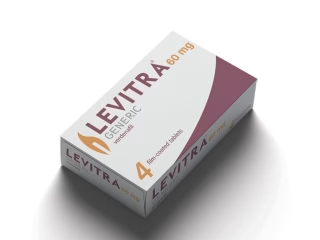 Buy Levitra Online
 -
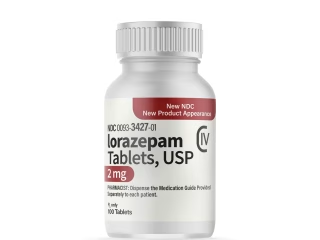 Buy Lorazepam Online
 -
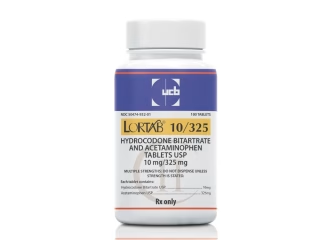 Buy Lortab Online
 -
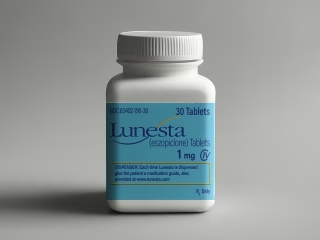 Buy Lunesta Online
 -
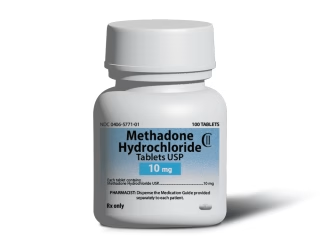 Buy Methadone Online
 -
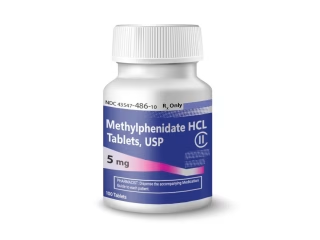 Buy Methylphenidate Online
 -
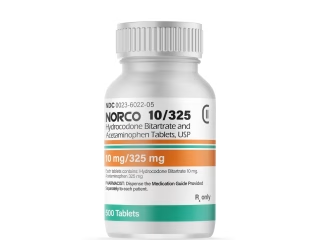 Buy Norco Online
 -
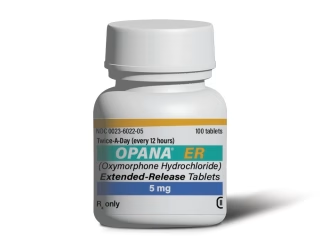 Buy Opana ER Online
 -
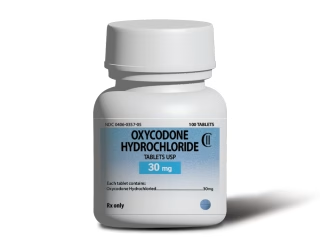 Buy Oxycodone Online
 -
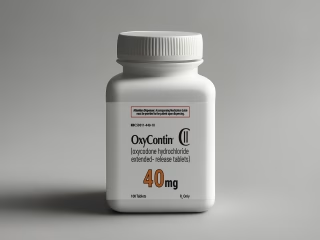 Buy Oxycontin Online
 -
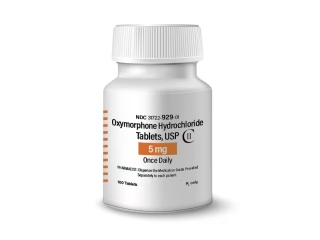 Buy Oxymorphone Online
 -
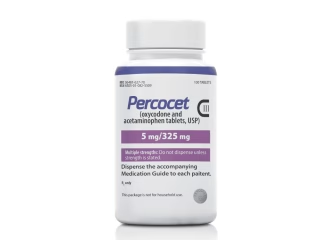 Buy Percocet Online
 -
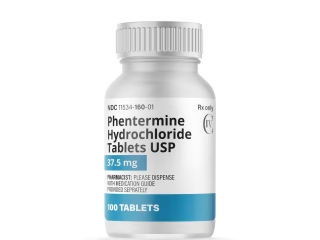 Buy Phentermine Online
 -
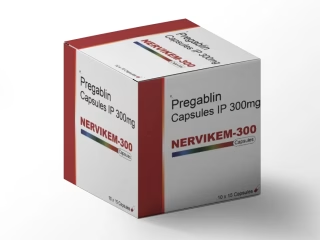 Buy Pregabalin Online
 -
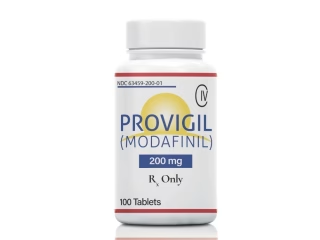 Buy Provigil Online
 -
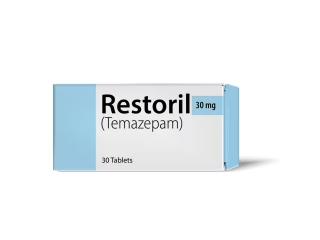 Buy Restoril Online
 -
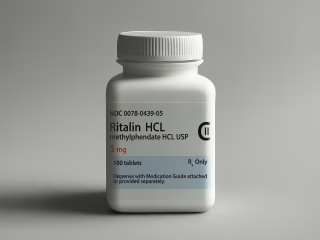 Buy Ritalin Online
 -
 Buy Soma Online
 -
 Buy Suboxone Online
 -
 Buy Tramadol Online
 -
 Buy Valium Online
 -
 Buy Viagra Online
 -
 Buy Vicodin Online
 -
 Buy Xanax Online
 -
 Buy Zolpidem Online